ANA Holdings

Search documents
视频丨日本强降雪已致46人死500多人伤
Xin Lang Cai Jing· 2026-02-08 15:30
(来源:千龙网) 截至目前,全日空取消了多架从羽田机场等地起降的航班,超1.2万人受到影响。此外,当天日本有多 所学校因降雪天气推迟入学考试的时间,包括日本法政大学、日本中央大学等大学。 日本总务省消防厅2月8日发布的最新数据显示,截至目前,自1月20日以来的强降雪已在日本全国造成 46人死亡、543人受伤。 ...
日本 2026 年展望:2026 年股市观点与优选标的 -Moriy a2026 年股市观点与优选标的-Japan Outlook 2026 _2026 Equity Market View and Top Picks_ Moriya_ 2026 Equity Market View and Top Picks
2025-12-08 00:41
Summary of Japan Equity Market Outlook 2026 Industry Overview - The report focuses on the Japanese equity market and its outlook for 2026, highlighting significant structural changes and geopolitical factors impacting the market [1][2][3]. Core Insights and Arguments 1. **Economic Normalization**: The Japanese economy is expected to continue its normalization process, overcoming previous shocks such as US tariffs, with an estimated annual upside of +8% for Japanese equities [2][3]. 2. **Inflation and Corporate Reforms**: Key drivers include an upswing in inflation, corporate reforms (involving shareholder returns, business restructuring, and growth investments), and investments focused on economic security [2][3]. 3. **AI and Geopolitical Factors**: Stock selection will be influenced by global AI expectations, with a widening performance gap among sectors due to operational resource allocation in response to inflation and geopolitical changes [3][35]. 4. **Sector Preferences**: Preferred sectors include banks and consumption-related sectors at the beginning of 2026, transitioning to AI-related sectors as the global economy accelerates [3][35]. 5. **Top Stock Picks**: Notable stock picks include: - **Technology Sector**: Tokyo Electron, Murata Manufacturing, Daikin - **Real Estate and Retail**: Mitsubishi Estate, FOOD & LIFE - **Corporate Reforms**: Toyota, Sumitomo Corporation, Panasonic, Kirin [3][4]. Important but Overlooked Content 1. **Fiscal Policy Impact**: The fiscal deficit is projected to widen from -0.8% of GDP in 2025 to -2.9% in 2026, which may boost GDP by approximately 0.7 percentage points [14][15]. 2. **Wage Growth and Inflation**: Wage growth is expected to persist, with base pay hikes projected to be slightly above 3%, contributing to a shift from deflation to sustained inflation [36][37]. 3. **Corporate Governance Reforms**: The Financial Services Agency (FSA) plans to revise the Corporate Governance Code, which may lead to improved balance sheet efficiency and resource reallocation among Japanese companies [37][38]. 4. **Geopolitical Risks**: The minority status of the new administration raises concerns about policy execution, with potential risks of a "Japan sell-off" if fiscal expansion is not managed effectively [15][39]. Economic Projections - **GDP Growth**: Real GDP growth is expected to accelerate from 0.9% in FY2025 to 1.2% in FY2026, with a nominal growth rate of about 3% over the next three years [11][12]. - **Inflation Rates**: Core CPI is projected to slow from 3.1% in 2025 to 1.7% in 2026, but inflation expectations may sustain around 2% beyond 2027 [12][13]. Conclusion - The Japanese equity market is poised for growth driven by structural reforms, inflationary trends, and strategic investments in key sectors. However, geopolitical risks and fiscal policy execution remain critical factors to monitor as 2026 approaches [1][2][3][4].
全球超一半空客A320客机需紧急停飞
财联社· 2025-11-29 13:58
Core Viewpoint - Airbus has announced an urgent grounding of a significant number of A320 aircraft due to flight control software vulnerabilities affected by strong solar radiation, impacting approximately 6,000 aircraft that will require immediate repairs [1][2]. Group 1: Impact on Aircraft Operations - The grounding is a response to an incident involving a JetBlue A320 that experienced a sudden altitude drop, injuring several passengers, which prompted Airbus to analyze the situation and issue a stop-flight order to all operators using the affected software [2]. - Over half of the global A320 fleet is affected, leading to numerous flight cancellations and delays across various airlines [3]. - American Airlines, the largest operator of A320 aircraft, reported that around 340 of its 480 A320s require repairs, with most expected to be completed by November 29 [3]. Group 2: Repair and Maintenance Challenges - The repair process involves reverting to an earlier software version, which is relatively simple; however, the aircraft must be transferred to maintenance centers, causing delays in returning to service [2]. - Approximately 1,000 aircraft will also require hardware replacements, with operations expected to take several weeks [2]. - Airlines such as Avianca have indicated that over 70% of their fleet is affected, leading to significant disruptions and the suspension of ticket sales for flights before December 8 [3][4]. Group 3: Broader Industry Implications - Other airlines, including Lufthansa, easyJet, Jetstar, Air New Zealand, and ANA, are also planning to ground aircraft for short-term repairs [4]. - The current peak travel season, combined with a backlog of aircraft awaiting engine repairs and a shortage of skilled technicians, may exacerbate the situation, potentially leading to widespread flight disruptions [4].



Airbus issues major A320 recall after mid-air incident grounds planes, disrupting global travel
The Guardian· 2025-11-29 10:17
Core Viewpoint - Airbus has initiated a significant recall affecting 6,000 A320 family jets, leading to widespread flight cancellations and delays globally, as safety concerns arise from a recent incident involving the aircraft [1][11]. Group 1: Recall Details - The European Union Aviation Safety Agency (EASA) mandated immediate repairs for the A320 aircraft, emphasizing that "safety is paramount" [1]. - The US Federal Aviation Administration (FAA) issued an emergency airworthiness directive requiring specific software modifications for certain Airbus planes [2]. - Airbus indicated that while most fixes involve simple software changes, a subset of jets will require more extensive hardware modifications, with the number needing extensive fixes being lower than initial estimates of 1,000 [3]. Group 2: Impact on Airlines - Major airlines such as Delta, United, and American Airlines reported varying impacts, with American Airlines stating that 209 of its 480 A320 aircraft would require fixes, expecting completion by Saturday [5]. - In Australia, Jetstar cancelled 90 flights due to the issue, affecting a significant number of passengers [6]. - ANA Holdings in Japan cancelled 65 flights, indicating potential further cancellations [7]. - Other airlines, including Lufthansa, IndiGo, and easyJet, also reported disruptions but some had already completed necessary updates [8][10]. Group 3: Incident Background - The recall was triggered by an incident involving a JetBlue flight that experienced a sudden drop in altitude, resulting in injuries to passengers [12]. - The problem was traced to the elevator and aileron computer (ELAC), which is critical for flight control [13]. Group 4: Industry Context - The recall represents one of the largest in Airbus's history and comes at a time when airline repair shops are already facing capacity shortages due to other maintenance demands [14]. - There are approximately 11,300 A320-family aircraft in operation worldwide, with 6,440 being the core A320 model [14].

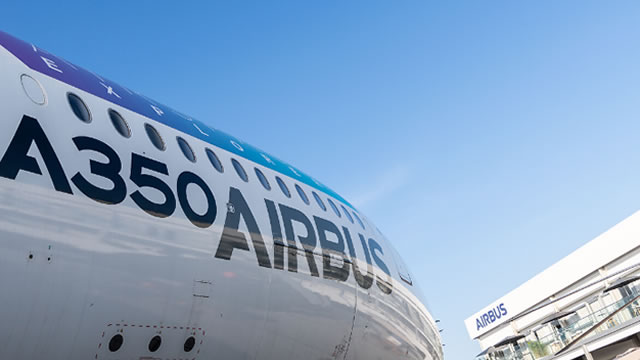
Japan's ANA cancels 65 flights on Saturday after Airbus A320 recall
Reuters· 2025-11-29 01:53
Core Point - ANA Holdings, Japan's largest airline, cancelled 65 flights on Saturday due to the Airbus A320 recall, which necessitated grounding some aircraft [1] Company Summary - ANA Holdings is facing operational disruptions as a result of the Airbus A320 aircraft recall, impacting its flight schedule significantly [1] Industry Summary - The airline industry is experiencing challenges related to aircraft safety recalls, which can lead to flight cancellations and operational inefficiencies [1]

中国游客对日本贡献究竟有多大?
3 6 Ke· 2025-11-19 10:49
Core Viewpoint - The recent travel warning for citizens to postpone trips to Japan has led to a significant decline in travel bookings and a potential economic impact on Japan's tourism sector, which is heavily reliant on Chinese tourists [1][3][10]. Group 1: Impact on Travel Bookings - After the travel warning, bookings for flights from China to Tokyo's Narita Airport dropped by 65% in a single day [3]. - The cancellation of tickets to Japan reached 491,000, which is 32% of the total bookings, with a notable increase in cancellations from Beijing compared to other Chinese cities [3]. - The hotel occupancy rates in tourist-dependent areas like Kyoto and Nara surged to 70% due to the drop in Chinese tourists [3]. Group 2: Stock Market Reaction - The Nikkei 225 index fell over 1% and dropped below 50,000 points on November 17, reflecting immediate market reactions to the travel warning [4]. - Airline stocks, including All Nippon Airways and Japan Airlines, saw declines of over 3% to 4%, while railway, retail, and hotel operators like Hankyu Hanshin Holdings fell more than 2% [5]. Group 3: Economic Significance of Chinese Tourists - The tourism industry contributes 7.5% to Japan's GDP, making it a crucial sector for economic growth and employment [7]. - In 2024, Japan welcomed 36.87 million foreign tourists, a 53.4% increase from 2023, with Chinese tourists accounting for 18.9% of this total [7][8]. - Chinese tourists spent 1.7335 trillion yen, representing 21.3% of total foreign tourist spending in Japan, highlighting their significant economic impact [8]. Group 4: Broader Economic Implications - A significant drop in Chinese tourists could lead to a 0.36% reduction in Japan's GDP, which would erase more than half of the revised GDP growth forecast for the fiscal year 2025 [9]. - The Japanese Cabinet Office recently lowered its GDP growth forecast from 1.2% to 0.7%, indicating a challenging economic environment [9]. Group 5: Global Context of Chinese Tourists - The influence of Chinese tourists extends beyond Japan, as their absence during the pandemic severely impacted global tourism, with Japan losing 4.8 trillion yen [13]. - The spending power of Chinese tourists is unmatched, as evidenced by their higher per capita spending compared to tourists from other countries [14][18]. - The anticipated outbound travel from China is expected to exceed 155 million by 2025, underscoring the growing importance of Chinese tourists in the global tourism landscape [18][19].

Asian Shares Retreat Before Nvidia Earnings, Key US Data
RTTNews· 2025-11-18 08:42
Market Overview - Asian stocks experienced a significant decline as risk aversion increased ahead of Nvidia's earnings report and delayed U.S. economic data, including a jobs report released almost seven weeks late due to a government shutdown [1] - The dollar strengthened amid rising uncertainty regarding interest rates and technology valuations, while oil prices fell following the resumption of loadings at a key Russian port [1] Commodity and Currency Movements - Gold prices fell approximately 1 percent, marking a fourth consecutive session of losses, influenced by the strength of the dollar and reduced expectations for a U.S. interest rate cut next month [2] - The yen recovered from its lowest level since early February due to intervention fears, with Bank of Japan Governor Kazuo Ueda discussing economic and monetary policy developments with Prime Minister Sanae Takaichi [5] Regional Market Performance - Chinese and Hong Kong markets declined, with the Shanghai Composite index dropping 0.81 percent to 3,939.81, primarily due to falling energy stocks, while Hong Kong's Hang Seng index plunged 1.72 percent to 25,930.03, affected by tech stock concerns related to AI valuations [2] - Japanese markets saw a significant drop, with the Nikkei average falling 3.22 percent to 48,702.98, marking its largest decline in over seven months, driven by falling tourism-related stocks due to China's travel alert [3] - Seoul's Kospi index fell 3.32 percent to 3,953.62, heavily impacted by selling from institutions and offshore investors, with major tech stocks like Samsung Electronics and SK Hynix experiencing declines of 2.8 percent and 5.9 percent, respectively [6] - Australian markets hit a five-month low, with the S&P/ASX 200 dipping 1.94 percent to 8,469.10, influenced by cautious sentiments regarding future interest rate cuts [7] Company-Specific Movements - Shiseido's stock fell 2.9 percent, while ANA Holdings dropped 1.3 percent; SoftBank Group lost 7.5 percent, and semiconductor companies like Advantest and Tokyo Electron saw declines of 3.7 percent and 5.5 percent, respectively [4]


【环球财经】日经225指数重挫3.22% 东证33个行业板块无一上涨
Xin Hua Cai Jing· 2025-11-18 07:24
Core Points - The Tokyo stock market experienced a decline for three consecutive trading days, with the Nikkei 225 index falling by 3.22% and the Tokyo Stock Exchange index dropping by 2.88% on November 18 [1] - The decline was influenced by a comprehensive drop in the three major U.S. stock indices and rising investor concerns regarding the deterioration of China-Japan relations [1] - Major technology stocks, including SoftBank Group, Advantest, and Tokyo Electron, saw significant declines as investors adjusted their positions ahead of Nvidia's earnings report [1] Industry Summary - The retail sector, particularly companies reliant on inbound tourism, faced continued declines, with stocks such as Mitsukoshi Isetan, Takashimaya, and Daimaru Matsuzakaya Holdings falling [1] - Shiseido, which heavily depends on Chinese tourist spending, dropped by 9% on November 17 and further declined by 2.89% on November 18 [1] - All 33 industry sectors on the Tokyo Stock Exchange experienced declines, with non-ferrous metals, electrical products, and machinery sectors leading the downturn [1]
日本为何着急派官员来华协商?
Zhong Guo Xin Wen Wang· 2025-11-17 11:33
Core Points - Japan is sending a high-ranking official to China to negotiate following provocative remarks by Prime Minister Kishi Nobuo regarding Taiwan, indicating an attempt to ease tensions in Sino-Japanese relations [1][2] Group 1: Diplomatic Responses - China's strong reaction to Kishi's comments, which linked Taiwan's situation to Japan's collective self-defense, marks a significant escalation in rhetoric and is seen as a direct military threat to China [2][4] - The term "奉示" (formal notice) was used by Chinese officials in diplomatic communications, indicating a rare and serious protest against Japan's actions [3] - China has issued warnings to its citizens regarding travel to Japan and has prepared for substantial countermeasures against Japan's provocations [5] Group 2: Economic Implications - Japan's GDP decreased by 0.4% in Q3 2025, with a year-on-year decline of 1.8%, attributed in part to a reduction in tourists from China [7] - The negative sentiment towards Japan's government actions has led to significant declines in the stock prices of various consumer companies, indicating potential economic repercussions from diplomatic tensions [6][7] Group 3: Domestic Reactions in Japan - Former Japanese Prime Ministers and political figures have criticized Kishi's statements, emphasizing that Taiwan is a part of China and should not be a justification for military action [6] - Public protests against Kishi's remarks have emerged, reflecting growing discontent among the Japanese populace regarding the government's stance on Taiwan [6]
JOBY Stock To $12?
Forbes· 2025-10-29 13:45
Core Viewpoint - Joby Aviation's stock has experienced a significant decline of 20.2% in less than a month, primarily due to an underwritten public offering of 30.5 million shares at a price of $16.85, which raised concerns about share dilution among investors [2][3]. Stock Performance - The stock price fell from $19.57 on October 6, 2025, to $15.61 following the announcement of the public offering [2]. - A target price of $12 is anticipated, reflecting a potential further decline, as the stock has previously traded at this level within the last five years [3]. Historical Returns - Historically, Joby Aviation's stock has returned a median of -16% over the past year, with a peak return of 43% following sharp dips of over 30% within 30 days [4]. - The median interval to peak return after a dip is 134 days, with a median maximum drawdown of -35% within one year of the dip occurrence [9]. Investment Alternatives - For investors seeking less volatility, the High Quality Portfolio has outperformed its benchmark, achieving returns exceeding 105% since inception, indicating a more stable investment option compared to individual stocks like Joby [6].