
Lucid

Search documents
This Clean Energy ETF Bundles 38 Stocks Into One High Growth Bet
247Wallst· 2026-02-25 17:05
Core Viewpoint - The ALPS Clean Energy ETF (ACES) has shown a strong return of 38.2% over the past year, but its five-year return is significantly negative at -59.34%, indicating volatility and risk in the clean energy sector [1]. Group 1: ETF Overview - ACES is a thematic growth ETF that targets the entire clean energy ecosystem in North America, with 32% of its portfolio in Industrials and notable exposure to Information Technology, Utilities, Materials, and Consumer Discretionary [1]. - The fund has a 39% annual turnover rate, reflecting a buy-and-hold strategy, and a reasonable expense ratio of 0.55% for a thematic fund [1]. - With net assets of $117.1 million, ACES is considered smaller, which may lead to wider bid-ask spreads during volatile market conditions [1]. Group 2: Performance Analysis - ACES has outperformed the S&P 500's 12.95% return over the past year, driven by a recovery in the clean energy sector following a significant drawdown from 2021 to 2023 [1]. - Year-to-date, ACES is up 9.13%, but it has underperformed compared to the iShares Global Clean Energy ETF, which has gained 15.09% [1]. - The five-year return of -59.34% highlights the challenges faced during the rate-hiking cycle, indicating a need for recovery for long-term investors [1]. Group 3: Market Environment - The current rate environment is favorable, with the Federal Reserve cutting rates three times between September and December 2025, reducing financing costs for renewable projects [1]. - The 10-year Treasury yield is at 4.08%, down 34 basis points year-over-year, which eases valuation pressure on growth holdings [1]. Group 4: Risks and Considerations - The ETF faces policy concentration risk, as its recent momentum is largely tied to clean energy tax credits from the Biden administration, with a looming June 30, 2026 deadline creating both a catalyst and potential cliff [1]. - ACES includes a mix of profitable infrastructure operators and pre-revenue micro-cap companies, leading to significant volatility within the portfolio [1]. - The fund offers minimal income with a dividend yield of 0.46% and a quarterly distribution of $0.0911 per share as of December 2025, providing little cushion during market drawdowns [1].


Lucid Revenue Climbs as EV Production, Delivery Ramps Up
WSJ· 2026-02-24 21:51
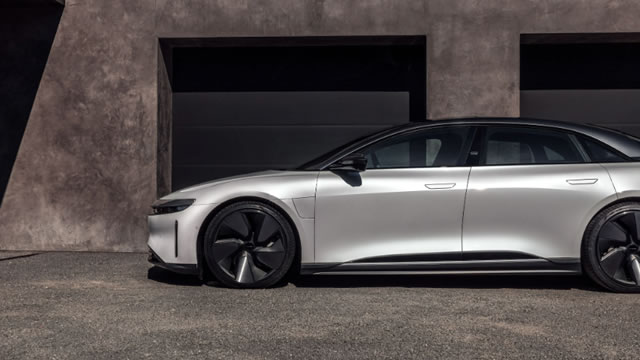
The electric-vehicle maker posted higher fourth-quarter revenue and plans to continue boosting its electric-vehicle production and deliveries in 2026. ...

曾助力沙特债务热潮的银行家,将牵头推动外商直接投资
Xin Lang Cai Jing· 2026-02-16 14:36
法赫德・赛义夫已成为这个海湾国家吸引资本的新代言人,在沙特内阁大改组中接替哈立德・法利赫出 任投资大臣。 大约十年前,沙特阿拉伯选中一位资深银行家,协助搭建债务市场体系。这套体系后来让沙特一跃成为 全球最活跃的债券发行国之一。如今,他的下一项任务是:帮助利雅得吸引海外资金,到 2030 年将年 度外商直接投资(FDI)增至1000 亿美元,规模扩大至原来的三倍。 这家规模达1 万亿美元的基金预计将在未来几周公布未来五年规划,可能会优先布局国内交易,并引导 资金流向人工智能企业 Humain 等国家级龙头企业。 目前尚不清楚赛义夫的任命对公共投资基金意味着什么。截至本周,沙特高级官员信息网站上已不再显 示他的个人资料。 该主权财富基金与投资部均未回应置评请求。 "他本质上是一名银行家和融资专家,精通国际资本的语言,理解投资流动的逻辑与心态。" 赛义夫是一位金融老将,其经验横跨商业、政治与主权财富领域,正是沙特所需要的人选。 2016 年,沙特启动债务计划、开始进军全球债券市场时,赛义夫便与财政大臣穆罕默德・贾丹并肩工 作。 一年后,沙特创纪录融资215 亿美元,一举成为新兴市场最活跃的主权发债国之一,当时正是赛 ...
2亿用户,撑不起Uber的自动驾驶梦
汽车商业评论· 2026-02-05 23:06
Core Viewpoint - Uber's recent financial report highlights significant growth in user engagement and bookings, but concerns over profitability and market competition have led to a decline in stock price despite positive operational metrics [6][12][13]. Financial Performance - In Q4 2025, Uber reported a 22% increase in ride-hailing trips to 3.8 billion, with total bookings also rising 22% to $54.1 billion, and revenue growing 20% to $14 billion [6]. - Monthly active users reached a record 202 million, an 18% increase year-over-year, doubling from 100 million in 2019 [7][8]. - Operating profit for Q4 2025 was $1.77 billion, a 130% increase, but fell short of analyst expectations of $1.85 billion by $80 million [18]. Growth Drivers - The growth in bookings was attributed to new products and services, including the Uber One subscription service and expanded offerings in holiday travel and airport transportation [17]. - The food delivery segment also performed well, capturing market share from competitors by introducing more non-food merchants and increasing discounts [17]. Profitability Concerns - Despite revenue growth, Uber's profitability remains a concern, with significant losses from investments in companies like Lucid and Grab leading to a $1.6 billion write-down [19]. - The company anticipates a higher effective tax rate of 22%-25% in 2026, which could further pressure profit margins [22]. Autonomous Driving Strategy - Uber views autonomous driving as a key future growth area, investing heavily and forming partnerships with various technology firms [25][26]. - The company plans to deploy 25,000 autonomous vehicles on its platform and expand services to 15 global markets by the end of 2026 [28][30]. - Uber argues that its existing user base and operational experience will allow it to achieve better utilization and economic benefits from autonomous vehicles compared to independent operators [31]. Market Competition - The autonomous vehicle market is competitive, with companies like Waymo and Tesla advancing their own technologies, which poses a threat to Uber's strategy [42][44]. - Regulatory challenges in major cities may delay the rollout of autonomous services, impacting Uber's ability to capitalize on high-margin markets [46]. Investor Sentiment - Investor confidence is wavering, as the potential impact of autonomous vehicles on Uber's core business remains uncertain, leading to stock price volatility [47].

Oppenheimer Sees Rockwell Automation, Inc. (ROK)’s Operational Gains Largely Priced In
Yahoo Finance· 2026-02-04 15:18
Rockwell Automation, Inc. (NYSE:ROK) is included among the 12 Best HVAC Stocks to Buy Now. Oppenheimer Sees Rockwell Automation, Inc. (ROK)'s Operational Gains Largely Priced In On January 20, Oppenheimer analyst Noah Kaye downgraded Rockwell Automation, Inc. (NYSE:ROK) to Perform from Outperform. The firm pointed to Rockwell’s steady progress on operational excellence initiatives. The company has delivered meaningful margin expansion despite weak end markets and has outlined a technology roadmap that su ...

Rockwell Automation to Power Lucid's EV Manufacturing Facility in Saudi Arabia with Advanced Software Solutions
Prnewswire· 2026-01-21 09:00
Core Insights - Rockwell Automation has announced a collaboration with Lucid to support the expansion of its electric vehicle manufacturing facility in Saudi Arabia, aligning with the country's Vision 2030 [1][2][3] Group 1: Collaboration and Technology - Lucid will implement Rockwell Automation's FactoryTalk® manufacturing execution system (MES) to enhance production operations across various manufacturing areas, including assembly and powertrain [2][3] - The FactoryTalk MES platform will provide real-time visibility and control, aiding Lucid in achieving its production goals for future midsize vehicles [2][3] Group 2: Workforce Development - Rockwell Automation will offer training programs, both instructor-led and virtual, to develop local talent in EV manufacturing, supporting sustainable industrial growth in Saudi Arabia [3] - This initiative is part of a broader commitment to align with Saudi Arabia's Vision 2030 by fostering advanced manufacturing technologies and workforce skills [3] Group 3: Company Background - Rockwell Automation is a global leader in industrial automation, employing approximately 26,000 people across more than 100 countries as of fiscal year end 2025 [5]

【快讯】每日快讯(2026年1月15日)
乘联分会· 2026-01-15 08:54
Domestic News - The Ministry of Industry and Information Technology, the National Development and Reform Commission, and the State Administration for Market Regulation held a meeting to regulate the competitive order in the new energy vehicle industry, emphasizing innovation and quality while resisting price wars [2] - The General Administration of Customs predicts that lithium battery exports will grow by 26.2% by 2025, with total exports reaching 26.99 trillion yuan, a 6.1% increase year-on-year [3] - Shanghai plans to achieve large-scale implementation of high-level autonomous driving applications by 2027, aiming to create a globally leading intelligent connected vehicle industry cluster [4] - Sichuan province is advancing the recycling and utilization of used power batteries from new energy vehicles, establishing a standardized and efficient recycling system [5] - Changan Automobile and CATL signed a memorandum to deepen their strategic partnership, focusing on joint branding, technology, and market expansion [7] - Zeekr has received authorization for a new patent related to vehicle turning in place, enhancing its technological capabilities [8] - Dongfeng Fengshen plans to launch eight new and upgraded models over the next three years, with a reported sales increase of 37% in 2025 [9] - Xiaomi's Lei Jun announced the progress of the winter high-speed long-distance testing of the YU7 model, focusing on smart driving and endurance [10] International News - A consulting firm predicts that global electric vehicle sales will exceed 20 million units by 2025, with a 20% increase in registrations, and China's market expected to grow by 17% [11] - Honda will update its "H" logo for new electric and hybrid models, with the first vehicles featuring the new logo expected to launch in 2027 [12] - Lucid Motors plans to start vehicle production in Saudi Arabia by the end of this year, with a goal of reaching an annual production capacity of 150,000 vehicles by 2029 [13] - Russia's passenger car sales are projected to decline by 15.6% in 2025, falling to 1.326 million units [14] Commercial Vehicles - Shanghai has issued the "Mosu Zhixing" action plan to promote the application of unmanned logistics vehicles, focusing on innovative and high-tech operational models [16] - Times Automotive has introduced a dual subsidy scheme in response to national policies, aimed at supporting the replacement of old vehicles and promoting green travel [17][18] - Zhengzhou Nissan officially launched the new pickup model, Jin Ruiqi, with a starting price of 86,800 yuan [19] - JAC's high-end light truck has successfully rolled off the assembly line in Algeria, marking a significant milestone in local production [20]



The Tesla Bear Case That Few Are Talking About
The Motley Fool· 2026-01-08 19:03
Core Viewpoint - Tesla's vehicle business is facing significant challenges, with a notable decline in deliveries and production, raising concerns about the sustainability of its growth and the potential impact of its Robotaxi service on overall profitability [1][2][3]. Group 1: Vehicle Deliveries and Production - Tesla's fourth-quarter deliveries fell nearly 16% year-over-year to approximately 418,000 vehicles, leading to a full-year 2025 delivery estimate of 1.64 million, which is an 8.6% decline year-over-year [1]. - The company's vehicle production also decreased sequentially in Q4, with about 434,000 cars produced, down from approximately 447,000 in Q3 [1]. Group 2: Robotaxi Service and Financial Implications - Investor enthusiasm for Tesla's Robotaxi service is driving its high price-to-earnings ratio, which is nearly 300, despite disappointing delivery figures [3]. - There are concerns that the capital expenditures required for the Robotaxi service may exceed expectations, similar to the situation faced by Meta Platforms, which saw a significant increase in capital expenditures due to AI investments [5][6][9]. - Tesla's CFO projected capital expenditures to rise substantially in 2026, indicating a shift towards more capital-intensive operations [9][10]. Group 3: Competitive Landscape - The autonomous ride-sharing market is becoming increasingly competitive, with major players like Alphabet and Amazon already in the space, alongside electric vehicle companies such as Rivian, Lucid, and BYD [11]. - Price sensitivity is expected to dominate the taxi service market, making it challenging for companies to differentiate themselves beyond pricing [12]. Group 4: Potential Outcomes - The combination of high capital intensity and the potential commoditization of ride-sharing services could lead to a scenario where the costs associated with the Robotaxi service exceed its revenue [13]. - Conversely, if Tesla can leverage its existing vehicle hardware for rapid deployment of the Robotaxi service, it may achieve a first-mover advantage and potentially license its technology to other manufacturers, creating a lucrative revenue stream [14][15].

英伟达发布Alpamayo对特斯拉意味着什么?
虎嗅APP· 2026-01-08 13:50
Core Viewpoint - The article discusses NVIDIA's launch of the Alpamayo autonomous driving platform, which is expected to level the playing field in the autonomous driving sector, particularly against Tesla's existing advantages [3][4]. Group 1: Features of the Alpamayo Platform - Alpamayo is the first autonomous driving platform with reasoning capabilities, capable of processing multimodal data (visual, language, action) [3]. - The platform enhances safety by allowing autonomous vehicles to handle rare and unexpected scenarios, addressing a significant pain point in the industry [4]. - It is an open-source platform that integrates open-source models, simulation frameworks, and datasets, creating a comprehensive ecosystem for developers [4][6]. Group 2: Industry Response and Adoption - Major companies such as Jaguar Land Rover, Lucid, and Uber have expressed interest in utilizing Alpamayo to develop reasoning-based autonomous driving technology [6]. - The first vehicles equipped with NVIDIA technology are expected to hit the roads in the U.S. in the first quarter, Europe in the second quarter, and Asia later in the year [6]. Group 3: Competitive Landscape - NVIDIA's strategy is to empower automakers rather than compete directly in the autonomous vehicle market, akin to how it previously built an ecosystem around its GPUs [6][7]. - The competition is intensifying as traditional automakers and new entrants aim to challenge Tesla's dominance in the autonomous driving space [7]. Group 4: Historical Context and Relationships - The article outlines the historical collaboration between Tesla and NVIDIA, highlighting how NVIDIA's technology has been integral to Tesla's early autonomous driving capabilities [9][10]. - Following Tesla's decision to develop its own autonomous driving hardware, the relationship between the two companies has become more distant, although both still rely on NVIDIA's GPUs for various applications [14][12].

英伟达自动驾驶新品发布后,特斯拉股价回落!马斯克回应:不担忧竞争压力
Jin Shi Shu Ju· 2026-01-07 03:45
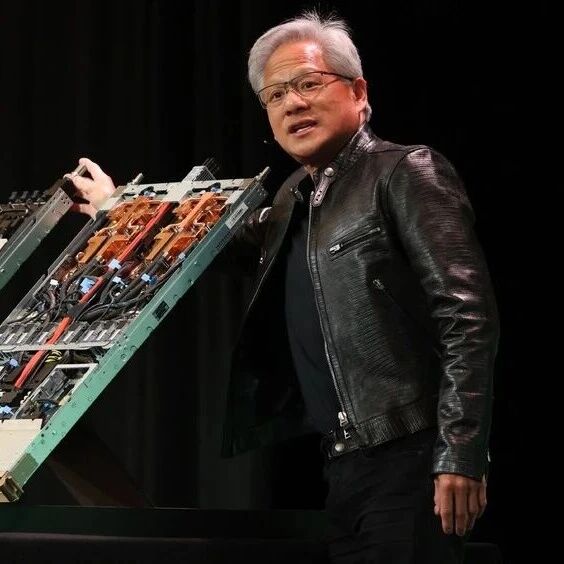
Core Viewpoint - Nvidia's latest advancements in autonomous driving technology and AI platforms are reshaping the competitive landscape of the autonomous driving industry, drawing attention from various automotive manufacturers [1][2]. Group 1: Nvidia's Developments - Nvidia unveiled its new autonomous driving AI model, Alpamayo, and related hardware at CES 2026, marking a significant advancement in decision-making capabilities for autonomous driving [1]. - The new platform utilizes advanced AI reasoning to handle complex driving scenarios, enabling traditional automakers and emerging electric vehicle companies to enhance their autonomous driving capabilities rapidly [1]. - Nvidia adopts an open platform model for its autonomous driving technology, allowing partners to integrate it according to their product strategies, which has attracted interest from multiple car manufacturers, including Mercedes-Benz [1]. Group 2: Market Reactions - Following Nvidia's announcement, Tesla's stock price fell over 4%, while Nvidia's stock experienced a slight decline [1]. - Market analysts believe Nvidia's progress may intensify competition in the autonomous taxi and advanced driver-assistance systems sectors, putting pressure on Tesla's market expectations in the short term [2]. - Tesla's recent slowdown in sales growth and uncertainty regarding its autonomous driving technology have affected investor sentiment, reflecting in stock price volatility [3]. Group 3: Tesla's Response and Strategy - Tesla's CEO Elon Musk publicly responded to concerns about increased competition, expressing confidence in Tesla's advantages in data accumulation, algorithm training, and large-scale fleet operations [2]. - Musk emphasized that the challenges of achieving fully autonomous driving are significant and that Tesla has years of experience in overcoming these hurdles, maintaining confidence in the company's long-term strategy [2]. - Tesla's autonomous driving technology is closely linked to its Robotaxi service, which is currently in limited operation but aims for broader deployment by 2026, despite facing regulatory and technical challenges [2]. Group 4: Industry Outlook - The industry is closely monitoring variables such as the commercial rollout speed of Nvidia's autonomous driving platform, the performance of partner vehicles in real-world conditions, and the reliability and safety of Tesla's proprietary technology in complex scenarios [3]. - The regulatory environment will also play a crucial role in determining the future competitive landscape of the autonomous driving industry [3]. - Key indicators for observing industry trends will include the release of more demonstration data from Nvidia's partner vehicles and the expansion of Tesla's Robotaxi deployment [3].