
NSK

Search documents
新强联:TRB渗透率提升支撑业绩高增-20260125
HTSC· 2026-01-25 10:45
Investment Rating - The report maintains an "Overweight" rating for the company with a target price of RMB 62.00 [5][4]. Core Insights - The company is expected to achieve a net profit attributable to shareholders of RMB 7.8-9.2 billion for 2025, representing a year-on-year increase of 1093%-1307%. The non-recurring profit is projected to be RMB 6.8-8.2 billion, an increase of 356%-450%, aligning with expectations due to industry demand recovery and market share expansion [1][2]. - The penetration rate of TRB bearings is anticipated to increase significantly, with projections of 50% in 2025, 80% in 2026, and 90% in 2027 for onshore wind turbines. The company is leveraging its technological advantages and increasing production capacity to support this growth [2][3]. - The company is actively expanding into the gearbox bearing market, which has a low domestic production rate. It has completed prototype validations and small-scale supplies to several gearbox manufacturers, with expectations for large-scale supply in 2026 [3]. Summary by Sections Performance Forecast - The company expects to see a continuous increase in TRB main bearing penetration and market share, leading to an upward revision of revenue forecasts for 2026-2027. The projected net profits for 2025, 2026, and 2027 are RMB 8.77 billion, RMB 12.82 billion, and RMB 14.99 billion, respectively, with corresponding EPS of RMB 2.12, RMB 3.10, and RMB 3.62 [4][8]. Valuation - The report assigns a P/E ratio of 20x for 2026, resulting in a target price of RMB 62, reflecting the company's significant first-mover advantage in TRB bearings and leading position in gearbox bearing domestic substitution [4][5].
临清轴承何以转动全球?
Qi Lu Wan Bao· 2025-12-02 14:48
Core Viewpoint - The bearing industry in Linqing has transformed from a traditional low-end sector to a robust industrial cluster, contributing significantly to the local economy and showcasing China's manufacturing strength on a global scale [1][2][4]. Group 1: Industry Development - Linqing's bearing industry has evolved over nearly half a century, now comprising over 5,100 manufacturing enterprises and more than 10,000 individual businesses, employing over 200,000 people and generating annual revenues exceeding 50 billion yuan [1]. - In 2024, 103 large-scale bearing enterprises in Linqing achieved an industrial output value of 5.663 billion yuan, demonstrating resilience in a challenging market environment [1]. - The "bearing industry golden corridor" in Linqing spans approximately 8 kilometers long and 5 kilometers wide, integrating the entire supply chain from raw material production to market transactions, establishing a unique "full-process closed-loop" system [2]. Group 2: Market Position and Collaboration - The market in Yandian Town, known as "China's Bearing Town," is the largest in the country, with a daily trading volume nearing 100 million yuan and an annual transaction volume exceeding 30 billion yuan, accounting for about 10% of the national total [2]. - Major international bearing companies, including SKF, Schaeffler, and NSK, have established offices or subsidiaries in Linqing, highlighting the town's attractiveness as a global industrial hub [2]. Group 3: Technological Advancements - Companies like Yujie Bearing and Bote Bearing have implemented digital transformation strategies, achieving full-process digital management and significant improvements in efficiency and market share [3]. - The launch of the Shandong Bearing Industry Brain platform in April 2024 aims to facilitate collaborative development and digital transformation within the industry, focusing on raw material procurement and quality management [3]. Group 4: Talent Development and Future Goals - Linqing is focusing on green, low-carbon, and high-quality development, aiming to create a trillion-yuan intelligent manufacturing industry cluster, with a vision of becoming a global leader in the bearing sector [4]. - The industry has cultivated a skilled workforce, with high-quality talent increasingly contributing to its growth, supported by collaborations with top universities and the establishment of innovation bases [4].
野村实地调研后承认:人形机器人研发,日本企业落后中国
Zhi Tong Cai Jing· 2025-10-09 13:47
9月,野村证券机械行业研究团队在中国组织了一次实地调研。 短短5天时间,野村三人小分队先后来到常州、宁波、深圳三地拜访了多家公司,并最终来到上海参观 了第25届中国国际工业博览会。 10月2日,野村证券发布了这份考察中国后撰写的研究报告。在报告中,中国人形机器人技术进展与应 用占据了较大篇幅。报告还提到了日本企业与中国企业在人形机器人研发阶段处于竞争劣势——客户开 发周期响应速度慢于中国企业,且产品价格高于中国同类产品。 01 调研极氪:试点人形机器人替代人工 极氪是吉利汽车旗下高端品牌,野村分析师在宁波工厂考察后重点记录了极氪对人形态机器人的使用: · 设备选型高端化 · 自动化升级计划 目前约 20 名工人负责零部件分拣工作,计划 2025年底引入优必选人形机器人实现该环节自动化。 02 调研优必选:从慢动作到工厂实操 在深圳,野村团队走访了优必选公司总部,认为其人形机器人技术进步显著: 2024年5月考察时,展厅内机器人仅能缓慢移动,制造业实用化前景渺茫;此次在工厂现场看到,机器 人已能完成容器搬运、自主更换电池等实操演示。 机器人主要采用ABB产品(行业内定价最高的机器人品牌);水平多关节机器人(SC ...

工厂自动化 - 2025 年中国国际工业博览会见闻:需求展望无变化,但竞争格局略有转变-Factory Automation-Takeaways from CIIF 2025 No Change in Demand Outlook, but We Detect a Slight Shift in Competitive Landscape
2025-09-28 14:57
Summary of CIIF 2025 Conference Call Industry Overview - **Industry**: Factory Automation in Japan - **Event**: China International Industry Fair (CIIF) 2025 held in Shanghai from September 23-27, 2025 - **Participants**: Included Japanese companies such as SMC, Misumi Group, Yaskawa Electric, Nabtesco, Mitsubishi Electric, NSK, Amada, and Greater China companies like Inovance, Airtac, Hiwin [2][6] Key Points Demand Environment - **Current Demand**: Demand remains steady, particularly in semiconductor and battery-related sectors, as well as medical-related businesses [3][11] - **Capex Recovery**: Capital expenditure-related demand has shown a steady recovery from low levels in the first half of the year, but no further recovery is expected in the latter half [3][4] - **General Outlook**: Most industry participants believe that current demand levels will hold steady without significant changes [3][4] Competitive Landscape - **Competition Intensity**: The competitive environment remains harsh, especially in middle- and low-end markets, with many companies struggling due to intensified competition [4][5] - **High-End Market Stability**: Conditions in high-end markets are largely unchanged, although local parts are increasingly adopted due to Chinese government onshoring policies [4][5] - **Company-Specific Insights**: - **Omron, Yaskawa Electric, SMC**: Facing stiff local competition and struggling somewhat [5] - **Fanuc and Nabtesco**: Competitive conditions appear stable due to strong product technologies [5] - **Misumi Group**: Has improved competitiveness through successful economy product launches and innovative products tailored for the Chinese market [5] Company Strategies - **Mitsubishi Electric**: Launched a second brand (Lingling) for the Chinese market, focusing on local development and manufacturing to reduce costs [9] - **Omron**: Plans to introduce new products tailored to the Chinese market, though these are not yet released [9] - **Yaskawa Electric**: Continues to focus on high-end markets and value-added products, avoiding low- and medium-end markets due to competition [12] - **Amada**: Reduced its Chinese business significantly over the past decade but sees future opportunities due to local manufacturers shifting to overseas production [13] - **NSK**: Focused on high-end applications with no significant changes in competitive environment [14] Additional Insights - **SMC's Focus**: Plans to concentrate on high-growth potential areas like semiconductors and medical equipment, despite tough competition in midrange markets [10] - **Misumi Group's Innovations**: Showcased new products including a small SCARA robot and AI agent for customer inquiries, with steady demand in semiconductor and medical sectors [11] Conclusion The factory automation industry in Japan is currently experiencing stable demand, particularly in high-tech sectors. However, competition remains fierce, especially in lower-end markets. Companies are adapting their strategies to enhance competitiveness and cater to local market needs, with a focus on innovation and local production.
AerCap Secures $107 Million Insurance Payout For Five Russia-Stranded Jets - AerCap Holdings (NYSE:AER)
Benzinga· 2025-09-19 14:36
Core Viewpoint - AerCap Holdings has disclosed new insurance recoveries related to aircraft stranded in Russia due to the 2022 invasion of Ukraine, which has positively impacted its liquidity and reduced legal uncertainties regarding war-risk coverage [1][5]. Group 1: Insurance Recoveries - The company received approximately EUR91 million ($106.95 million) from Russia-based insurer NSK for five aircraft previously leased to Nordwind, leading to the release of related claims against NSK, Nordwind, and certain reinsurers [2]. - AerCap's total pre-tax recoveries related to the Ukraine conflict since 2023 have reached approximately $2.9 billion, including recent cash receipts and interest awards [4]. Group 2: Legal Developments - The Commercial Court in London denied insurers' request to appeal a judgment that awarded AerCap roughly $1 billion under the war-risk section of its policy [3]. - The court also granted AerCap about $234 million in interest on that judgment, further strengthening the company's financial position [4]. Group 3: Market Reaction - Following the announcement of these recoveries, AerCap shares traded lower by 0.78% to $120.29 [5].



灵巧手:赛道蓝海可期,各类新技术百花齐放
2025-09-09 14:53
Summary of Key Points from the Conference Call Industry Overview - The conference call discusses the humanoid robot industry, focusing on the development and technology of dexterous hands, which are crucial for precise operations in humanoid robots [1][2][3]. Core Technologies and Trends - **Drive Modules**: The main drive technologies include hydraulic, motor, pneumatic, and shape memory alloy drives. Motor drives are favored due to their cost-effectiveness and technical advantages, with hollow cup motors being seen as the ideal choice for the future due to their efficiency and low noise [1][3][4]. - **Reduction Modules**: These modules increase motor torque and include harmonic reducers, planetary reducers, and RV reducers. Harmonic reducers are considered the mainstream choice due to their compact size and high load capacity, while Japanese manufacturers currently dominate the market [5]. - **Sensor Modules**: These are critical for assessing the usability of humanoid robots, affecting operational flexibility, load efficiency, and interaction safety. The international market is led by Japanese and European manufacturers, but domestic companies are gradually improving their capabilities [6][7]. Market Dynamics - The market for various components is projected to grow significantly over the next three years, with expected market sizes of 13.1 billion, 2.5 billion, 2.5 billion, and 16.3 billion for drive modules, reduction modules, transmission modules, and sensor modules, respectively. The overall compound annual growth rate (CAGR) is anticipated to reach 110% [3][13]. - **Hollow Cup Motors**: European suppliers currently lead in this segment, but domestic companies like Mingzhi Electric and Dingzhi Technology are emerging with competitive advantages in cost and efficiency [8]. - **Tactile Sensors**: The dominant technology is resistive sensors due to their maturity, low cost, and high sensitivity. The six-dimensional torque sensor market is primarily led by overseas companies, but domestic firms are beginning to emerge [9][10]. Competitive Landscape - The dexterous hand industry is still in its early stages, with three main player categories: self-research entities, new entrants, and component extension players. Each category has opportunities for growth and differentiation [14]. - Tesla's humanoid robot is expected to lead the market with large-scale production planned for 2025, which could significantly impact the industry and create opportunities for domestic suppliers [15]. Investment Opportunities - Companies such as Longsheng Technology, Qiangjing Technology, Wuzhou Xinchun, Nanshan Zhishang, Hengshuai Co., and Guangyang Co. are highlighted as potential investment targets due to their strengths in specific segments of the humanoid robot supply chain [15]. Additional Insights - The industry is witnessing trends such as increased dexterity in dexterous hands, expansion of micro-screw applications, the emergence of electronic skin technologies, and the promising application of PEEK materials in lightweight humanoid robots [11][12].

胜宏大涨,我们来一期PCB钻孔设备的调研
傅里叶的猫· 2025-09-05 15:23
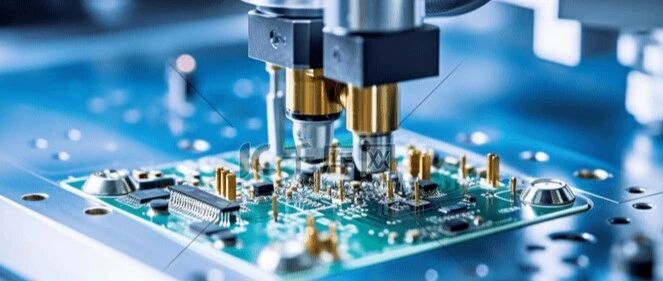
Core Viewpoint - The PCB industry is in a golden era, with the drilling equipment market being a standout segment driven by strong demand from AI computing and steady growth in the server market [4][13]. PCB Industry - The PCB industry is experiencing a significant boom, with 42 listed PCB companies in mainland China achieving a total revenue exceeding 120 billion yuan in the first half of the year, reflecting a year-on-year growth of at least 25-30% [4]. - The industry is at the beginning of a prosperous cycle, with strong demand expected to continue for at least the next three years [4]. Products and Orders - The company manufactures three main products: ordinary mechanical drilling machines (approximately 500,000 yuan), high-end CCD back drilling machines (1.6-1.8 million yuan), and forming machines (450,000-500,000 yuan) [5]. - The company has shipped over 1,800 units from January to August 2025, a year-on-year increase of about three times, with current orders reaching approximately 800 units, extending delivery times to March 2026 [5][6]. Profit and Pricing - The gross margin for ordinary mechanical drilling machines is around 30-40%, while for CCD back drilling machines, it can reach 70-80% or higher [7]. - The pricing strategy is strong, requiring a 30% deposit, 30% upon shipment, and 40% after installation [7]. Supply Chain Challenges - Capacity constraints are a primary bottleneck, with the factory operating at full capacity and plans for a second phase of construction to meet demand [8]. - Key components, particularly spindles, are in short supply, with the company relying on two main suppliers [8]. Technology Aspects - The demand for high-density interconnect (HDI) boards driven by AI requires high precision in drilling equipment [9]. - CCD back drilling machines offer superior accuracy compared to ordinary drilling machines, making them essential for complex drilling processes [9]. Competitive Landscape - The PCB drilling equipment market is dominated by companies like Germany's Schmoll, Japan's Hitachi, and China's Dazhu CNC [10]. - Domestic and Taiwanese manufacturers are positioned to capitalize on the current demand surge due to their quick response capabilities [10]. Downstream and Global Trends - Downstream demand is primarily driven by AI computing and server needs, with major clients including Nvidia, Microsoft, Amazon, and Huawei [11]. - The shift of PCB manufacturers to Southeast Asia due to tariffs presents opportunities for domestic and Taiwanese equipment suppliers [11]. Equipment Lifespan and Production Line Configuration - The lifespan of the company's products is estimated at 10-15 years, while competitors like Dazhu CNC have a shorter lifespan of 5-8 years [12]. - A high-end HDI production line typically requires five mechanical drills for every back drill [12]. Future Outlook - The PCB drilling equipment industry is expected to enter a golden three-year period, with increasing demand driven by AI computing [13]. - The rapid expansion of leading manufacturers is anticipated to extend to smaller firms, further amplifying market demand [13].
对话产业链大佬 - 台资PCB钻孔设备专家:详解PCB钻孔设备行业景气度与格局
2025-09-04 14:36
Summary of PCB Drilling Equipment Industry Conference Call Industry Overview - The conference focuses on the PCB drilling equipment industry, highlighting the significant growth and demand for drilling machines and related equipment in recent years [2][5][38]. Company Profile - The company specializes in manufacturing and selling CCD back drilling machines, conventional mechanical drilling machines, and forming machines, with a notable increase in drilling machine business [3][5]. - The production bases are located in Jiangsu Huai'an and Nanjing, with the headquarters in Taiwan. The current monthly production capacity is approximately 400 units, totaling an annual capacity of around 4,000 units [6][9]. Key Products and Sales - The product mix includes forming machines (40% of new orders), CCD back drilling machines (30%), and conventional mechanical drilling machines (30%) [8]. - The pricing for the products is as follows: conventional mechanical drill at approximately 500,000 RMB, CCD back drill priced between 1.6 to 1.8 million RMB, and forming machines priced between 450,000 to 500,000 RMB [8]. Order and Delivery Status - As of August 2025, the company has shipped over 1,800 units, with a backlog of approximately 800 units, and delivery dates extended to March 2026 [7][9]. - Major clients include Taiwanese enterprises such as Hushi, Pengding, and state-owned enterprises like Shenwan and Jingwang [7]. Industry Dynamics - The PCB industry is experiencing a positive outlook, with aggressive expansion from companies like Jianding and Pengding, which have ordered 600 and approximately 3,000 drilling machines, respectively [5][19]. - The demand for high-end HDI (High-Density Interconnect) boards is increasing, driven by the need for precision in positioning and depth control, leading to significant equipment investments [29][30]. Supply Chain Challenges - The main constraint on delivery is insufficient production capacity, compounded by shortages of key components such as spindles, which are primarily supplied by Haozhi and Xifeng [9][10]. - Spindle costs account for about 1/5 to 1/8 of the drilling equipment's total cost, with each drilling machine requiring six spindles [11]. Technological Aspects - The company emphasizes the importance of the CNC system for machine precision, developed by a team led by a Tsinghua University PhD [12][17]. - Linear motors are crucial for spindle positioning and sensitivity, with suppliers including Mitsubishi and Fuji [18]. Market Trends and Future Outlook - The PCB industry is expected to maintain a favorable growth trajectory, with a projected increase in demand from major companies like Nvidia, Microsoft, and Amazon [21][38]. - The current industry cycle is anticipated to last at least three years, with many leading manufacturers already booked into 2026 [45]. Competitive Landscape - Domestic and Taiwanese equipment manufacturers are gaining a competitive edge due to shorter delivery times compared to foreign suppliers, who may have lead times of one to two years [46]. - The market is characterized by a mix of aggressive expansion from local firms and a more conservative approach from foreign companies, which focus on quality and stability rather than rapid scaling [44]. Conclusion - The PCB drilling equipment industry is poised for significant growth, driven by technological advancements and increasing demand for high-precision products. The company is well-positioned to capitalize on these trends, despite facing supply chain challenges.
丝杠行业深度:关注利润率、空间、设备潜在“超预期”机会
2025-08-21 15:05
Summary of the Screw Rod Industry Conference Call Industry Overview - The screw rod industry is characterized by high technical barriers and significant profit potential due to complex manufacturing processes and customization needs for various applications such as humanoid robots, automotive, injection molding machines, and semiconductor equipment [1][12][13]. Key Points and Arguments - **Types of Screw Rods**: The industry primarily differentiates between sliding screw rods and ball screw rods, with the latter offering higher efficiency and precision through the use of steel balls as a transmission medium [3][4]. - **Planetary Roller Screw Rods**: These rods provide higher precision and load capacity but come with increased manufacturing costs due to the need for in-house production of small rollers [4][5]. - **Market Potential**: The screw rod market is expected to reach over 40 billion yuan by 2025, driven by sectors such as machine tools, automotive, robotics, semiconductors, and medical devices [2][26]. - **Profit Margins**: Companies in the screw rod industry can achieve high profit margins due to the limited number of players and the high barriers to entry [2][12]. - **Application in Robotics**: Screw rods are particularly advantageous in humanoid robots, providing high load capacity and energy efficiency by converting rotational motion into linear drive [6][29]. - **Automotive Applications**: The automotive sector is increasingly adopting electric drive systems, which enhance efficiency and align with the trends in smart driving technologies [30][31]. Additional Important Insights - **Manufacturing Challenges**: The manufacturing process for screw rods involves critical steps such as material selection, heat treatment, and precision design, which are essential for meeting high industry standards [12][14][21]. - **Testing and Quality Assurance**: Companies need to establish comprehensive testing and evaluation systems to ensure the longevity and performance stability of screw rods, focusing on factors like operational stability and precision maintenance [17][24]. - **Investment Opportunities**: There are significant investment opportunities in screw rod processing equipment, including heat treatment furnaces and specialized grinding machines, as demand for high-precision components increases [34][35]. - **Market Dynamics**: The high-end market is currently dominated by Japanese and Taiwanese manufacturers, indicating potential for domestic companies to capture market share through technological advancements [28][35]. Conclusion The screw rod industry presents a promising landscape for investment and growth, driven by technological advancements and increasing demand across various sectors. Companies that can navigate the complexities of manufacturing and maintain high standards of quality are likely to succeed in this competitive market.



国瓷材料(300285):主营业务稳步提升 多业务布局凸显平台型新材料企业优势
Xin Lang Cai Jing· 2025-08-19 10:41
Core Viewpoint - The company reported a revenue of 2.154 billion yuan in the first half of 2025, reflecting a year-on-year increase of 10.3%, with a net profit attributable to shareholders of 332 million yuan, up 0.4% year-on-year, indicating stable performance despite some margin pressures across various segments [1]. Financial Performance - The company achieved a revenue of 1.179 billion yuan in Q2 2025, which is a 4.7% year-on-year increase and a 21% quarter-on-quarter increase, with a net profit of 196 million yuan, showing a slight decline of 0.6% year-on-year but a significant 44.3% increase quarter-on-quarter [1]. - The overall gross margin decreased by 1.59 percentage points to 38.3%, and the net profit margin fell by 1.64 percentage points to 17.39% due to price adjustments in MLCC powder and oral products [1]. Segment Performance Electronic Materials Segment - The electronic materials segment generated a revenue of 344 million yuan, a year-on-year increase of 23.65%, driven by electronic slurry and electronic-grade zirconia powder [1]. - The gross margin for this segment declined by 2.61 percentage points to 32.97% due to price adjustments in traditional products and increased demand for automotive-grade and AI-grade powders [1]. Catalytic Materials Segment - The catalytic materials segment reported a revenue of 456 million yuan, up 12.3% year-on-year, with the honeycomb ceramic product line contributing approximately 372 million yuan [2]. - The gross margin for this segment decreased by 1.76 percentage points to 41.8% due to the impact of raw material costs, particularly rare earth elements [2]. Biomedical Segment - The biomedical segment achieved a revenue of 438 million yuan, remaining stable year-on-year, but the gross margin fell by 5.73 percentage points to 52.18% due to a decline in domestic prices for powders and ceramic blocks [2]. - The company is focusing on R&D for second and third-generation powders and expanding into other materials and segments through self-research and acquisitions [2]. New Energy Materials Segment - The new energy materials segment reported a revenue of 217 million yuan, a year-on-year increase of 26.4%, with a slight gross margin increase of 0.13 percentage points to 21.2% [3]. - The company is entering mainstream customer supply chains with alumina and barium products and has established a joint venture to develop solid-state battery electrolyte products [3]. Precision Ceramics Segment - The precision ceramics segment saw growth in ceramic balls and substrates, with significant supply to global bearing manufacturers and major clients like BYD and Xiaomi [3]. - The segment is expected to see further margin improvements as powder production capacity is completed [3]. Building Ceramics Segment - The building ceramics segment achieved a revenue of 484 million yuan, a year-on-year increase of 2.6%, with a gross margin increase of 1.22 percentage points to 37.42% [3]. - New products such as textile inks and digital glazes are expected to contribute to revenue growth [3]. Profit Forecast and Valuation - The company maintains a steady growth outlook, projecting net profits attributable to shareholders of approximately 712 million, 836 million, and 987 million yuan for 2025-2027, corresponding to P/E ratios of about 29, 25, and 21 times [4].
