
Zepp Health Corporation

Search documents
华米科技AI智能眼镜量产,四季度财报指引增长38%-45%
Xin Lang Cai Jing· 2026-02-13 18:33
Recent Events - The company has entered mass production of AI smart glasses, which were launched at the 2026 CES, and market acceptance and sales performance will be key points of interest [1] Financial Performance - The company previously provided revenue guidance for Q4 2025, estimating between $82 million and $86 million, representing a year-over-year growth of 38% to 45% [1] Company Status - Investors should monitor the global sales progress of the smartwatch business, as well as the company's debt structure and institutional ratings, which may impact stock prices [1]

2月10日早餐 | 离岸人民币创近三年新高;一季度内存价格涨90%
Xuan Gu Bao· 2026-02-10 00:12
Market Overview - Technology stocks continue to support the rise of US markets, with the S&P 500 up 0.47%, Dow Jones up 0.04%, and Nasdaq up 0.90% [1] - Major tech companies like Microsoft rose over 3%, Nvidia up 2.5%, while Apple fell over 1% [1] - The chip index increased by over 1%, outperforming the market, with AMD and Broadcom both rising over 3% [1] Chinese Stocks - The Chinese concept stock index saw a slight increase, with Mingda Jiahe rising over 93%, Xuniao Software up over 48%, and Huami Technology up about 27% [2] - New Oriental experienced a decline of over 4% [2] Currency and Commodities - The US dollar index fell for two consecutive days, reaching a one-week low, while the offshore RMB broke the 6.92 mark for the first time in nearly three years [3] - Bitcoin dropped over 6% from its daily high, falling below $69,000, before slightly recovering [3] - Gold prices rose over 2%, surpassing $5,000, with silver prices increasing nearly 9% [3] Technology Developments - Elon Musk announced that SpaceX will shift its focus to building a "self-growing city" on the Moon before advancing its Mars plans [4] - Apple is reportedly planning to launch the iPhone Flip, prompting Samsung Display to consider expanding OLED panel production [5] - Altman stated that ChatGPT's growth has "recovered to over 10%" and plans to launch a new model this week [6] Semiconductor and Storage Market - Counterpoint reported that memory prices surged by 80%-90% quarter-on-quarter in Q1, marking a historic increase [7] - The price of general server DRAM significantly increased, with contract prices for 64GB RDIMM rising from $450 to over $900, with expectations to exceed $1,000 in Q2 [16] Energy Storage Innovations - A new compressed air energy storage compressor, developed by the Chinese Academy of Sciences, has achieved international leading levels, with over 100% increase in single-machine power [17] - This technology is expected to play a crucial role in supporting new energy systems and achieving carbon neutrality goals [17] Rare Earth Market - Prices of rare earth products have accelerated, with praseodymium-neodymium oxide and metal prices rising by 7.59% and 6.27% respectively [19] - The cumulative increase in praseodymium-neodymium oxide this year has reached 34% [19] Company Announcements - Zhongke Shuguang plans to issue convertible bonds to raise up to 8 billion yuan for AI-related projects [20] - Yuanjie Technology intends to invest 1.251 billion yuan in a semiconductor chip and device production base [20] - Hainan Mining plans to acquire a 69.9% stake in Fengrui Fluorine Industry [20]



“下一个iPhone级别的创新可能不是眼镜”
虎嗅APP· 2026-01-31 13:30
出品|虎嗅科技组 作者|陈伊凡 编辑|苗正卿 头图|视觉中国 这听起来似乎平平无奇,但如果知道硬件行业的残酷,就会明白这六个字的份量。在硬件创业的图谱 中,存在一个著名的"死亡之谷",一个从原型Demo到大规模量产之间的灰色地带,诸多公司死在谷 底。 Voxdale的角色,就是帮助创新者、大公司以及大学,在他的工程实验室里填平这道鸿沟。他们不仅 关注产品是否美观,更关注能否用合理的成本把它造出来。 这正是Tim来到中国的原因。在他看来,中国已是全球硬件开发全链路中一个不可或缺的"变量"。 "过去15到20年,我们一直与中国公司紧密合作。如果你想把产品从1做到100万,你离不开中 国。"Tim向我展示了他手腕上的华米(Amazfit)智能手表——这款售价仅250欧元的中国产品,提 供了与Apple Watch几无二致的功能体验。 "归根结底,任何硬件产品只关乎两件事:规模化和降低成本",Tim说,"从构思硬件产品的第一刻 起,我们就必须开始焦虑:这东西要生产多少?用什么技术才能立刻实现大规模制造?" 这次中国之行是他的第一天。在无锡国际人才港与数家中国AI初创企业交流后,他看到了一种他在 欧洲久违的劲头——一群 ...
前 Bose 团队创立,睡眠耳塞是下一个入口级机会 ?
深思SenseAI· 2026-01-13 08:18
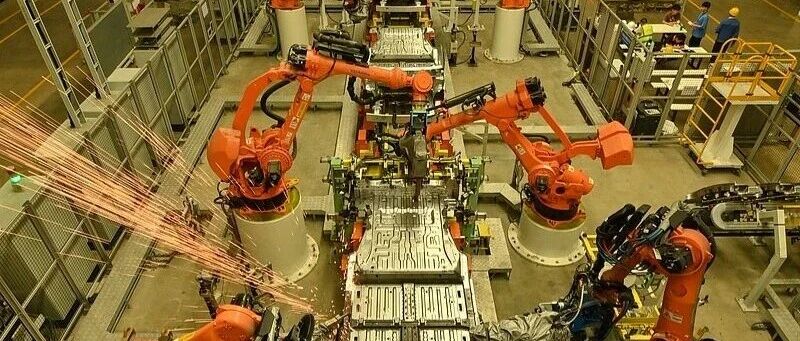
Core Insights - The article discusses the emerging trend of sleep-related wearable technology, highlighting Ozlo as a key player in this niche market, which is gaining traction due to the increasing prevalence of sleep disorders and the demand for effective sleep solutions [1][7]. Group 1: Ozlo's Product Development - Ozlo Sleepbuds are designed specifically for sleep, offering a comfortable fit with four silicone earplug sizes and noise-canceling features, distinguishing them from general-purpose headphones [5][6]. - The product includes significant upgrades over previous models, such as streaming capabilities, automatic noise masking upon detecting sleep, and a 10-hour battery life, along with biometric sensors for monitoring user movements [5][6]. - Priced at $299, Ozlo Sleepbuds are positioned as a premium product, with a subscription model (Ozlo Flex) available at $20/month to lower the initial cost barrier for users [5][6]. Group 2: Market Potential and Growth - The global market for sleep-related products is projected to grow from $91.76 billion in 2025 to $128.1 billion by 2030, reflecting a compound annual growth rate (CAGR) of 6.9% [9]. - The sleep wearable market is expected to expand from approximately $13.4 billion in 2023 to $27.76 billion by 2030, with a CAGR of 10.8% [9]. - The demand for sleep solutions is underscored by research indicating that around 850 million adults globally suffer from insomnia, with a significant portion seeking effective interventions [9]. Group 3: Competitive Landscape - The article notes that domestic manufacturers are entering the sleep wearable market, with companies like Anker Soundcore and Amazfit developing products that focus on user experience and health monitoring [13][16]. - Anker Soundcore's Sleep series has evolved to include features like active noise cancellation and partnerships with content providers to enhance user engagement [14][15]. - Amazfit's ZenBuds prioritize health monitoring over multimedia capabilities, positioning themselves as a health data entry point rather than just a sleep aid [16]. Group 4: Future Outlook - The evolution of sleep wearables is seen as a transformation of a high-frequency, long-term usage scenario, emphasizing the importance of user experience and long-term value [18]. - As technology in sensors and algorithms matures, sleep earbuds are expected to become integral products that connect hardware, software, and health services [18].
成都都市圈:你好,长三角!
Di Yi Cai Jing· 2025-12-22 03:11
Group 1 - Chengdu Metropolitan Area is the third nationally approved metropolitan area in China and the first in the central and western regions, covering Chengdu, Deyang, Meishan, and Ziyang with a total area of 33,100 square kilometers, making it the most densely populated and economically developed area in Sichuan Province [3] - The high-quality development index of Chengdu Metropolitan Area ranks first among 16 major metropolitan areas in China, indicating a significant level of urban integration [3] - The economic total of Chengdu Metropolitan Area reached 2.98 trillion yuan, accounting for 46.0% of the province's total, with a year-on-year growth of 5.9% [7] Group 2 - Since its initiation in 2020, Chengdu Metropolitan Area has established a "1+1+N" planning system, focusing on spatial layout and industrial collaboration, leading to the formation of three major industrial belts [5] - The area has seen the establishment of 91 national-level technology innovation platforms, an increase of 48 since 2020, and aims to reach 15,413 high-tech enterprises by 2024, up by 8,895 from 2020 [10] - Chengdu has developed 14 industrial parks with a scale of over 100 billion yuan and 26 parks over 50 billion yuan, collaborating with Deyang, Meishan, and Ziyang to build nine key industrial chains [14] Group 3 - Deyang is positioned as a key node in the Chengdu-Chongqing economic circle, recognized as a manufacturing strong city with significant contributions to power equipment and a robust vocational education system [19] - Meishan is actively promoting itself as a historical and cultural city, focusing on strategic emerging industries such as lithium batteries and photovoltaic materials, with industrial scale exceeding 100 billion yuan [24] - Ziyang has recently opened the first cross-city rail transit line in Sichuan, which has transported over 10 million passengers in its first year, fostering the development of aerospace, intelligent manufacturing, and health industries [23] Group 4 - The collaboration between Chengdu Metropolitan Area and the Yangtze River Delta has yielded fruitful results, enhancing industrial linkage and resource flow [27] - The "China Dental Valley" industrial chain in Ziyang has become a leading hub for dental medical devices, showcasing its global competitiveness [28] - The upcoming investment cooperation promotion event in Shanghai aims to deepen policy communication and promote shared development opportunities among the four cities [29][31]

2025 年可穿戴医疗设备品牌推荐:智能设备定义医疗新范式,实时数据驱动慢病管理
Tou Bao Yan Jiu Yuan· 2025-12-05 12:14
Investment Rating - The report does not explicitly state an investment rating for the wearable medical device industry Core Insights - The wearable medical device industry in China has transitioned from consumer-grade functionalities to specialized medical applications, driven by regulatory certifications and clinical data validation, enabling a shift from health monitoring to disease warning and management [3] - The market is expected to grow from CNY 140 billion in 2020 to CNY 230 billion by 2029, with a compound annual growth rate (CAGR) of 7.0% [6] - The industry is evolving towards an integrated health management ecosystem that combines devices, data, and services, focusing on chronic disease management and remote patient monitoring [5][6] Market Background - The wearable medical device market has developed from basic health monitoring to professional medical applications, with a focus on meeting medical device standards and providing clinically accurate data [4][5] - The industry is supported by a framework that includes policy guidance, standardization, technological integration, and clinical validation [3] Market Status - The market size is projected to grow from CNY 1,400.2 billion in 2020 to CNY 1,499.6 billion in 2024, with a CAGR of 1.7% [6] - The market faced a decline in 2022 due to high base effects from previous growth and macroeconomic pressures, but future growth is expected to be driven by policy incentives, technological advancements, and ecosystem integration [6] Market Competition - The competitive landscape is characterized by a mix of specialized medical companies and consumer electronics giants, with companies like Nine安医疗, 乐心医疗, and 乐普医疗 leading in the medical-grade segment [16] - Consumer technology companies such as Huawei and Apple are increasingly entering the medical-grade market, blurring the lines between consumer and medical devices [16] Development Trends - The industry is moving towards "cognitive intelligence," where devices will not only collect data but also analyze and provide decision support in real-time [24] - The application value is evolving from health monitoring to integrated management and deep integration with medical ecosystems, facilitating remote healthcare services [24] - The driving forces are shifting from technological innovation to a dual push from policy and essential healthcare needs, indicating a trend towards becoming a fundamental component of basic healthcare [25]
柔性屏,打开“显示”新视窗
Ren Min Ri Bao· 2025-12-05 00:07
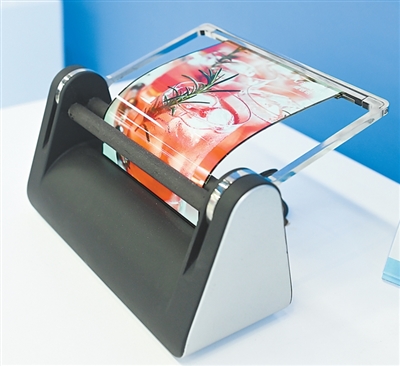
Core Insights - The display technology is rapidly transitioning from "rigid" to "flexible," with flexible displays increasingly applied in consumer electronics, commercial spaces, and smart interactions [1] - Recent advancements include the development of high-performance stretchable polymer light-emitting diodes (PLED) by the Chinese Academy of Sciences and a prototype stretchable display by LG, achieving approximately 53% stretchability [1] - Flexible displays are reshaping human-computer interaction and creating a new generation of industrial clusters with applications ranging from foldable phones to curved screens [1] Group 1: Flexible Display Technology - Flexible displays are not merely bent versions of traditional glass screens; they require a multi-layered structure that includes flexible substrates, electronic components, packaging films, and cover plates [2] - The flexible substrate materials, such as polyimide and polyester, are essential for withstanding high temperatures and numerous folds without deformation [2] - Core electronic components like thin-film transistors (TFT) and organic light-emitting diodes (OLED) rely on high-performance materials to ensure rapid current flow and self-emission capabilities [3] Group 2: Packaging and Protection - Packaging technology is crucial for protecting flexible displays from environmental factors like oxygen and moisture, with ideal materials being lightweight, flexible, and offering excellent moisture and oxidation resistance [4] - Researchers are developing multi-layer composite packaging and exploring self-healing coatings to enhance the longevity of flexible displays while maintaining their flexibility [4] Group 3: Market Expansion and Applications - The global market for flexible displays is expanding, with projections indicating that shipments of flexible AMOLED panels will reach 631 million units by 2024, accounting for 42% of the smartphone screen market [5] - By 2031, the flexible display market is expected to exceed $173 billion, with a compound annual growth rate of 34.3% [5] - Applications of flexible displays are broadening across various sectors, including smart terminals, wearables, automotive, healthcare, and public services [5] Group 4: Innovations in Wearables and Automotive - In the smart terminal sector, flexible displays are enhancing product forms, with Huawei set to release a foldable laptop with an 18-inch screen in 2025 [5] - Flexible displays are transforming automotive interfaces, with companies like Mercedes and BMW integrating flexible OLED screens into their vehicles for improved interaction [6] Group 5: Healthcare and Public Services - In healthcare, flexible displays are being integrated into wearable medical devices for real-time monitoring of health parameters [7] - Public services are adopting large flexible OLED screens for advertising and information dissemination, with applications in venues like the Paris Olympics [7] Group 6: Future of Intrinsic Flexibility - Current flexible displays rely on external structures for deformation, facing challenges such as fragility and resolution loss [8] - The development of intrinsic flexible materials aims to address these issues by enabling the display itself to withstand deformation through molecular structure and micro-design [9] - Intrinsic flexibility could lead to new applications, integrating sensors and AI for real-time data analysis and adaptive interaction [9][10]
【人民日报】柔性屏,打开“显示”新视窗
Ren Min Ri Bao· 2025-12-01 03:29
Core Insights - The article discusses the rapid advancement of flexible display technology, highlighting significant breakthroughs in materials and applications that are reshaping the industry landscape [3][4][6]. Group 1: Technological Advancements - Recent developments include the successful creation of high-performance stretchable polymer light-emitting diodes (PLED) by the Chinese Academy of Sciences, which show improved optical performance and mechanical stability [3]. - LG Display has showcased a prototype of a stretchable display capable of approximately 53% deformation, indicating significant progress in flexible display technology [3]. - The flexible display market is projected to exceed $173 billion by 2031, with a compound annual growth rate (CAGR) of 34.3% [6]. Group 2: Material and Structural Innovations - Achieving flexible displays requires a multi-layered approach, including flexible substrate materials, core electronic components, and advanced packaging technologies [4][5]. - Commonly used flexible substrate materials like polyimide and polyester can be as thin as 0.1 mm and withstand high temperatures and thousands of folds without deformation [4]. - The integration of high-performance electronic materials, such as oxide semiconductors and organic semiconductors, is crucial for ensuring rapid current flow and self-emission capabilities in flexible displays [5]. Group 3: Application Expansion - Flexible displays are increasingly being utilized across various sectors, including smart terminals, wearable devices, automotive, healthcare, and public services [6][7][8]. - In the automotive sector, flexible displays are enhancing user interaction, with companies like Mercedes and BMW integrating large OLED screens into their vehicles [7]. - The healthcare industry is adopting flexible displays for real-time monitoring, with products like flexible health patches and wearable medical devices becoming more prevalent [8]. Group 4: Future Prospects - The development of intrinsic flexible materials aims to address challenges such as fragility and resolution loss, potentially leading to new applications in smart homes and IoT [9][10]. - Intrinsic flexibility allows displays to bend and stretch without relying on external structures, enhancing durability and stability [10]. - Future flexible displays may incorporate sensors and AI algorithms for real-time data analysis and adaptive interaction, transforming user experiences and expanding the scope of applications [10].
柔性屏,打开“显示”新视窗(国际科技前沿)
Ren Min Ri Bao· 2025-11-30 22:01
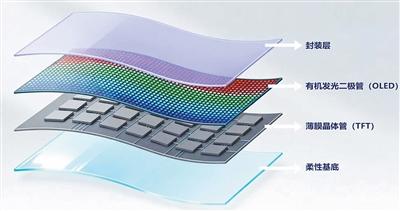
Core Insights - The article discusses the rapid advancement of flexible display technology, highlighting its transition from rigid to flexible forms, which is increasingly applied in various sectors such as consumer electronics, commercial spaces, and smart interactions [5][8]. Group 1: Flexible Display Technology Development - Flexible displays are characterized by their ability to bend and stretch, leading to innovative applications in products like foldable phones and curved screens [5][8]. - Recent breakthroughs include the development of high-performance stretchable polymer light-emitting diodes (PLEDs) by the Chinese Academy of Sciences, which significantly enhance optical performance and mechanical stability [5][11]. - LG Display has showcased a prototype of a stretchable display capable of approximately 53% deformation, indicating significant progress in the field [5][8]. Group 2: Manufacturing Process of Flexible Displays - The creation of flexible displays involves a complex multi-layer structure, requiring innovations in flexible substrate materials, core electronic components, structural design, and packaging technology [6][7]. - Flexible substrates must be thin, soft, and resistant to high temperatures and corrosive environments, with common materials including polyimide and polyester [6]. - Core electronic components like thin-film transistors (TFT) and organic light-emitting diodes (OLED) rely on high-performance materials to ensure rapid current flow and energy efficiency [7]. Group 3: Market Expansion and Applications - The global market for flexible displays is projected to grow significantly, with an estimated shipment of 631 million flexible AMOLED panels in 2024, accounting for 42% of the smartphone screen market [8]. - By 2031, the flexible display market is expected to exceed $173 billion, with a compound annual growth rate (CAGR) of 34.3% [8]. - Applications are expanding across various sectors, including smart terminals, wearables, automotive, healthcare, and public services, enhancing user experience and functionality [9][10]. Group 4: Future Innovations and Challenges - The concept of intrinsic flexibility is emerging, which refers to the inherent ability of materials to withstand deformation without relying on external structures [11][12]. - Research teams are exploring new material systems to improve the mechanical strength and durability of flexible displays, with ongoing challenges in achieving large-scale applications [11][12]. - The integration of sensors and AI algorithms in intrinsic flexible displays could lead to personalized and intelligent user experiences, transforming the interaction between devices and users [12].

What Are the Safest Investments in 2026? Experts Weigh In
Yahoo Finance· 2025-11-17 15:32
Economic Outlook - The Federal Reserve has begun cutting interest rates in 2025, which is expected to benefit the average American and enhance borrowing power for businesses, potentially leading to a rise in stock market investments [1] - As economic factors converge heading into 2026, investors with low risk tolerance may seek stability, with certain sectors expected to provide safety and growth to hedge against inflation [2] Stock Market Volatility - The stock market is experiencing volatility due to tariffs, inflation concerns, and government shutdowns, with the volatility index (VIX) reaching 22.44 on October 10, 2025, after hovering between 15 and 17 points since June [3] - The VIX is described as a measure of institutional hedging activity rather than a fear gauge, indicating that while institutional investors may be cautious, they are not overly fearful [4] Sector Analysis Health Care - The health care sector is identified as poised for growth, with fair valuations and ongoing health needs due to an aging population, making it recession-resistant [5] - AI-powered healthcare platforms are projected to perform exceptionally well, with the market expected to reach $504 billion by 2032 [5] Retail - The retail sector, particularly apparel and retail stocks, is anticipated to show stability, with historical returns of 27.3% and 25.8% respectively during previous falling interest rate environments [7] - Consumer discretionary and luxury goods sectors may face challenges, but overall retail is expected to remain stable [7] Investment Recommendations - Companies such as Zepp Health Corporation, OptimizeRX Corporation, and Veeva Systems are rated as "strong buys," indicating positive investment opportunities within the health care sector [6]