中美关税战

Search documents
特朗普访华前,向全球下最后通牒,必须对中国动手,不帮忙就加税
Sou Hu Cai Jing· 2026-01-18 08:41
Core Viewpoint - The article discusses the U.S. government's recent actions regarding rare earth minerals, emphasizing the pressure on allies to diversify supply chains away from China and the implications of a new presidential announcement that threatens tariffs and import quotas if agreements are not reached within 180 days [1][4][12]. Group 1: U.S. Strategy on Rare Earth Minerals - The U.S. aims to compel allies to diversify their supply chains for critical minerals, particularly targeting reliance on China [4][6]. - Allies are required to invest in rare earth processing facilities outside of China and ensure long-term purchasing agreements with U.S. companies [4][6]. - The U.S. seeks to establish a buyer alliance among major consuming countries to set minimum purchase prices for rare earths, aiming to undermine China's market influence [6][8]. Group 2: Challenges and Resistance - Experts indicate that creating a stable supply chain independent of China will require over a decade and substantial financial investment, highlighting the impracticality of the U.S. demands [8][10]. - Internal disagreements among G7 countries regarding the approach to China complicate the U.S. strategy, with concerns about rising costs and technological challenges for Western companies [10][12]. - The U.S. approach is seen as a political maneuver that could disrupt established market dynamics, raising questions about the feasibility of such rapid changes in supply chains [12].

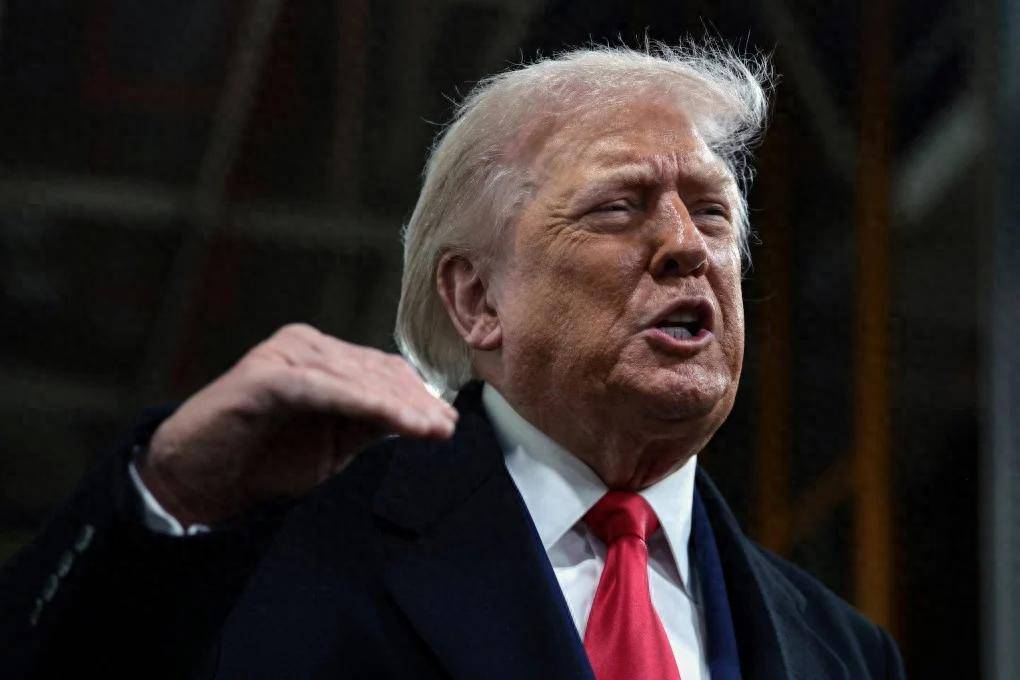
正面击退特朗普后,中国开始乘胜追击,要将美国的暗子全部拔除
Sou Hu Cai Jing· 2025-12-01 05:47
Group 1 - The trade war between China and the US appears to be temporarily paused, but underlying tensions remain as China tightens its economic strategies in the region to prevent potential risks from spreading [1] - The US has suspended plans to increase tariffs and canceled some unreasonable tax measures against China, indicating a reactive stance due to domestic supply chain pressures [1][7] - China has only symbolically resumed some agricultural purchases, showing limited concessions compared to the US's more aggressive approach [1] Group 2 - The agreements signed by the US with Southeast Asian countries, while framed as enhancing security standards, actually impose significant restrictions on these nations, requiring them to align with US control mechanisms [3] - Specific clauses in these agreements include compliance with US export restrictions, investment reviews aligned with US risk assessments, and barriers to prevent Chinese goods from entering the US market [3] - Southeast Asian countries face pressure from these agreements but cannot fully reject them due to the threat of economic sanctions from the US, contrasting with China's more cooperative and flexible approach [5] Group 3 - The US's strategy aims to disrupt China's supply chains in Southeast Asia, increasing costs for Chinese exports and creating space for US industry rebuilding [7] - However, the US faces time constraints as inflation pressures mount domestically, making it difficult to rely on high-cost alternatives if trade routes are blocked [7] - China's strategy focuses on stabilizing its external partnerships, ensuring that as long as the cooperation chain with Southeast Asia remains intact, access to the US market will not be completely obstructed [7]
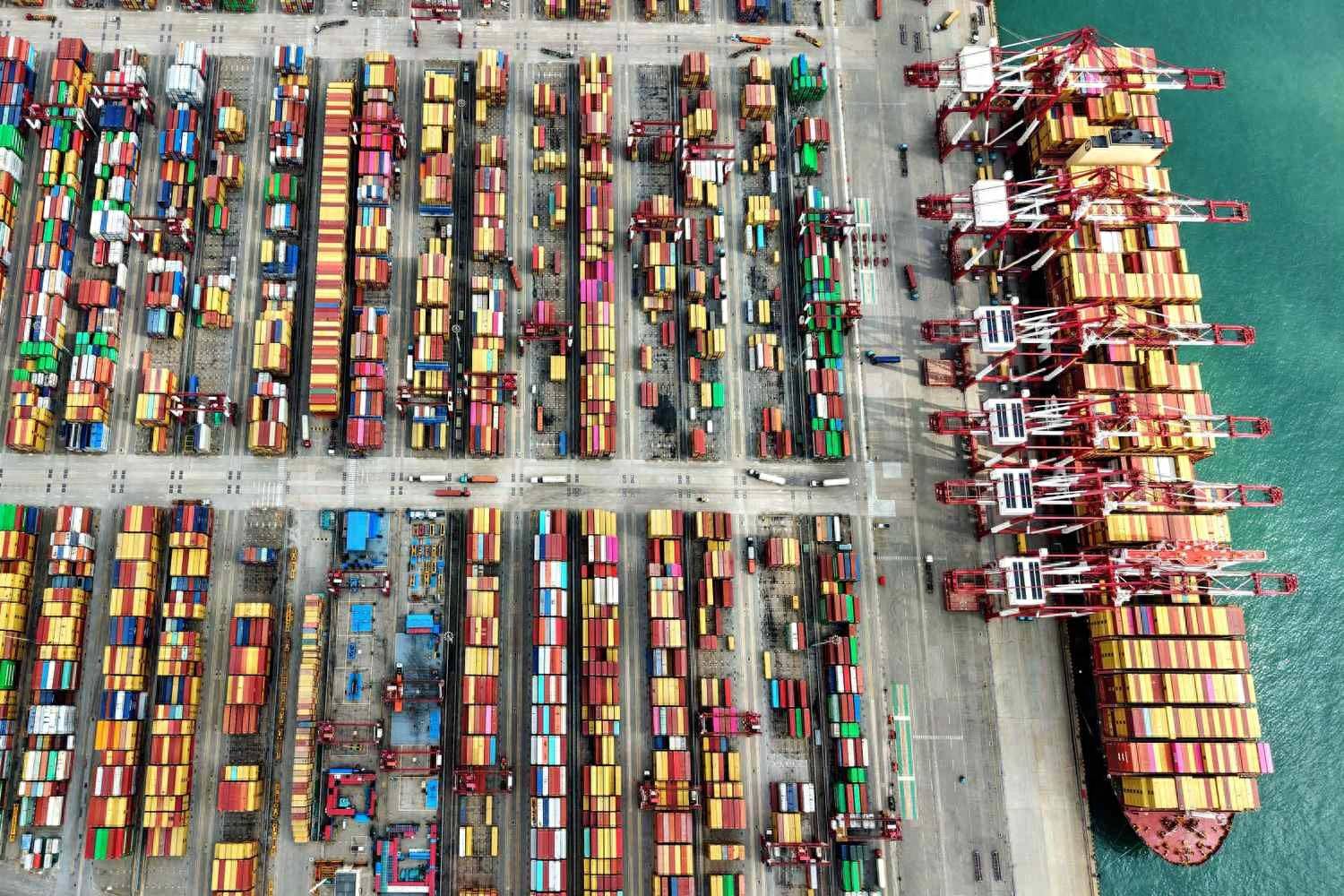
新能源、有色金属研究:过剩程度收窄,锂价重心或上移
Hua Tai Qi Huo· 2025-11-30 08:27
1. Report Industry Investment Rating No information provided in the content. 2. Core Viewpoints - Supply: In 2025, lithium resources at the mine end continued to be released, with major increases coming from African mines, South American salt lakes, and domestic mine expansions. In 2026, the resource end still has room for growth, and the supply of lithium carbonate is expected to be between 196 - 205 million tons of LCE. If the lithium price remains relatively high, the processing profit may improve, and the overall industry's production may further increase [8]. - Demand: New energy vehicles and energy storage are the main drivers of consumption growth. In 2025, from January to October, China's new energy vehicle production and sales reached 13.015 million and 12.943 million units respectively, with year - on - year increases of 33.1% and 32.7%. The winning bid capacity for energy storage was 148GWh, a year - on - year increase of 39%. It is expected that the annual energy storage cell shipments in 2025 will be around 580GW, and in 2026, it is expected to reach 850GW. The overall consumption growth rate of lithium carbonate in 2026 is estimated to be about 28% [9][10]. - Balance: In 2025, the global lithium resources had a cumulative inventory of about 150,000 tons of LCE at the mine end, and the domestic lithium carbonate had a net inventory reduction of about 15,000 tons for the whole year. In 2026, the mine end is still expected to have an oversupply of about 100,000 tons of LCE, and the inventory of lithium salts may show seasonal changes, with inventory accumulation expected in the first half of the year and potential inventory reduction in the second half if consumption is strong [11]. - Conclusion: In 2026, the supply - demand pattern of lithium carbonate is expected to improve, and the oversupply will narrow. The price is expected to range from 70,000 to 130,000 yuan per ton, and the price center may rise. The price will still have a large fluctuation range, and industry customers and investment institutions can seize cyclical market opportunities [6][13]. 3. Summary by Directory Price Review - In early 2025, the price of lithium carbonate rose slightly and then fell back to a stable level. The 2505 contract of lithium carbonate futures rebounded from 77,800 yuan per ton at the beginning of the year to 81,680 yuan per ton, a rise of 4.99%, and then fell back to 74,160 yuan per ton. In the second quarter, due to the impact of the Sino - US tariff war, the price of the 2507 contract dropped from 74,500 yuan per ton in early April to the annual low of 58,460 yuan per ton, a decline of 21.53%. In the second half of the year, the price fluctuated due to factors such as the relaxation of the tariff war, the discussion of mine production cuts, and the increase in energy storage demand [5][21]. Market Outlook - In 2026, the consumption end is currently optimistic, but the actual implementation remains to be seen. The overall supply - demand pattern is expected to improve, and the oversupply will narrow. If consumption exceeds expectations and there are supply - side disruptions, the market may be in short supply in the short term. Seasonally, the energy storage end has been performing well recently, but the power battery end may weaken significantly after the end - of - year sales rush. If the price rises, the supply - side expansion may accelerate, and there is a high possibility of inventory accumulation in the first half of the year. If consumption fails to meet expectations, the price may decline. If consumption continues to exceed expectations in the second half of the year and the supply - side production fails to meet expectations, the price of lithium carbonate is expected to continue to strengthen [6][13][22]. Supply - side Situation - From January to October 2025, the domestic lithium carbonate production was about 775,900 tons, a year - on - year increase of 43.27%, and the annual production is expected to be about 960,000 tons, a year - on - year increase of 43%. The production of lithium hydroxide was about 245,900 tons, a year - on - year decrease of 17.39%, and the annual production is expected to be 300,000 tons, a year - on - year decrease of about 15.4%. The overall lithium salt smelting capacity is still in significant oversupply, with an overall operating rate of only about 50%. In the second half of the year, the operation of large - scale mica mines was affected, and the operating rate of mica smelting capacity decreased to about 30%, while the operating rate of spodumene increased to nearly 70%. In 2026, the consumption end is expected to maintain a high growth rate, and the production of lithium carbonate is expected to grow at a high rate, with significant increases in salt lakes, spodumene, and mica [27]. Lithium Mine Increment Expectation - Resource - end Increment: In 2025, the total supply of the resource end is expected to be 1.57 million tons of LCE. In 2026, Australian mines are expanding, multiple African projects still have increments, the output of Argentine salt lakes is ramping up, and domestic mines in Sichuan, Xinjiang, and Hunan are being put into production, while salt lakes in Qinghai and Tibet are expanding production, with an expected supply of 1.96 - 2.05 million tons of LCE [39]. - Production Cost and Profit of Lithium Carbonate: The cost range of lithium carbonate is large. The production cost using salt lakes is relatively low, at 30,000 - 50,000 yuan per ton. The cash cost of self - owned mine production enterprises is 40,000 - 60,000 yuan per ton. The cost of purchasing mines is relatively high, and most of the time this year, there has been significant cost pressure. In 2026, the global lithium mines are still in an oversupply situation, but the degree of oversupply is narrowing. It is expected that the willingness of the mine end to support prices will increase, and it will be difficult for lithium mine prices to fall to the 2025 low [40]. Import and Export - From January to October 2025, China imported 6.228 million tons of lithium spodumene, a year - on - year increase of 35.7%. The import volume of lithium carbonate was 196,900 tons, a year - on - year increase of 4.9%. The export volume of lithium carbonate was 3,618 tons, a year - on - year increase of 21.2%. The export volume of lithium hydroxide was 44,200 tons, a year - on - year decrease of 59.2% [49][50]. Consumption End - Lithium Consumption: New energy vehicles and energy storage are the main drivers. From January to October 2025, China's production of lithium iron phosphate increased significantly by 65% year - on - year, while the production of ternary materials increased slightly by 14.5%. The production of manganese - acid lithium and cobalt - acid lithium electrodes also increased to a certain extent. The total output of lithium hexafluorophosphate was about 202,000 tons, a year - on - year increase of 38.4%. In the battery sector, from January to October, the cumulative production of power and other batteries was 1292.5GWh, a year - on - year increase of 51.3%, and the cumulative sales were 1233.2GWh, a year - on - year increase of 55.1%. The cumulative export of power and other batteries was 228.1GWh, a year - on - year increase of 43.9%. In the automotive field, from January to October, the production and sales of new energy vehicles were 13.015 million and 12.943 million units respectively, a year - on - year increase of 33.1% and 32.7%. The export volume of new energy vehicles was 2.65 million units, a year - on - year increase of 54%. The winning bid capacity for energy storage was 148GWh, a year - on - year increase of 39%. The annual energy storage cell shipments in 2025 are expected to be around 580GW, and in 2026, it is expected to reach 850GW [57][59][60]. Supply - Demand Balance Sheet - In 2025, the market showed an inventory accumulation pattern in the first half of the year and a significant inventory reduction in the second half. From the mine - end calculation, the annual oversupply was about 140,000 tons of LCE, and the domestic lithium carbonate had a net inventory reduction of about 15,000 tons. In 2026, if the consumption end maintains high - speed growth and the supply end is put into production normally, the annual oversupply is expected to be 100,000 tons of LCE. It is expected that there is a high possibility of inventory accumulation in the first half of the year, and inventory reduction may occur in the second half if consumption remains high [95]. Inventory - As of the end of November, the spot inventory of the lithium carbonate sample was 1.16 million tons, including 243,000 tons in smelter inventory, 420,000 tons in downstream inventory, and 497,000 tons in other inventory. Compared with the first half of the year, the smelter inventory decreased significantly, the intermediate - link inventory increased significantly, and the total inventory decreased [12][100].
特朗普吹嘘美国养活了解放军,指示美财长打电话,要中国“报恩”
Sou Hu Cai Jing· 2025-11-23 08:56
Group 1 - The core viewpoint of the articles highlights ongoing tensions in US-China relations despite a temporary truce in the tariff war, with Trump expressing dissatisfaction and urging for more pressure on China [1][3][7] - Trump's recent comments suggest that he believes the US is financially supporting China's military, indicating a desire to leverage trade negotiations to curb China's military growth [7][9][14] - The US has approved arms sales to Taiwan, which undermines previous commitments and damages trust between the two nations, further complicating the fragile relationship [3][5] Group 2 - Despite China's suspension of planned rare earth export controls, the US continues to demand a rare earth agreement, threatening retaliation if China does not comply, which reflects a strategy of extreme pressure [5][16] - Trump's rhetoric reveals his anxiety over China's rise and his approach of using extreme pressure and bargaining tactics in diplomacy, which has not yielded the desired results in the trade conflict [9][11] - The articles argue that Trump's claims about the US "supporting" China's military are unfounded, emphasizing that US-China trade is mutually beneficial rather than one-sided [11][14]
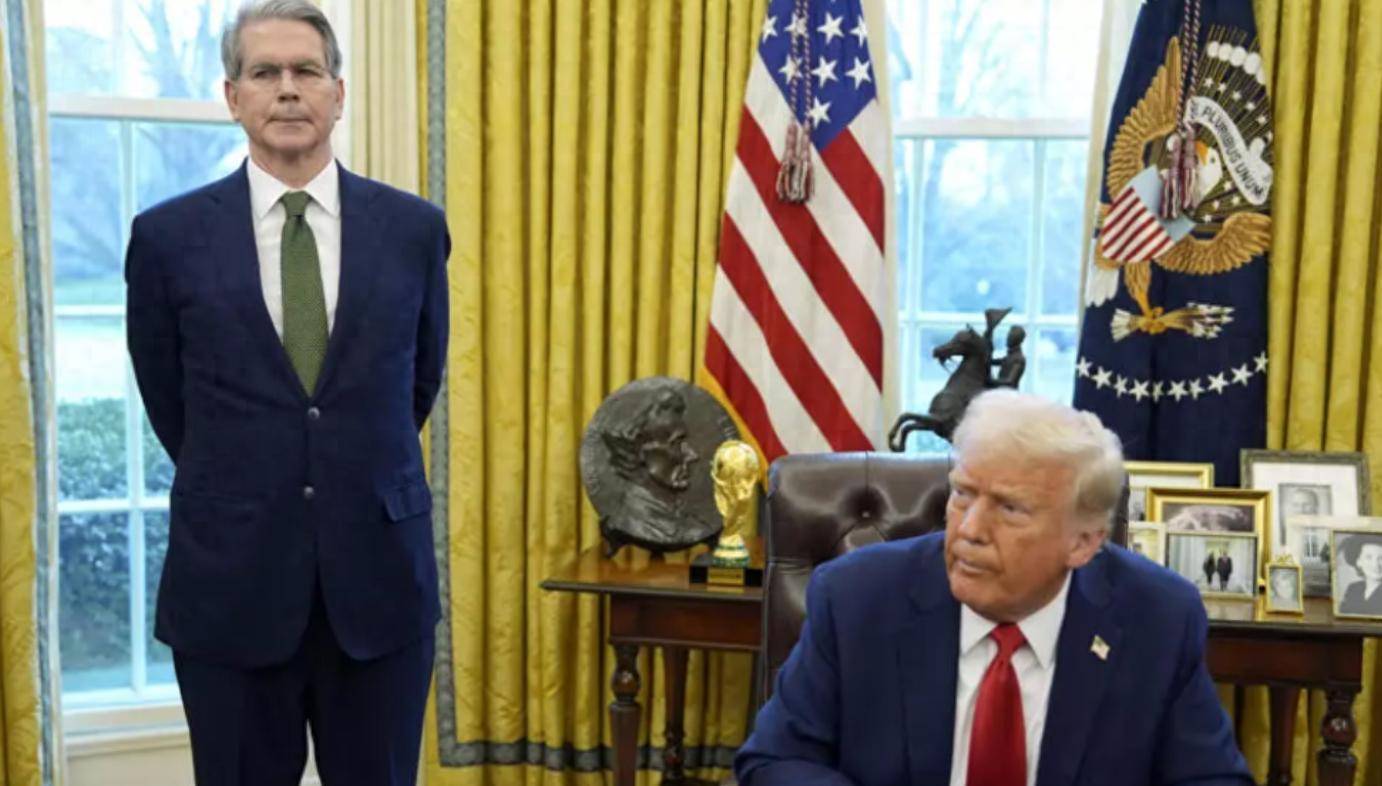
美国主动承认,中国是唯一可平起平坐国家,G2来临?美要派人访华
Sou Hu Cai Jing· 2025-11-22 07:43
Group 1 - The upcoming China-US summit at the end of October is occurring at a critical moment in the global restructuring of power dynamics, with Trump acknowledging China's rise as a significant diplomatic gesture [1] - Trump's initiation of the trade war was ultimately a failure for the US, as China emerged victorious and demonstrated its capability to stand on equal footing with the US [1] - Du Rusong argues that Trump's actions disrupted the overall strategic layout of the US and that future historians may trace the moment of China and the US being on equal footing back to Trump's decisions [3] Group 2 - Du Rusong's remarks serve two purposes: to hold Trump accountable for failing to maintain US hegemony and to remind the Trump administration to remain vigilant against China [6] - There are signs of a shift in the Trump administration's stance on China, including the decision to delay imposing a 100% tariff on Chinese semiconductors to avoid escalating tensions [8] - The recent interactions suggest that the US lacks effective means to truly constrain China, revealing vulnerabilities, especially regarding strategic resources like rare earth elements [10] Group 3 - American farmers are looking to Trump to persuade China to purchase more US agricultural products to prevent significant losses, indicating the political implications for Trump and the Republican Party [12] - Trump has publicly acknowledged the G2 status of China, affirming its global influence, which reflects the inevitable outcome of China's rise [12]
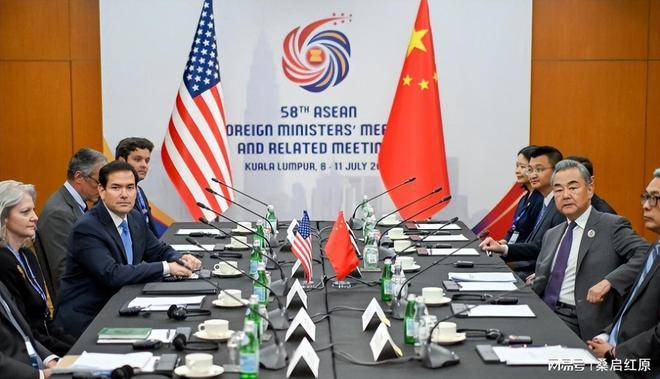
谈了5小时,吉隆坡“硬碰硬”,美国为何越来越力不从心了?
Sou Hu Cai Jing· 2025-10-29 04:19
Core Points - The fifth round of trade negotiations between China and the United States was marked by intense confrontation, lasting five hours, highlighting the ongoing severity of the trade war [3][5] - Key issues discussed included U.S. measures against China's shipping and shipbuilding industries, the extension of the tariff suspension period, fentanyl export disputes, and restrictions on U.S. agricultural exports to China [3][5] - China's confidence in negotiations stems from its strategic preparations over the past seven years, including leveraging its rare earth resources and agricultural exports as bargaining chips [6][11] Summary by Categories Negotiation Atmosphere - The atmosphere during the negotiations was tense, with a stark contrast between the confident demeanor of the Chinese representative and the stressed appearance of the U.S. representatives [6][11] - The U.S. government displayed a strong stance but failed to acknowledge its own shortcomings regarding domestic issues related to the opioid crisis, instead blaming China for the fentanyl problem [5][11] Key Issues Discussed - The discussions included critical topics such as the U.S. 301 measures against China's shipping and shipbuilding sectors, which reflect unfair trade practices [5][11] - Fentanyl was a recurring issue in negotiations, with the U.S. using it as a significant bargaining chip despite its own failures in addressing the root causes of the crisis [5][11] Outcomes and Implications - The negotiations resulted in a preliminary consensus on several issues, indicating that despite the confrontational nature, some progress was made [6][12] - China's success in these negotiations is seen as a significant victory against U.S. hegemony, providing hope to other nations resisting similar pressures [12]
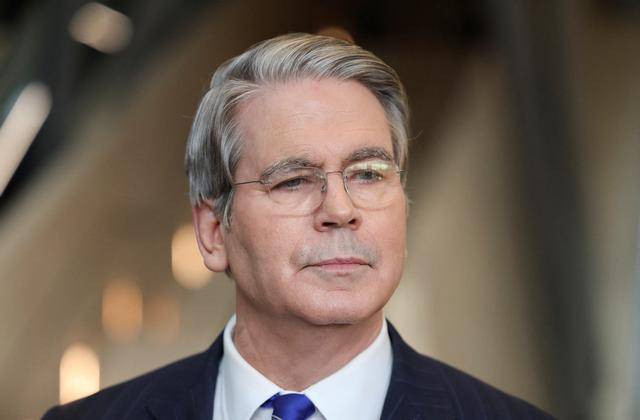
又输给了李成钢,贝森特承诺:美方不再考虑对华加征100%关税
Sou Hu Cai Jing· 2025-10-29 03:14
Core Points - The recent round of US-China trade negotiations concluded with US Treasury Secretary Mnuchin acknowledging the reality and promising not to consider imposing a 100% tariff on China [1] - President Trump, during his visit to Asia, expressed confidence in reaching a comprehensive agreement with China, indicating a potential return to normal levels of tariffs [3] - The atmosphere of the negotiations was tense, with strong positions from both sides, particularly on sensitive issues like fentanyl tariffs and shipping fees, but a preliminary consensus was eventually reached [3][5] Group 1 - The US side initially had a very hardline stance, but China's determination to protect its national interests forced the Trump administration to compromise [3][5] - The ability of the negotiation representatives played a role in the progress, but ultimately, the strength of national power and leverage was crucial [5] - The impact of China's rare earth export controls has created significant concern in the West, highlighting the leverage China holds in trade discussions [5] Group 2 - The trade war initiated by Trump has led to significant challenges for American farmers, particularly in the soybean market, as Chinese buyers have shifted to South American sources [7] - In response to the declining soybean market, some American farmers have switched to corn, which is expected to yield a record production of 427 million tons this year [7] - However, the oversupply of corn has resulted in plummeting prices, causing financial distress for farmers, which could have political implications for the Republican Party in the upcoming midterm elections [7]
中美关税战打到头了?提出三大谈判诉求后,特朗普又宣布明年访华
Sou Hu Cai Jing· 2025-10-21 05:46
Core Viewpoint - The announcement of Trump's planned visit to China in early next year comes amid escalating tensions in the US-China "rare earth war," with skepticism about the sincerity of this gesture and its potential impact on trade negotiations [1][3]. Group 1: Trade Negotiations - Trump believes that the upcoming economic talks could yield positive results and lead to a trade agreement for mutual prosperity [3]. - The US has a history of making bold claims regarding negotiations, often attempting to take the initiative in discussions with China [3][5]. - The trade war, initiated during Trump's first term, has led to significant economic strain, with the US eventually seeking to negotiate peace after facing challenges [5]. Group 2: US-China Relations - Trump's approach has been aggressive, using tariffs and sanctions against China while showing little genuine willingness to negotiate [5][7]. - The recent introduction of new regulations on rare earth exports has put pressure on the US, prompting Trump to threaten 100% tariffs while attempting to morally coerce China [7]. - The Chinese response has been to counter any provocations, indicating a shift towards immediate retaliation rather than delayed responses [5][9]. Group 3: Key Demands and Expectations - In the new round of negotiations, Trump has outlined three main demands: soybeans, rare earths, and fentanyl, with the latter being outside China's control [7]. - There is skepticism regarding Trump's ability to make significant concessions, as it would undermine his position and image [7][9]. - The effectiveness of any negotiations will depend on the sincerity of the US side, rather than Trump's personal influence or presence [9].
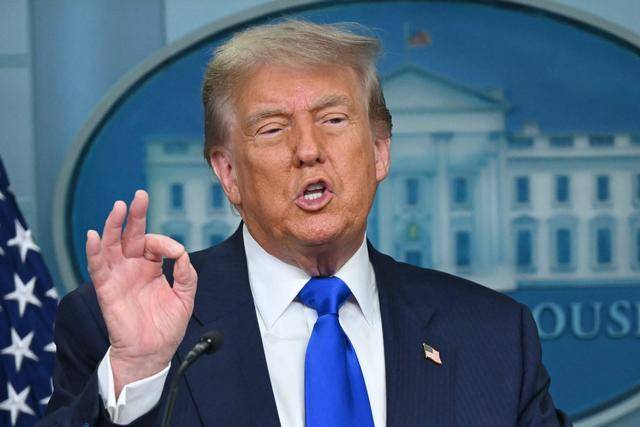
特朗普12字投降引爆全球!中美关税战惊天逆转内幕曝光!
Sou Hu Cai Jing· 2025-10-20 09:14
Core Points - Trump's 12-word statement signifies a dramatic shift in the US-China trade war, indicating a potential retreat from high tariffs that were previously seen as a political tool [1][3] - The statement reveals the underlying struggles of the US government, highlighting the impact of China's rare earth dominance on US military capabilities and the agricultural sector [3][5] Group 1: Trade War Dynamics - The US reliance on Chinese rare earth materials is critical, as China accounts for 80% of global production, affecting military technologies like the F-35 fighter jet [3] - The agricultural sector is facing severe challenges, with US soybean exports dropping by 40% and sorghum orders down by 90%, as Chinese buyers turn to Brazil [3][5] - The US beef export to China has plummeted from $120 million to $8 million monthly, while Australia benefits from increased exports [3] Group 2: Economic and Political Implications - The US national debt has surpassed $37 trillion, equating to approximately $110,000 per American, creating a fiscal crisis that complicates government operations [5] - The government shutdown has led to significant disruptions, affecting federal employees and services, which undermines the administration's agenda [5] - The trade war has escalated from an economic conflict to a political survival battle for the Trump administration, as domestic pressures mount [5][7] Group 3: Future Outlook - The reversal in the trade war signals a potential collapse of the existing US hegemony, raising questions about the future of global trade dynamics [7] - The interconnectedness of rare earths, agriculture, and national debt illustrates the complexity of US-China relations and the need for a new balance in global trade [7]
中美破冰倒计时!一通电话两场会晤,贝森特为特朗普打前站?
Sou Hu Cai Jing· 2025-10-19 16:43
Group 1 - The article discusses the evolving dynamics of US-China relations, highlighting the US's inching approach and China's establishment of an ecological sanction system that exposes US weaknesses [1][5] - The upcoming fifth round of US-China trade negotiations is anticipated to address key issues, including tariffs on rare earths and agricultural products like soybeans [3][7] - Trump's administration shows internal divisions regarding trade strategies, with some officials believing in the potential for a mutually beneficial agreement with China [5][10] Group 2 - The article emphasizes that the root causes of the US-China trade war involve multiple contentious issues, including rare earths, soybeans, tariffs, and geopolitical concerns [7][9] - The Fentanyl issue and the associated 20% tariff are highlighted as critical points in negotiations, with the US reluctant to remove the tariff due to implications for domestic accountability [9] - The article concludes that US-China relations are characterized by a complex interplay of cooperation and conflict, with both sides needing to navigate their differences while seeking common ground [10]