代谢性疾病治疗

Search documents
新股消息 | 糖吉医疗递表港交所 已成功开发并商业化推出EBMT治疗器械产品
Zhi Tong Cai Jing· 2026-02-09 23:23
Company Overview - Tangji Medical Technology Co., Ltd. is a China-based medical device company focused on providing innovative solutions for the treatment and management of metabolic diseases, including obesity and type 2 diabetes [3] - The company's core product, GBS, is a minimally invasive medical device approved as a Class III innovative medical device in China, aimed at treating obesity [3][5] - As of February 2, 2026, the company has successfully developed and commercialized an EBMT treatment device and has received regulatory approval for two adjunct products and a digital health management platform [3][4] Financial Performance - For the fiscal year 2024, the company reported revenues of approximately RMB 12.709 million, with a gross profit of RMB 10.282 million [6][8] - Research and development costs for the same period were approximately RMB 41.126 million, leading to a pre-tax loss of RMB 65.957 million [7][8] Market Potential - The market for EBMT medical devices in China is expected to grow from RMB 12.7 million in 2024 to RMB 782.1 million by 2029, representing a compound annual growth rate (CAGR) of 128.0% [9] - The global DJBL medical device market is projected to expand from nearly zero growth in 2020-2023 to approximately USD 1.8 million in 2024, with a CAGR of 171.7% expected from 2024 to 2029 [11] Regulatory Approvals and Clinical Trials - The company is actively pursuing global expansion for GBS and has received regulatory approvals in eight countries, including Hong Kong and Indonesia [4] - GBS-SH, a product targeting MASH with obesity, received breakthrough device designation from the FDA, marking the company as the only Chinese firm to achieve this status as of the last feasible date [5] Board and Shareholding Structure - The board of directors consists of six members, including one executive director and three independent non-executive directors, with a term of three years [18] - The largest shareholder, Mr. Zuo, holds 28.96% of the company, controlling approximately 35.94% of the issued share capital through an employee shareholding platform [20]

众生药业(002317) - 2026年1月6日投资者关系活动记录表
2026-01-06 09:46
Group 1: Innovative Drug Development - The company focuses on independent research and development, integrating internal and external resources to address unmet clinical needs, particularly in metabolic and respiratory diseases [1] - As of now, two innovative drug projects have been approved for market launch, with several others in clinical trial stages [1] - The innovative drug ZSP1601, targeting metabolic dysfunction-related fatty liver disease (MASH), has completed Phase Ib/IIa clinical trials, showing significant reductions in liver inflammation markers [3] Group 2: Clinical Trials and Research Progress - RAY1225 injection, a dual agonist for GLP-1 and GIP receptors, is currently undergoing multiple Phase III clinical trials for obesity and type 2 diabetes, with positive results reported in Phase II trials [6][7] - The company is advancing RAY1225 for the treatment of MASH, with preclinical studies indicating improvements in liver inflammation and fibrosis in animal models [9] - The innovative drug Anlavi (昂拉地韦) has been approved for use in treating influenza and is undergoing Phase III trials for children and adolescents [4][6] Group 3: Strategic Investments and Corporate Governance - The company has increased its shareholding in its subsidiary, Zhongseng Ruichuang, to enhance operational control and efficiency in drug development [10] - The focus on innovation is seen as a core driver for the pharmaceutical industry, with the company committed to building a complete industrial layout from research to commercialization [12]

详解替尔泊肽双靶点的优势:继司美格鲁肽更强的减肥药,好在哪?
GLP1减重宝典· 2026-01-02 15:51
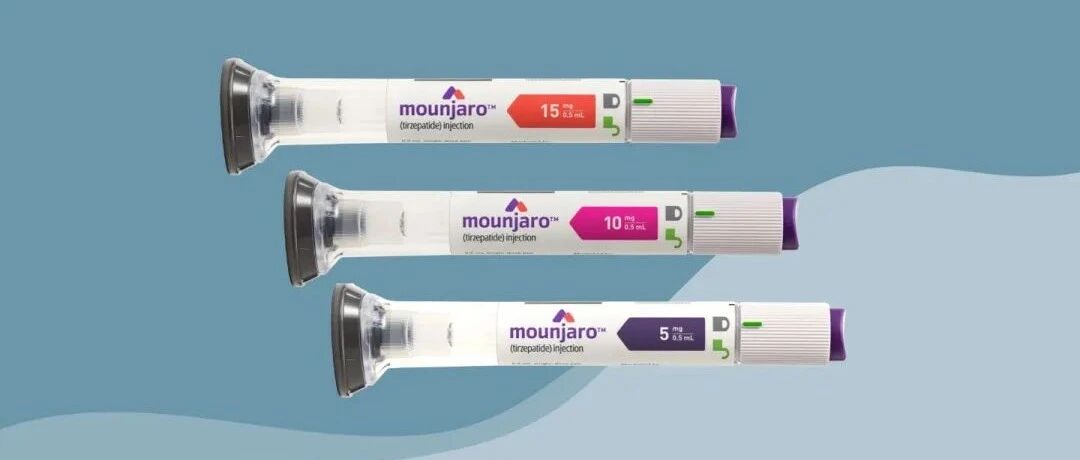
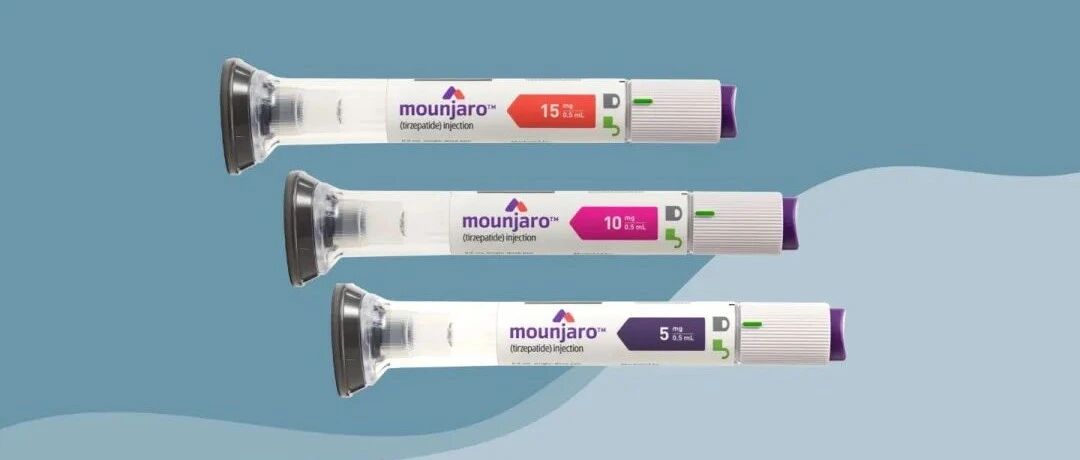
Core Viewpoint - The article discusses the innovative dual-target drug Tirzepatide, which combines GLP-1 and GIP to enhance therapeutic effects and reduce side effects for diabetes patients, highlighting its potential in weight loss and metabolic disease treatment [2][6]. Summary by Sections Mechanism and Benefits - Tirzepatide is a modified molecule based on the GIP sequence, increasing GLP-1 activity, with GIP activity approximately 10 times that of GLP-1 [2]. - GIP helps mitigate side effects associated with GLP-1, such as nausea and vomiting, while also regulating both glucose and lipid metabolism, making it advantageous for controlling blood sugar and fat levels [4]. - The dual action of GLP-1 and GIP allows for comprehensive regulation of energy metabolism, enhancing insulin secretion and sensitivity, and reducing energy intake [7]. Clinical Efficacy - In the SURMOUNT-1 Phase 3 clinical trial, patients treated with 15mg of Tirzepatide experienced an average weight loss of 22.5%, marking it as the first drug to show over 20% weight loss in a Phase 3 trial [10]. - In the SURMOUNT-3 trial, overweight or obese patients without diabetes lost an average of 26.6% of their weight, setting a new record for drug-induced weight loss [10]. - Comparatively, Tirzepatide demonstrated superior weight loss effects over Semaglutide, with 15.7% weight loss in diabetic patients versus 9.6% for Semaglutide, and 22.5% versus 15% for non-diabetic obese patients [10]. Weight Loss Achievement Rates - The study showed that 81.8% of Tirzepatide patients achieved over 5% weight loss within a year, compared to 66.5% for Semaglutide [11]. - For over 10% weight loss, 62.1% of Tirzepatide patients succeeded, while only 37.1% of Semaglutide patients did [11]. - Additionally, 42.4% of Tirzepatide patients lost over 15% of their weight, compared to 18.1% for Semaglutide [11]. Safety Profile - Both Tirzepatide and Semaglutide share common side effects, primarily gastrointestinal issues like nausea and diarrhea, but Tirzepatide's dual action may lead to better tolerability [13]. - Approximately 80% of Tirzepatide users reported at least one side effect, with 33% experiencing nausea compared to 44% for Semaglutide [13]. - The overall incidence of side effects is lower for Tirzepatide, with patients transitioning from Semaglutide reporting better tolerance [13].
君圣泰医药刘利平:在天然产物中探索代谢病治疗“新解法”
Shang Hai Zheng Quan Bao· 2025-12-30 19:16
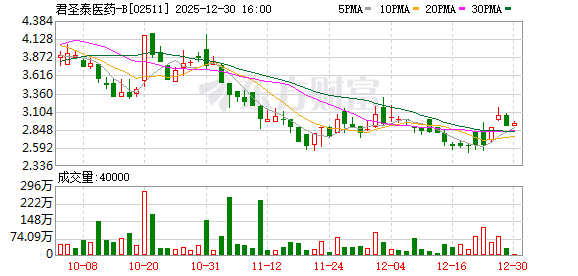
Core Viewpoint - Junshengtai Pharmaceutical is leveraging innovative molecules derived from natural products to address metabolic diseases, emphasizing a patient-centered approach to meet unmet clinical needs [2][3]. Group 1: Company Overview - Junshengtai Pharmaceutical was founded by Liu Liping in 2011, focusing on the research and development of drugs for metabolic diseases [3]. - The company aims to explore the potential of natural products in drug development, moving away from traditional methods of producing generic drugs [3]. Group 2: Product Development - The company has developed a novel molecular entity, HTD1801, by combining berberine from traditional Chinese medicine and ursodeoxycholic acid, targeting multiple pathways for treating various metabolic diseases [2][4]. - HTD1801 has shown potential in activating AMPK, improving glucose uptake, and reducing chronic inflammation, which are critical for managing metabolic disorders [4]. Group 3: Clinical Trials and Applications - Junshengtai Pharmaceutical has initiated two Phase 3 clinical trials for HTD1801 in Chinese patients with Type 2 Diabetes Mellitus (T2DM), achieving primary and multiple secondary efficacy endpoints [5]. - The company plans to submit a new drug application for HTD1801 for T2DM treatment and has identified chronic kidney disease (CKD) as an additional indication [5][6]. Group 4: Future Prospects - HTD1801 is expected to expand its indications, with ongoing research into its effects on CKD and potential combination therapies with GLP-1 receptor agonists for obesity management [6]. - The company aims to position HTD1801 as a foundational treatment in the cardiovascular-kidney-metabolic (CKM) field, providing comprehensive health solutions for patients [6]. Group 5: Innovation and Challenges - Liu Liping likens the process of developing innovative drugs to climbing Mount Everest, highlighting the challenges faced in combining natural molecules into a new compound [7]. - The company emphasizes a focus on breakthrough innovations and overcoming obstacles in drug development, reflecting the broader trends in China's pharmaceutical industry [7].
详解替尔泊肽双靶点的优势:继司美格鲁肽更强的减肥药,好在哪?
GLP1减重宝典· 2025-11-10 13:34
Core Viewpoint - Tirzepatide, a dual-target drug combining GLP-1 and GIP, shows significant efficacy in weight loss and metabolic control, outperforming single-target drugs like semaglutide [2][6][10]. Group 1: Mechanism and Efficacy - Tirzepatide enhances GLP-1 activity and has GIP activity approximately 10 times that of GLP-1, leading to complementary effects in reducing appetite and improving metabolic functions [2][4]. - GIP plays a crucial role in fat metabolism, helping to rebalance and redistribute body fat, which is a notable advantage over single-target drugs [4][6]. - Clinical trials demonstrate that tirzepatide leads to an average weight loss of 22.5% in patients after treatment, making it the first drug in phase 3 trials to achieve over 20% weight loss [10]. Group 2: Comparative Efficacy - In the SURMOUNT-3 trial, patients treated with tirzepatide lost an average of 26.6% of their body weight, setting a new record for weight loss efficacy [10]. - When comparing tirzepatide to semaglutide, tirzepatide showed superior weight loss results: 15.7% for diabetic patients versus 9.6% for semaglutide, and 22.5% for non-diabetic obese patients versus 15% for semaglutide [10][11]. Group 3: Safety and Tolerability - Both tirzepatide and semaglutide share common side effects, primarily gastrointestinal issues, but tirzepatide's dual action may lead to better tolerability [13]. - Approximately 80% of tirzepatide users report at least one side effect, with 33% experiencing nausea compared to 44% for semaglutide, indicating a potentially lower incidence of adverse effects [13].
半年豪掷107亿美元,脂肪肝成下一个“黄金靶点”?
Hu Xiu· 2025-10-20 09:21
Core Insights - The acquisition of Akero Therapeutics by Novo Nordisk for $5.2 billion marks a significant move into the FGF21 space, indicating the growing importance of metabolic disease treatments, particularly for metabolic dysfunction-associated steatotic liver disease (MASH) [2][12] - FGF21 is rapidly becoming a key target in the treatment of metabolic diseases, with major pharmaceutical companies like GSK and Roche also making substantial investments in similar assets, reflecting a competitive landscape reminiscent of the GLP-1 market boom [3][19] - The market for MASH is projected to reach $32.2 billion by 2030, driven by the increasing prevalence of obesity and type 2 diabetes, highlighting the commercial potential of FGF21 therapies [13][19] Company Strategies - Novo Nordisk's acquisition of Akero Therapeutics is part of a broader strategy to enhance its portfolio in the metabolic disease sector, especially after facing competitive pressures [16][18] - GSK's acquisition of Boston Pharmaceuticals' FGF21 asset aims to fill gaps in its MASH treatment offerings and is expected to complement its existing therapies [15][18] - Roche's acquisition of 89bio's FGF21 drug pegozafermin is intended to strengthen its position in cardiovascular and metabolic disease markets, showcasing a trend of major companies consolidating their portfolios through strategic acquisitions [16][18] Market Dynamics - The FGF21 target is emerging as a lucrative opportunity, with the potential to replicate the success seen with GLP-1 drugs, which have transformed into leading treatments for metabolic disorders [19][23] - The unique ability of FGF21 therapies to address late-stage liver disease (F4) provides a competitive edge over existing treatments, which are limited to earlier disease stages [13][19] - The ongoing trend of mergers and acquisitions in the FGF21 space is expected to intensify, driven by the substantial market size and the need for innovative therapies in metabolic diseases [22][23] Clinical Developments - Akero's Efruxifermin has shown promising clinical results, with nearly 50% improvement in liver fibrosis for F2-F3 MASH patients after 96 weeks of treatment, indicating its potential as a leading therapy in this area [11][19] - The advancements in protein engineering have allowed FGF21 drugs to overcome previous limitations, such as short half-lives, enabling less frequent dosing and enhancing their commercial viability [9][19] - Chinese pharmaceutical companies are also making strides in the FGF21 space, focusing on multi-target agents that could provide synergistic effects in treating metabolic disorders [20][21]



GLP-1受体激动剂二十年进化史:从实验室发现到临床治疗革命
GLP1减重宝典· 2025-09-19 03:37
Core Viewpoint - The article discusses the significant advancements in GLP-1 receptor agonists over the past two decades, marking a transformative era in the treatment of metabolic diseases, particularly diabetes and obesity. It highlights the drug's evolution from a laboratory discovery to a cornerstone in clinical therapy, emphasizing its multifaceted benefits beyond glucose control, including cardiovascular protection and weight management [4][5][6]. Group 1: Development and Mechanism - GLP-1 receptor agonists have transitioned from a niche laboratory target to a central therapeutic option in clinical settings, driven by early discoveries of GLP-1's glucose-dependent insulin secretion properties [5][9]. - The scientific foundation of GLP-1 receptor agonists dates back to the 1960s, with key discoveries revealing the biological mechanisms of GLP-1 and its interaction with GLP-1 receptors on pancreatic beta cells [8][9]. - Recent studies, such as the SELECT trial, demonstrated that semaglutide significantly reduces the risk of major cardiovascular events by 20%, independent of weight loss effects, highlighting its direct cardiovascular protective mechanisms [9][10]. Group 2: Clinical Applications and Benefits - Modern GLP-1 receptor agonists have evolved to include long-acting and oral formulations, expanding their therapeutic applications from blood glucose control to cardiovascular protection and weight management [5][6]. - The unique "organ protective" characteristics of GLP-1 receptor agonists position them as foundational drugs in managing metabolic syndrome, showcasing their comprehensive benefits beyond mere glucose regulation [5][6]. - The ongoing research is focused on multi-target collaboration and personalized treatment approaches, with new generation GLP-1 receptor agonists showing promise in treating neurodegenerative diseases and non-alcoholic fatty liver disease [6][12]. Group 3: Safety and Future Directions - Despite their efficacy, GLP-1 receptor agonists are associated with potential adverse effects, including gastrointestinal discomfort and serious complications like kidney damage and intestinal obstruction [10][11]. - Long-term safety and efficacy of GLP-1 receptor agonists require further validation through extended follow-up studies, with future research aimed at optimizing individualized dosing regimens and managing adverse reactions [11][12]. - The exploration of GLP-1's role in metabolic regulation continues to reveal new therapeutic targets, emphasizing the need for deeper understanding of its physiological and pathological mechanisms [12][14].
运动为何能减肥?华人学者揭示运动代谢物Lac-Phe抑制食欲的机制
生物世界· 2025-09-18 10:05
Core Viewpoint - The article discusses the discovery of Lac-Phe, a metabolite produced during intense exercise, which suppresses appetite and aids in weight loss without adverse side effects [2][3][10]. Group 1: Research Findings - Lac-Phe is identified as the most significantly increased metabolite in the blood after intense exercise, observed in mice, humans, and racehorses [6]. - The recent study published in Nature Metabolism reveals that Lac-Phe inhibits AgRP neurons, which are responsible for stimulating hunger, thereby reducing food intake [3][10]. - The mechanism by which Lac-Phe suppresses appetite involves the activation of ATP-sensitive potassium channels (K ATP) on AgRP neurons, leading to hyperpolarization and reduced activity of these neurons [11]. Group 2: Implications for Weight Management - The findings provide insights into how exercise naturally lowers appetite and improves metabolism, suggesting potential new targets for obesity treatment [12]. - The research indicates that both metformin and exercise may utilize the same pathway through Lac-Phe to achieve appetite suppression and weight loss [8].

新一代减重药物突破:Amylin疗法或将成为代谢性疾病治疗新星
GLP1减重宝典· 2025-09-06 03:53
Core Viewpoint - The global obesity crisis is escalating, with the World Health Organization predicting that the number of obese individuals will exceed 1 billion by 2024 and potentially reach 4 billion by 2035. This public health challenge is driving innovation in the development of weight-loss treatments, particularly amylin analogs, which may reshape the market for metabolic disease therapies worth billions of dollars [4]. Group 1: Discovery and Mechanism of Amylin - Amylin was discovered in 1987 by a research team at the University of Auckland, which identified a unique substance in pancreatic tissues of diabetic patients, leading to its naming as Islet Amyloid Polypeptide (IAPP) and later as Amylin. This discovery opened new avenues for understanding and treating metabolic diseases [6]. - Amylin, a neuroendocrine hormone composed of 37 amino acids, works alongside insulin to regulate various metabolic processes, including suppressing glucagon secretion, enhancing insulin sensitivity, and reducing appetite through central nervous system mechanisms. It also delays gastric emptying and promotes energy expenditure, contributing to weight loss [7]. Group 2: Development of Amylin Analog Drugs - The evolution of amylin analogs has progressed from short-acting to long-acting formulations. Pramlintide, the first synthetic amylin analog approved in 2005, faced limitations in clinical use due to side effects and inadequate efficacy, leading to early treatment discontinuation in about half of patients [8]. - Recent advancements include the long-acting amylin analogs, Cagrilintide and the combination product CagriSema, which have shown significant weight loss effects in clinical trials. Cagrilintide demonstrated a dose-dependent weight loss of 6% to 10.8%, outperforming placebo and showing comparable safety profiles to existing treatments [9]. Group 3: Innovations in Delivery Methods - The development of Amycretin, the first GLP-1/amylin dual receptor agonist, represents a breakthrough in drug delivery methods, utilizing an oral administration system that enhances intestinal absorption and bioavailability. Early clinical trials indicated an average weight loss of 13.1% in treated patients, highlighting its potential as a leading candidate in metabolic disease therapy [10]. - The trajectory of amylin analogs from short-acting to long-acting therapies and now to oral formulations illustrates significant progress in the treatment of metabolic diseases, offering patients more effective and convenient treatment options [11].

非典型18A样本,银诺医药-B(2591.HK)携首款国产人源长效GLP-1赴港上市,开启商业化元年首秀
Ge Long Hui· 2025-08-15 07:56
Core Insights - The GLP-1 class of drugs has evolved from a diabetes treatment tool to a strategic asset reshaping the global pharmaceutical landscape, with Novo Nordisk's semaglutide and Eli Lilly's tirzepatide achieving significant sales figures of $29.3 billion and $16.5 billion respectively in 2024 [1] - The Chinese market is experiencing a shift as domestic innovation breaks through, exemplified by the launch of the first domestically produced human-derived long-acting GLP-1 receptor agonist, Isupatide α, by the biotech company Yino Pharma [1][8] - The metabolic disease sector is becoming a critical focus due to its large patient base and treatment needs, with diabetes, obesity, and metabolic dysfunction-related non-alcoholic steatohepatitis (MASH) accounting for 65% of the market share in China and 82.3% globally [3][5] Market Dynamics - The global market for metabolic disease drugs is projected to grow from $145.4 billion in 2024 to $191.6 billion by 2028, with a compound annual growth rate (CAGR) of 7.1% [6] - The Chinese market for metabolic disease drugs is expected to increase from $16.4 billion to $24.5 billion during the same period, with a CAGR of 10.6% [6] - Long-acting GLP-1 therapies are anticipated to dominate the market, with their share rising from 1.2% in 2018 to 86.9% in 2024, and projected to reach 98.7% by 2034 [6] Company Overview - Yino Pharma is positioned as a leader in the industry with its first-mover advantage in the domestic market, aiming to disrupt the existing import monopoly with Isupatide α [10][21] - The company has a robust pipeline with five additional clinical candidates targeting major diseases, including diabetes, obesity, MASH, and Alzheimer's disease, all with global commercial rights [11] - Isupatide α has been approved for treating Type 2 diabetes (T2D) and has already generated revenue of approximately 38.14 million RMB within four months of its launch [17][19] Financial Performance - Yino Pharma has demonstrated a unique advantage by achieving commercialization with its core product while maintaining stable other income streams, with revenues recorded at 16.84 million RMB and 20.06 million RMB in 2023 and 2024 respectively [19] - The company's research and development (R&D) expenditures have significantly decreased from 492.1 million RMB in 2023 to 102.5 million RMB in 2024, reflecting the transition of Isupatide α to the commercialization phase [18] - As of May 31, 2025, Yino Pharma had over 600 million RMB in cash and cash equivalents, providing a solid financial foundation for future pipeline development and market expansion [20][22]