
信用体系

Search documents
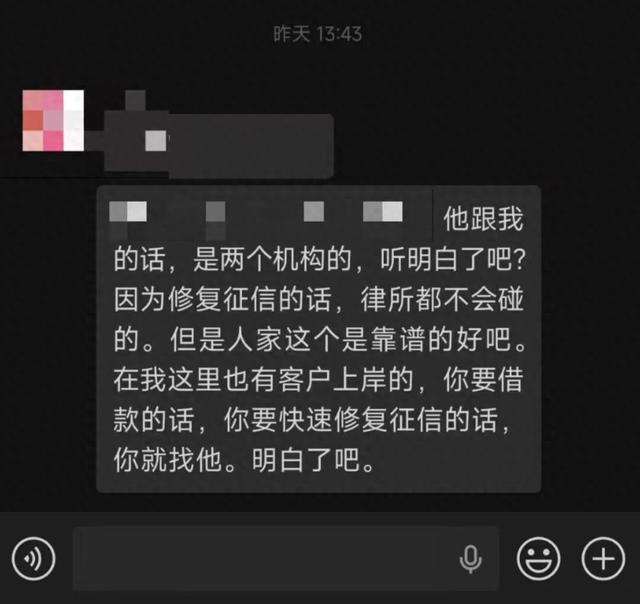
别让“洗白”给征信再添污点
Xin Lang Cai Jing· 2026-02-09 06:54
Core Viewpoint - The rise of intermediaries claiming to offer "credit repair" services is exploiting the new credit repair policy, distorting its original intent and potentially leading to fraud and further credit issues for consumers [1][2][3] Group 1: Credit Repair Policy - The new policy allows for the removal of personal overdue information under 10,000 RMB if paid within a specified time, intended to give non-malicious defaulters a chance to restore their credit [2] - Some intermediaries are misusing this policy to charge fees for services that should be free, effectively turning a public right into a tradable commodity [2] Group 2: Risks of Intermediaries - Many intermediaries are using deceptive practices, claiming to have "internal channels" to remove bad credit records, but often delay or fail to deliver on their promises [3] - Consumers who fall for these scams risk financial loss and may miss the opportunity to address their credit issues through legitimate, free channels [3] Group 3: Need for Regulation - There is a pressing need for collaboration between financial institutions, healthcare, social security, and courts to verify suspicious credit dispute applications and identify forged documents [3] - Credit reporting agencies and financial institutions should proactively inform users about the free nature of legitimate credit repair options to counteract misleading claims from intermediaries [3] Group 4: Importance of Credit Integrity - The integrity of the social credit system should not be compromised by fraudulent "credit washing" businesses, as personal credit is essential for economic participation and should not be commodified [4]


对信用体系金融市场带来系统性危害
Xin Lang Cai Jing· 2026-02-08 17:26
Core Viewpoint - The existence of the "credit repair" gray industry chain is primarily due to borrowers' lack of understanding of policies and their opportunistic mindset, which may increase compliance costs for financial institutions [1] Group 1: Impact on Financial Institutions - Gray market activities related to "credit repair" lead to distorted credit data, resulting in a surge of credit dispute applications at some banks, forcing them to delay loan approvals or adopt other measures to strengthen risk management, thereby affecting normal credit issuance [1] - The potential systemic risks posed by these activities to the credit system and financial markets are alarming [1] Group 2: Consequences of Gray Market Activities - If gray market practices become widespread, they can obscure genuine default records and distort credit scores, directly interfering with financial institutions' risk assessments [1] - A "cleaned" client may be heavily indebted but misclassified as a high-quality customer by the system, leading to loans exceeding their repayment capacity, which undoubtedly increases the overall bad debt risk in the financial system [1] Group 3: Governance and Regulation - Addressing the gray market of bad credit repair is not only about maintaining financial order but also about safeguarding societal integrity [2] - Future governance should combine both "blocking" and "unblocking" strategies, with a focus on precise strikes and source governance [2] - Multiple departments, including public security, market regulation, and central banks, must collaborate to combat fraudulent activities involving forged materials [2] - Financial institutions need to build defenses and establish models to identify malicious repeated dispute claims while enhancing risk information sharing within the industry [2] Group 4: Public Education and Trust - Strengthening public education is essential, as many individuals seek intermediaries due to a lack of understanding or trust in official channels [2] - Relevant departments should repeatedly promote that no institution has the privilege to delete accurate overdue records [2] - Ultimately, addressing the gray market is about preserving financial order and protecting the precious integrity of every individual, emphasizing the importance of valuing credit [2]
锐评|花钱“修复”逾期记录?别让“洗白”给征信再添污点
Xin Lang Cai Jing· 2026-02-08 06:12
Core Viewpoint - The rise of intermediaries claiming to offer "credit repair" services is exploiting the recent policy changes aimed at helping individuals with minor credit delinquencies, distorting the original intent of the credit repair policy [1][3]. Group 1: Nature of the Problem - Numerous intermediaries are promoting services that falsely promise to erase small credit delinquencies and improve credit records, often using deceptive tactics [1][3]. - These intermediaries are taking advantage of the new credit repair policy, which allows for the removal of certain minor delinquencies from credit reports if paid within a specified timeframe [3]. Group 2: Legal and Ethical Concerns - The actions of these intermediaries represent a significant distortion of the credit repair policy's intent, turning a public service into a profit-making scheme [3][5]. - Engaging in fraudulent activities, such as submitting false documents for credit disputes, is a violation of the Credit Repair Management Measures and undermines the integrity of the credit system [3][5]. Group 3: Consumer Risks - Consumers are at risk of being misled by these intermediaries, which can lead to financial losses and missed opportunities to utilize legitimate, free credit repair options [4][5]. - A recent case highlighted by police illustrates how individuals claiming to have "internal channels" for credit repair can exploit consumer anxiety and information asymmetry [4]. Group 4: Recommendations for Improvement - To combat these fraudulent practices, collaboration between financial institutions, social security, and credit reporting systems is essential for verifying suspicious credit dispute applications [5]. - Credit reporting agencies and financial institutions should proactively inform eligible consumers about the free nature of legitimate credit repair options to counteract misleading claims from intermediaries [5].
复盘高德扫街榜100天
乱翻书· 2026-01-07 12:45
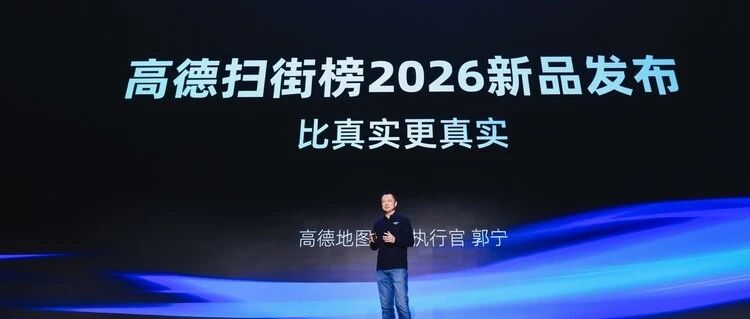
Core Viewpoint - Gaode has launched the "Gaode Street Ranking 2026" with three major upgrades, including the world's first "Flying Street View," a dynamic seasonal service ranking, and new social features for friends and personal rankings [1] User Growth and Engagement - In just 100 days since its launch, the Gaode Street Ranking has achieved a user base of over 660 million, contributing to a monthly active user increase of 46 million, bringing the total to 996 million, nearing the 1 billion mark [3] - The platform has attracted 860,000 new merchants, with order volume increasing by over 330% and revenue rising by over 270% [3] Unique Positioning in Local and Travel Scenarios - Gaode's unique positioning is highlighted by its ability to cater to both local users and travelers, with a focus on simplifying decision-making in unfamiliar locations [5] - The platform addresses the need for quick and efficient decision-making for users in unfamiliar cities, providing structured rankings that help users make informed choices without extensive reading [5][6] Trust and Credibility in Local Services - Gaode aims to tackle the trust crisis in local services, as evidenced by rising complaints about false advertising and increasing marketing costs for small businesses [11] - The Gaode Street Ranking leverages behavioral data to differentiate between "tourist navigation" and "local repurchase," ensuring that only genuinely popular local establishments are highlighted [6][8] Innovative Ranking Mechanism - The ranking system is based on "foot votes," which rely on actual user behaviors rather than subjective ratings, making it less susceptible to manipulation [15] - Gaode's data-driven approach includes metrics such as the distance users are willing to travel, frequency of visits, and the diversity of the customer base [15] Social Features and Personalization - The introduction of social features allows users to see friends' check-ins and create personalized lists, enhancing the trust factor through social connections [16][21] - Gaode is also launching a "Detective Creator Program" to engage users in sharing their favorite spots, further enriching the platform's content [21] Comprehensive Service Offerings - Gaode has expanded its rankings beyond dining to include various categories such as hotels, attractions, and seasonal activities, with over 6,553 dynamic rankings available [26][27] - The platform's AI capabilities allow for real-time updates based on seasonal and weather changes, catering to a wide range of user interests [26] Commitment to Transparency - Gaode has committed to keeping the Street Ranking free from commercialization, ensuring that rankings are based on genuine user choices rather than paid promotions [28][29] Advanced Technology Integration - The introduction of "Flying Street View" aims to enhance user trust by providing a realistic view of locations, addressing concerns about the authenticity of online ratings [30][33] - This feature allows users to explore areas from an aerial perspective and even enter establishments virtually, improving the overall user experience [30][33] Vision for the Future - Gaode's long-term goal is to establish a credit system for offline services, similar to how Alipay functions for online transactions, by using real behavioral data to replace manipulated review systems [36][37]

中国网贷公司进军印度,怎么全军覆没了?
商业洞察· 2025-12-30 09:23
Core Viewpoint - Chinese online lending companies have faced significant failures in India, contrary to their profitable operations in China, leading to a complete loss of investment in the Indian market [2][3][10]. Group 1: Profitability in China - Online lending is a highly profitable industry in China, with companies like Qifu Technology reporting net profits of 2.7 billion in 2021, 4.4 billion in 2022, and projected 6.264 billion in 2024 [2]. - Other platforms such as Baidu's Du Xiaoman are also profitable, with a projected net profit of 859 million in 2024 [2]. Group 2: Challenges in India - Chinese online lending companies initially viewed India as a lucrative market, expecting to profit from lending and collecting interest [6]. - However, they encountered insurmountable challenges, leading to a total loss of investment [6][10]. Group 3: Collection Difficulties - Effective debt collection is crucial for profitability in online lending. In China, aggressive collection methods, despite being controversial, yield results [6]. - In India, these methods fail due to language barriers, lack of a credit system, and cultural differences, making it difficult to enforce repayment [7][9]. Group 4: High Default Rates - The bad debt rate for Chinese online lending companies in India has soared to 80%, meaning only 20 out of every 100 units lent are recovered [9]. - This high default rate, combined with operational costs, results in significant financial losses for these companies [9][10]. Group 5: Regulatory Environment - New regulations from the Reserve Bank of India require online lending companies to limit interest rates and increase transparency, further complicating profitability for Chinese firms [11]. - The lack of a high-credit society in India makes it nearly impossible for these companies to operate profitably, leading to widespread closures [11].


一次性信用修复不是催债,而是让失信者有“路”
Sou Hu Cai Jing· 2025-12-23 02:38
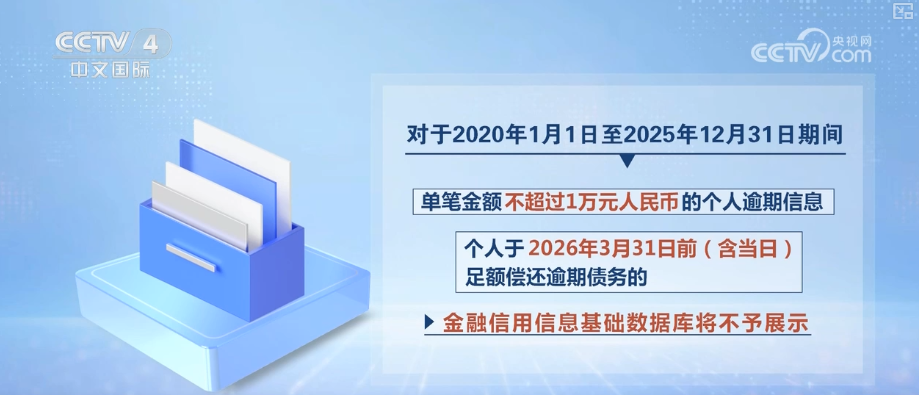
Core Viewpoint - The central theme of the news is the implementation of a one-time credit repair policy by the central bank, aimed at supporting individuals with damaged credit who are actively repaying their debts, thereby facilitating credit restoration and promoting economic growth [1]. Group 1: Policy Details - The credit repair policy targets individuals whose credit overdue occurred between January 1, 2020, and December 31, 2025, with a single overdue amount not exceeding 10,000 yuan, and requires repayment by March 31, 2026 [1]. - The policy is designed to alleviate the burden of small overdue amounts, which often arise from unintentional errors or economic difficulties, thus providing essential support to borrowers with small debts [2]. Group 2: Economic Implications - The initiative aims to enhance financial inclusivity and stimulate domestic consumption, as restoring credit for individuals can quickly translate into increased borrowing capacity, investment, and consumption, thereby aiding economic recovery [2]. - The policy encourages individuals to actively check their credit records and develop a habit of monitoring their credit status, which can prevent unintentional overdue situations [2][3]. Group 3: Addressing Concerns - The policy does not impose additional pressure on individuals who choose not to repair their credit, as their situation remains unchanged, thus it is not considered debt coercion but rather an opportunity to rectify credit records at minimal cost [3]. - The focus on small debts ensures that the policy does not undermine the overall credit system, as it only addresses minor overdue amounts while maintaining accountability for larger debts [3].
观察·关注痛点、成熟升级!精准施策让信用体系“刚柔并济”
Yang Shi Wang· 2025-12-22 08:33
Core Viewpoint - The People's Bank of China (PBOC) has implemented a one-time credit repair policy to support individuals with damaged credit who are actively repaying their debts, marking a shift from a purely punitive credit system to one that balances both punishment and repair [1][5]. Group 1: Policy Details - The policy allows for the removal of individual overdue records for amounts not exceeding 10,000 RMB if the debts are fully repaid by March 31, 2026 [2]. - The credit repair initiative is automatic, requiring no application or documentation from individuals, as the PBOC's credit system will identify and process eligible overdue information [6][8]. - The policy applies uniformly across different types of loans, including credit cards, mortgages, and consumer loans, ensuring that all eligible individuals can benefit [9]. Group 2: Implications for Credit System - This policy reflects a growing awareness of personal credit issues and aims to enhance the humanization of the credit system, transitioning from rigid punitive measures to a more flexible approach [10][12]. - The PBOC's credit system, which has recorded information on 1.16 billion individuals, is a crucial financial infrastructure that supports credit approval processes in financial institutions [12]. - The policy establishes a clear boundary by excluding individuals with unresolved debts from the repair scope, maintaining the integrity of the credit system [12]. Group 3: Additional Benefits - As part of the policy, the PBOC will increase the number of free personal credit report queries to two additional opportunities in the first half of 2026, allowing individuals to monitor their credit status more effectively [14]. - Individuals can access their credit reports through various online and offline channels, including banking apps and self-service kiosks [16].
评论丨一次性信用修复不是催债,而是让失信者有“路”
Sou Hu Cai Jing· 2025-12-22 07:58
Core Viewpoint - The People's Bank of China has announced a one-time credit repair policy aimed at supporting individuals with damaged credit who are actively repaying their debts, allowing them to restore their creditworthiness without affecting their social credit records [1][4]. Group 1: Positive Effects of the Policy - The policy effectively alleviates the burden of small overdue debts, particularly benefiting borrowers with amounts under 10,000 yuan, who may have incurred overdue status due to unintentional errors or economic difficulties [3][4]. - It promotes financial inclusivity and stimulates domestic consumption by restoring the borrowing capacity of individuals with overdue credit, thereby converting it into investment and consumption potential, which can lead to economic growth [3]. - The policy enhances credit awareness and improves the credit system by encouraging individuals to check their credit records and repay debts, fostering a habit that can prevent future overdue situations [3][4]. Group 2: Clarifications on Misconceptions - For individuals who choose not to repair their credit, there is no additional pressure; their situation remains unchanged, indicating that the policy is not a form of debt coercion but rather an opportunity to rectify credit issues at minimal cost [4]. - The policy is not a means of "credit washing" as it only applies to small debts under 10,000 yuan, ensuring that it does not undermine the fundamental principles of credit accountability [4]. - While small infractions can be forgiven, larger debts should not be overlooked, as this could create unfairness for creditors and lead to adverse consequences in the credit system [4].
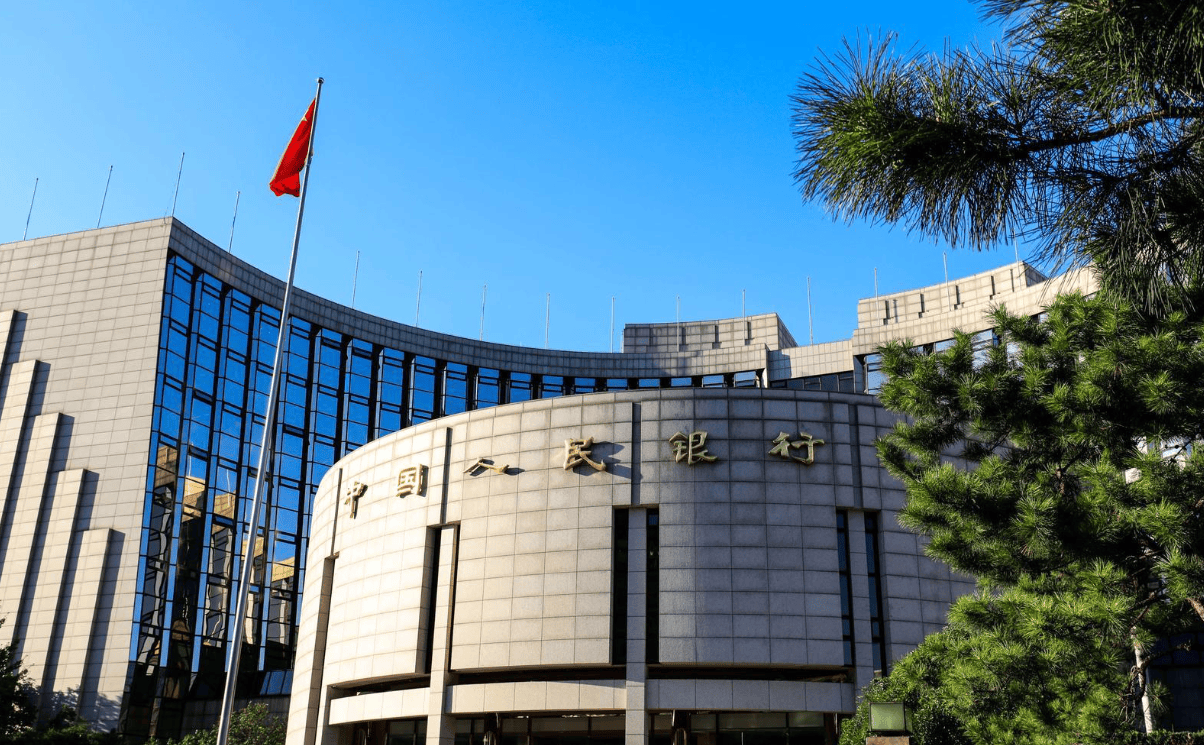
一次性信用修复≠征信洗白,这些底线不能碰!
Jin Rong Shi Bao· 2025-12-22 02:47
Core Viewpoint - The People's Bank of China has introduced a new policy for credit repair, balancing strict credit enforcement with humane considerations, aiming to support honest individuals while maintaining the integrity of the credit system [2][5]. Group 1: Policy Details - The new policy specifies that overdue records for unpaid debts will not be eligible for repair, ensuring that those who do not fulfill their obligations cannot benefit from the policy [2][4]. - Individuals who fully repay their debts will have their overdue records removed from credit reports starting January 1, 2026, without needing to submit an application [3][4]. Group 2: Target Audience - The policy is designed to assist individuals who have made unintentional mistakes or faced difficulties but have actively sought to fulfill their obligations, rather than targeting malicious defaulters [3][4]. - The initiative reflects a commitment to maintaining a fair credit system that does not penalize honest individuals for minor lapses [5]. Group 3: Misconceptions and Clarifications - There is a misconception that the policy allows for "credit washing" or paying to delete records; however, it strictly requires full repayment of debts as a prerequisite for any credit repair [4]. - The policy does not relax credit constraints but rather provides a specific relief for non-malicious overdue records, reinforcing the principle of "rewarding honesty and punishing dishonesty" [4][5].

免押金、免查房:信用让社会更高效(念念有余)
Zheng Quan Shi Bao Wang· 2025-12-18 14:59
Core Viewpoint - The hotel industry is increasingly focusing on customer experience differentiation, with "check-out speed" emerging as a key competitive metric [1] Group 1: Service Innovations - The introduction of "no check-out inspection" services represents a significant advancement in customer experience, allowing guests to leave by simply tapping their room card [1] - Hotels that implement this service take on risks, as they must absorb costs associated with any potential damages [1] Group 2: Trust and Consumer Behavior - The decision to offer such services is based on calculated assessments of damage rates, which are found to be minimal compared to the benefits of reduced workload and enhanced customer experience [2] - Improvements in personal integrity, hotel identification capabilities, and the development of credit systems contribute to the feasibility of these services [2] Group 3: Broader Implications of Credit Systems - The convenience brought by credit systems extends beyond hotels, influencing various sectors such as shared services and retail, where deposits are increasingly being replaced by trust-based transactions [3] - The shift towards credit-based transactions reduces unnecessary costs and enhances overall life satisfaction by simplifying processes [3] Group 4: Operational Efficiency - The implementation of deposit-free policies has led to over a 30% increase in front desk efficiency, significantly lowering labor costs and accelerating room turnover, thereby improving hotel operational efficiency and profitability [4]