国潮兴起

Search documents
阿迪达斯中国市占率位居老四
2 1 Shi Ji Jing Ji Bao Dao· 2025-10-25 15:15
Core Viewpoint - Adidas has become the "old fourth" in the Chinese market, trailing behind Nike, Anta, and Li Ning, and is now in a clear expansion phase in China [1][2]. Group 1: Market Position and Challenges - Adidas's decline in market share is attributed to the fallout from the Yeezy partnership with Kanye West, which accounted for 8% of total revenue and 40% of profits before the partnership ended in October 2022 [2][3]. - The company's market share in China dropped from 15% in 2021 to 8.7% in 2024, while Nike's share decreased from 18.1% to 16.2% [3]. - Domestic brands are rising, with Anta's market share increasing from 9.8% to 10.5% and Li Ning's from 9.3% to 9.4% during the same period [4]. Group 2: Strategic Changes - Adidas is shifting its strategy in China, with 95% of products sold in the market being "made in China" and a focus on original designs [5]. - The influence of the Chinese team within Adidas is increasing, and the CEO has made multiple visits to China to strengthen relationships [6]. Group 3: Financial Performance - In Q2 2023, Adidas's revenue in Greater China grew by 11% to €798 million (approximately ¥6.65 billion), contrasting with Nike's 10% decline in the same region [8]. - Despite the growth, Nike's sales base is significantly larger, making direct comparisons challenging [8]. Group 4: Future Outlook - The path to a successful turnaround for Adidas in China is fraught with challenges, including competition from domestic brands and ongoing market fluctuations [9][10].

阿迪达斯中国市占率位居老四
21世纪经济报道· 2025-10-25 15:07
Core Viewpoint - Adidas has become the "old fourth" in the Chinese market, trailing behind Nike, Anta, and Li Ning, and is currently in a phase of clear expansion in China [1][2]. Group 1: Market Position and Challenges - Adidas's decline in market share is significantly attributed to the fallout from the Yeezy partnership with Kanye West, which accounted for 8% of total revenue and 40% of profits before the partnership ended in October 2022 [1]. - The company's market share in China dropped from 15% in 2021 to 8.7% in 2024, while Nike's share decreased from 18.1% to 16.2% during the same period [1][2]. - Domestic brands have risen, with Anta's market share increasing from 9.8% to 10.5% and Li Ning's from 9.3% to 9.4% [2]. Group 2: Strategic Changes - Adidas is adapting its strategy in China, with 95% of products sold in the market being "made in China" and a focus on original designs [2]. - The CEO of Adidas, Bjørn Gulden, has made multiple visits to China to strengthen relationships, contrasting with Nike's more subdued approach [2][3]. Group 3: Financial Performance - In Q2 2023, Adidas's revenue in Greater China grew by 11% year-on-year to €798 million (approximately ¥6.65 billion), while Nike's revenue in the same region fell by 10% to $1.512 billion (approximately ¥10.78 billion) [4]. - Despite the growth, the comparison of growth rates is complicated due to Nike's larger sales base [4]. Group 4: Future Prospects - The path for Adidas to reclaim its position in the market is challenging, with Nike also empowering its local team and domestic brands like Anta thriving [5]. - The overall market is volatile, with companies like Peak facing significant losses and implementing salary cuts of up to 50% [5].


阿迪达斯,“逆袭”耐克、安踏、李宁?
2 1 Shi Ji Jing Ji Bao Dao· 2025-10-25 09:24
Core Viewpoint - Adidas has become the "old fourth" in the Chinese market, ranking behind Nike, Anta, and Li Ning in market share after years of struggle [1][5]. Group 1: Market Position and Challenges - Adidas's market share in China has significantly declined from 15% in 2021 to 8.7% in 2024, while Nike's market share decreased from 18.1% to 16.2% [5]. - The Yeezy controversy, stemming from Kanye West's remarks, led to Adidas terminating its partnership, which accounted for 8% of its total revenue and 40% of its profits as of October 2022 [3][5]. - Domestic brands have gained traction, with Anta's market share increasing from 9.8% in 2021 to 10.5%, and Li Ning's from 9.3% to 9.4% [7]. Group 2: Strategic Changes and Initiatives - Adidas is in an expansion phase in China, with 95% of its products sold in the market being "made in China" and a focus on local design [8]. - The company's CEO, Bjørn Gulden, has increased the influence of the Chinese team and has made multiple visits to China to strengthen relationships [9][11]. - In Q2 2023, Adidas's revenue in the Greater China region grew by 11% to €798 million (approximately ¥6.65 billion), contrasting with Nike's 10% revenue decline in the same region [14][15]. Group 3: Competitive Landscape - Nike is also empowering its Chinese team, with its Greater China CEO holding additional global responsibilities [18]. - Domestic competitors like Anta are thriving, while some brands like Peak are facing challenges, including significant salary cuts due to losses [19]. - The competitive environment remains tough, with Adidas's path to recovery being fraught with difficulties [20].



阿迪达斯,“逆袭”耐克、安踏、李宁?丨消费参考+
2 1 Shi Ji Jing Ji Bao Dao· 2025-10-25 09:24
Core Viewpoint - Adidas has become the "old fourth" in the Chinese market, ranking behind Nike, Anta, and Li Ning in market share after years of struggle [1][5]. Group 1: Market Position and Challenges - Adidas's market share in China has significantly declined from 15% in 2021 to 8.7% in 2024, while Nike's share decreased from 18.1% to 16.2% [5]. - The Yeezy controversy, resulting from the termination of the partnership with Kanye West, has been a major factor affecting Adidas's revenue, with estimates indicating that 8% of total revenue and 40% of profits were derived from Yeezy products before the partnership ended [3][5]. - Domestic brands have gained traction, with Anta's market share increasing from 9.8% in 2021 to 10.5% and Li Ning's from 9.3% to 9.4% [7]. Group 2: Strategic Changes and Recovery Efforts - Adidas is in a clear expansion phase in China, with 95% of products sold in the market being "made in China" and a focus on original designs [8]. - The company's CEO, Bjørn Gulden, has been actively engaging with Chinese stakeholders, visiting China multiple times to strengthen relationships [9][11]. - In Q2 2023, Adidas's revenue in the Greater China region grew by 11% year-on-year to €798 million (approximately ¥6.65 billion), contrasting with Nike's revenue decline of 10% to $1.512 billion (approximately ¥10.78 billion) [14][15]. Group 3: Competitive Landscape - Nike is also empowering its Chinese team, with its Greater China CEO holding additional global responsibilities, indicating a competitive response to Adidas's strategies [18]. - Domestic competitors like Anta are thriving, while some brands like Peak are facing challenges, including significant salary cuts due to losses [19].
“一口价”黄金饰品集体提价,部分品牌十一后还将迎来大幅提价
Xuan Gu Bao· 2025-09-28 23:19
Industry Overview - The price of domestic gold jewelry has surpassed 1100 RMB per gram due to rising international gold prices, prompting major jewelry brands to initiate price increases [1] - In Wuhan, Chow Tai Fook plans to raise its "one-price" jewelry by approximately 20%-30% after the National Day holiday, although specific products and their proportions have yet to be determined [1] - As of September 27, major traditional gold jewelry brands like Chow Tai Fook, Chow Sang Sang, and Luk Fook have all set their gold prices at 1108 RMB per gram, while Lao Miao Gold is at 1100 RMB per gram [1] - Tianfeng Securities notes that while gold jewelry consumption volume has decreased due to rising prices, the total value remains at the third highest historical level, indicating stable consumer demand [1] - The high-end jewelry market shows resilience, prompting brands to adapt their market strategies [1] - The younger generation is becoming the main consumer group, influenced by cultural confidence and the rise of domestic trends, leading to increased acceptance of traditional gold [1] - There is a shift in consumer behavior towards non-wedding gold purchases, with "self-wearing" becoming the most significant jewelry consumption scenario [1] - The industry is experiencing increased concentration, with leading brands significantly growing their market share in recent years [1] Company Developments - Mankalon has launched several new product lines, including the Fenghua 2.0 series, Jiaoyu series, and Weilan series, catering to both traditional and modern aesthetics [3] - Cuihua Jewelry is positioning its Cuihua brand as a luxury label through high-end products like the Master Series and Palace Museum cultural series, employing a no-discount strategy and collaborating with cultural institutions [3] - The company reports that its two-dimensional gold products are experiencing strong sales [3] Market Outlook - Dongguan Securities projects that the gold jewelry market will maintain stable growth from 2024 to 2029, surpassing other jewelry categories, confirming gold jewelry's lasting appeal among Chinese consumers [2]


知名时尚品牌重返中国市场,曾两度申请破产、全球开店超800家
21世纪经济报道· 2025-08-31 00:34
Core Viewpoint - Forever 21 is making its fourth attempt to enter the Chinese market, reflecting the persistence of foreign fast fashion brands in a crucial consumer market despite previous failures [1][6][12]. Group 1: Market Entry and Strategy - Forever 21 has partnered with Shanghai Chengdi, a subsidiary of Vipshop, to enhance its digital presence and marketing capabilities in China [3][5]. - The brand aims to leverage its global supply chain and product development strengths while utilizing Vipshop's platform advantages to innovate its channels [5][12]. - The company plans to offer trendy apparel at affordable prices and has initiated various marketing activities to re-establish its presence [5][6]. Group 2: Challenges and Market Dynamics - The Chinese fast fashion market has undergone significant changes, making it more competitive and complex than before, which poses challenges for Forever 21 [6][12]. - Analysts express skepticism about Forever 21's ability to differentiate itself and adapt to local consumer trends, emphasizing the need for a localized strategy [6][12]. - The fast fashion industry is experiencing a transformation, with many international brands struggling to maintain relevance, while local brands are rapidly gaining market share [12][13]. Group 3: Historical Context - Forever 21 has previously entered and exited the Chinese market three times, with its first attempt in 2008 failing due to poor location choices and a lack of market understanding [7][9]. - The brand enjoyed a peak sales period from 2000 to 2015, reaching over $4 billion in annual sales and operating more than 800 stores globally [8][9]. - However, the rise of e-commerce and failure to adapt to digital trends led to its decline, resulting in multiple market exits and bankruptcy filings [9][10].

Forever 21重返中国市场 但快时尚江湖已变
Sou Hu Cai Jing· 2025-08-30 02:37
Core Insights - Forever 21 is making its fourth attempt to enter the Chinese market, highlighting the brand's persistent interest in this significant consumer market despite previous failures [1][5] - The collaboration with Shanghai Chengdi, backed by Vipshop, aims to leverage both brands' strengths to enhance Forever 21's market presence in China [3][4] - The fast fashion landscape in China has drastically changed, with local brands rising and consumer preferences evolving, posing challenges for foreign brands like Forever 21 [10][11] Company Strategy - Forever 21's partnership with Vipshop is intended to overcome digital challenges and enhance its online and offline marketing strategies [4] - The brand plans to offer trendy apparel at affordable prices while revitalizing its online presence and expanding its physical retail footprint [4][9] - The previous failures of Forever 21 in China were attributed to poor market positioning and a lack of adaptation to local consumer trends [7][10] Market Dynamics - The fast fashion market in China is now characterized by intense competition and a shift towards local brands, which are better aligned with consumer preferences [11] - International brands, including H&M and ZARA, are also facing challenges, with some closing stores or exiting the market entirely [10][11] - The rise of domestic brands like UR and Taiping Bird indicates a significant shift in consumer loyalty and market dynamics [11] Consumer Trends - The changing landscape of Chinese consumer behavior necessitates that foreign brands like Forever 21 adapt their product designs and marketing strategies to resonate with local tastes [6][10] - The emergence of "Guochao" (national trend) reflects a growing preference for local culture and aesthetics, which poses a challenge for foreign fast fashion brands [11]

Forever 21第四次入华 但快时尚江湖已变
2 1 Shi Ji Jing Ji Bao Dao· 2025-08-29 10:29
Core Insights - Forever 21 is making its fourth attempt to enter the Chinese market, highlighting the brand's persistent interest in this significant consumer market despite previous failures [1][4] - The collaboration with Shanghai Chengdi, backed by Vipshop, aims to leverage digital capabilities and enhance market presence through a combination of brand and platform advantages [2][3] - The fast fashion landscape in China has evolved significantly, with local brands gaining traction and international brands facing challenges in adapting to consumer trends and preferences [9][10] Group 1: Company Strategy - Forever 21's new strategy includes a focus on digital marketing and e-commerce, with plans to revamp its online store and expand offline retail channels [3][2] - The brand's previous attempts in China were hindered by a lack of effective localization and failure to adapt to the rapid changes in the market [8][7] - The partnership with Vipshop is seen as a way to overcome past digital shortcomings and enhance overall channel capabilities [2][3] Group 2: Market Dynamics - The Chinese fast fashion market has shifted, with local brands like UR and Taiping Bird rapidly filling market gaps, while international brands struggle to maintain relevance [9][10] - The competitive landscape is characterized by a growing divide among consumer segments, making it difficult for any single fast fashion brand to dominate [9][10] - International brands, including H&M and Zara, are increasingly focusing on localization and optimizing their supply chains to better compete in the Chinese market [10]
Forever 21第四次入华,但快时尚江湖已变
2 1 Shi Ji Jing Ji Bao Dao· 2025-08-29 10:04
Core Insights - Forever 21 is making its fourth attempt to enter the Chinese market, highlighting the brand's persistent interest in this significant consumer market despite previous failures [1][4][8] - The collaboration with Shanghai Chengdi, a subsidiary of Vipshop, aims to leverage digital capabilities and enhance market presence through both online and offline channels [2][3] - The fast fashion landscape in China has evolved significantly, with local brands gaining traction and international brands facing challenges in adapting to consumer preferences and market dynamics [7][8] Group 1: Company Strategy - Forever 21's new strategy includes a focus on digital marketing and partnerships, particularly with platforms like Xiaohongshu and Vipshop, to overcome previous digital shortcomings [2][3] - The brand plans to revamp its online store and expand its offline retail presence, aiming to attract consumers with affordable fashion [3] - The collaboration with Vipshop is seen as a way to combine Forever 21's brand strength with Vipshop's platform advantages, potentially leading to innovative channel strategies [2][3] Group 2: Market Challenges - The fast fashion market in China has become increasingly competitive, with local brands like UR and Taiping Bird rapidly filling market gaps [8] - Forever 21's previous attempts in China were hindered by a lack of clear brand positioning and failure to adapt to local consumer trends, leading to its exit from the market in 2019 [5][6][7] - Analysts express skepticism about Forever 21's ability to succeed this time, citing the need for a more localized approach in product design and marketing strategies [3][7] Group 3: Industry Trends - The fast fashion industry is undergoing a transformation, with many international brands struggling to maintain relevance amid changing consumer behaviors and preferences [7][8] - The rise of digital commerce and the shift towards local cultural integration are critical factors that foreign brands must address to thrive in the Chinese market [7][8] - The competitive landscape is characterized by a growing divide among consumer segments, making it challenging for any single brand to dominate the market [8]
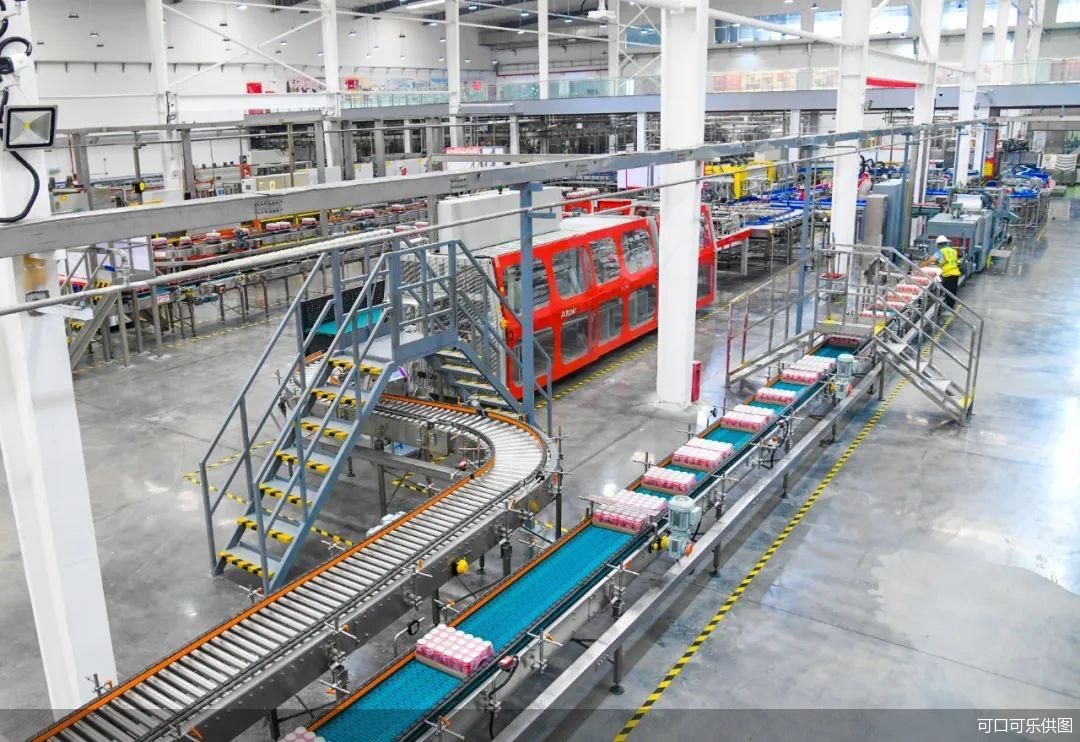
国产饮料拼抢可乐赛道
Bei Jing Shang Bao· 2025-07-23 14:30
Core Viewpoint - The carbonated beverage market, valued at over 1 trillion yuan, is facing new challenges as domestic brands like Daya Beverage introduce innovative products such as Ice Red Tea Cola, directly competing with Coca-Cola and PepsiCo, which dominate the market [1][5]. Group 1: Market Dynamics - Daya Beverage announced the launch of Ice Red Tea Cola, combining flavors of iced tea and cola, aiming to compete with Coca-Cola and PepsiCo [3]. - Domestic brands like Yuanqi Forest, Zhenzhen, and Unification are increasingly introducing new cola products, intensifying competition in the soft drink market [1][4]. - The carbonated beverage market in China was valued at approximately 123.2 billion yuan in 2023, with cola accounting for 45%-50% of the market, indicating a significant opportunity for growth [5][6]. Group 2: Consumer Trends - There is a growing consumer demand for innovative flavors and local brands, leading to a shift in market dynamics as domestic brands leverage their local advantages to capture market share [4][6]. - The trend towards health consciousness is prompting major players like Coca-Cola and PepsiCo to adapt by introducing low-sugar and no-sugar options [8][9]. Group 3: Competitive Landscape - Coca-Cola and PepsiCo reported stable performance in the Chinese market, but acknowledged the challenges posed by rising local competition and changing consumer preferences [8][9]. - Daya and Zhenzhen are focusing on differentiated products to attract younger consumers seeking unique flavors, thereby avoiding direct competition with the core products of Coca-Cola and PepsiCo [6][7]. - The rise of domestic brands is contributing to a significant shift in market share, with traditional carbonated drinks facing competition from ready-to-drink tea and other beverage categories [7].