
国际金融中心建设

Search documents
正视离岸金融价值:金融强国建设新动能
第一财经· 2026-03-04 03:10
Core Viewpoint - Offshore finance is a crucial component of the global financial system, which, under compliant regulation, can empower economic development and serve as a key tool for China to break through financial blockades and achieve a leapfrog development strategy [3]. Group 1: Strategic Value of Offshore Finance - The core value of offshore finance lies in breaking down barriers to cross-border capital flow, providing efficient financial services for global economic activities, as evidenced by international practices [4]. - For developed countries, offshore finance serves as a central hub for global resource allocation, with Singapore and Hong Kong leveraging it to enhance their positions as international financial centers [4]. - For emerging market countries, offshore finance acts as a vital bridge to integrate into the global economy, facilitating cross-border financing and reducing international trade costs, as demonstrated by Malaysia's Labuan [5]. Group 2: Role of Offshore Finance in China - Offshore finance is indispensable for achieving China's goal of becoming a financial powerhouse, accelerating the internationalization of the Renminbi, and building international financial centers [6]. - It aids in the construction of a financial powerhouse by serving as a "testing ground" for China's financial system's openness, particularly through the Hainan Free Trade Port [6]. - Offshore finance accelerates the internationalization of the Renminbi by expanding direct exchange scenarios for non-freely convertible currencies [6]. - It supports the development of international financial centers like Shanghai and Hong Kong by attracting global asset management institutions and multinational corporate treasury centers [6]. Group 3: Regulatory Framework of Offshore Finance - The perception that offshore finance is unregulated is a serious misunderstanding; it operates within a strict regulatory network involving international organizations and national laws [8]. - International organizations set unified regulatory standards for offshore finance, ensuring compliance with capital adequacy and anti-money laundering regulations [9]. - Countries have established clear territorial regulations for offshore finance, with China implementing comprehensive regulations to ensure compliance and effective supervision [10]. Group 4: Taxation and Compliance in Offshore Finance - The implementation of the Common Reporting Standard (CRS) and a global minimum tax rate of 15% has significantly increased the regulatory intensity of offshore finance, dispelling myths about tax evasion and opacity [11]. - CRS promotes tax information transparency, allowing for the automatic exchange of tax-related information among countries [12]. - The global minimum tax framework prevents countries from competing for offshore capital through low tax rates, ensuring a standardized tax order [13]. Group 5: Enhancing the Offshore Financial Environment - Strengthening the international arbitration system is essential for improving the offshore financial business environment and addressing trust issues in cross-border transactions [17]. - The establishment of a "cross-border dispute arbitration first" principle and enhanced collaboration between arbitration institutions and judicial systems are necessary for optimizing the business environment [18]. - Offshore finance can help China bypass traditional financial system dependencies, directly connect with global capital, and enhance its voice in global financial governance [19].

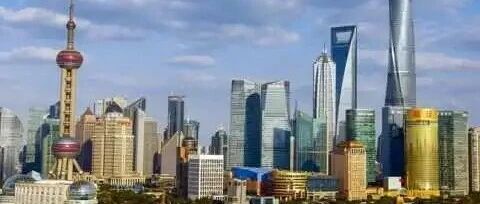
上海将着力塑造吸引外资新优势、推动外资稳量提质
Zhong Guo Xin Wen Wang· 2026-02-07 09:19
Group 1 - Shanghai is a key destination for foreign investment in China, with a focus on enhancing the quality and scale of foreign capital utilization [1] - By 2025, Shanghai's actual foreign investment will account for 15.3% of the national total, with high-tech industries making up 33% of foreign investment, a 10 percentage point increase from the previous five-year plan [1] - The number of newly established foreign enterprises in Shanghai is projected to reach 6,300 by 2025, representing a growth of 6.8% [1] Group 2 - Shanghai aims to align with international high-level trade rules and expand institutional openness, particularly in telecommunications, healthcare, education, and finance [2] - The city will support the transformation of foreign investment and guide it towards advanced manufacturing, modern services, high-tech, and energy-saving industries [2] - Shanghai plans to enhance cross-border trade facilitation through specialized actions involving customs, foreign exchange, and tax departments [2] Group 3 - The Shanghai government is focused on enhancing the competitiveness of its international financial center, aiming to establish a global center for RMB asset allocation and risk management [3] - Efforts will be made to attract companies to set up global supply chain management centers and to support new trade formats such as cross-border e-commerce and bonded maintenance [3] - The city will promote the development of service trade and digital trade, establishing a national demonstration zone for innovative service trade [3]
上海两会赋能国际金融中心建设,紧扣改革开放双主线
Xin Lang Cai Jing· 2026-02-06 04:33
Core Viewpoint - Shanghai is strategically enhancing its financial infrastructure, capital market systems, and industry-finance ecosystem to align with the construction of an international financial center and the dual themes of "reform and opening up" [1] Group 1: Financial Infrastructure - The city is focusing on building a secure and efficient financial foundation through the interconnectivity of the bond market and the establishment of a self-controlled cross-border payment system for the renminbi [1] Group 2: Capital Market System - The development of the Sci-Tech Innovation Board and exploration of offshore financial systems are aimed at improving cross-border resource allocation capabilities and enhancing openness [1] Group 3: Industry-Finance Ecosystem - Efforts are being made to cultivate long-term patient capital and improve the alignment between industry and finance, directing financial resources towards key areas such as technological innovation and advanced manufacturing [1] Group 4: Overall Impact - These initiatives are expected to solidify Shanghai's role as a global financial hub and provide robust support for the development of the real economy and the deepening of national financial reforms [1]
上海银行以金融引擎助力“五个中心”建设 科创与跨境服务双轮驱动
Zhong Jin Zai Xian· 2025-12-29 07:59
Core Viewpoint - Shanghai Bank has deeply integrated into the construction of Shanghai's "Five Centers" over the past thirty years, particularly in the fields of technology innovation and international finance, providing financial momentum for major national projects through systematic services and innovative practices [1][2] Group 1: Technology Financial Services - Shanghai Bank has developed a "12345" technology financial service system to address the pain points of technology enterprises, focusing on early-stage support and comprehensive empowerment [1] - The bank aims to be the preferred choice for transformation and incubation, and a companion for startup growth, with a vision to reshape risk logic and implement a "four-dimensional" empowerment and "five-special" mechanism [1] - As of September 2025, the bank's technology financial loan balance is nearly 200 billion yuan, serving approximately 19,000 technology enterprise clients, with significant partnerships with specialized and top technology firms in Shanghai [1] Group 2: International Financial Center Development - Shanghai Bank holds six core market qualifications, including being a SHIBOR quoting bank and a market maker in the interbank bond market, continuously innovating in financial market services through its licensed asset management institutions [2] - The bank has established a "5+4+X" cross-border financial service ecosystem, facilitating the issuance of the world's first private enterprise "Yulan Bond" by Fosun High Technology in 2025, creating new channels for private enterprises to access international capital markets [2] - Currently, Shanghai Bank collaborates with 840 agency banks across 72 countries and regions, with annual cross-border RMB settlement exceeding 500 billion yuan and international settlement volume surpassing 160 billion USD, playing a crucial role in the construction of Shanghai as an international trade and shipping center [2]

以数据驱动为核心 陆家嘴金融沙龙第40期热议金融信息服务建设
Di Yi Cai Jing· 2025-12-04 13:33
Group 1 - The 40th Lujiazui Financial Salon will be held on December 6 in Shanghai Pudong, focusing on the theme of "Data-Driven Financial Information Services and Risk Management" [1] - Financial information services are identified as a key variable in determining the core competitiveness of international financial centers, influencing efficient operation, risk management, and market service efficiency [1] - The event aims to explore optimization directions for financial information services to enhance Shanghai's global competitiveness as an international financial center [1] Group 2 - Chen Fang, Managing Director of LSEG for China and North Asia, will be the main guest speaker, bringing over 20 years of experience in financial services and data innovation [2] - Other speakers include industry experts with extensive backgrounds in data transmission, financial product pricing, and cross-border financial operations, contributing to discussions on enhancing financial information services [2][3] - The dialogue will cover critical topics such as the shortcomings of financial information service systems, cross-border data flow, local platform competitiveness, technological opportunities, blockchain applications, high-frequency trading support, and the potential of the Belt and Road Initiative [3] Group 3 - The Lujiazui Financial Salon is guided by the Shanghai Municipal Financial Office and the Pudong New Area Government, with media support from First Financial and Zhitong Finance [4] - The series aims to create a regular communication platform that complements the Lujiazui Forum, promoting financial reform and supporting high-quality economic development in Pudong [4] - The initiative seeks to elevate the construction of Shanghai's international financial center to new heights through systematic, scenario-based, and international operations [4]

上海市委常委、常务副市长吴伟稳步推进全球资产管理中心建设
Shang Hai Zheng Quan Bao· 2025-10-19 18:49
Group 1 - The core viewpoint is that Shanghai is steadily advancing the construction of a global asset management center under the guidance of national financial management authorities, showcasing new achievements and effectiveness [2][4] - Shanghai's financial market scale is steadily expanding, with a total trading volume of 29.6783 trillion yuan from January to September this year, representing a year-on-year growth of 12.7% [2] - The number of financial organizations is accelerating in Shanghai, with foreign banks, joint venture fund management companies, and foreign insurance companies headquartered in Shanghai accounting for about half of the total in the country [2] Group 2 - Financial reforms and opening-up are being comprehensively deepened, with mechanisms like "Bond Connect" being continuously improved to attract foreign investors to allocate RMB assets [2] - The financial legal environment is continuously optimized, with Shanghai being the first in the country to establish specialized institutions such as financial courts and arbitration courts [3] - The global wealth management forum highlighted the importance of Jing'an District as a key area for the construction of Shanghai's global asset management center, actively attracting quality financial institutions and building a financial development ecosystem [4]
上海市委常委、常务副市长吴伟:稳步推进全球资产管理中心建设
Xin Hua Cai Jing· 2025-10-18 05:22
Core Insights - Shanghai is advancing its mission to build an international financial center and a global asset management hub, showcasing new achievements and progress [1][2] Financial Market Expansion - The total trading volume of Shanghai's financial market reached 29.6783 trillion yuan from January to September this year, marking a year-on-year growth of 12.7% [1] - Shanghai hosts 15 financial element markets and infrastructure, including stocks, bonds, futures, currencies, bills, foreign exchange, gold, and insurance, with stock market capitalization and interbank bond market size ranking among the top globally [1] Financial Institutions and Asset Management - Major financial organizations are increasingly establishing operations in Shanghai, with firms like Societe Generale, AXA Global, and Hannover Re opening offices this year [1] - All top ten global asset management firms are conducting business in Shanghai, with the number of private equity fund managers set up by foreign institutions leading the nation, accounting for nearly 30% of the national asset management scale [1] Financial Reform and Opening Up - Significant mechanisms such as "Shanghai-Hong Kong Stock Connect," "Shanghai-London Stock Connect," "Bond Connect," "Swap Connect," and "China-Europe Connect" have been successfully launched [1] - The Shanghai Futures Exchange has achieved full coverage of options for non-ferrous metals, and "Shanghai prices" for gold, oil, copper, and rubber are gaining more influence in the international commodity market [1] Legal and Regulatory Environment - Shanghai has established specialized institutions like financial courts and arbitration centers, and has released several local financial regulations, including the revised "Regulations on Promoting the Construction of International Financial Centers in Shanghai" [2] - The city aims to deepen high-level institutional opening-up, enhance the internationalization of its financial market, and attract more quality financial resources to strengthen its competitiveness and influence as an international financial center [2]
香港特区行政长官李家超发表2025年施政报告:协助内地科技企业到港融资
Zheng Quan Shi Bao· 2025-09-18 00:01
Core Insights - The 2025 Policy Address by Hong Kong Chief Executive John Lee emphasizes deepening reforms, focusing on people's livelihoods, and leveraging advantages to create a collaborative future, aiming to solidify Hong Kong's status as an international financial center [1] Financial Market Developments - The report highlights the importance of international financial center construction, covering various dimensions such as stocks, bonds, gold, and green finance, with a focus on enhancing global attractiveness through mechanism optimization and technological innovation [1] - In the stock market, measures include assisting mainland tech companies in financing through the Hong Kong Stock Exchange's "Tech Company Channel," improving the main board listing and structured product issuance mechanisms, and exploring the shortening of the settlement cycle to T+1 [1] - The government plans to facilitate the return of Chinese concept stocks to Hong Kong and promote the inclusion of Hong Kong's RMB trading counter in the "Stock Connect" southbound trading [1] Bond and Currency Market Initiatives - The Hong Kong government aims to advance "fixed income and currency" measures, expanding the collateral usage of the Central Moneymarkets Unit (CMU) and promoting offshore mainland government bonds as collateral for international clearing [2] - A new "RMB Business Funding Arrangement" will be established to provide long-term RMB financing to enterprises, enhancing Hong Kong's role as an offshore RMB hub [2] Gold and Green Finance Goals - The report sets a target to achieve 2,000 tons of gold storage within three years, with plans to expand gold storage facilities and establish a Hong Kong gold central clearing system [2] - In green finance, the Hong Kong Stock Exchange will deepen cooperation with the Greater Bay Area's carbon market pilot, and the government will continue issuing sustainable bonds while promoting tokenization technology for carbon trading [2] Cross-Border Financial Cooperation - The report emphasizes the financial and industrial linkage within the Greater Bay Area, with plans to optimize cross-border credit information sharing and explore digital financial cooperation with Shenzhen [3] - Hong Kong will collaborate with exchanges in the Greater Bay Area to develop new businesses in bulk commodity and carbon trading, with research on cross-border transaction settlements in the carbon market [3]
协助内地科技企业到港融资
Zheng Quan Shi Bao· 2025-09-17 22:41
Group 1: Core Financial Strategies - The Hong Kong government aims to strengthen its position as an international financial center by enhancing mechanisms and technological innovations across various sectors including stocks, bonds, gold, and green finance [1][2] - The report emphasizes the importance of supporting national technological advancements through the Hong Kong Stock Exchange's "Tech Company Channel" to assist mainland tech firms in financing [1] - Plans to optimize the main board listing and structured product issuance mechanisms, as well as to explore shortening the settlement cycle to T+1 for stock transactions [1] Group 2: Bond and Currency Market Initiatives - The government will advance measures for the "fixed income and currency" sector, expanding the collateral usage of the Central Moneymarkets Unit (CMU) and promoting offshore mainland government bonds as collateral for international clearing [2] - A new "Renminbi Business Funding Arrangement" will be established to provide long-term Renminbi financing to enterprises, enhancing Hong Kong's role as an offshore Renminbi hub [2] Group 3: Gold and Green Finance Development - The report sets a target to achieve 2,000 tons of gold storage within three years, with plans to expand gold storage facilities and establish a central clearing system for gold in Hong Kong [2] - The Hong Kong Stock Exchange will deepen cooperation with the Greater Bay Area's carbon market, testing cross-border transaction settlement paths, while the government continues to issue sustainable bonds [2] Group 4: Greater Bay Area Financial Integration - The report highlights the importance of financial and industrial integration within the Greater Bay Area, focusing on cross-border financial cooperation and the optimization of cross-border credit and data verification platforms [3] - Collaboration with exchanges in the Greater Bay Area to develop new businesses in bulk commodity and carbon trading is also emphasized [3]
香港特区行政长官李家超发表2025年施政报告: 协助内地科技企业到港融资
Zheng Quan Shi Bao· 2025-09-17 18:05
Core Insights - The 2025 Policy Address by Hong Kong Chief Executive John Lee emphasizes deepening reforms and enhancing the quality of life, aiming to solidify Hong Kong's status as an international financial center while fostering industrial innovation and productivity [1] Financial Sector Developments - The report highlights the importance of the international financial center, focusing on various dimensions such as stocks, bonds, gold, and green finance, with mechanisms and technological innovations aimed at enhancing global attractiveness [1] - In the stock market, measures include supporting mainland tech companies in financing through the Hong Kong Stock Exchange (HKEX) and optimizing the main board listing and structured product issuance mechanisms [1] - The government plans to explore shortening the stock settlement cycle to T+1 and promote the inclusion of Hong Kong's RMB trading counter in the "Stock Connect" southbound trading [1] Bond and Currency Market Initiatives - The Hong Kong government will advance measures for the "fixed income and currency" sector, expanding the collateral usage of the Central Moneymarkets Unit (CMU) and promoting offshore mainland government bonds as collateral for international clearing [2] - A new "RMB Business Funding Arrangement" will be established to provide long-term RMB financing to enterprises, enhancing Hong Kong's role as an offshore RMB hub [2] Gold and Green Finance Goals - The report sets a target to achieve 2,000 tons of gold storage within three years, with plans to expand gold storage facilities and establish a central clearing system for gold in Hong Kong [2] - In green finance, HKEX will deepen cooperation with the Greater Bay Area's carbon market, and the government will continue issuing sustainable bonds while promoting tokenization of carbon trading [2] Cross-Border Financial Cooperation - The report emphasizes the integration of the Greater Bay Area's industries and finance, with plans to optimize cross-border credit and data verification platforms, and explore digital finance cooperation with Shenzhen [3] - Hong Kong aims to collaborate with exchanges in the Greater Bay Area to develop new businesses in bulk commodity and carbon trading [3]