
文明传承

Search documents
石上千年骏 灯火照团圆
Xin Lang Cai Jing· 2026-02-15 05:21
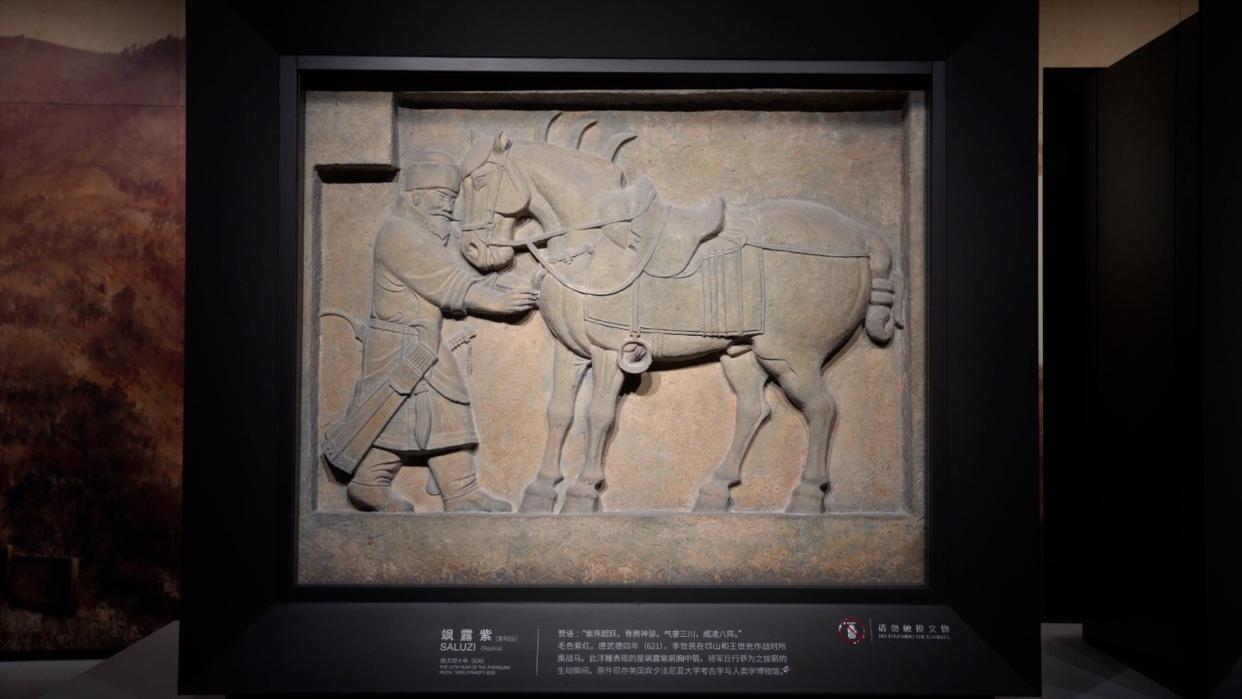
Core Viewpoint - The article highlights the historical significance and cultural revival of the Six Steeds of Zhao Ling, originally commissioned by Emperor Taizong of the Tang Dynasty, showcasing their journey from historical artifacts to modern cultural representations [1][3][4]. Group 1: Historical Significance - The Six Steeds of Zhao Ling are masterpieces of Chinese sculpture, created under the order of Emperor Taizong Li Shimin during the Zhenguan era [1]. - In 1914, two of the original sculptures were lost overseas, marking a significant cultural loss for China [3]. Group 2: Cultural Revival - The Six Steeds have been reimagined in contemporary culture, as seen in a giant lantern display at the Chang'an Lantern Festival, symbolizing a joyful return to their homeland [4]. - The transformation from serious artifacts to festive lanterns and creative cultural products reflects a modern approach to preserving and celebrating historical legacies [6][7].

烟火里的文明密码
Xin Lang Cai Jing· 2026-02-12 10:18
转自:中国政府采购报 【书香】 烟火里的文明密码 ——读《中国年俗》 (来源:中国政府采购报) 农耕时代,依土地而生的人们在岁月的交替里摸索出自然的节拍,古老的先民以智慧与经验划分了周期 的节点,而在这冬与春之间的顿点,便是"大年三十"。这一天,无论是北方餐桌上抑或闽南地区的围 炉,形式各异的佳肴都源于对亲情血脉的重视。而贴春联、放烟花等民间习俗,也是对来年诸多希冀与 祝福的衍生。中国人那些无法开口言说的心意与思绪便具象为代代相传的礼节。 正月初一,作为农历新岁的开端,承载着万象更新的喜悦。"聚",是这一天温暖而明亮的主旋律。此 时,人们会穿好新衣,走街串巷,互道吉言。宋代的释梵琮师父曰:"今朝正月一,万事从头吉。和气 暖如春,世味甜如蜜。日月往复来,光阴不相失。"聚在初一,这是一场精美绝伦的人文盛宴。团圆, 是这个时代里最惊艳的良辰美景。 在中国大部分地方,大年初二回娘家是很多人要遵循的一个传统。在阳谷,新女婿受到的"刁难"与精心 招待,承载了父母对于出嫁女儿未来幸福的祝愿;在江门,"走仔日"的种种习俗依旧有着水上人家的独 特传统,延续着娘家与女儿彼此不变的牵挂……从南到北,这一个个不尽相同的传统年俗代代相 ...
西安护城河水系贯通:城市更新的文明赓续
Xin Lang Cai Jing· 2026-01-20 08:37
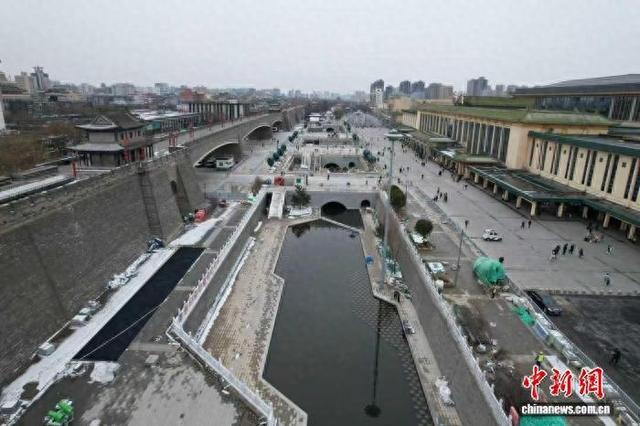
Core Viewpoint - The completion of the Xi'an City Moat and Urban Park Comprehensive Renovation Project (Phase II) marks a significant transformation in the city's historical water system, enhancing both ecological and cultural aspects of the urban landscape [2][3]. Group 1: Historical Context and Challenges - The Xi'an moat has evolved from a defensive barrier in the late Tang Dynasty to a modern ecological corridor, reflecting the city's historical memory and contemporary civilization [2]. - The moat faced significant challenges over the years, including pollution, aging infrastructure, sediment accumulation, and overflow during rainy seasons, which hindered urban development [2]. - The "break" in the moat's continuity began in 1952 when a section was diverted underground to accommodate the expansion of the Xi'an Railway Station, leading to a loss of the water system's integrity [2]. Group 2: Renovation Project Details - The renovation project is not merely about clearing the waterway; it represents a systematic restoration of urban civilization, transforming the underground section into an open waterway [2]. - The project will add over 3,000 square meters of open water surface and more than 50,000 square meters of ecological restoration area, increasing green space by over 50% [2]. - The completion of the moat's connectivity has significant implications beyond aesthetics, as it redefines the narrative of urban space and enhances the first impression for visitors arriving at the Xi'an Railway Station [2][3]. Group 3: Urban Functionality and Ecological Integration - The renovated moat will serve not only flood control purposes but also act as a "green link" connecting cultural landmarks such as the Xi'an City Wall and the Daming Palace National Heritage Park [3]. - This transformation reflects a broader shift in Chinese urban development from "rapid expansion" to "high-quality development," emphasizing the importance of ecological and cultural integration [3]. - The revitalization of the moat symbolizes a city's commitment to preserving and continuing its cultural heritage while enhancing urban livability [3].
正规图书频频出错,出版机构不能沦为认真做事的反面教材
第一财经· 2026-01-17 14:33
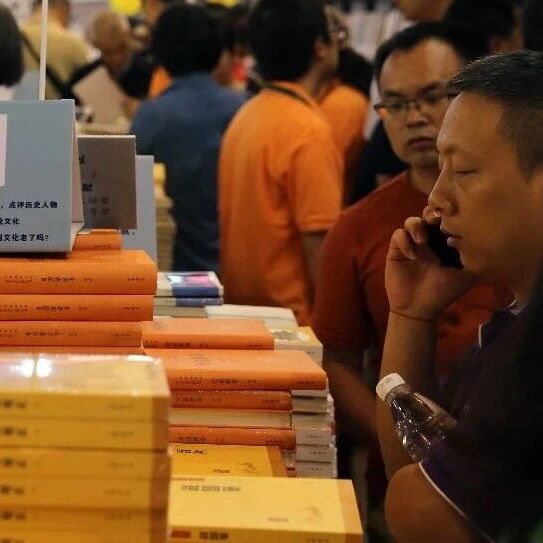
Core Viewpoint - The article highlights a series of quality issues in the book publishing industry, emphasizing the need for stricter quality control and adherence to established standards to maintain the integrity of published works [3][4][5]. Group 1: Recent Quality Issues - Several well-known publishers, including Shanghai Ancient Books Publishing House and Zhonghua Book Company, have faced significant quality problems, leading to the recall of multiple titles due to errors in editing and production [3][4]. - The latest incident involved the People's Posts and Telecommunications Publishing House, where a significant portion of images in a book were found to be AI-generated, raising concerns about the quality control processes in place [3][4]. Group 2: Importance of Quality in Publishing - Books serve as carriers of civilization and knowledge, making their quality paramount. Errors in published materials can mislead readers and have far-reaching consequences, especially in educational and classic literature [4][5]. - Regulations such as the "Book Quality Management Regulations" stipulate that the error rate in book editing must not exceed one in ten thousand, highlighting the industry's commitment to quality [5]. Group 3: Underlying Issues in the Publishing Industry - The repeated mistakes indicate systemic issues within publishing houses, including rushed publication cycles, inadequate review processes, and a lack of accountability among editorial staff [5][6]. - The current trend towards prioritizing speed and profit over quality reflects a broader societal impatience, which has infiltrated the publishing sector [5][6]. Group 4: Call to Action for Publishers - The publishing industry must take on greater social responsibility, returning to its roots of quality and respect for the written word. Historical figures like Lu Feikui exemplify the commitment to high-quality publishing [6]. - To restore its reputation, the industry needs to establish robust quality control systems, enhance training for editorial staff, and prioritize social benefits over mere profitability [6].
北京东城成立“东城爱相融”小小宣讲团
Xin Lang Cai Jing· 2025-12-26 11:52
Core Viewpoint - The event in Dongcheng District, Beijing, highlights the role of youth in promoting and inheriting civilization through storytelling and community engagement [1] Group 1: Event Overview - Six elementary school students were appointed as "little ambassadors" to spread the message of civilization [1] - The "Civilized Students Speak" storytelling event featured these students sharing stories that illustrate the transmission of cultural heritage [1] - The stories included themes of family connections and historical significance, showcasing the students as both inheritors and creators of civilization [1] Group 2: Community Engagement - The young ambassadors, along with their parents, read the "Civilized Behavior Initiative," encouraging parents to set an example for their children [1] - The initiative aims to foster good family values and cultivate a new culture of civility within households [1] Group 3: Educational Component - Chinese Academy of Engineering academician Du Xiangwan delivered a public lecture titled "The 'Energy' of Civilization: From Historical Depths to Future Light" to nearly 400 teachers and students [1] - The lecture provided a scientific perspective on the powerful force of civilization transmission, aiming to instill a deeper understanding of civilization among the youth [1]
西北大学举办 “唐诗之都” 品牌构建研讨会 跨学科协同赋能文化创新
Xin Lang Cai Jing· 2025-12-21 13:27
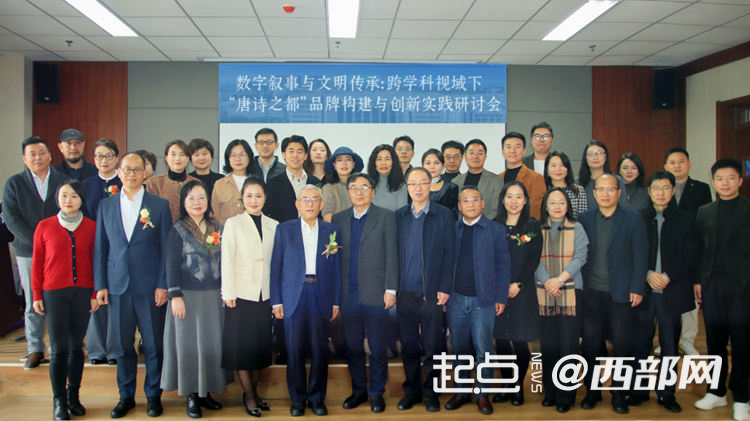
Core Insights - The seminar on "Digital Narrative and Civilization Inheritance: Interdisciplinary Perspectives on the Brand Construction and Innovation Practices of 'City of Tang Poetry'" was held at Northwest University, focusing on the construction of Xi'an as the "City of Tang Poetry" [1][3] - Experts from various sectors discussed the cultural, social, and economic value integration necessary for the systematic project of building the "City of Tang Poetry" [3] Group 1 - The event gathered over 30 experts from universities, government think tanks, mainstream media, and cultural tourism enterprises to explore the contemporary value and collaborative mechanisms of Xi'an's "City of Tang Poetry" [1] - Professor Ma Feng emphasized that Xi'an, as the birthplace and dissemination center of Tang poetry, has a unique cultural gene formed by over 50,000 Tang poems, with digital technology offering revolutionary opportunities for cultural inheritance [3] - Associate Professor Jing Qi highlighted that the construction of the "City of Tang Poetry" is a systematic project related to the shaping of the city's spiritual identity [3] Group 2 - During the keynote speech segment, four experts presented their reports, including Professor Li Hao's interpretation of the civilizational exchange embedded in Tang poetry from the Silk Road cultural perspective [5] - Professor Bai Yongxiu proposed an integrated development path for "Innovation City," "City of Tang Poetry," and "Cultural Tourism Garden" [5] - Researcher Zhang Yan from the Shaanxi Academy of Social Sciences outlined seven practical directions for constructing research systems and thematic spatial matrices [5] Group 3 - The roundtable forum featured discussions on "Collaborative Construction of Urban Cultural Brands in the Digital Age," addressing issues such as bottleneck resolution and cultural translation [5] - The Northwest University Urban Brand Digital Communication Research Institute issued a cooperation initiative, inviting various sectors to establish a long-term cooperation mechanism and create a cross-domain collaborative innovation community [5]
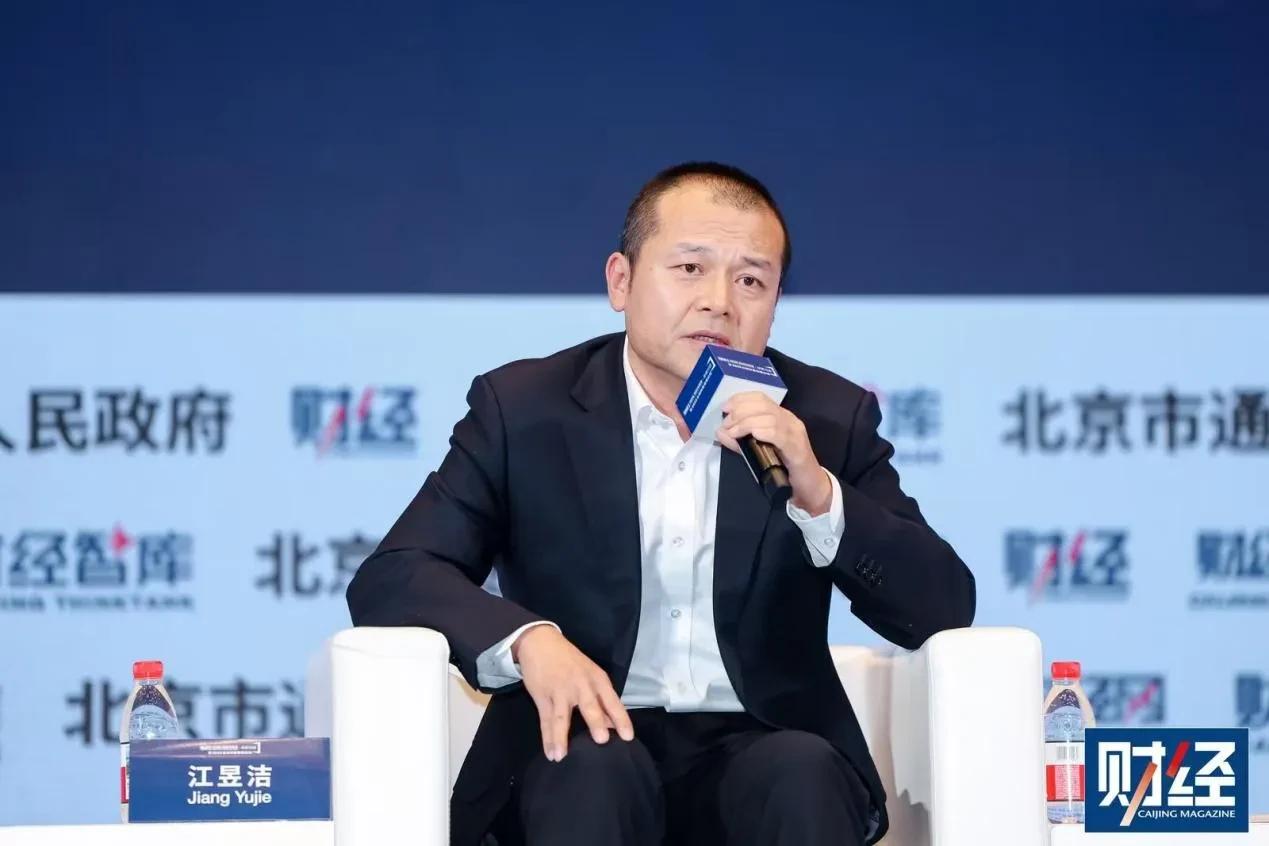
昆仑信托总经理江昱洁:守正创新推动家族信托从“财富传承”向“文明传承”跨越
Xin Lang Cai Jing· 2025-12-20 09:50
Core Viewpoint - The family trust serves as a fundamental business in wealth management, emphasizing property independence and risk isolation, which are essential for effective wealth transfer and control [3][6][10] Group 1: Family Trust Functions - The core functions of family trusts include property independence and risk isolation, allowing for effective management of marital changes, debt disputes, and business risks [3][6] - Family trusts also facilitate wealth transfer and distribution control, which is particularly important for larger family units [6][7] - Additional functions include tax planning and privacy protection, which are governed by legal frameworks [6][7] Group 2: Integration with Traditional Culture - There is a push to integrate family trusts with Chinese traditional culture, enhancing the social value of wealth beyond mere preservation [3][7] - Family trusts are increasingly being linked to charitable trusts, encouraging families to consider the social implications of their wealth [3][7] Group 3: Innovation and Tradition - The concept of "guarding tradition and innovating" is emphasized, where tradition ensures the stability of family wealth, while innovation allows for the evolution of family values and governance [4][8] - This approach aims to create a sustainable and respected family civilization system that transcends mere wealth transfer to encompass cultural legacy [4][8] Group 4: Future Development of Trust Industry - The trust industry is viewed as a resource integration platform, necessitating the development of specialized teams that encompass finance, law, and tax expertise [4][9] - Trust companies must balance the true intentions of clients with enhanced asset allocation capabilities, requiring advancements in information systems and artificial intelligence [9][10] Group 5: Compliance and Ethical Standards - It is crucial for trust companies to adhere to compliance standards to ensure long-term stability and integrity within the industry [5][10] - Family trusts should not be perceived as tools for evading debts or taxes, but rather as legitimate means for wealth management and protection [5][10]
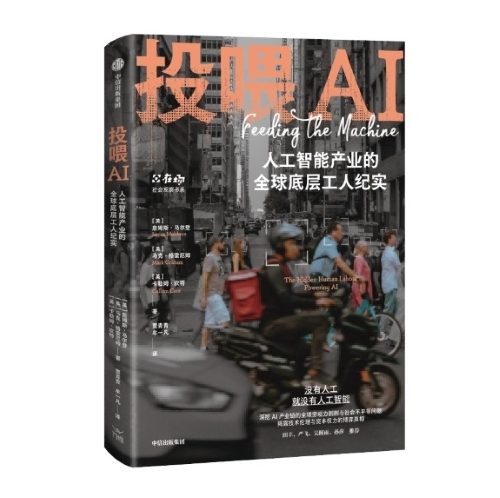
人工智能产业背后的隐形劳动者|荐书
Di Yi Cai Jing· 2025-11-07 02:47
Core Insights - The book "Feeding AI: A Documentary on the Global Underclass of the AI Industry" reveals the paradoxical foundation of advanced AI, which relies on the invisible labor of millions of workers globally, challenging the narrative of AI as a self-evolving entity [3][4] Group 1: Labor Dynamics in AI - The book highlights the plight of "digital laborers" from the Global South, such as data annotators in Kenya and gig workers in Venezuela, who perform essential tasks for AI development but remain largely unseen and undercompensated [3][4] - It emphasizes the alienation of labor, where the more effective the training of AI by these workers, the quicker they are replaced, leading to a paradox where they become marginalized despite their contributions [4] Group 2: Ethical Considerations - The narrative calls for a reevaluation of ethical standards in AI, urging that the rights and dignity of data laborers should be central to discussions about AI ethics [4] - It raises critical questions about how to provide fair compensation, psychological support, and professional respect to those who contribute to the development of AI technologies [4]
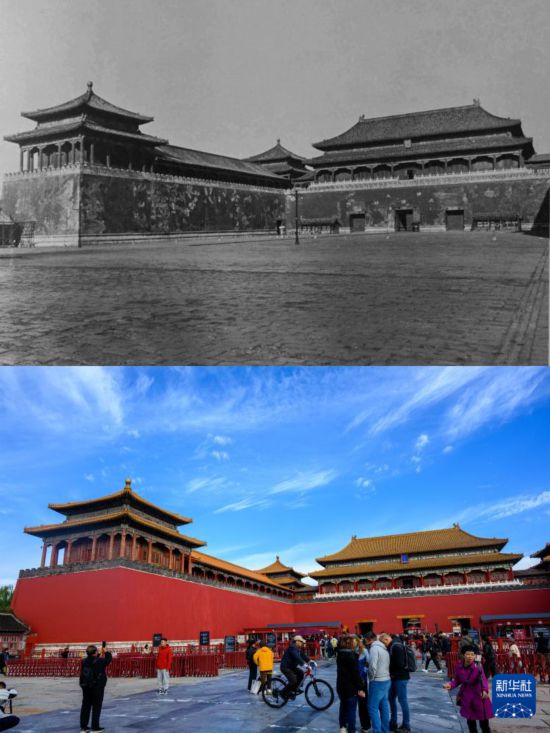
百年光影 对话故宫今昔
Xin Hua Wang· 2025-10-11 01:21
Core Viewpoint - The Palace Museum, celebrating its centenary on October 10, 2025, is recognized as the largest and best-preserved wooden palace complex in the world, representing a significant cultural heritage [2]. Group 1 - The Palace Museum has undergone a transformative journey over the past century, evolving from its initial establishment to a period of growth and innovation [2]. - The museum's history reflects a narrative of resilience and progress, showcasing the enduring power of cultural heritage [2]. - The centenary celebration highlights the museum's role in preserving and transmitting civilization through time [2].
在湖光月色和千年文明的交织里,感受考古与音乐的跨界共鸣
Su Zhou Ri Bao· 2025-10-07 00:27
Core Viewpoint - The "Stone Lake Night" Mid-Autumn Concert, organized by the Suzhou Cultural, Radio, Television and Tourism Bureau, successfully blended traditional and modern elements, showcasing a rich cultural experience through music and art [1][2][3][4] Group 1: Event Overview - The concert featured performances by He Orchestra and Suzhou Philharmonic Orchestra, creating a dialogue between classic and innovative music [1] - The event took place at the Suzhou Archaeological Museum, enhancing the cultural atmosphere with historical artifacts [1][2] Group 2: Musical Highlights - The performance included adaptations of classic themes, such as the martial arts classic "Laughing in the Red Dust," which resonated with the spirit of heroism reflected in the museum's artifacts [1] - The theme song from the film "Huo Yuanjia" was performed, emphasizing the dedication to national dignity and the global spread of Chinese martial arts [1] - The concert also featured the theme from "Romance of the Three Kingdoms," which deepened the audience's understanding of historical narratives and the complexities of imperial power [2] Group 3: Cultural Significance - The concert highlighted the emotional connection to Chinese culture, with pieces like "Spring River Flower Moon Night" and "Wishing for Longevity" expressing themes of reunion and cultural heritage [3][4] - The integration of archaeological discoveries into the concert narrative allowed the audience to engage with history and appreciate the continuity of cultural values [4] - Interactive elements, such as riddles related to the cultural context of the Stone Lake, encouraged audience participation and connection to local heritage [4]