新能源汽车渗透率提升

Search documents
蔚来:4Q25实现季度盈利转正,规模效应驱动盈利能力改善-20260312
海通国际· 2026-03-12 00:25
Investment Rating - The report maintains a "NEUTRAL" rating for NIO Inc. with a target price of HK$51.12, based on a current price of HK$43.50 [2][6]. Core Insights - NIO turned profitable in 4Q25 for the first time on a quarterly basis, with revenue of RMB34.65 billion, representing a year-over-year increase of 75.9% and a quarter-over-quarter increase of 59% [3][11]. - Vehicle sales revenue reached RMB31.6 billion, up 80.9% year-over-year, with vehicle deliveries totaling 124.8k units, marking a new quarterly high [3][11]. - The overall gross margin improved to 17.5%, up 5.8 percentage points year-over-year, while the vehicle gross margin reached 18.1%, up 5.0 percentage points year-over-year [3][11]. - The company reported a Non-GAAP operating profit of RMB1.25 billion and a Non-GAAP net profit of RMB727 million, marking a significant turnaround from losses a year ago [3][11]. Revenue and Profitability Forecast - For 2026, NIO expects delivery growth of 40% to 50% year-over-year, with a focus on the high-end battery electric vehicle (BEV) segment [4][12]. - The company anticipates that the gross margin will remain stable in 1Q, despite cost pressures from chips and raw materials [4][12]. - Revenue forecasts for 2026-2028 are revised to RMB129.1 billion, RMB151.8 billion, and RMB164.1 billion, respectively [6][14]. Product Development and Market Position - NIO is entering a dense product cycle in 2026, with technology upgrades and new model launches, including the ES9 and L80 [5][13]. - The product lineup will cover a price range of RMB200k to RMB600k, focusing on large SUVs and intelligent features [5][13]. - Management believes that leveraging platform technology and component reuse will support delivery growth while maintaining healthy margins [5][13]. Valuation - The report assigns a 2026 EV/Sales multiple of 1.3x, leading to a target price of HK$51.12, reflecting the company's entry into a strong product cycle [6][14].
汽车消费购租两旺
Bei Jing Shang Bao· 2026-02-23 16:20
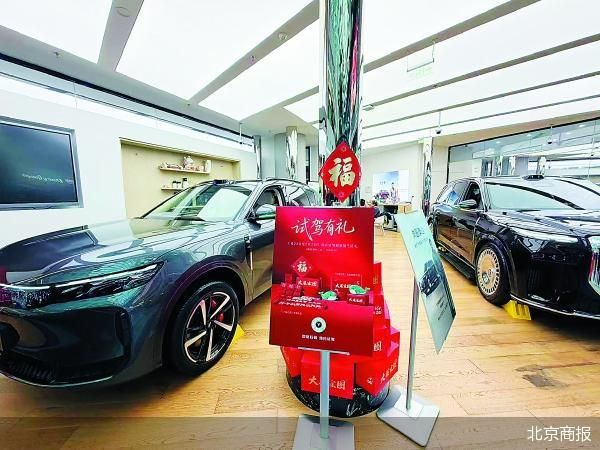
Group 1: Market Dynamics - The domestic automotive consumption and travel market experienced a significant surge during the Spring Festival, driven by a multi-layered subsidy system including national, regional, and manufacturer incentives [1][3] - The new round of vehicle trade-in subsidies has been implemented, allowing for substantial discounts on new energy vehicles, which has led to a notable increase in consumer inquiries and test drives [3][4] - As of February 19, 2023, the nationwide vehicle trade-in program resulted in 612,000 vehicles being traded in, generating over 100.5 billion yuan in new car sales [3] Group 2: Consumer Behavior - Consumers are increasingly focused on intelligent driving configurations and battery life, alongside price discounts, when considering new energy vehicles [5] - The "00s" generation has emerged as the primary demographic for car rentals, with a 63% increase in orders, reflecting a growing demand for personalized and technologically advanced vehicles [6] Group 3: Rental Market Growth - The rental market for new energy vehicles saw a historic high during the Spring Festival, with a sixfold increase in bookings compared to the previous year, accounting for 42.3% of total rental orders [6] - The improvement of charging infrastructure has facilitated the adoption of new energy vehicles in various travel scenarios, including long-distance trips to scenic destinations [6][7] Group 4: Industry Trends - The penetration rate of new energy vehicles in China is steadily increasing, with sales reaching 47.9% of total new car sales last year, and an expected rise to approximately 54.68% this year [8] - The automotive market is transitioning towards high-quality development, with new energy vehicles becoming the primary growth driver, shifting the competitive focus from price wars to value differentiation [9] - Companies are expected to enhance their investments in infrastructure and service quality to attract consumers, as the importance of price competition diminishes [9]

订单充足供不应求 浙江华远预计今年营收仍保持一定增长
Xin Lang Cai Jing· 2026-02-13 02:21
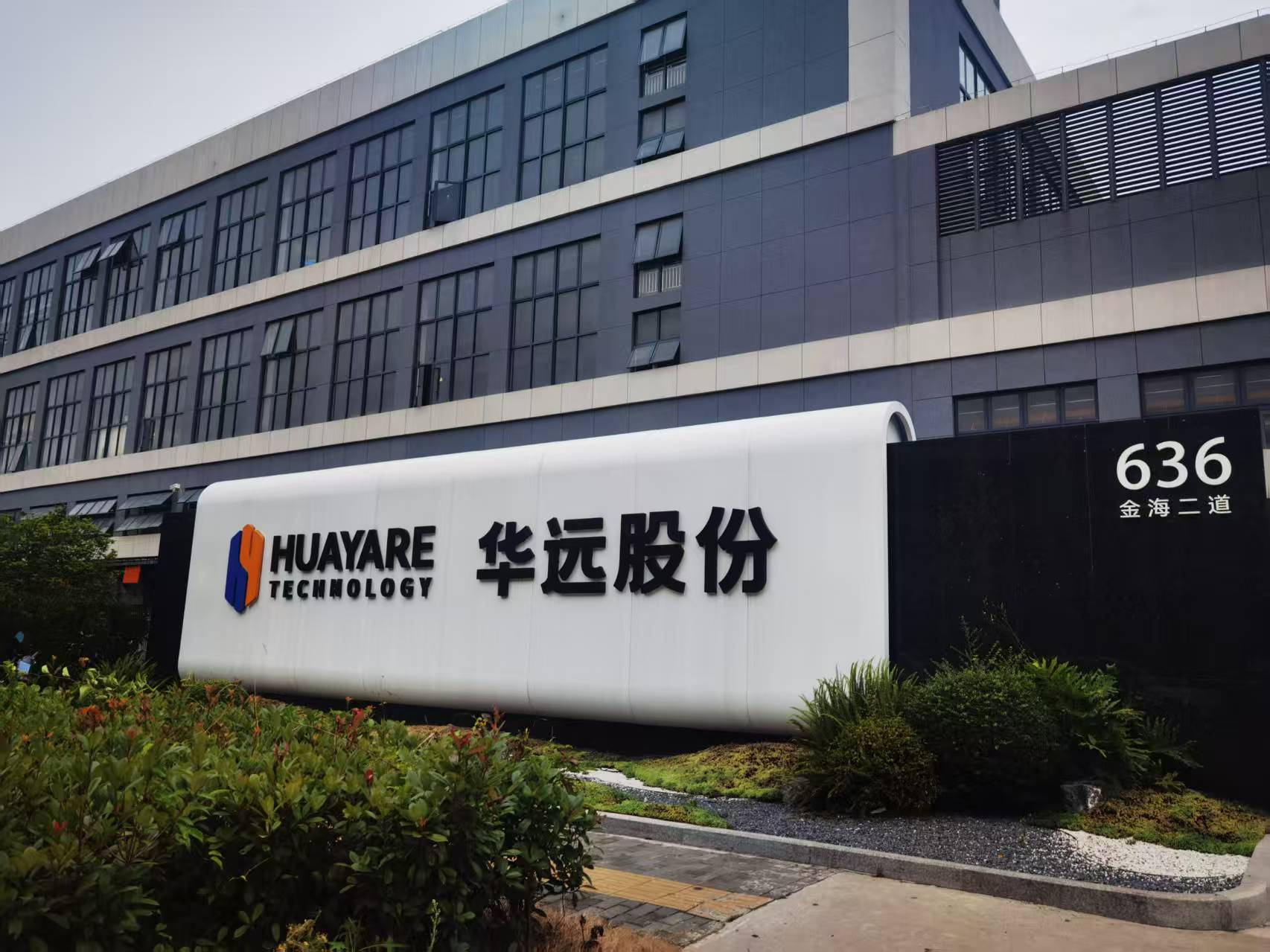
Core Viewpoint - The automotive industry is experiencing a wave of smart and electric vehicle trends, leading to significant opportunities in the upstream connection component market, with Zhejiang Huayuan (301535.SZ) positioned as a "hidden champion" in customized automotive connection components, showing strong order growth and production capacity utilization [1][3]. Group 1: Company Performance and Strategy - Zhejiang Huayuan's overall production capacity utilization is over 90%, indicating tight capacity and challenges in delivery [3]. - The company has been actively expanding its production capacity to meet increasing demand, with plans for further expansion to ensure timely order delivery [3]. - The company has a strong order pipeline, adding nearly a thousand new designated projects annually, with about 70% of new clients opting for existing mature products, enhancing development efficiency and customer loyalty [6]. Group 2: Product Development and Market Position - The company focuses on eliminating low-value orders and optimizing its product structure, leading to a continuous increase in average product prices for 2023 and 2024 [8]. - Zhejiang Huayuan's unique "cold heading + composite" process provides significant efficiency and cost advantages, particularly in producing aluminum alloy parts for automotive sensors, achieving a material utilization rate of 60% [8]. - The company is a major supplier of specialized fasteners and seat locks, with a market share of approximately 15% in the passenger car seat fastener sector and being the only A-share manufacturer of seat back locks [9]. Group 3: Industry Trends and Future Outlook - The automotive parts industry is benefiting from the increasing penetration of new energy vehicles, with a projected 29% growth in new energy vehicle sales in 2025 [10]. - The company aims to expand its international business to account for 30%-40% of its fastener business within three years, leveraging partnerships with global suppliers [12]. - The demand for differentiated components in automotive interiors is expected to grow, as manufacturers are willing to invest more in passenger comfort features [12][13].
深圳威迈斯新能源(集团)股份有限公司2025年度业绩快报
Shang Hai Zheng Quan Bao· 2026-02-09 18:39
Core Viewpoint - The company reported its preliminary financial data for the year 2025, indicating stable revenue and significant growth in net profit, driven by the expanding domestic and global electric vehicle market. Financial Performance - In 2025, the company achieved total operating revenue of 634,176.87 million RMB, remaining stable compared to the previous year - The net profit attributable to the parent company was 55,712.93 million RMB, representing a year-on-year increase of 39.22% - The net profit attributable to the parent company after deducting non-recurring gains and losses was 52,149.69 million RMB, with a year-on-year growth of 46.71% [1][2] Financial Position - As of the end of 2025, the company's total assets amounted to 822,603.24 million RMB, reflecting a year-on-year growth of 6.96% - The equity attributable to the parent company reached 362,611.22 million RMB, which is a 10.89% increase compared to the previous year [2] Key Growth Drivers - The increase in operating profit, net profit, and earnings per share exceeding 30% is attributed to: 1. Steady growth in domestic electric vehicle sales and penetration rates, leading to increased shipment volume and revenue from the company's power supply products 2. The company's focus on lean production management and increased R&D investment, resulting in an improved product mix with a higher proportion of high-value-added products [3]

威迈斯(688612.SH)2025年度归母净利润5.57亿元,同比增长39.22%
智通财经网· 2026-02-09 08:57
Core Viewpoint - Weimars (688612.SH) reported a slight decline in total revenue for 2025, while net profit saw significant growth, indicating a resilient performance amidst market challenges [1] Financial Performance - Total revenue for 2025 reached 6.342 billion yuan, a year-on-year decrease of 0.48% [1] - Net profit attributable to shareholders was 557 million yuan, reflecting a year-on-year increase of 39.22% [1] - Operating profit, net profit attributable to shareholders, net profit excluding non-recurring gains and losses, and basic earnings per share all grew by over 30% compared to the previous year [1] Market and Product Insights - The growth in net profit is attributed to the steady increase in domestic electric vehicle sales and penetration rates, which positively impacted the shipment volume and revenue of the company's onboard power products [1] - The company has maintained lean production management and increased R&D investment driven by market demand, leading to an improved product shipment structure and a higher proportion of high-value-added products sold [1]
威迈斯(688612.SH)业绩快报:2025年归母净利润5.57亿元,同比增长39.22%
Ge Long Hui A P P· 2026-02-09 08:36
Group 1 - The core viewpoint of the article highlights that the domestic electric vehicle industry in China continues to expand, with global electric vehicle sales also increasing, leading to a rise in global penetration rates [1] Group 2 - In 2025, the company achieved total operating revenue of 6.342 billion yuan, which remained stable compared to the previous year [1] - The net profit attributable to the parent company was 557 million yuan, representing a year-on-year increase of 39.22% [1] - The net profit attributable to the parent company after deducting non-recurring gains and losses was 521 million yuan, showing a year-on-year growth of 46.71% [1] Group 3 - As of the end of 2025, the company's total assets amounted to 8.226 billion yuan, reflecting a year-on-year growth of 6.96% [1] - The equity attributable to the parent company was 3.626 billion yuan, which increased by 10.89% year-on-year [1]
政策问答·回应关切|城际出行充电如何更便捷高效
Ren Min Ri Bao· 2026-02-03 06:19
Core Insights - The article discusses the measures being taken to improve charging services for electric vehicles (EVs) on highways in China, particularly during peak travel periods like the Spring Festival [1][2]. Group 1: Charging Infrastructure Development - By the end of 2025, China aims to have a total of 71,500 electric vehicle charging facilities in highway service areas, with 20,000 new facilities added in 2025 alone [1]. - Over 98% of highway service areas have established charging facilities, achieving near-complete coverage except for a few high-altitude areas [1]. - The Ministry of Transport has issued a notification to double the service capacity of charging facilities in highway service areas by 2027, focusing on increasing the number of fast and ultra-fast charging stations [2]. Group 2: Enhancements in Charging Facilities - The new charging facilities will include over 40,000 units with a capacity of 60 kW or more, combining both fast and ultra-fast charging options [2]. - At least 25% of newly constructed charging facilities will be high-power charging stations, with existing facilities being upgraded to include high-power options [2]. - Approximately 10,000 high-power charging facilities are expected to be established in highway service areas by the end of 2025 [2]. Group 3: Power Supply and Management - There is a focus on enhancing power supply capacity for charging networks, ensuring that new and existing service areas can meet the electricity demands of charging facilities [3]. - The integration of intelligent operation and maintenance platforms for charging facilities is being prioritized to improve monitoring and fault handling capabilities [2].
2026车企目标大“PK”
Guo Ji Jin Rong Bao· 2026-01-29 12:48
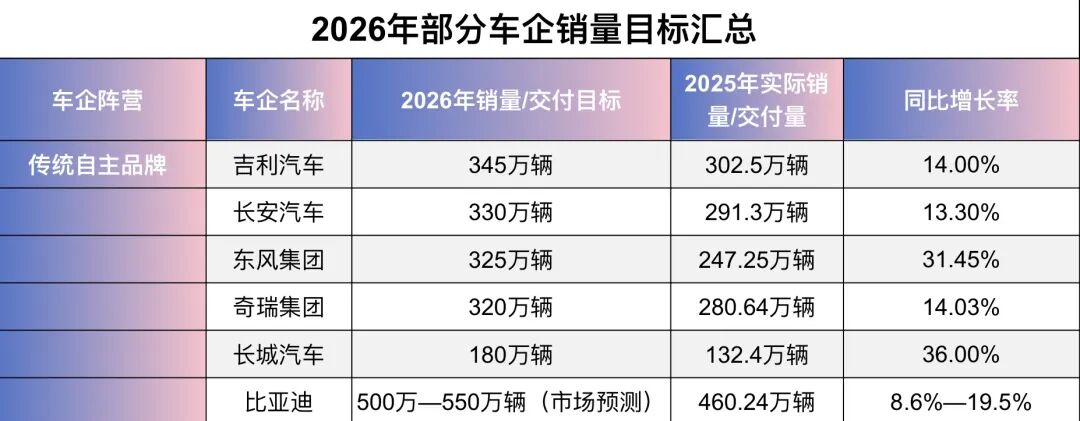
Core Insights - The Chinese automotive industry has shown impressive growth, with production and sales reaching 34.53 million and 34.40 million units respectively in 2025, marking a year-on-year increase of 10.4% and 9.4% [1] - New energy vehicle (NEV) sales reached 16.49 million units, achieving a penetration rate of 47.9% [1] - Major automakers have set ambitious sales targets for 2026, amidst challenges from policy changes, technological advancements, and global competition [1] Company Targets - Geely aims for a sales target of 3.45 million units in 2026, up 14% from 2025's 3.025 million units, with 64.3% of sales coming from NEVs [4] - Changan targets 3.3 million units, with NEV sales projected at 1.4 million units, reflecting a 26.2% increase [5] - Dongfeng Group's target is 3.25 million units, a 31.45% increase from 2025, with NEVs making up 52% of sales [6] - Great Wall Motors aims for 1.8 million units, a 36% increase, focusing on NEV and export markets [6] - BYD's projected sales for 2026 are between 5 million and 5.5 million units, with a growth rate of 8.5% to 19.5% [6] New Entrants and Growth - New entrants like Leap Motor and Hongmeng Zhixing are targeting sales of 1 million units, with significant growth rates of over 67% [7][9] - Leap Motor's sales target is 1 million units, up from 596,600 units in 2025 [9] - Hongmeng Zhixing is expected to reach between 1 million and 1.3 million units, with a growth rate of 70% to 120% [11] Industry Trends - The penetration rate of NEVs is expected to exceed 60% in 2026, driven by policy support and technological advancements [12] - The export model is shifting from "complete vehicle export" to "localized production and full industry chain layout," with significant growth in NEV exports [13] - The competitive landscape is transitioning from price wars to value-driven strategies, with a focus on technological innovation [15] - Market concentration is increasing, with leading brands capturing a larger market share, while weaker brands are likely to exit the market [15] Challenges and Uncertainties - The market faces uncertainties due to policy changes, such as the reduction of NEV purchase tax, which may affect consumer purchasing behavior [16] - Economic recovery is slower than expected, impacting consumer spending and demand for traditional vehicles [17] - Trade barriers and compliance risks are increasing for Chinese automakers expanding overseas, necessitating a balance between global operations and local compliance [17] Conclusion - The Chinese automotive market in 2026 is poised for significant transformation, emphasizing the shift towards NEVs and smart technologies, while navigating various uncertainties and competitive pressures [19]

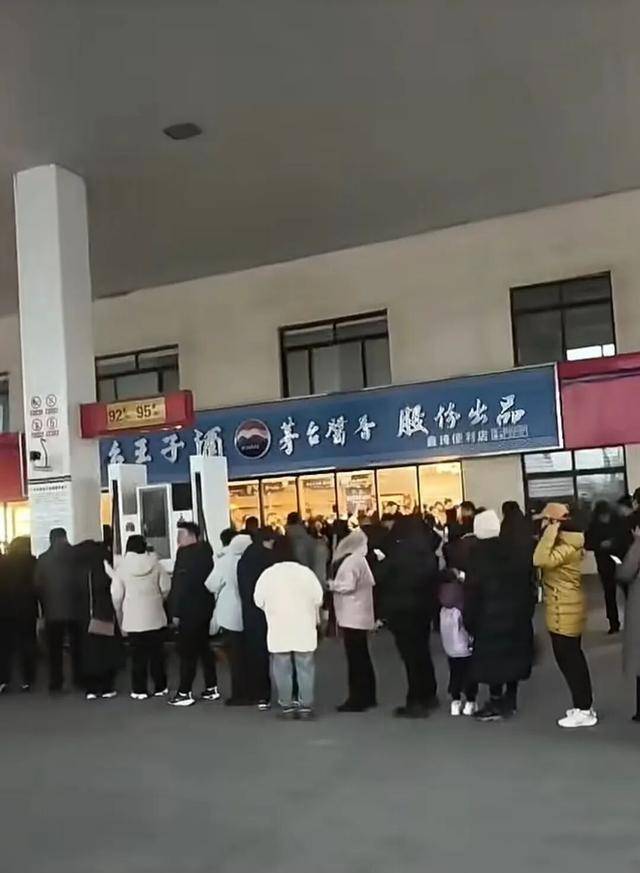
加油站,突然“跑路”
Sou Hu Cai Jing· 2026-01-08 08:21
Core Insights - The closure of the Xin Qi gas station in Shandong Jining on December 31, 2025, raised suspicions of it "running away," leaving consumers with unspent balances in their fuel cards, highlighting the increasing operational pressures faced by gas stations due to the rising penetration of electric vehicles [1][10]. Company Summary - Xin Qi gas station, opened in 2019, gained local trust through continuous promotional activities and was associated with the local Xin Qi Group, although the group denied any investment or ownership in the gas station [3][5]. - The gas station frequently offered promotions, such as locking in fuel prices for prepaid amounts, but shifted to cashback incentives in 2022, which escalated in 2025 with offers like "charge 3000 get 3000" [8][9]. Industry Summary - The trend of gas stations suddenly closing and causing disputes over prepaid fuel cards is not isolated, with similar cases reported in other regions, indicating a broader issue within the industry [12]. - As of the end of 2024, there were approximately 121,000 gas stations in China, with private stations accounting for over half, yet they only contributed to 25% of the total fuel consumption, indicating significant competitive pressure [12][13]. - The ongoing transition to electric vehicles is expected to exacerbate the challenges faced by gas stations, with predictions that up to 20,000 stations may be eliminated by 2030 due to declining fuel consumption [13].
造车新势力最新成绩单出炉 多家目标承压
Zhong Guo Zheng Quan Bao· 2026-01-02 00:05
Group 1 - In 2025, new car manufacturers in China achieved significant delivery milestones, with Leap Motor leading the annual sales with 596,555 units, followed by Hongmeng Zhixing and Xiaopeng Motors [2][5] - The overall performance of the new energy vehicle sector showed high growth, with many brands setting monthly delivery records in December 2025, indicating a strong end to the year [3][4] - The competitive landscape among new car manufacturers is becoming clearer, with distinct tiers emerging based on annual sales performance [5][6] Group 2 - Leap Motor exceeded its annual target of 500,000 units, achieving 596,555 units, marking a 103% year-on-year increase, and aims for 1 million units in 2026 [8] - Xiaopeng Motors and Xiaomi also surpassed their annual targets, with deliveries of 429,445 units and over 410,000 units respectively, showcasing strong market performance [8] - NIO and Ideal Auto faced challenges in meeting their targets, with NIO achieving only 326,028 units against a goal of 440,000 units, and Ideal Auto delivering approximately 406,315 units against a revised target of 640,000 units [9] Group 3 - The 2026 automotive policy focuses on cost reduction, standardization, and upgrading, which is expected to enhance the penetration of new energy vehicles while supporting the traditional fuel vehicle market [11][14] - Key policies include the continuation of the "old for new" vehicle replacement subsidy and a reduction in vehicle purchase tax for new energy vehicles, aimed at stabilizing consumer expectations [12][13][14] - The automotive market in 2026 is anticipated to maintain a structure where new energy vehicles lead, supported by favorable policies, while new car manufacturers must leverage technological advancements and product innovation to solidify their market positions [14]