海南自由贸易港零关税政策

Search documents
海南首批日用消费品免税店货品上架开业在即
Zhong Guo Xin Wen Wang· 2026-02-11 00:26
Core Viewpoint - The first batch of five duty-free stores for daily consumer goods in Hainan will open on February 11, following the implementation of a "zero tariff" policy for inbound goods for residents of Hainan Free Trade Port [1][3]. Group 1: Duty-Free Store Details - The stores are located in Haikou's various commercial districts, with one store operated by Hainan Wanghao Sunshine Industrial Co., Ltd. in the Longhu Hainan Haikou Tianjie commercial complex [1]. - The Haikou Wanghao duty-free store has a retail area of 980 square meters and will initially offer over 40 items from a list of 202 zero-tariff goods, including baby formula, candies, and fruits, with prices approximately 20% lower than taxed prices [1][3]. - The store is prepared with over 50,000 items, anticipating high demand for products like durian [1]. Group 2: Consumer Eligibility and Shopping Guidelines - The "zero tariff" policy applies to residents of Hainan, defined as Chinese citizens holding a Hainan ID, residence permit, or social security card, as well as foreign individuals with residence permits [3]. - Each resident is allowed a duty-free purchase limit of 10,000 RMB per year, with no restrictions on the number of purchases [3]. - Consumers must present one of the following documents at checkout: Hainan ID, residence permit, social security card, or foreign residence permit to verify their eligibility [3]. Group 3: Additional Store Operations - The Haikou Tianjie shopping mall has prepared signage and policy explanations to facilitate consumer shopping during the initial opening phase [4]. - Other duty-free stores, such as the one in CDF Haikou International Duty-Free City, are also preparing to offer a variety of products, including toys and chocolates, with a focus on international brands [6]. - The JD.com duty-free store in the Guomao commercial district is leveraging JD's global supply chain to offer a wide range of consumer goods across eight core categories, featuring over 170 international brands [6].



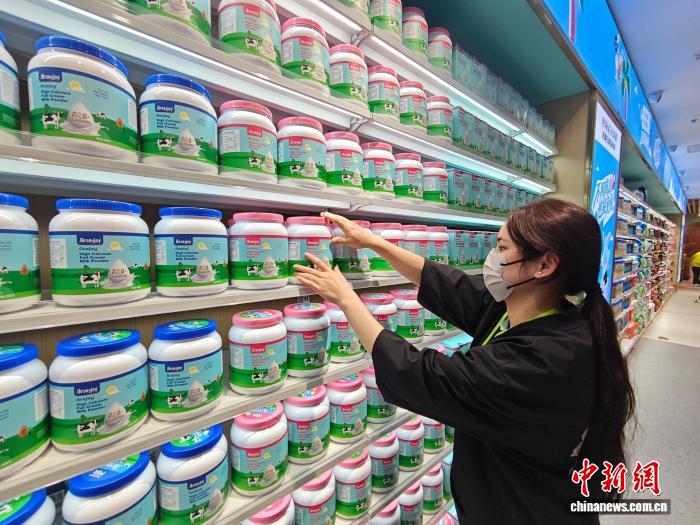
岛民日用消费品免税店怎么开,如何买?新规发布→
Xin Lang Cai Jing· 2026-02-07 06:20
Core Viewpoint - The article discusses the implementation of the "zero tariff" policy for imported goods in Hainan Free Trade Port, detailing the management and regulatory framework for "zero tariff" duty-free shops and products aimed at local residents [1][2]. Group 1: Regulatory Framework - The "zero tariff" imported goods must be uniformly imported by the operating units of "zero tariff" duty-free shops from abroad and must undergo the necessary customs procedures [4][5]. - "Zero tariff" imported goods should be sold in designated areas or counters and must not be mixed with other products [5]. - Operating units must submit a written application to the General Administration of Customs and obtain approval before registering to operate "zero tariff" duty-free shops [5][6]. Group 2: Operational Requirements - The setup standards for "zero tariff" duty-free shops and their warehouses must comply with customs supervision requirements and be capable of online verification [6][7]. - Approved "zero tariff" duty-free shops must be inspected and registered by the local customs authority before commencing operations [6]. - The shops must have information systems that meet customs supervision requirements for sales settlement, identity verification, and inventory management [7]. Group 3: Consumer Regulations - Residents purchasing "zero tariff" imported goods must present valid identification and undergo identity verification [2][10]. - The duty-free shops are required to confirm that the purchaser meets shopping qualifications and must transmit transaction records and identity verification data to customs in real-time [2][10]. - There are annual limits on tax-free shopping amounts, types of goods, purchase frequency, and quantity, as per regulations from relevant authorities [8]. Group 4: Legal Compliance - Any individual or entity involved in smuggling or violating customs regulations will be subject to penalties according to the Customs Law and related regulations [8][10]. - Criminal activities will be prosecuted under applicable laws [8]. Group 5: Definitions - "Operating unit" refers to enterprises qualified to operate "zero tariff" imported goods for local residents [9]. - "Zero tariff" duty-free shop is defined as a shop approved by the General Administration of Customs to sell "zero tariff" imported goods to local residents [9]. - "Zero tariff" imported goods include items listed by relevant authorities that are imported duty-free for sale in these shops [9].
海南三部门全力确保日用消费品“零关税”政策落地
Sou Hu Cai Jing· 2026-02-06 12:16
Core Viewpoint - The implementation of the "zero tariff" policy for daily consumer goods in Hainan Free Trade Port is a significant policy benefit for local residents, with measures in place to prevent illegal resale activities [1][2]. Group 1: Policy Implementation - Hainan has prepared for the smooth implementation of the "zero tariff" policy for daily consumer goods, which is expected to create a price difference between zero-tariff and taxed goods [1]. - The policy is designed to benefit local residents, but there are concerns about potential illegal activities, such as organized resale of zero-tariff goods [1]. Group 2: Regulatory Measures - Hainan's police have established a comprehensive anti-smuggling governance system that includes prevention, control, and public awareness initiatives to combat illegal activities related to the zero-tariff goods [1]. - The tax authority will promote the policy through various channels and ensure compliance among businesses, focusing on the separation of taxable and tax-exempt sales [2]. - Customs has developed an information-based regulatory system to monitor the entire process of daily consumer goods from import to sale, enhancing efficiency and convenience for consumers [2].
海南发布岛内居民消费“零关税”进境商品经营主体及免税店管理办法
Hai Nan Ri Bao· 2026-02-06 07:23
Core Viewpoint - The Hainan Provincial Government has issued the "Management Measures for Zero Tariff Imported Goods for Residents' Consumption in Hainan Free Trade Port" to regulate the operation of zero tariff daily consumer goods and duty-free shops within the Free Trade Port [1] Group 1: Regulations on Duty-Free Shops - The measures specify that duty-free shops for daily consumer goods must comply with the zero tariff policy and are subject to licensing management [1] - The application for operating qualifications requires entities to have independent civil liability, strong management capabilities, stable procurement channels, and good credit status [1][2] - The number and location of duty-free shops must be approved by the provincial government after review by relevant departments [2] Group 2: Operational Standards - Duty-free shops must be named according to the format: City/County/Autonomous County Name + Duty-Free Shop, and are prohibited from establishing branches [2] - Shops are required to maintain detailed records of inventory and sales, and implement traceability management for products sold [2] - Identity verification methods such as facial recognition must be used to ensure compliance with purchasing conditions [2] Group 3: Supervision and Enforcement - Relevant authorities are tasked with monitoring the circulation of zero tariff goods and addressing illegal activities related to their resale [3] - Individuals and entities are prohibited from reselling zero tariff goods purchased for personal use, including using others' purchasing quotas for profit [3] - Only approved duty-free shops can use terms like "zero tariff" or "duty-free" in their names to prevent public deception [3] Group 4: Legal Responsibilities - The measures outline corresponding legal responsibilities for violations of the regulations [4]
海南首批日用消费品免税店5天后开业
第一财经· 2026-02-06 06:29
Core Viewpoint - The article discusses the upcoming opening of five duty-free stores for daily consumer goods in Hainan, which is set to enhance the purchasing power of local residents through a "zero tariff" policy on imported goods [3][4]. Group 1: Policy Implementation - The first batch of duty-free stores will open on February 11, allowing residents to benefit from the policy before the Spring Festival [3]. - The stores will be located in three cities: Haikou, Sanya, and Danzhou, with specific locations in commercial districts [4]. - The policy allows various types of enterprises, including state-owned, private, and foreign companies, to operate these duty-free stores, promoting competition and consumer choice [4]. Group 2: Tax Benefits - The "zero tariff" policy exempts certain imported goods from import duties, VAT, and consumption tax, with an annual exemption limit of 10,000 RMB per person [5]. - A total of 202 types of goods are included in the duty-free list, covering a wide range of daily necessities such as imported fruits, seafood, personal care products, and baby items [5][6]. - The policy is expected to lower living costs for Hainan residents, with potential savings of 1,500 to 2,000 RMB per year on items like infant formula due to the elimination of taxes [6]. Group 3: Future Developments - The Hainan government plans to evaluate the policy's effectiveness and gradually expand the number of duty-free stores to cover all cities and counties on the island [5]. - The implementation of the policy is supported by a management framework to ensure compliance and operational integrity among the duty-free stores [6].
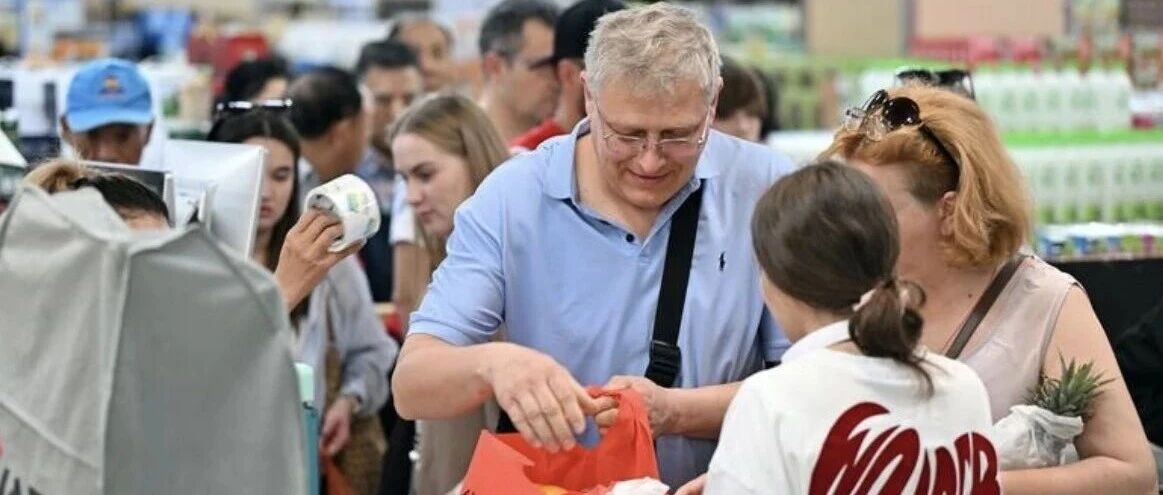
实打实的省钱!海南岛内居民购买部分进境商品“零关税”
Yang Shi Wang· 2026-02-06 03:09
Core Viewpoint - The new policy implemented on February 5 allows residents of Hainan Free Trade Port to purchase imported goods at designated locations without paying import duties, value-added tax, and consumption tax, making imported products cheaper and more accessible [1][3]. Group 1: Beneficiaries of the Policy - The policy primarily benefits Hainan residents, including those with a Hainan ID, long-term workers with residence permits, and foreign residents with valid residency documents [3]. Group 2: Eligible Products - The policy features a positive list management system with 202 exempted products, including imported fruits like durians and cherries, seafood, personal care items, baby formula, clothing, toys, and pet food [3]. Group 3: Financial Impact - The policy states that the combined taxes on imported goods typically account for 20%-30% of the product price, meaning the zero-duty policy effectively reduces prices by 20%-30%, resulting in significant savings for consumers [6]. Group 4: Purchasing Process - Residents can easily purchase exempted goods at designated duty-free stores using valid identification, with an annual limit of 10,000 yuan for tax-free purchases, allowing for multiple transactions throughout the year [8]. Group 5: Restrictions and Differences from Other Policies - The zero-duty goods are strictly for personal use and cannot be resold; violations may lead to loss of purchasing privileges and potential legal consequences [10]. Additionally, this policy differs from the offshore duty-free policy, which is aimed at tourists and short-term workers, allowing local residents to benefit without needing to leave the island [12].
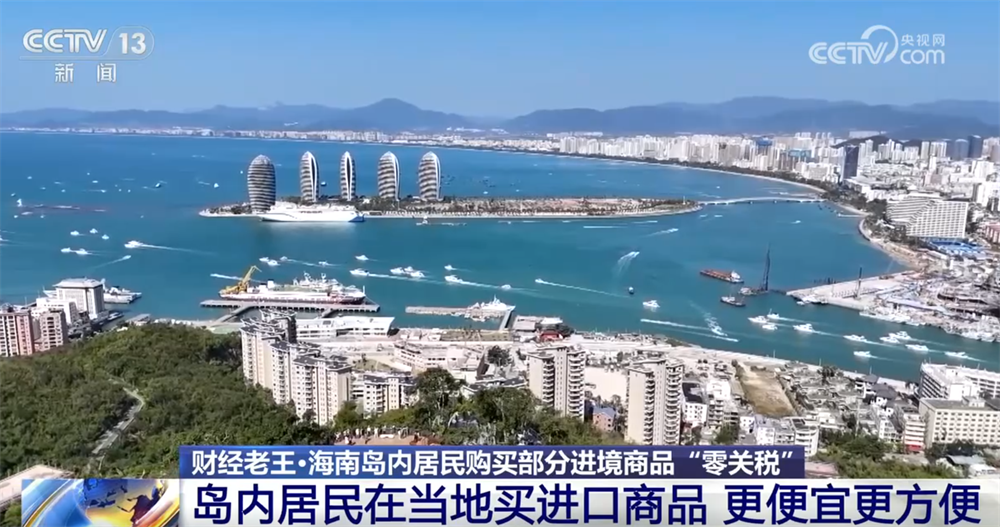
申请企业须满足5条件
Xin Lang Cai Jing· 2026-02-05 17:12
Core Viewpoint - The announcement by Hainan's government departments marks the initiation of the application process for businesses to sell "zero tariff" imported goods to local residents, extending the benefits of the Hainan Free Trade Port's "zero tariff" policy to residents [1] Group 1: Application Conditions - The application requires businesses to be independent legal entities with a registered capital of at least 10 million RMB [2] - Businesses must have been engaged in retail for at least three consecutive years, with a total retail space of no less than 10,000 square meters and annual sales of at least 300 million RMB in any of the last three years [2] - A stable and reliable procurement channel for "zero tariff" imported goods is necessary [2] - Companies must have a complete corporate charter and established management systems for finance, product traceability, data security, internal auditing, and risk prevention [2] - A good credit status with no significant legal violations is required [2] Group 2: Application Materials - Applicants must submit a qualification application form for "zero tariff" imported goods [3] - Required documents include a business license, identification proof of the legal representative, and a report on retail business operations [3] - Financial audit reports for the last three complete accounting years must be provided, along with proof of supply chain capabilities [3] - A copy of the corporate charter and key management system documents must be included [3] - A public credit information report and a commitment letter affirming compliance with all conditions are also required [3]
财政部 海关总署 税务总局关于海南自由贸易港岛内居民消费的进境商品“零关税”政策的通知财关税〔2026〕6号附清单
蓝色柳林财税室· 2026-02-05 14:28
Core Viewpoint - The article outlines the "zero tariff" policy for imported goods consumed by residents of Hainan Free Trade Port, allowing for tax exemptions on certain goods purchased within specified limits [2][3]. Group 1: Policy Implementation - The policy exempts residents of Hainan from import duties, value-added tax, and consumption tax on specified imported goods purchased at designated locations, with an annual tax-free purchase limit of 10,000 RMB per person [2][3]. - The definition of "island residents" includes Chinese citizens holding Hainan ID cards, residence permits, or social security cards, as well as foreign individuals living and working in Hainan with valid residency documents [2][3]. Group 2: Management and Regulation - The "zero tariff" goods will be managed through a positive list system, which will be dynamically adjusted based on local needs and regulatory conditions [2][3]. - Designated operating locations must qualify as duty-free shops, and operators are required to pay a special operating fee for duty-free goods [3]. Group 3: Compliance and Enforcement - Goods purchased under the "zero tariff" policy are for personal use only and cannot be resold [3]. - The Hainan provincial government is responsible for preventing smuggling risks associated with these goods and may impose purchase limits on certain items as needed [3][4]. - Violations of the policy, such as resale or smuggling, will result in a three-year ban on purchasing "zero tariff" goods and may lead to legal consequences [4]. Group 4: Product List - The article includes a detailed list of eligible products under the "zero tariff" policy, which encompasses various categories such as seafood, dairy products, fruits, and processed foods [5][6][7][8][9][10][11][12][13].

海南岛内居民可享进境商品“零关税”
Mei Ri Jing Ji Xin Wen· 2026-02-05 11:56
Core Viewpoint - The Ministry of Finance, Customs, and the State Taxation Administration of China announced a "zero tariff" policy for imported goods purchased by residents of Hainan Free Trade Port, aimed at reducing living costs and enhancing consumer choices for residents [1][2]. Group 1: Policy Details - The "zero tariff" policy allows residents to purchase imported goods from a specified list without paying import duties, VAT, or consumption tax, within an annual limit of 10,000 RMB [2][3]. - The list includes 202 categories of goods, significantly expanding from the previous 15 categories, and includes items such as seafood, fruits, kitchenware, and personal care products [3]. - Residents can buy these goods at designated stores without needing a record of leaving the island, which was a requirement under previous policies [2][3]. Group 2: Regulatory Measures - The policy prohibits the resale of "zero tariff" goods, and the Hainan provincial government is responsible for managing risks associated with smuggling and ensuring compliance through monitoring and traceability [4]. - Individuals found violating the policy by reselling or engaging in smuggling will face a three-year ban on purchasing "zero tariff" goods and may have their actions recorded in credit histories [4]. - The government will implement specific measures to control the quantity of certain goods purchased to mitigate risks [4]. Group 3: Market Impact - The new policy is expected to enhance the convenience of purchasing tax-free goods for residents, while also increasing the complexity of risk management and regulatory oversight [5]. - In January 2026, the total amount spent on duty-free shopping in Hainan reached 4.53 billion RMB, with 560,000 shoppers participating, indicating a significant growth in consumer engagement [5].
零关税!三部门联合发布
证券时报· 2026-02-05 08:06
Core Viewpoint - The article discusses the implementation of a "zero tariff" policy for imported goods purchased by residents of Hainan Free Trade Port, aimed at promoting consumer spending and enhancing the local economy [1][4]. Group 1: Policy Details - The policy allows residents of Hainan to purchase imported goods at designated locations without paying import duties, value-added tax, and consumption tax, within a specified exemption limit and product list [1][4]. - The exemption limit is set at 10,000 RMB per person per year, with no restrictions on the number of purchases [3][5]. - Eligible residents include Chinese citizens holding Hainan ID cards, residence permits, or social security cards, as well as foreign individuals living and working in Hainan with valid residence documents [2][5]. Group 2: Product and Purchase Regulations - The "zero tariff" goods are subject to a positive list management system, focusing on daily necessities such as food, beverages, personal care products, household items, and maternity supplies [3][5]. - Residents must present valid identification to purchase these goods at designated duty-free stores, and the list of eligible products will be dynamically adjusted based on local needs and regulatory conditions [5][6]. Group 3: Compliance and Enforcement - The policy stipulates that the purchased "zero tariff" goods are for personal use only and cannot be resold [8]. - The Hainan provincial government is responsible for managing the risk of smuggling related to these goods and may impose purchase quantity restrictions as necessary [8]. - Violations of the policy, such as resale or smuggling, will result in penalties, including a three-year prohibition on purchasing "zero tariff" goods for individuals found guilty [8].