清洁标签

Search documents
你的能量饮料该升级了!康师傅冰红茶Energy高能上市
Sou Hu Wang· 2026-02-27 02:36
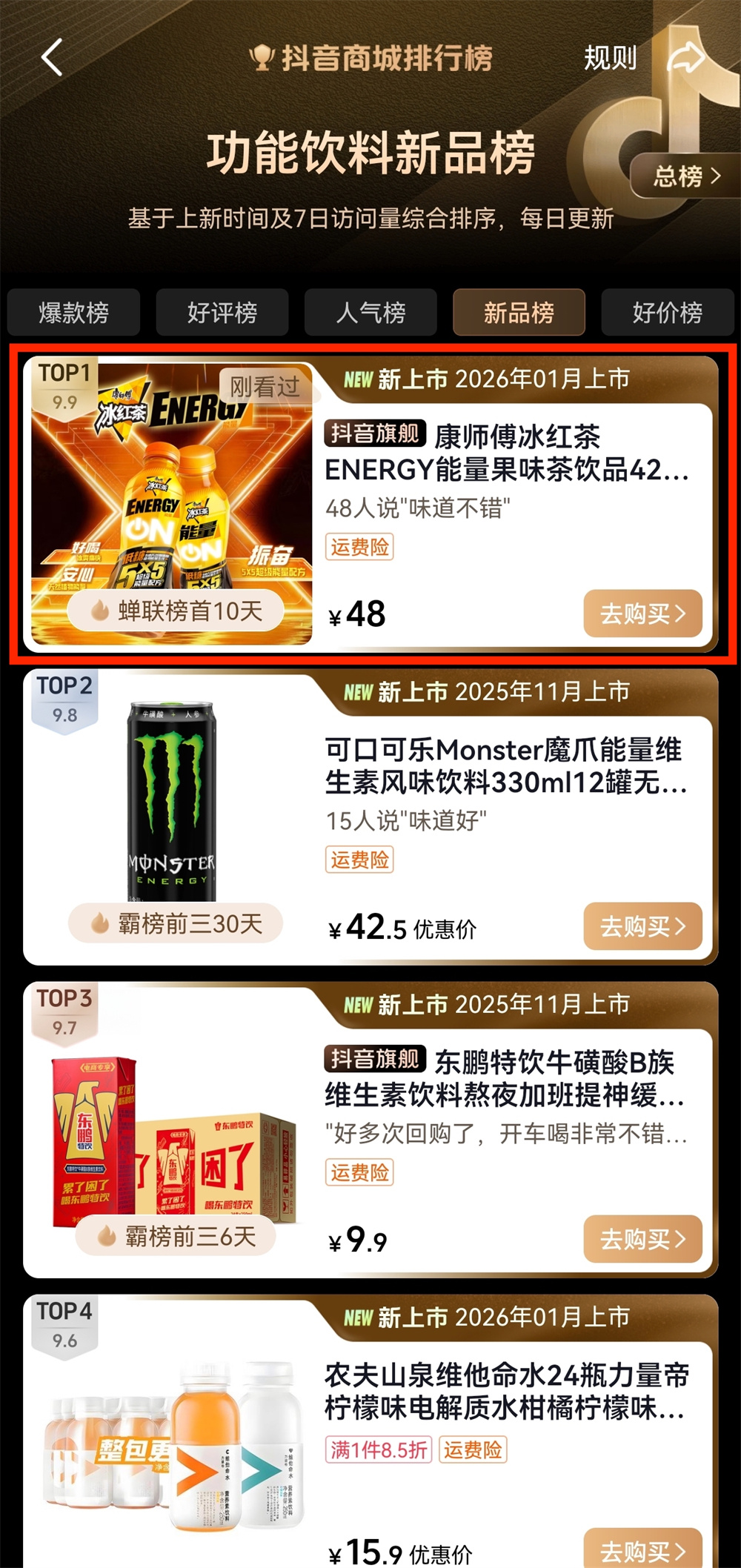
当一瓶饮料既能满足提神需求、又能兼顾口感和健康,能量饮料的全新形态是否已经出现? 一直以来,消费者与能量饮料的关系总是若即若离。人们既依赖它来对抗疲劳,却又常常因口感、成分 或健康顾虑,而将其归于"不得已的选择"。这种矛盾的心态,恰恰揭示了能量饮料市场在口感与健康维 度上的空白。 传统能量饮料以高糖、高咖啡因和牛磺酸构成的"铁三角"配方,与当前"低糖""清洁标签""天然成分"的 主流消费诉求,产生了显著的空档。市场不再仅仅满足于"提神抗疲劳"的单一功能,消费者期待提神的 过程是愉悦的、无心理负担的,甚至是对身体有益的。 康师傅冰红茶Energy的登场,恰逢其时。它没有选择在红牛、东鹏固守的经典赛道上正面交锋,而是敏 锐地切入了一个更具潜力的交叉地带:将拥有国民级口感认知与消费基础的冰红茶,与具有功能性刚需 的能量饮料相结合。这并非简单的品类叠加,而是旨在开创一个兼具庞大用户基本盘与高增长潜力的全 新品类,实现对能量饮料赛道的差异化卡位。 二、产品创新:满足三重期待重新定义能量饮料 近日,康师傅在抖音高能上线一款新品——康师傅冰红茶Energy,以蝉联抖音商城「功能饮料新品榜」 榜首10天的亮眼成绩,正式进军能 ...


Ingredion (NYSE:INGR) 2026 Conference Transcript
2026-02-17 22:02
Ingredion Conference Call Summary Company Overview - **Company**: Ingredion - **Industry**: Global ingredient solutions provider, primarily serving the food and beverage industry, with nearly 70% of revenues from this sector. Also serves paper making, corrugated box industries, and specialty ingredients for pharma and personal care markets [4][5] Key Financial Highlights - **Record Results**: In 2025, Ingredion reported $950 million in cash from operations, returning approximately half to shareholders [1] - **Gross Profit Margin**: Achieved record gross profit margins of over 25%, an increase of 120 basis points from the previous year [5] - **Earnings Per Share**: Record earnings per share driven by the Texture and Healthful Solutions segment, returning $435 million to shareholders through dividends and share repurchases [5] - **Cash Generation**: Averaged $1 billion in cash generation over the last three years, providing a strong balance sheet and financial flexibility [5] Strategic Vision and Growth Opportunities - **Resegmentation**: The company resegmented its business into three large global segments to enhance customer intimacy and innovation delivery [6] - **Texture and Healthful Solutions**: Positioned to capitalize on macro trends such as natural high-intensity sweeteners and protein fortification, with a focus on clean label products [9][10] - **Consumer Trends**: Increasing consumer preference for clean labels, high protein, and high fiber products, with the clean label category growing at a compounded annual growth rate (CAGR) of 6% over the last four years [10][11] Market Position and Competitive Advantages - **Global Leadership**: Ingredion is a leader in texture solutions, with a strong presence in North America, Europe, and APAC [18] - **Consumer Insights**: 85% of consumers are likely to recommend food based on texture, indicating a significant opportunity for growth in this area [19] - **Private Label Growth**: The company is well-positioned to benefit from the increasing shift towards private label products, with private label growth in EMEA at over 40% [36][37] Regional Performance - **LatAm Segment**: Generated approximately $2.5 billion in revenue with a segment operating income margin of 21%. Strong local presence with nine plants and three innovation centers [40][42] - **U.S. and Canada Segment**: Achieved $2 billion in net sales with a 16% operating income margin. The company is the only corn wet miller with assets in Canada, optimizing supply chain efficiency [41][46] Innovation and R&D - **Idea Labs**: 30 Idea Labs globally to customize solutions based on local tastes and preferences [4][18] - **Solutions Business**: Approximately $1 billion in sales, growing at 7.5%, with a focus on customer intimacy and co-creation of products [25][26] Future Outlook - **Revenue Growth**: Projected net sales growth of 1% to 3% through 2028, with mid-single digits operating income growth expected [54][55] - **Investment in CapEx**: About $200 million in capital expenditures to enhance production capabilities and support growth initiatives [38] - **Enterprise Productivity**: A multi-year program aimed at improving efficiency and effectiveness, expected to contribute over 1 point of operating income growth by 2028 [58] Risks and Challenges - **Market Volatility**: Ongoing tariff and trade risks, regulatory impacts, and economic growth uncertainties [56][57] - **Consumer Behavior Changes**: Shifts in consumer preferences and economic conditions affecting demand for certain product categories [54] Conclusion - Ingredion is strategically positioned for growth through innovation, customer intimacy, and a strong market presence in key regions. The company is focused on leveraging macro trends in health and wellness, clean labels, and private label growth to drive future performance.

【独家专访】工业化浪潮下,烘焙人如何守护面包的温度?173年酵母巨头乐斯福的中国答卷!
东京烘焙职业人· 2026-02-06 08:33
Core Viewpoint - The article discusses the ongoing transformation in the baking industry, highlighting the tension between consumer demand for "natural, healthy, and story-driven" artisanal bread and the pressures of industrialization on efficiency and cost. The company aims to find a balance in this evolving landscape [1]. Group 1: Company Mission and Role - The company defines itself as a biotechnology enterprise focused on fermentation and microbial nutrition, with a core mission to "protect and nourish the earth" [4]. - The company emphasizes a low-key, practical approach, aiming to be a trusted long-term partner for clients rather than engaging in loud marketing [4]. Group 2: Industry Challenges - The pandemic has shifted the baking industry from relative certainty to high uncertainty, with significant changes in consumer and enterprise demands [4]. - Three main challenges are identified: balancing quality and price, catering to health and taste preferences, and aligning core competitiveness with boundary expansion amid rapid innovation [4]. Group 3: Market Insights - In the Chinese market, over 100 new bread and baked products are innovated weekly, but less than 10% gain consumer acceptance, indicating substantial investment across the supply chain [5]. - There is a growing consumer demand for additive-free, low-GI, and gluten-free products, but developing solutions requires lengthy cycles, posing a challenge for the industry [5]. Group 4: Core Solutions - The company offers six application solutions, focusing on four key themes over the next 2-3 years to address industry pain points: 1. Frozen dough solutions to enhance efficiency while maintaining quality [5][8]. 2. Flavor solutions, including a custom sourdough solution that reduces production time significantly [8]. 3. Clean label solutions that ensure ingredient transparency and ease of use [11]. 4. Nutritional health solutions catering to specific dietary needs [14]. Group 5: Cultural Integration - The company aims to integrate Western baking techniques with local Chinese culinary traditions, focusing on product innovation and customized solutions for local markets [18]. Group 6: Sustainability Initiatives - Sustainability is a long-term commitment for the company, integrated into operations, product development, and event management, with specific goals for energy, water, and carbon emissions [20]. - The company promotes sustainable practices through local sourcing and resource conservation in its baking competitions [20]. Group 7: Industry Empowerment through Competitions - The baking competition serves as a platform for technical exchange, talent cultivation, and the dissemination of successful recipes and solutions within the industry [22]. - The competition emphasizes digitalization and industrialization, aiming to bridge the gap between artisanal craftsmanship and industrial efficiency [24]. Group 8: Future Directions - The company plans to focus on continuous product innovation, service upgrades, and sustainable development while nurturing young baking talents through specialized programs [25][27]. - The "Swallow Young Baker" project aims to connect aspiring bakers with industry opportunities and practical training [27].
Ingredion(INGR) - 2025 Q4 - Earnings Call Transcript
2026-02-03 15:02
Financial Data and Key Metrics Changes - For Q4 2025, net sales were $1.8 billion, down 2% year-over-year, with gross profit dollars decreasing by 4% and gross margin slightly lower at 24.5% [17][20] - Full year 2025 net sales were $7.2 billion, down 3% compared to the previous year, while gross profit dollars increased by 2% and gross margin improved to 25.3% [20] - Adjusted operating income for Q4 was $228 million, while full year adjusted operating income was $1.028 billion [17][20] Business Line Data and Key Metrics Changes - Texture and Healthful Solutions segment saw net sales up 1% for the full year, driven by 4% sales volume growth, while operating income increased by 16% [22] - Food and Industrial Ingredients LATAM reported a 4% decrease in net sales for the full year, but operating income increased to $493 million, achieving a record operating income margin of 21.1% [22] - Food and Industrial Ingredients U.S./Canada net sales declined by 7% for the full year, with operating income down 16% due to production challenges at the Argo facility [23] Market Data and Key Metrics Changes - In LATAM, brewing adjunct volume demand began to recover, but challenges remained in the confectionery and paper sectors, leading to overall volume declines [7] - In the U.S./Canada, beverage sweetener volumes faced softness, contributing to lower sales in the Food and Industrial Ingredients segment [10] Company Strategy and Development Direction - The company is focusing on clean label ingredients and solutions, which are among the fastest-growing areas in the food industry, supported by proprietary technology and consumer insights [6] - Strategic capital growth and cost savings investments were completed, including a starch modernization project and the expansion of a blending center, expected to drive revenue potential [8] - The company aims to enhance operational excellence and productivity, with a target of $400-$440 million in capital expenditures for 2026 [78] Management's Comments on Operating Environment and Future Outlook - Management expressed confidence in recovering from operational challenges at the Argo facility, with expectations for gradual improvement throughout 2026 [10][32] - The company anticipates low single-digit to mid-single-digit growth in net sales for 2026, reflecting greater volume demand, despite facing manufacturing inflation [25][29] - Management highlighted the importance of maintaining flexibility for strategic M&A opportunities while committing to a minimum of $100 million in share repurchases for 2026 [75][76] Other Important Information - The company reported a full year cash from operations of $944 million and returned $435 million to shareholders through dividends and share repurchases [24][32] - The CFO announced retirement effective March 31, 2026, with a search for a successor already underway [16] Q&A Session Summary Question: Impact of Argo facility on volume decline - Management indicated that the Argo facility's operational challenges had a $16 million impact in Q4 and a total of $40 million for 2025, with expectations for recovery in 2026 [36][39] Question: Texture and Healthful Solutions pricing and ASP - Management noted that pricing for Texture and Healthful Solutions was slightly down, with expectations for volume gains year-over-year, but not fully covering manufacturing cost inflation [71][72] Question: LATAM business volume movements - Management clarified that Q4 sales volume in LATAM declined by 3%, primarily due to brewing adjunct volume declines, while food and beverage volumes showed positive growth [55] Question: Breakdown of food versus beverage sales in Mexico - Management estimated that brewing adjunct and beverages account for about 40% of sales, with food and industrial products making up the remainder [89][90] Question: Expected recovery from Argo facility in 2026 - Management projected that approximately $20 million of the $40 million impact from Argo could be recovered in the second half of 2026 [94]
Ingredion(INGR) - 2025 Q4 - Earnings Call Transcript
2026-02-03 15:02
Financial Data and Key Metrics Changes - For Q4 2025, net sales were $1.8 billion, down 2% year-over-year, with gross profit dollars decreasing by 4% and gross margin slightly lower at 24.5% [18] - Full year 2025 net sales were $7.2 billion, down 3% compared to the previous year, while gross profit dollars increased by 2% and gross margin improved to 25.3% [21] - Adjusted operating income for Q4 was $228 million, while full year adjusted operating income was $1.028 billion [18][21] Business Line Data and Key Metrics Changes - Texture and Healthful Solutions segment saw net sales up 1% for the full year, driven by 4% sales volume growth, while operating income increased by 16% [23] - Food and Industrial Ingredients LATAM reported a 4% decline in net sales, primarily due to weaker volumes in brewing adjuncts, but operating income increased to $493 million with a margin of 21.1% [24] - Food and Industrial Ingredients US/Canada experienced a 7% decline in net sales, with a 4% decrease in sales volume attributed to operational challenges at the Argo facility [24] Market Data and Key Metrics Changes - Clean label ingredient volumes grew significantly in Q4 and throughout the year, particularly in Asia-Pacific and US/Canada, highlighting its importance in the food industry [6][7] - In LATAM, food ingredient sales experienced modest growth, while brewing adjunct demand was recovering from long-term contracted customers [8] Company Strategy and Development Direction - The company is focusing on solutions and clean label offerings, which have significantly enhanced results in the Texture and Healthful segment [12] - Strategic capital growth and cost savings investments were completed, including a starch modernization project and the expansion of a blending center [9] - The company aims to drive profitable growth through innovation and operational excellence, with a focus on higher-margin products and customer engagement [15][32] Management's Comments on Operating Environment and Future Outlook - Management acknowledged unforeseen challenges in 2025 but highlighted record operating income and margins, emphasizing the resilience of the LATAM business [10][16] - For 2026, the company anticipates low single-digit growth in net sales and operating income, with expectations of continued volume demand and challenges from manufacturing inflation [26][30] Other Important Information - The company repurchased $224 million of outstanding common shares and paid out $211 million in dividends, marking the 11th consecutive annual dividend increase [25] - A transition in CFO is underway, with Jim Gray set to retire in March 2026, and a search for his successor has begun [17] Q&A Session Summary Question: Impact of Argo facility on volume decline - Management indicated that the Argo facility's operational challenges had a $16 million impact in Q4 and a total of $40 million for 2025, with expectations of recovery in 2026 [35][37][39] Question: Texture and Healthful Solutions pricing and ASP - Management noted that pricing for Texture and Healthful Solutions was slightly down, with expectations for volume gains year-over-year, but not fully covering manufacturing cost inflation [72][73] Question: LATAM business volume movements - Management clarified that Q4 sales volume in LATAM declined by 3%, primarily due to brewing adjuncts, while food and beverage volumes showed positive growth [58] Question: Breakdown of food versus beverage sales in Mexico - Management estimated that brewing adjunct and beverages account for about 40% of sales, with food and industrial products making up the remainder [90] Question: Expected recovery from Argo facility in 2026 - Management anticipates recovering about $20 million of the Argo impact in the second half of 2026, with ongoing challenges expected in Q1 [97]
新消费C位丨从“隐形冠军”到“标准定义者”:一枚蛋挞的供应链革命
Di Yi Cai Jing Zi Xun· 2026-02-03 10:46
Core Insights - Zhongbei has won the prestigious "Seven Star Award" in the food health sector, highlighting its significant role in the supply chain and the transformation of the value chain through high standards [1][18] - The company has focused on the egg tart category for over a decade, with a compound annual growth rate of 20% for Portuguese egg tarts, driven by innovative products like "baking cream" [1][18] Company Development - Founder Yang Xiaoqing emphasizes the importance of meticulousness in every step of production, from ingredient selection to process refinement, which has led to recognition and validation of their long-term commitment [4] - The company has developed a unique 64-layer puff pastry technology that ensures each layer is independently crisp, achieved through precise control of dough and butter ratios, temperature, and humidity [6][7] Consumer Insights - Consumer preferences have shifted towards products that not only satisfy taste but also provide emotional value and cater to various consumption scenarios, prompting the company to enhance product experience [5][12] - The introduction of a "clean label" concept reflects the growing consumer demand for simple, natural ingredients with minimal additives, indicating a future trend in product development [12][19] Market Strategy - Zhongbei has expanded its market presence from baking channels to supermarkets and hotels, which has tested and strengthened its supply chain capabilities [12] - The company has transitioned from being a supplier to a growth partner, collaborating with clients to innovate and define products, thus enhancing market value and expanding the egg tart market [15][16] Technological Innovation - Significant investment in R&D has allowed Zhongbei to address consumer pain points, resulting in increased sales and market capacity, with individual stores selling up to 3000 egg tarts daily [10][19] - The company has successfully developed technologies that maintain the crispness of egg tarts even when served cold, ensuring quality across different consumption scenarios [7][10] Industry Impact - Zhongbei's approach illustrates a shift in the Chinese manufacturing sector towards quality production and value chain enhancement, emphasizing the importance of deep industry insights and collaborative ecosystems [18][19] - The company's story signifies a broader trend in the industry where the focus is on establishing standards and activating value chains through collaborative thinking, rather than mere product promotion [18][19]
新消费C位丨从“隐形冠军”到“标准定义者”:一枚蛋挞的供应链革命
第一财经· 2026-02-03 10:16
Core Viewpoint - The rise of Zhongbei Egg Tart exemplifies the transformation of China's new consumption supply chain from "behind-the-scenes support" to "value leadership," highlighting the importance of precise consumer insights, rigorous industry standards, and deep ecosystem construction in today's competitive landscape [19][20]. Group 1: Company Achievements - Zhongbei, a supply chain enterprise, won the prestigious "Seven Star Award" in the food health sector, showcasing its significant impact in the industry [1]. - The founder, Yang Xiaoqing, has over 30 years of experience in the baking industry and developed a new category of baking raw materials in 2011, leading to a 20% compound annual growth rate for Portuguese egg tarts in China [2]. Group 2: Consumer Insights - Consumer demands have evolved, with new products having shorter life cycles, and consumers now seek emotional value and diverse consumption scenarios in addition to taste [5]. - The company has adapted to these changes by focusing on enhancing the consumer experience alongside product development [5]. Group 3: Technological Innovations - Zhongbei's 64-layer puff pastry technology is not merely about stacking layers but involves precise control of dough and butter ratios, temperature, and rolling precision to ensure each layer is distinct and maintains crispness for over 8 hours [6]. - The company invested significantly in technology to ensure that egg tarts remain crispy whether served hot or cold, addressing the evolving consumption scenarios [7]. Group 4: Market Expansion and Challenges - The expansion into different markets, such as supermarkets and hotels, has tested Zhongbei's supply chain capabilities, requiring adaptability to various consumer needs [12]. - The transition from a supplier to a growth partner involves balancing personalized customer service with maintaining a strong brand identity and core competencies [15][16]. Group 5: Future Trends and Philosophy - The concept of "clean labels" is becoming essential, with consumers preferring simple, natural ingredients, indicating a shift towards healthier food options [13]. - The company's approach emphasizes collaboration with partners to innovate and define products, which has led to increased market capacity and consumer interest in egg tarts [14][17].
千禾味业(603027):千禾味业深度报告:大千世界,禾谷丰登
Changjiang Securities· 2026-01-31 12:03
Investment Rating - The investment rating for the company is "Buy" and is maintained [10] Core Insights - The operational cycle of the company is improving, with inventory returning to a healthy state, and it is expected to return to growth in 2026. The company is currently in a recovery adjustment period due to public sentiment impacts in 2025, which has led to increased marketing and promotional spending. The upgrade of the 0 series soy sauce in September 2025 positions the company to lead the industry in clean label transformation [3][9] - The company is a proponent of healthy soy sauce in China, focusing on products like soy sauce, vinegar, cooking wine, and oyster sauce, with a core positioning of "clean ingredient list" and "0 additives." Since its listing in 2016, the company has experienced rapid growth, with a CAGR of 18.29% in revenue and 19.92% in net profit from 2017 to 2024. However, in the past two years, revenue and profit have been under pressure due to product structure adjustments and negative public sentiment [6][18] - The soy sauce industry is entering a mature development stage, seeking structural growth opportunities driven by health and functionality. The industry is focusing on "0 additives," reduced salt, and organic products, with a trend towards higher value-added products supported by health positioning [6][34] Summary by Sections Company Overview - The company is a leader in the "healthy seasoning" sector, emphasizing clean ingredients and zero additives. It has undergone significant adjustments in product structure and channel strategies due to recent challenges, but is poised for recovery and growth [6][18] Market Dynamics - The soy sauce market is approximately 900 billion yuan, with a CAGR of about 4.1% from 2016 to 2025. The market is characterized by stable volume growth and declining price growth, indicating a need for structural optimization [34][36] - The competitive landscape is stabilizing with one dominant player, Hai Tian, holding over 20% market share. The company aims to leverage its differentiated brand positioning to improve its market ranking [7][34] Financial Performance - The company has faced significant revenue and profit declines in 2025 due to negative public sentiment, but is expected to recover as inventory issues are resolved and new product launches take place. The projected EPS for 2025 and 2026 is 0.30 yuan and 0.41 yuan, respectively, with corresponding PE ratios of 33 and 25 [9][11] Strategic Initiatives - The company is actively expanding into new channels, including e-commerce and new retail formats, to drive revenue growth. The recent product upgrades and marketing strategies are expected to enhance brand recognition and improve operational efficiency [8][9]

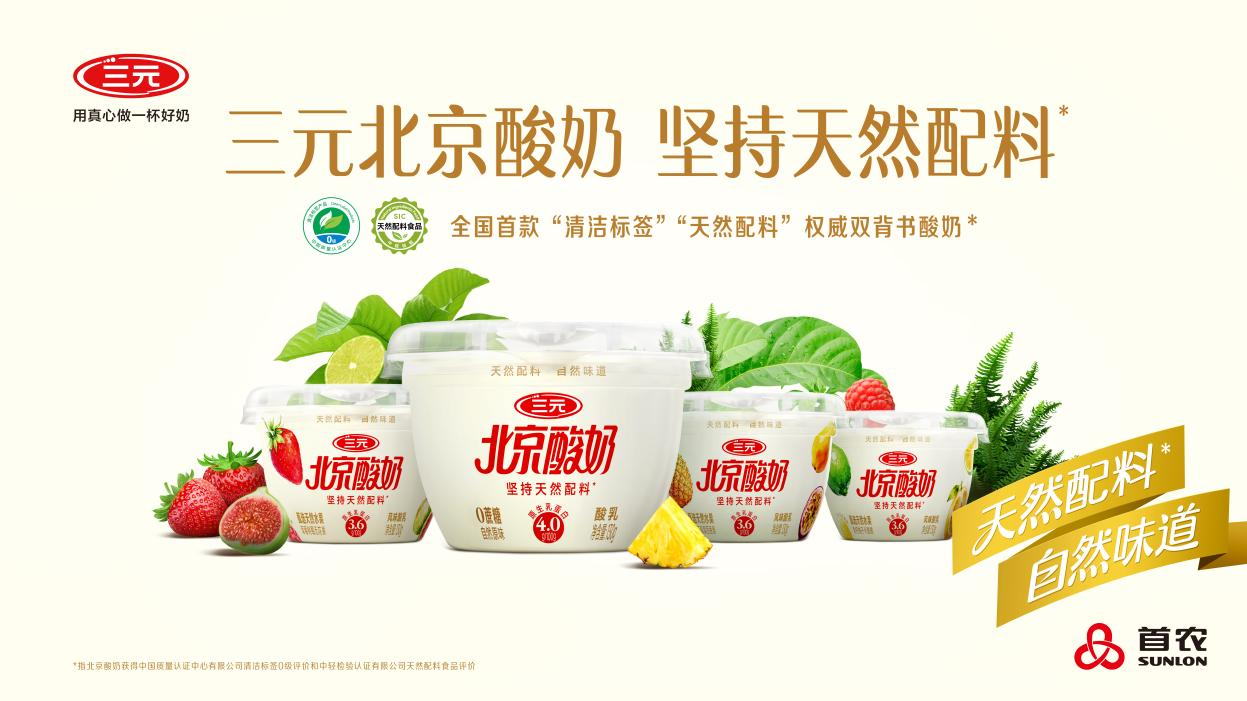
北京人熟悉的三元,用一杯“最干净”的酸奶重新定义自己
经济观察报· 2026-01-30 11:02
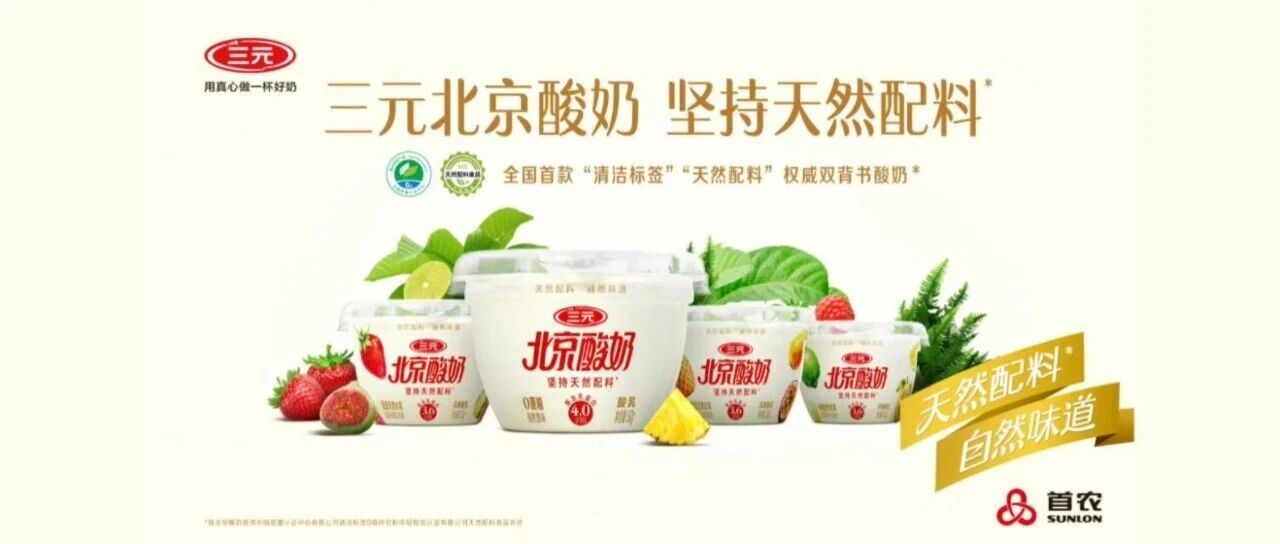
Core Viewpoint - The article highlights the strategic transformation of Sanyuan Foods, focusing on the launch of two key products, "Beijing Fresh Milk" and "Beijing Yogurt," which signify the company's commitment to deepening its presence in the low-temperature dairy market in Beijing [1][4][11]. Product Development - The introduction of "Beijing Yogurt," which is the first low-temperature yogurt in China to receive both "Clean Label Level 0" and "Natural Ingredient Food" certifications, marks a significant technological breakthrough in the low-temperature dairy sector [2][6]. - The development of "Beijing Yogurt" involved extensive research and testing, including over a hundred iterations of strain selection to ensure the product meets high standards for taste and texture without additives [9][10]. Market Strategy - Sanyuan Foods' strategy emphasizes "focusing on Beijing and deepening low-temperature products," which has been validated by the successful market performance of "Beijing Fresh Milk," launched in September 2025 [13][16]. - The company has streamlined its organizational structure, reducing the number of departments from 21 to 14 and cutting personnel by 46%, to enhance agility and resource allocation [18]. Financial Performance - Sanyuan Foods reported a revenue of 48.7 billion yuan for the third quarter of 2025, a 9.7% year-on-year decrease, but a significant increase in net profit by 128.2% to 2.36 billion yuan [16][17]. - The company's market share in low-temperature fresh milk in Beijing reached 58.3%, demonstrating its strong brand presence and competitive advantage in the region [15][21]. Strategic Partnerships - The launch of "Beijing Yogurt" was accompanied by a strategic partnership with JD.com, aimed at enhancing distribution and leveraging both companies' strengths in technology and branding [19][21]. - Sanyuan Foods is positioned as a leader in the Beijing dairy market, with a focus on innovation and quality, which is expected to drive future growth as consumer preferences shift towards natural and clean-label products [10][21].

北京人熟悉的三元,用一杯“最干净”的酸奶重新定义自己
Jing Ji Guan Cha Wang· 2026-01-30 10:57
Core Insights - The launch of "Beijing Yogurt," a dual-certified product, marks a significant technological breakthrough in China's low-temperature dairy market and is a key move in the strategic transformation of Sanyuan Foods [1][4][7] Group 1: Product Development and Innovation - "Beijing Yogurt" is the first low-temperature yogurt in China to receive both the "Clean Label Level 0" and "Natural Ingredient Food" certifications, indicating the highest standards for cleanliness and natural ingredients [4][6] - The development of this yogurt involved extensive research and testing, including over a hundred iterations of strain selection to ensure flavor, texture, and stability without additives [6][7] - The company established a deep co-creation mechanism with suppliers to ensure that the fruit jam used in the yogurt meets the same high standards, enhancing the natural fruit flavor without artificial additives [6][7] Group 2: Strategic Focus and Market Positioning - Sanyuan Foods has shifted its strategy to focus on the Beijing market and low-temperature products, moving from internal adjustments to market validation and deepening its presence [3][14] - The successful launch of "Beijing Fresh Milk" in September 2025, which emphasized 100% self-owned milk sources, laid the groundwork for the subsequent introduction of "Beijing Yogurt" [9][12] - The company holds a 58.3% market share in Beijing's low-temperature fresh milk market, demonstrating its strong brand presence and market advantage [11] Group 3: Organizational and Operational Reforms - Sanyuan Foods has undergone significant organizational restructuring, reducing its headquarters from 21 to 14 departments and cutting personnel by 46% to enhance agility and resource allocation [14][15] - The company has streamlined its product line, eliminating 20% of its SKUs to focus resources on core low-temperature dairy products [14] - A dedicated KA team has been established to tailor products for new retail channels, and strategic partnerships with major retailers and e-commerce platforms have been formed to strengthen market presence [15] Group 4: Financial Performance and Market Validation - Sanyuan Foods reported a revenue of 4.87 billion yuan for Q3 2025, with a net profit of 236 million yuan, marking a significant turnaround from previous losses [13][17] - The company's market share in low-temperature fresh milk has surpassed 50%, indicating successful execution of its strategic focus [16] - Analysts expect that as dairy consumption continues to recover, the results of Sanyuan Foods' reforms will increasingly reflect in its financial performance [17]