
现代物流体系

Search documents
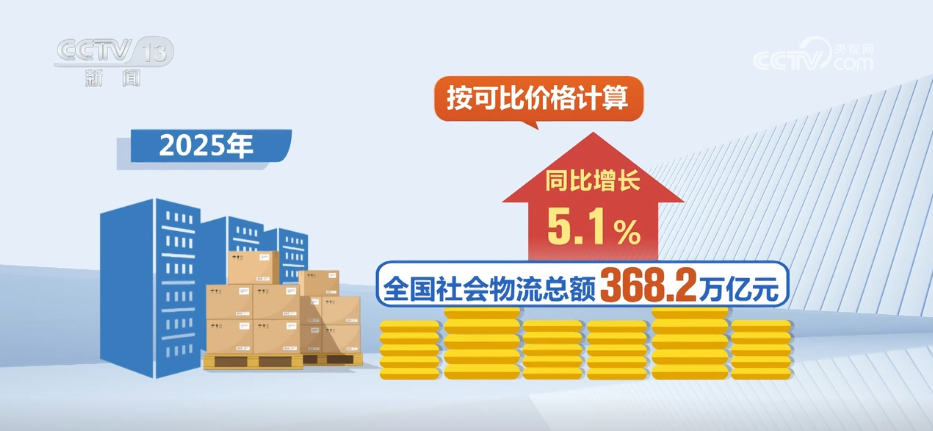
经济发展支撑效能不断增强 2025年全国社会物流总额同比增长5.1%
Zheng Quan Ri Bao· 2026-02-10 15:43
Core Viewpoint - The logistics sector in China is projected to maintain stable growth, with a total social logistics volume of 368.2 trillion yuan by 2025, reflecting a year-on-year increase of 5.1% at comparable prices, indicating strong support for the real economy [1] Group 1: Overall Logistics Growth - The total social logistics volume is expected to grow steadily across all quarters in 2025, with quarterly growth rates of 5.7%, 5.5%, 5.2%, and 5.0% respectively [1] - During the "14th Five-Year Plan" period, the average annual growth rate of social logistics volume is projected to be 5.7%, outpacing GDP growth [1] Group 2: Industrial Logistics - The logistics volume for industrial products is anticipated to grow by 5.3% in 2025, contributing 82% to the overall growth of social logistics [2] - The demand for logistics in equipment manufacturing and high-tech manufacturing is expected to exceed 9%, indicating a shift towards high-end and intelligent logistics [2] Group 3: Consumer Logistics - The logistics volume for units and residents is projected to increase by 5.1%, supported by policies enhancing urban-rural consumption collaboration [2] - Online retail sales of physical goods are expected to grow by 5.2%, accounting for 26.1% of total retail sales, reflecting a stable release of consumption logistics demand [2] Group 4: International Logistics - The logistics volume for imports is expected to grow by 0.5%, with a notable increase to 8.5% in December, indicating a gradual recovery in international logistics [2] Group 5: New Quality Productivity - The logistics volume for industrial robots is projected to grow by 28%, while logistics for new energy vehicles is expected to increase by 25.1%, highlighting the rise of low-carbon and green products [3] - The total logistics volume for recycled resources is expected to grow by 13.2%, maintaining a high growth rate throughout the year [3] Group 6: Logistics Costs and Efficiency - The total logistics costs are projected to reach 19.5 trillion yuan in 2025, with a year-on-year increase of 3.0%, while the ratio of logistics costs to GDP is expected to decline to 13.9% [3] - The logistics industry is expected to generate total revenue of 14.3 trillion yuan, reflecting a growth rate of 4.1%, aligning with logistics demand growth [4] Group 7: Policy and Market Environment - Various departments are implementing supportive policies to enhance logistics efficiency and resource allocation across regions [4] - The logistics industry is expected to maintain a favorable business climate, with an average logistics industry prosperity index of 50.8% in 2025 [4] Group 8: Future Outlook - The logistics sector is anticipated to benefit from favorable market conditions and resilient economic fundamentals, although challenges remain due to structural adjustments and international uncertainties [5] - Continued efforts are needed to lower logistics costs and enhance service quality through innovation and infrastructure improvements [5]
数说2025年物流业发展亮眼成绩单 “小包裹”映照经济“大图景”
Yang Shi Wang· 2026-02-10 04:14
央视网消息:中国物流与采购联合会2月10日公布,2025年全国社会物流总额超368万亿元。2025年我国物流需求规模稳步扩张、结构不断 优化,物流效率持续提升,社会物流总费用与GDP比率降至历史最低水平。 新兴产业物流需求增速显著。2025年工业机器人物流量同比增长28%,新能源汽车物流量同比增长25.1%,新质生产力相关物流需求围绕 产业链上下游逐步形成紧密的循环带动格局。中国物流信息中心主任刘宇航称,特别是围绕着工业机器人、新能源汽车、碳纤维等新动能方面 的制造业领域的物流需求,持续保持了两位数以上的增速,反映出整个国内的产业经济结构逐步向着高端化和绿色化发展。 2025年单位与居民物品物流总额同比增长5.1%,年内延续良好增长态势,各领域消费物流需求潜力稳定释放。2025年进口物流总额同比 增长0.5%,呈现逐季攀升的运行态势。结构上,产业转型、消费升级带动相关货类进口物流量增长较快。 有效降低全社会物流成本成果持续巩固 2025年,调结构、促改革的政策效应持续释放,物流与产业深度联动、协同降本成效显现。 2025年全国社会物流总费用19.5万亿元,社会物流总费用与GDP比率降至13.9%,较2024年 ...

社会物流总费用占GDP比率为13.9%
Ren Min Ri Bao· 2026-02-08 19:31
近年来,我国加快建设供需适配、内外联动、安全高效、智慧绿色的现代物流体系,推动社会物流成本 不断降低,为增强产业核心竞争力、畅通国民经济循环提供支撑。根据中办、国办印发的《有效降低全 社会物流成本行动方案》,到2027年,社会物流总费用与国内生产总值的比率力争降至13.5%左右。 本报北京2月8日电(记者邱海峰)记者日前从国家发展改革委获悉,物流运行情况显示,2025年社会物流 总费用与国内生产总值(GDP)的比率降至13.9%,首次降低至14%以下,较"十三五"末下降0.8个百分 点,再创有统计以来的最好水平。 ...
去年社会物流总费用与GDP比率降至13.9%
Xin Lang Cai Jing· 2026-02-07 22:52
Core Insights - The ratio of total social logistics costs to GDP in China is projected to drop to 13.9% by 2025, marking the first time it falls below 14%, a decrease of 0.8 percentage points compared to the end of the 13th Five-Year Plan, achieving the lowest level on record [1] - This reduction indicates that for every 100 yuan of GDP created, logistics expenses will be reduced to 13.9 yuan, contributing to cost reduction and efficiency improvement in the real economy [1] Group 1 - The construction of major logistics hubs is accelerating, and the "channel + hub + network" operational system is continuously improving, effectively lowering the cost of individual logistics activities [1] - The integration of logistics with industry is optimizing the supply chain structures of manufacturing and commerce, reducing redundant logistics links and lowering the intensity of logistics activities [1] - Digital and green transformations are fundamentally changing the logistics industry, with more logistics companies using digital technologies to optimize management systems and significantly reduce empty transport rates [1] Group 2 - The construction of a unified national market is addressing issues such as industry monopolies, local protectionism, and regional segmentation in the logistics sector, leading to a significant reduction in institutional costs for social logistics [2]
去年社会物流总费用与GDP比率降至13.9% 再创有统计以来最低水平
Jing Ji Ri Bao· 2026-02-07 22:09
Core Viewpoint - By 2025, the ratio of total social logistics costs to GDP in China is expected to drop to 13.9%, marking the first time it falls below 14%, a decrease of 0.8 percentage points compared to the end of the 13th Five-Year Plan, achieving the lowest level since records began [1] Group 1: Logistics Cost Reduction - The reduction in logistics costs means that for every 100 yuan of GDP created, logistics expenses will be 13.9 yuan, further reducing costs and increasing efficiency for the real economy [1] - The construction of major logistics hubs has accelerated, and the "channel + hub + network" operational system continues to improve, effectively lowering the cost of individual logistics activities [1] Group 2: Integration and Optimization - The integration of logistics with industries such as manufacturing and commerce has optimized the supply chain structure, reducing redundant logistics links and lowering the intensity of logistics activities [1] - Digital and green transformations are fundamentally changing the logistics industry, with more logistics companies using digital technologies to optimize management systems and significantly reduce empty transport rates [1] Group 3: Institutional Cost Reduction - The construction of a unified national market is addressing issues such as industry monopolies, local protectionism, and regional fragmentation in the logistics sector, leading to a significant decrease in institutional costs for social logistics [2]
首都现代物流骨干网络体系进入实体化运行阶段
Xin Lang Cai Jing· 2025-12-31 16:59
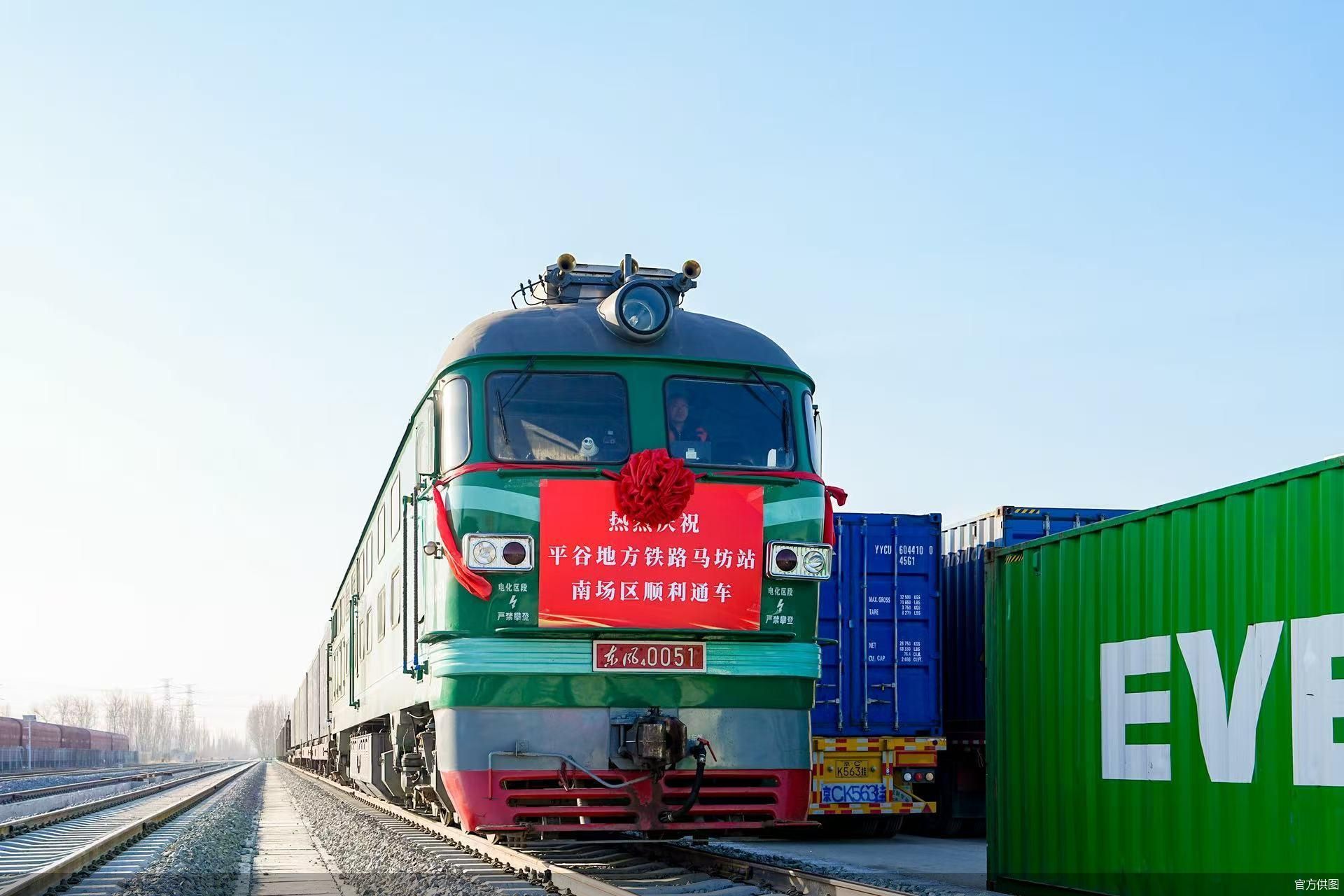
Group 1 - The core achievement of the modern logistics backbone network in Beijing has been marked by the launch of the Zhaogongkou warehouse and the Heizhuanghu center warehouse, indicating the operational phase of the "urban large warehouse - end front warehouse" logistics system [1] - The logistics backbone network is a significant initiative to implement Beijing's 14th Five-Year Plan, aiming to create a "green, efficient, and smart" logistics system [1] - The Zhaogongkou warehouse is strategically located in the transportation hub area and aims to achieve overnight delivery of fresh and essential goods, while the Heizhuanghu warehouse, over 1,000 square meters, will support efficient urban distribution [1] Group 2 - The completion and operation of the railway southern area of the Jingping comprehensive logistics hub is a key part of the Jingping "H" railway capacity expansion project, designed to handle an annual loading capacity of 5 million tons [2] - The logistics system focuses on the "public transport to rail" strategy for bulk goods, promoting carbon reduction and cost efficiency through a "railway dedicated line + new energy heavy truck" green transportation system [2]
京平综合物流枢纽南场区通车 同步启用前置仓
Bei Jing Shang Bao· 2025-12-26 04:12
Core Insights - The construction of the modern logistics backbone network in Beijing has made significant progress with the official launch of the Capital No. 1 Node Warehouse (Zhaogongkou Warehouse) and the Capital No. 1 Central Warehouse (Heizhuanghu Warehouse) [2] - The project marks the transition to the operational phase of the logistics network, which is part of Beijing's 14th Five-Year Plan to establish a modern logistics system [2] Group 1 - The Capital No. 1 Node Warehouse is strategically located in the transportation hub area between the South Third Ring and South Fourth Ring, serving a 5-kilometer radius and utilizing an innovative "night-time intensive transportation + in-warehouse combined distribution" model [3] - The Central Warehouse, exceeding 1,000 square meters, will collaborate with multiple future warehouses to support an efficient urban delivery network [3] - By 2026, the plan includes the establishment of 50 front warehouses in the urban area, with a total of approximately 100 warehouses planned to create a smart collaborative delivery system covering the entire city [3] Group 2 - The railway southern area of the Beijing-Ping logistics hub has also been put into operation, designed to handle an annual unloading capacity of 5 million tons, focusing on the "public-to-rail" transportation of bulk materials [4] - The establishment of the "Northern Imported Fruits (Beijing) Distribution and Trading Center" and the "Beijing Ping International Bulk Commodity Digital Supply Chain Distribution Center" aims to enhance supply chain integration and trade services [4] - The Beijing-Ping logistics hub is a key component in building Beijing as a "logistics highland" and has been included in the national logistics hub construction list, with future capacity expected to reach 40 million tons annually upon completion of the railway expansion project [4]
【中国经济新看点】全社会物流成本有效降低
Jing Ji Ri Bao· 2025-11-29 11:46
Core Insights - The logistics sector is crucial for the real economy, with a total logistics cost of 14.2 trillion yuan in the first three quarters, representing 14% of GDP, marking the lowest level since records began [1][2][3] Group 1: Logistics Cost Reduction - The "linkage unloading" model implemented in the Yangtze River Delta has significantly reduced logistics costs, saving approximately 200 yuan for imports and 400 yuan for exports per container [2] - The ratio of social logistics costs to GDP has decreased from 18% in 2012 to 14% in 2024, with a current rate of 14% as of Q3 this year [2][3] - The reduction in logistics costs is attributed to the optimization and innovation within the logistics industry and its integration with supply chains [3] Group 2: Infrastructure and Technological Advancements - The logistics sector has seen significant improvements in service quality and efficiency, with the establishment of 181 national logistics hubs and 105 cold chain logistics bases [4] - The digitalization and automation of logistics operations have led to a high delivery success rate, with over 85% in key regions within 72 hours [4] - The application of advanced technologies such as big data, cloud computing, and AI in logistics is enhancing productivity and reducing costs [5][6] Group 3: Policy and Structural Reforms - The "Action Plan" aims to reduce the logistics cost-to-GDP ratio to around 13.5% by 2027, focusing on transportation, warehousing, and management costs [7][8] - The current composition of logistics costs includes approximately 57% for transportation, 31.6% for warehousing, and 11.4% for management [7] - Structural reforms are essential for reducing logistics costs, emphasizing the need for improved integration across different transport modes and logistics sectors [8]
全社会物流成本有效降低
Jing Ji Ri Bao· 2025-11-29 00:17
Core Insights - The logistics sector is crucial for the real economy, with a significant reduction in logistics costs supporting economic development and enhancing resource allocation efficiency [1][2][3] - In the first three quarters, China's total social logistics costs reached 14.2 trillion yuan, with a GDP ratio of 14%, marking the lowest level since records began [1][2][3] Group 1: Logistics Cost Reduction - The "linkage unloading" model implemented between Yangshan Port and Lusi Port has successfully reduced logistics costs, saving approximately 200 yuan for imports and 400 yuan for exports per container [2] - The ratio of social logistics costs to GDP has decreased from 18% in 2012 to 14% in 2024, with the current figure at 14% as of Q3 this year [2][3] Group 2: Structural Improvements - The reduction in logistics costs is attributed to the optimization and innovation within the logistics industry, as well as the deep integration of logistics with supply chains [3][4] - The logistics system is being enhanced through the construction of major logistics hubs and the establishment of a "channel + hub + network" operational framework [3][4] Group 3: Technological Advancements - The logistics sector is experiencing significant advancements in digitalization and automation, with the number of automated container terminals and bulk cargo terminals leading globally [4][5] - The application of technologies such as big data, cloud computing, and artificial intelligence is transforming logistics into a new productive force [5][6] Group 4: Policy and Reform - The "Action Plan" issued by the central government aims to reduce the logistics cost-to-GDP ratio to around 13.5% by 2027, focusing on key areas like railway and road freight [7][8] - The logistics cost structure consists of transportation (57%), warehousing (31.6%), and management costs (11.4%), indicating potential areas for further cost reduction [7][8]
【西安】对外交通与城市轨道建设多点突破
Shan Xi Ri Bao· 2025-10-28 22:43
Core Insights - The 2024 Xi'an Urban Transportation Development Annual Report highlights the city's commitment to enhancing comprehensive transportation infrastructure, promoting smart transportation, and optimizing multi-modal travel and logistics systems, which are expected to strengthen regional collaboration and urban capacity [1] Transportation Infrastructure Development - Xi'an is making significant progress in external transportation and urban rail construction, with the completion of the T5 terminal at Xi'an Xianyang International Airport and the operationalization of the northern second runway [1] - The construction land delivery rate for Xi'an East Station and its hub project reached 83%, with ongoing developments in the Xiyang, Xishi, and Xikang railways [1] - The total operational length of the urban rail transit network increased to 403 kilometers, adding 92 kilometers compared to the previous year, which helps alleviate urban traffic pressure and enhance the city's overall capacity [1] Vehicle Ownership and Traffic Management - By the end of 2024, Xi'an's vehicle ownership is projected to reach 5.7352 million, with a continuous growth rate exceeding 9% for three consecutive years, including 644,700 new energy vehicles growing at 53.6% [2] - The proportion of individual motorized travel in the central urban area rose to 27.9%, an increase of 0.8% [2] - To address traffic congestion, Xi'an is advancing road construction and micro-renovations, implementing smart measures like variable lanes and intelligent traffic control, resulting in improved traffic efficiency, particularly within the second ring road [2] Multi-modal Transportation and Logistics - The multi-modal transfer system in Xi'an is being continuously improved, with the High-tech Yunba and rail network establishing three transfer stations, achieving a passenger flow of 27,000 on the first day of operation [2] - The "Jie Bus" service covers an area of 23.5 square kilometers, serving 77 industrial parks and 18 residential areas, with an average daily ridership of over 2,000 [2] - The "Community Bus" service operates in 243 communities, with 218 customized bus routes transporting over 1 million passengers [2] Freight and Logistics Growth - In 2024, Xi'an's external cargo transport volume is expected to reach 30,552,400 tons, marking a year-on-year increase of 2.7% [2] - The "Four Hubs and One Base" logistics framework is projected to handle a cargo throughput of 135 million tons, generating logistics business revenue of 162.636 billion yuan, with over 25,000 enterprises clustered in the area [2] - The China-Europe Railway Express (Xi'an) is anticipated to operate 4,985 trains throughout the year, leading the nation in key performance indicators, while air cargo and mail throughput is expected to grow by 9.3% [2][3]