生态保护补偿

Search documents
川流不息,京津冀携手护水
Xin Jing Bao· 2026-02-26 06:38
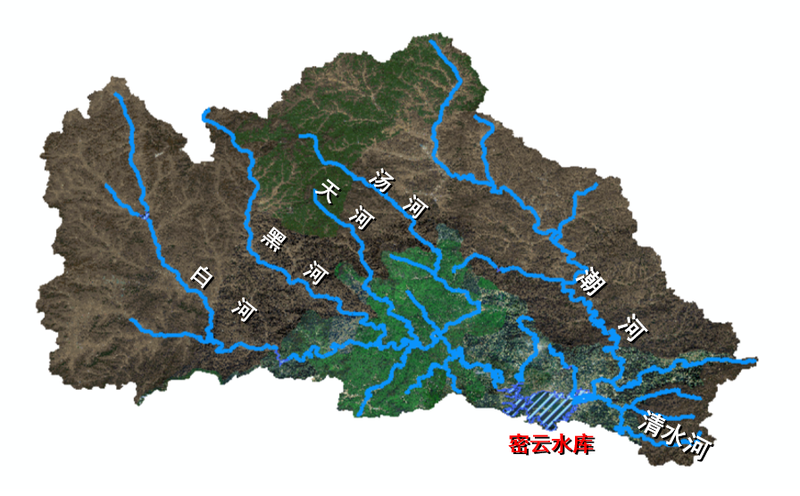
密云水库虽位于北京,但水库的汇水面积有三分之二在河北。从来水看,密云水库由潮河、白河两大流域汇流而 成,其中白河起源于河北省张家口市沽源县,再经赤城县、延庆区、怀柔区,流入密云水库;潮河发源于河北省 承德市丰宁满族自治县,再经滦平县、密云区,流入密云水库。 密云水库流域图。受访者供图 协同护水,不能再单打独斗。近年来,密云水库流域京冀"三区五县"上下联动,协同施策,护好"大水缸"。2025 年12月1日起,密云水库水源保护迎来重要时刻,《密云水库水源保护条例》正式施行,为护水、保水立下"硬规 矩"。 中国工程院原副院长、沈国舫院士指出,国家制定专门的行政法规以进一步提高密云水库水源保护工作规 范化、制度化水平,这将为保障首都水安全提供有力支撑。他认为,《密云水库水源保护条例》以国家行政法规 形式立法,覆盖北京、河北两地,"体现了严肃性,对北京、河北地方政府的要求更加严格,力度更大。" 马年春节已过,大地微暖,发源于河北的潮河、白河如两条碧绿丝带蜿蜒辗转,缓缓注入密云水库这个首都的"大 水缸"。由此再往西百余公里,官厅水库水面铺展辽阔,成群水鸟嬉戏栖息,鸟鸣不时划破长空。北京城往东看, 运河畔天蓝水清,市民亲水 ...

香格里拉纳帕海鸟类达271种 成度夏越冬乐园
Zhong Guo Xin Wen Wang· 2026-02-02 12:36
中新网迪庆2月2日电 (赵旭燕)2月2日是第30个世界湿地日,云南省迪庆藏族自治州纳帕海省级自然保护 区管护局当日进行湿地保护宣传活动。"十四五"期间,该局聚焦湿地保护,鸟类新增61种,总量达271 种,让纳帕海成为鸟类的度夏越冬乐园。 纳帕海位于迪庆州香格里拉市,在藏语里意为"森林背后的湖泊",平均海拔3260米,是云南省低纬度高 海拔地区最具代表性的季节性湖沼湿地。1984年,纳帕海省级自然保护区成立,总面积2400公顷,其中 国际重要湿地面积为2083公顷,是云南五个国际重要湿地之一。 5只候鸟在纳帕海嬉戏。 黄兴鸿 摄 当日,纳帕海管护局设置宣传展板,向市民发放宣传资料,图文并茂解读《中华人民共和国湿地保护 法》等法律法规,普及高原湿地生态价值等。 纳帕海管护局宣教科科长文杰介绍,2016年以来,该局持续实施纳帕海国际重要湿地生态保护补偿项 目,截至目前累计投入资金6288万元,完成六期项目补偿。通过建立《湿地生态保护补偿机制》、制定 《湿地生态保护补偿项目管理办法》,与农户签订《农户承诺书》,开展限牧受损补偿、湿地恢复区封 育受损补偿等工作,累计恢复退化湿地面积11000亩,耕地补偿427.81亩, ...

云南在全国率先出台《生态保护补偿条例》省级配套政策
Xin Lang Cai Jing· 2026-01-06 20:32
Core Viewpoint - Yunnan Province has become the first in the country to implement the "Ecological Protection Compensation Regulations" at the provincial level, establishing a diversified compensation system to enhance ecological safety and promote green economic transformation [1][2]. Group 1: Implementation Details - The "Implementation Rules" consist of 6 chapters and 30 articles, covering general provisions, fiscal vertical compensation, inter-regional horizontal compensation, market mechanism compensation, management and supervision, and supplementary provisions [1]. - The rules aim to institutionalize and standardize local practices in ecological protection compensation, providing strong institutional support for ecological civilization construction and facilitating comprehensive green transformation of the economy and society [1]. Group 2: Compensation Mechanisms - Fiscal vertical compensation will be provided to units and individuals engaged in the protection of important ecological elements in key ecological function areas, with the provincial finance department coordinating central transfer payments to support specific ecological restoration areas [2]. - Inter-regional horizontal compensation encourages ecological benefit areas to establish compensation mechanisms through negotiation with ecological protection areas, focusing on river basins, highland lakes, and major water diversion projects [2]. - Market mechanism compensation promotes the purchase of ecological products and services, green financial support, and the establishment of an ecological product trading center, as well as the development of market-based compensation mechanisms in specific ecological areas [2]. Group 3: Market-oriented Compensation Models - The implementation rules reflect Yunnan's exploration of the "Two Mountains" transformation path and emphasize incentive mechanisms such as franchising, revenue rights certificates, and land policy incentives [3]. - The rules promote collaborative governance, encouraging cost-sharing and benefit-sharing between upstream and downstream areas, as well as between beneficiaries and protection zones [3].
报告称“十五五”期间中国生态补偿资金投入规模预计每年不低于2000亿元
Zhong Guo Xin Wen Wang· 2026-01-04 15:30
Core Viewpoint - The report indicates that during the "14th Five-Year Plan" period, China is expected to maintain an annual ecological compensation fund investment of no less than 200 billion RMB, focusing on key ecological function areas and ecologically fragile regions [1][2] Group 1: Ecological Compensation Mechanism - China has established the world's largest ecological compensation mechanism in terms of coverage, beneficiary population, and investment intensity [1] - The implementation of the "Ecological Protection Compensation Regulations" will make China the first country globally to legislate comprehensively on ecological protection compensation [1] - Local governments are actively engaging in vertical fiscal compensation, with practices such as the expansion of provincial compensation in Shaanxi [1] Group 2: Future Developments - The report anticipates the establishment of a unified horizontal ecological protection compensation mechanism for the Yangtze and Yellow River basins, gradually covering key river systems and their important tributaries [2] - The mechanism will also extend to other ecological environmental factors with spillover effects, such as air and solid waste [2] - Green finance is expected to significantly empower ecological compensation projects, with green loan balances projected to exceed 5 trillion RMB [2]
焦点访谈|奏响新时代长江之歌:十年守护 见证绿色蝶变
Yang Shi Wang· 2026-01-04 13:29
Core Viewpoint - The article emphasizes the significant transformation of the Yangtze River over the past decade, driven by the principle of "promoting major protection and not major development," leading to improved ecological conditions and high-quality development along the river [1]. Group 1: Ecological Protection and Restoration - The Yangtze River has seen a revival in biodiversity, with the number of fish species in the Yibin section increasing from 48 in 2019 to 92 in 2024, indicating a positive trend in ecological restoration [4]. - The establishment of the largest Yangtze sturgeon breeding base aims to produce over 1 million juvenile fish annually, reflecting efforts to recover endangered species [4]. - The Yibin area has implemented strict measures to combat pollution, including the closure of over 1,900 illegal paper-making workshops and the remediation of 155 sewage outlets, resulting in a significant improvement in water quality [6]. Group 2: Economic and Social Development - The Yangtze Economic Belt has achieved a centralized sewage collection rate of 76.4% and a 96.3% proportion of good water quality at national control sections by 2024, showcasing the effectiveness of pollution control measures [8]. - The ecological compensation mechanism established between cities, such as Wuhan and its upstream counterparts, promotes collaborative efforts in water quality management, enhancing the overall ecological health of the river basin [10][12]. - The transformation of industrial practices, such as the relocation of Tianyuan Group's chemical plant away from the river, has facilitated the development of new energy industries, contributing to the economic growth of Yibin [6]. Group 3: Sustainable Development Initiatives - The comprehensive restoration efforts in the Wushan area have led to the removal of over 300 polluting enterprises and the rehabilitation of 12 kilometers of riverbank, transforming the region into a vibrant ecological zone [18]. - The principle of "promoting major protection and not major development" has shifted the focus from extensive development to a model that prioritizes ecological sustainability, resulting in a dual benefit of economic and ecological gains [19].

财政部:积极培育新兴产业和未来产业 持续推动制造业转型升级
智通财经网· 2025-11-07 10:56
Core Viewpoint - The report emphasizes the acceleration of new growth momentum in China's economy through enhanced fiscal policies, support for innovation, and investment in key industries, while ensuring the stability of employment and market expectations [1][3]. Group 1: Fiscal Policy and Economic Growth - The fiscal policy is increasingly proactive, focusing on stabilizing employment, businesses, and market expectations, while promoting economic recovery [3][4]. - A total of 300 billion yuan in special bonds is allocated to support the replacement of consumer goods, which is expected to stimulate significant retail sales [4][15]. - The central government plans to increase its technology funding to 398.12 billion yuan in 2025, a 10% increase from the previous year, focusing on core technology and strategic industries [5][21]. Group 2: Investment and Consumption - The government aims to enhance domestic demand by boosting consumption and effective investment, with a focus on key sectors and weak links [13][16]. - The issuance of special bonds has accelerated, with 5.55 billion yuan issued in the first half of the year, completing 42.7% of the annual target [16]. - The manufacturing sector is expected to see a 10.3% increase in industrial investment, driven by government support for technological upgrades [17]. Group 3: Employment and Social Welfare - The central government allocated 667.4 billion yuan for employment support, with 6.95 million new urban jobs created in the first half of the year [27][28]. - Education spending increased by 5.9% to 2.15 trillion yuan, with a focus on improving quality and access to education [29][30]. - Basic public health service funding reached 804.35 billion yuan, enhancing health management and disease prevention efforts [32][33]. Group 4: Risk Management and Financial Stability - The government is implementing measures to mitigate financial risks, including the management of local government debt and the promotion of real estate market stability [7][9]. - A comprehensive approach to fiscal management is being adopted, including reforms in tax systems and budget execution to ensure effective use of resources [7][12]. Group 5: Innovation and Technology - The report highlights the importance of integrating technological innovation with industrial development, with a focus on enhancing research capabilities and supporting key technology projects [20][21]. - Funding for basic research is set to increase by 12.1%, emphasizing the need for original innovation and support for research institutions [21][22]. Group 6: Environmental and Social Development - The government is committed to ecological protection and sustainable development, with significant funding allocated for pollution control and ecosystem restoration [38][39]. - Social welfare programs are being expanded, with increased support for vulnerable populations and efforts to improve living standards [34][35].
密云水库水源保护条例
Xin Hua Wang· 2025-10-11 09:49
Core Points - The regulation aims to strengthen the protection of the Miyun Reservoir water source and promote green development in the Miyun Reservoir basin [2] - The regulation applies to the Miyun Reservoir and its upstream rivers, including the Chao River and Bai River, covering specific administrative regions in Beijing and Hebei Province [3] - The protection efforts should align with national policies, emphasizing priority in protection, coordinated development, and improvement of people's livelihoods [3] Group 1 - The local governments of Beijing and Hebei are responsible for coordinating the protection efforts and addressing major issues [4] - A comprehensive plan for water source protection will be jointly developed by the governments of Beijing and Hebei, outlining objectives, tasks, and measures [5] - Local governments must consider water source protection needs in land use planning and ensure that industrial structures align with ecological requirements [6][7] Group 2 - Local governments are required to implement strict water usage controls and monitor water pollution sources in the Miyun Reservoir basin [9][10] - Prohibitions include the establishment of livestock breeding areas and the use of chemical fertilizers and pesticides in sensitive zones [6][12] - Measures for ecological restoration and pollution reduction will be undertaken, including the construction of sewage treatment facilities and waste management systems [8][11] Group 3 - The regulation establishes a monitoring network for water quality and quantity, with shared information mechanisms among local governments [18] - Joint law enforcement efforts will be promoted to ensure compliance with water source protection regulations [14] - Financial support and incentives will be provided to encourage green development in the Miyun Reservoir basin [15][16] Group 4 - Violations of the regulations will result in penalties, including fines and potential criminal charges for severe infractions [17][27] - The regulation will take effect on December 1, 2025, establishing a framework for ongoing water source protection efforts [29]
中共国家发展改革委党组:绘就美丽中国画卷 推动生态文明建设再上新台阶
国家能源局· 2025-08-07 06:24
Core Viewpoint - The construction of a beautiful China is positioned as a key goal in the modernization of the socialist state and is essential for the realization of the Chinese Dream of national rejuvenation [3][4]. Group 1: Importance of Building a Beautiful China - Building a beautiful China is a significant strategic deployment by the central leadership, focusing on harmonious coexistence between humans and nature, and responding to the people's aspirations for a better life [4]. - The commitment to ecological priority is essential for achieving modernization that harmonizes human and natural relationships [5]. - A good ecological environment is fundamental for sustainable development, and the central government has prioritized ecological civilization since the 18th National Congress [4][5]. Group 2: Progress and Achievements - Since the 18th National Congress, significant progress has been made in ecological protection and restoration, with policies and actions being implemented effectively [8]. - The green industry transformation is accelerating, with coal consumption projected to decrease to 53.2% by 2024, a reduction of over 15 percentage points since 2012 [8]. - The national forest coverage rate is expected to exceed 25% by the end of 2024, surpassing the targets set for the 14th Five-Year Plan [9]. Group 3: Ecological Protection and Compensation - The establishment of a comprehensive ecological protection compensation mechanism has been a major achievement, with over 200 billion yuan allocated for ecological protection compensation by 2024 [9]. - More than half of the forests and grasslands in the country are now included in the compensation scope, with 30 cross-provincial ecological compensation mechanisms established [9]. - The introduction of market-based ecological protection compensation funds aims to enhance the effectiveness of ecological protection efforts [11][12]. Group 4: Future Directions - The focus will be on promoting a comprehensive green transformation of economic and social development, with an emphasis on energy conservation and carbon reduction [10]. - The development of a circular economy and resource recycling systems will be prioritized to improve resource utilization efficiency [10]. - Major ecological projects will be advanced, emphasizing integrated protection and systematic governance of natural ecosystems [11].

中共国家发展改革委党组:绘就美丽中国画卷 推动生态文明建设再上新台阶
Ren Min Ri Bao· 2025-08-07 03:54
Core Viewpoint - The construction of a beautiful China is positioned as a key goal in the modernization of the country and the rejuvenation of the nation, emphasizing ecological civilization and sustainable development [1][2][3]. Group 1: Importance of Ecological Civilization - The construction of a beautiful China is a strategic deployment by the central government to achieve harmony between humans and nature, responding to the people's aspirations for a better life [1][2]. - The emphasis on ecological protection is seen as essential for sustainable social development, with a commitment to prioritize ecological civilization in national work [2][3]. Group 2: Green Development and High-Quality Growth - The integration of high-quality development with high-level ecological protection is crucial, with a focus on treating ecological protection as a form of productivity [3][4]. - The need for a unified national approach to green development is highlighted, with support for key regions to prioritize ecological protection and high-quality ecological products [3][4]. Group 3: Progress in Ecological Protection - Significant advancements have been made in ecological protection and restoration projects, with millions of acres of land being reforested and desertified land being treated [6]. - The establishment of a comprehensive ecological protection compensation mechanism has been initiated, with substantial funding allocated for ecological protection [7]. Group 4: Economic and Resource Management - The acceleration of green industry transformation is underway, with specific action plans for energy-intensive industries aimed at reducing coal consumption and improving energy efficiency [5][8]. - The development of a circular economy is being promoted, with a focus on resource recycling and water conservation, achieving high rates of resource reuse [5][8]. Group 5: Future Directions and Policies - The implementation of the Ecological Protection Compensation Regulations aims to enhance the legal effectiveness of ecological compensation and explore market-based funding mechanisms [9]. - The promotion of high-quality ecological industry development is emphasized, with a focus on innovative compensation methods and the integration of ecological protection with economic growth [9].
绘就美丽中国画卷 推动生态文明建设再上新台阶
Ren Min Ri Bao· 2025-08-06 22:49
Core Viewpoint - The construction of a beautiful China is positioned as a prominent goal in the modernization of the country and the rejuvenation of the nation, emphasizing ecological civilization as a key component of the Chinese Dream [1][2]. Group 1: Importance of Ecological Civilization - The construction of a beautiful China is a strategic deployment by the central government to achieve harmony between humans and nature, responding to the people's aspirations for a better life [2][3]. - The emphasis on ecological protection is seen as essential for sustainable social development, with a commitment to prioritize ecological civilization in national work [2][4]. Group 2: Green Development and High-Quality Growth - The integration of ecological protection with economic development is crucial, with the idea that protecting the environment equates to protecting productivity [3][5]. - The government aims to optimize land use, promote green and low-carbon development, and ensure that ecological protection supports high-quality economic growth [3][6]. Group 3: Public Welfare and Environmental Justice - A good ecological environment is viewed as a fundamental public good and a vital aspect of people's well-being, with increasing demand for clean water and air [4][5]. - The government is committed to addressing environmental equity and enhancing public engagement in ecological protection efforts [4][6]. Group 4: Progress and Achievements - Since the 18th National Congress, significant progress has been made in ecological protection, with policies aimed at reducing carbon emissions and promoting resource recycling [5][6]. - Major ecological projects have been implemented, resulting in increased forest coverage and improved water quality in key regions [6][7]. Group 5: Future Directions - The government plans to continue promoting green transformation across all sectors, focusing on energy conservation and carbon reduction [7][8]. - There is an emphasis on establishing a market-oriented ecological compensation system to incentivize ecological protection and sustainable development [8].