
硬科技投资

Search documents
距离物理世界最近的美团,为被投企业搭建AI“训练场”
Jing Ji Guan Cha Bao· 2026-03-30 12:57
Core Insights - Meituan is strategically shifting its focus from consumer internet to hard technology investments, with a significant increase in the proportion of hard tech investments in recent years [2][3][6] Investment Strategy - In 2021, Meituan upgraded its strategy to "Retail + Technology" and established a dedicated hard tech investment team, leading to a rapid increase in hard tech investment, which reached 64% of total investments by 2022 [2][3] - Meituan has invested in 89 events from 2020 to May 2025, with over half directed towards hard tech [2] Key Investments - Meituan has been an early investor in various hard tech companies, including Airlango, Innoviz, and GaoXian Robotics, positioning itself ahead of competitors [1][2] - Notable investments include leading a $300 million Series D round for Hesai Technology, which integrated its lidar technology into Meituan's delivery vehicles [2][4] Robotics Focus - Meituan has made significant investments in robotics, with at least 16 companies in the field receiving funding, 10 of which have become unicorns [5][6] - The company has invested in Galaxy General, which focuses on humanoid robots, and has been a key player in the development of smart pharmacy solutions [4][7] Unique Value Proposition - Meituan's proximity to the physical world, with a vast local ecosystem and extensive delivery network, provides unique resources and data for its portfolio companies [7][8] - The collaboration with companies like Itstone Technology enhances Meituan's logistics capabilities, leveraging accumulated operational data for better service delivery [8] Research and Development - Meituan is heavily investing in its own hard tech infrastructure, with a reported R&D expenditure of 26 billion yuan in 2025, focusing on AI and robotics [10][11] - The company has developed its own large language model, LongCat, and is integrating AI capabilities into its applications to enhance user experience in real-world scenarios [10][11]

上海科创投董事长朱民:以硬科技投资逻辑锚定具身智脑赛道,以长资本赋能未来产业生态
IPO早知道· 2026-03-30 05:43
Core Viewpoint - The article emphasizes the importance of hard technology investment, highlighting the principles of "technology barriers as king, long-term value as fundamental, domestic substitution as essential, and industrial landing as root" [2] Group 1: Event Overview - The "Embodied Intelligence AI Software and Hardware Ecosystem Integration Working Group" meeting and the first Embodied Intelligence Technology Ecological Conference were held in Shanghai on March 27, 2026, to promote the development of the embodied intelligence industry [3] - The conference aimed to build a collaborative innovation ecosystem through deep cooperation among government, industry, academia, research, and application [3] Group 2: Investment Logic and Opportunities - The chairman of Shanghai Technology Venture Capital Group, Zhu Min, discussed the investment logic and ecological opportunities in the embodied intelligence field, emphasizing the need for long-term capital to empower the ecosystem [4][5] - The core logic of hard technology investment is summarized in four aspects: technology barriers, long-term value, domestic substitution, and industrial landing [6] Group 3: Key Investment Tracks - The first track focuses on the "embodied brain," particularly on algorithms and large models, assessing originality and adaptability for physical interaction [7] - The second track, "embodied small brain," emphasizes the importance of core component control systems, focusing on domestic substitution and scalability [8] - The third track involves the overall application and scene application of embodied intelligence, prioritizing essential scenarios and commercial viability [9] Group 4: Capital and Ecosystem Integration - The company aims to leverage its capital to connect the entire embodied intelligence industry ecosystem, focusing on four types of synergies: investment-loan linkage, industry-academia-research collaboration, industry chain linkage, and policy-market linkage [9][10] - The goal is to support early-stage research and development, facilitate technology transfer, and promote commercial landing of products in the embodied intelligence sector [10]

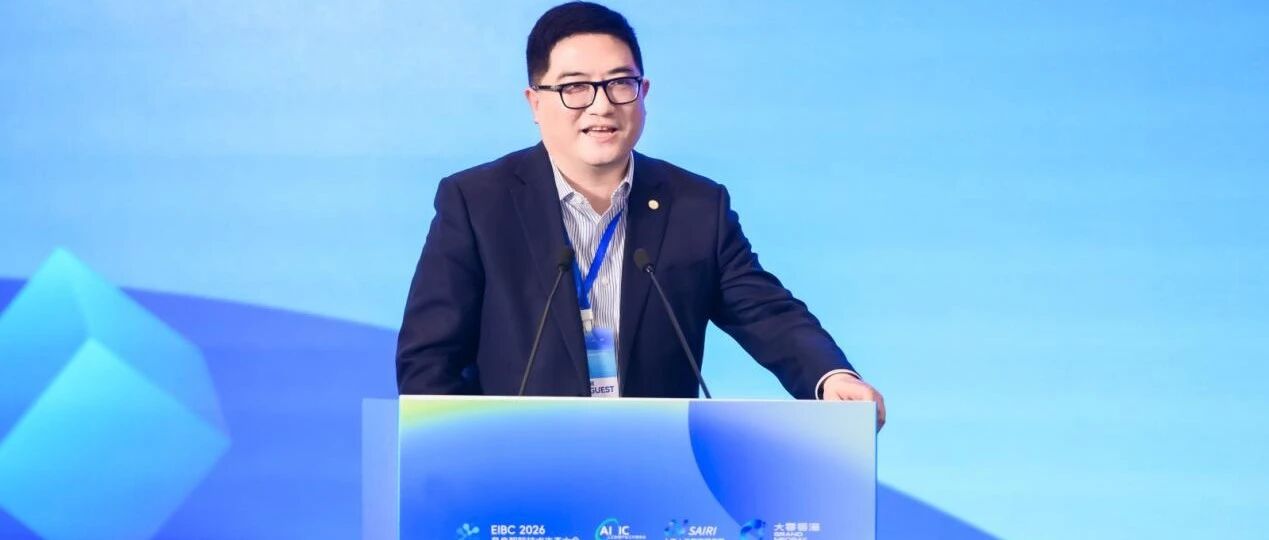
为何这一轮硬科技独角兽背后,都有美团?
Sou Hu Cai Jing· 2026-03-30 03:01
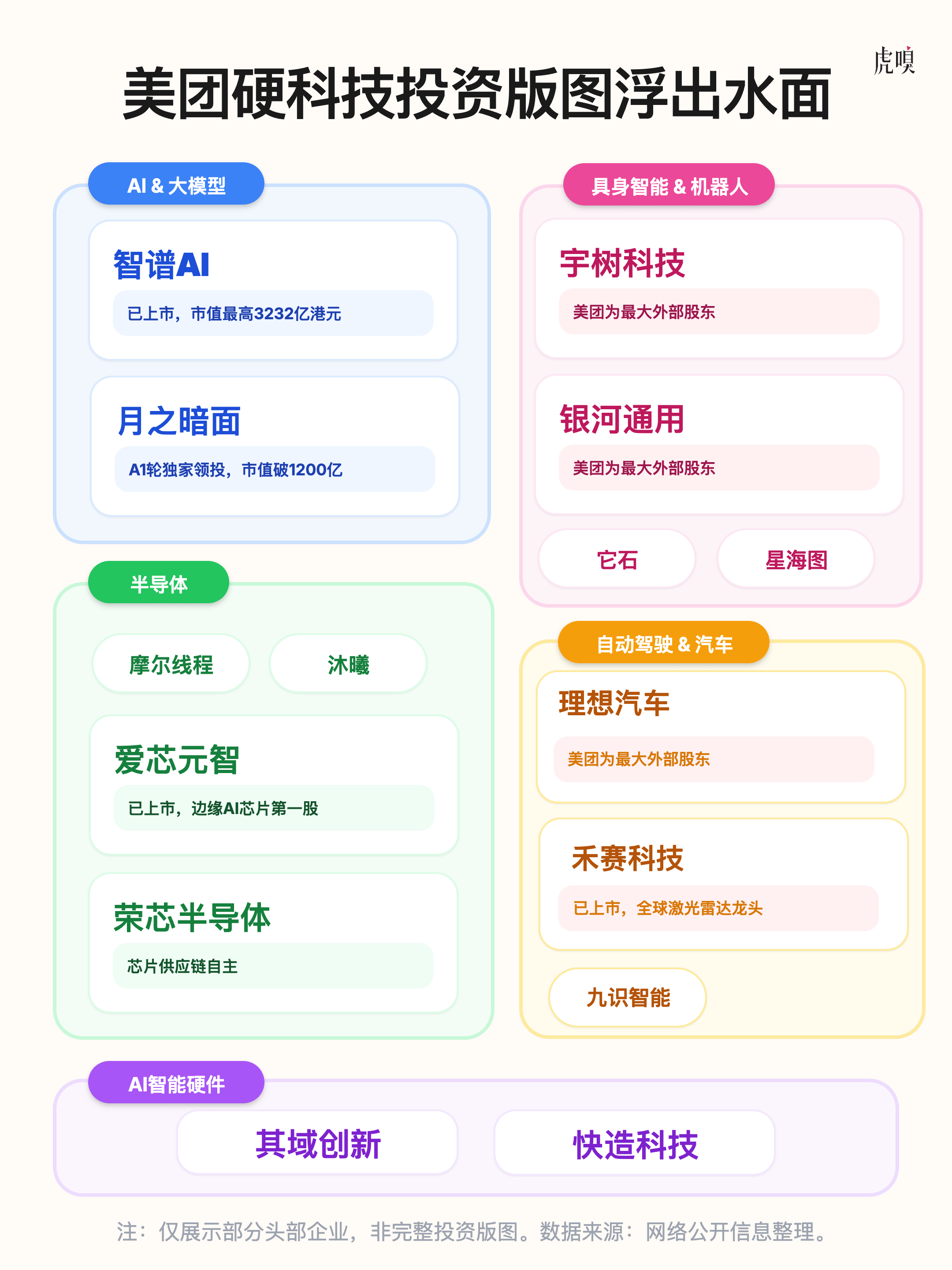
Group 1 - The core focus of Meituan's investment strategy has shifted from "Food + Platform" to "Retail + Technology," with a significant emphasis on hard technology investments since 2020 [15][16] - Meituan has consistently invested in hard technology projects, with over half of its annual investments directed towards this sector [15][16] - The company has established a comprehensive AI robotics landscape through sustained investments in leading firms such as Yushutech, Galaxy General, and various AI model companies [14][16] Group 2 - Meituan's investment approach is characterized by early and continuous funding in emerging sectors, rather than waiting for market trends to dictate involvement [16] - The company aims to leverage AI as a strategic opportunity to enhance its core local services, rather than merely pursuing financial returns from investments [16][17] - Meituan's CEO has articulated a vision to create an "AI foundation for the physical world," emphasizing an offensive strategy in the AI revolution [16][17]
几乎所有“明星项目”背后,都有这只“国家队”基金
投中网· 2026-03-12 02:00
Core Viewpoint - The article highlights the significant role of the National SME Development Fund in supporting and financing innovative small and medium-sized enterprises (SMEs) in China, particularly in the robotics and hard technology sectors, demonstrating a successful integration of policy goals and financial returns [3][4][10]. Group 1: National SME Development Fund Overview - Established in September 2015 with an initial seed capital of 15 billion yuan, the National SME Development Fund aims to alleviate the financing difficulties faced by SMEs, which contribute over half of the country's innovation [6][7]. - The fund has grown to manage 46 sub-funds with a total scale exceeding 120 billion yuan, having invested in over 2,000 companies, effectively mobilizing more than 100 billion yuan in social capital [7][8]. Group 2: Investment Strategy and Achievements - The fund focuses on supporting industries aligned with national strategic goals, particularly in emerging sectors such as integrated circuits, aerospace, and biotechnology, achieving extensive coverage in these areas [8][10]. - As of now, the fund has facilitated 92 IPOs and has exited over 200 projects, with an overall return rate of approximately 15%, showcasing its effectiveness in achieving both strategic and financial objectives [9][10]. Group 3: Case Study - Huada Jiutian - Huada Jiutian, a developer of EDA software, received early investment from the National SME Development Fund during a critical period, leading to significant technological advancements and a successful IPO in July 2022, with a market capitalization of 40.72 billion yuan [11][12]. - The investment yielded a return multiple of 43 times, illustrating the fund's ability to generate substantial financial returns while supporting strategic industry development [12][13]. Group 4: Selection and Operational Mechanisms - The fund employs a rigorous and transparent selection process for its general partners (GPs), ensuring that only capable and industry-focused venture capital firms are chosen, which enhances the quality of investments [15][16]. - The operational model emphasizes market mechanisms to achieve policy goals, allowing GPs autonomy in decision-making while ensuring compliance with regulatory requirements [18][19]. Group 5: Future Prospects - The approval of the second phase of the National SME Development Fund indicates a forthcoming influx of capital into the venture capital market, providing clearer investment guidelines for market-oriented LPs [22].
硬科技的互联网式投资:烧钱、抱团、赌终局
母基金研究中心· 2026-02-18 09:02
Core Viewpoint - The article discusses the evolving landscape of investment in hard technology, highlighting the shift in investment logic and the importance of understanding market dynamics and differentiation in projects [12][20][29]. Group 1: Investment Trends - Current investment cycles in hard technology resemble the TMT era, characterized by massive financing and significant losses [8][9]. - The investment logic is shifting, with a focus on projects that either require continuous financing or are profitable from the start [6][12]. - The capital market has recently regained vitality, with renewed interest in AI and technology sectors, although challenges remain in securing funding for early-stage projects [13][15]. Group 2: AI and Globalization - The article emphasizes the importance of the AI value chain, noting that while major players like Nvidia thrive, many AI application companies face difficulties in domestic markets and are compelled to seek international opportunities [15][16]. - Chinese companies often need to adopt a "shell" strategy to appeal to international investors, complicating their growth prospects [17][18]. - The article points out that supply chain companies working with global brands tend to perform better than those serving domestic brands [18]. Group 3: Investment Decision-Making - Successful investment requires identifying unique project characteristics and understanding market sentiment rather than solely focusing on technology [25][28]. - The article warns against over-analysis, suggesting that investors should act decisively and focus on projects that can survive in a competitive landscape [23][29]. - It highlights the importance of being aware of the competitive landscape and the need for projects to differentiate themselves to attract investment [28][30]. Group 4: Mergers and Acquisitions - The article discusses three notable mergers, illustrating the differences between American and Chinese acquisition strategies, with the latter often relying on talent acquisition rather than technology purchases [32][34]. - It notes that many Chinese companies lack both "face" and "substance," complicating the merger process [33]. - The article concludes that the Hong Kong capital market serves as a crucial buffer between Chinese and American markets, especially for tech companies seeking IPOs [36][37].


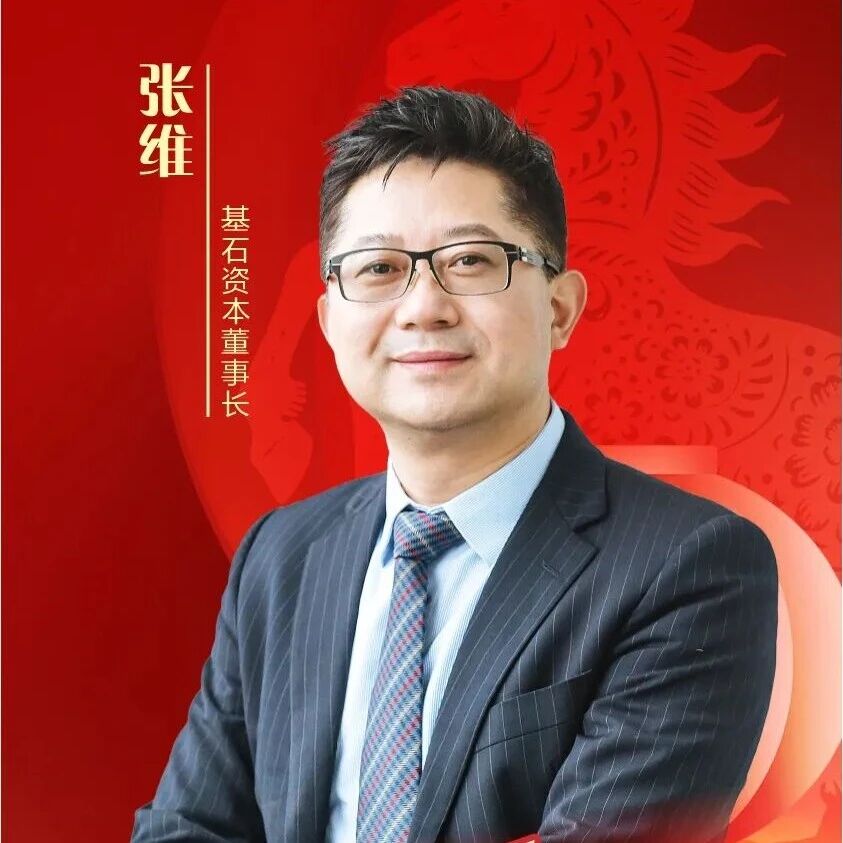
基石资本张维:投资于每个时代的饥渴与焦虑丨创投贺新春
证券时报· 2026-02-16 14:19
Group 1 - The article emphasizes the resurgence of the bull market, particularly led by technology stocks, indicating a shift from undervaluation to value recovery in the Chinese capital market since the "9·24" event [5][6] - The Shanghai Composite Index has reached a 10-year high, with significant increases in the market capitalizations of major tech companies, raising questions about potential valuation bubbles in the tech sector [5][6] - The article discusses the relationship between investment and macroeconomic factors, highlighting that geopolitical dynamics, particularly Sino-U.S. relations, will shape investment trends for decades to come [7] Group 2 - The article identifies a sense of "thirst and anxiety" in the market, driven by the ongoing Fourth Industrial Revolution and the unaddressed shortcomings of the Third Industrial Revolution, which influences investment behaviors [7][8] - It explains the high valuations of domestic computing chip companies despite their technological gaps compared to global leaders like NVIDIA, attributing this to strategic pricing based on perceived future potential [7][8] - The article outlines the investment focus of the company, Basestone Capital, on hard technology, emerging industries, and life sciences, which are seen as critical sectors for future growth [8][9] Group 3 - Basestone Capital has made significant investments in key sectors such as semiconductors, artificial intelligence, and robotics, achieving a comprehensive industry chain layout [8][9] - The company has successfully invested in various firms, including the leading DRAM manufacturer Changxin Technology and aerospace company Blue Arrow Aerospace, with total investments exceeding 10 billion [9][10] - The article concludes with an optimistic outlook on the future of technology advancement and industrial upgrades, emphasizing the ongoing opportunities in hard technology and the importance of innovation and domestic alternatives [10]
券商另类投资赛道布局显著分化撤退者:跟投成“包袱”,资本回报承压加码者:锚定硬科技,补“弹药”拼专业告别粗放走向精细化发展
Zhong Guo Ji Jin Bao· 2026-02-13 07:53
Core Viewpoint - The alternative investment landscape among securities firms in China is experiencing a significant divergence, with some firms retracting while others are expanding their investments [2][5]. Group 1: Firms Retracting - Firms like Caida Securities and Dongxing Securities are reducing their capital in alternative investment subsidiaries due to poor financial performance, with Caida's subsidiary reporting a revenue of -1.19 million yuan and a net loss of 2.47 million yuan for the first nine months of 2025 [2][3]. - Northeast Securities' alternative subsidiary reported a total revenue of -1.84 million yuan and a net loss exceeding 16 million yuan in 2024, leading to a capital reduction to 1 billion yuan [3]. - The overall trend shows that many smaller securities firms are facing capital pressure and liquidity risks due to the requirements of the Sci-Tech Innovation Board's co-investment system, which mandates a 2%-5% co-investment ratio and a 24-month lock-up period [3][6]. Group 2: Firms Expanding - In contrast, firms like Caitong Securities and Guohai Securities are increasing their capital in alternative investment subsidiaries, with Caitong planning to raise up to 2 billion yuan to enhance its capital strength [5][6]. - Guohai Securities announced a 500 million yuan capital increase, citing rapid growth in investment business and the need to bolster capital for competitive advantage [5]. - Other firms, such as Zhongtai Securities and Nanjing Securities, are also focusing on alternative investments, targeting specialized and innovative enterprises, indicating a shift from passive co-investing to proactive investment strategies [5][6]. Group 3: Industry Trends - The divergence in strategies reflects a broader shift in the industry from a focus on scale to a more refined approach to capital management, emphasizing project selection, post-investment support, and exit management [6]. - Experts suggest that the current environment necessitates a transition from "broad arbitrage" to "meticulous cultivation," focusing on precise project screening, risk control, and efficient capital turnover [6]. - The changes in capital allocation strategies among securities firms highlight the industry's adaptation to regulatory changes and market conditions, with a growing emphasis on professional capabilities and risk management [6].




券商另类投资大分化:谁在撤退?谁在加码?
Sou Hu Cai Jing· 2026-02-13 07:51
Core Viewpoint - The alternative investment landscape among Chinese securities firms is experiencing a significant divergence, with some firms retracting while others are expanding their investments in this sector [1]. Group 1: Firms Retracting from Alternative Investments - Firms like Caida Securities and Dongxing Securities are reducing or canceling their alternative investment subsidiaries due to poor financial performance and the need to improve overall capital efficiency [2]. - Caida Securities announced the cancellation of its wholly-owned subsidiary, Caida Xinrui Investment, which reported a revenue of -1.1863 million yuan and a net loss of 2.4697 million yuan for the first nine months of 2025 [2]. - Dongxing Securities reduced its alternative investment subsidiary's registered capital from 2 billion yuan to 500 million yuan, reflecting similar financial struggles [2]. Group 2: Firms Expanding in Alternative Investments - In contrast, firms like Caitong Securities and Guohai Securities are increasing their capital in alternative investment subsidiaries, indicating a strategic focus on hard technology and specialized sectors [4][5]. - Caitong Securities plans to increase its subsidiary's capital by up to 2 billion yuan, aiming to enhance its investment capabilities in hard technology [4]. - Guohai Securities announced a 500 million yuan capital increase for its investment subsidiary, citing rapid business growth and the need to strengthen capital [5]. Group 3: Market Dynamics and Strategic Shifts - The divergence in strategies reflects a broader trend where firms are moving from a model of broad-based investment to a more refined approach focused on project selection and post-investment management [6]. - The new company law requiring registered capital to be fully paid within five years has prompted some firms to reduce capital to mitigate compliance risks [3]. - The industry is shifting towards a more sophisticated investment strategy, emphasizing precise project selection, risk management, and efficient capital turnover [7].
当VC开始”团购”项目:揭秘2025年最拥挤的13轮融资,谁在为高估值买单?
Xi Niu Cai Jing· 2026-02-11 07:34
Core Insights - In 2025, China's primary market is witnessing a unique "queueing" phenomenon where numerous hard tech companies attract multiple investment institutions in single rounds of financing, with a focus on collaboration rather than competition among investors [1][2] Group 1: Investment Trends - A total of 13 projects in 2025 had over 15 investors in a single round, covering strategic sectors such as AI chips, commercial aerospace, robotics, semiconductors, and biomedicine [1][2] - Notable companies include Mu Xi Co., Ltd. (C round, nearly 50 investors), Qingwei Intelligent (C round, 24 investors), and the Hainan Commercial Aerospace Innovation Center (angel round, nearly 30 investors) [2] Group 2: Mu Xi Co., Ltd. Case Study - Mu Xi Co., Ltd., a leading domestic GPU company, completed a record financing round in February 2025, raising over 7.2 billion yuan with nearly 50 investment institutions participating [3][4] - The investor lineup included state-owned capital, market-oriented funds, and industrial capital, indicating a strong collective bet on the domestic AI computing power sector [4][5] - The stock debuted on the Sci-Tech Innovation Board at 104.66 yuan per share, skyrocketing to 829.90 yuan on the first day, marking a 692.95% increase and a market cap exceeding 330 billion yuan [6] Group 3: Hainan Commercial Aerospace Innovation Center - The Hainan Commercial Aerospace Innovation Center was established in July 2025 with nearly 30 industry chain companies participating, marking a precedent for competitors to collaboratively build an innovation platform [7][10] - This model aims to leverage Hainan's advantages in low-latitude launches and tax policies while establishing a technology standard alliance to avoid redundant construction [9][10] Group 4: Qingwei Intelligent Case Study - Qingwei Intelligent, a leader in reconfigurable chips, completed a 2 billion yuan C round financing in December 2025, with 24 institutions participating, setting a record for the AI chip sector [11][12] - The investment was characterized by a mix of state-owned and market-oriented institutions, with a focus on the unique advantages of Qingwei's reconfigurable computing architecture [13] Group 5: Structural Changes in Investment Landscape - The phenomenon of multiple investors in single rounds reflects structural changes in the primary market, driven by a scarcity of viable projects in high-tech sectors and a shared risk mechanism among investors [14][15] - The increasing role of state-owned capital in hard tech investments is evident, with local state-owned platforms and industrial guidance funds significantly boosting the number of investors in single rounds [14] - The speculative mindset fueled by the success of Mu Xi's IPO has led to a trend where institutions are eager to participate in the last financing rounds before public offerings, despite high valuations [15]
投中摩尔、沐曦和蓝箭,郑州赢麻了
3 6 Ke· 2026-02-07 08:34
Core Insights - Henan is not only an agricultural and populous province but also a significant manufacturing hub in China, with a comprehensive modern industrial system comprising 41 industrial categories and 197 subcategories [1] Group 1: Investment Landscape - The Zhongyuan Qianhai Fund, a hard technology fund backed by Zhengzhou state-owned assets, has recently invested in notable projects such as Moer Technology, Muxi Co., and Blue Arrow Aerospace [2][3] - The fund has a registered capital of 5.64 billion RMB and focuses on sectors like semiconductors, commercial aerospace, and high-end manufacturing, utilizing a dual model of mother fund and direct investment [2][4] - The fund has made 130 investments by 2024, with 2021 being a peak year for both investment amount and frequency [4] Group 2: Fund Performance - The fund's highest return project is Boying Welding, which generated over 7 times the return after its IPO, following a 75 million RMB investment in 2019 [4] - The second phase of the Zhongyuan Qianhai Fund, launched in 2023 with over 4 billion RMB, is entirely funded by Henan capital and aims to invest in emerging industries such as new energy and artificial intelligence [5][6] Group 3: Strategic Approach - The fund's investment strategy aligns with the booming semiconductor sector, with significant investments made during 2021, a year marked by a 45% increase in financing activities in the semiconductor field [7] - Despite low equity stakes in high-profile projects, the fund's participation in these investments has positioned it favorably for future returns and market presence [8] Group 4: Regional Development - Zhengzhou is adopting a model similar to Hefei's, focusing on attracting leading projects to stimulate the development of supporting industries [12] - The introduction of major projects like Shanghai Hejing and Super Fusion has led to the establishment of a billion-dollar industrial cluster in Zhengzhou [12][13] - The advanced computing industry chain, represented by Super Fusion, has seen a year-on-year growth of 58.6% in the first half of 2025, leading among 28 key industrial chains in Henan [14]