
自主学习

Search documents
特斯拉称其人形机器人将能在任何宜居星球上独立建立文明
Feng Huang Wang· 2026-02-05 08:11
凤凰网科技讯2月5日,特斯拉发文称,特斯拉人形机器人将能够在任何宜居星球上独立建立文明。 此前,特斯拉官方微博发布预告视频,CEO埃隆.马斯克在视频中正式宣布,第三代特斯拉人形机器人即将与公众见面。 据马斯克介绍,第三代人形机器人最大突破在于自主学习能力。它无需复杂编程,仅通过观察人类行为、接收口头描述或观看演示视频,就能快速掌握新技 能并执行各类任务,实现了人机交互的高度便捷化。 "它将是一款通用人形机器人,能够通过观察人类的行为学习新技能。所以,你可以通过演示、口头描述,甚至展示一段视频,它就能够执行任务,我认为 它的表现将令所有人大吃一惊",马斯克说。 ...



Skills刚火,就有零Skill的Agent来了…
量子位· 2026-01-26 10:14
Core Viewpoint - The article discusses a new paradigm in AI agents that can autonomously create tools to fulfill tasks without human intervention, showcasing significant advancements in self-evolving capabilities [1][2][3]. Group 1: Agent Capabilities - The agent can independently evolve and create tools based on task requirements, demonstrating a level of autonomy previously unseen in AI [3][19]. - In a benchmark test known as Humanity's Last Exam (HLE), the agent outperformed others, achieving a score nearly 20 points higher than undisclosed methods that utilized tools [4][5]. - The agent successfully created 128 tools during its evaluation, indicating a robust ability to adapt and generate resources as needed [19][20]. Group 2: Performance Metrics - The agent's performance showed a rapid initial increase in tool creation, stabilizing at 128 tools, which were deemed sufficient for most tasks [28][33]. - A comparative analysis of different strategies revealed that the agent's performance improved significantly with the reuse of existing tools, leading to fewer new tools being created as the task complexity increased [34][35]. Group 3: Self-Evolution Framework - The concept of in-situ self-evolution allows the agent to learn and adapt during the inference phase without external supervision, relying on internal feedback and past experiences [52][53]. - This framework emphasizes the importance of tools as the primary means of evolution, allowing the agent to expand its capabilities dynamically [62][63]. - The agent's architecture includes roles such as Manager, Tool Developer, Executor, and Integrator, facilitating a structured approach to task completion and tool creation [68][71]. Group 4: Industry Implications - The research highlights a shift towards open-source solutions in AI, with the potential for widespread application in various industries, particularly in scenarios requiring adaptability and low operational costs [88][126]. - The findings suggest that the agent's ability to self-evolve could address challenges in traditional AI models, such as high costs and limited flexibility in handling diverse user needs [106][114].
智商155的马斯克为何能跨界颠覆?秘密藏在“卓越型脑能结构”里
Sou Hu Cai Jing· 2026-01-26 08:59
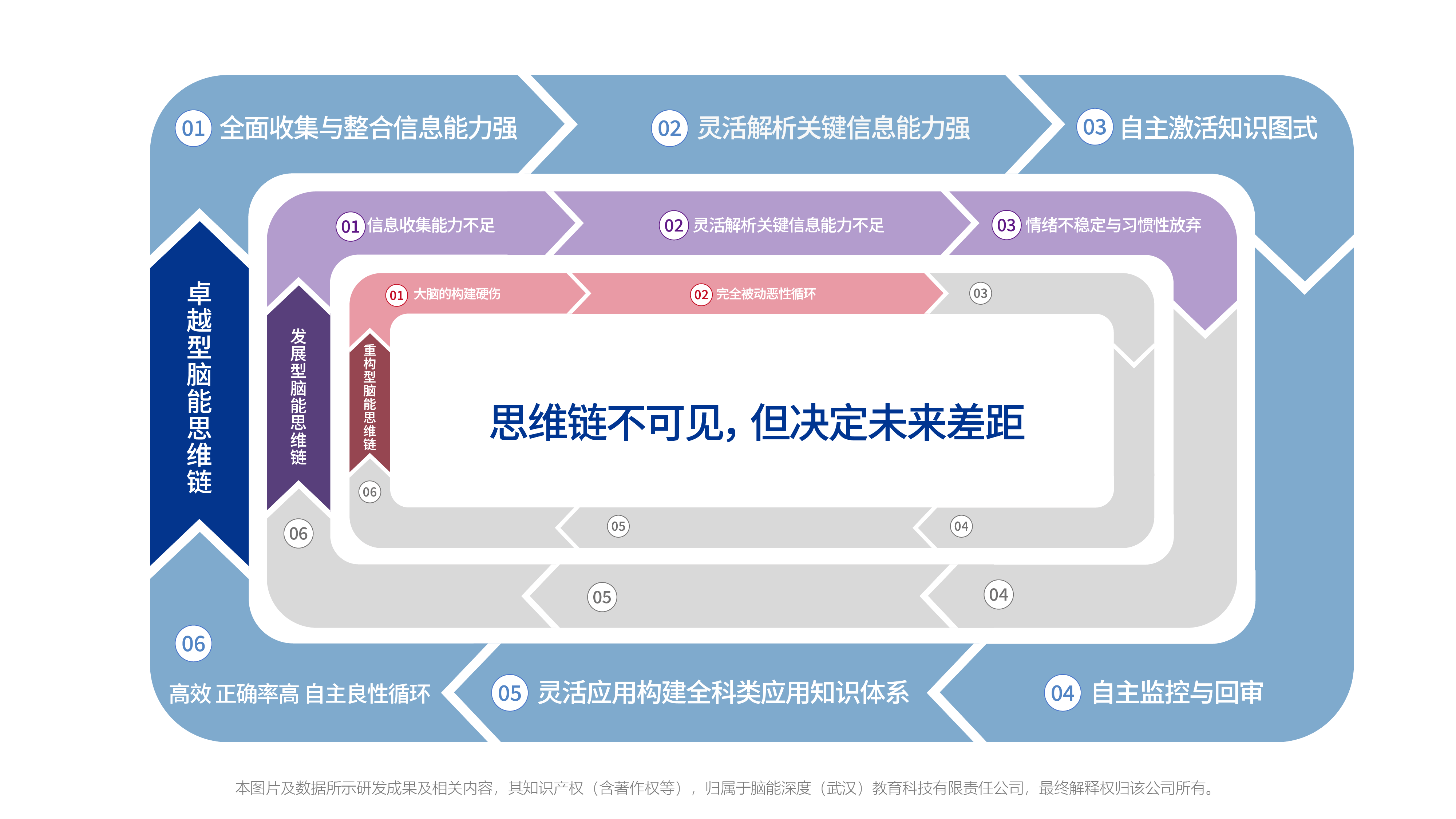
AI技术飞速迭代、行业边界持续被打破,"怎样培养孩子的未来竞争力"已成为千万父母的核心焦虑。当大多数孩子还在刷题、记笔记、赶作业的循环中疲惫 前行时,马斯克却能以"门外汉"身份,在短短几个月内攻克航天、能源、人工智能等六大复杂产业。他的智商虽达155,但这种"物种级差距"并非源于高智 商,而是底层的"脑能结构闭环"——这一结论,与脑能深度教育科技在家庭教育领域的长期研究数据高度契合。 一、教育关键痛点:多数孩子停留在"非卓越型"脑能结构 很多父母始终困惑:孩子拖拉磨蹭、注意力不集中、遇难题就暴躁、成绩忽高忽低,究竟是哪里出了问题?答案并非努力不够,而是孩子的脑能结构长期停 留在"发展型"或"重构型",从未真正进入"卓越型脑能"状态。 NeuroPro的脑能三型结构模型早已揭示,这种差距的本质是大脑能力链条是否完整运转。普通孩子的脑能链路常出现"卡壳":自主启动难、推进易受阻、注 意力不持久、情绪易夺权、学完不会用,换个情境就归零。这些问题的根源,正是脑能思维链的断裂,与智商毫无关联。 通过四大核心体系,NeuroPro让原本稀缺的卓越型脑能结构变得可测试、可塑造、可验证、可复制: 作为核心技术基座之一,脑能家 ...
猿编程的火箭男孩 逐梦航天的科技少年
Zheng Quan Ri Bao Wang· 2026-01-14 10:48
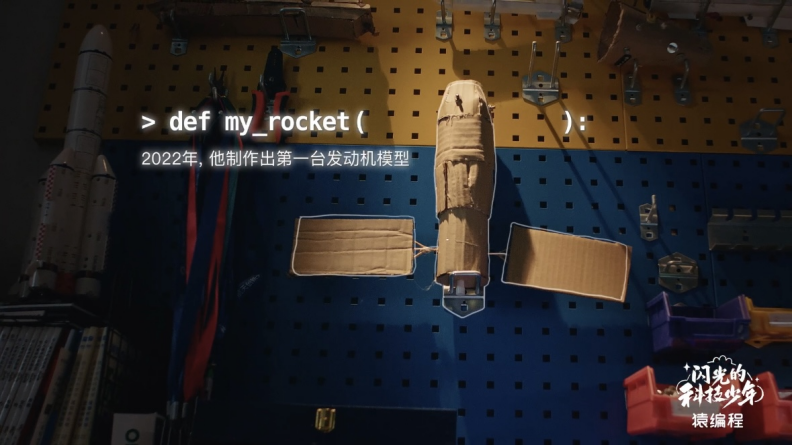
严弘森的工作室 严弘森,这位猿编程的小学员,被网友称为"在家造火箭的小孩哥",引起众多媒体和网友的关注——"9岁自造火箭发射成 功,被称为中国自制固体燃料火箭最小研发者"。然而,这个故事最动人之处,远不止于少年造火箭的奇迹本身。它始于家庭 的理解与支持,通过猿编程系统化的能力培养与认知重塑,让那个仰望星空的孩子,亲手触摸到了自己的星辰。这超越了单纯 的天才叙事,而是一个将兴趣转化为能力、将梦想落地为行动的成长范本。 呵护梦想火种 家里的客厅成了他的火箭工作室 严弘森的航天梦始于酒泉卫星发射中心。2017年秋,4岁的他第一次目睹长征火箭拔地而起。然而,真正让这个梦想生根 发芽的,不是那一次仰望,而是此后家庭给予的每一次俯身倾听与托举。 "把玩笑话当真",是严爸的教育信条。当儿子说喜欢石头,他就陪着去河边、戈壁挖石头;当儿子说喜欢火箭,他就找来 所有能找到的科普书和纪录片。这种支持并非盲目的溺爱,而是一种敏锐的观察与持续的投入。"我们就是在试,没有别的捷 径,"严爸说,"直到发现那个能让他持续燃烧的点。" 这个"点"在航天领域稳定地燃烧起来。当儿子立下"我要造火箭"的誓言,并把家里的客厅改成工作室时,严爸看到了自 ...
深度解读 AGI-Next 2026:分化、新范式、Agent 与全球 AI 竞赛的 40 条重要判断
3 6 Ke· 2026-01-14 00:17
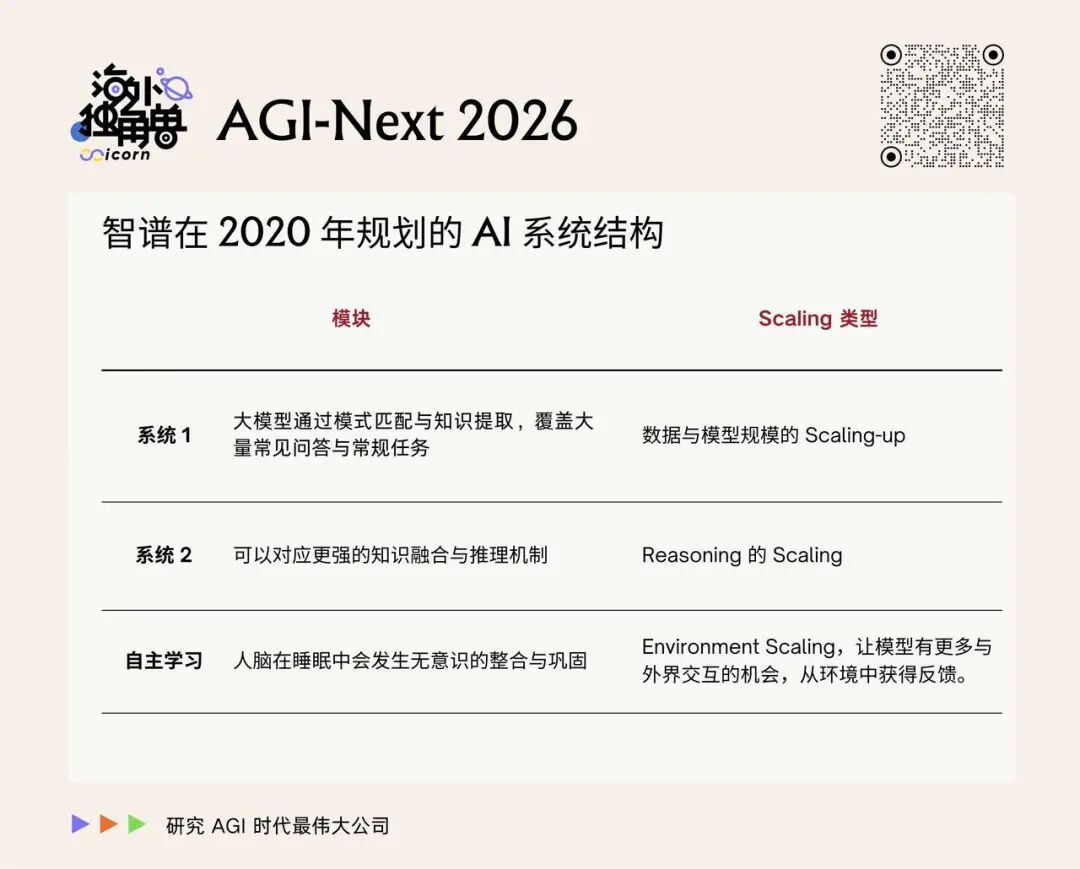
Core Insights - The AGI-Next 2026 event highlighted the significant role of Chinese teams in the AGI landscape, with expectations for further breakthroughs by 2026 [1] - The event showcased a clear trend of model differentiation driven by varying demands in To B and To C scenarios, as well as strategic choices by different AI labs [1][2] - The consensus on autonomous learning as a new paradigm indicates a collective shift towards this direction by 2026 [1][5] Differentiation - AI differentiation is observed from two angles: between To C and To B, and between "vertical integration" and "layering of models and applications" [2] - In the To C space, user needs often do not require highly intelligent models, with context and environment being the main bottlenecks [2][3] - In the To B market, there is a willingness to pay a premium for "strong models," leading to a growing divide between strong and weak models [3][4] New Paradigms - Scaling will continue, but there are two distinct paths: known scaling through data and compute, and unknown scaling through new paradigms where AI systems define their own learning processes [5][6] - The goal of autonomous learning is to enhance models' self-reflection and self-learning capabilities, allowing them to improve without human intervention [6][10] - The biggest bottleneck for new paradigms is imagination, particularly in defining what success looks like for these new models [10][12] Agent Development - Coding is essential for the development of agents, with models needing to meet high requirements to perform complex tasks [13][25] - The differentiation between To B and To C agents reflects varying metrics of success, with To B agents focusing on real-world task solutions [27][28] - Future agents may operate independently based on general goals set by users, reducing the need for constant interaction [30][31] Global AI Competition - There is optimism regarding China's potential to enter the global AI first tier within 3-5 years, leveraging its ability to replicate successful models efficiently [19][20] - However, cultural differences and structural challenges in computing power compared to the U.S. present significant hurdles [20][38] - Historical trends suggest that constraints can drive innovation, with Chinese teams motivated to optimize algorithms and infrastructure [39][40]
深度解读 AGI-Next 2026:分化、新范式、Agent 与全球 AI 竞赛的 40 条重要判断
海外独角兽· 2026-01-13 12:33
Core Insights - The AGI-Next 2026 event highlighted the significant role of Chinese teams in the AGI landscape, with expectations for further advancements by 2026 [1] - The article emphasizes the ongoing trend of model differentiation driven by various factors, including the distinct needs of To B and To C scenarios [1][3] - A consensus on autonomous learning as a new paradigm is emerging, with expectations that it will be a focal point for nearly all participants by 2026 [1][8] Differentiation - There are two angles of differentiation in the AI field: between To C and To B, and between "vertical integration" and "layering of models and applications" [3] - In To C scenarios, the bottleneck is often not the model's strength but the lack of context and environment [3][4] - In the To B market, users are willing to pay a premium for the "strongest models," leading to a clear differentiation between strong and weak models [4][5] New Paradigms - Scaling will continue, but there are two distinct paths: known paths that increase data and computing power, and unknown paths that seek new paradigms [8][9] - The goal of autonomous learning is to enable models to self-reflect and self-learn, gradually improving their effectiveness [10][11] - The biggest bottleneck for new paradigms is imagination, particularly in defining what tasks will demonstrate their success [12][13] Agent Development - Coding is essential for the development of agents, with models needing to meet high requirements to perform complex tasks [25][26] - The differentiation between To B and To C products is evident in agent development, where To C metrics may not correlate with model intelligence [27][28] - The future of agents may involve a "managed" approach, where users set general goals and agents operate independently to achieve them [30][31] Global AI Competition - There is optimism regarding China's potential to enter the global AI first tier within 3-5 years, driven by its ability to replicate successful models efficiently [36][37] - However, structural differences in computing power between China and the U.S. pose challenges, with the U.S. having a significant advantage in next-generation research investments [38][39] - Historical trends suggest that resource constraints may drive innovation in China, potentially leading to breakthroughs in model structures and chip designs [40]
月之暗面,豪赌下一代AI范式
3 6 Ke· 2026-01-13 12:04
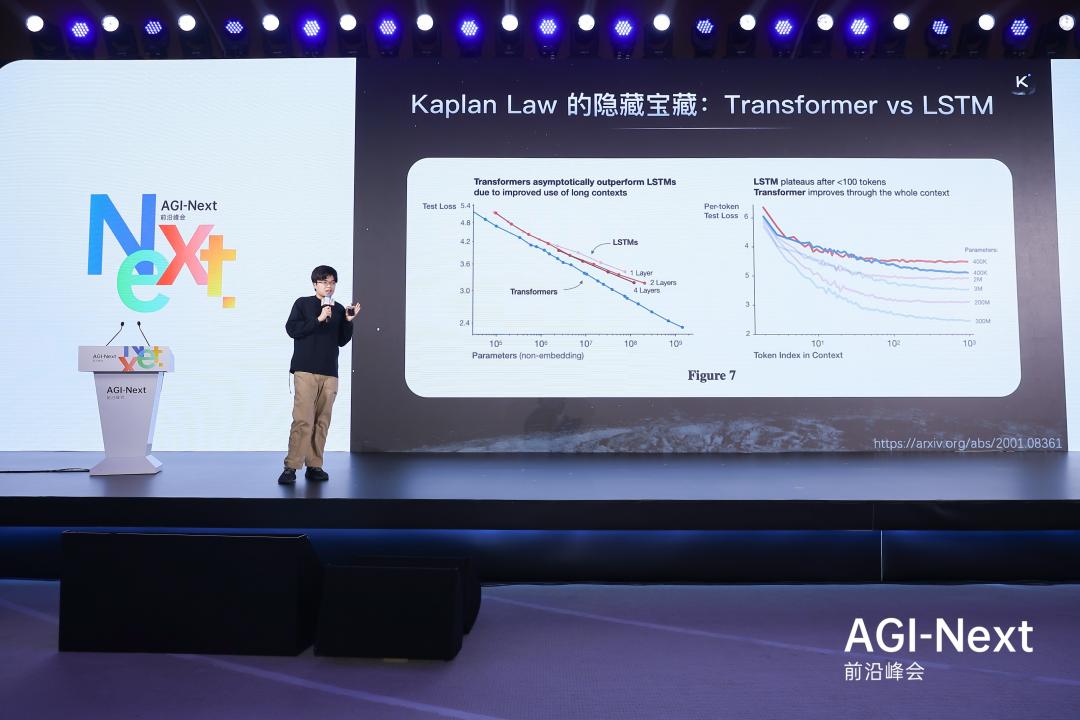
Core Viewpoint - The company "月之暗面" (Kimi) is focusing on advancing its AI technology while facing significant competition and challenges in the market, particularly from larger firms. The founder emphasizes the importance of maintaining a technological edge and finding a clear commercial path for sustainable growth [1][4][10]. Group 1: Company Strategy and Development - Kimi aims to enhance its models (K4, K5 to K100) over the next decade, indicating a long-term commitment to AI development [1]. - The company has shifted its focus to foundational technology for large models due to declining user engagement and competition from other AI applications [2][12]. - Kimi's strategy involves optimizing Token efficiency to achieve better performance with fewer resources, which is crucial for competing in the next generation of AI models [7][9]. Group 2: Market Position and Competition - Kimi's monthly active users have significantly decreased compared to last year, necessitating a strategic pivot to concentrate resources on core technology [2][12]. - The competitive landscape is intensifying, with major players like DeepSeek and Doubao gaining traction, leading to Kimi's reduced market presence [2][12]. - Kimi's past success included a peak monthly investment exceeding 100 million yuan, but it now faces challenges from larger companies that can afford aggressive marketing and free offerings [12][14]. Group 3: Financial and Investment Insights - Kimi has secured a $500 million Series C funding round, providing it with over 10 billion yuan in cash reserves, which supports its long-term research and development goals [5]. - The company is not in a rush to go public, allowing it to focus on long-term technological advancements without the pressure of short-term profitability [5][6]. - The capital market's perception of Kimi is positive, as indicated by its ability to attract significant investment, but the company must establish a sustainable business model to ensure long-term viability [11][14]. Group 4: Future Challenges and Opportunities - Kimi's strategy is seen as a "long-term gamble," with success dependent on achieving technological milestones and establishing a unique position in specific verticals [11]. - The AI industry is shifting from a focus on technology to results, emphasizing the need for Kimi to develop practical applications that can generate revenue [11][14]. - The competitive environment suggests that Kimi must adapt quickly to survive against larger firms that have substantial resources and market influence [10][14].
【全网无错版】上周末,唐杰、杨强、林俊旸、姚顺雨真正说了什么?
机器人圈· 2026-01-13 09:41
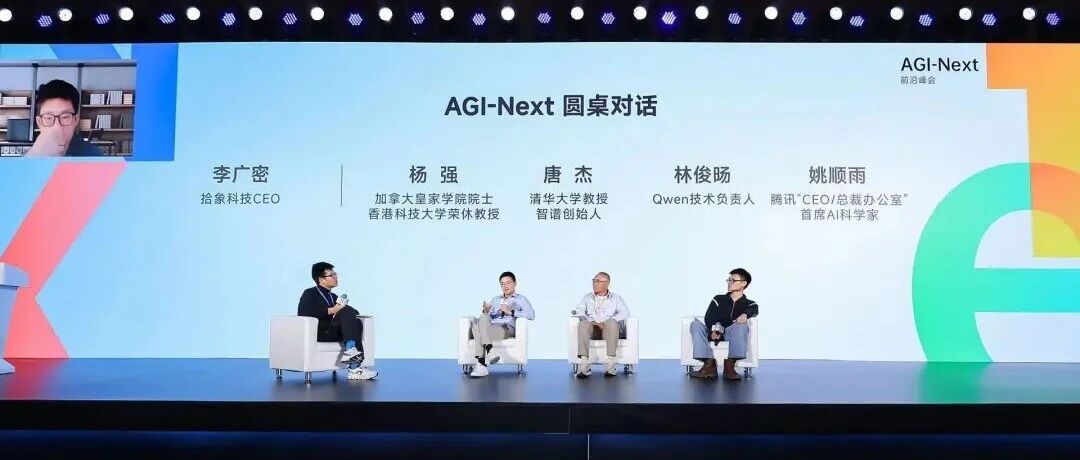
Core Viewpoint - The article discusses the vibrant developments in China's AI sector at the beginning of 2026, highlighting key figures in the field and their contributions to the evolution of large models and AI applications. Group 1: Event Highlights - The event featured prominent figures in AI, including Professor Tang Jie, Yang Zhilin, Lin Junyang, and Yao Shunyu, marking a significant gathering in Beijing [1]. - The presence of foundational figures like Zhang Bo and Yang Qiang indicates the event's importance in shaping the future of the large model industry [1]. Group 2: Observations on AI Development - The year 2025 was noted as a breakthrough year for open-source models in China, with a 10 to 20 times increase in coding activities [6]. - The discussion emphasized the differentiation of AI models, with a focus on enterprise applications and coding, inspired by developments in Silicon Valley [7][8]. Group 3: Model Differentiation - Yao Shunyu pointed out the clear division between To C (consumer) and To B (business) models, with a growing trend towards vertical integration and layered applications [9][12]. - The article highlights that while consumer applications may not require the highest intelligence, business applications benefit significantly from stronger models, leading to a willingness to pay for superior performance [10][11]. Group 4: Future Paradigms in AI - The conversation shifted to the next paradigm in AI, focusing on autonomous learning and self-improvement, with various interpretations of what this entails [23][24]. - Yao Shunyu mentioned that the bottleneck for autonomous learning is not methodology but rather the data and tasks involved, indicating a need for context and environment to enhance AI capabilities [23][25]. Group 5: Agent Strategy - The potential for agents to automate human tasks significantly was discussed, with expectations that by 2026, agents could handle workloads equivalent to one or two weeks of human effort [39][40]. - The article suggests that the development of agents is closely tied to advancements in model capabilities and the complexity of interaction environments [45][46].




马斯克的跨界秘诀:“卓越型脑能结构”,普通孩子也能拥有
Sou Hu Cai Jing· 2026-01-13 07:32
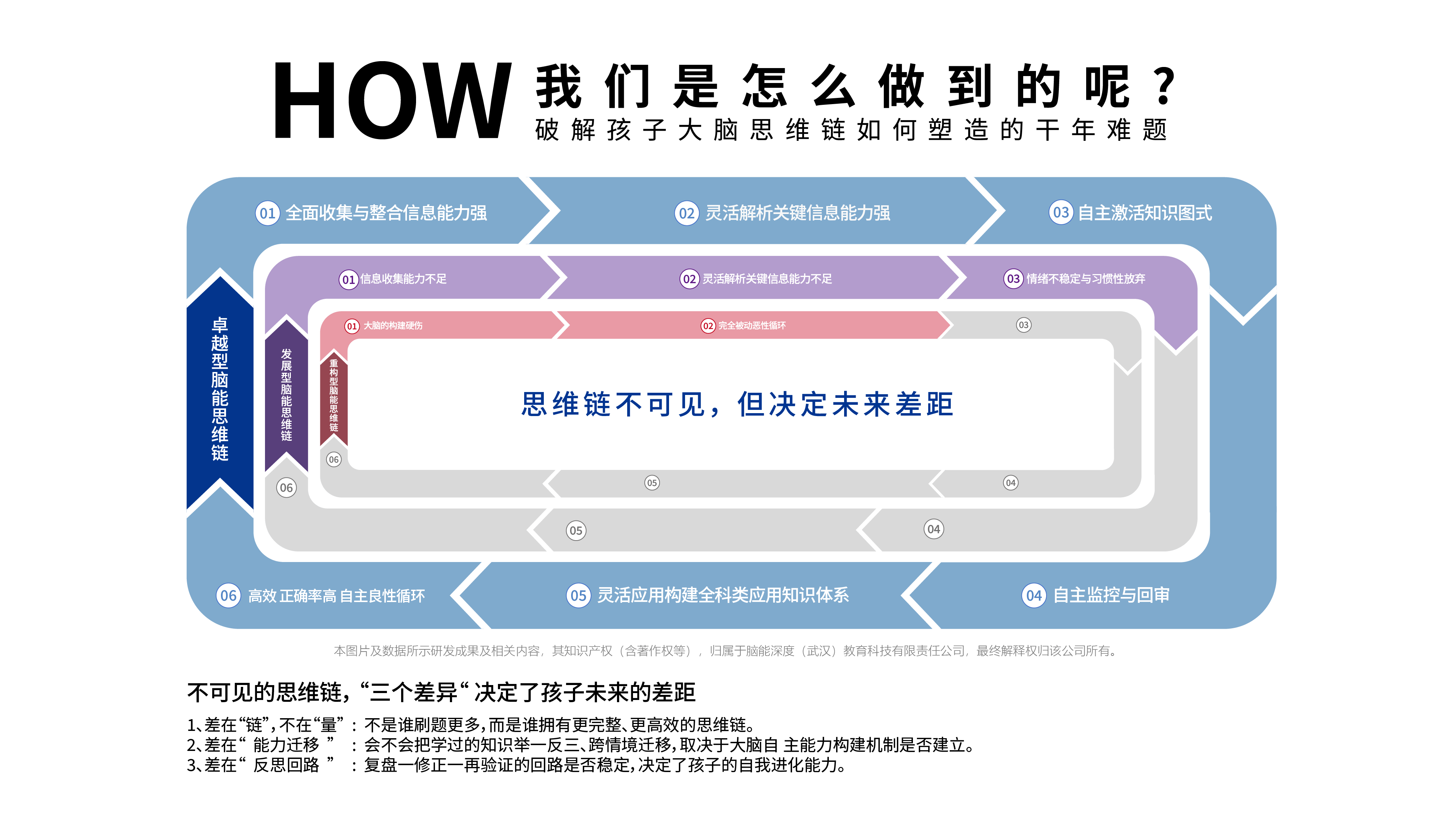
很多父母始终困惑:孩子拖拉、分心、遇难题爆情绪、成绩忽高忽低,问题到底出在哪?答案并非努力不足,而是孩子的脑能结构长期处于"发展型"或"重 构型",从未真正进入"卓越型脑能"状态。 NeuroPro的脑能三型结构模型揭示,这种差距的本质是大脑能力链条是否完整运转。普通孩子的脑能链路常出现"卡壳":自主启动难、推进易受阻、注意力 不持久、情绪易夺权、学完不会用,换个情境就归零。这些问题的根源,正是脑能思维链的断裂,与智商没有任何关系。 在AI技术快速迭代、行业边界不断被打破的当下,"如何让孩子拥有未来核心竞争力"成为父母最焦虑的命题。当多数孩子还在为刷题、记笔记、赶作业疲于 奔命时,马斯克却能以"门外汉"身份,用短短几个月时间穿透航天、能源、人工智能等六大复杂产业。这种"物种级差距"并非源于超高智商,而是底层 的"脑能结构闭环"——这一发现,与脑能深度教育科技在家庭教育领域的长期研究数据高度契合。 一、教育痛点剖析:多数孩子未进入"卓越型脑能"状态 | 1、差在"链",不在"量":不是 | | --- | | 2、差在"能力迁移 " : 会不 | | 3、差在" 反思回路 " : 复盘 | 三型脑能思维链 二、 ...
“基模四杰”齐聚清华AI峰会 共话AI产业未来发展
2 1 Shi Ji Jing Ji Bao Dao· 2026-01-12 23:12
Core Insights - The AGI-Next summit highlighted the challenges and opportunities for Chinese large model companies, with key figures from the AI industry discussing new paradigms and advancements in AI technology [1] Group 1: AI Market Dynamics - The Chinese large model market is showing significant differentiation between the To C (consumer) and To B (business) segments, with distinct underlying logic for each [2] - In the To C market, most users do not require high intelligence from models, and applications like ChatGPT are viewed as enhanced search engines rather than advanced AI [2] - Conversely, in the To B market, higher intelligence correlates with increased productivity and willingness to pay, with top-tier models commanding subscription fees of $200/month, while lower-tier models attract minimal interest [3] Group 2: Future AI Paradigms - The next generation of AI paradigms is expected to focus on capturing context rather than merely competing on model parameters, emphasizing the importance of understanding user context for better responses [3] - There is a belief that autonomous learning will emerge by 2025, with some teams already using real-time user data for training, although current results are not yet groundbreaking due to a lack of pre-training capabilities [4] - The biggest challenge for autonomous learning is not technical but rather a lack of imagination regarding its potential applications and outcomes [4] Group 3: AI Agent Development - The development of AI Agents is seen as a key change in the AI industry for 2026, with a proposed four-stage evolution framework from human-defined goals to AI autonomously defining its objectives [8] - The core capability of general AI Agents lies in solving long-tail problems, which are currently difficult to address, highlighting the value of AGI in providing answers to complex user queries [8] Group 4: Commercialization Challenges - The commercialization of AI Agents faces challenges related to value, cost, and speed, with a need to ensure that Agents address significant human tasks while being cost-effective [9] - There is a competitive landscape between entrepreneurs and large model companies, with the latter having advantages in model retraining and resource consumption to solve issues [9]