资源战略

Search documents
宁德时代的隐秘资本帝国
投中网· 2026-03-03 05:04
Core Viewpoint - CATL maintains a strong focus on its core business while actively engaging in investments, which are essential for supporting its industry position and future direction in the global battery sector [5][6]. Investment Overview - As of Q3 2025, CATL's financial assets from external investments amounted to 76.873 billion yuan, representing 8.58% of total assets, a significant increase from 170 million yuan in 2016. Investment income contributed 8.63% to total profit in the same period [8][9]. - In 2024, CATL's investments in listed companies totaled 34.620 billion yuan, accounting for 45% of total equity investments, with these investments generating 76.4% of total investment income [10]. Major Investments and Performance 1. **Investment in Luoyang Molybdenum Co.**: - CATL invested 26.747 billion yuan, achieving a floating profit of over 300% in three and a half years, with a current share price of approximately 22 yuan, resulting in a book profit of about 90.5 billion yuan [14][17]. 2. **Investment in XianDai Intelligent**: - An initial investment of 2.5 billion yuan was made, but significant reductions in holdings occurred in 2025 without substantial financial gains, focusing instead on industrial chain collaboration [20][21]. 3. **Investment in MDKA**: - A 1.5 billion yuan investment in the Indonesian mining company MDKA yielded a 26.86% increase in share price, with strategic importance in securing metal resources [23][24]. 4. **Investment in Zeekr (极氪)**: - A 1.5 billion yuan investment resulted in a near 50% floating loss, but it strategically secured high-end vehicle customers for CATL [26][28]. 5. **Investment in Liqin Resources**: - An investment of 1.114 billion yuan led to a 72% return over three years, achieving both financial gains and strategic resource alignment [29][30]. Other Equity Investments - CATL's investments also include companies like Hunan Youneng and Fulin Precision, with Hunan Youneng showing a remarkable return of 19.28 times on an investment of 200 million yuan [32][33]. Investment Strategy Summary - CATL's investment strategy emphasizes resource positioning and industrial collaboration, covering the entire supply chain from upstream resource acquisition to downstream applications [36][37]. - The company aims to build an open ecosystem, ensure supply security, and achieve financial returns that support its core business, reflecting a comprehensive approach to future industry trends [41].




2017年,广东发现17万吨“黄金”,1吨估值达13亿,价值不言而喻
Sou Hu Cai Jing· 2026-02-21 09:27
Core Insights - The discovery of 170,000 tons of rubidium ore in Heyuan, Guangdong, represents a significant breakthrough in China's resource exploration efforts, highlighting the country's progress towards resource self-sufficiency and its strategic importance in the global resource landscape [7][11]. Group 1: Importance of Resources - Resources are crucial for national security and economic development, as historical conflicts have shown that countries lacking key resources like oil and steel face severe challenges during crises [3]. - The importance of rubidium is underscored by its wide applications in advanced technologies, from smartphones to aerospace, making it a highly sought-after resource globally [5][11]. Group 2: Rubidium Ore Discovery - The rubidium ore discovery in Heyuan is unprecedented, with the estimated reserves being measured in tons rather than kilograms, which is the standard in other countries [7]. - The mining and extraction of rubidium face significant technical challenges due to its reactive nature, requiring careful handling and specialized processes to ensure safety [9][12]. Group 3: Strategic Implications - China's focus on resource exploration and self-sufficiency is part of a broader strategy to enhance its international standing and economic power, aiming to become a major resource exporter [11][12]. - The successful management of rubidium resources could lead to substantial economic returns and strengthen China's position in global resource negotiations [12].

中国又出什么大事?探测出10万亿宝藏,外媒:怎么又是中国?
Sou Hu Cai Jing· 2026-01-15 07:18
Core Viewpoint - The discovery of world-class uranium deposits in China's Ordos and Tarim basins marks a significant shift in the country's energy landscape, enhancing its energy security and geopolitical influence while challenging traditional mining theories [1][6][8]. Group 1: Resource Discovery and Economic Impact - China has confirmed the existence of the world's first large-scale uranium deposit in the Ordos basin, which challenges previous geological theories about uranium formation [6]. - The total estimated uranium resources in China have exceeded 2.88 million tons, positioning the country among the top globally, with a potential economic value surpassing 10 trillion yuan [10]. - The recent discoveries are expected to reshape the global nuclear energy industry and enhance China's strategic control over uranium resources, reducing reliance on imports [12][14]. Group 2: Strategic and Technological Advancements - The advancements in deep three-dimensional geophysical detection technology have allowed for the identification of high-grade uranium deposits at depths previously considered unfavorable for uranium stability [8]. - The ability to control a significant uranium supply enhances China's negotiating power in international markets, shifting from a passive buyer to a more influential player [12]. - The development of uranium resources is seen as a strategic asset that supports China's long-term energy supply system and aligns with its carbon neutrality goals [14][16]. Group 3: Broader Implications - The availability of domestic uranium resources is expected to stabilize nuclear power generation costs and reduce price volatility, benefiting the broader population [19]. - The medical applications of uranium, particularly in the production of radioisotopes for cancer treatment, will see improvements in local production capabilities, enhancing public health safety [19]. - The environmentally friendly extraction methods being employed, such as in-situ leaching, minimize ecological disruption and position China as a potential leader in sustainable mining practices [20].
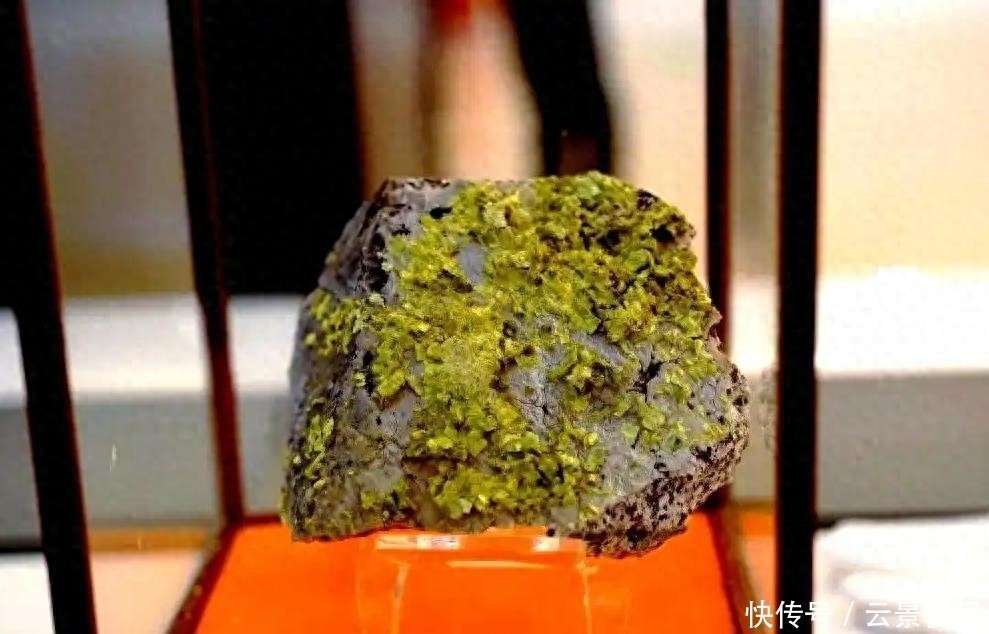
驰宏锌锗签署协议,增资扩股乌蒙矿业
Zhong Guo Jin Rong Xin Xi Wang· 2026-01-15 07:09
Core Viewpoint - Yunnan Chihong Zinc & Germanium Co., Ltd. has signed an agreement to acquire a 55% stake in Wumeng Mining, marking a strategic move to enhance its lead and zinc resource reserves and production capacity [1] Group 1: Investment Details - The agreement involves a cash investment of 122 million yuan and the contribution of exploration rights [1] - The acquisition is part of the company's resource strategy implementation [1] Group 2: Strategic Implications - The chairman of Chihong Zinc & Germanium, Yang Meiyan, emphasized that this investment will significantly improve the company's resource reserves and production scale in the lead and zinc sector [1]

台媒:白银变成第二个稀土大招,美国阵脚已经大乱
Sou Hu Cai Jing· 2026-01-03 07:17
Core Insights - The region is implementing strict export controls on silver, elevating its status from an "industrial supporting role" to a "strategic resource," comparable to rare earth elements [1][7] - The export control measures are expected to significantly increase export thresholds, potentially adopting a "one order, one review" model, which has led to a rapid increase in spot silver prices in international markets [3][5] - The region controls 60-70% of global silver refining capacity, positioning itself as a key hub in the supply chain and allowing it to influence international markets while securing its own industrial needs [5][7] Industry Implications - The recent export controls on silver are viewed as an upgraded resource strategy, responding to external pressures while protecting domestic industrial security [7] - The competition for critical resources is intensifying, with the region's capacity advantage likely to enhance its role on the international stage [7] - The shift in international competition from technology to resource control highlights the importance of mastering core supply chains and possessing hard currency in geopolitical negotiations [5][6]

两度报价遭拒,江西铜业64亿海外买矿卡在何处?
Xin Lang Cai Jing· 2025-12-02 00:33
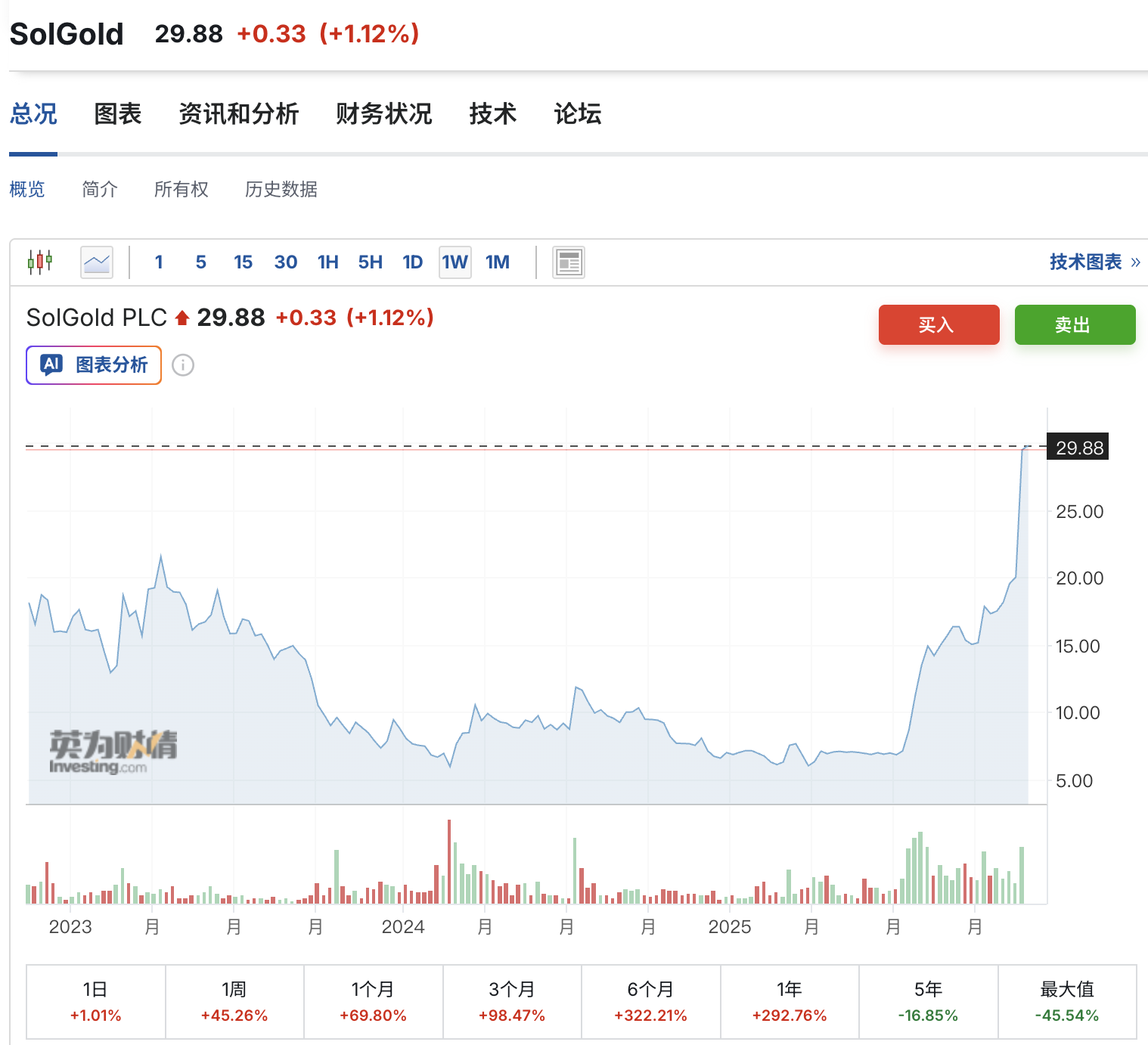
Core Viewpoint - Jiangxi Copper is attempting to acquire SolGold Plc, an overseas mineral exploration and development company, but the process is currently facing challenges [1][2]. Acquisition Attempt - Jiangxi Copper made two non-binding cash offers to SolGold's board on November 23 and 28, with the latest offer being 26 pence per share (approximately 2.28 RMB) [2][4]. - Both offers have been rejected by SolGold's board, which is a common occurrence in the UK public takeover market [4][10]. - Jiangxi Copper stated that the acquisition is still in the early stages and will continue discussions with SolGold [4][5]. Shareholding and Financials - Jiangxi Copper is the largest single shareholder of SolGold, holding approximately 12.19% of its issued shares after acquiring 5.24% earlier this year for $18.07 million (approximately 130 million RMB) [5][6]. - If the acquisition proceeds at the offered price, Jiangxi Copper would need to spend about £684 million (approximately 6.4 billion RMB) for the remaining shares [7]. Market Reaction - Following the acquisition news, Jiangxi Copper's stock price surged, reaching a closing price of 40.86 RMB per share, up 9.16% from the previous day, with a total market capitalization of 141.5 billion RMB [8]. Competitive Landscape - The acquisition faces significant uncertainty, particularly regarding the price dispute, as SolGold's stock price has risen above Jiangxi Copper's offer, indicating that a higher bid may be necessary [9][10]. - SolGold's board has expressed confidence in the company's independent operations, which could complicate the acquisition process [10][11]. Copper Market Context - The acquisition attempt occurs during a high point for copper prices, driven by demand from AI and renewable energy sectors, with LME copper prices reaching a record high of $11,210 per ton (approximately 79,300 RMB) [11][12]. - The copper market is experiencing increased attention and activity, with significant mergers and acquisitions occurring in the mining sector [13]. Strategic Importance - Jiangxi Copper's acquisition strategy aligns with its ongoing resource strategy, as SolGold's Cascabel copper-gold project is considered a high-value asset [12]. - The Cascabel project is located in a region known for substantial copper reserves, with confirmed resources including 1.22 million tons of copper and 30.5 million ounces of gold [12]. Regulatory Considerations - Jiangxi Copper retains the right to adjust its offer and must submit a formal acquisition proposal or abandon the attempt by December 26, 2025 [14]. Company Overview - Jiangxi Copper, established in 1997, is primarily engaged in non-ferrous metal smelting and processing, with a registered capital of 3.463 billion RMB [15]. - The company is controlled by Jiangxi Copper Group, which holds a 45.72% stake and is involved in various mining operations globally [16]. Financial Performance - In the first three quarters of this year, Jiangxi Copper reported revenues of 396.05 billion RMB, a year-on-year increase of 0.98%, and a net profit of 6.02 billion RMB, up 20.85% [17].
Market Close: A green start for Week 48 – and the EU wants to invest in Aussie miners
The Market Online· 2025-11-24 03:43
Market Overview - The local share market started positively with Information Technology up 2.5% intraday, while most sectors were in the green except for energy, which was down 0.6% in the final hour [1] European Union Investment - The European Union is expected to invest in Australian critical mineral projects, similar to the strategy adopted by the U.S. earlier this year, which could serve as a catalyst for market excitement [2] Company Performances - Gentrack Group reported an 8% revenue growth to $230 million and a 119% increase in profits after tax to $21 million, making it a top gainer [3] - Qube Holdings surged 18% to $4.81 per share after receiving a takeover offer from Macquarie, valuing the company at $11.6 billion [4] - Reece Limited saw a jump of over 12% despite no news, following better-than-expected earnings, although it has experienced a 50% decline in one-year returns [4] Declining Stocks - Dateline Resources fell 3.7%, continuing a familiar pattern, and its future performance may be influenced by the EU's upcoming decisions [5] - Coronado Global dropped 4% intraday, with one-year returns down 75%, and currently has no broker rating as a buy [5] - Cauldron Energy experienced a significant decline of 22% despite announcing expanded mineralization at its Manyingee South project, indicating market skepticism [6]

世纪金矿来了!我国首个千吨级超大型单体金矿被探明
Sou Hu Cai Jing· 2025-11-17 14:10
Core Insights - The discovery of a large gold mine in China, specifically the Dadongou gold mine with a confirmed gold metal amount of 1,444.49 tons, marks a significant milestone in China's mining history and has implications for global gold supply and pricing [2][3][4]. Industry Overview - The Dandongou gold mine is characterized as a "super-large low-grade open-pit gold mine," with an average gold content of 0.56 grams per ton, requiring the processing of a substantial amount of ore (25.86 billion tons) to extract gold [2][3]. - The mine's discovery enhances China's gold supply security, addressing the long-standing issue of being the largest gold producer while lacking world-class mining resources [3][4]. Economic Implications - The mine's discovery coincides with a period of rising global gold prices, with spot gold reaching a three-week high of $4,245 per ounce before retreating to around $4,180 [5][6]. - The ongoing trend of central banks, including the People's Bank of China, increasing gold reserves reflects a strategic move to diversify foreign exchange assets and enhance financial stability [6][7]. Strategic Significance - The Dandongou gold mine represents a breakthrough in China's control over critical mineral resources, providing a more direct and controllable domestic supply source for the central bank's gold reserves [7]. - The discovery aligns with a broader global trend of increasing gold demand driven by geopolitical uncertainties and the need for safe-haven assets [6][7]. Conclusion - The Dandongou gold mine's discovery is a pivotal step for China in its journey towards becoming a resource powerhouse, reinforcing its financial security amid a changing global landscape [7][8].
国城矿业拟支付现金31.68亿元购买国城实业60%股权
Quan Jing Wang· 2025-11-07 12:45
Core Viewpoint - Guocheng Mining (000688) announced on November 7 that it plans to pay 3.168 billion yuan to acquire 60% of Inner Mongolia Guocheng Industrial Co., Ltd. from Guocheng Holdings Group, making Guocheng Industrial a subsidiary of the listed company [1] Group 1: Acquisition Details - The acquisition is a strategic move for Guocheng Mining to deepen its main business synergy and strengthen its resource strategy [1] - The integration of Guocheng Industrial's assets and operations is expected to enhance the completeness of the industrial chain and market competitiveness for Guocheng Mining [1] Group 2: Company Operations - Guocheng Mining primarily engages in the mining and comprehensive utilization of non-ferrous metals, with main products including zinc concentrate, lead concentrate, copper concentrate, titanium dioxide, sulfur concentrate, sulfur iron powder, industrial sulfuric acid, and secondary iron concentrate [1] - Guocheng Industrial's main business is also in non-ferrous metal mining, focusing on molybdenum concentrate as its primary product [1]

财富正在被重新定义!有色金属遭全球疯抢,中国已布下两步大棋
Sou Hu Cai Jing· 2025-11-03 13:51
Core Insights - The real battleground for wealth reconstruction lies in non-ferrous metals, not just gold and silver [1][3] - China has strategically positioned itself in the global resource landscape through two significant moves [1][22] Group 1: Market Dynamics - Recent surges in metal prices, particularly copper, aluminum, cobalt, and lithium, indicate a shift in investment focus towards industrial metals [5][6] - The demand for these metals is driven by the rapid growth of electric vehicles, green energy investments, and advancements in artificial intelligence [6][8] - New industries require significantly more metal than traditional industries, with electric vehicles needing substantial amounts of cobalt and lithium [8][9] Group 2: Supply Chain Challenges - Global supply of these metals is increasingly unstable due to geopolitical issues and environmental protests in mining regions [9][11] - The competition for control over metal resources has been likened to a "new colonial war," emphasizing the strategic importance of these materials [11][32] Group 3: China's Strategic Moves - China's first strategic move is to "go out," securing control over key resources in Africa and South America, while establishing a closed-loop system for mining and processing [15][17] - The second move is to "dig in," focusing on domestic resource development and establishing a strategic reserve mechanism for critical metals [17][19] - China's approach contrasts with Western strategies, which often rely on financial speculation rather than direct resource control [19][39] Group 4: Global Implications - The West is reacting to China's resource control by implementing protective legislation and forming alliances, but these efforts are often ineffective [23][28] - China's dominance in the supply chain for critical materials, such as battery components, highlights the dependency of Western economies on Chinese resources [42][30] - The ongoing "resource cold war" reflects a deeper strategic contest, with China focusing on controlling supply chains and setting industry standards [32][39] Group 5: Future Outlook - As long as technology and energy sectors continue to require metals, China's strategic advantages in resource management are likely to persist [45][47] - The redefinition of wealth is shifting towards control over industrial resources rather than traditional financial assets [43][47]