
万物智联

Search documents
万物皆互联 细述恒生活“双螺旋”进化那5年
Cai Fu Zai Xian· 2025-08-07 09:16
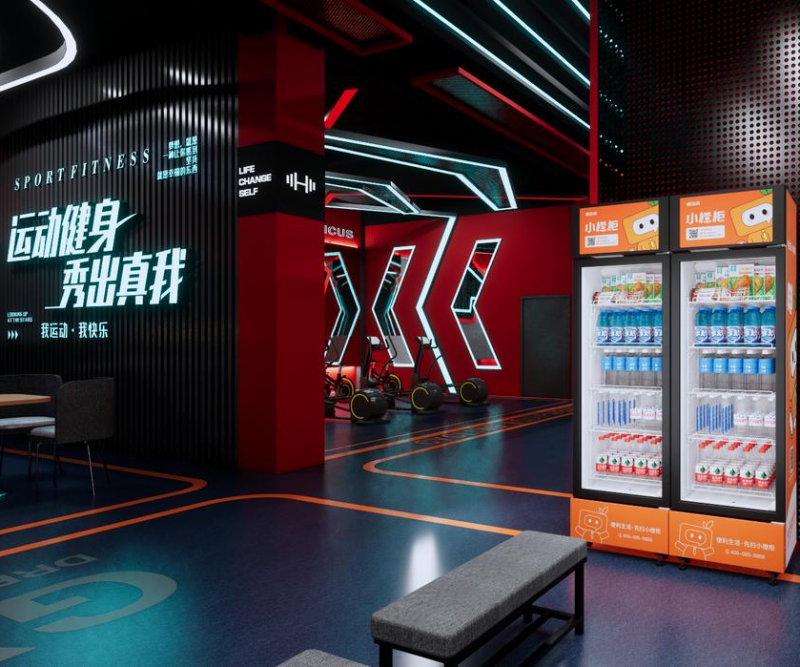
Core Viewpoint - The article highlights the strategic ambition and leading position of China in the Internet of Things (IoT) industry, exemplified by the growth and innovation of the smart hardware IoT e-commerce platform, Hengsheng Life, since its establishment in 2020 [1] Group 1: Strategic Development - Hengsheng Life's inception reflects the essence of strategy—doing the right thing at the right time, particularly during the pandemic which accelerated the shift towards contactless interactions and highlighted the opportunity in smart retail [2] - The company identified a significant gap in the market for smart vending machines, with less than 300,000 units available for a population of nearly 1.4 billion, and positioned itself in the unmanned retail sector [2] - By 2022, Hengsheng Life's digital upgrade capabilities were recognized beyond commercial boundaries, establishing a foundation for future development and demonstrating its value in promoting high-quality economic growth [5] Group 2: Technological Innovation - From 2023 onwards, Hengsheng Life's strategy evolved to focus on core technological innovation as competition intensified, with the company investing in R&D to build a strong competitive moat [6] - The company has developed 8 utility model patents and 8 design patents, ensuring product reliability in demanding operational environments, which supports its ability to meet high standards [6] - Hengsheng Life's strategic engine has been elevated to integrate IoT, internet, and smart living, aligning with national priorities to expand domestic demand [7] Group 3: Market Expansion and Product Diversification - By 2025, Hengsheng Life plans to expand its product matrix and deepen its engagement in high-value scenarios, leveraging its extensive terminal network and data assets to capture new consumer market opportunities [8] - The company launched smart charging piles in May 2025, targeting the growing demand for electric vehicle charging solutions, and introduced the "Qidian BOX" for cultural and creative products, tapping into the Z-generation consumer trend [9][12] - Hengsheng Life's smart vending machines have successfully entered high-stakes public service scenarios, showcasing its capability to provide stable and secure technological solutions [11] Group 4: Future Outlook - The company aims to continue its growth trajectory by leveraging advancements in 5G, satellite communication, and low-altitude networks to enhance its AIoT capabilities [13] - As of July 2025, Hengsheng Life's smart vending machines achieved a monthly sales milestone of over 4,000 units, solidifying its market leadership [13] - The company envisions its extensive network as a new generation of digital infrastructure, fostering growth opportunities for partners and enhancing user experiences through diverse product offerings [13]

鸿蒙世界,正上演“寒武纪大爆发”
Guan Cha Zhe Wang· 2025-08-03 06:55
Core Insights - The article draws a parallel between the Cambrian Explosion in biological history and the current rapid growth of the HarmonyOS ecosystem, highlighting its significance in reshaping the technological landscape [1][3]. - As of July 30, the number of devices running HarmonyOS 5 has surpassed 10 million, indicating a strong user base and commercial potential for the ecosystem [1][3]. - The success of HarmonyOS is attributed to its self-developed core technologies and innovative features that enhance user experience, attracting more users and developers [3][4]. User Experience and Ecosystem Development - Users are experiencing the convenience of HarmonyOS in various scenarios, such as seamless device connectivity in meetings and enhanced shopping experiences through AI recommendations [4][5]. - The number of applications available on HarmonyOS is approaching 30,000, with the top 5,000 applications covering 99.9% of user engagement time, demonstrating significant user acceptance [7]. - Huawei regained the top market share in China with an 18.1% share in Q2, and its foldable phones lead the market with a 72.6% share, indicating growing trust in HarmonyOS [7]. Collaborative Efforts and Market Position - The milestone of 10 million devices has been celebrated by 99 partners and 99 universities, showcasing collective support for the HarmonyOS ecosystem [9]. - Major applications from Tencent and other national-level apps have rapidly adapted to HarmonyOS, enhancing user experience and increasing installation rates [9][11]. - The ecosystem is not just a replacement for traditional operating systems but aims to foster innovation and collaboration among developers, creating a more open environment [11][12]. Future Growth and Opportunities - The HarmonyOS ecosystem is positioned for further growth, with over 800,000 registered developers and a significant number of products already adapted to the system [15]. - The launch of HarmonyOS 6 Beta at the Huawei Developer Conference indicates ongoing enhancements and the potential for new features that will benefit both users and developers [17]. - Initiatives like the Harmony Star Plan aim to support innovation among developers, particularly in educational institutions, further expanding the ecosystem's reach [19]. Conclusion - The achievement of 10 million devices marks a significant milestone for HarmonyOS, representing a stable and active user base that can drive further growth [21]. - The ecosystem is poised for a broader impact, with the potential to reshape the operating system landscape and foster a collaborative environment for developers and users alike [21].


科股早知道:不止是硅片硅料,光伏组件含税含运均价也迎来上调
Sou Hu Cai Jing· 2025-07-11 00:56
Group 1 - The average price of photovoltaic modules, including tax and transportation, has increased by 0.3%-1.5% as of July 9, with silicon wafer prices rising by 8%-11.7% due to upstream silicon material price hikes [1] - The increase in silicon wafer prices is primarily attributed to the rising costs of upstream silicon materials, although the downstream battery segment's ability to absorb these price increases remains uncertain due to slowing terminal demand in the domestic photovoltaic market [1] - Analysts suggest that the photovoltaic industry is moving towards a transformation from "price competition" to "quality and price" as a response to the ongoing supply-side reforms and rising costs [1] Group 2 - Huawei's intelligent assisted driving system has accumulated over 30.37 billion kilometers of driving distance as of July 7, 2025, averaging over 10 million kilometers per day [2] - The market for autonomous driving is projected to reach $273.8 billion by 2025, driven by both policy and commercialization factors, marking a pivotal year for the industry [2] - The intelligent driving sector is expected to benefit from the accelerating penetration of smart driving technologies, entering a new phase of "technology + regulation + commercialization" [2] Group 3 - The advent of 6G technology is anticipated to significantly enhance communication capabilities, with theoretical data transmission speeds expected to be several times faster than 5G [4] - The development of 6G is expected to create vast market opportunities across various sectors, including antennas, RF, and communication chips, as infrastructure for communication upgrades is prioritized [4] - The competition among nations for next-generation communication technologies is intensifying, with significant advancements in core technologies for integrated communication across air, space, and ground [3][4] Group 4 - The application of drones in the low-altitude economy is expanding, exemplified by the use of drones for delivering AEDs to enhance emergency response capabilities for river crews [5] - Drones, originally developed for military purposes, are now being utilized in various sectors including commercial, logistics, entertainment, and agriculture, indicating a broadening of their application [5] - Analysts believe that drones will play a crucial role in the development of the low-altitude economy as their application fields continue to deepen and expand [5]

晚报 | 7月3日主题前瞻
Xuan Gu Bao· 2025-07-02 15:46
Group 1: Internet of Things (IoT) - The establishment of the IoT Standardization Technical Committee is a significant step to accelerate the development of IoT in China, aiming to create a robust standard system and enhance international competitiveness [1] - The global IoT market is projected to exceed $2.1 trillion by 2025, with China contributing over 35%, becoming the largest single market [1] - The transition from "connecting everything" to "intelligent connectivity" is driven by technological integration and policy support, with an expected annual growth rate of over 20% in the coming years [1] Group 2: DRAM Market - The NAND Flash market price index has increased by 9.2% and the DRAM market price index by 47.7% since the beginning of 2025, with a notable 19.5% increase in June alone [2] - A significant shift from oversupply to undersupply in traditional DRAM products is anticipated due to AI-driven demand and supply strategies [2] - The global DRAM market is expected to reach a historical high in 2025, driven by demand from AI and cloud computing [2] Group 3: Photovoltaics - In the first five months of 2025, the newly installed photovoltaic capacity reached approximately 198 GW, with May alone contributing 93 GW [3] - The industry is expected to see improvements in supply and demand dynamics, supported by favorable policies and technological advancements [3] Group 4: Computing Power - The computing power industry is characterized by its large scale and growth potential, with significant performance elasticity expected in chips and AI servers by 2025 [4] - Domestic chip manufacturers are likely to benefit from economic shifts and supply chain considerations [4] Group 5: Innovative Pharmaceuticals - Recent measures from the National Healthcare Security Administration support the inclusion of innovative drugs in basic medical insurance and commercial health insurance directories [5] - The innovative drug sector in China is gaining international recognition, indicating strong growth potential [5] Group 6: Nuclear Fusion - Alphabet has signed an agreement to purchase 200 MW of power from a fusion energy project, marking a milestone in commercial nuclear fusion energy [6] - The upcoming 2025 China International Nuclear Fusion and Nuclear Energy Industry Conference is expected to showcase advancements in nuclear energy [6] Group 7: Cement Industry - The China Cement Association has issued guidelines to promote high-quality development and stabilize growth in the cement industry [7] - The industry is currently facing profitability challenges, with a shift in focus from market share to restoring profitability [7] Group 8: Rare Earths - The reduction in rare earth exports from China has led to increased prices in international markets, with automotive manufacturers willing to pay a premium for supplies outside China [8] - Rare earth materials are critical for various industries, particularly in electric vehicle manufacturing [8]
途鸽科技在2025MWC发布全球5G云通信+卫星IoT解决方案,开启全域互联新时代
Cai Fu Zai Xian· 2025-06-27 04:45
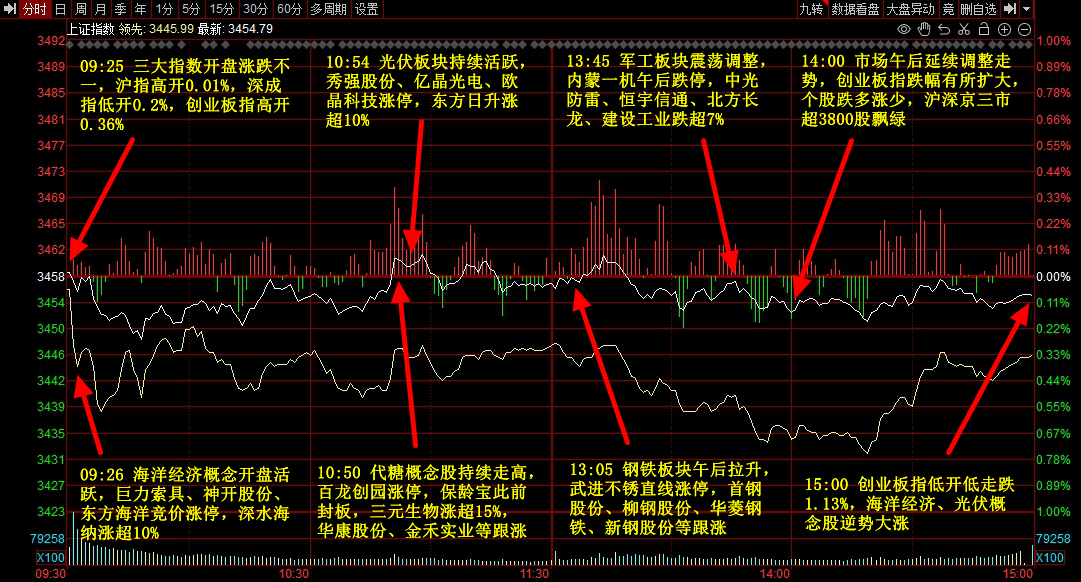
Core Viewpoint - TGT Technology Global has launched a "Global 5G Cloud Communication + Satellite IoT Solution," marking a strategic upgrade from ground communication to integrated air, land, and space connectivity, providing seamless connectivity for various global customers [1][4]. Group 1: Strategic Upgrade - The solution integrates 5G cloud communication with satellite IoT, addressing coverage gaps in remote areas, oceans, and deserts, ensuring real-time data transmission for critical applications like emergency communication and smart agriculture [2][4]. - This launch signifies TGT's transition from a "global cloud communication service provider" to a "leader in comprehensive intelligent connectivity solutions," opening up significant market opportunities and enhancing the company's competitive edge [4][12]. Group 2: Technological Innovation - The 5G cloud communication + satellite IoT solution represents a revolutionary breakthrough in cloud communication technology, allowing seamless access to over 350 operators and networks across more than 200 countries [5][9]. - TGT is developing multi-mode communication modules that support both satellite and ground communication, enabling seamless roaming and business continuity across different networks [5][10]. Group 3: Operational Efficiency - The solution allows for rapid deployment without the need for physical SIM cards, simplifying the management of complex networks and reducing operational costs through a centralized cloud management platform [10][11]. - The dual-link redundancy between ground 5G and satellite networks ensures high reliability and business continuity, particularly during natural disasters or network failures [11][12]. Group 4: Data Management and Insights - TGT's cloud communication platform aggregates vast amounts of heterogeneous data from various devices, providing powerful storage, computing, and AI analysis capabilities for actionable insights [12]. - The ongoing development of low Earth orbit satellite internet is expected to create substantial market opportunities, with TGT committed to advancing its cloud communication and satellite IoT integration [12][14].
10张图看懂华为2025开发者大会 — 云见未来,码上世界
Huan Qiu Wang· 2025-06-26 11:10
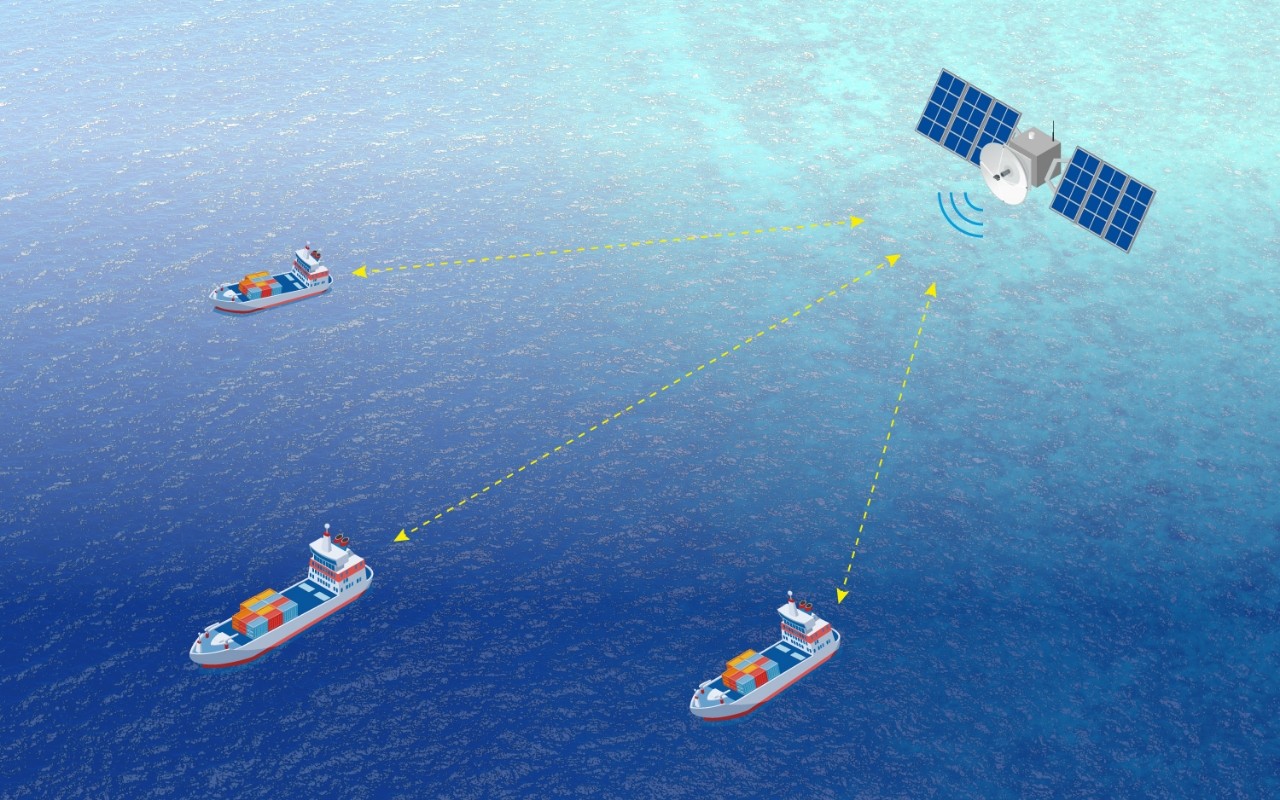
Core Insights - Huawei Developer Conference 2025 (HDC 2025) was held from June 20 to 22, featuring keynote speeches, forums, and interactive experiences aimed at developers [1] - The conference highlighted the launch of the new generation Ascend AI cloud service based on CloudMatrix384 super nodes and the official release of the Pangu Model 5.5, which includes upgrades in five foundational models [1] - Over 20 significant announcements and upgrades were made during the forum, including AI professional service solutions and new capabilities for Huawei Cloud [6] Group 1 - Huawei's Executive Director and CEO of Huawei Cloud, Zhang Ping'an, announced the comprehensive launch of the Ascend AI cloud service, providing powerful computing capabilities for large model applications [1] - The Pangu Model 5.5 was officially released, with upgrades in natural language processing, computer vision, multimodal, prediction, and scientific computing [1] - The conference showcased various innovative applications of the Pangu Model across agriculture, industry, and scientific research [1][3] Group 2 - The forum featured over 20 major releases and upgrades, including the TaurusDB for PostgreSQL engine and a large model firewall [6] - New capabilities were introduced for the Huawei Industrial Data Platform (iDME.X) and various AI application innovation plans [6] - The exhibition included demonstrations of Ascend AI cloud service inference and training, as well as interactive experiences showcasing AI's integration with the physical world [7][8] Group 3 - Developer hands-on activities included meet-and-greets, product experience sessions, and AI application development workshops [10] - The event also featured offline activities and a carnival music concert, enhancing the overall experience for developers [11] - Attendees expressed their hopes for AI's future applications, emphasizing the desire for AI to enhance human capabilities and connectivity [13]
网络能力10倍提升 5G-A发展驶入快车道
Zheng Quan Shi Bao· 2025-06-25 18:23
Core Viewpoint - The transition to the "5.5G" era, also known as 5G-Advanced (5G-A), is accelerating globally, presenting significant technological changes and business opportunities, particularly in the context of AI integration [2][3][4]. Group 1: Development and Commercialization of 5G-A - 5G-A represents an enhancement and evolution of 5G technology, with substantial improvements in capacity, speed, latency, and positioning capabilities, theoretically achieving a tenfold increase in connection speed and reduced latency compared to initial 5G [3][4]. - By 2024, 5G-A is expected to see widespread commercialization, with over 50 networks operational globally, covering more than 300 cities, and over 10 million users in China alone [4][5]. - Major Chinese telecom operators are actively exploring new business models and high-end brand renewal plans to enhance user experience and drive smart upgrades across various industries [4][6]. Group 2: Market Demand and Technological Maturity - The rapid development of 5G-A is driven by technological maturity and increasing market demand for high-speed, stable, and low-latency networks across various sectors, including industrial internet and smart transportation [6][7]. - Emerging industries such as smart driving and low-altitude economy are creating urgent demands for advanced communication technologies, which 5G-A can fulfill [6][7]. Group 3: Policy Support and Future Implications - Government policies at both national and local levels are crucial in promoting the development of 5G-A, with plans for significant infrastructure investments, such as the construction of thousands of new base stations [7][8]. - The integration of 5G-A with AI is expected to transform various industries, enhancing productivity and creating new business models, while also improving user experiences in daily life [8][10]. Group 4: Challenges Ahead - Despite its potential, 5G-A faces challenges related to technology, costs, business models, network security, and industry standards that need to be addressed for successful implementation [12][14]. - Key technical challenges include improving network coverage and signal stability, as well as addressing issues related to spectrum allocation and signal interference [13][14]. - The high costs associated with the construction and operation of 5G-A base stations pose a barrier to widespread adoption, necessitating innovative cost management strategies and viable profit models [14].
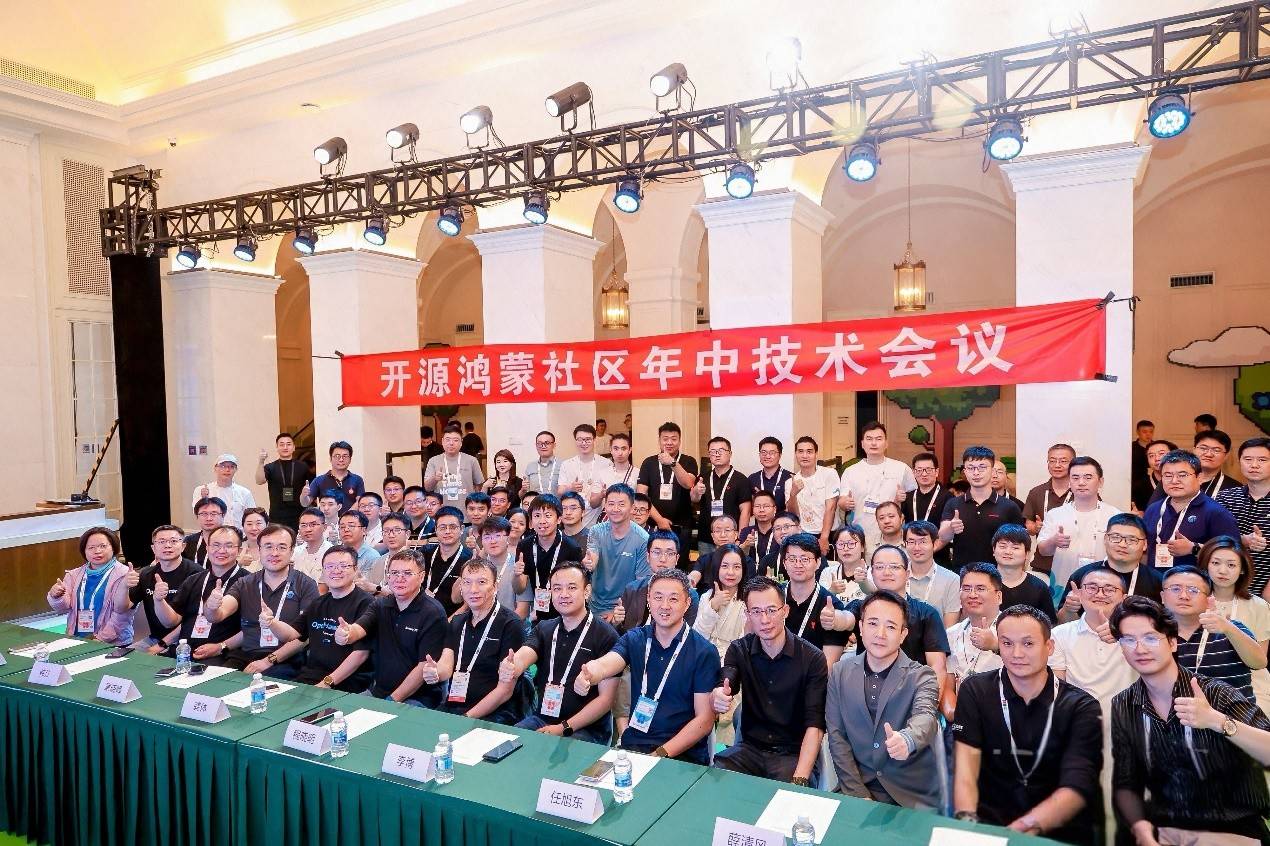
开源鸿蒙年中技术会议在东莞盛大召开,生态繁荣与技术突破共绘新蓝图
Sou Hu Cai Jing· 2025-06-25 09:35
Core Insights - The OpenHarmony community held its mid-year technology conference on June 21, 2025, in Dongguan, focusing on technological breakthroughs and ecosystem development [1] - The conference featured keynotes from industry leaders and experts, emphasizing the importance of collaboration and shared goals within the open-source community [2][3] Group 1: Achievements and Developments - The OpenHarmony project has achieved significant milestones over the past four years, with over 130 million lines of code and more than 8,700 developers contributing [5] - The community governance has been upgraded with the addition of 8 key Special Interest Groups (SIGs), enhancing critical technology areas such as routing and Web [5] - Over 400 ecosystem partners have certified more than 1,200 products across various industries, including finance, transportation, education, and healthcare [5] Group 2: Publications and Knowledge Sharing - Two significant publications were launched during the conference: "HarmonyOS Architecture Design - From Principles to Implementation," which provides an in-depth analysis of the HarmonyOS design principles, and "HarmonyOS Application Development," a practical guide for developers [11][14] Group 3: Strategic Planning and Future Directions - The community outlined strategic plans for the second half of 2025, focusing on enhancing system capabilities, optimizing developer experiences, and empowering key industries [16] - Various SIGs presented their progress and future plans, including advancements in robotics, AI technology, and smart building applications [17][25][29] Group 4: Community Engagement and Collaboration - A significant part of the conference was dedicated to recognizing the contributions of active SIGs, encouraging them to continue their efforts in driving the open-source ecosystem forward [6][21] - The conference served as a platform for fostering consensus and energizing the community towards a shared vision of a connected digital world [31]
5G发牌六周年:技术持续演进 赋能千行百业
Xin Hua She· 2025-06-19 13:02
Group 1 - The 2025 World Mobile Communication Conference in Shanghai focuses on the development trends of 5G integration, AI+, and industry interconnectivity, showcasing the advancements in technology and application scenarios since the issuance of 5G licenses six years ago [1] - China Mobile demonstrated various applications of 5G, 5G-A, and AI, highlighting improvements in remote control at ports, autonomous vehicles in industrial parks, and enhanced production efficiency in smart factories [1][2] - China Telecom showcased the empowerment of the low-altitude economy through 5G technology, including a "5G lake patrol system" for intelligent inspections and a "5G+ drone medical route" for efficient medical transport [1][2] Group 2 - As of this year, there are 1.081 billion 5G mobile phone users in China, with a total of 4.439 million 5G base stations, achieving "5G coverage in every town" [2] - 5G applications have been integrated into 86 out of 97 categories of the national economy, with over 138,000 cases reported, and more than 18,500 national construction projects related to "5G+ industrial internet" [2] - The deployment of 5G-A networks has begun in over 300 cities, indicating a significant upgrade in network capabilities [2] Group 3 - Shanghai's subway achieved full 5G public signal coverage this spring, with over 80% of lines utilizing advanced 5G-A technology, providing an average download speed exceeding 600 Mbps [3] - China Tower has implemented a "5G+ Beidou+ indoor distribution system" in Xiong'an New Area, enabling precise underground navigation and covering 1.5 million square meters of underground space [3] Group 4 - The CEO of the Global Mobile Communications System Association stated that China's 5G technology innovation and industrial development can serve as a model for other countries, with significant advancements in infrastructure, investment, and innovation [4] - It is projected that by 2030, the number of 5G connections in China will reach 1.6 billion, accounting for nearly one-third of the global total [4]
开源鸿蒙迎新进展 国产操作系统加速演进
Zheng Quan Ri Bao· 2025-05-25 16:09
Core Insights - The open-source HarmonyOS has made significant progress in its ecosystem development, with the release of version 5.1 and the launch of AI Agent technology for ecosystem collaboration [1][2] - The codebase has grown to over 130 million lines with contributions from more than 8,600 developers, and over 1,100 hardware and software products have passed compatibility testing [1][2] - The development of open-source HarmonyOS is seen as a key turning point for China's foundational software to participate in global competition, indicating a rapid evolution of domestic operating systems [1][2] Group 1 - The newly released HarmonyOS 5.1 emphasizes distributed capabilities and AI integration, introducing spatial audio technology to support industrial upgrades and AR/VR scenarios [2] - The project has released eight major versions and built over 1,100 open-source third-party libraries, accelerating application and device development [2] - The ecosystem's growth signifies a substantial breakthrough for China in the global operating system market, with expectations for rapid development in the coming years [2][3] Group 2 - The open-source HarmonyOS was officially launched by Huawei in 2019, with the OpenAtom Foundation taking over its open-source management in 2020 [3] - Various policies have been implemented to promote the development of open-source HarmonyOS, including a 2024 action plan from Shenzhen to establish a native application software ecosystem [3] - The OpenAtom Foundation is focused on project introduction, cultivation, technological innovation, and ecosystem expansion to provide diverse resources for developers [4] Group 3 - The rapid development of open-source HarmonyOS has attracted ecosystem partners, leading to innovative applications and a global expansion of the ecosystem [6] - Shenzhen Kaihong Digital Industry Development Co., Ltd. announced a five-year investment of 500 million yuan to create a complete support loop for application development and commercialization [6] - Major companies are actively participating in the construction of various independent ecosystems, indicating a shift towards self-sufficiency in China's software and hardware industries [6]