
物价上涨

Search documents
美联储“褐皮书”:关税致美国物价普遍上涨,招聘放缓
Sou Hu Cai Jing· 2025-09-04 02:25
Economic Activity - The Federal Reserve's "Beige Book" indicates that most of the 12 Federal Reserve districts reported little change in economic activity, with only four districts noting moderate growth [1] - Consumer spending remained flat or declined across most districts, with many households' incomes not keeping pace with rising prices [1] - Nearly all districts reported price increases related to tariffs, with significant impacts on input costs [1] Employment Trends - Overall employment levels showed little change across 11 Federal Reserve districts, with one district experiencing a slight decline [2] - Seven districts reported that businesses were reluctant to hire due to weak demand and economic uncertainty, while two districts noted an increase in layoffs [2] - The reduction in immigrant labor, particularly affecting the construction industry, was highlighted as a significant factor impacting employment [2] Inflation and Price Expectations - Most regions described current price increases as "moderate to modest," but many businesses expect prices to continue rising in the coming months, with three districts anticipating further increases [1] - The report emphasized that businesses are cautious about raising prices due to concerns over potential loss of customers [1] Federal Reserve's Policy Outlook - The upcoming Federal Reserve meeting on September 16-17 is expected to be influenced by the economic conditions outlined in the "Beige Book" [4] - The probability of a 25 basis point rate cut is projected at 96.6%, with only a 3.4% chance of maintaining current rates [4]

美联储“褐皮书”:美国物价普遍上涨,与加征关税相关
第一财经· 2025-09-04 00:48
Core Viewpoint - The report indicates that price increases related to tariffs have been observed across all Federal Reserve districts in the U.S. from mid-July to the end of August, leading to a stagnation or decline in consumer spending due to rising costs outpacing wage growth [3][4][5]. Economic Impact - The Federal Reserve's "Beige Book" report, compiled from surveys of the 12 Federal Reserve Banks, highlights significant price increases in inputs, particularly in insurance, utilities, and technology services, with many companies passing these costs onto consumers [3][4]. - The average trade-weighted tariff rate for all products imported into the U.S. has risen sharply to 20.11% as of August 7, compared to just 2.44% at the beginning of the year, reflecting the government's aggressive tariff policies [5]. Labor Market Conditions - Employment levels across 11 Federal Reserve districts have remained largely unchanged, with one district reporting a slight decline in employment. Seven districts noted a reluctance among businesses to hire due to weakened demand or increased uncertainty, while two districts experienced an increase in layoffs [4].

美联储褐皮书:物价普遍上涨 与加征关税相关
Xin Hua Wang· 2025-09-04 00:22
Group 1 - The Federal Reserve's Beige Book report indicates that from mid-July to the end of August, all Federal Reserve districts experienced price increases related to tariffs [1] - Many Federal Reserve districts reported significant impacts of tariffs on input prices, with increases noted in insurance, utilities, and technology services [1] - Companies have largely passed on rising costs to customers, and businesses expect prices to continue rising in the coming months [1] Group 2 - Due to increased economic uncertainty and higher tariff rates, many households' wage growth has not kept pace with rising prices, leading to stagnant or declining consumer spending across all Federal Reserve districts [1] - The overall employment level remained unchanged in 11 Federal Reserve districts, with one district showing a slight decline in employment [1] - Seven Federal Reserve districts reported reluctance among businesses to hire due to weakened demand or increased uncertainty, while two districts noted an increase in layoffs [1] Group 3 - The U.S. government has been imposing higher tariffs on trade partners, with tariff rates ranging from 10% to 41% announced on July 31 [2] - The trade-weighted average tariff rate for all products imported into the U.S. rose significantly to 20.11% as of August 7, compared to just 2.44% at the beginning of the year [2]
美联储“褐皮书”:美国物价普遍上涨与加征关税相关
Xin Hua Cai Jing· 2025-09-03 23:39
Group 1 - The Federal Reserve's Beige Book report indicates that from mid-July to the end of August, all Federal Reserve districts experienced price increases related to tariffs [1] - Many districts reported significant impacts of tariffs on input prices, with increases noted in insurance, utilities, and technology services [1] - Companies have largely passed on rising costs to customers, and businesses expect prices to continue rising in the coming months [1] Group 2 - Due to increased economic uncertainty and higher tariff rates, many households' wage growth has not kept pace with rising prices, leading to stagnant or declining consumer spending across all Federal Reserve districts [1] - The overall employment level remained largely unchanged in 11 Federal Reserve districts, with one district experiencing a slight decline in employment [1] - Seven districts reported reluctance among businesses to hire due to weakened demand or increased uncertainty, while two districts noted an increase in layoffs [1] Group 3 - The U.S. government has been imposing higher tariffs on trade partners, with tariff rates ranging from 10% to 41% announced on July 31 [2] - The trade-weighted average tariff rate for all products imported into the U.S. rose significantly to 20.11% as of August 7, compared to just 2.44% at the beginning of the year [2]
德国中产家庭的困窘,让我震惊
虎嗅APP· 2025-09-01 10:12
Core Viewpoint - The article highlights the rising cost of living in Germany, illustrating how even middle-class families are struggling to adjust their spending habits due to inflation and economic challenges [6][40]. Group 1: Public Transport Costs - The cost of a single bus ticket from a small town to Munich is 10.2 euros (approximately 85 RMB), which is perceived as excessively high for a 35-minute journey [10][12]. - The author notes that commuting costs can exceed 100 RMB for a round trip, leading to concerns about affordability for daily work [13][12]. - A bus driver empathizes with the high fare and offers a reduced fare option, reflecting a sense of community support among ordinary people facing financial difficulties [19][18]. Group 2: Changes in Consumer Behavior - Conversations with neighbors reveal a shift in shopping habits, with families now opting for discount supermarkets like ALDI due to rising prices [22][26]. - A middle-class family that previously preferred premium brands is now calculating costs more carefully, switching to cheaper alternatives for everyday items [27][28]. - The article emphasizes the stark contrast in consumer behavior, where even middle-class households are now price-sensitive and reconsidering their purchasing decisions [26][28]. Group 3: Personal Financial Struggles - A 75-year-old woman faces financial difficulties after her partner leaves her, highlighting the challenges of managing a mortgage and living expenses on a single retirement income [36][39]. - The woman’s situation illustrates the broader issue of financial insecurity among older adults in Germany, who may not have sufficient savings to cope with unexpected life changes [39][38]. - The article discusses how economic downturns and rising living costs have led to increased financial strain on individuals and families, even those who were previously stable [40][41].

波黑官方数据证实,食品价格每月持续飙升
Shang Wu Bu Wang Zhan· 2025-08-27 15:39
Group 1 - Consumer goods prices in Bosnia and Herzegovina have been rising, with a month-on-month increase of 0.2% in July. The largest price increases were seen in transportation services (2.2%), entertainment (0.7%), and accommodation (0.6%) [1] - Year-on-year, the overall price level increased by 4.8% in July, with food and non-alcoholic beverages experiencing a significant rise of 10.8%. Other notable increases included healthcare costs (6.1%) and accommodation (7.5%) [1] - Certain categories, such as clothing and footwear (-5.3%) and transportation services (-3.2%), experienced price declines [1] Group 2 - Economists indicate that while inflation for food and consumer goods has reached record levels, wages have not increased correspondingly, leading to potential adjustments in consumer spending patterns [2] - The Consumer Association of the Republika Srpska noted that rising prices, particularly for food, have forced consumers to cut back on daily expenditures, highlighting the disconnect between current prices and income levels [2] - There is criticism directed at the government for benefiting from high prices through increased VAT revenue, while failing to address the high cost of living [2]
应对旅游热潮,日本多地开征住宿税
Sou Hu Cai Jing· 2025-08-26 04:50
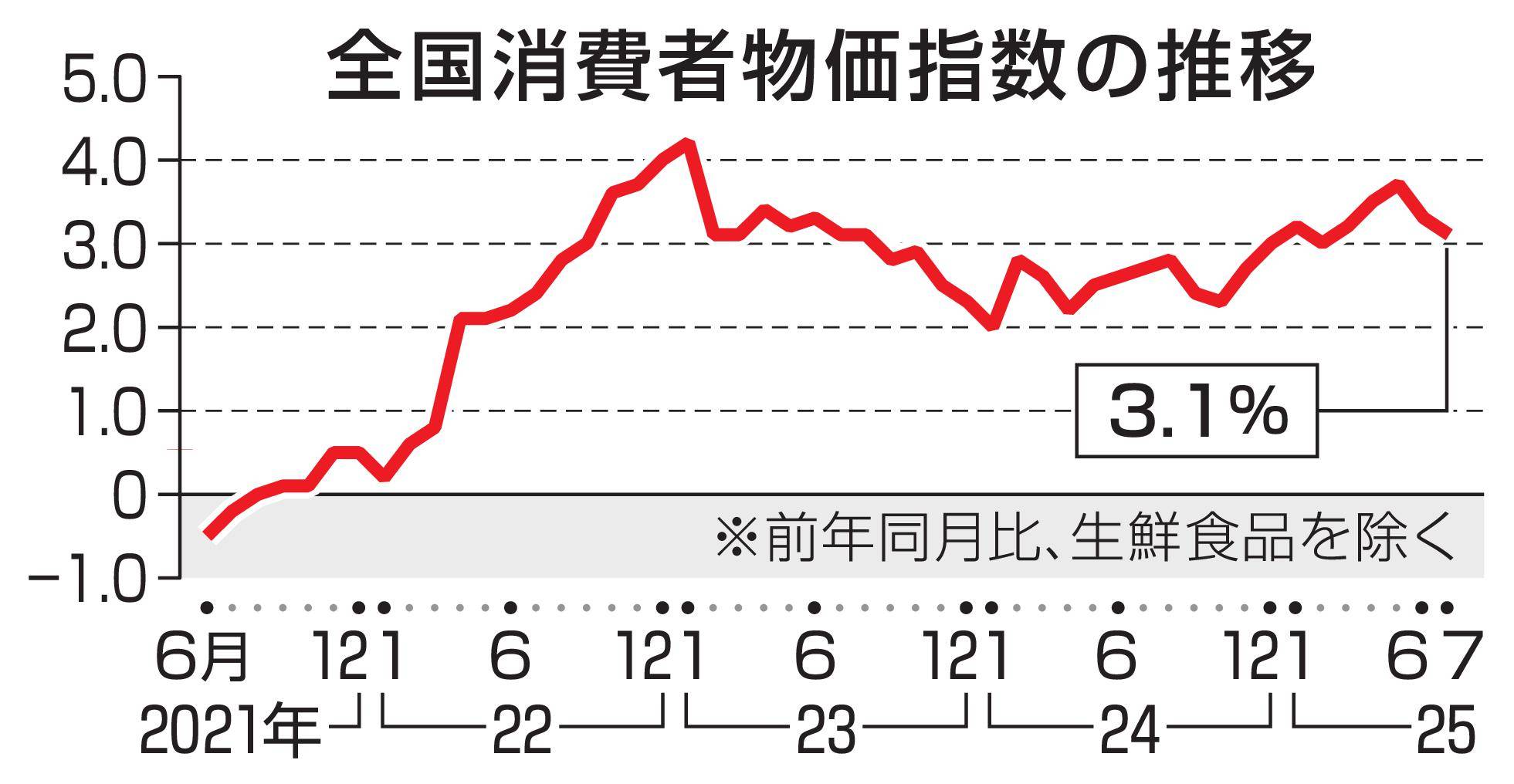
Group 1 - Japanese local governments are beginning or planning to impose accommodation taxes to address infrastructure pressures from an increase in foreign tourists [1] - A survey indicated that 42 local governments have started or plan to implement accommodation taxes, with over 90 more considering it [1] - The accommodation tax rates are set at approximately 200 yen (about 9.8 RMB) per person per night, with some high-end accommodations charging up to 1000 yen (about 48.8 RMB) or more [1] Group 2 - Concerns exist among some local governments regarding the accommodation tax, particularly about the clarity of tax usage and the burden on small accommodation operators [2] - Japan's core Consumer Price Index (CPI) rose by 3.1% year-on-year in July, marking eight consecutive months of inflation above 3% [2] - The increase in food prices is the primary driver of inflation, with significant price hikes in various food categories [2] Group 3 - Japan's real GDP grew by 0.3% quarter-on-quarter in the second quarter, translating to an annualized growth rate of 1.0% [3] - Economic risks remain a concern, especially in light of past economic downturns linked to external factors such as U.S. tariffs [3]
关税的不确定性与涨价的确定性
Jing Ji Ri Bao· 2025-08-23 22:12
Group 1 - Since the announcement of "reciprocal tariffs" by President Trump in April, U.S. businesses have temporarily coped with tariff impacts by stockpiling and sharing costs with upstream and downstream companies [1] - As of August 7, the trade-weighted average tariff rate imposed by the U.S. on all products globally has risen to 20.11%, significantly higher than the 2.44% at the beginning of the year [1] - A report from Harvard Business School indicates that from early March to the end of July, major U.S. retailers raised prices of imported and domestic goods by approximately 4% and 2%, respectively [1] Group 2 - Professor Justin Wolfers notes that tariffs appear to have shifted from "experimental" to "permanent," leading to anticipated price increases as businesses adjust their strategies [2] - Procter & Gamble announced plans to raise average prices of about 25% of personal care and household products by 2.5% to offset an additional $1 billion in costs due to tariffs [2] - Adidas CEO Bjorn Gulden indicated that new tariff policies will increase costs by $200 million in the second half of the year, leading to inevitable price hikes [2]
日本物价飙升吃不消!国民负担加重?各地新补贴你能领到吗?
Sou Hu Cai Jing· 2025-08-23 13:50
Group 1: Consumer Price Index and Inflation - The overall consumer price index in Japan, excluding fresh food, is reported at 111.6 (2020=100), reflecting a year-on-year increase of 3.1%, maintaining above 3% for the eighth consecutive month [1] - Food prices, excluding fresh agricultural products, have risen by 8.3%, marking a continuous increase for 12 months; rice prices have surged by 90.7%, nearly doubling from the previous year [3] Group 2: Impact of Weather and Agricultural Prices - Extreme summer heat has led to poor harvests of rice and vegetables, driving up fresh food prices; the average price of a 5-kilogram bag of rice reached 3737 yen, an increase of 195 yen from the previous week [6] - The average price of tomatoes is 40% higher than the average over the past five years, with other vegetables like cucumbers, eggplants, and carrots also seeing sustained price increases [8] Group 3: Government Subsidies and Support Measures - Local governments are implementing subsidy policies to alleviate the financial burden on residents due to rising prices [8] - Fukui Prefecture's Wakasa Town is distributing local shopping vouchers worth 10,000 yen to all residents, usable from August 9 to December 31, as part of ongoing welfare initiatives [18]
【环球财经】日本消费物价涨幅连续8个月保持在3%以上
Xin Hua Cai Jing· 2025-08-22 05:44
Core Insights - Japan's core consumer price index (CPI) excluding fresh food rose by 3.1% year-on-year in July, reaching 111.6, marking the eighth consecutive month of inflation above 3% [1] - The primary driver of rising prices in Japan is the accelerated increase in food prices, with significant hikes observed across various categories including grains, snacks, cooking food, dining out, meat, and beverages [1] - The price of ordinary japonica rice surged by 89.9%, while coffee beans and chocolate saw increases of 51.0% and 44.4% respectively [1] - Mobile communication fees and hotel accommodation costs rose by 11.8% and 6.0% respectively [1] - The inflation rate in July showed a decline compared to the previous month, partly due to government subsidies on gasoline prices and summer electricity and gas fees [1] - A comprehensive tuition fee waiver policy for public high schools implemented in April has led to a year-on-year decrease in education service prices [1] - Economists suggest that achieving a virtuous cycle of rising prices and wages in Japan may still require time, as general service prices reflecting wage trends have also shown a year-on-year slowdown, and real wages continue to decline [1]