贸易关税

Search documents
US and UK agree zero-tariffs on pharmaceuticals
Sky News· 2025-12-01 15:09
Group 1 - The US has agreed to exempt the UK from potential trade tariffs on pharmaceutical products, ensuring UK citizens have access to the latest pharmaceutical breakthroughs [1] - The agreement follows months of uncertainty regarding the imposition of steep charges on UK exports and is part of a broader effort to improve the operating environment for firms in Britain [2] - Concerns have been raised that the pricing regime prioritizing low costs for the NHS may hinder revenue for firms and discourage investment in the UK pharmaceutical market [2] Group 2 - The UK science minister indicated that many drugs available in the UK are likely to experience "inevitable" price increases as negotiations with the US continue [3]


Sakraida: Deere Quarter "Wasn't Terrible"; Investors Focused on 2026 Outlook
Youtube· 2025-11-26 17:30
Core Viewpoint - Deer reported earnings that exceeded estimates on both revenue and profit, but the stock is declining due to weak guidance for the upcoming year, particularly in agriculture sectors [1][19]. Earnings Report Summary - The earnings report showed a recovery in volumes and pricing realization, but investors are primarily concerned about the guidance for 2026, which is perceived as weak [2][3]. - Analysts had anticipated a recovery in earnings, but the guidance indicates that recovery is not expected until the 2027 fiscal year [5][19]. Market Conditions - Approximately 70% of Deer’s sales come from North America, where farmers are facing challenges due to tariffs and low commodity prices, leading to a subdued market outlook [4][6]. - Current prices for key crops like corn, soybeans, and wheat remain low despite record harvest yields, which negatively impacts farmer income and, consequently, demand for Deer’s products [7][8]. Investment Thesis - The investment thesis suggests that Deer must manage tariff costs effectively and see a recovery in market fundamentals to improve outlook. Current government stimulus is unlikely to drive significant demand [6][8]. - There is skepticism regarding the U.S.-China trade relationship, as past agreements have not always been honored, which poses risks for Deer’s agricultural sales [12][13]. Analyst Ratings and Price Target - Analysts maintain a sell rating on Deer, with a price target of $400, indicating a significant downside from the current trading price of around $470 [5][19]. - The stock is viewed as neutral to bearish, with strategies being considered to profit from potential declines or stability in stock price [16][18].


Hedge Fund and Insider Trading News: Michael Burry, Ray Dalio, David Tepper, Tom Steyer, Stanley Druckenmiller, Gloo Holdings (GLOO), PennyMac Financial Services Inc (PFSI), and More
Insider Monkey· 2025-11-24 18:11
Core Insights - Artificial intelligence (AI) is identified as the greatest investment opportunity of the current era, with a strong emphasis on the urgent need for energy to support its growth [1][2][3] - A specific company is highlighted as a key player in the AI energy sector, owning critical energy infrastructure assets that are essential for meeting the increasing energy demands of AI technologies [3][7] Investment Landscape - Wall Street is investing hundreds of billions into AI, but there is a pressing concern regarding the energy supply needed to sustain this growth [2] - AI data centers, such as those powering large language models, consume energy equivalent to that of small cities, indicating a significant strain on global power grids [2] Company Profile - The company in focus is not a chipmaker or cloud platform but is positioned as a vital player in the energy sector, particularly in nuclear energy infrastructure [7] - It is capable of executing large-scale engineering, procurement, and construction (EPC) projects across various energy sectors, including oil, gas, and renewable fuels [7] Financial Position - The company is noted for being completely debt-free and holding a substantial cash reserve, which is nearly one-third of its market capitalization [8] - It is trading at less than 7 times earnings, making it an attractive investment opportunity compared to other firms in the energy and utility sectors [10] Market Trends - The company is poised to benefit from the onshoring trend driven by tariffs, as well as the surge in U.S. LNG exports under the current administration's energy policies [5][14] - There is a growing recognition on Wall Street of this company's potential, as it quietly capitalizes on multiple favorable market trends without the high valuations seen in other sectors [8][6] Future Outlook - The demand for AI is expected to continue growing, leading to an increased need for energy infrastructure, which the company is well-positioned to provide [3][12] - The influx of talent into the AI sector is anticipated to drive rapid advancements, further solidifying the importance of energy infrastructure in supporting this growth [12]


欧盟下调明年欧元区增长预期
Guo Ji Jin Rong Bao· 2025-11-18 09:58
Core Points - The European Commission has revised down its growth forecast for the Eurozone in 2026 due to higher-than-expected tariffs imposed by the US on EU goods [1] - The Eurozone's growth is projected to be 1.1% in 2026, significantly lagging behind the US at 2.1% and China at 4.2% [1] - The Eurozone's economic growth for 2023 is now expected to reach 1.3%, up from a previous forecast of 0.9% [1] - The Commission attributes the improved growth outlook for 2023 to stronger private consumption and investment [1] Economic Outlook - The Eurozone is expected to maintain moderate growth in the coming quarters, supported by a resilient labor market and improved purchasing power [1] - The growth forecast for 2026 has been adjusted from 1.4% to 1.2% due to new tariff assumptions, with the US tariff rate on most EU goods increased from 10% to 15% [1] - The overall inflation in the Eurozone is projected to slow to 1.9% by 2026, slightly above the previous estimate of 1.7% but still within the European Central Bank's target of 2% [2] Employment and Trade - The unemployment rate in the Eurozone is expected to decrease from 6.3% in 2023 to 6.2% in 2026, reflecting a long-term trend of declining labor force participation [2] - The European Commission highlights that the Eurozone's average tariffs are still lower compared to economies like China and India, providing a relative advantage for EU companies [2] - However, the higher US tariffs are expected to negatively impact Eurozone exports in 2026 [2] Country-Specific Insights - Germany's growth forecast for 2023 has been revised from zero to 0.2%, with a projected growth of 1.2% in 2026, bolstered by a significant investment plan totaling €1 trillion [3] - Despite the positive outlook, Germany's economy remains highly dependent on exports, which may be adversely affected by trade tensions [3] - France's growth for 2023 is expected to reach 0.7%, with a 2026 growth forecast of 0.9%, down from a previous estimate of 1.3% due to domestic economic uncertainties [3]
Owens Corning (OC) Target Reduced as JPMorgan Flags Demand Weakness
Insider Monkey· 2025-11-17 18:30
Core Insights - Artificial intelligence (AI) is identified as the greatest investment opportunity of the current era, with a strong emphasis on the urgent need for energy to support its growth [1][2][3] - A specific company is highlighted as a key player in the AI energy sector, owning critical energy infrastructure assets that are essential for meeting the increasing energy demands of AI technologies [3][7] Investment Landscape - Wall Street is investing hundreds of billions into AI, but there is a looming question regarding the energy supply needed to sustain this growth [2] - AI data centers consume energy equivalent to that of small cities, leading to concerns about power grid strain and rising electricity prices [2] Company Profile - The company in focus is not a chipmaker or cloud platform but is positioned to benefit from the anticipated surge in energy demand due to AI [3][6] - It owns significant nuclear energy infrastructure assets, making it a central player in America's future power strategy [7] Financial Position - The company is noted for being debt-free and holding cash reserves that amount to nearly one-third of its market capitalization, providing a strong financial foundation [8] - It is trading at less than 7 times earnings, indicating a potentially undervalued investment opportunity [10] Market Trends - The company is poised to capitalize on the onshoring trend driven by tariffs, as well as the surge in U.S. LNG exports under the current administration [5][14] - There is a growing recognition on Wall Street of this company's potential, as it quietly benefits from multiple market tailwinds without the high valuations typical of other energy firms [8][9] Future Outlook - The influx of talent into the AI sector is expected to drive continuous innovation and advancements, reinforcing the importance of investing in AI-related companies [12] - The overall sentiment is that investing in AI infrastructure and energy is crucial for future growth, with the potential for significant returns within the next 12 to 24 months [15][19]


中方仅象征性买美国大豆就停手,商务部回应话里有话,特朗普会不会再变卦?
Sou Hu Cai Jing· 2025-11-16 04:11
Group 1 - The core issue revolves around China's halt in large-scale soybean purchases from the U.S., which contrasts with the U.S. government's expectations of a $120 billion procurement commitment [1] - China's agricultural imports have diversified, with private enterprises increasing their share, indicating that state-owned enterprises cannot fulfill the large orders anticipated by the U.S. [5] - The U.S. soybean industry is facing internal challenges, including surplus inventory and rising production costs, which complicate the market dynamics [3] Group 2 - The U.S. soybean import tariff of 13% significantly hampers competitiveness compared to Brazilian soybeans, which are 10% cheaper [1] - Brazil's soybean exports to China are projected to reach approximately 4 million tons by the end of 2025, providing China with leverage in negotiations [1] - The U.S. agricultural sector is concerned about the political volatility affecting trade agreements, as seen in the uncertainty faced by farmers regarding whether to store or sell their soybeans [3][5] Group 3 - China's procurement strategy appears to focus on risk diversification rather than reliance on a single source, reflecting a cautious approach in the face of geopolitical tensions [1] - The U.S. soybean association expresses hope that agricultural trade will not be politicized, highlighting the industry's frustration with the current trade environment [5] - China's response to the U.S. trade policies suggests that cooperation is contingent upon the removal of high tariffs, indicating a need for a more balanced trade relationship [5]
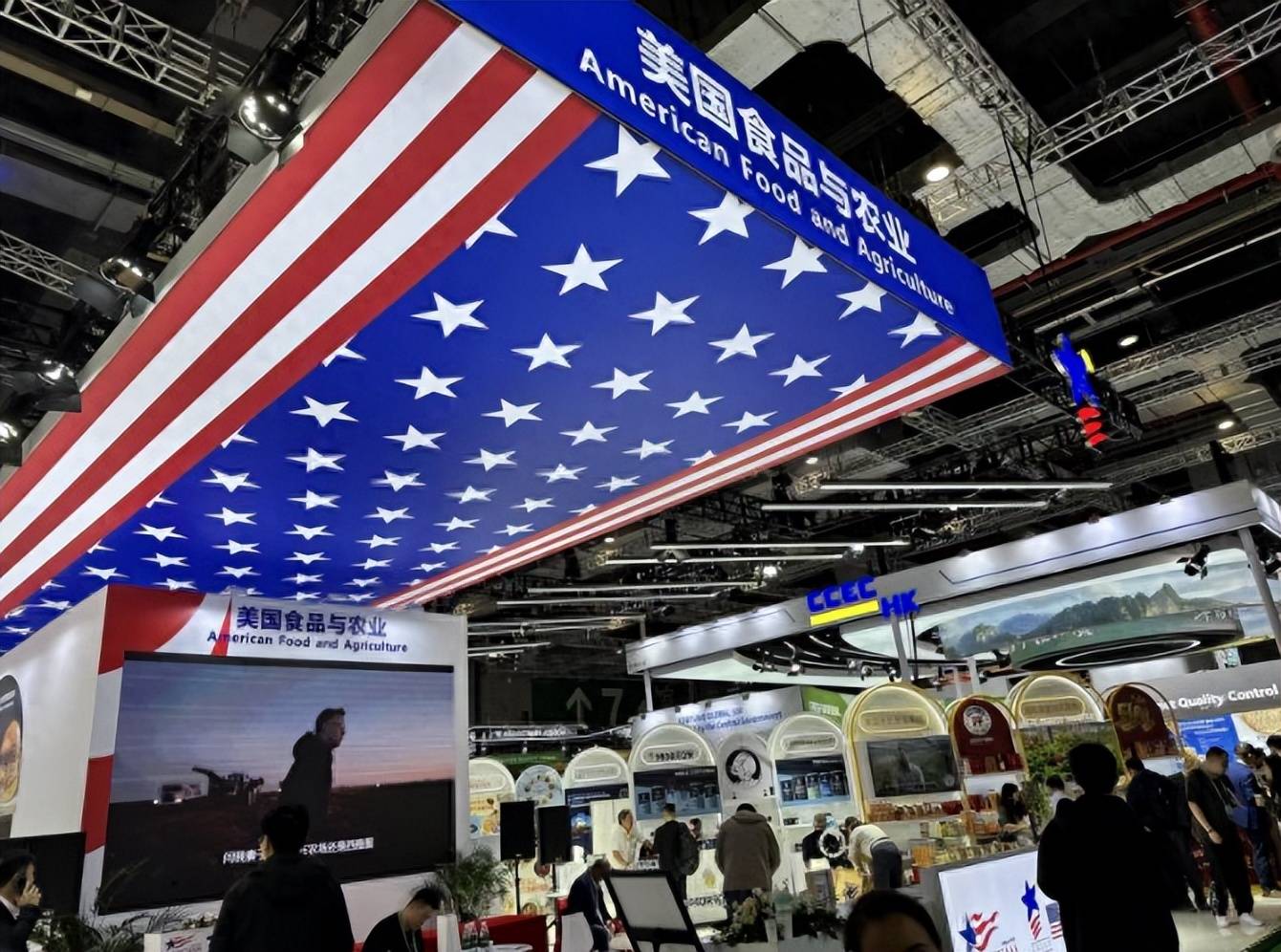
Silk: Tariffs were the tool that got the Chinese to the table
Youtube· 2025-11-14 12:07
Core Insights - The upcoming weeks and months are crucial for the Trump administration to advance its international trade priorities [1][2] - The use of tariffs has been highlighted as a strategic tool to facilitate trade negotiations, particularly with China [3][4] Trade Agreements and Impact - The administration has signed over 10 trade agreements within the first six months, with a total nearing 20 after the recent four agreements [5][6] - These agreements target countries that account for over 50% of the trade deficit inherited by the administration, aiming to mitigate trade imbalances [6] - Key components of these agreements include commitments for foreign direct investment (FDI) exceeding $1 trillion and energy purchases from the U.S. exceeding $800 billion [7] Future Expectations - Expectations for the first half of the next year include finalizing agreements with remaining countries, such as Taiwan, before focusing on larger negotiations with China [8][9]

UBS Lifts Erste Group Bank (EBKDY) Target to €97, Keeps Buy Rating
Insider Monkey· 2025-11-14 04:21
Core Insights - Artificial intelligence (AI) is identified as the greatest investment opportunity of the current era, with a strong emphasis on the urgency to invest now [1][13] - The energy demands of AI technologies are highlighted, with data centers consuming as much energy as small cities, leading to concerns about power grid strain and rising electricity prices [2][3] Investment Opportunity - A specific company is presented as a key player in the AI energy sector, owning critical energy infrastructure assets that are essential for supporting the anticipated surge in energy demand from AI data centers [3][7] - This company is characterized as a "toll booth" operator in the AI energy boom, benefiting from the increasing need for energy as AI technologies expand [4][5] Market Position - The company is noted for its unique position in the market, being debt-free and holding a significant cash reserve, which is nearly one-third of its market capitalization [8][10] - It has a substantial equity stake in another AI-related company, providing investors with indirect exposure to multiple growth engines in the AI sector [9][10] Strategic Advantages - The company is involved in large-scale engineering, procurement, and construction (EPC) projects across various energy sectors, including nuclear energy, which is crucial for America's future power strategy [7][8] - The current political climate, particularly Trump's tariffs, is expected to drive onshoring and increase demand for U.S. LNG exports, positioning the company favorably in this evolving landscape [5][14] Future Outlook - The influx of talent into the AI sector is expected to lead to rapid advancements and innovative ideas, reinforcing the notion that investing in AI is a way to back the future [12] - The potential for significant returns is emphasized, with projections suggesting a possible 100% return within 12 to 24 months for investors who act now [15][19]

MetalsFocus:黄金首饰需求下滑背后 韧性犹存?
智通财经网· 2025-11-13 23:59
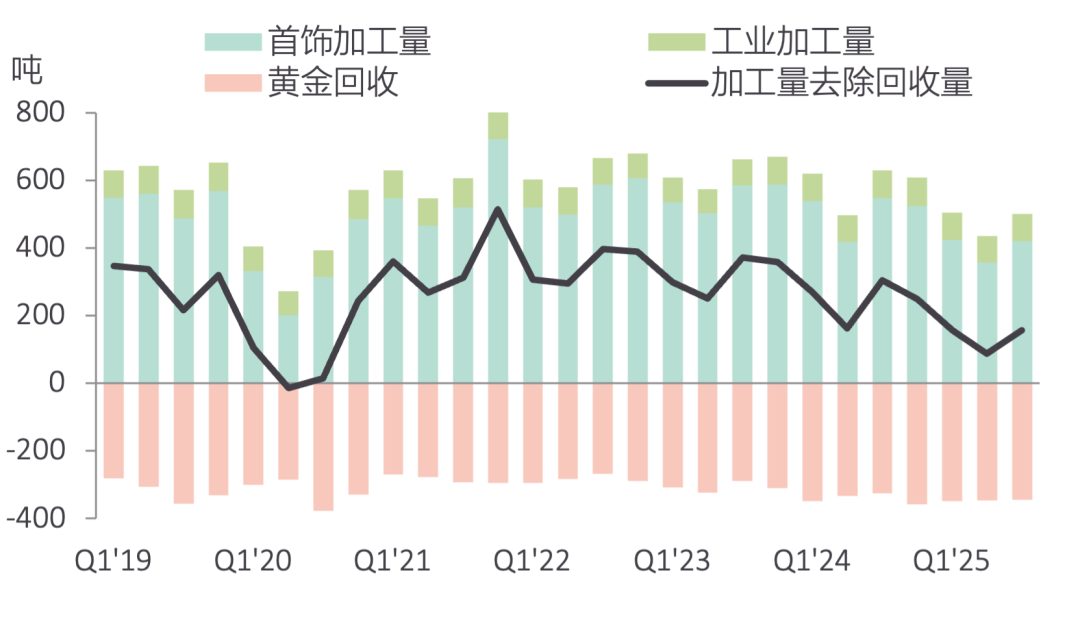
Core Insights - The rise in gold prices has led to a corresponding decline in global jewelry manufacturing, with seven out of the last eight quarters showing a decrease, resulting in a compound quarterly decline of 4.1% [1] - As of the first nine months of 2025, jewelry manufacturing volume measured in pure gold weight is at its lowest level since 2010, excluding the pandemic-affected year of 2020 [1] - Gold prices have been on an upward trend for eight consecutive quarters, with a compound growth rate of 7.6%, and a nearly 80% increase over the past two years [1] Jewelry Manufacturing Trends - The increase in raw material costs is expected to be passed on to end consumers, raising the prices of finished jewelry [1] - Consumers are responding to price increases by either paying more for the same weight of jewelry, opting for lighter or smaller pieces, reducing purchase frequency, or switching to alternative materials [1] Impact of Trade Tariffs - Trade tariffs have negatively impacted the jewelry market, particularly in the U.S., which is the third-largest consumer of gold jewelry globally [2] - Approximately 50% to 60% of jewelry in the U.S. is domestically produced, with the remainder imported; tariffs have significantly raised costs for imported jewelry [2] - The U.S. has imposed a 26% tariff on jewelry imports from India, which was further increased to 50%, leading to a significant decline in exports to the U.S. [2] Changes in Consumer Behavior - In India, despite a surge in shipments before the tariff implementation, jewelry exports to the U.S. still saw a 23% year-on-year decline by the first nine months of 2025 [3] - In China, consumer behavior has shifted from viewing jewelry as an investment to preferring lower-premium investment products, such as small gold bars, contributing to a decline in jewelry demand [3] - The significant drop in jewelry demand has led to a further decline in net gold demand from the manufacturing side, projected to approach zero by 2025 [3] Market Resilience - Despite the decline in pure gold weight in jewelry, the total value of gold jewelry manufacturing has been on an upward trend since mid-2020, reaching a new high this year [6] - In the U.S., consumer spending on jewelry and watches has consistently grown over the past decade, projected to reach $104.6 billion in 2024, with gold's share in jewelry consumption increasing [8] - Global jewelry containing gold is valued at over $112 billion in the first nine months of 2025, reflecting a 14% year-on-year increase, indicating sustained consumer enthusiasm for gold jewelry despite weight declines [8]
中美关系缓解影响全球,墨西哥推迟对华加税,外交部持续发出警告
Sou Hu Cai Jing· 2025-11-12 09:37
Core Points - Mexico's government has postponed the implementation of high tariffs on Chinese goods originally scheduled for November, now set for December due to rising opposition from the business community and within the ruling party [1][5][18] Group 1: Economic Impact - A significant portion of Mexico's manufacturing relies on Chinese imports, with 60% of raw materials for some automotive parts coming from China, leading to concerns that tariffs could increase production costs by 30% [3][16] - In 2024, Mexico's imports of machinery and electronic components from China reached a record $28 billion, accounting for 35% of the country's total imports in these categories [3] - The average tariff rate on Chinese goods in Mexico is currently 8.5%, but proposed new tariffs could raise rates to as high as 50%, potentially reducing imports from China by approximately 30%, equating to an annual loss of $12 billion [16][18] Group 2: Political Dynamics - Internal divisions within the ruling party regarding the tariff proposal have been highlighted, with some members arguing against sacrificing domestic business interests to appease the U.S. [5][18] - The Mexican government has received 17 formal objections from various trade associations detailing the negative impacts of the proposed tariffs, including price increases and job losses [5][16] Group 3: Trade Relations - The easing of U.S.-China trade tensions has provided Mexico with more flexibility in its trade policies, with the Mexican peso appreciating by 1.7% against the dollar in May following these developments [9][10] - Mexico's imports from the U.S. increased by 8.2% in the first half of 2025, while imports from China decreased by 2.1%, indicating a shift in trade dynamics [10] - The U.S. has pressured Mexico to impose tariffs on 54 categories of Chinese goods, with potential losses estimated at $1.8 billion annually for Mexico if these demands are met [12][16] Group 4: Industry Concerns - The automotive industry in Mexico, which relies heavily on Chinese parts, could face significant supply chain disruptions if tariffs are implemented, with over $8 billion worth of parts imported annually from China [18] - The logistics, retail, and manufacturing sectors, which employ over 2 million people in Mexico, are at risk of losing 100,000 to 150,000 jobs due to the proposed tariffs [16]