
AI大模型

Search documents
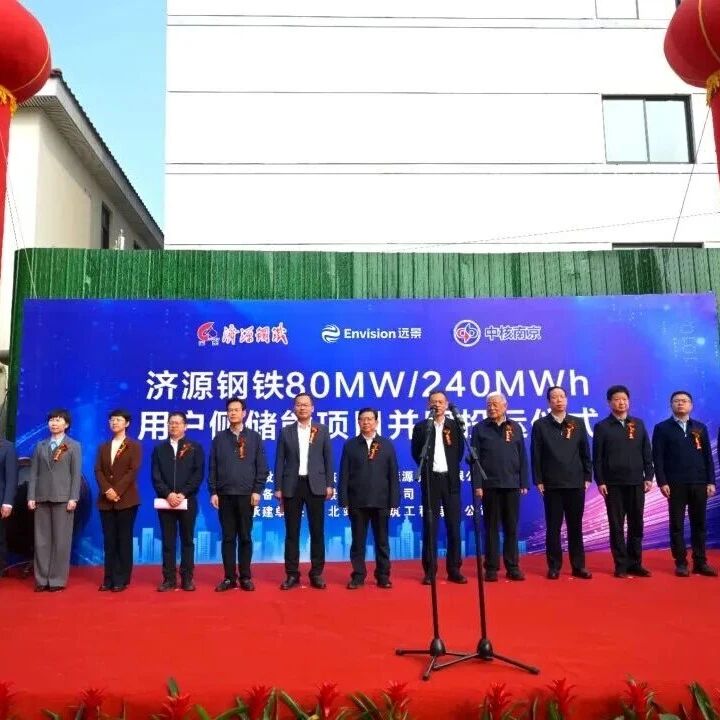
全国最大负荷侧组串式储能投运,远景打造高载能行业零碳转型标杆
中关村储能产业技术联盟· 2025-11-06 10:47
Core Viewpoint - The successful commissioning of the 80MW/240MWh load-side energy storage project by Henan Jiyuan Steel Group marks a significant step towards the large-scale implementation of the "new energy + high energy-consuming" zero-carbon transformation model in China's steel industry, providing a replicable model for high energy-consuming industries such as steel, chemicals, and non-ferrous metals [2][4][11]. Group 1: Project Overview - The Jiyuan Steel 80MW/240MWh energy storage project is described as a "giant smart water pool" connected to the user side, significantly enhancing the power efficiency and green electricity absorption capacity of the Jiyuan Steel plant [4]. - The project utilizes Envision's 5MWh integrated AC/DC smart energy storage system, participating in grid peak shaving and demonstrating the maturity and replicability of zero-carbon technology solutions [4][6]. Group 2: Technical and Economic Benefits - The energy storage system is equipped with Envision's self-developed 315Ah energy storage cells, boasting a cycle life of 12,000 times, ensuring safe, stable, and efficient operation throughout its lifecycle [5]. - The AI-based Envision EnOS intelligent trading platform optimizes charging and discharging strategies, maximizing revenue by accurately predicting electricity market price nodes. The project is expected to save Jiyuan Steel millions of yuan in electricity costs annually [6][11]. Group 3: Industry Impact and Future Prospects - The project is seen as a foundational step for promoting energy-saving and low-carbon development in the steel industry, with the potential for broader application across the city, province, and entire steel sector [7][9]. - The collaboration between Envision and Jiyuan Steel is positioned as a new starting point for deepening cooperation, aiming to integrate zero-carbon technology capabilities with industrial foundations to create a new ecosystem for green industrial systems in Henan [9][11].

开盘破发,自动驾驶双雄港股遇冷
Bei Jing Shang Bao· 2025-11-06 10:45
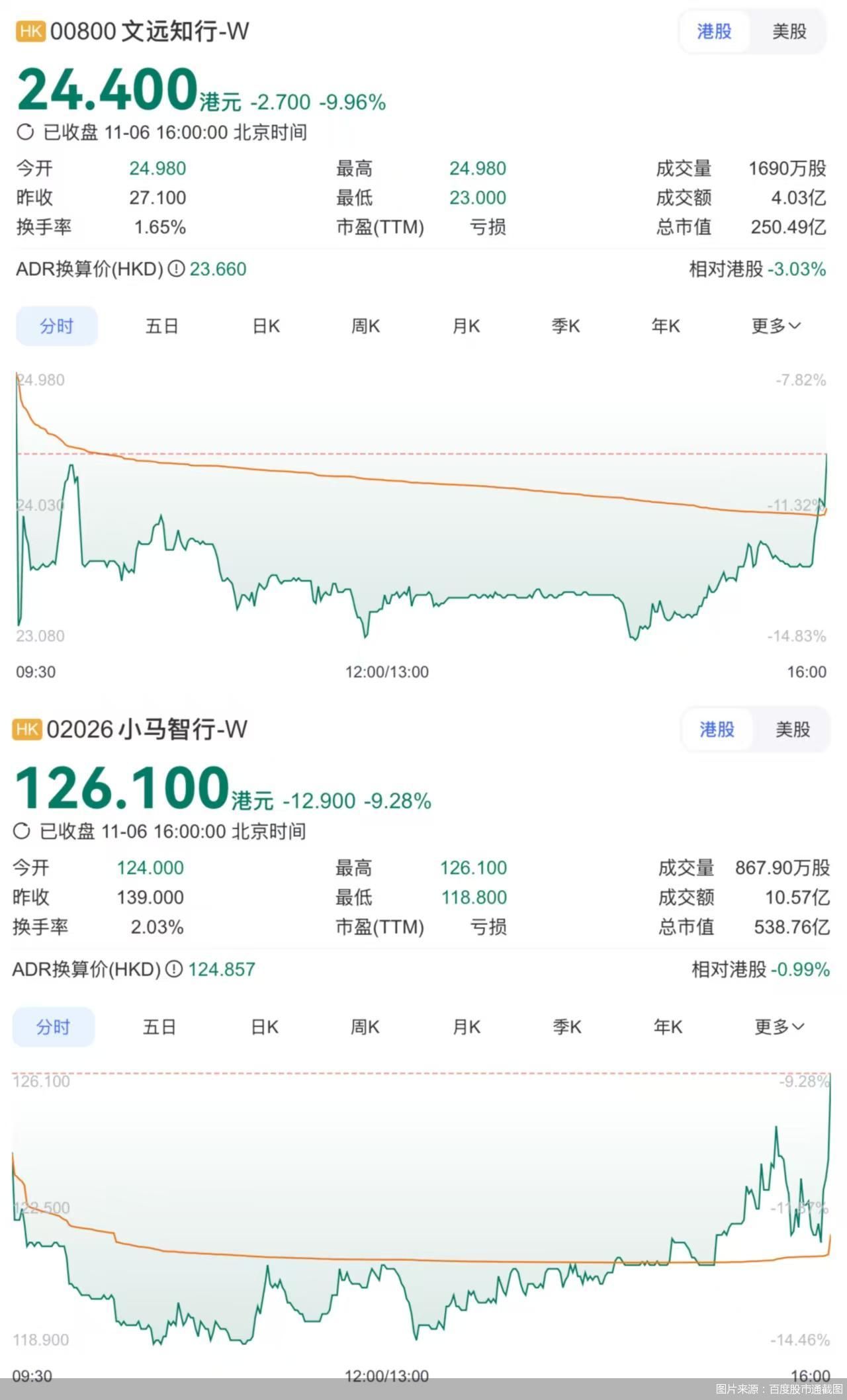
Core Viewpoint - The Hong Kong Stock Exchange welcomed four new listings on November 6, including autonomous driving companies Pony.ai and WeRide, both of which experienced a decline in share price on their debut, reflecting a more rational attitude from the capital market towards the autonomous driving sector [1][5][6]. Company Performance - Pony.ai opened at HKD 124, down 10.8% from its IPO price of HKD 139, and closed at HKD 126.1, with a total market capitalization of HKD 53.876 billion [1][6]. - WeRide opened at HKD 23.98, down 7.8% from its IPO price of HKD 27.1, and closed at HKD 24.4, with a total market capitalization of HKD 25.049 billion [1][6]. - Both companies have seen significant media exposure since the end of October, indicating ongoing business developments despite their stock price declines [1]. Investment Trends - The autonomous driving industry is currently in a phase of differentiation, with some companies like Didi and Hello attracting investment, while others like Zhongzhi Hang have faced bankruptcy [1][8]. - Investment in the autonomous driving sector has reached CNY 22.848 billion from 2025 to date, accounting for 30% of the total investment in 2024, which was CNY 76.752 billion [1][8]. Market Sentiment - Analysts suggest that the current market sentiment reflects a shift from broad investment strategies to more focused approaches, emphasizing the importance of technology routes, business models, and data dispute resolutions [9]. - The competition between Pony.ai and WeRide is not only technological but also involves organizational capabilities and crisis management, which are becoming increasingly important as the industry matures [9][10]. Future Plans - WeRide plans to allocate 40% of its IPO proceeds to develop its autonomous driving technology stack and commercialize L4-level fleets, with a similar percentage for business expansion [10]. - Pony.ai aims to use 50% of its IPO proceeds for market entry strategies and 40% for ongoing investment in L4 autonomous driving technology and solutions [10]. Industry Comparison - The autonomous driving sector is compared to AI models, with the former still awaiting its "ChatGPT moment," while the latter has already established a clear commercial ecosystem and valuation logic [11].
AI大模型如何赋能消费金融?多家消金公司透露应用细节
Mei Ri Jing Ji Xin Wen· 2025-11-06 09:35
Core Insights - The deployment of AI large models in consumer finance companies has shown significant results by 2025, enhancing various business operations [1] - Different companies focus on distinct aspects of AI large models based on their resources and strategic goals [1] Group 1: AI Applications in Consumer Finance - Ant Group's consumer finance emphasizes the role of digital technology in addressing inclusive finance challenges, creating a three-in-one ecosystem for inclusive credit services [2] - The company has developed a financial recognition model that can identify over 20 types of self-certification materials, improving customer profiling for precise credit granting [2] - Hangzhou Consumer Finance has established a "credit brain" risk control system to balance business growth and risk management, focusing on intelligent, digital, and systematic credit risk management [2][3] Group 2: Challenges and Governance in AI - The industry faces challenges in ensuring safety and compliance in AI applications, as current models often provide probabilistic outputs that may pose risks [4] - There is a need for a comprehensive AI governance framework that covers the entire chain from algorithms to data to enhance precision and reliability in financial applications [4] - The integration of large and small models is suggested to meet the rigorous demands of financial scenarios [4] Group 3: Post-loan Management Strategies - The consumer finance sector is shifting its focus from traditional debt collection to relationship management, emphasizing sustainable customer engagement [5] - The use of AI models like "Zhi Lu" enables real-time decision-making and enhances post-loan service efficiency by allowing AI to handle standard tasks while human experts focus on complex interactions [6] - The company has developed a comprehensive consumer protection management system that utilizes AI for fraud prevention and precise targeting of illicit activities [6]
AI、闪购、造车…双十一的第十七年,京东、阿里、美团还有“新活”
3 6 Ke· 2025-11-06 09:26
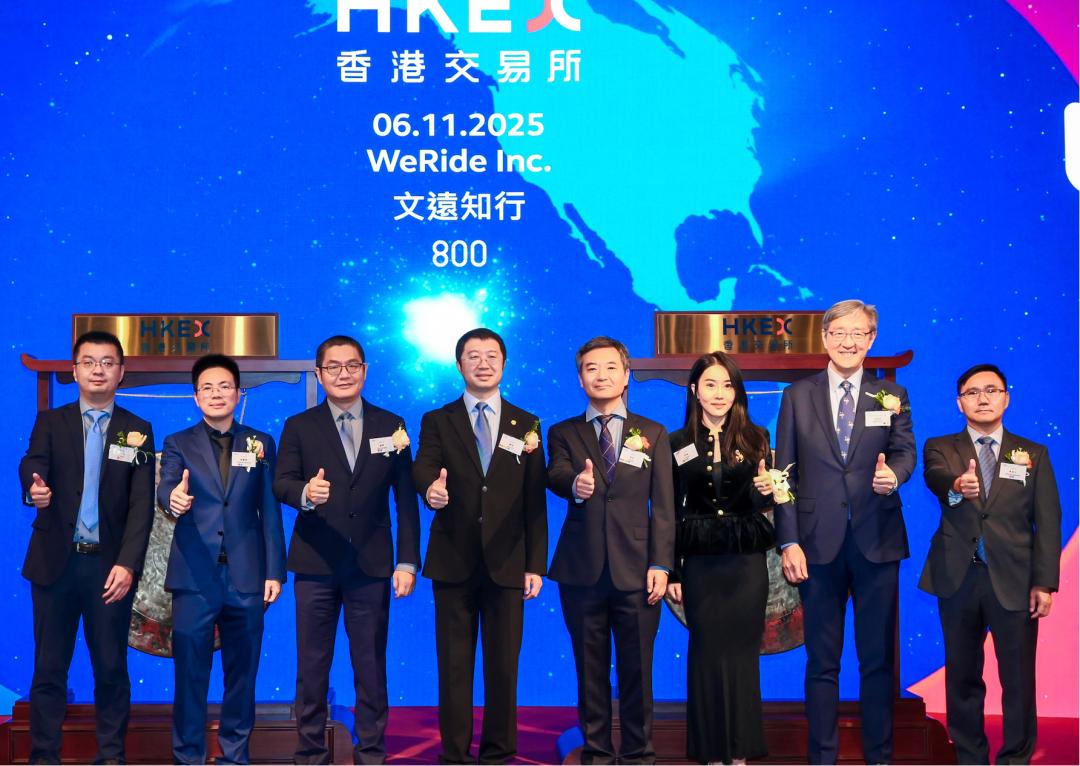
Core Insights - The 2025 Double Eleven event marks the 17th anniversary of the shopping festival, with significant sales growth across platforms like Tmall, Douyin, and JD.com, indicating a continued competitive landscape in e-commerce [1][2] - This year's event emphasizes innovation and new experiences, with platforms exploring new boundaries, such as JD.com venturing into automotive sales and Tmall expanding globally with substantial marketing investments [1][2] - The integration of AI models into e-commerce operations is becoming standard, enhancing supply chain efficiency and consumer experience, thus transforming the operational landscape of the industry [11][13] Group 1: Sales Performance - In the first hour of Tmall's sales, 80 brands quickly surpassed 100 million in transactions, and 30,516 brands saw their sales double [1] - Douyin's e-commerce live streaming saw a 900% year-on-year increase in the number of merchants achieving over 100 million in sales [1] - JD.com reported over 117% growth in the number of users placing orders and over 125% growth in order volume compared to the previous year [1] Group 2: Strategic Innovations - JD.com is launching a customized car in collaboration with CATL and GAC Group, showcasing a significant expansion of its product offerings beyond traditional categories [1] - Tmall is investing 1 billion yuan in marketing to promote its global expansion, targeting consumers in over 20 countries and regions [1] - The widespread application of AI models in e-commerce is expected to reshape consumer habits and enhance operational efficiency [11][12] Group 3: Instant Retail Developments - Major players like Alibaba, JD.com, and Meituan are fully participating in instant retail for the first time during Double Eleven, marking a significant shift in their operational strategies [3][10] - Meituan's new "Brand Officer Flagship Lightning Warehouse" model aims to enhance its instant retail capabilities, covering multiple cities and product categories [3][5] - Taobao's instant retail has become a key source of traffic growth, with significant increases in daily active users since its launch [6][7] Group 4: AI Integration - JD.com plans to deploy a large-scale "Super Brain + Wolf Pack" intelligent device cluster to improve frontline efficiency by nearly 20% during Double Eleven [11] - AI models are enhancing merchant operational efficiency and consumer experience, with significant improvements in product recommendation conversion rates [12][14] - The integration of AI into e-commerce platforms is seen as a critical tool for optimizing various operational aspects, from supply chain management to consumer engagement [13][14] Group 5: E-commerce Normalization - The excitement surrounding Double Eleven is diminishing as e-commerce competition shifts towards a focus on optimizing existing resources and enhancing user experience [15][16] - The trend of "every day is Double Eleven" reflects a normalization of promotional events, with platforms increasingly focusing on sustainable growth rather than one-off sales spikes [20] - The overall retail share of e-commerce remains stable, with online retail sales reaching 13.08 trillion yuan in 2024, reflecting a 6.5% year-on-year growth [19]



Robotaxi营收暴涨836%,全球Robotaxi第一股刚刚回国上市了
3 6 Ke· 2025-11-06 08:13
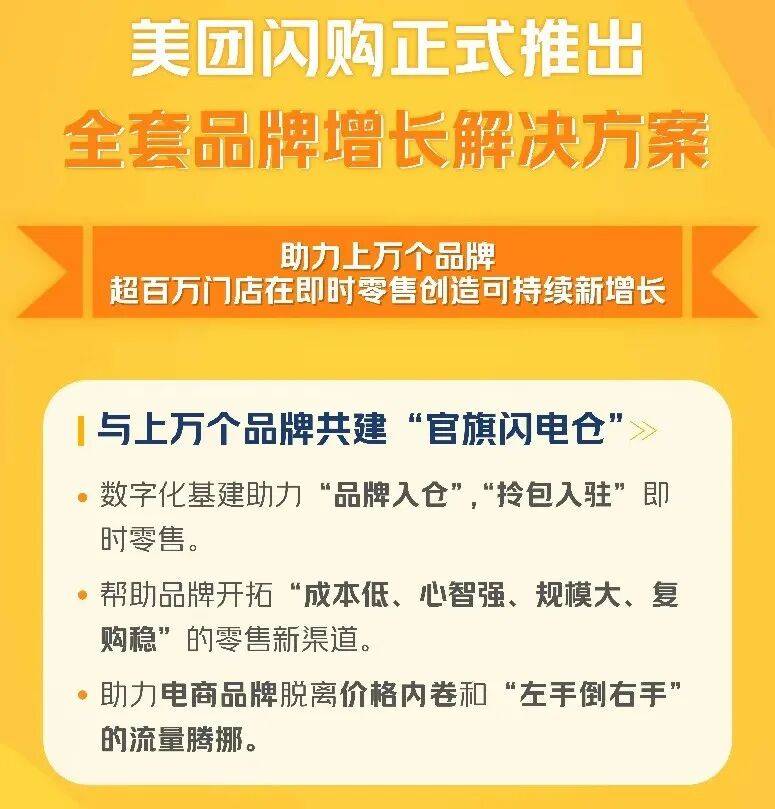
Core Insights - Company WeRide has successfully listed on the Hong Kong Stock Exchange, becoming the first Robotaxi stock in Hong Kong, following its previous listing in the US [1][3]. Financial Performance - The share price for the IPO was set at 27.1 HKD, with a total market capitalization exceeding 24 billion HKD based on the issuance of 88.25 million shares [3]. - WeRide's revenue for 2022, 2023, and 2024 is projected to be 528 million CNY, 402 million CNY, and 361 million CNY respectively, with a 33.3% year-on-year growth expected in the first half of 2025 [6]. - In Q2 2025, WeRide reported total revenue of 127 million CNY, marking a 60.8% year-on-year increase and a 75.4% quarter-on-quarter increase [6]. Profitability and Cost Structure - The overall gross profit for Q2 2025 was 35.7 million CNY, with a gross margin of 28%, indicating strong performance in the industry [9]. - Operating expenses for Q2 2025 were 488 million CNY, reflecting a 42.46% year-on-year increase, attributed to the rollout of signed Robotaxi projects and the need for enhanced sales and operational systems [11]. - Cash and cash equivalents stood at 3.836 billion CNY, with total financial assets amounting to 5.823 billion CNY, indicating stable financial health despite rising costs [13]. Business Expansion and Market Position - WeRide has expanded its fleet to over 1,500 autonomous vehicles, with more than 700 being Robotaxis, solidifying its position as a leader in the international Robotaxi market [5][19]. - The company has deployed Robotaxis in 11 countries and over 30 cities, being the first to obtain autonomous driving licenses in seven different countries [21]. - WeRide's strategic partnership with Uber in Abu Dhabi positions it uniquely in a market that allows for pure unmanned testing and commercial operations [23]. Future Outlook - The year 2025 is anticipated to be a pivotal year for the commercialization of Robotaxis, with 2026 potentially marking the beginning of profitability for the sector [25]. - WeRide's successful listing and operational performance suggest a robust growth trajectory, with increasing market recognition of the Robotaxi business model [26]. - The company is also exploring advanced technologies, including AI and high-performance computing platforms, to enhance its autonomous driving capabilities [30][32].
双十一的第十七年,京东、阿里、美团还有哪些“新活”?
Xin Lang Cai Jing· 2025-11-06 07:00
Core Insights - The 2025 Double Eleven marks the 17th year of the event, with significant sales growth across platforms, including Tmall, Douyin, and JD.com, indicating a competitive landscape that continues to evolve [1][2][11] - This year's event emphasizes innovation and new experiences, with platforms exploring new boundaries, such as JD.com venturing into automotive sales and Tmall expanding globally with substantial marketing investments [1][2][4] - The integration of AI models into e-commerce operations is becoming a standard, enhancing supply chain efficiency and consumer experience, thus transforming the operational landscape of e-commerce platforms [8][9][10] Group 1: Sales Performance - In the first hour of Tmall's sales, 80 brands surpassed 100 million in transactions, and 30,516 brands saw their sales double [1] - Douyin's e-commerce store broadcast sales exceeded 100 million, with a year-on-year growth of 900% in the number of merchants [1] - JD.com reported over 117% growth in the number of users placing orders and over 125% growth in order volume compared to the previous year [1] Group 2: Strategic Innovations - JD.com is launching a customized car in collaboration with CATL and GAC Group, showcasing a significant expansion of its product offerings [1] - Tmall is investing 1 billion yuan in marketing to promote Double Eleven globally, targeting consumers in over 20 countries and regions [1] - The use of AI models is being widely adopted across platforms, with JD.com enhancing logistics efficiency by nearly 20% through smart devices [8][9] Group 3: Instant Retail Developments - This year's Double Eleven features a comprehensive participation of major players in instant retail, including Alibaba, JD.com, and Meituan, marking a significant test of their operational capabilities [4][7] - Meituan's new "Brand Officer Flagship Lightning Warehouse" model is being implemented in multiple cities, enhancing its instant retail offerings [4][5] - Taobao's instant retail strategy is positioned as a key growth driver for this year's event, with significant increases in daily active users since the launch of its flash purchase feature [5][6] Group 4: E-commerce Evolution - The narrative of e-commerce is shifting from mere sales events to a focus on sustainable growth and ecosystem optimization, reflecting a broader trend of "stock competition" in the industry [11][12][14] - Platforms are increasingly prioritizing internal capabilities and ecosystem development over aggressive market competition, indicating a maturation of the e-commerce landscape [10][14] - The concept of "every day is Double Eleven" is emerging, as consumers adapt to a more normalized shopping experience, diminishing the once intense excitement surrounding the event [12][13]
85后温州小伙贩卖信息,一年躺赚7亿
首席商业评论· 2025-11-06 03:57
Core Insights - The article discusses the business model and financial performance of Qichacha, a company specializing in providing business information services, highlighting its high profitability and user growth challenges [4][18][32]. Financial Performance - Qichacha's gross profit margin reached 90.73% in the first half of 2025, closely rivaling that of Kweichow Moutai, which was 91.30% during the same period [4]. - From 2022 to 2024, Qichacha's revenue grew from 5.18 billion to 7.08 billion yuan, while net profit increased from 1.90 billion to 3.17 billion yuan, achieving a net profit margin of 44.7% [18]. - As of June 30, 2025, Qichacha had total assets of 2.09 billion yuan and a debt-to-asset ratio of 38.74% [5]. User Base and Membership - Qichacha had 548,300 paid users in the first half of 2025, with a total of 1.5 billion registered users by the end of June 2025 [12]. - The company primarily generates revenue from individual users (C-end) and corporate users (B-end), with C-end services accounting for over 75% of total revenue in recent years [9][12]. - The annual membership fee for C-end users is 388 yuan, with a discounted rate of 358 yuan for continuous annual subscriptions [12]. Business Model - Qichacha operates on a "data as a service" (DaaS) model, aggregating and processing publicly available information from various official sources to provide users with comprehensive business insights [9][12]. - The company has a low marginal cost for serving additional users due to its established data platform and technology infrastructure [18]. Challenges and Risks - User growth has slowed, with a decrease in new user registrations from 27.27 million in 2023 to 23.72 million in 2024 [19]. - The membership renewal rate was 56.55% in 2024, indicating potential challenges in retaining existing users [19]. - Qichacha has faced complaints regarding "induced consumption" and difficulties in refund processes, which could impact its brand reputation [28][30]. Competitive Landscape - Qichacha is one of several commercial inquiry platforms, facing competition from others like Tianyancha and Aiqicha, which have similar business models [19]. - The company is investing in AI technology to enhance its service offerings and maintain a competitive edge in the market [24][26]. Future Outlook - Qichacha plans to allocate approximately 10 billion yuan of its IPO proceeds towards product upgrades and AI development, aiming to improve its service capabilities [26]. - The company must address user growth stagnation, customer complaints, and data compliance risks to ensure sustainable growth and investor confidence [32].

存储芯片涨价五成?SK海力士与英伟达谈拢!海光信息涨超8%
Xin Lang Cai Jing· 2025-11-06 03:36
Core Viewpoint - The electronic sector is currently leading the market, with the electronic ETF (515260) showing significant gains, indicating a potential positive shift in short-term momentum and mid-term trends [1] Group 1: Market Performance - As of November 6, the electronic ETF (515260) reached a peak increase of 3.15%, currently up by 2.55%, recovering both the 5-day and 20-day moving averages [1] - Nearly 90% of stocks in the electronic sector are in the green, with notable gains from companies like Haiguang Information (up over 8%) and Zhongke Shuguang (up over 7%) [4] Group 2: Industry Trends - A price surge in storage chips is underway, with SK Hynix announcing a 50% price increase for HBM4 supplies due to rising demand driven by AI applications [2][3] - The storage chip industry is expected to see continued price increases in Q4 2023, supported by AI demand and overall industry valuation improvements [3] Group 3: Investment Opportunities - The electronic ETF (515260) focuses on semiconductor and consumer electronics sectors, featuring major companies like Luxshare Precision and SMIC, which are positioned to benefit from current market trends [6] - The ETF's composition includes a significant 43.43% weight from Apple's supply chain, indicating strong potential due to the anticipated success of the iPhone 17 [6]






先进存力赋能AI大模型发展
Zhong Guo Xin Wen Wang· 2025-11-06 02:29
Core Insights - The "Storage Power China Tour" event in Beijing focused on the role of advanced storage in empowering AI model development in the AI era [1] - The need for seamless integration of model capabilities into various business scenarios is emphasized, highlighting the importance of storage for AI training and inference [1] Group 1: Industry Challenges and Developments - AI applications are facing significant challenges in inference costs, efficiency, and quality, making advanced storage crucial for enhancing AI inference performance and controlling costs [1] - The Ministry of Industry and Information Technology and other departments released an action plan in October 2023, emphasizing the acceleration of storage technology development and the enhancement of storage industry capabilities [1] Group 2: Technological Innovations and Solutions - Huawei's UCM inference memory data management technology aims to address challenges in data management, computational power, and cost reduction for AI inference [2] - Recommendations from industry experts include adapting core inference frameworks to multi-modal models and optimizing existing models to improve cost-effectiveness [2] - Future trends indicate a shift in storage from passive to intelligent computing collaboration, with a focus on high-density all-flash storage and integrated storage-computing technologies [2]
每年10亿美元 苹果Siri被曝将使用谷歌1.2万亿参数AI大模型
Feng Huang Wang· 2025-11-05 23:34
Core Insights - Apple plans to pay approximately $1 billion annually to utilize Google's advanced AI model with 1.2 trillion parameters to significantly revamp its Siri voice assistant [1][2] - After a lengthy evaluation, Apple has chosen Google's Gemini model over other third-party options like OpenAI's ChatGPT and Anthropic's Claude for Siri's technological upgrade [1] - The collaboration aims to enhance Siri's performance in processing complex data and understanding context, marking a significant leap from Apple's current 150 billion parameter model [1] Group 1 - The internal project, codenamed "Glenwood," is led by Mike Rockwell and Craig Federighi, focusing on repairing Siri using third-party models [2] - The new version of Siri, codenamed "Linwood," is expected to launch with iOS 26.4 in spring next year, integrating Google's Gemini model for intelligent summarization and task planning [2] - Apple's and Google's spokespersons declined to comment on the collaboration, while stock prices for both companies saw slight increases [2]

