
制度型开放

Search documents
外资涌入 上半年前海实际使用外资同比增长15.9%
2 1 Shi Ji Jing Ji Bao Dao· 2025-08-04 09:04
Core Insights - Foreign investment in Shenzhen is increasing, with a focus on the Qianhai area as a strategic point for foreign enterprises [1][3] - Qianhai has attracted over 12,000 foreign companies, with a significant rise in foreign investment and new enterprises established [1][3] Investment Trends - In the first half of the year, Shenzhen established 5,581 new foreign-invested enterprises, ranking first among major cities in China [1] - Qianhai's actual foreign investment reached 12.326 billion yuan, a year-on-year increase of 15.9%, accounting for nearly 60% of Shenzhen's total [1][3] - The number of new foreign-invested enterprises in Qianhai increased by 99.6% [1] Sector Performance - The top three sectors for foreign investment in Qianhai were finance (29.5%), business services (29.4%), and software and information technology services (17.5%) [3] - Foreign investment in the financial sector grew by 19.5%, while high-tech services saw a remarkable increase of 72.4% [3] Business Environment - Over 52% of members of the American Chamber of Commerce in South China plan to establish new offices in Qianhai, citing a favorable business environment [3] - Qianhai has implemented AI review policies that reduce application materials by 70% and compress review times significantly [3] Financial Policies - Qianhai is a pioneer in policies such as QFLP and cross-border wealth management, with QFLP fund sizes accounting for over 90% of Shenzhen's total [3] - Foreign enterprises benefit from a 15% corporate income tax rate and can reduce operational costs by over 40% through cross-border cash pools [3] Internationalization Efforts - DBS Bank from Singapore increased its investment in Shenzhen Rural Commercial Bank by nearly 1.6 billion yuan, raising its stake to 19.4% [4] - Qianhai is enhancing its international living and working conditions, with the establishment of international districts and schools [4] Future Outlook - Qianhai plans to deepen institutional openness in finance, data cross-border, and healthcare sectors to stabilize foreign investment confidence [4]

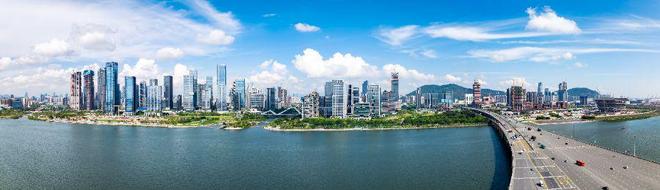
前海合作区外资成绩单亮眼
Shen Zhen Shang Bao· 2025-08-04 05:36
Core Insights - The actual foreign investment in Qianhai reached 12.326 billion yuan in the first half of the year, marking a year-on-year increase of 15.9%, accounting for 59.0% of Shenzhen's total [1] - Qianhai has established itself as a preferred destination for foreign investment, with over 12,000 foreign enterprises now settled in the area [3] Group 1: Foreign Investment Growth - The Qianhai Shekou Free Trade Zone saw actual foreign investment of 10.702 billion yuan, a significant year-on-year growth of 40.5% [1] - The top three industries for foreign investment in Qianhai during the first half of the year were finance (29.5%), business services (29.4%), and software and information technology services (17.5%) [2] - Foreign investment in the financial sector grew by 19.5%, while high-tech services experienced a remarkable increase of 72.4% [2] Group 2: Institutional and Financial Innovations - Qianhai has been at the forefront of financial innovation, piloting policies such as QFLP (Qualified Foreign Limited Partner) total management and cross-border wealth management [2] - The newly established QFLP funds account for over 90% of Shenzhen's total, while QDIE quotas represent 80% of the city's total [2] - The area offers a 15% corporate income tax incentive, and foreign enterprises can reduce operational costs by over 40% through cross-border cash pools [2] Group 3: Business Environment and Future Prospects - Qianhai has been recognized for its excellent business environment within the Guangdong-Hong Kong-Macao Greater Bay Area, attributed to high transparency in government governance and simplified business registration processes [3] - Over 52% of members of the South China American Chamber of Commerce plan to establish new offices in Qianhai in the near future [3] - Qianhai aims to deepen institutional openness in finance, data cross-border, and healthcare sectors [3]
前海合作区外资成绩单亮眼 上半年实际使用外资123.26亿元,目前已有超过1.2万家外资企业落户
Shen Zhen Shang Bao· 2025-08-03 17:36
Core Insights - The actual foreign investment in Qianhai reached 12.326 billion yuan in the first half of the year, a year-on-year increase of 15.9%, accounting for 59.0% of Shenzhen's total [1] - The Qianhai Shekou Free Trade Zone attracted 10.702 billion yuan in foreign investment, marking a significant year-on-year growth of 40.5% [1] - Qianhai has established itself as a preferred destination for foreign investment through institutional openness centered on regulatory alignment [1] Investment Landscape - The top three industries for foreign investment in Qianhai are finance (29.5%), business services (29.4%), and software and information technology services (17.5%) [2] - Foreign investment in the finance sector grew by 19.5%, while high-tech services saw a remarkable increase of 72.4% [2] - Over 1.2 million foreign enterprises have settled in the Qianhai Cooperation Zone, with 52 companies recognized as multinational headquarters, representing 30.8% of Shenzhen's total [2] Future Developments - Qianhai aims to deepen institutional openness in finance, cross-border data, and healthcare sectors [2] - The Qianhai business environment is considered top-notch in the Guangdong-Hong Kong-Macao Greater Bay Area, attributed to high transparency in government governance and simplified business registration processes [2] - More than 52% of member companies from the South China American Chamber of Commerce plan to establish new offices in Qianhai soon [2]
瞭望·治国理政纪事|示范先行开创服务贸易新局
Sou Hu Cai Jing· 2025-08-02 02:57
Core Viewpoint - Beijing is positioned as a national leader in the service industry opening up, with a focus on creating a comprehensive demonstration zone for expanding service industry openness and establishing a free trade pilot zone characterized by technological innovation, service industry openness, and digital economy [1][3][4]. Group 1: Economic Performance - Over the past five years, Beijing's open economy has shown resilience and vitality, with actual foreign investment reaching $66.18 billion, accounting for 8.4% of the national total, and over 90% of this investment coming from the service sector [5]. - The import and export volume is expected to exceed 3.6 trillion yuan for three consecutive years from 2022 to 2024, with the service trade scale ranking among the top three in the country, achieving an average annual growth rate of 9.4% since 2021 [5]. - The proportion of actual foreign investment in free trade pilot zones has increased from less than 10% to over 20% [5]. Group 2: Policy and Institutional Innovation - Beijing has implemented over 70 national breakthrough policies and promoted more than 80 innovative achievements, forming a virtuous cycle of pilot—breakthrough—promotion [2][15]. - The city is planning to deepen systematic and integrated institutional innovation, focusing on key areas to strive for early trials and promote international cooperation in industrial and supply chains [2][16]. - The service industry accounts for over 85% of Beijing's economy, with a focus on transforming abstract concepts of "institutional openness" into tangible, replicable institutional results [15][18]. Group 3: Infrastructure and Ecosystem Development - Beijing has constructed a multi-dimensional matrix connecting exhibition economy, high-end manufacturing, digital trade, and biomedicine, creating a three-dimensional open ecosystem [11][20]. - The city has established a permanent venue for the China International Fair for Trade in Services (CIFTIS) at Shougang Park, which has attracted over 1.2 million visitors and facilitated nearly a thousand cooperation agreements in various fields [8][9]. - The comprehensive bonded zones have expanded from 1 to 4, focusing on core industries and achieving significant growth in import and export values [10][11]. Group 4: Foreign Investment Attraction - In the past five years, nearly 7,900 new foreign-funded enterprises have been established in Beijing, reflecting the success of the "two zones" initiative [20][21]. - The city has optimized its business environment, focusing on the core demands of foreign enterprises to ensure they are willing to come, stay, and develop [20][21]. - The stable policy environment has significantly enhanced foreign investment confidence, with 2,012 new foreign-funded enterprises established in 2024, a year-on-year increase of 16.4% [21][22].
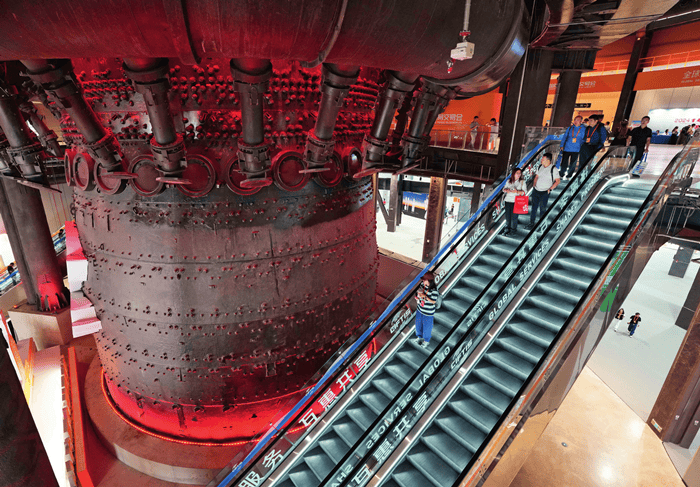
东方枢纽先行启动区年底前封闭运行 受邀境外人员免签 一次入区可停留30天 并可根据需要申请延期
Jie Fang Ri Bao· 2025-08-02 02:11
Core Points - The Shanghai Oriental Hub International Business Cooperation Zone allows global invitees with valid invitations to enter without a visa, staying for 30 days with the option to extend [1][3] - The zone aims to become a new high ground for institutional opening in China, showcasing Shanghai's role as a pioneer in reform and opening up [1][2] - The area covers approximately 0.88 square kilometers, strategically located near major transport hubs like Pudong International Airport and Shanghai East Station [2] Regulatory Framework - The management measures for the cooperation zone include the "Shanghai Oriental Hub International Business Cooperation Zone Management Measures," "Interim Measures for Customs Supervision of the Shanghai Oriental Hub," and "Interim Regulations on Access Management by the National Immigration Administration" [2][3] - The zone implements a "one line open, one line controlled" policy, extending from goods to natural persons, facilitating cross-border movement [2][3] Facilitation of Business Activities - The cooperation zone supports international business activities by allowing global invitees to enter without a visa, promoting business meetings, negotiations, and product launches [4] - It provides a full chain of services for international business exchanges and technological cooperation, enabling companies to engage in cross-border research and development [5] Infrastructure and Services - The zone is planning high-standard innovation and research facilities to support key industries such as biomedicine, integrated circuits, artificial intelligence, aerospace, and new materials [5] - It aims to enhance the internationalization of professional services, allowing foreign professionals with recognized qualifications to provide services in accounting, finance, law, and consulting [5] Continuous Innovation - The cooperation zone is positioned as a "testing ground" for institutional innovation, with plans to optimize regulations and services based on domestic and international best practices [6] - It will introduce multi-language services, international aviation services, and various payment methods to facilitate international business exchanges [6]
巩固拓展经济回升向好势头——贯彻落实中央政治局会议精神实现“十四五”圆满收官述评之一
Xin Hua She· 2025-08-01 15:43
巩固拓展经济回升向好势头 今年是"十四五"规划收官之年,也是"十五五"规划谋篇布局之年,做好全年经济工作至关重要。 7月30日召开的中央政治局会议,指出"要保持战略定力,增强必胜信心",要求"正确把握形势,增强忧 患意识,坚持底线思维,用好发展机遇、潜力和优势,巩固拓展经济回升向好势头"。 中国经济展现强大活力和韧性 "稳"的态势持续,"进"的步伐坚定—— 上半年GDP增速比去年同期和全年均提升0.3个百分点,月度调查失业率和物价基本平稳;货物进出口 总额创同期新高;外汇储备规模连续6个月保持增长。 "新"的动能累积,"畅"的循环改善—— ——贯彻落实中央政治局会议精神实现"十四五"圆满收官述评之一 新华社记者王雨萧、魏玉坤 增长5.3%——上半年,中国经济交出一份殊为不易的答卷。 "主要经济指标表现良好,新质生产力积极发展,改革开放不断深化,重点领域风险有力有效防范化 解,民生兜底保障进一步加强,我国经济展现强大活力和韧性。"中央政治局会议作出重要判断。 上半年,高技术产业增加值同比增长9.5%;最终消费支出对经济增长贡献率达52%,"主引擎"动力更 强;货物周转量同比增长5.1%,旅客周转量增长4.9%, ...
封关运作进入倒计时 海南自贸港加速提升国际竞争力
Sou Hu Cai Jing· 2025-08-01 11:51
Core Points - The Hainan Free Trade Port will officially start its full island closure operation on December 18, 2023, marking a significant historical milestone in China's reform and opening-up process [1] - The closure operation is expected to enhance Hainan's international competitiveness and facilitate smoother connections with global markets [1][2] - The new policies will implement a "one line open, two lines control, and island-wide freedom" approach, allowing for greater trade liberalization and facilitation [2] Policy Changes - The number of zero-tariff import items will increase from approximately 1,900 to about 6,600, raising the proportion of zero-tariff items from 21% to 74% [2] - The new negative list management for zero-tariff goods will replace the previous positive list, allowing for more comprehensive trade facilitation [2] - The introduction of a comprehensive list of prohibited and restricted import/export goods will enhance trade transparency and compliance with international standards [5] Economic Impact - Hainan's actual foreign investment reached 102.5 billion yuan over the past five years, with an annual growth rate of 14.6%, indicating strong global capital attraction [7] - The tourism sector, particularly duty-free shopping, is expected to see increased attractiveness, with Hainan currently holding over 8% of the global duty-free market share [9] - The modern service industry, including aircraft maintenance, is expanding rapidly, with over 2,200 aircraft serviced since the establishment of a one-stop maintenance base [9][10] Industry Development - The four leading industries now account for 67% of Hainan's GDP, with marine production growing at an annual rate of 13.9% [10] - High-tech industries are emerging as a core competitive advantage for Hainan, focusing on areas like genetic resource protection and deep-sea equipment development [10] - The green technology transition in manufacturing, exemplified by a lithium hydroxide project, is expected to enhance global competitiveness and achieve an annual output value exceeding 2 billion yuan [10][11] Future Prospects - The Hainan Free Trade Port aims to attract global asset management institutions, enhancing the investment landscape for international investors [8] - The ongoing optimization of the business environment is expected to lower operational costs for foreign enterprises, facilitating better market engagement [8] - Hainan's strategic location along the Maritime Silk Road positions it as a key player in global resource allocation and trade [8]
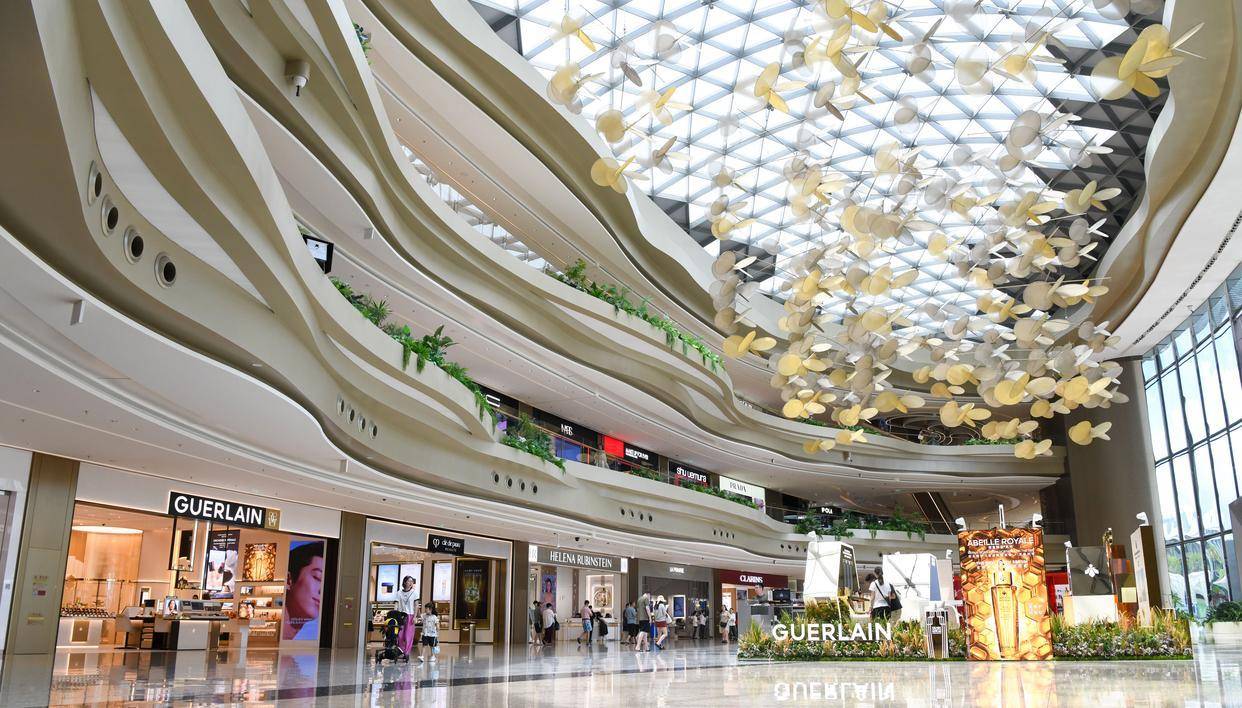
上海:扎实做好下半年经济工作 推动制度型开放方案尽快落地
news flash· 2025-07-31 11:23
上海:扎实做好下半年经济工作 推动制度型开放方案尽快落地 智通财经7月31日电,上海市委常委会今天(7月31日)下午举行会议。会议指出,要深入学习贯彻习近 平总书记重要讲话精神,全面对标对表中央要求,深刻领会"五个中心"建设的先手棋作用,紧紧围绕为 国担当、勇为尖兵,加紧谋划事关上海长远发展的重大战略命题,高质量高水平编制好"十五五"规划。 增强规划体系的完整性,强化目标耦合和举措协同,形成规划编制实施的强大合力。要扎实做好下半年 经济工作,持续释放政策效应,加快贸易转型、拓展多元市场,推动制度型开放方案尽快落地,深入落 实金融改革开放举措,加快培育发展新质生产力,推动科技创新和产业创新深度融合发展,着力保障和 改善民生,更好稳就业、稳企业、稳市场、稳预期,努力完成全年经济社会发展目标任务。 ...
确保如期顺利封关运作 跑出商务发展“加速度”
Hai Nan Ri Bao· 2025-07-31 01:23
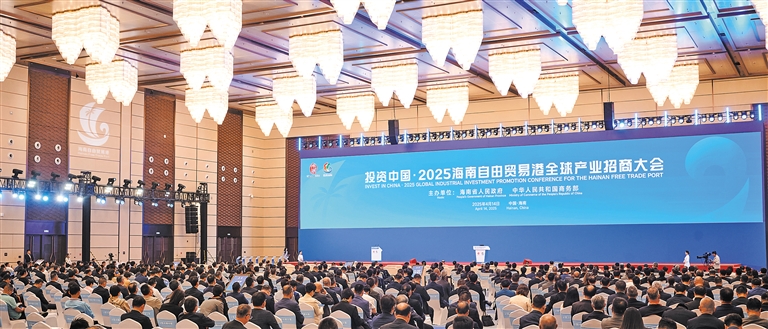
Core Viewpoint - The Hainan Free Trade Port is set to officially commence its closed operation on December 18, 2025, with the provincial commerce department actively promoting various tasks to ensure a smooth transition and enhance the business environment [9][10]. Group 1: Business Development and Policies - The provincial commerce department is focused on implementing the free trade port's closure policies, conducting pressure tests, and promoting investment attraction to ensure high-quality development in the business sector [9][10]. - The processing and value-added domestic sales tax exemption policy has led to over 10 billion yuan in domestic sales value, with 123 pilot enterprises participating [10][11]. - The "old-for-new" consumption policy has driven approximately 236 billion yuan in sales in the first half of the year, significantly boosting consumer spending [12][13]. Group 2: Trade and Investment - The fifth China International Consumer Products Expo showcased 1,767 enterprises and 4,209 brands, indicating a strong recovery and growth in the consumer market [14]. - In 2025, the Global Industry Investment Conference in Hainan signed 265 projects with a total investment of approximately 2,336 billion yuan, reflecting the province's attractiveness to foreign investment [16]. - Hainan's actual use of foreign capital reached 121.68 billion yuan in the first half of the year, a 45.36% increase year-on-year, with 907 new foreign enterprises established [18][19]. Group 3: Economic Growth and Performance - Hainan's total import and export value reached 1,222.38 billion yuan in the first half of the year, with a significant increase in service trade, which grew by 24.7% [18]. - The province's retail sales of consumer goods totaled 1,329.89 billion yuan in the first half of the year, marking an 11.2% year-on-year increase [14]. - The implementation of various policies has effectively stimulated the vitality of Hainan's outward-oriented economy, with a notable increase in both goods and service trade [18][19].
2025年7月政治局会议学习心得:稳中求进与保持定力
Great Wall Securities· 2025-07-31 00:02
Economic Outlook - The meeting emphasizes that the "14th Five-Year Plan" period is a critical phase for achieving socialist modernization, highlighting the coexistence of strategic opportunities and risks [3][4] - The economic foundation is stable, with advantages in market size, industrial systems, and talent resources, supporting a long-term positive trend [3][4] - The focus has shifted from short-term recovery to long-term foundational strengthening, incorporating "new quality productivity" as a core indicator for high-quality development [4] Macro Policy - The meeting calls for sustained and timely macro policy efforts, with an emphasis on the consistency of fiscal and monetary policies [5][6] - Fiscal policy aims to accelerate government bond issuance and ensure the "three guarantees" at the grassroots level, while monetary policy focuses on maintaining liquidity and reducing financing costs [5] - The importance of enhancing the attractiveness and inclusivity of capital markets is reiterated [5] Domestic Demand - The meeting stresses the cultivation of new growth points in service consumption, linking the improvement of people's livelihoods directly to consumption expansion [6] - There is a shift in investment focus from government-led infrastructure to a dual-driven approach involving both public and private capital [6] Industrial Policy - The meeting introduces measures to govern disorderly competition and emphasizes the role of technological innovation in leading new quality productivity [7][9] - It calls for the regulation of local investment attraction behaviors and reinforces the support for private enterprises [7] Foreign Trade - The meeting highlights the construction of high-level free trade pilot zones and the promotion of integrated development of domestic and foreign trade [8] - It balances defensive and proactive strategies, emphasizing support for foreign trade enterprises while fostering institutional openness [8] Risk Mitigation - The meeting mandates a prohibition on new hidden debts and emphasizes the orderly clearance of local financing platforms [11] - It shifts focus from short-term inventory reduction in real estate to high-quality urban renewal and solidifying agricultural foundations [11]