银发经济

Search documents
还在拼命攒钱养老?研究表明“用不着”
3 6 Ke· 2025-11-28 03:39
Core Insights - The aging population in China is projected to exceed 400 million by around 2035, raising questions about the sustainability of traditional retirement savings and the mindset of the elderly towards aging and consumption [1] - The concept of "DIE WITH ZERO" challenges the traditional view of accumulating wealth for retirement, suggesting that experiences and memories are more valuable than leaving behind an inheritance [2][4] - The silver economy faces a structural imbalance, focusing primarily on the active elderly while neglecting the needs of those in the "No-go" phase, which is where the real challenges lie [5][6] Economic Trends - The elderly's spending habits can be categorized into three stages: "Go-go years," "Slow-go years," and "No-go years," with the majority of economic focus on the first two stages [5] - Innovative service models in the elderly care sector are emerging, such as "Papa Pals" and health management systems that prioritize the real needs of the elderly [6] - In China, the silver economy's growth hinges on effectively reaching and building trust with the elderly, emphasizing simple and understandable solutions over high-tech offerings [8] Market Dynamics - The Chinese elderly market shows a preference for localized services over luxury experiences, with products like "farmhouse day trips" resonating well with their needs [9] - The elderly care industry faces significant challenges in financing and exit strategies, with a lack of clear profitability paths hindering investment [10][12] - The "reverse mortgage" model has faced difficulties in China due to familial and societal resistance, highlighting the need for financial innovation that respects cultural values [12] Social Considerations - The well-being of the elderly is closely tied to societal values, emphasizing the importance of treating them with respect and care as a reflection of societal health [12][13] - Acceptance of aging and a shift in expectations are crucial for the elderly to lead fulfilling lives, focusing on simplicity and reducing burdens on family and society [13]


下一个“万亿级”消费市场出现了
Di Yi Cai Jing· 2025-11-28 02:31
Group 1 - The "Implementation Plan" aims to create three trillion-level consumption sectors and ten hundred-billion-level consumption hotspots by 2027, focusing on elderly products, smart connected vehicles, and consumer electronics [1] - The elderly products market is projected to grow from 2.6 trillion yuan in 2014 to 5.4 trillion yuan in 2024, with a compound annual growth rate of 7.3%, highlighting the potential of the silver economy [1][2] - By 2024, the elderly population aged 65 and above in China is expected to reach 220 million, accounting for 15.6% of the total population, indicating a significant consumer base [1] Group 2 - The plan suggests enhancing the research and design of elderly-friendly products, including elderly care robots, multifunctional nursing beds, and health monitoring devices [2] - There is a growing demand for hearing health products, with multinational hearing health device manufacturers increasing investments in the Chinese market [2] - The recent draft of the "National Food Safety Standard for Nutritional Supplements for the Elderly" marks the first national standard specifically for nutritional supplements for individuals aged 60 and above [3]
下一个“万亿级”消费市场出现了
第一财经· 2025-11-28 02:28
Core Viewpoint - The article discusses the implementation plan by six government departments to enhance the adaptability of supply and demand in consumer goods, aiming to foster three trillion-level consumption sectors and ten hundred-billion-level consumption hotspots by 2027, with a focus on elderly products, smart connected vehicles, and consumer electronics [3][4]. Group 1: Elderly Products Market - The elderly products market is projected to grow from 2.6 trillion yuan in 2014 to 5.4 trillion yuan in 2024, with a compound annual growth rate (CAGR) of 7.3%, highlighting its significance in the silver economy [3][4]. - The plan emphasizes the need to optimize the supply of elderly-friendly products, including the development of elderly care robots, multifunctional nursing beds, and health monitoring devices [4][5]. Group 2: Nutritional Products for the Elderly - The market for nutritional products tailored for the elderly is currently disorganized due to the lack of specific standards, with companies like Yili Group noting that some products marketed for the elderly do not meet their physiological needs [5]. - A national standard for elderly nutritional supplements has recently been proposed, marking a significant step towards addressing the needs of individuals aged 60 and above [5]. Group 3: Leisure and Entertainment Needs - There is a substantial market potential in the leisure and entertainment needs of the elderly, with data indicating that affluent elderly individuals in first-tier cities prioritize health, services, and travel, while those in lower-tier cities have a more relaxed lifestyle [5].

老年用品被列入下一个“万亿级”消费市场 促消费新方案给出这些指引
Di Yi Cai Jing· 2025-11-28 01:12
Core Insights - The implementation plan aims to create three trillion-level consumption sectors and ten hundred-billion-level consumption hotspots by 2027, focusing on elderly products, smart connected vehicles, and consumer electronics [1] Group 1: Elderly Products Market - The elderly products market is projected to grow from 2.6 trillion yuan in 2014 to 5.4 trillion yuan by 2024, with a compound annual growth rate of 7.3%, highlighting its significance in the silver economy [1] - By 2024, the elderly population aged 65 and above in China is expected to reach 220 million, accounting for 15.6% of the total population, indicating a growing consumer base with potential spending power [1] Group 2: Product Development and Recommendations - The plan suggests enhancing the research and design of elderly-friendly products, including nursing service robots, multifunctional nursing beds, and health monitoring devices [2] - It recommends launching comfortable, functional, and stylish clothing for the elderly, as well as food products that cater to their chewing, swallowing, and nutritional absorption needs [2] - The plan encourages the establishment of elderly-friendly product promotion directories and the creation of dedicated sections for silver consumption on e-commerce platforms and supermarkets [2] Group 3: Market Opportunities and Challenges - The development of elderly-friendly products is already underway in various industries, particularly in medical devices targeting cardiovascular and neurodegenerative diseases [2] - The market for elderly nutritional supplements is currently fragmented due to a lack of specific standards, with some products inadequately meeting the physiological needs of older adults [2][3] - There is significant market potential in the leisure and entertainment needs of middle-aged and elderly individuals, with varying preferences observed between urban and rural populations [3]
老年用品被列入下一个“万亿级”消费市场,促消费新方案给出这些指引
Di Yi Cai Jing· 2025-11-28 01:08
Core Insights - The article emphasizes the importance of optimizing the supply of age-friendly products in response to China's aging population and the growing consumer potential among elderly individuals [1][2]. Group 1: Market Potential - By 2024, the elderly population aged 65 and above in China is projected to reach 220 million, accounting for 15.6% of the total population, indicating a significant market for age-friendly products [1]. - The market size for elderly products has grown from 2.6 trillion yuan in 2014 to 5.4 trillion yuan in 2024, with a compound annual growth rate of 7.3%, highlighting the importance of the silver economy [1]. Group 2: Product Development - The plan suggests enhancing the research and design of age-friendly products, focusing on essential items such as elderly care robots, multifunctional nursing beds, and health monitoring devices [2]. - There is a need for comfortable, functional, and stylish clothing for the elderly, as well as food products that cater to their chewing, swallowing, and nutritional absorption needs [2]. Group 3: Industry Trends - The development of age-friendly products is already underway in various sectors, including medical devices targeting cardiovascular and neurodegenerative diseases [2]. - The recent draft of the national standard for elderly nutritional supplements marks a significant step in addressing the specific dietary needs of individuals aged 60 and above [3]. Group 4: Leisure and Lifestyle - There is a substantial market opportunity in the leisure and entertainment needs of middle-aged and elderly individuals, with differing preferences observed between urban and rural populations [3].
到2027年,我国将形成3个万亿级消费领域!
Ren Min Wang· 2025-11-28 01:08
Core Insights - The implementation plan aims to enhance the adaptability of supply and demand in consumer goods, targeting a significant optimization of the supply structure by 2027, with the formation of three trillion-level consumption sectors and ten hundred-billion-level consumption hotspots [1][2] Group 1: Implementation Plan Overview - The plan focuses on supply-side structural reforms, accelerating brand leadership, standard upgrades, and new technology applications to stimulate the domestic demand market's multiplier effect and structural dividends [1] - By 2027, the plan is expected to create a new consumption market worth several trillion yuan in key areas [1] Group 2: Consumption Trends and Opportunities - The three trillion-level consumption sectors include elderly products, smart connected vehicles, and consumer electronics, with the elderly products market projected to grow from 2.6 trillion yuan in 2014 to 5.4 trillion yuan by 2024, reflecting a compound annual growth rate of 7.3% [3] - The ten hundred-billion-level consumption hotspots encompass baby products, smart wearable devices, cosmetics, fitness equipment, outdoor products, pet food, civilian drones, trendy toys, jewelry, and national trend clothing, showcasing strong growth momentum and significant development potential [3] - The rise of health-conscious living and the concept of national fitness has led to increased demand for outdoor products and fitness equipment, while the IP economy aligns with the consumption preferences of younger demographics, driving the rapid popularity of trendy toy products globally [3]
增强消费品供需适配性
Jin Rong Shi Bao· 2025-11-28 00:56
Core Viewpoint - The implementation plan aims to enhance the adaptability of supply and demand for consumer goods, promoting consumption through various measures across different sectors [1] Group 1: Consumer Goods Development - The plan emphasizes the development of products tailored for different demographics, including children, the elderly, and young consumers, focusing on health, practicality, and personalization [2] - Support will be provided for the research and development of elderly care robots, suitable clothing, and easy-to-swallow foods, alongside the establishment of a standard system for elderly products [2] - The initiative encourages the creation of culturally rich and fashionable products, such as national trend clothing and designer collaborations, to meet the diverse needs of young consumers [2] Group 2: Automotive Consumption Reform - The Ministry of Commerce reported that the trade-in program for consumer goods has generated over 2.4 trillion yuan in sales, benefiting more than 360 million people [3] - Retail sales of new energy passenger vehicles reached 10.15 million units in the first ten months of the year, marking a year-on-year increase of 21.9% [3] - Future plans include expanding the second-hand car market and promoting automotive consumption through various channels, including rentals and modifications [3] Group 3: Market Expansion Goals - By 2027, the plan aims to optimize the supply structure of consumer goods, creating three trillion-yuan-level consumption sectors and ten hundred-billion-level consumption hotspots [4] - The strategy focuses on enhancing product quality and cultural significance, driving the popularity of domestic products that embody Chinese cultural elements [4] - New products and services will be developed to cater to emerging consumer groups and needs, such as smart home solutions and services for the aging population [4] Group 4: Intelligent Development in Industries - The plan outlines specific arrangements to promote high-quality consumer goods, emphasizing technological innovation and the integration of artificial intelligence [5] - The initiative aims to enhance the infrastructure for electric vehicle charging, with a total of 18.645 million charging points established, reflecting a 54% year-on-year increase [5] - Support will be provided for the development of outdoor sports destinations and related enterprises to meet the growing demand for outdoor activities among young consumers [5] Group 5: Cultural and Tourism Consumption - The Ministry of Culture and Tourism plans to enhance the quality of intangible cultural heritage workshops and promote related products and services [6] - Activities such as seasonal shopping months for intangible cultural heritage products will be organized to stimulate consumer interest [6] Group 6: Quality and Safety Governance - The plan emphasizes the importance of consumer goods quality, with a focus on safety and consumer confidence [7] - A comprehensive governance framework for consumer goods quality will be established, including regular inspections and oversight of products for children and the elderly [7] - In 2023, over 5,200 cases related to the quality of household appliances and children's products were investigated, highlighting the commitment to maintaining market integrity [7] Group 7: Green Consumption Initiatives - The establishment of national standards for energy and water consumption in daily consumer goods has been initiated, promoting green consumption [8] - The expansion of green product certification aims to enhance the quality and variety of environmentally friendly products available in the market [8]
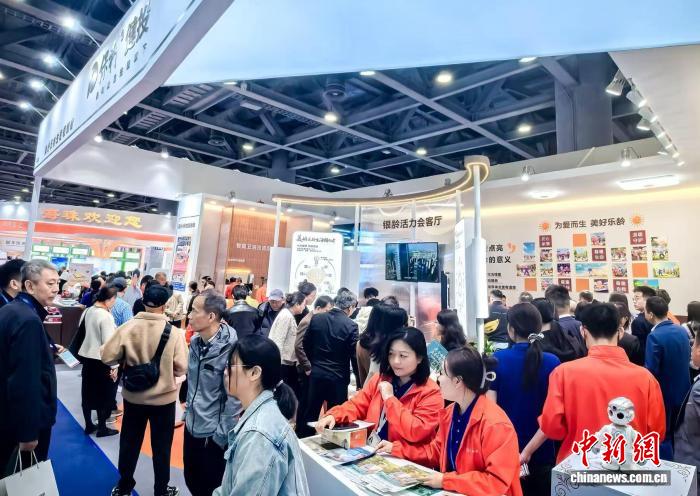
第十一届老博会广州开幕 约万款适老化产品展出
Zhong Guo Xin Wen Wang· 2025-11-27 23:28
Core Viewpoint - The 11th China International Aging Industry Expo (referred to as the Aging Expo) opened in Guangzhou, showcasing around 10,000 age-friendly products that highlight the interconnectedness of technology, health, and care in the silver economy [1][2]. Group 1: Event Overview - The Aging Expo emphasizes "technology empowerment and ecological integration," featuring a wide range of innovative products designed for the elderly [1]. - The event includes specialized rehabilitation support from care robots, smart wheelchairs, and safety features like fall detection and emergency alerts [2][3]. Group 2: Government Initiatives - Guangdong Province is focusing on developing the silver economy as a key measure for improving livelihoods and fostering new economic growth, with 20 policy measures introduced to enhance the sector [2]. - A government subsidy of 30% is available for elderly home renovation projects, with a maximum individual subsidy of 10,000 yuan, attracting many citizens to participate in the "renewal" activities [2]. Group 3: Product Highlights - The expo features 68 companies, with a core area dedicated to home renovation for the elderly, showcasing over a thousand age-friendly products across five major fields [3]. - Innovative products such as AI glasses, all-terrain climbing wheelchairs, and smart health monitoring clothing have gained significant attention, demonstrating the integration of technology in daily care and emotional interaction [3].
五部门发文:2027年形成3个万亿级、10个千亿消费领域!
DT新材料· 2025-11-27 16:05
Core Insights - The article discusses the implementation plan approved by the State Council to enhance the adaptability of consumer goods supply and demand, aiming for significant optimization of the supply structure by 2027, with the creation of three trillion-level consumption fields and ten hundred-billion-level consumption hotspots [1][2]. Group 1: Key Consumption Areas - The three trillion-level consumption fields identified include elderly products, smart connected vehicles, and consumer electronics. The market for elderly products is projected to grow from 2.6 trillion yuan in 2014 to 5.4 trillion yuan by 2024, with a compound annual growth rate of 7.3% [2]. - The ten hundred-billion-level consumption hotspots encompass baby products, smart wearable devices, cosmetics, fitness equipment, outdoor products, pet food and supplies, civilian drones, trendy toys, jewelry, and national trend clothing. These areas are showing strong growth momentum and significant development potential [2]. Group 2: Market Trends and Opportunities - The article highlights the dual approach of "stock optimization" and "incremental creation" to stimulate consumption. Stock optimization focuses on enhancing product quality and cultural elements, while incremental creation targets new products and services for emerging demographics and needs, such as smart home ecosystems and solutions for the aging population [1][2]. - The diversification and vitality of the consumption market are emphasized, with trends like health living and fitness driving demand for outdoor and fitness products, and the IP economy appealing to younger consumers through trendy products [2].

应对“每三人中必有一老”,金融机构可以做什么
第一财经· 2025-11-27 14:26
Core Viewpoint - The article emphasizes the urgent need to address the challenges posed by an aging population in China, highlighting the government's proactive measures in developing a comprehensive pension finance strategy to support the elderly population [1]. Group 1: Demographic Trends - By the end of 2024, the proportion of individuals aged 60 and above in China is projected to reach 22.0%, and those aged 65 and above will account for 15.6%, marking an increase of 3.9 and 3 percentage points respectively compared to the end of 2019 [1]. - The United Nations forecasts that by the end of 2032, the proportion of individuals aged 65 and above in China will exceed 20%, and by the end of 2049, it will surpass 30%, indicating a significant demographic shift over the next 25 years [1]. Group 2: Policy Initiatives - In response to the aging population, financial regulatory authorities have introduced multiple pension finance policies aimed at clarifying the future development direction of pension finance in China, focusing on pension finance, pension industry finance, and pension service finance [1][2]. - Guangzhou has implemented 12 special policies to promote high-quality development in pension finance, addressing various aspects such as the pension insurance system, financial product supply, and industrial financing support [4]. Group 3: Current Developments in Guangzhou - As of the first half of the year, the number of participants in the basic pension insurance for employees in Guangzhou reached 8.858 million, while the number of participants in the urban and rural residents' basic pension insurance was 1.286 million, establishing a solid foundation for residents' pensions [5]. - Guangzhou has seen the establishment of enterprise annuities in 3,015 companies, covering 510,000 employees, which further supplements retirement income for workers [5]. Group 4: Market Opportunities and Challenges - There is a significant unmet demand in the silver economy, characterized by a lack of high-quality and diversified offerings for different elderly groups, leading to a market that is polarized between expensive luxury services and basic low-end offerings [6]. - Recommendations include shifting financial services from general inclusivity to targeted precision, increasing support for key industries such as health and elderly care, and developing insurance products tailored for the elderly [6]. Group 5: Future Directions - Financial institutions are encouraged to diversify pension financial product offerings, enhance financing support for the pension industry, and improve the accessibility and convenience of financial services for the elderly population [7].