产教融合

Search documents
日照科技职业学院正式获教育部备案
Qi Lu Wan Bao Wang· 2025-05-21 11:50
Core Viewpoint - The Ministry of Education has officially included Rizhao Technology Vocational College in the national registry of higher education institutions, marking its recognition as a full-time ordinary college with independent educational qualifications [1][5]. Group 1: Institutional Development - Rizhao Technology Vocational College is a non-profit private institution approved by the Shandong Provincial Government, with a focus on vocational education [5]. - The college is located in the North Economic Development Zone of Rizhao City and is controlled by a state-owned enterprise [5]. - The establishment of the college represents a significant milestone in its development history, enhancing the vocational education system in Shandong Province and providing diverse educational options for students [6]. Group 2: Educational Strategy - The college aims to align closely with national strategies and regional economic development needs, planning five high-end professional clusters and two distinctive professional clusters [3]. - Initial programs include Modern Agricultural Equipment Application Technology and Industrial Robot Technology, emphasizing the development of high-quality technical and skilled talent [6]. - The college will implement a collaborative education mechanism with government, enterprises, and schools, partnering with leading industry companies to establish practical training bases [3][6]. Group 3: Faculty and Training - The college plans to build a faculty matrix led by experts, with over 60% of teachers being dual-qualified professionals [3]. - It will invite distinguished educators and industry experts to ensure that teaching aligns with industry demands [3][6]. - The focus will be on enhancing the quality of education and social service capabilities to support high-quality development in vocational education and local economic transformation [6].

“南科一号”叩问苍穹 粤高校何以上天又入地、造“星”又造“芯”
2 1 Shi Ji Jing Ji Bao Dao· 2025-05-21 11:02
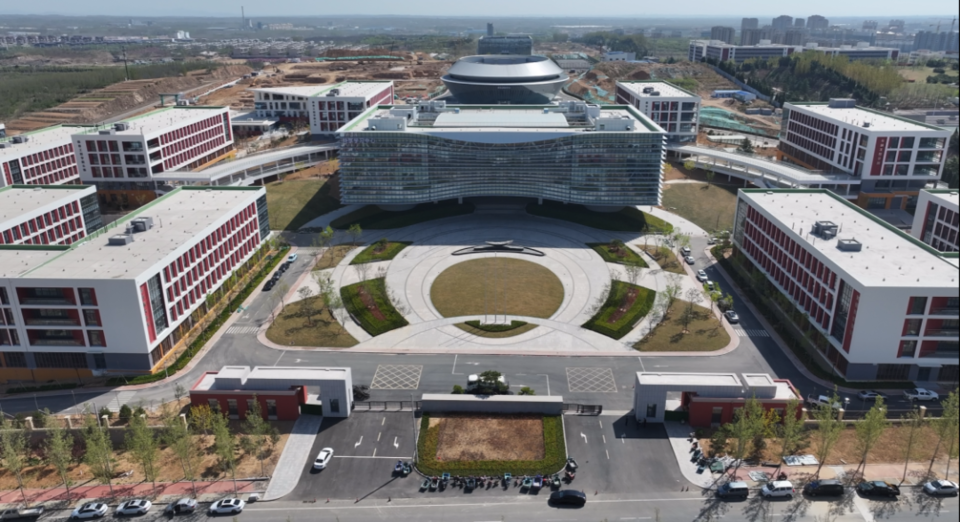
Group 1 - The successful launch of the "Nankei No. 1" satellite marks a significant achievement for Southern University of Science and Technology (SUSTech), being the first satellite developed by a Shenzhen university for space science research [1][4] - The satellite carries independently developed scientific payloads, including a space electric field measurement system and an aurora camera, which are expected to enhance research on space weather and provide critical data for monitoring Earth's magnetosphere and ionosphere [4][5] - The project involved over 20 undergraduate and graduate students, providing them with hands-on experience in satellite design, development, and testing, thereby enriching their educational experience and fostering interest in space science [1][3][5] Group 2 - Shenzhen universities are increasingly integrating research and education, exemplified by initiatives such as SUSTech's satellite project and Shenzhen University’s practical learning experiences in major engineering projects [2][6] - The innovative educational models in Shenzhen, such as the "one student, one chip" initiative at Shenzhen University of Technology, emphasize practical skills and direct involvement in research from early academic stages [7][9] - The rapid development of higher education in Shenzhen, with the establishment of multiple new universities and a significant number of top scientists, reflects the city's commitment to fostering a robust educational and research environment [7][8]
以产驱教,AI+制造业的「救星」?
36氪· 2025-05-21 10:40
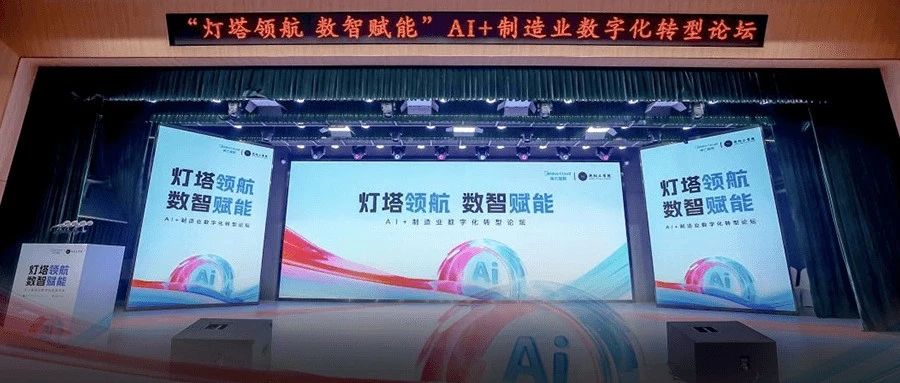
Core Viewpoint - The transformation of AI's technological potential into sustainable business momentum requires a simultaneous emphasis on talent and knowledge assets [1][29]. Group 1: AI and Talent Shortage - The year 2025 is anticipated to be the inaugural year for AI agents [2]. - In the manufacturing sector, the expectation for AI's role in digital transformation has increased, moving from being merely an "assistant" to a "digital employee" [3]. - A significant talent gap exists, with only 2% of manufacturing employees possessing AI-related skills, highlighting a structural contradiction where new digital applications are deployed without the necessary human expertise [3][6]. - The talent shortage is projected to reach 5 million in the smart manufacturing sector by this year [8]. Group 2: Challenges in Digital Transformation - Over 70% of digital transformation projects fail to meet expectations, primarily due to excessive application systems, traditional automation processes, and a notable lack of digital talent [7]. - The current educational system fails to adequately prepare engineering students with data thinking skills, leading to a disconnect between academic training and industry needs [9]. Group 3: Solutions through Collaboration - To address the talent shortage, a collaborative ecosystem between educational institutions and enterprises is essential, termed "industry-education integration" [10]. - The ME20+ forum and ME Agent co-creation plan aim to foster collaboration between over ten leading manufacturing companies and educational institutions to cultivate digital talent [10][20]. - The integration allows for real-world scenarios to be transformed into educational curricula, enabling students to gain practical experience [10]. Group 4: Innovative Educational Models - The Shenyang Institute of Technology has established a "Digital Lighthouse Academy" as part of the ME20+ initiative, connecting modern industry colleges and experimental centers to enhance talent training efficiency [16][18]. - This academy utilizes a task-driven teaching approach, allowing students to engage in practical projects that align with industry needs [16]. Group 5: Future Directions - The ME Agent co-creation plan serves as a bridge for industry-education integration, linking AI capabilities with talent development [20][21]. - The dynamic nature of market demands necessitates continuous adaptation in educational programs to prevent a mismatch between student skills and industry requirements [24][25]. - The focus on creating a flexible talent pool that can adapt to various industries is crucial for the future of manufacturing [27].

高升学率下 “中高企一体化”成产教融合新思路
Hang Zhou Ri Bao· 2025-05-21 02:47
中策钱塘的模拟招聘会 交通职高学生在老师指导下学习如何操控无人机 前不久,杭州市中策职业学校钱塘学校(以下简称"中策钱塘")出现了一个通常在大学才看得到的 场景:18万平方米的校园,聚集了强脑科技、云深处科技、格力、吉利等近40家知名企业。 产教融合模式的变化,其实也和当前杭州中职教育的发展息息相关。近年来,中职升学立交桥不断 畅通,升学率逐年提升。去年杭州市中职(不含技工学校)毕业生升学比例达85.6%,7年前这个数据 为68%。同时,长学制在杭州中职学校的办学模式中越来越普及,今年长学制招生比例预计将达50%。 "中职学生毕业后,绝大部分都会升学。校企协作,不能只盯着中职这3年,要把目光放到5年甚至7 年后。"市教育局相关负责人说,新型的产教融合,不仅要拉上企业,还要拉上高校甚至相关政府部 门,进行全方位、贯通式合作,以培养符合产业发展需求的技术人才。 今年年初,浙江省教育厅公布首批县域产业学院立项建设名单,"钱塘新区新制造产业学院"上榜, 合作单位中就有杭州科技职业技术学院、中策钱塘,还有钱塘区人力资源和社会保障局等政府部门,前 进智造园等产业平台,以及吉利、格力等知名企业。"像我们的区域中高职一体化班 ...

“三个注重”谱写“三链”互融共生发展新篇章
Xin Hua Ri Bao· 2025-05-20 22:01
Group 1 - The core viewpoint emphasizes the integration of party building work with the core educational mission, aiming for organic development and high-quality growth in vocational education [1][4] - The institution has been recognized as a model unit for party building in Jiangsu Province, reflecting its commitment to enhancing the quality of education and student development [1][2] - The establishment of a standardized party branch system and the implementation of a quantitative assessment method for party members are key initiatives to improve organizational effectiveness [2][3] Group 2 - The focus on cultivating skilled workers through a comprehensive educational approach, including various types of classrooms and community engagement, is central to the institution's mission [3][4] - The dual vocational education model has been successfully implemented, with over 3,000 apprentices trained and a retention rate exceeding 75%, indicating effective collaboration with industry partners [4][5] - The institution is actively involved in international cooperation, including establishing training centers in Asia-Pacific countries, which enhances its global outreach and educational impact [5]
国脉科技分析师会议-20250520
Dong Jian Yan Bao· 2025-05-20 14:44
Group 1: Research Basic Information - The research object is Guomai Technology, belonging to the communication service industry, and the reception time was on May 20, 2025. The company's reception staff included Chairman Chen Wei and Board Secretary Zhang Wenbin [17] Group 2: Detailed Research Institutions - The institutions participating in the research were Huaxia Fund Management Co., Ltd. and Guosen Securities Co., Ltd. The relevant personnel from Huaxia Fund were Lei Meng from the Fund Investment Department, and from Guosen Securities were computer researchers Yun Mengze and Ku Hongyao [18] Group 3: Main Content AI Agent - Development and Features - The upcoming AI agent press conference this quarter will focus on the practical demonstration of the home-based elderly care AI agent, in-depth analysis of the innovative elderly care model, and the R & D progress of active and precise health management [22] - The company's home-based elderly care AI agent adopts a multi - agent model and will release three types of agents, including those for pre - contact and adaptation support, daily life and social entertainment, and health and safety management [22] - The core competitive advantage of the company's AI agent is that it focuses on home - based elderly care and health management, being a "professional" agent. It can sense users' real needs, connect offline services, and achieve "perception - decision - execution" integration. The "Guomai University Elderly Care" provides real application scenarios and data feedback [23][24] - The AI agent will first be used in the "Guomai University Elderly Care" community to test its performance. The company will also seek cooperation with government departments and third - party institutions for standardized and large - scale application [24] Guomai University Elderly Care Project - It is a "body - connected network" experimental community for simulated home - based elderly care, integrating body - connected network (IoB) sensing technology and artificial intelligence algorithms. It emphasizes meeting the spiritual needs of the elderly and has received over one million platform exposures since its promotion [24][25] Fuzhou University of Technology - It is a full - funded applied undergraduate university by the company, with nearly 14,000 students as of the end of 2024. It plans to expand its scale and improve its level, and has completed the infrastructure construction of the new campus [25] Impact of Industry - Education Integration - The industry - education integration strategy has built a development empowerment platform integrating technology R & D, scenario application, talent reserve, and innovation incubation. It has created three core barriers for the company's business [26][27] - The company has signed a strategic cooperation framework agreement with Xiamen University and Mawei District People's Government to build the "Guomai Future Science City", which will promote the company's scientific and technological innovation [27] Company Performance - Since 2018, the company has optimized its revenue structure, focusing on sustainable future industries. In 2024, it achieved its best - ever performance, with a 61% year - on - year increase in net profit attributable to the parent company. In the first quarter of 2025, the net profit attributable to the parent company increased by 55% year - on - year and 345% quarter - on - quarter [27][28]

内蒙古如何提升人才培养适配度?
Nei Meng Gu Ri Bao· 2025-05-20 13:48
Group 1 - Inner Mongolia's higher education is focusing on optimizing professional structures to address the mismatch between talent supply and industry demand, with 19 new undergraduate programs approved and 20 programs canceled [1][5] - The establishment of new programs such as Aircraft Operation Engineering and Biological Pesticide Science aims to fill gaps in local industry needs, particularly in aviation and agriculture [1][2] - The proportion of undergraduate programs serving key industries in Inner Mongolia has increased from 59.8% to 63.5% since 2022, indicating a strategic alignment with regional economic development [5] Group 2 - Vocational education in Inner Mongolia is addressing talent shortages in emerging industries by developing professional clusters that align with key sectors like energy and chemicals [6] - The proportion of vocational programs serving key industry chains has risen from 53% to 77.7%, reflecting a strong focus on practical skills training [6] - Initiatives such as the "West Be Restaurant Craftsman Class" are being implemented to enhance practical training and employment integration for students [12][14] Group 3 - The integration of education and industry is being emphasized through the establishment of practical training bases and collaborative projects between universities and enterprises [7][9] - Programs are being developed to enhance the quality of talent cultivation, with a focus on real-world applications and industry collaboration [11][12] - The establishment of 909 order-based classes in vocational schools has trained over 31,000 skilled workers, showcasing the effectiveness of the education-industry integration model [14]

上海奉贤打造人才创新创业活力区
Xin Hua Cai Jing· 2025-05-20 13:40
Core Viewpoint - Shanghai Fengxian is developing into a key area for advanced manufacturing, cutting-edge technology transformation, talent innovation, and ecological urban integration, highlighted by the launch of the "Love Fengxian - 5.20 Talent Day" series of events [1][2] Group 1: Talent Development Initiatives - The establishment of "Talent Day" aims to demonstrate the district's commitment to attracting talent and accelerating the creation of a talent hub in southern Shanghai [1] - A total of 10 talent projects were signed, and various talent policies were promoted during the event, including the introduction of the "AI Xiaoxian" and "Xianlai Wuyou" talent service cards [1][2] Group 2: Financial and Spatial Support - Fengxian has set up a special development fund of 1 billion yuan for industry-education integration and is providing 100,000 square meters of quality space support for projects and high-end research platforms [2] - The district focuses on key concerns of talent, utilizing the "AI Xiaoxian" smart assistant to consolidate policies and services related to talent settlement, housing, employment, and innovation [2] Group 3: Future Development Plans - Future initiatives will focus on the construction of a returnee town and the optimization of the Bay University cluster, aiming to expand the talent project reservoir and cultivate new driving forces for industry-talent integration [2]

缺口近3000万人!企业联合高校培养这一领域人才
第一财经· 2025-05-20 12:46
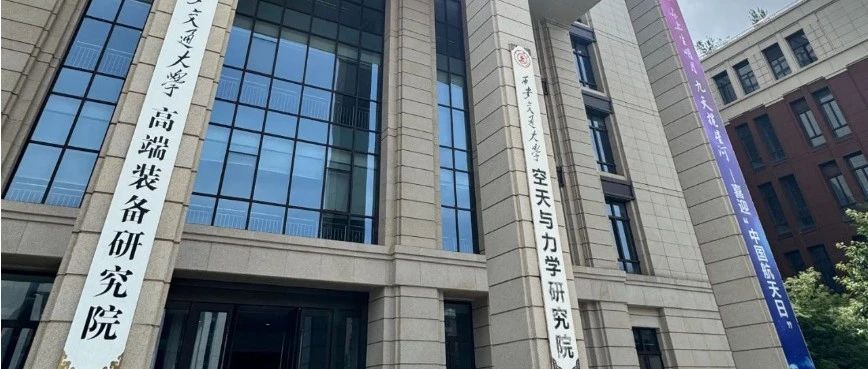
Core Viewpoint - The article emphasizes the need for higher education reform in China, particularly in the context of the fourth industrial revolution, advocating for a direct dialogue between universities and society to cultivate innovative talent [1]. Group 1: Higher Education Reform - Universities must break free from traditional, discipline-specific confines and engage directly with societal needs to foster innovation [1]. - The integration of traditional industries and emerging technologies has heightened the demand for innovative talent, particularly in a manufacturing powerhouse with approximately 4 million engineering graduates [1][9]. Group 2: Establishment of Research Institutes - Multiple universities are accelerating the establishment of research institutes as platforms for interdisciplinary research and technology transfer [2]. - Shanghai Jiao Tong University has launched the Low Altitude Science and Technology Research Institute, focusing on a collaborative innovation incubation plan that integrates industry, innovation, and talent [2]. - Xi'an Jiaotong University has established over 20 research institutes within the China West Science and Technology Innovation Port, promoting interdisciplinary collaboration and industry integration [3][7]. Group 3: Industry-Academia Collaboration - The establishment of specialized classes, such as the Huawei Experimental Class at Nanjing University of Information Science and Technology, exemplifies the collaboration between universities and enterprises to cultivate talent [10]. - The partnership between Shenzhen University and Tencent in creating the AI (Teng Class) aims to develop students' capabilities in AI engineering and application innovation [10]. - The Ministry of Education's guidelines indicate a projected talent gap of nearly 30 million in key manufacturing sectors by 2025, highlighting the urgent need for enhanced talent supply [9]. Group 4: Professional Degree Education - The development of professional degree graduate education is a strategic focus, aiming to cultivate high-level application-oriented talents with strong professional skills [11][13]. - Collaboration between educational institutions and industries is essential for formulating training programs and enhancing the quality of professional degree education [13].
制造业重点领域人才缺口近3000万,校企“语言体系”如何打通
Di Yi Cai Jing· 2025-05-20 12:22
Group 1 - The core viewpoint emphasizes that universities must break away from traditional, discipline-focused approaches and engage directly with society to reform higher education in the context of the Fourth Industrial Revolution [1] - There is an increasing demand for innovative talent due to the integration of traditional industries and emerging technologies, particularly in a manufacturing country with approximately 4 million engineering graduates [1] - Higher education institutions are establishing research institutes as a means to facilitate interdisciplinary research and technology transfer [2] Group 2 - The Shanghai Jiao Tong University Low Altitude Science and Technology Research Institute has launched a collaborative innovation incubation plan focusing on the integration of industry, innovation, and talent [2] - Beijing University of Science and Technology has also established several interdisciplinary research centers aimed at cultivating innovative talent in fields such as nanotechnology and sustainable energy [2] - Xi'an Jiaotong University has created over 30 research institutes and 400 research bases to promote interdisciplinary collaboration and industry-education integration [9] Group 3 - The Ministry of Education's guidelines indicate a projected talent gap of nearly 30 million in key manufacturing sectors by 2025, highlighting the need for high-quality engineering talent [10] - There are structural issues in the education system, such as a decline in engineering student enrollment and a mismatch between knowledge structure and job requirements [10] - Collaborative programs between universities and companies, such as Huawei's experimental class at Nanjing University, are emerging as a solution to enhance talent development [11] Group 4 - The development of professional degree graduate education is a strategic focus for reforming higher education, aiming to cultivate high-level application-oriented professionals [13] - There is a need for better communication and collaboration between academia and industry to ensure that educational outcomes align with industry needs [13] - Joint training programs, like the one between Shanghai Jiao Tong University and Baowu Steel Group, are being implemented to enhance practical learning experiences for students [14]