
产品多元化

Search documents
Beam (BEEM) - 2025 Q1 - Earnings Call Transcript
2025-05-15 21:32
Financial Data and Key Metrics Changes - For Q1 2025, the company's revenues were $6.3 million, a significant decrease compared to the same period in 2024, where revenues were more than double [4][20] - Gross profit for Q1 2025 was $500,000, resulting in an 8% gross margin, down from $1.5 million and a 10% gross margin in Q1 2024 [5] - The net loss for Q1 2025 was $15.5 million, which included $12.5 million in non-cash expenses, compared to a net loss of $3 million in Q1 2024 [7][8] - The cash balance at the end of March 2025 was $2.5 million, down from $4.6 million at the end of 2024 [8] Business Line Data and Key Metrics Changes - Revenue from commercial customers increased to 53% in Q1 2025 from 16% in Q1 2024, indicating a shift towards enterprise customers [4] - International customers contributed 25% of total revenue in Q1 2025, up from 11% in Q1 2024, reflecting successful international expansion efforts [4] Market Data and Key Metrics Changes - The company faced challenges due to the U.S. government's zero-emission vehicle strategy and uncertainties related to the presidential election, impacting revenue generation [4][20] - Despite the federal government halting acquisitions of electric vehicle infrastructure, state and local governments continued to contribute significantly to revenues [25][26] Company Strategy and Development Direction - The company is focusing on diversifying its product offerings and geographical reach, with a strong emphasis on international expansion [10][19] - The management believes that the recent acquisitions have positioned the company for future growth, despite current financial challenges [14][39] - The company aims to enhance its product portfolio with new offerings like Beam Patrol and Beam Bike, which are expected to contribute to revenue growth [45][49] Management's Comments on Operating Environment and Future Outlook - Management expressed optimism about returning to growth in future quarters, citing a solid foundation for growth despite current revenue challenges [10][30] - The company is confident in its ability to navigate the current market conditions and is focused on executing its strategic plans [41][79] - Management highlighted the importance of resiliency in their product offerings, particularly in response to climate-related challenges [66][70] Other Important Information - The company took a goodwill impairment charge of $10.8 million due to a decline in market capitalization, which is a non-cash item and does not reflect operational performance [6][17] - The company continues to generate positive gross margins, with net margins exceeding 20% when excluding non-cash items [30][52] Q&A Session Summary Question: How is the product mix between EV ARC and new products expected to evolve? - Management is enthusiastic about the adoption of new products like Beam Patrol and Beam Bike, expecting orders to increase in 2025 and beyond, while still seeing growth in EV ARC [45][49] Question: What is the outlook for margin progression as new products and international sales grow? - Management indicated that gross margins for EV ARC are currently in the 40-50% range, and they expect to achieve 50% gross profit as volume increases [51][54] Question: What is the current manufacturing capacity in Europe? - The company has significant manufacturing capacity in Europe, with the potential to produce five times more units than in the U.S., although supply chain challenges remain [59][64] Question: How will the company address climate-related challenges with its broadened product line? - Management emphasized the importance of resiliency in their products, which can operate during blackouts and are designed for disaster preparedness [66][70]

安德利:将适时开展与加大脱色脱酸浓缩果汁、苹果浊汁、桃汁等产品研发、生产与销售
Cai Jing Wang· 2025-05-15 15:02
Core Insights - The company primarily focuses on the production and sales of concentrated fruit juice, with a significant reliance on concentrated apple juice, which poses risks due to market price fluctuations [1][2] - The company is actively seeking to diversify its product offerings beyond concentrated apple juice, including the development of decolorized and deacidified concentrated juices, NFC juices, and other fruit juices [1][2] - The company acknowledges the growing demand for NFC juices and is leveraging its industry experience to expand its production capacity and market presence in this segment [2] Group 1 - The concentrated fruit juice business accounts for 96% of the company's revenue, but the market is highly competitive [1] - The company is adjusting its strategy to reduce dependence on concentrated apple juice and is exploring product diversification [1] - Future product development will focus on decolorized and deacidified concentrated juices, NFC juices, and other varieties such as peach juice, hawthorn juice, and tomato juice [1][2] Group 2 - The company currently does not produce HPP (High Pressure Processing) juice products [3] - The NFC juice segment is seen as a key area for future growth, aligning with health-conscious consumer trends [2] - The company is leveraging its brand, technology, and management advantages to enhance its market position in the NFC juice sector [2]

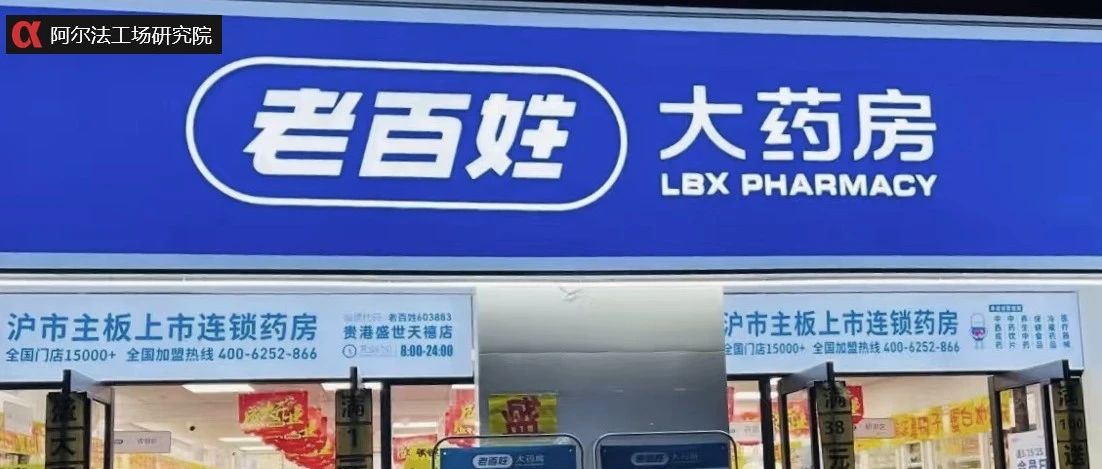
老百姓大药房4.4亿减持,揭开连锁药店的“虚火”与真相
阿尔法工场研究院· 2025-05-15 03:47
Core Viewpoint - The retail pharmacy industry is facing significant challenges, including profitability imbalance, increased compliance costs, and competition from new business models, leading to an impending industry reshuffle [1][22]. Financial Performance - The major retail pharmacy chain, Lao Bai Xing Pharmacy, announced a substantial share reduction plan of up to 22.8 million shares, amounting to 440 million yuan, following a report showing a decline in revenue and net profit by 0.36% and 44.13% respectively [2][4]. - The top six listed retail pharmacy chains have experienced a slowdown in revenue growth, with most reporting single-digit growth rates in 2024, and net profits declining by 20% to 240% year-on-year, except for Yi Feng Pharmacy which saw an 8% increase [4][5]. Industry Trends - The "ten thousand store era" has seen a rapid increase in the number of retail pharmacies, with over 39,000 closures expected in 2024, indicating a saturated market [5][6]. - The average revenue per square meter for Lao Bai Xing Pharmacy has decreased from 59.2 yuan/square meter in 2020 to 47 yuan/square meter in 2024, highlighting the pressure on profitability due to high competition [6][8]. Regulatory Environment - The suspension of new approvals for medical insurance designated pharmacies has limited growth opportunities for chains reliant on this model, with Lao Bai Xing having 9,158 such stores, covering 93.03% of its direct stores [10][11]. - Increased regulatory scrutiny and compliance costs are further straining the operational efficiency of retail pharmacies [8][10]. Strategic Shifts - Retail pharmacies are attempting to diversify their product offerings beyond pharmaceuticals to include health products, beauty items, and other non-pharmaceutical goods, but face challenges in establishing competitive advantages in these mature markets [12][14]. - The shift towards a more professional health service model is seen as a potential core competitive advantage for retail pharmacies in the future [14][20]. Competitive Landscape - The competition is no longer limited to traditional pharmacies but includes supermarkets, beauty stores, and B2C platforms, necessitating a transformation in business models [20][21]. - The industry is expected to undergo a reshuffle, with those who can effectively transition to diversified, professional, and online models likely to capture the next wave of growth [21][22].


Local Bounti (LOCL) - 2025 Q1 - Earnings Call Transcript
2025-05-14 13:02
Financial Data and Key Metrics Changes - First quarter sales were $11.6 million, representing a 38% increase compared to Q1 2024 and a 15% sequential increase compared to Q4 2024 [11] - Adjusted gross margin improved approximately 500 basis points year-over-year and approximately 400 basis points sequentially [12] - Net loss for the quarter was $37.7 million, compared to a net loss of $24.1 million in the prior year period, largely due to higher interest expense [12] - Adjusted EBITDA loss for the quarter was $8.8 million, an improvement from $9.3 million in Q4 2024 [13] Business Line Data and Key Metrics Changes - Yield in the Georgia facility increased by 20% in Q1 compared to Q4, attributed to the refinement of the growing system [8] - The Texas facility is undergoing product mix recalibration, which has temporarily decreased capacity but is expected to improve operational efficiencies [7][12] Market Data and Key Metrics Changes - The company is actively engaged in discussions with retailers in the Midwest region to include them in sourcing plans, indicating potential market expansion [9] - The relationship with Walmart has strengthened, with additional commitments to serve more distribution centers [10] Company Strategy and Development Direction - The company aims to achieve positive adjusted EBITDA in Q3 2025, with a focus on operational efficiencies and cost management [6][14] - Plans to implement successful yield improvement programs from Georgia to Texas and Washington facilities [8][22] Management's Comments on Operating Environment and Future Outlook - Management expressed confidence in achieving positive adjusted EBITDA by Q3 2025, driven by cost reductions and anticipated revenue growth [14][17] - The company is optimistic about the market opportunity for Controlled Environment Agriculture (CEA) products, as customer demand continues to rise [4][10] Other Important Information - The company ended the quarter with cash and cash equivalents of $28.4 million, indicating a strengthened financial position [14] - The debt restructuring resulted in the elimination of approximately $197 million of debt, although accounting rules require the original carrying value to remain on the balance sheet [14][15] Q&A Session Summary Question: What is driving the material lift in the back half of the year? - Management highlighted the Texas transition, Georgia yield improvement, and new products as key drivers for growth [19][20] Question: Can you elaborate on the Georgia yield improvement? - The yield increase is due to a research and development program that has been successfully implemented, with plans to expand this to other facilities [21][22] Question: How will the debt restructuring impact interest expense? - The restructuring will reduce interest expense over time, with the amortization of the premium leading to lower reported interest expenses on the income statement [25][26] Question: What are the financing plans for the Midwest facility? - The company is exploring project-specific financing and bringing in non-dilutive partners into the capital stack [37]

芳源股份:无直接出口至美国的产品,关税政策对公司影响有限
Ju Chao Zi Xun· 2025-05-12 10:09
Core Viewpoint - The company has successfully diversified its operations and customer base, mitigating risks associated with the U.S. tariff policies and focusing on domestic sales while preparing for future international collaborations [2]. Group 1: Business Operations - The company primarily focuses on domestic sales and does not have direct exports to the U.S., resulting in limited impact from U.S. tariff policies [2]. - The company has shifted from a reliance on single customers and products to a diversified approach, covering various domestic and international lithium battery downstream manufacturers and traders [2]. Group 2: Financial Performance - In the first quarter, the company's gross margin decreased year-on-year but is expected to show growth compared to 2024, influenced by product structure adjustments and stabilization of nickel and cobalt metal prices [2]. - The company aims to reduce its asset-liability ratio of 82.85% by improving cash flow, enhancing cash management, and promoting convertible bond conversions [2]. Group 3: Production Capacity and Product Planning - As of the end of 2024, the company has established a production capacity of 34,000 tons for precursors, 24,000 tons for battery-grade lithium carbonate, and 45,600 tons for intermediate nickel-cobalt salts [3]. - The company plans to focus on high-nickel products while expanding general-purpose precursor sales and aims to lower costs and improve profitability through raw material extension and increased recycling material ratios [3]. Group 4: Future Strategies - The company is preparing to collaborate with overseas enterprises through technology exports, transitioning from product exports to technology exports, with current overseas projects still in the preparatory stage [2]. - The company has completed its technological upgrades and plans to increase sales of intermediate products such as sulfate, lithium carbonate, and precursors by 2025, enhancing competitiveness through supply chain optimization and deeper customer cooperation [2].

SMP(SMP) - 2025 Q1 - Earnings Call Transcript
2025-04-30 15:00
Financial Data and Key Metrics Changes - Company reported nearly 25% increase in sales for Q1 2025, with a 5% increase excluding the Nissens acquisition [5][6] - EBITDA increased by $20 million, with a 350 basis point lift in EBITDA margin [6] - Consolidated net sales increased by 24.7%, and adjusted EBITDA margin rose to 10.4% of net sales [26] Business Line Data and Key Metrics Changes - Vehicle Control segment saw a 3.7% increase in sales, continuing a growth trend [7][23] - Temperature Control segment experienced a 24.1% increase in sales, driven by strong preseason orders [9][23] - Engineered Solutions segment sales decreased by 11.2%, but adjusted EBITDA improved to 9.7% due to favorable customer and product mix [10][24] - Nissens contributed $66.2 million in net sales and $11.5 million in adjusted EBITDA, exceeding expectations [25] Market Data and Key Metrics Changes - North America remains a strong market, with favorable macro trends supporting aftermarket demand [8][15] - U.S. sales now represent about 70% of total sales, down from 90% a few years ago, indicating geographic diversification [20] Company Strategy and Development Direction - Company focuses on maintaining a North American manufacturing footprint to mitigate tariff impacts [15][17] - Integration of Nissens is expected to yield significant synergies and enhance market position [14][33] - Emphasis on operational excellence and cost reduction programs to navigate economic challenges [31][33] Management Comments on Operating Environment and Future Outlook - Management expressed confidence in navigating the uncertain economic climate, citing the resilience of the aftermarket industry [30][31] - Tariffs are expected to introduce some inflation, but demand for nondiscretionary parts is anticipated to remain stable [31][32] - Full-year guidance for 2025 remains unchanged, expecting mid-teens percentage growth in net sales [28][29] Other Important Information - Cash used in operations increased to $60.2 million due to higher accounts receivable and inventory balances [26] - Capital expenditures for the quarter were $9.1 million, including investments in a new distribution center [27] Q&A Session Summary Question: POS and Vehicle Control performance - Management confirmed low single-digit gains in POS for Vehicle Control in Q1, following a flat trend last year [40][41] Question: Impact of tariffs on aftermarket - Management indicated that recent tariff announcements are expected to have minimal impact, primarily affecting OEMs [42] Question: Nissens growth and integration - Nissens continues to show growth in the European market, with integration efforts ongoing but no immediate financial impact [43][44] Question: Competitive positioning in tariff environment - Company believes its North American footprint provides a structural advantage over competitors [52] Question: European aftermarket trends - Similar trends observed in Europe, with hard failure items outperforming in the aftermarket [53] Question: Inventory management and tariff anticipation - No evidence of pull-forward orders due to tariffs; preseason orders for Temperature Control were front-loaded [54] Question: Retailers' response to tariff pricing - Management is in negotiations with retailers to share tariff costs, expecting a fair process [56][57] Question: Current impact of tariffs in Q1 - No significant impact from new tariffs observed in Q1 numbers, with cost impacts expected later in the year [62] Question: Strength of Q1 performance - Q1 performance was strong, but management maintains guidance due to potential uncertainties ahead [64]

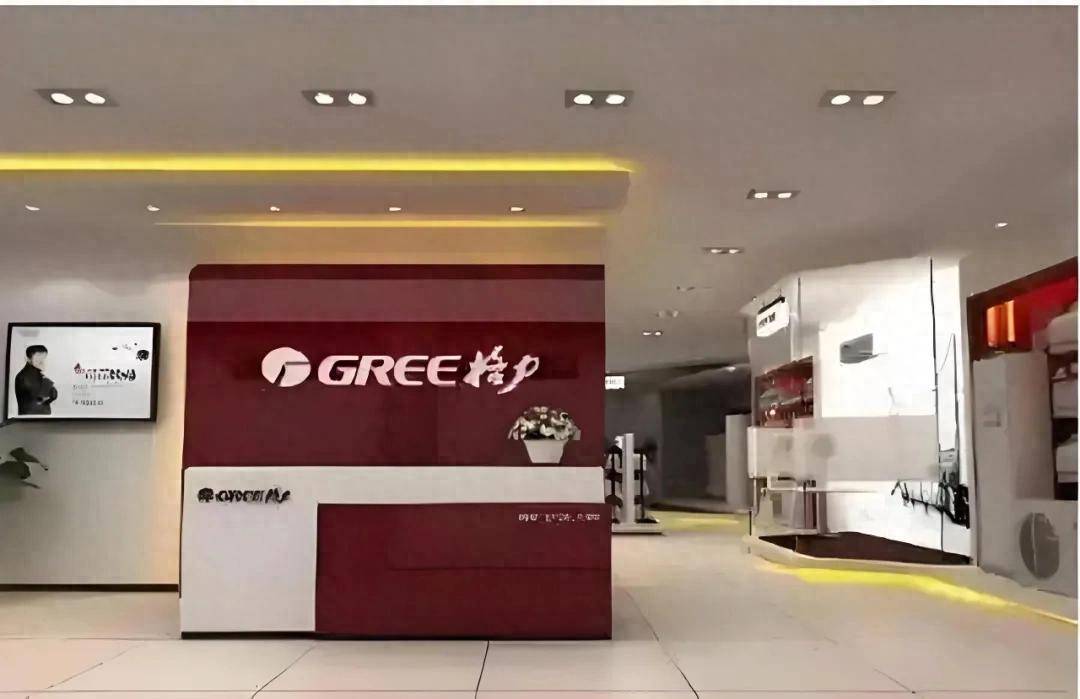
终于觅得接班人?71 岁的董明珠卸任格力电器总裁!新总裁在公司已效力 26 年,85 后的高管走向台前
Sou Hu Cai Jing· 2025-04-25 02:19
Core Viewpoint - The new management team led by Zhang Wei faces significant challenges in maintaining Gree Electric's performance growth amid a tough market environment [2][14]. Management Changes - Dong Mingzhu, aged 71, has been re-elected as the chairman of Gree Electric for her fifth three-year term but will no longer serve as president [3][4]. - Zhang Wei has been appointed as the new president, marking a shift towards a younger management team [4][5]. - The average age of the new board members has decreased from 62 to 58 years, indicating a trend towards younger leadership [7]. Strategic Initiatives - Gree Electric is focusing on channel reform and product diversification to address ongoing challenges [9][15]. - The company is leveraging government policies like "trade-in" and "expanding domestic demand" to create strategic opportunities [15]. - Gree aims to enhance its retail value chain through initiatives like "Dong Mingzhu Health Home," with a target of opening 3,000 stores this year and a long-term goal of 10,000 [12]. Market Position and Competition - Gree Electric remains the top seller of split air conditioners globally, with air conditioning accounting for nearly 80% of its total revenue [13]. - The air conditioning market is facing increased competition from both established players like Midea and new entrants like Xiaomi, which poses a risk to Gree's profit margins [13][18]. - Despite challenges, Gree's core air conditioning business is showing signs of improvement, with a projected revenue growth of 12.8% in 2024 [17]. Financial Performance - Gree's net profit grew by 18.4% in 2023, indicating a recovery after several years of stagnation [17]. - The company is expected to maintain a growth rate of around 10% as it continues to streamline its channels and improve operational efficiency [17].

“高二生”天佑德酒能考上大学吗?
Qi Lu Wan Bao· 2025-04-25 01:36
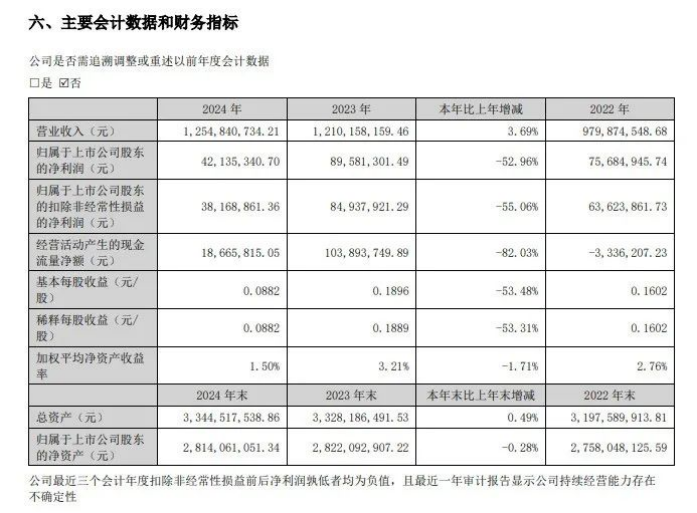
Core Viewpoint - Tianyoude Liquor is facing significant challenges in the current market environment, with its financial performance reflecting a struggle to maintain growth amidst industry-wide pressures and competition from leading brands [1][2]. Financial Performance - In 2024, Tianyoude Liquor reported revenue of 1.255 billion yuan, a year-on-year increase of 3.69%, while net profit was 42.14 million yuan, down 52.96% compared to the previous year [1]. - The first quarter of 2024 showed a revenue of 431 million yuan, a decrease of 17.96% year-on-year, with net profit dropping 37.69% to 67.5 million yuan [1]. - The company's basic earnings per share fell to 0.0882 yuan, a decline of 53.48% from the previous year [1]. Product Performance - Revenue from core products in 2024 included 1.069 billion yuan from barley liquor, with a minimal growth of 0.18%, while other barley and grape wine categories saw significant declines of 44.99% and 41.17%, respectively [2]. - The stagnation in barley liquor sales indicates a struggle to meet evolving consumer preferences for healthier and lower-alcohol options [2]. Market Position and Strategy - Tianyoude Liquor is experiencing difficulties in both domestic and international markets, with revenue from within Qinghai province declining by 1.23%, while revenue from outside the province grew by 14.25% [4]. - The company aims to expand into international markets, particularly in California and parts of Canada, despite facing challenges in brand recognition and market penetration [4][5]. Diversification Efforts - The company's attempts to diversify its product offerings have not yielded positive results, with significant revenue drops in its wine business and minimal contributions from e-commerce platforms [4]. - The failure to effectively innovate and market new products has led to a need for a restructuring of the product matrix [4]. Future Outlook - Industry experts suggest that Tianyoude should consider adopting innovative production techniques to create more appealing products and tap into the health-conscious consumer trend by developing low-alcohol and functional barley beverages [5]. - The integration of digital marketing and experiential tourism could help overcome regional brand recognition barriers and enhance the brand's value [5].

同仁堂:350年的“老字号” 正面临内忧外患
Xi Niu Cai Jing· 2025-04-24 12:20
Core Viewpoint - Tong Ren Tang, a 350-year-old Chinese brand, is facing multiple crises, including financial issues and brand trust problems due to counterfeit products and misleading marketing practices [2][10]. External Challenges - The brand "Tong Ren Tang" is often confused by consumers due to the presence of numerous products labeled with the name, including those from Beijing Tong Ren Tang, Nanjing Tong Ren Tang, and various unauthorized sellers [3][4]. - Historical issues related to the brand's division have led to a lack of unified management, allowing unregulated small businesses to exploit the brand name [9][10]. Internal Issues - In 2024, Tong Ren Tang reported a revenue of 18.597 billion yuan, a year-on-year increase of 4.12%, but the net profit attributable to shareholders was only 1.526 billion yuan, a decline of 8.54% [10]. - The cost pressures are primarily due to rising raw material prices, with the gross margin dropping from 47.29% in 2023 to 43.96% in 2024, marking a five-year low [10][11]. - The company is experiencing a decline in sales volume despite price increases, indicating that it has reached the market's price tolerance [12]. Strategic Moves - On December 18, 2024, the controlling shareholder of Beijing Tong Ren Tang Group acquired 60% of Tianjin Tong Ren Tang, aiming to unify the brand and address market confusion [13]. - The company is implementing a "big variety strategy" to diversify its product offerings and mitigate the impact of rising raw material costs, focusing on areas like cardiovascular health and pediatrics [14]. - Tong Ren Tang is reforming its distribution channels, expanding its online presence and increasing its sales team to 8,000 members [14].

if椰子水母公司IFBH拟港股IPO 供应链延展待观察
Mei Ri Jing Ji Xin Wen· 2025-04-23 14:56
Core Insights - IFBH Pte. Ltd. is preparing for an IPO, driven by the popularity of its coconut water brand "if" in the Chinese market, which holds the largest market share [1][2] - The company has shown steady revenue growth, with projected revenues of $87.44 million in 2023 and $158 million in 2024, primarily from coconut water sales [1][4] - The Chinese coconut water market is experiencing rapid growth, with a compound annual growth rate (CAGR) of 60.8% from 2019 to 2024, expected to exceed $1 billion in retail sales by 2024 [4][6] Company Overview - IFBH was founded in 2013 by Pongsakorn Pongsak, and it operates under a light asset model, outsourcing production, logistics, and sales [1][7] - The company has maintained a dominant position in the Chinese market since entering in 2017, with a market share of 36.42% as of Q1 2025, significantly outpacing competitors [3][4] - IFBH's coconut water sales account for over 95% of its revenue, with more than 90% of its sales coming from the Chinese market [1][4] Market Position - IF ranks second globally in the coconut water market, facing competition from brands like Vita Coco, which entered the Chinese market earlier [2][6] - The brand has become synonymous with coconut water in China, leading to the emergence of counterfeit products [3][6] - The company has launched a second brand, Innococo, to diversify its product offerings beyond coconut water [3][4] Supply Chain and Operations - IFBH relies heavily on General Beverage for coconut water sourcing, with plans to reduce dependency to below 70% by 2025 [8][9] - The company has a concentrated supply chain, primarily sourcing from Thailand, which poses risks if supply chain disruptions occur [8][9] - The operational model allows for flexibility and resource allocation towards product innovation and brand building [7][8] Future Growth and Diversification - While coconut water has driven significant revenue, the company recognizes the need for product diversification, exploring categories like fruit-based beverages and healthy snacks [9][10] - The global coconut water market is projected to reach $5 billion, but the company aims to expand into larger beverage categories to mitigate risks associated with market saturation [10] - The company is also considering acquisitions to enhance its product portfolio, focusing on health-oriented brands [10]