
绿色化

Search documents
上海:深化落实三大先导产业“上海方案” 推动制造业数智化、绿色化转型
Zheng Quan Shi Bao Wang· 2026-01-26 14:02
人民财讯1月26日电,上海市委常委会1月26日举行扩大会议,传达学习省部级主要领导干部学习贯彻党 的二十届四中全会精神专题研讨班精神。会议指出,要推动科技创新和产业创新深度融合,加快培育发 展新质生产力,深化落实三大先导产业"上海方案",推动制造业数智化、绿色化转型,促进服务业优质 高效发展,持续优化创新生态和产业生态。充分发挥"五个中心"建设先手棋作用,强化功能布局,深化 联动发展,相互赋能、相互促进。深入实施扩大内需战略,深化国际消费中心城市建设,接续实施提振 消费专项行动,持续推动文旅商体展深度融合。优化投资结构,提高投资效益,激发民间投资活力,加 大投资于人的力度。持续深化高水平对外开放,高质量建设东方枢纽国际商务合作区先行启动区,依托 走出去综合服务平台,加大专业服务人才引育,提升海外综合服务能力。扎实推进人民城市建设,坚持 把发展经济和改善民生结合起来,高水平滚动实施好民心工程。抓好社会治理创新,提高城市治理现代 化水平。加强韧性安全城市建设,提升本质安全水平。 ...
人才引进与签证便利化“双策齐发”,上海加速国际航运中心建设
第一财经· 2026-01-26 10:54
Core Viewpoint - Shanghai is actively enhancing its shipping talent policies to build a competitive international shipping center, focusing on both attracting and retaining high-level professionals in the shipping industry through new regulations and incentives [3][5][6]. Group 1: Talent Policy Initiatives - Shanghai has introduced new policies to include senior crew members of ocean-going vessels and air traffic controllers in its talent recruitment framework, indicating a comprehensive approach to attracting skilled professionals across various shipping sectors [5][6]. - The city has implemented measures to facilitate the travel of high-level shipping professionals to Hong Kong and Macau for academic and business activities, enhancing international collaboration and mobility [6]. Group 2: Challenges and Opportunities - The global shipping industry is undergoing significant transformations towards green, digital, and intelligent operations, creating a surge in demand for new energy technologies and management talents capable of navigating geopolitical and supply chain challenges [7][8]. - Shanghai's position as a leading global container port is solid, but there remains a gap in high-end shipping services and talent compared to other top international shipping centers [8][9]. Group 3: Talent Shortages and Strategic Focus - Research indicates that talent shortages in Shanghai's shipping sector are concentrated in three main areas: management, technological innovation, and derived services, highlighting the need for skilled professionals in various operational and strategic roles [9]. - The city aims to deepen its talent strategy by enhancing international recognition, fostering collaboration between academia and industry, and implementing more measures to strengthen its competitive edge in the global shipping landscape [9].

广西贺州:从粗放开采到“吃干用尽” 碳酸钙产业迈向智能化绿色化
Xin Lang Cai Jing· 2026-01-26 10:47
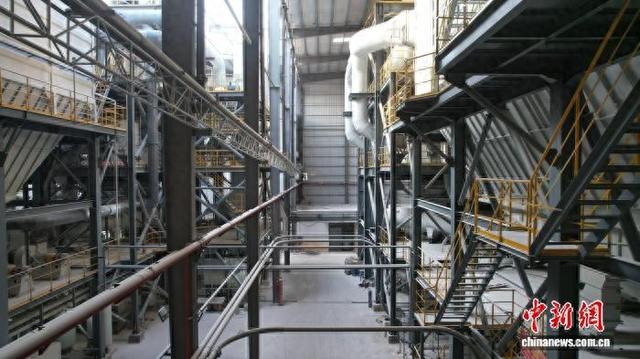
Core Viewpoint - The carbon calcium industry in Pinggui District, Hezhou City, is undergoing a transformation towards green and intelligent manufacturing, leveraging technological innovation and equipment upgrades to achieve high-quality development that balances ecological and economic benefits [1][5]. Group 1: Industry Transformation - The Pinggui District is capitalizing on its resource advantages as "China's Heavy Calcium Capital" to promote the green and intelligent transformation of the calcium carbonate industry [1]. - The production line at Baolifeng Mining Co., Ltd. utilizes an intelligent system for a fully enclosed process, achieving an annual capacity of 1.2 million tons of ultra-fine calcium and 200,000 tons of modified calcium with only 23 workers [3]. - The "ecology + industry" integration model is a key practice during the 14th Five-Year Plan, focusing on extending, supplementing, and strengthening the industrial chain [5]. Group 2: Environmental and Economic Impact - The area of ecological restoration in the mining sector has reached nearly 80% of the total mining area, demonstrating a commitment to sustainable practices [3]. - The establishment of a fully biodegradable thermoplastic plastic industrial park by Guangxi Changhong Biological Materials Co., Ltd. has created an integrated supply chain from ore processing to high-end new material products, enhancing ecological, social, and economic benefits [3][5]. - By 2025, the output value of scale carbon calcium enterprises in Pinggui District is expected to reach 12.31 billion yuan, accounting for 42.3% of the district's industrial output value [5]. Group 3: Future Plans - Guangxi Changhong Biological Materials Co., Ltd. plans to invest 1.5 billion yuan in a second-phase project aimed at producing 500,000 tons of high-end modified calcium carbonate and 450,000 tons of biodegradable masterbatch, filling a gap in Hezhou City's deep processing sector [5]. - The district aims to upgrade its manufacturing industry, expand high-end products like nano calcium carbonate, and develop applications in eco-friendly coatings, targeting an industrial output value of over 15 billion yuan by 2026 [5].
四个关键字看2025年工业和信息化发展!
中汽协会数据· 2026-01-26 09:13
Core Viewpoint - The article emphasizes the continuous stabilization of economic growth, focusing on the real economy and implementing a new round of key industry growth plans to support industrial provinces in driving steady industrial growth [2]. Group 1: Economic Growth and Industrial Performance - By 2025, the industrial added value above designated size is expected to grow by 5.9% year-on-year, with the manufacturing added value maintaining a stable share of GDP [3]. - The manufacturing sector is projected to retain its position as the world's largest for 16 consecutive years, with telecommunications business volume increasing by 9.1% year-on-year [4]. Group 2: High-Quality Development and Technological Advancement - The focus remains on high-quality development, advancing the intelligent, green, and integrated development of manufacturing [6]. - The added value of equipment manufacturing and high-tech manufacturing above designated size grew by 9.2% and 9.4% year-on-year, respectively, outpacing the overall industrial growth by 3.3 and 3.5 percentage points [6]. - Over 35,000 basic-level and 8,200 advanced-level smart factories have been established, with 15 leading smart factories nurtured [6]. Group 3: Innovation and Emerging Industries - The integration of technological and industrial innovation is being promoted, with breakthroughs in major equipment such as ultra-large diameter shield machines and heavy-duty gas turbines [10]. - The added value of integrated circuits and electronic special materials increased by 26.7% and 23.9% year-on-year, respectively, while industrial robot production rose by 28% [10]. - New energy vehicle sales reached 16.49 million units, reflecting a year-on-year growth of 28.2% [10]. Group 4: Business Environment and Competitive Landscape - Efforts to reform key areas and reduce enterprise burdens are underway, with actions to clear overdue payments to businesses and implement supportive policies [11]. - The competitive ecology in key industries such as new energy vehicles and photovoltaics is showing signs of improvement [11]. - Over 140,000 specialized and innovative small and medium-sized enterprises have been nurtured, with high-tech enterprises reaching 504,000 [11].

专家共读报告丨李志坚:传统产业“永不落幕”,是经济基本盘
Nan Fang Du Shi Bao· 2026-01-26 04:16
Core Viewpoint - The Guangdong government emphasizes the construction of a stronger modern industrial system and the development of robust traditional industry clusters that are "never-ending" [2] Group 1: Traditional Industries - Traditional industries in Guangdong, such as electronics, home appliances, furniture, clothing, and food, form the economic foundation [5] - These industries are characterized by complete supply chains, responsive market reach, and significant employment capacity [5] Group 2: Challenges and Future Directions - Current challenges for these industries are not merely about overcapacity but involve their positioning within the global value chain [6] - The future competitiveness of these industries should derive from deep understanding of demand, integration of technology, and collaborative efficiency across the supply chain [6] - For example, the home appliance industry should focus on providing smart home solutions rather than just manufacturing appliances [6] Group 3: Pathways to Transformation - The report highlights "intelligent, green, and integrated" approaches as pathways for transformation [7] - Intelligent transformation involves connecting data across design, production, supply chain, and sales through industrial internet platforms [7] - Green transformation is becoming a competitive advantage, addressing both international trade carbon barriers and domestic consumer preferences for eco-friendly products [7] - Integrated transformation blurs the lines between manufacturing and services, allowing products to serve as platforms for services and cultural experiences [7] Group 4: Ecosystem for Industry Clusters - The "never-ending" industry clusters represent a symbiotic ecosystem that requires addressing practical obstacles such as directing innovation resources effectively and ensuring funding reaches small and medium enterprises [8] - Leading enterprises must take responsibility for driving upgrades among supporting companies through technology standards and shared orders [8] - The role of industry associations is crucial in collective technology development, brand building, and maintaining industry order [8] - The upgrade of traditional industries is a gradual process that respects industry laws and captures market signals, relying on continuous improvements in technology, organization, and talent [8]

湖南祁阳:无水印染、数智化改造 传统纺织企业焕发产业新活力
Yang Shi Xin Wen Ke Hu Duan· 2026-01-26 01:20
Core Viewpoint - The traditional textile industry is undergoing a transformation towards "intelligent, green, and integrated" upgrades, driven by technological innovation and collaboration within the industry ecosystem [1][4]. Group 1: Industry Transformation - In Hunan Qiyang, a textile company has implemented smart production with 4,800 high-speed water-jet looms, producing 2 out of every 3 umbrella fabrics in China [2]. - The company faced a 40% drop in orders from European and American clients due to tariff impacts, prompting a shift towards technological innovation [2]. - The introduction of a waterless dyeing technology has significantly improved production efficiency by 5 times and reduced costs by 30%, achieving zero wastewater discharge [2]. Group 2: Digitalization and Management - Another textile company in Qiyang adopted a self-developed management system to enhance production visibility and flexibility, resulting in a doubling of production capacity and a reduction in order delivery time from 45 days to 15 days [3]. - The minimum order quantity was lowered to 200 pieces, and the success rate of production increased by 15%, leading to a surge in high-end orders [3]. Group 3: Industry Challenges and Opportunities - Qiyang has become the largest chemical fiber textile industry cluster in Hunan, with plans to be recognized as a national-level characteristic industrial cluster by 2025 [4]. - In the first 11 months of 2025, the industrial added value of China's textile industry increased by 1.7%, with retail sales of clothing and textile products exceeding 1.3 trillion yuan, a growth of 3.5% [4]. - Despite positive growth, the textile industry still faces challenges in achieving high-end, intelligent, and green transformations, particularly in smart manufacturing and data integration [5].
广西全力打造十大千亿元级支柱产业
Xin Lang Cai Jing· 2026-01-25 19:17
Core Insights - The Guangxi Industrial and Information Technology Work Conference outlined plans to develop ten modern pillar industries, focusing on intelligent, green, and integrated directions, with artificial intelligence leading the way for high-quality industrial development [1][2] Group 1: Industry Development Plans - Guangxi aims to establish ten modern pillar industries, including non-ferrous metals, advanced steel materials, modern green chemicals, artificial intelligence, high-end equipment manufacturing, new energy vehicles and batteries, food processing, forestry and paper industry, biomedicine and health, and green building materials [1] - The industrial economy in Guangxi is expected to achieve significant growth during the 14th Five-Year Plan, with an estimated industrial output value of 2.7 trillion yuan by 2025, an increase of 900 billion yuan over five years [1] - The industrial added value is projected to account for over 27% of the regional GDP, marking an increase of nearly 4 percentage points over five years, positioning the industrial sector as a "ballast stone" for economic development [1] Group 2: Investment and Project Implementation - To effectively promote the development of the ten pillar industries, Guangxi will focus on project execution, investment expansion, transformation promotion, and cluster development [2] - A "Five Ones" work promotion mechanism will be established, including one responsible leader, one working team, one action plan, one industrial fund, and one group of leading enterprises to ensure dedicated management and policy support for each industry [2] - Guangxi will implement a traditional industry renewal action plan, advancing manufacturing technology upgrades and providing tailored diagnostic services to enterprises, while leveraging policies to plan and execute projects for upgrading old facilities and enhancing automation, intelligence, and greenness [2]
上海集装箱:追“智”逐“绿”向全球
Zheng Quan Ri Bao· 2026-01-25 17:11
Core Insights - The Chilean cherries have become a hot commodity in Shanghai's supermarkets during the winter season, coinciding with major Chinese holidays, highlighting the importance of the container industry in global logistics [1] - The container industry is advancing towards "green" and "intelligent" transformations, with Shanghai leading the way in establishing a comprehensive container industry ecosystem [1][4] Container Industry Performance - Shanghai Port is the busiest container port globally, with approximately 15,600 container ships docking in 2024 and a container throughput of 55.06 million TEUs in 2025, marking a 6.9% year-on-year increase [2] - The continuous growth in Shanghai's container throughput reflects the city's strong container industry capabilities, with leading enterprises across various segments of the container supply chain [2][3] Key Enterprises and Innovations - Major companies in Shanghai include Baosteel, which has achieved breakthroughs in domestically produced weather-resistant steel for containers, and Meiga Xincai, a leader in container coatings [2][3] - China Merchants Heavy Industry is advancing in the production of large and green-powered container ships, while Xijing Technology is gaining attention for its intelligent and new energy products [3][4] Green and Intelligent Transformation - The "green" transformation is being driven by initiatives such as the partnership between Baosteel and CIMC to develop low-carbon container products, aiming for a 30% reduction in carbon emissions [4][5] - Companies like China Merchants Heavy Industry are adopting eco-friendly materials and optimizing production processes to reduce carbon emissions, while also creating a carbon footprint platform to foster an industry-wide decarbonization ecosystem [5] Smart Manufacturing and Logistics - China Merchants Heavy Industry is implementing a data-driven approach to build a smart manufacturing system, utilizing AI and robotics to enhance production efficiency [6] - The use of autonomous vehicles in logistics, such as those developed by Xijing Technology, is improving operational efficiency at ports, with significant international deployment [6][7] Policy Support and Industry Ecosystem - The Chinese container industry is experiencing rapid growth, with a projected production of 8.1 million TEUs in 2024, a 268.2% increase from 2023, primarily concentrated in the Yangtze River Delta and Pearl River Delta regions [8] - Shanghai's government is introducing policies to optimize the industrial ecosystem, including the launch of an international container transport service platform to enhance efficiency [8] Future Outlook - The container industry is expected to achieve steady growth, with Shanghai positioned as a core anchor point due to its comprehensive industry chain advantages and proactive strategies [9] - Factors such as emerging market trade expansion and policy support are anticipated to drive the development of the container manufacturing sector, with Shanghai's special container market expected to lead nationally [9]
2025增速行业第一! 玉柴2026携重磅新品冲刺70万台目标 | 头条
第一商用车网· 2026-01-25 11:31
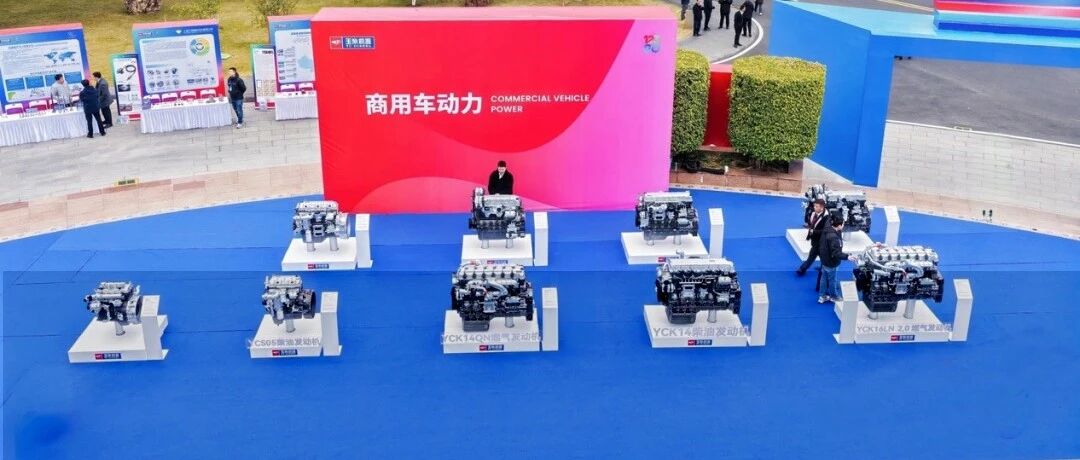
Core Viewpoint - Yuchai Group is positioning itself for growth and innovation in the face of global industry transformation, emphasizing its upgraded "1335" strategy to enhance its competitive edge in traditional, new energy, and intelligent equipment sectors [3][4]. Group 1: 2025 Performance - In 2025, Yuchai achieved record highs in sales revenue, total profit, and engine sales, demonstrating strong operational resilience and growth momentum [3]. - Engine sales exceeded 600,000 units, marking a 30% year-on-year increase, significantly outpacing the industry average growth rate [6]. - The company set ambitious targets for 2026, aiming for total sales of 700,000 units, a 17% increase, with specific goals for traditional and new energy segments [6]. Group 2: Strategic Initiatives - Yuchai's "1335" strategy focuses on three collaborative development tracks: traditional power, new energy power, and intelligent equipment [4]. - The company launched the "Yuchai Flywheel Range Extender System," transitioning commercial power systems into a new era of integrated design, enhancing efficiency and reliability [8][10]. Group 3: Product Innovations - At the partner conference, Yuchai unveiled eight new commercial vehicle power products, covering a range of technologies including diesel, gas, and new energy [14]. - The upgraded K14QN and K16LN 2.0 gas engines feature significant improvements in weight reduction and fuel efficiency, with the K16LN 2.0 achieving a maximum power of 660 horsepower [16][18]. - The new Yuchai S05 engine for the medium engine market integrates intelligent combustion control technology, promising lower fuel consumption compared to competitors [20]. Group 4: Customer Feedback and Market Position - Positive customer feedback highlights Yuchai's commitment to providing advanced power systems and supporting customer success, reinforcing its market position [24][26].
建好枢纽深化合作
Jing Ji Ri Bao· 2026-01-24 21:59
Core Viewpoint - The city of Kekedala is undergoing significant transformation during the "14th Five-Year Plan" period, focusing on high-quality development and integration into the Silk Road Economic Belt [1][2]. Group 1: Development Initiatives - Kekedala has established several key areas: a western opening pilot zone, a characteristic industry agglomeration area, an ecological civilization demonstration area, and an integrated development model area [1]. - The city aims to enhance its industrial structure by optimizing layouts towards digitalization, greening, and integration, with a focus on biomanufacturing, new materials, and green chemical industries [1]. Group 2: Open Economy Strategy - The strategy includes creating a western opening pilot zone that leverages various policy platforms to establish a green electricity industrial hub and a cross-border processing agglomeration area [2]. - There is a shift from "channel economy" to "industrial economy" in port economics, with plans to improve modern cross-border logistics infrastructure [2].