
十五五规划

Search documents
中办国办印发《关于做好2026年元旦春节期间有关工作的通知》
Xin Lang Cai Jing· 2025-12-22 20:23
三、丰富群众精神文化生活。开展"新春走基层"主题采访活动,唱响时代强音,激发奋进力量。办好春 节联欢等文艺演出活动,开展"欢欢喜喜过大年"主题活动、"非遗贺新春·寻味中国年"主题推广。开 展"我们的中国梦——文化进万家"、文化科技卫生"三下乡"等活动,面向基层提供优质文化产品。开展 军民共建活动。丰富旅游产品,提升旅游品质和旅游体验,推出系列消费惠民措施。加强跨部门执法协 作,维护文化和旅游市场秩序。 新华社北京12月22日电 近日,中共中央办公厅、国务院办公厅印发了《关于做好2026年元旦春节期间 有关工作的通知》。全文如下: 2026年是"十五五"规划开局之年。各地区各部门要以习近平新时代中国特色社会主义思想为指导,全面 贯彻党的二十大和二十届历次全会精神,统筹做好元旦、春节期间各项工作,确保人民群众度过欢乐平 安祥和的节日。经党中央、国务院同意,现将有关事项通知如下。 一、关心困难群众生产生活。各级党委和政府要认真做好救助帮扶、走访慰问,切实为群众办实事解难 事。按规定及时足额发放救助金,有条件的地方可提前发放救助金或增发一次性生活补贴。加大临时救 助力度,对遭遇突发性、紧迫性困难的群众,及时给予基本生 ...
中共中央办公厅 国务院办公厅印发 《关于做好2026年元旦春节期间有关工作的通知》
Xin Lang Cai Jing· 2025-12-22 18:17
Core Viewpoint - The central government has issued a notification to ensure a joyful and safe celebration for the public during the 2026 New Year and Spring Festival, emphasizing the importance of various support measures and community engagement [1] Group 1: Support for Vulnerable Populations - Local governments are required to provide timely assistance to vulnerable groups, including the elderly, disabled, and children in difficult situations, with a focus on delivering aid and support during the winter [2] - There will be an increase in temporary assistance for those facing urgent difficulties, and measures will be taken to ensure timely payment of relief funds [2] - Actions will be taken to combat wage arrears and ensure employment support for those struggling to find work [2] Group 2: Market Supply Stability - Authorities will ensure stable production and transportation of essential resources like coal, electricity, oil, and gas to maintain supply and price stability for the public [3] - There will be a focus on monitoring and ensuring the availability of essential food items, with measures to prevent price gouging and fraud in the market [3] - Efforts will be made to enhance consumer experiences and stimulate holiday spending through diverse offerings and improved service quality [3] Group 3: Cultural and Spiritual Enrichment - The government plans to organize cultural activities and performances to enrich the spiritual life of the community during the festive season [3] - Initiatives like "Cultural into Thousands of Homes" and various themed events will be launched to promote cultural engagement at the grassroots level [3] Group 4: Safe and Convenient Travel - There will be enhanced planning for transportation during peak travel times to meet public demand, including the implementation of toll-free policies for small vehicles during holidays [4] - Emergency plans will be optimized to address adverse weather conditions and ensure the safety of travelers [4] Group 5: Safety Production Responsibility - Strict enforcement of safety regulations and responsibilities will be emphasized to prevent major accidents, particularly in high-risk areas such as old buildings and crowded venues [5] - Regular inspections and risk assessments will be conducted in various sectors to ensure safety compliance [5] Group 6: Social Stability Maintenance - A comprehensive approach will be taken to address social conflicts and risks, with increased engagement from leadership to resolve issues at the grassroots level [6] - Law enforcement will focus on preventing and addressing criminal activities, ensuring public safety in crowded areas [6] Group 7: Promotion of Good Practices - The government will advocate for traditional values and discourage wasteful practices, ensuring adherence to regulations during the festive season [7] - There will be a crackdown on inappropriate behaviors related to gift-giving and celebrations to maintain integrity and reduce burdens on the community [7] Group 8: Emergency Preparedness - A 24-hour emergency response system will be established to ensure readiness for any unexpected events during the holiday period [8] - Units directly serving the public will be required to maintain service quality while avoiding formalism in their operations [8]
上海,未来五年这么干!
Shang Hai Zheng Quan Bao· 2025-12-22 18:07
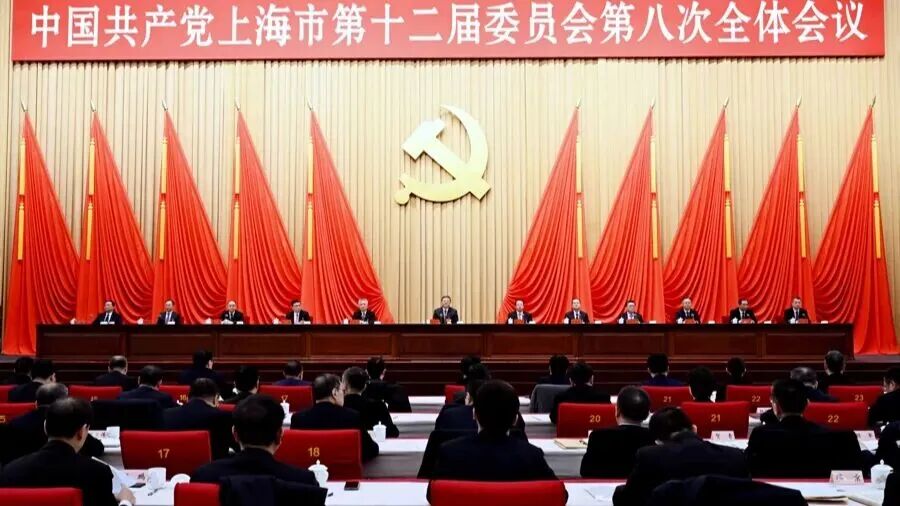
全会由市委常委会主持。 全会认为,今年以来,市委常委会坚持以习近平新时代中国特色社会主义思想为指导,重点抓好全面学习贯彻党的二十届四中全会精神、深入学习贯彻习 近平总书记考察上海重要讲话精神、开展深入贯彻中央八项规定精神学习教育和整治形式主义为基层减负工作、全力配合做好中央巡视四件大事,锚定建 设"五个中心"重要使命,着力推动经济高质量发展,深化全过程人民民主实践探索,深化社会主义国际文化大都市建设,扎实推进人民城市建设,努力打 造人与自然和谐共生的美丽上海,着力提高党的建设质量和水平,全年目标任务和"十四五"主要目标即将顺利完成。 全会指出,"十四五"时期上海发展历程极不寻常、极不平凡。在以习近平同志为核心的党中央坚强领导下,市委坚持以习近平新时代中国特色社会主义思 想为指导,把深入贯彻落实习近平总书记考察上海重要讲话精神作为全部工作的鲜明主题和突出主线,聚焦国家战略任务,践行人民城市理念,奋发有 为、克难攻坚,经受住世纪疫情严重冲击,有效应对外部环境变化风险挑战,推动各项事业取得新的重大成就,具有世界影响力的社会主义现代化国际大 都市建设站在新的起点上。 中国共产党上海市第十二届委员会第八次全体会议12月 ...

驻奥克兰总领馆经商处会见新西兰中国商业圆桌会执行董事
Shang Wu Bu Wang Zhan· 2025-12-22 16:15
NZBRiC.jpg (原标题:驻奥克兰总领馆经商处会见新西兰中国商业圆桌会执行董事) 12月20日,驻奥克兰总领馆经商处主任王程光领事会见新西兰中国商业圆桌会 (NZBRiC)执行董事尼克·卡尔德,并共同参访新西兰奇异兄弟啤酒(Brothers Beer) 厂。 王程光向两人分别赠送《世界开放报告2025》和进博会吉祥物"进宝",表示中国是 新西兰啤酒第二大出口市场,今年前11个月自新啤酒进口额同比增长69%;明年中方将 围绕"共享大市场·出口中国"主题举办超百场进口促进活动,常态化举办进博优品交易 会,以更大力度扩大进口,欢迎新方企业共享开放市场红利。 卡尔德介绍,该组织商业前景调研报告显示,超九成新在华企业对中国市场前景 表示乐观,十分关注中国"十五五"规划给两国经贸合作带来新机遇。啤酒厂负责人介 绍,其对华出口精酿啤酒规模不断扩大,将深耕中国市场。 ...

银龙股份:深化在重点基建项目中参与度,借助新能源业务打造新增长曲线
Zheng Quan Shi Bao Wang· 2025-12-22 14:04
Core Viewpoint - The company, Yinlong Co., Ltd., is focusing on the development of its two core industries: prestressed materials and concrete products for rail transit, while also expanding into high-end equipment manufacturing and information technology, with a strategic emphasis on new energy business [1][2][4] Group 1: Business Performance - As of June 30, 2025, the prestressed materials industry achieved revenue of 1.158 billion yuan, a year-on-year increase of 8.12%, accounting for 78.58% of total revenue, indicating stable growth in traditional business [1] - The rail transit concrete products industry generated revenue of 213 million yuan, with a slight year-on-year increase of 0.04%, representing 14.45% of total revenue, driven by ongoing national railway and urban rail transit construction [1][2] Group 2: Strategic Initiatives - The company has established a network of ten industrial bases across key strategic areas in China, enhancing its regional supply system for rail products through a combination of wholly-owned and joint ventures [2] - Yinlong Co., Ltd. is actively participating in major national railway projects, including the Xiongshan High-speed Railway and the Beijing-Shanghai High-speed Railway, which strengthens its competitive advantage in technology, product quality, and service network [2][3] Group 3: International Market Development - The company has been expanding its international market presence since the 1990s, exporting prestressed materials to over 90 countries, with plans to optimize its product structure and increase high-performance product exports [3] - The rail transit concrete products and related equipment sector is focusing on technological upgrades and regional layout, maintaining good profitability, especially in overseas markets where the gross margin is higher than domestic [3] Group 4: Future Outlook - The company expresses confidence in its performance growth over the next three years, driven by product structure optimization in the prestressed materials sector and continued order acquisition in the rail transit concrete products sector [4] - The steady advancement of the new energy business is expected to contribute additional growth points to the company's overall performance [4]

12月22日晚间央视新闻联播要闻集锦
Yang Shi Xin Wen Ke Hu Duan· 2025-12-22 13:54
今日摘要 "十四五"规划102项重大工程如期完成规划目标任务。 日本在野党高层谴责高市早苗政权为武器出口"松绑"。 俄罗斯称,俄军继续向乌克兰方面防御纵深推进。乌克兰称,乌军已从多个阵地撤出。 内容速览 中央军委举行晋升上将军衔仪式 习近平颁发命令状并向晋衔的军官表示祝贺 中央军委举行晋升上将军衔仪式,习近平颁发命令状并向晋衔的军官表示祝贺。 习近平致电祝贺卡斯特当选智利总统。 李强主持召开国务院"十五五"规划《纲要草案》编制工作领导小组会议。丁薛祥出席。 十四届全国人大常委会第十九次会议在京举行,审议生态环境法典草案、民族团结进步促进法草案、国 家发展规划法草案等,赵乐际主持。 中办、国办印发《关于做好2026年元旦春节期间有关工作的通知》。 12月22日,中共中央政治局常委、国务院总理李强主持召开国务院"十五五"规划《纲要草案》编制工作 领导小组会议,深入研究《纲要草案》编制工作。 中共中央政治局常委、国务院副总理丁薛祥出席。 十四届全国人大常委会第十九次会议在京举行 审议生态环境法典草案、民族团结进步促进法草案、国 家发展规划法草案等 赵乐际主持 十四届全国人大常委会第十九次会议22日上午在京举行第一次 ...
上海未来五年要这么干!十二届市委八次全会审议通过上海“十五五”规划建议
财联社· 2025-12-22 13:36
Core Viewpoint - The Shanghai Municipal Committee's plenary session emphasizes the importance of implementing the spirit of the 20th National Congress and the subsequent plenary sessions, focusing on high-quality economic development and the construction of a modern socialist international metropolis with global influence by 2035 [1][3][4]. Group 1: Economic Development Goals - The "15th Five-Year Plan" period is identified as a critical phase for Shanghai's transformation and upgrading, aiming for significant breakthroughs in high-quality development and urban governance [4][6]. - By 2035, Shanghai aims to double its per capita GDP compared to 2020 levels and achieve international leadership in key development indicators [6][9]. Group 2: Strategic Focus Areas - The session highlights the need to enhance the construction of the "Five Centers" (economic, financial, trade, shipping, and technological innovation) to boost Shanghai's global competitiveness [7][8]. - Emphasis is placed on fostering a modern industrial system and promoting high-quality service sector development, alongside enhancing the international financial center's capabilities [7][8]. Group 3: Urban and Social Development - The plan includes improving urban spatial layout, promoting regional coordinated development, and enhancing the quality of life for residents through better public services and social security systems [9][10]. - There is a strong focus on green and low-carbon transformation, aiming to create a harmonious relationship between humans and nature [10][12]. Group 4: Governance and Leadership - The session stresses the importance of strengthening the Party's leadership and ensuring effective governance to achieve the outlined economic and social goals [11][12]. - It calls for a comprehensive approach to risk management and social governance to maintain stability and order in urban operations [14].

“十五五”目标@奋斗者|扎实推进共同富裕 推动形成橄榄型分配格局
Xin Hua Wang· 2025-12-22 12:35
Group 1 - The core viewpoint emphasizes the implementation of a plan to increase income for urban and rural residents, aiming to promote a more equitable distribution of wealth and enhance the well-being of the population [1][5] - The concept of Chinese-style modernization is highlighted as a modernization that ensures common prosperity for all people, focusing on making the benefits of reform and development more equitable [3] - By promoting income growth and adjusting income distribution, the goal is to enhance social welfare, promote fairness and justice, and better ensure that people share in the fruits of development [5] Group 2 - The news illustrates the importance of ensuring that the achievements of reform and development benefit all citizens, particularly in the new development stage [3] - The focus on creating an "olive-shaped" distribution structure indicates a strategic approach to income distribution that aims to reduce inequality [5] - The ongoing efforts to improve the livelihood of residents and meet their aspirations for a better life are underscored as essential components of the development strategy [5]
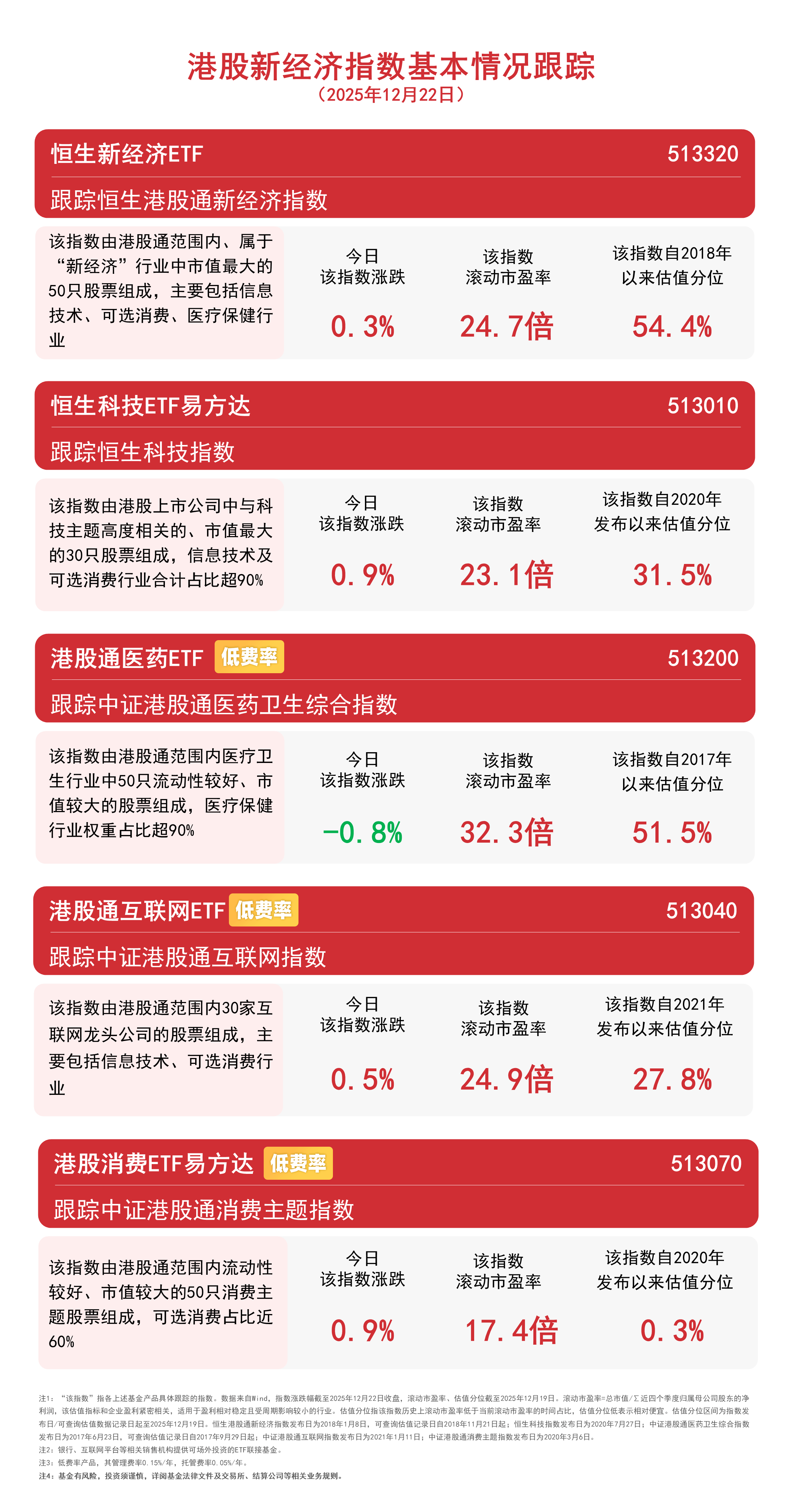
港股震荡分化,恒生科技ETF易方达(513010)、港股通互联网ETF(513040)助力布局港股科技资产
Sou Hu Cai Jing· 2025-12-22 11:42
Group 1 - The Hong Kong stock market experienced fluctuations, with active sectors including semiconductors, non-ferrous metals, and consumer goods, while the pharmaceutical sector saw a decline [1] - The Hang Seng Technology Index and the CSI Hong Kong Stock Connect Consumer Theme Index both rose by 0.9%, while the CSI Hong Kong Stock Connect Pharmaceutical and Health Comprehensive Index fell by 0.8% [1] - Capital inflows continued, with the Hang Seng Technology ETF and the Hong Kong Stock Connect Internet ETF receiving net inflows of 920 million yuan and 280 million yuan respectively last week [1] Group 2 - CITIC Securities highlighted that the "14th Five-Year Plan" emphasizes the construction of a modern industrial system and accelerating high-level technological self-reliance, which may lead to new policy support for strategic emerging industries such as new energy, new materials, and aerospace [1] - By 2026, the Hong Kong stock market is expected to benefit from the internal catalysts of the "14th Five-Year Plan," with investment opportunities in AI-related sectors and consumer electronics [1]
十五五期间制造业迎来哪些新机遇?
HTSC· 2025-12-22 11:33
Group 1: Manufacturing Industry Trends - The "14th Five-Year Plan" aimed to maintain a stable proportion of manufacturing, while the "15th Five-Year Plan" shifts to maintaining a "reasonable proportion," indicating a potential decline from the current level, which is double the OECD average[2][10]. - In 2024, China's nominal manufacturing value added is projected to account for 24.9% of GDP, significantly higher than the OECD average of 12.4%[2][10]. - From 2011 to 2020, China's manufacturing value added as a percentage of GDP decreased from 31.6% to 25.7%, but the decline has slowed since 2020 due to real estate cycle adjustments[2][11]. Group 2: Investment and Growth Rates - The annualized growth rate of China's real manufacturing value added (PPP) from 2021 to 2024 is expected to be 4.6%, surpassing the global average of 1.7% during the same period[2][20]. - High-end manufacturing investment is projected to grow at an annualized rate of 12.2% from 2021 to 2024, outpacing the overall manufacturing investment growth rate of 9.5%[3][26]. - Traditional manufacturing sectors are expected to see an investment growth rate increase from 2.9% during the "13th Five-Year Plan" to an average of 8.9% from 2021 to 2024[3][27]. Group 3: Emerging Industries and Future Prospects - The "15th Five-Year Plan" emphasizes breakthroughs in high-tech industries and aims to enhance competitiveness in sectors like AI, hydrogen energy, and quantum information[3][29]. - The production of new energy vehicles is projected to rise from 340,000 units in 2015 to 13.168 million units in 2024, reflecting significant growth in the sector[3][46]. - The brain-computer interface industry is expected to grow from 2.33 billion yuan in 2022 to 3.2 billion yuan in 2024, with an annual growth rate of 17.2%[3][48].