
智能驾驶

Search documents
排队近320宗!港股上市潮遇“赶工”质疑,监管直指质量欠佳
Di Yi Cai Jing· 2025-12-11 06:12
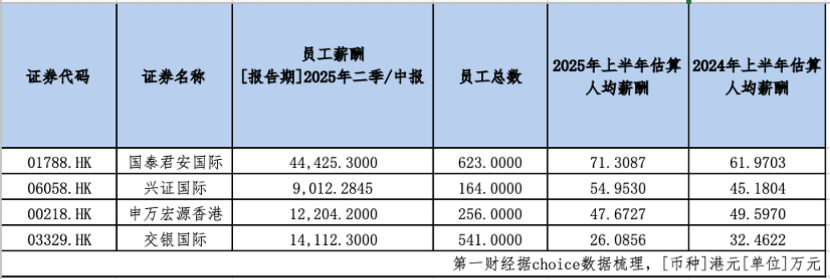
Core Insights - The Hong Kong Securities and Futures Commission (SFC) and the Hong Kong Stock Exchange (HKEX) have expressed concerns over the declining quality of new listing applications and non-compliance with regulatory guidelines in the IPO market, which has seen a significant increase in activity [1][3][8] Group 1: Regulatory Concerns - The joint letter from the SFC and HKEX highlights three main issues: poor quality of listing documents, inadequate responses from sponsors and applicants to regulatory comments, and non-compliance with procedures during the offering phase [1][8] - The surge in IPO activity has led to a backlog of 319 applications, with a total fundraising amount of HKD 231.9 billion, reflecting a 237% year-on-year increase [3][4] - The rapid growth in the IPO market has raised concerns about the experience and familiarity of market participants with regulatory requirements, leading to a decline in document quality [3][4] Group 2: Talent Supply and Industry Dynamics - The investment banking sector in Hong Kong is facing a talent shortage, exacerbated by the rapid increase in IPOs, resulting in experienced professionals managing multiple projects simultaneously [4][5] - The industry is experiencing a talent war, with a significant rise in the conversion rate of interns to full-time employees, indicating a pressing need for skilled professionals [4][5] Group 3: Compensation Trends - Despite the pressure on work quality, compensation levels in the industry remain high, with notable increases in average salaries for some Chinese brokers operating in Hong Kong [5][6] - The average salary for Guotai Junan International increased from HKD 610,000 to HKD 710,000, while Xingsheng International's average salary rose from HKD 450,000 to HKD 540,000 [5][6] Group 4: Compliance and Process Issues - The regulatory letter also pointed out that sponsors and applicants have failed to adequately address regulatory comments, leading to unnecessary consumption of regulatory resources [8][9] - Issues in the offering process include difficulties in communication and the assignment of inexperienced personnel to key roles, which have resulted in non-compliance with critical timelines [9]

三年半累亏超7亿,资金困境待解,魔视智能急谋港股IPO“补血”
Sou Hu Cai Jing· 2025-12-11 06:10
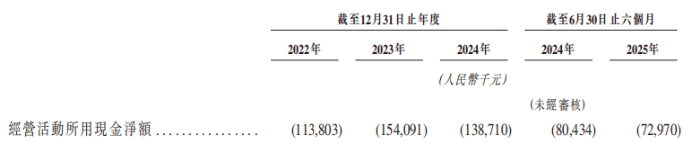
Core Viewpoint - Magic View Intelligent Technology (Shanghai) Co., Ltd. has submitted an IPO application to the Hong Kong Stock Exchange, facing significant financial challenges despite rapid revenue growth, including a cumulative loss of approximately 774 million yuan over three and a half years and ongoing negative cash flow [1][3]. Group 1: Financial Performance - The company has experienced substantial revenue growth, with sales of intelligent driving solutions increasing from approximately 1.18 billion yuan in 2022 to 3.57 billion yuan in 2024, reflecting year-on-year growth rates of 19.9%, 24.4%, and 143.5% respectively [2][3]. - Despite revenue growth, the company reported losses of approximately 2 billion yuan, 2.28 billion yuan, 2.33 billion yuan, and 1.12 billion yuan during the reporting periods, with an average annual loss of around 2 billion yuan [3][4]. - Research and development expenses have significantly contributed to the losses, with expenditures rising in line with business growth, totaling approximately 1.28 billion yuan, 1.43 billion yuan, 1.6 billion yuan, and 839.34 million yuan during the reporting periods [3][4]. Group 2: Cash Flow and Financing - The company has faced continuous negative operating cash flow, with net outflows of approximately -1.14 billion yuan, -1.54 billion yuan, -1.39 billion yuan, and -729.7 million yuan during the reporting periods [4][6]. - To address funding needs, the company has relied heavily on external financing, completing 12 rounds of financing since 2017, with a significant increase in funding rounds occurring after 2021 [6][8]. - The company’s redeemable debt, which reached 1.228 billion yuan by 2025, has been a significant burden, with interest expenses totaling nearly 217 million yuan over the reporting periods [5][6]. Group 3: Operational Risks - The company faces high customer concentration risk, with revenue from the top five customers increasing from 35.6% to 65.9% of total revenue over the reporting periods [10][11]. - There is a notable overlap between customers and suppliers, with four of the top five customers also serving as suppliers, which could pose risks to both revenue and supply chain stability [10][11]. - The company’s asset-liability ratio has been alarmingly high, reaching 431.17% in 2024, indicating ongoing financial strain [8].
燃油车入局智能化,传统品牌积极推进“油电同智”
Zheng Quan Shi Bao Wang· 2025-12-11 05:24
Core Insights - The automotive industry is witnessing a shift where traditional fuel vehicles are accelerating their smart technology integration to compete with the rising market share of electric vehicles (EVs) [1][2][9] - Industry experts suggest that the smartification of fuel vehicles is a transitional solution, as the long-term trend favors the replacement by electric vehicles, leading to a restructuring of the automotive supply chain [1][9] Fuel Vehicle Smartification - The launch of the first fuel sedan equipped with Huawei's advanced driving solution, the FAW Audi A5L QianKun, signifies a trend where traditional fuel vehicles are adopting smart technologies [2][3] - Data from the China Passenger Car Association indicates a 17.3% year-on-year decline in fuel vehicle sales in 2024, with their market share dropping to 52.4%, and further down to 49.9% in the first nine months of 2025 [2] - A report highlights that 71.9% of consumers consider smart cockpit features as a primary factor in their purchasing decisions, indicating that smart technology is becoming a critical decision-making factor [2] Technological Challenges - Experts point out several technological bottlenecks in the smartification of fuel vehicles, including limitations in architecture, power supply issues, and challenges in heat dissipation and integration [5][6] - The traditional fuel vehicle's distributed electronic architecture has low bandwidth, making it difficult to support high computing demands, while the 12V battery cannot sustain the power needs of advanced driving hardware [5][6] Industry Trends - The trend of fuel vehicles adopting smart driving solutions is gaining momentum, with various models from brands like Mercedes-Benz and Volkswagen also integrating smart technologies [3][4] - The automotive industry is moving towards an "oil-electric intelligence" strategy, with major players like FAW-Volkswagen and Mercedes-Benz committing to smart upgrades across their fuel vehicle lineups [8][10] Future Outlook - The shift towards smartification in fuel vehicles is expected to have profound impacts on the automotive industry, driving more companies to invest in smart driving technology and potentially altering market competition dynamics [9] - The long-term outlook suggests that electric vehicles will dominate the market, with the smartification of fuel vehicles serving as a defensive innovation strategy to buy time for the transition [9][10]

引领技术高标,共议普惠路径:地平线(09660)技术生态大会首日解码智驾破局之道
智通财经网· 2025-12-11 03:37
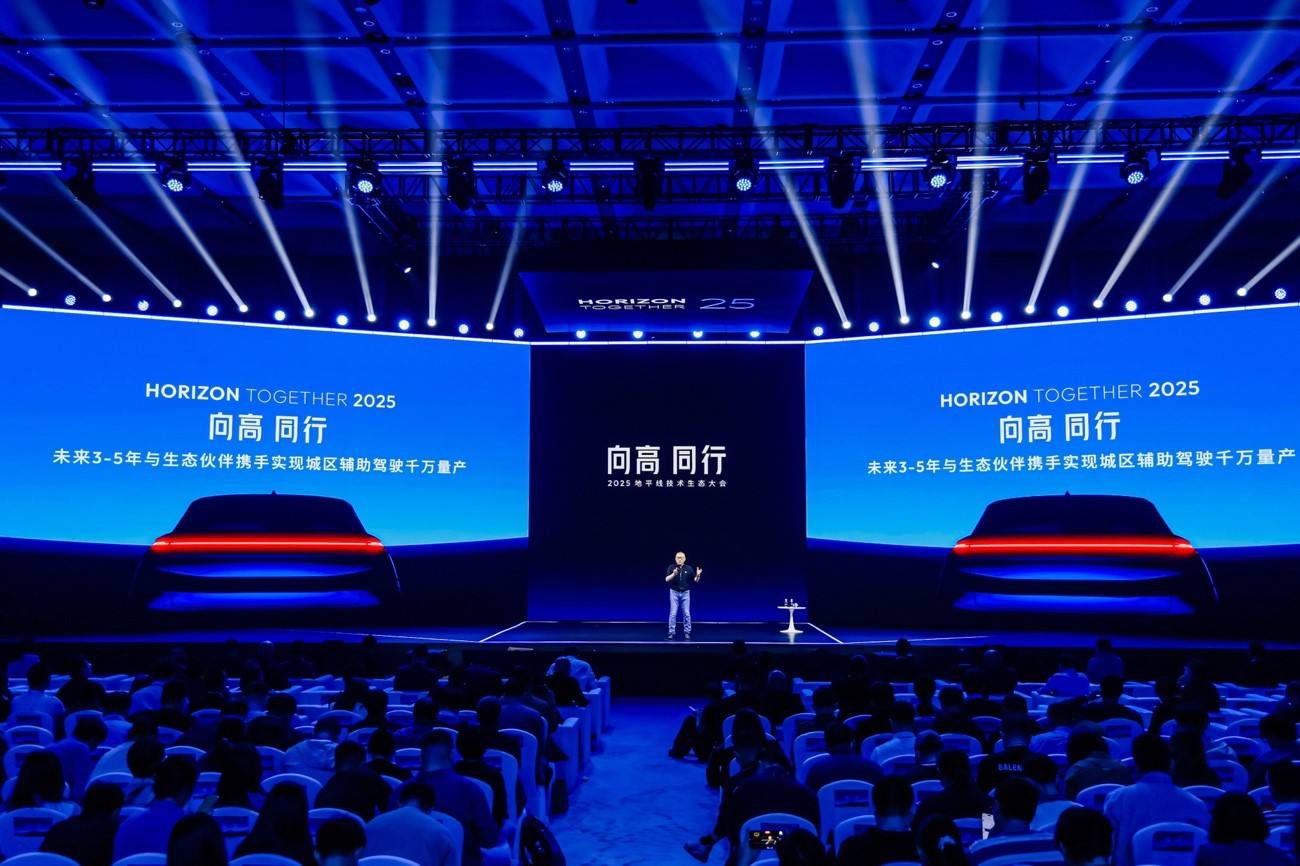
Core Insights - The Horizon Together 2025 conference emphasizes the theme "Walking Together Towards High" and aims to accelerate the mass adoption of full-scene assisted driving technology [1][3] - 2025 is identified as a pivotal year for the transition of intelligent driving from technological breakthroughs to large-scale accessibility, with urban NOA (Navigation on Autopilot) being a critical battleground for commercial success [3][6] Industry Collaboration - The automotive industry is moving towards a collaborative model, where value sharing and ecosystem building are essential for the advancement of intelligent driving technology [6][19] - Companies like BYD and Volkswagen are focusing on building core capabilities in China, recognizing that software is becoming central to automotive business models [8][12] Technological Advancements - The conference highlights the importance of high-performance computing technologies and open ecosystems in enhancing user experiences and driving value [3][30] - The integration of advanced algorithms and high-performance chips, such as Horizon's Journey 6 series, is crucial for reducing costs and improving system efficiency [36][34] User Trust and Safety - Safety is deemed the foremost priority, with user trust being the ultimate measure for the widespread adoption of intelligent driving systems [34][35] - The industry consensus is that user experience must align closely with human driving expectations to foster trust in autonomous systems [35] Cost Optimization - The reduction in costs is driven by a dual approach of hardware restructuring and software paradigm shifts, enabling more affordable intelligent driving solutions [36] - The collaboration among industry players is essential for achieving cost-effective solutions while maintaining high standards of performance and safety [36][34]
【IPO追踪】希迪智驾今起招股,预计12月19日挂牌上市!
Sou Hu Cai Jing· 2025-12-11 03:08
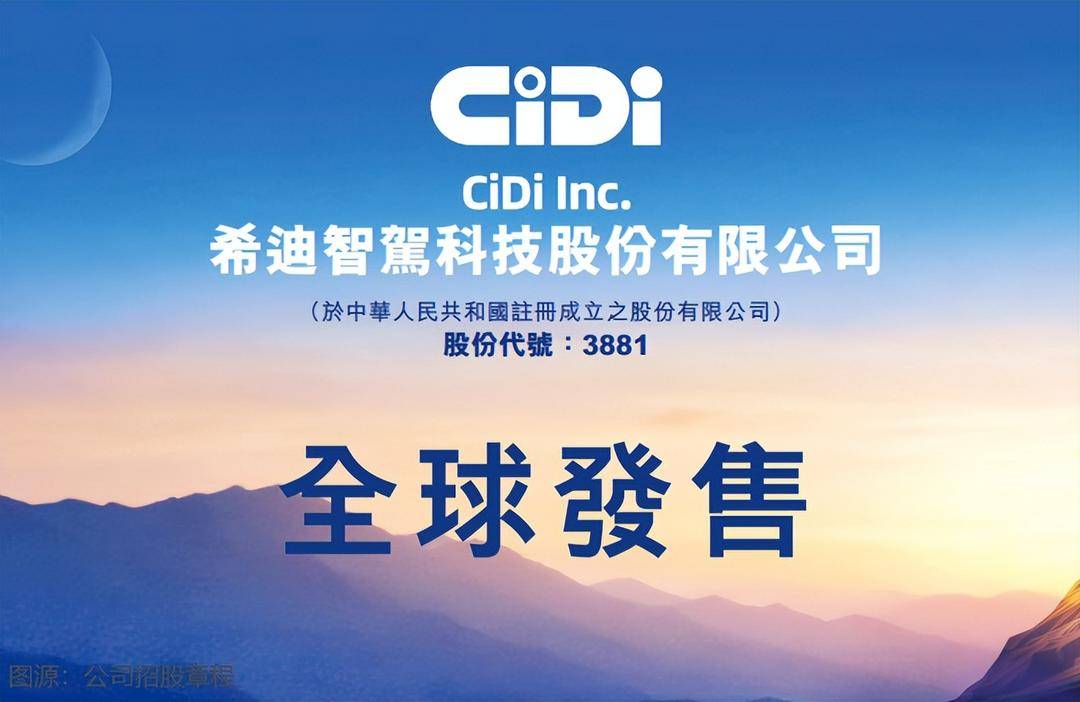
Group 1 - The company, Xidi Intelligent Driving, has officially launched its global offering in Hong Kong, planning to issue 5.40798 million shares at a price of HKD 263.00 per share, aiming to raise approximately HKD 1.309 billion after expenses [2] - The funds raised will be allocated as follows: approximately 55% for research and development, 15% to enhance commercialization capabilities and strengthen collaborations with domestic and global clients, and 20% for potential investments and acquisitions in the supply chain [2] - The public offering period is from December 11 to December 16, with the final pricing and allocation results expected on December 18, and trading on the Hong Kong Stock Exchange set to begin on December 19 under the stock code 3881 [2] Group 2 - Xidi Intelligent Driving specializes in intelligent driving products and solutions for commercial vehicles, focusing on autonomous trucks for mining and logistics, V2X technology, and intelligent perception solutions [3] - The company ranks sixth among intelligent driving commercial vehicle companies in China (including Hong Kong, Macau, and Taiwan) with a market share of approximately 5.2% [3] - Revenue has significantly increased from RMB 31.056 million in 2022 to RMB 410 million in 2024, reflecting a compound annual growth rate of 263.1%, with continued growth of 57.9% year-on-year in the first half of 2025 [3] Group 3 - Despite rapid revenue growth, the company is currently experiencing ongoing losses, with a net loss of RMB 455 million in the first half of 2025, representing a year-on-year increase of approximately 271% [4] - The founder and chairman, Li Zexiang, is a renowned researcher in AI, robotics, and automation, known for co-founding Goko Technology and mentoring several successful entrepreneurs, earning him the title "Godfather of DJI" [4]
引领技术高标,共议普惠路径:2025地平线技术生态大会首日解码智驾破局之道
Zhong Guo Jin Rong Xin Xi Wang· 2025-12-11 01:53
Core Insights - The 2025 Horizon Technology Ecosystem Conference in Shenzhen focuses on accelerating the mass adoption of all-scenario assisted driving, emphasizing the importance of experience, cost, safety, and policy collaboration for commercial success [1][2] - The conference highlights the shift of intelligent driving from technological breakthroughs to large-scale accessibility, with the urban NOA (Navigation on Autopilot) being a critical battleground for success [1] Industry Trends - The Chinese technology platform is becoming a core variable in the global automotive industry's transformation driven by intelligence [4] - Companies like Volkswagen emphasize the necessity of building core capabilities in China to lead in the new energy vehicle era, with software becoming central to automotive business [5][7] Collaborative Ecosystem - Local automakers are forming strategic partnerships to enhance intelligent driving experiences, with a focus on shared vision and risk [11][12] - The integration of local ecosystems is crucial for Chinese companies to achieve global competitiveness in intelligent driving [8][9] User Trust and Safety - Establishing user trust and safety is identified as a core issue for the industry, with safety being prioritized over experience and cost [26] - The importance of human-like interaction in systems is emphasized as a means to build trust among users [27] Cost Optimization - The industry anticipates a cost tipping point in 2025, driven by hardware restructuring and software paradigm shifts [28] - The collaboration between hardware advancements and new algorithm paradigms is seen as essential for reducing costs and enhancing system performance [28]

毫末智行猝然停工 智驾公司上岸路在何方
Zhong Guo Qing Nian Bao· 2025-12-11 01:34
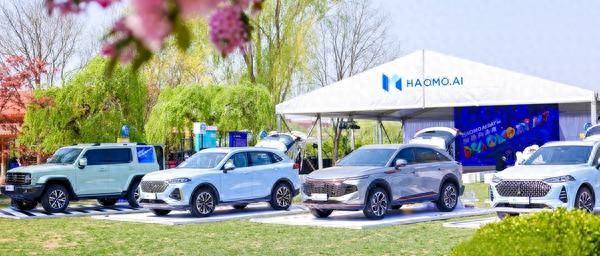
Core Viewpoint - The smart driving company, Haomo Zhixing, which was once valued at over $1 billion, has announced a complete work stoppage for all employees due to its current operational status, raising concerns about its viability and future operations [2][3]. Company Overview - Haomo Zhixing was established on November 29, 2019, focusing on autonomous driving technology, including passenger car assistance, logistics delivery vehicles, smart hardware, and the MANA data intelligence system [3]. - The company has received significant investments from major players like Great Wall Motors, Meituan, and Hillhouse Capital, with a total financing scale of approximately 2 billion yuan [3]. - After its A-round financing in 2021, Haomo Zhixing achieved a valuation exceeding $1 billion, entering the unicorn category [3]. Operational Challenges - The company has faced rumors of layoffs since 2023, with reports indicating that the layoff rate in functional departments has reached 30%-50% [3]. - Despite signing cooperation agreements with major manufacturers like Beijing Hyundai, Toyota, and BMW, Haomo Zhixing's products are primarily used in Great Wall Motors' brands, making it vulnerable to being replaced by other suppliers if its driving solutions negatively impact user experience [3][4]. Market Dynamics - The competitive landscape in the autonomous driving sector is intensifying, with Great Wall Motors shifting its focus and investments towards competitors like Yuanrong Qixing, which has been selected as a high-level driving supplier [5]. - The industry is characterized by long cycles and high investments, and Haomo Zhixing, despite its backing from Great Wall, must operate independently and manage its profitability [5]. - The limited installation volume of its main product, the city NOH (highway navigation assistance), has made it difficult to support R&D costs [5]. Industry Trends - The automotive industry is experiencing a downturn, with forecasts indicating a slowdown in domestic passenger car sales growth from 8% in 2025 to -2% in 2026 [6]. - Major automotive companies are reporting lower-than-expected sales, with Great Wall Motors experiencing a 13.09% decline in new energy vehicle sales month-on-month in November [6]. - The demand for smart driving technology is increasing, but third-party suppliers like Haomo Zhixing may struggle to compete against companies that are investing heavily in in-house development [7][8]. Financial Pressures - The cost of materials for NOA solutions has been driven down to levels as low as 4,000 to 7,000 yuan, leading to a cash flow battle among companies in the sector [8]. - Companies that lack strong cost control and profitability may face significant challenges in surviving the current market conditions [8].

2025年中国多相电源行业发展历程、产业链图谱、产销现状、市场规模、竞争格局及发展趋势分析:外资企业占据主导地位[图]
Chan Ye Xin Xi Wang· 2025-12-11 01:34
Core Viewpoint - The rapid development of downstream markets such as automotive, servers, and communications in China is driving a significant increase in the demand for multi-phase power supplies, which is becoming a notable growth market in the semiconductor sector. By 2024, the demand for multi-phase power supplies in China is expected to reach 22.0139 million sets, a year-on-year increase of 17.0%, with a market size of 11.342 billion yuan, a year-on-year increase of 20.0% [1][10]. Overview - Multi-phase power supplies convert electrical energy to higher or lower voltage, current, or power, primarily serving the power supply needs of high-load chips like CPUs and GPUs. The term "phase" refers to the number of parallel combinations of inductors and MOS power devices [2][5]. - A multi-phase power supply consists of a controller and several power stages, utilizing PWM (Pulse Width Modulation) technology to control output voltage and frequency, requiring high design and manufacturing standards [2][5]. Industry Chain - The upstream of the multi-phase power supply industry includes semiconductor materials, electronic components, and EDA tools. The midstream involves design, manufacturing, packaging, and testing, while the downstream applications include automotive, servers, desktop computers, communications, and consumer electronics [8][9]. Market Demand - The automotive sector is the largest demand market for multi-phase power supplies in China, expected to account for over 50% of the market by 2024. The automotive industry is a crucial pillar of the national economy, with China being the world's largest automobile producer for 16 consecutive years [9][10]. Competitive Landscape - The multi-phase power supply market is primarily dominated by overseas leaders such as TI, Infineon, and MPS. Domestic companies like Jingfeng Mingyuan, Silergy, and Jiewater are emerging players, with Jingfeng Mingyuan being the first domestic power chip company to enter NVIDIA's recommended supplier list [11][12]. Development Trends - The multi-phase power supply industry in China is accelerating its shift towards emerging markets such as AI computing and intelligent driving. In the server sector, the dependence on high-performance chips is increasing, making multi-phase power supplies essential for stable operation. In the automotive sector, the demand for high current power supply is driving upgrades to high integration solutions [14][15].



希迪智驾(03881.HK)拟全球发售540.80万股 12月11日起招股
Zheng Quan Shi Bao Wang· 2025-12-11 01:27
Group 1 - The company, Xidi Intelligent Driving (03881.HK), plans to globally offer 5.408 million shares, with 270,400 shares available in Hong Kong and 5.1376 million shares for international sale, along with an over-allotment option of 811,200 shares [1] - The subscription period is set from December 11 to December 16, with a maximum offer price of HKD 263.00 per share, and an entry fee of approximately HKD 2,656.52 for a board lot of 10 shares [1] - The total expected fundraising amount is HKD 1.422 billion, with a net amount of HKD 1.309 billion, which will be used for R&D, potential investments and acquisitions, enhancing commercialization capabilities, and general corporate purposes [1] Group 2 - The company is recognized as an innovative supplier driven by products in the field of intelligent driving products and solutions for commercial vehicles in China [2] - The projected net profits for the company for the fiscal years 2023, 2024, and the first half of 2025 are expected to be -255 million, -581 million, and -454 million yuan respectively, with year-on-year changes of 3.01%, -127.66%, and -270.81% [2]
希迪智驾拟全球发售540.80万股 12月11日起招股
Zheng Quan Shi Bao Wang· 2025-12-11 01:17
Group 1 - The company, Xidi Intelligent Driving (03881.HK), plans to globally offer 5.408 million shares, with 270,400 shares available in Hong Kong and 5.1376 million shares for international sale, along with an over-allotment option of 811,200 shares [1] - The subscription period is set from December 11 to December 16, with a maximum offer price of HKD 263.00 per share, and an entry fee of approximately HKD 2,656.52 for a board lot of 10 shares [1] - The total expected fundraising amount is HKD 1.422 billion, with a net amount of HKD 1.309 billion, which will be used for research and development, potential investments and acquisitions, enhancing commercialization capabilities, and general corporate purposes [1] Group 2 - The company is recognized as an innovative supplier driven by products in the field of intelligent driving products and solutions for commercial vehicles in China [2] - The projected net profits for the company for the fiscal years 2023, 2024, and the first half of 2025 are estimated at -255 million, -581 million, and -454 million yuan respectively, with year-on-year changes of 3.01%, -127.66%, and -270.81% [2] - The company has introduced cornerstone investors including Hunan Xiangjiang Zhicheng Industrial Investment Fund and others, who will subscribe to approximately 2.0764 million shares at the offer price [1]