
协同创新

Search documents
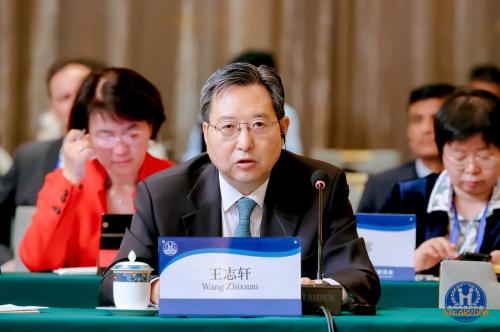
专访王志轩: 以太阳能、风能替代传统能源的绿色转型趋势不会变
2 1 Shi Ji Jing Ji Bao Dao· 2025-10-20 09:20
Core Viewpoint - The green transition is a significant trend in China, with a focus on achieving dual carbon goals and addressing energy, environmental, and resource challenges during the "14th Five-Year Plan" period [1][4]. Group 1: Trends and Key Points - China's environmental quality is expected to continue improving, and the shift from fossil fuels to renewable energy sources like solar and wind will remain unchanged [5][6]. - Three critical points to consider are: 1. The endpoint signifies the end of traditional pollution control models [5]. 2. The starting point involves new environmental requirements, issues, and policy layouts [5]. 3. The risk point emphasizes the need for the government to enhance future risk management, particularly regarding red lines and bottom lines [5][6]. Group 2: Energy Transition Challenges - The energy transition is characterized as a fundamental, long-term, and comprehensive economic and social transformation centered around electricity, facing new challenges in energy security, resource constraints, and environmental impacts [1][6]. - The transition from coal power as the main energy source to a regulatory role for system stability is noted, with coal's economic viability declining due to reduced operating hours [9]. Group 3: Policy and Market Coordination - The relationship between energy, environment, and climate is crucial, with energy transition being essential to controlling greenhouse gas emissions and achieving climate goals [8]. - Effective policy and market coordination are necessary to balance energy security, environmental sustainability, and economic transition [8][12]. Group 4: Green Electricity Consumption - Factors limiting green electricity consumption include system costs and stability issues, as well as the need for a robust consumption mechanism [12]. - The government is encouraged to enhance policy guidance and regulation, improve procurement mechanisms, and create a fair market environment for enterprises [13].


锐评|芯片巨头汇聚中国,此情此景让谁脸红?
Bei Jing Ri Bao Ke Hu Duan· 2025-10-18 05:44
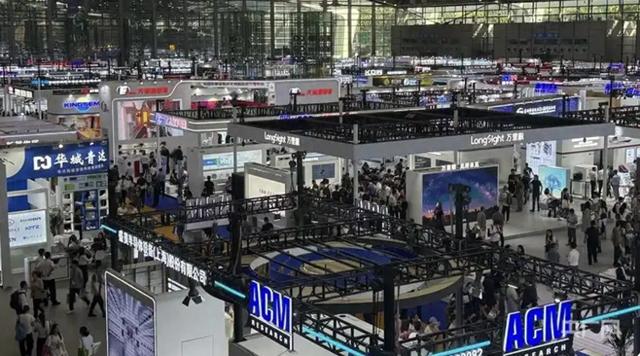
Core Insights - The 2025 Bay Area Semiconductor Industry Ecosystem Expo showcased over 600 global chip-related companies, highlighting the deep integration of the semiconductor industry despite geopolitical tensions [2] - The semiconductor industry is characterized by its high level of globalization, complex supply chains, and intricate divisions of labor, requiring collaboration across multiple countries and disciplines [2] - NVIDIA's CEO expressed concerns about U.S. export controls, noting that the company's market share in mainland China has dropped from 95% to 0%, emphasizing the potential self-harm of such policies [3] - China is pursuing a path of self-reliance in semiconductor technology while remaining open to global cooperation, aiming to fill market gaps and support the stability of global supply chains [4] - The semiconductor industry is approaching physical limits in chip manufacturing, with the slowing of Moore's Law necessitating collaborative innovation to drive future breakthroughs [5] Group 1 - The Bay Area Semiconductor Expo attracted over 600 companies, demonstrating the industry's interconnectedness [2] - The semiconductor industry involves thousands of processes and requires collaboration across various countries and technologies [2] - NVIDIA's CEO highlighted the negative impact of U.S. export controls on the company's competitiveness and innovation [3] Group 2 - China is focusing on self-reliance in key technologies while promoting international collaboration in the semiconductor sector [4] - The slowing of Moore's Law indicates the need for global cooperation to achieve future advancements in chip technology [5]
财经聚焦|平台企业“开”进车圈,折射新能源汽车产业哪些变革?
Xin Hua She· 2025-10-16 13:28
Core Insights - JD.com has announced a collaboration with GAC Group and CATL to launch a new electric vehicle, highlighting the trend of internet companies entering the automotive sector [1][2] - The integration of various industries is reshaping the automotive landscape, with companies leveraging their strengths to innovate and create new market opportunities [2][10] Industry Trends - The trend of cross-industry collaboration is becoming a key theme in the automotive sector, with companies like Huawei, Xiaomi, and Alibaba also entering the electric vehicle market [2][11] - The Chinese electric vehicle market has seen significant growth, with production and sales exceeding 11 million units in the first nine months of the year, indicating a penetration rate nearing 50% [3] Market Dynamics - The automotive industry is evolving, with vehicles transforming into smart mobility terminals and lifestyle extensions, driven by advancements in technology and consumer demand [7][9] - The integration of various technologies, such as high-performance batteries and smart cockpit systems, is accelerating within the automotive sector, creating a "super platform" for electric vehicles [9][10] Collaborative Ecosystem - The collaboration between JD.com, GAC, and CATL aims to integrate resources across the entire value chain, from research and development to production and sales [9][10] - The automotive industry is shifting from competition to collaboration, emphasizing the need for a synergistic ecosystem involving automotive manufacturers, tech companies, and energy providers [12]





城乡融合、协同创新双提速
Xin Hua Ri Bao· 2025-10-13 22:40
Core Insights - The article highlights the transformation of the Yangtze River Delta region into a hotspot for urban-rural integration and collaborative innovation, driven by the removal of administrative barriers and the enhancement of institutional frameworks [1][2][4]. Group 1: Urban-Rural Integration - The establishment of the "Two Provinces and One Street" police service in the border area between Anhui and Jiangsu has become a model for cross-province integration and efficient governance [2]. - The collaboration between Shanghai and Zhejiang in the "Mingyue Shantang" scenic area has unified architectural styles and shared tourism resources, effectively eliminating provincial boundaries for visitors [2][3]. - The integration efforts have led to significant improvements in development levels in neighboring areas, as seen in the collaboration between Shanghai's Jinshan District and Zhejiang's Pinghu City [3]. Group 2: Innovation and Collaboration - The relocation of Huizhi Kang (Zhejiang) Intelligent Technology Co., Ltd. from Shanghai to Huzhou demonstrates the benefits of breaking down administrative barriers, facilitating the flow of talent and technology [4]. - The establishment of the "Yangtze River Delta Language Computing Innovation Alliance" aims to tackle challenges in voice recognition technology, showcasing successful collaboration among various institutions [4]. - The launch of the first local legislation promoting collaborative technological innovation in the Yangtze River Delta marks a significant step towards institutional innovation and comprehensive collaboration [5]. Group 3: High-Quality Development - The agricultural service company in Jiaxing has cultivated 30,000 acres of farmland in the Yangtze River Delta, leveraging technological advancements to enhance productivity [6]. - The integration of advanced technologies such as 5G in agricultural monitoring is exemplified by the smart monitoring stations in Suzhou, which optimize rice harvesting [6]. - Major innovations, including the world's first 8-inch silicon-based gallium nitride production line and the first domestically produced 200kV field emission transmission electron microscope, highlight the new momentum generated by urban-rural integration and collaborative innovation [6].
城乡融合、协同创新双提速——长三角一体化涌动发展新活力
Xin Hua She· 2025-10-13 13:51
Core Insights - The Yangtze River Delta is transforming into a hotspot for urban-rural integration and collaborative innovation, driven by the removal of administrative barriers and improved systems [1][2][4] Group 1: Urban-Rural Integration - The establishment of the "Two Provinces and One Street" police station has facilitated cross-province governance, exemplified by a resident obtaining a residence permit across provincial lines [2] - The "Mingyue Shantang" scenic area project has unified architectural styles and shared tourism resources, enhancing cross-border tourism experiences [2] - Urban-rural integration is creating development benefits and reducing disparities, as seen in the collaboration between Shanghai's Jinshan District and Zhejiang's Pinghu City [3] Group 2: Innovation and Collaboration - The relocation of Huizhi Kang (Zhejiang) Intelligent Technology Co., Ltd. to the Yangtze River Delta's talent innovation base highlights the benefits of breaking administrative barriers for talent and technology flow [4] - The establishment of the "Yangtze River Delta Language Computing Innovation Alliance" aims to tackle challenges in voice recognition technology, showcasing collaborative innovation among regional entities [4] - The Fudan-Opp Global Smart Lighting Joint Laboratory is advancing research on adaptive lighting environments, demonstrating the integration of academic and industrial resources [5] Group 3: High-Quality Development - The agricultural service company in Jiaxing is leveraging technology to provide comprehensive farming services across the Yangtze River Delta, having cultivated 30,000 acres of farmland [6] - Advanced technologies like 5G are being utilized for real-time monitoring of agricultural conditions, enhancing productivity and product quality [6] - Significant innovations, such as the world's first 8-inch silicon-based gallium nitride production line, are being implemented in the Yangtze River Delta, reflecting the region's growth in urban-rural integration and collaborative innovation [7]
决胜“十四五” 打好收官战丨城乡融合、协同创新双提速——长三角一体化涌动发展新活力
Xin Hua She· 2025-10-13 13:47
Core Viewpoint - The article highlights the rapid development of urban-rural integration and collaborative innovation in the Yangtze River Delta, emphasizing the breaking down of administrative barriers and the enhancement of regional cooperation as key drivers for high-quality development [1][6]. Group 1: Urban-Rural Integration - The Yangtze River Delta is transforming from a "non-governed" neighboring area into a hotspot for urban-rural integration, with significant improvements in governance and regional development levels [2][3]. - The establishment of cross-province governance models, such as the "Two Provinces and One Street" police service, exemplifies effective integration and service delivery across administrative boundaries [2]. - The collaboration between Shanghai and Zhejiang in tourism and commerce has led to a seamless experience for visitors, showcasing the benefits of administrative integration [2]. Group 2: Collaborative Innovation - The removal of administrative barriers has facilitated the flow of talent and technology, as seen in the case of Huizhi Kang (Zhejiang) Intelligent Technology Co., which moved its R&D operations closer to manufacturing bases [4]. - The establishment of the "Yangtze River Delta Language Computing Innovation Alliance" demonstrates successful collaborative efforts in tackling complex technological challenges, resulting in practical applications in the automotive industry [4]. - Legislative measures, such as the recent approval of regulations promoting collaborative technological innovation, signify a commitment to fostering an integrated innovation ecosystem across the region [6]. Group 3: High-Quality Development - Agricultural enterprises in the region are leveraging technology to enhance productivity, with significant areas of farmland being cultivated, showcasing the integration of technology in traditional sectors [7][8]. - The use of advanced monitoring technologies in agriculture, such as 5G, is enhancing crop management and quality, exemplified by the premium pricing of local rice products [8]. - Major innovations, including the production lines for advanced semiconductor and robotics technologies, highlight the new momentum generated by urban-rural integration and collaborative innovation [8].
决胜“十四五” 打好收官战|城乡融合、协同创新双提速——长三角一体化涌动发展新活力
Xin Hua She· 2025-10-13 13:45
Core Viewpoint - The integration of urban and rural areas, along with collaborative innovation, is accelerating in the Yangtze River Delta, driving high-quality development through the removal of administrative barriers and the enhancement of institutional frameworks [1][6]. Group 1: Urban-Rural Integration - The Yangtze River Delta is transforming previously neglected neighboring areas into hotspots for urban-rural integration, exemplified by the establishment of cross-province governance models like the "Two Provinces and One Street" police service [2][3]. - The collaboration between Anhui and Jiangsu provinces has led to significant improvements in development levels through talent exchange and regional coordination mechanisms [2][3]. - The integration has also facilitated seamless travel and commerce across provincial borders, enhancing the overall experience for residents and tourists alike [2][3]. Group 2: Collaborative Innovation - The removal of administrative barriers has enabled companies like Huizhi Kang to relocate and benefit from the flow of talent, technology, and manufacturing resources within the Yangtze River Delta [4][5]. - The establishment of innovation alliances, such as the "Yangtze River Delta Language Computing Innovation Alliance," is fostering technological advancements in voice recognition and other fields, with practical applications in the automotive industry [4][5]. - Legislative measures, such as the recent collaborative laws passed by local governments, aim to promote coordinated technological innovation across the region [6]. Group 3: High-Quality Development - Agricultural enterprises in the region are leveraging technology to provide comprehensive services, with significant land cultivated across the Yangtze River Delta, showcasing the synergy between technological innovation and urban-rural integration [7]. - Advanced monitoring systems for agriculture, utilizing 5G technology, are enhancing productivity and quality, exemplified by the premium pricing of local rice varieties [7]. - Major innovations, including the world's first 8-inch silicon-based gallium nitride production line and advanced robotics, are being realized in the Yangtze River Delta, highlighting the new momentum generated by accelerated urban-rural integration and collaborative innovation [7].
海上家国情丨逐波踏浪探秘深蓝
Zhong Guo Zi Ran Zi Yuan Bao· 2025-10-10 05:55
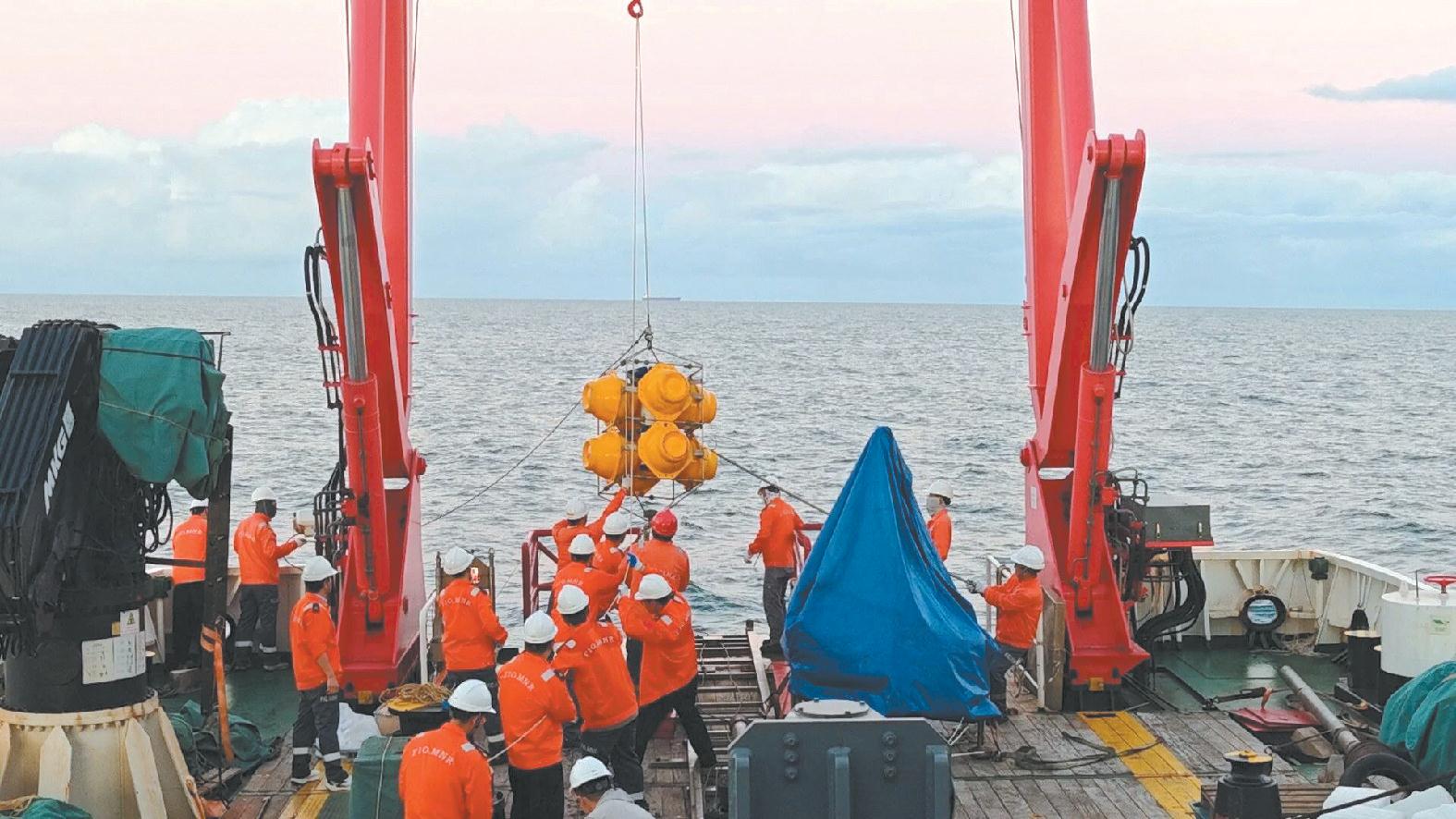
Core Insights - The "Xiangyanghong 18" research vessel is currently conducting scientific investigations in the East China Sea as part of the National Natural Science Foundation's shared voyage program for 2025 [1] - The research focuses on key scientific issues related to the marine environment in the East China Sea, encompassing multidisciplinary investigations in physical oceanography, marine chemistry, marine biology, and ecology [1] - The study aims to systematically reveal the patterns and mechanisms of changes in the marine environment, providing precise data support for marine resource development and environmental protection [1] Group 1 - The research vessel is executing the autumn segment of the scientific investigation task [1] - The crew is dedicated to their work, demonstrating a strong sense of responsibility and passion for science during the holiday period [1] - The project supports the National Natural Science Foundation's shared voyage platform, promoting collaborative innovation and data sharing in the field of marine science [1]
山东日照港:粮食接卸安上“中国芯”
Xin Lang Cai Jing· 2025-10-04 21:04
Core Insights - The port of Rizhao achieved a record high in soybean throughput for September, attributed to the deployment of China's first domestically produced grain unloading machine [1][2] - The new unloading machine integrates four key technologies, breaking the foreign technology monopoly and improving operational efficiency [1] - A collaborative innovation model involving industry, academia, and research institutions was established to address industry pain points, significantly reducing the research and development cycle [1] Group 1: Operational Efficiency - The new unloading machine increases hourly efficiency by 25% compared to existing models [2] - The energy consumption per ton has decreased from 0.4 kWh to 0.34 kWh, resulting in an annual electricity saving of 1.85 million kWh [2] - The machine's ability to break up clumped grain has improved by 80%, and the cleaning volume per compartment has been reduced to 13% [2] Group 2: Technological Innovation - The unloading machine combines spiral feeding, vertical lifting, horizontal conveying, dynamic dust-free transfer, and fully automated control [1] - The collaboration between Rizhao Port, Wuhan University of Technology, and Wuhan Kairui has led to a successful "demand-research-application" innovation model [1] - This partnership has allowed for a significant reduction in the development cycle by half, leveraging the strengths of each party involved [1]

“四大慢病”防治研究国家科技重大专项 协同创新先行试验区(江苏泰州方案)项目启动
Yang Zi Wan Bao Wang· 2025-10-04 08:50
Core Points - The "Collaborative Innovation Pilot Zone (Jiangsu Taizhou Plan)" has been approved as a national major science and technology project for the prevention and control of the "Four Major Chronic Diseases" (cancer, cardiovascular and cerebrovascular diseases, respiratory diseases, and metabolic diseases) [1][2] - Taizhou is the only selected regional plan in the Yangtze River Delta for this initiative, with a project implementation period of four years [1] Group 1 - The project approval is seen as both an honor and a responsibility, emphasizing the importance of health in improving the quality of life for citizens [2] - The local government plans to enhance work coordination, improve supporting policies, and ensure funding support for the project's implementation [2] - The project reflects national recognition of Jiangsu and Taizhou's health work, with expectations for strict adherence to guidelines and effective communication among participating units [2] Group 2 - The project is a recognition of the "Taizhou Model" and the collaboration between Nanjing Medical University and local authorities, highlighting the importance of interdisciplinary cooperation [2] - Nanjing Medical University will support the project by enhancing talent recruitment and forming integrated clinical innovation teams to tackle challenges [2] - There will be a focus on building research platforms and mechanisms for the rapid application of research results in clinical and grassroots settings to benefit the public [2]