国潮

Search documents
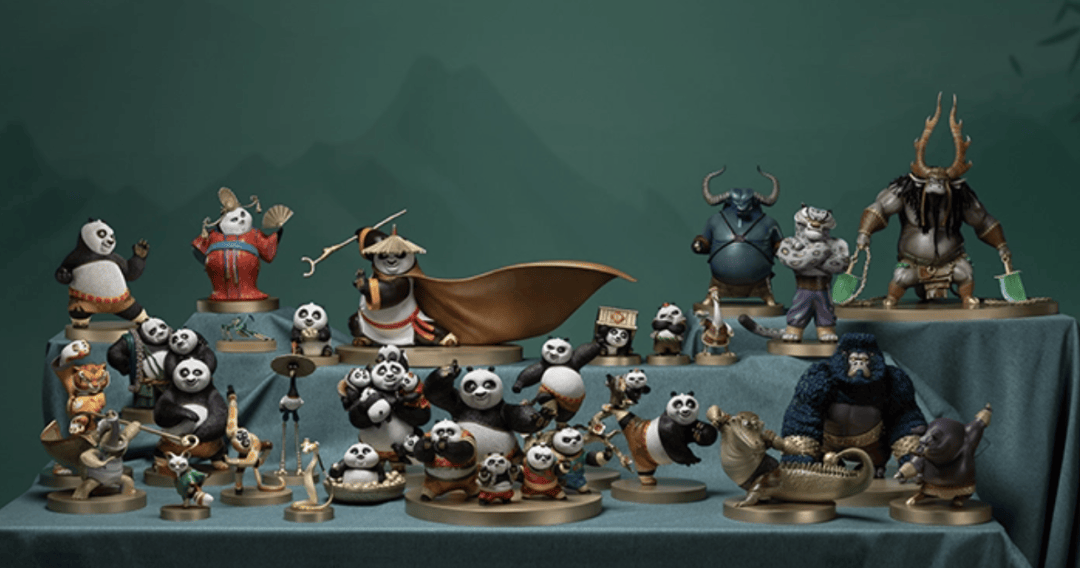
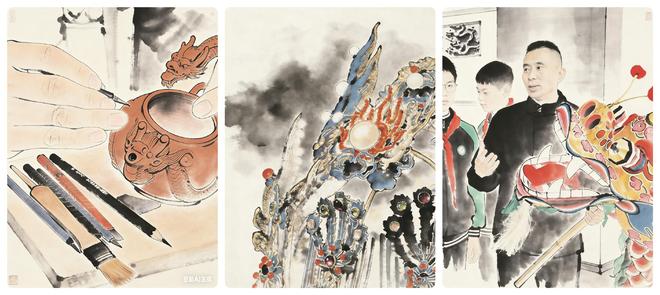
AI定格|2025·国潮印记
Xin Hua She· 2025-12-29 01:55
Core Insights - The integration of the "Z generation" is revitalizing traditional culture, bringing new energy and perspectives to it [2] - Traditional elements serve as a foundation while technology acts as a medium, creating a modern interpretation of Chinese aesthetics [4] - AI is playing a significant role in continuing the legacy of traditional culture, ensuring its transmission to future generations [6] Group 1 - The increasing participation of the "Z generation" is enhancing the vibrancy of traditional culture [2] - Traditional culture is being reinterpreted through the lens of technology, resulting in a contemporary expression of Chinese romanticism [4] - AI is instrumental in preserving and promoting traditional cultural elements, contributing to their ongoing relevance [6]

国货进免税,25个深圳品牌获推介
Sou Hu Cai Jing· 2025-12-28 23:41
Core Viewpoint - The introduction of domestic "trendy" brands into duty-free stores is a significant step towards promoting local brands on a global scale, enhancing their competitiveness and meeting domestic consumer demand for high-quality products [4][5][6]. Group 1: Policy and Implementation - The Ministry of Commerce has officially announced the first batch of 174 domestic "trendy" brands recommended for duty-free stores, covering 19 categories across 26 provinces [5][6]. - This initiative aims to facilitate the entry of quality domestic brands into duty-free channels, which is crucial for expanding domestic demand and boosting consumption [5][6]. - Shenzhen has established a three-dimensional operational model combining "duty-free + tax refund + taxable" to effectively address the operational challenges of domestic products entering duty-free channels [6]. Group 2: Market Impact and Brand Promotion - The duty-free stores serve as a vital platform for showcasing Shenzhen's manufacturing and design to the international market, with brands like Honor and Doctor Glasses demonstrating innovation and high-end appeal [7][8]. - The inclusion of traditional cultural products and time-honored brands revitalizes their market presence, with examples like Liu's bamboo weaving and Tianjin Seagull's mechanical watches highlighting the blend of technology and cultural aesthetics [7][8]. - The overseas retail channels for domestic brands have seen significant growth, with some companies reporting a threefold increase in overseas business compared to the previous year [8].







李宁(02331):产品筑基,营销蓄势,重估在即
Guoxin Securities· 2025-12-27 13:13
Investment Rating - The report maintains an "Outperform" rating for Li Ning (02331.HK) [5][7] Core Insights - The Chinese sports and outdoor footwear and apparel market is projected to reach approximately 440 billion RMB by 2025, with a current growth rate of around 6% [1][15] - The company has experienced significant growth in the past, with net profit reaching 4 billion RMB in 2021, but has faced challenges since 2022, leading to a slowdown in revenue growth [2] - Li Ning is focusing on optimizing inventory and channels, with expectations for a rebound in profitability and brand strength due to new product launches and marketing strategies [2][4] Industry Overview - The sports industry is expanding, with a shift towards niche segments. The market structure is changing, with professional sports categories growing faster than fashion sports [1][15] - The competitive landscape is becoming more fragmented, with the market share of the top 10 brands decreasing from 76% in 2019 to 68% in 2025, indicating a rise in domestic brands [1][24] Company Performance Review - Li Ning's revenue growth slowed to single digits from 2022 to 2024 due to inventory and channel issues, but is expected to recover in 2025 with improved profitability [2][4] - The company has seen a significant increase in its direct channel profit margins, which are expected to rise from around 10% in 2023 to mid-double digits in 2025 [3] Product Cycle and Category Expansion - The company is shifting focus from basketball and lifestyle products, which have seen a decline, to running shoes, which are expected to grow at a rate of 25%-45% in 2023-2024 [3][31] - New product lines, including the "Super Capsule" technology for running shoes, are anticipated to drive growth [3][33] Marketing Strategy - Li Ning plans to increase its marketing expenditure from below 10% to low double digits starting in 2025, focusing on Olympic sponsorships and enhancing visibility in running and basketball categories [4][58] - The company is leveraging social media to boost brand engagement and visibility, with significant increases in post frequency and follower counts [4][70] Financial Forecast - The company is projected to achieve net profits of 2.4 billion RMB, 2.7 billion RMB, and 3.1 billion RMB for 2025, 2026, and 2027, respectively, reflecting a recovery trajectory [8][39] - The estimated reasonable valuation range for the company is between 21.20 and 22.30 HKD, corresponding to a PE ratio of approximately 19-20 times for 2026 [7][39]

耐克兵败中国?所有人都在逃离,为何库克在逆行抄底。
Xin Lang Cai Jing· 2025-12-26 23:20
Core Viewpoint - Apple CEO Tim Cook made a significant investment in Nike, purchasing over 50,000 shares for nearly $3 million, marking his first personal investment in the company since joining its board in 2005, despite Nike's recent poor financial performance [3][4][20]. Group 1: Nike's Current Situation - Nike's recent Q2 financial report revealed a 16% decline in revenue from Greater China, with its digital business in the region plummeting by 36% [11][12]. - The company is facing intense competition from local brands like Anta and Li-Ning, which have capitalized on the "national trend" and better understand local consumer preferences [13][14]. - Nike's reliance on single-brand stores has backfired, leading to a decline in brand appeal and customer traffic [14][15]. Group 2: Tim Cook's Investment Strategy - Cook's investment is seen as a confidence booster for Nike, especially as the company undergoes a painful transformation under new CEO Elliott Hill, who is implementing a "Win Now" reform plan [20][21]. - Cook's purchase, along with that of Nike's audit committee chair Robert Swan, signals a belief that Nike's stock price has reached a bottom, establishing a "Cook bottom line" at around $59 [22][23]. Group 3: Potential for Digital Integration - There is speculation about the potential integration of Apple's digital ecosystem with Nike, which could enhance customer experience through seamless payment options and health data integration [24][25][26]. - The collaboration could lead to personalized marketing strategies based on health data, significantly improving customer engagement and sales [30][31]. Group 4: Long-term Value Perspective - Despite current challenges, Nike's long-standing brand equity and technological advantages are viewed as resilient, suggesting that the company may recover in the long term [35]. - The current price-to-earnings ratio of Nike is around 33, a historically low level, indicating potential undervaluation amidst market panic [34].



助力“国潮”涌动:阳光财险护航文化产业高质量发展
Jin Rong Jie Zi Xun· 2025-12-25 09:27
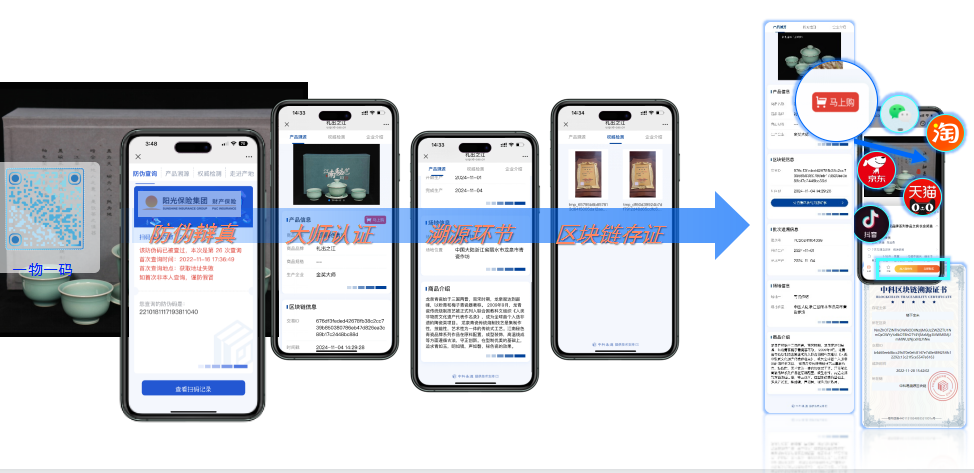
Core Viewpoint - The integration of digital technology, finance, and traditional culture is driving the innovative development of Chinese cultural industries, enhancing national confidence and contributing to economic growth [1]. Group 1: Cultural Industry Development - The company is actively promoting the integration of culture, technology, and digitalization to support the development of the cultural industry [1]. - Zhejiang Province is focusing on the revitalization of historical classic industries, with policies set to be implemented in June 2024 to promote innovation and high-quality development [2]. - The company has developed a customized insurance solution called "Zheli Bao" to address the specific needs of Zhejiang's historical classic industries, combining insurance with services [2]. Group 2: Technological Integration - The "Zheli Bao" solution includes a traceability platform based on blockchain technology, allowing consumers to verify the authenticity of products and understand their craftsmanship [2]. - The company provides legal support for intellectual property rights and has introduced intellectual property insurance to cover economic losses due to infringement [2]. Group 3: Risk Management - The company employs big data and IoT technologies to assist the cultural tourism industry in risk reduction management [4]. - A recent industry seminar focused on risk reduction and the protection of cultural heritage, discussing the impact of natural disasters on cultural relics and building safety [4]. - The company has conducted systematic fire safety inspections for hotels in Jiangsu and risk assessments for red tourism sites in Shaanxi, utilizing advanced technologies to enhance safety levels [4]. Group 4: Future Outlook - The company plans to leverage digitalization and integration to seize historical opportunities for deep cooperation between culture and finance, aiming for more precise product design and comprehensive risk management [6].
硕远咨询:2025年国潮鞋转售行业市场研究报告
Sou Hu Cai Jing· 2025-12-25 08:14
Core Insights - The report analyzes the development status, market characteristics, competitive landscape, and future trends of the Chinese sneaker resale industry, highlighting its integration of fashion culture and commercial value [2]. Industry Overview - Sneaker resale involves the transaction of limited edition, collaborative, and classic replica sneakers, forming a complete ecosystem that includes brands, resale platforms, authentication agencies, and logistics providers [2][8]. - The Chinese sneaker resale market, which started late, has rapidly grown, surpassing hundreds of billions in market size by 2024, with an average annual growth rate exceeding 30% [2][21]. - The market is primarily concentrated in first-tier and new first-tier cities, with the eastern coastal regions as the core area, while the central and western regions are emerging as new growth points [2][21]. Market Demand - The core consumer group consists of young white-collar workers and university students aged 18-35, with a slight male majority, but female consumers are growing significantly [2][31]. - Purchasing motivations include collection, self-expression, social interaction, and practical needs, with consumers valuing design, scarcity, and comfort [2][36]. - Online professional resale platforms have become mainstream channels due to authentication guarantees and transaction convenience, with KOLs and social media significantly influencing consumer decisions [2][36]. Competitive Landscape - Leading platforms include Dewu, Poison App, and Xianyu, each with unique advantages: Dewu is known for its professional authentication system, Poison App focuses on community building, and Xianyu benefits from a broad user base [2][3]. - International brands leverage design and brand heritage, while local brands rapidly rise through localized operations and cultural innovation, intensifying competition [2][3]. - Platforms primarily profit through commission and membership models, with authentication services as a core competitive advantage [2][3]. Channels and Technology - There is a clear trend of online and offline integration, with professional resale platforms, second-hand trading platforms, and offline exhibitions collaborating to enhance consumer experience [2][3]. - Technologies such as blockchain for anti-counterfeiting, big data analysis, and AR virtual try-ons empower the industry, improving transaction efficiency and user experience [2][3]. Future Trends - The industry is expected to develop towards professionalization, digitization, and standardization, with deeper blockchain application, intensified market segmentation, and accelerated internationalization as key trends [2][3]. - Healthy industry development relies on improved laws and regulations, established industry standards, brand building, and technological innovation to create a transparent and trustworthy trading environment [2][3].

山海赋能 徽商同心丨茅台葡萄酒山海凤凰系列安徽限量招商中!
Sou Hu Cai Jing· 2025-12-23 22:19
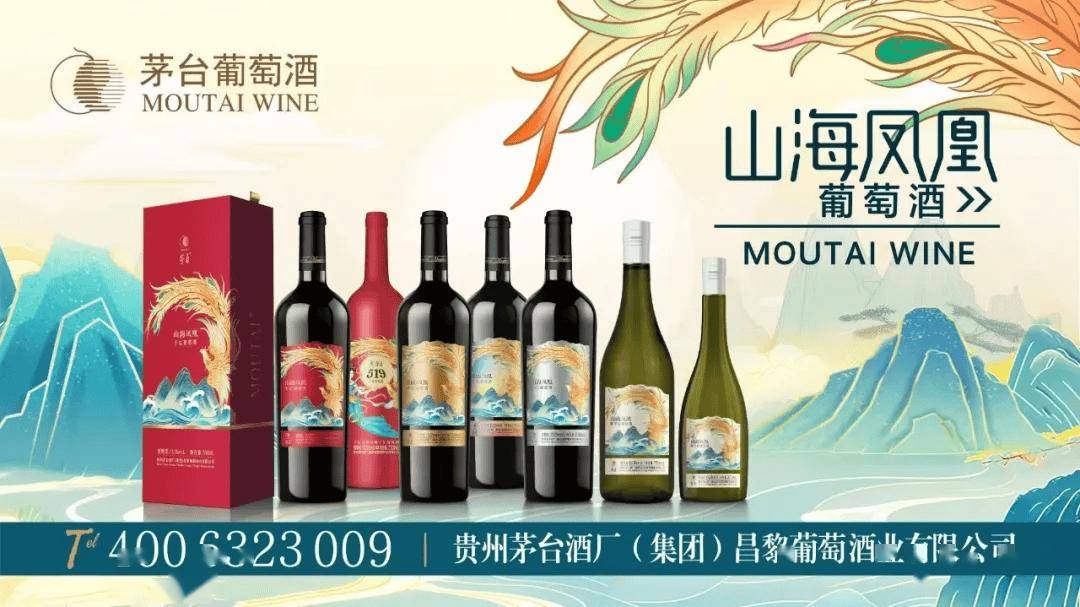
Core Insights - The domestic wine market, represented by Moutai Wine, is experiencing a golden development period due to health consumption upgrades and the rise of national trends [2][4] - Moutai Wine's "Shanhai Phoenix" series has quickly gained traction in the Anhui market, achieving near full coverage in just over two months since its launch [2][6] Company Strategy - Moutai Wine emphasizes product quality as its core competitive advantage, with the "Shanhai Phoenix" series embodying the brand's threefold value: functional value from quality, experiential value aligned with consumer preferences, and emotional value from cultural resonance [4] - The company adopts a strict regional exclusive authorization policy to maintain scarcity and avoid excessive competition, ensuring that partners have sufficient market space and resources [6] Market Outlook - The Chinese wine market is transitioning from a "gift" to a "beverage" culture, indicating maturation, with projections estimating the market size to reach 68.2 billion yuan by 2030, growing at a compound annual growth rate of 6.8% from 2025 to 2030 [8]
出海秘器——义乌老板娘的全球市场故事
Shang Hai Zheng Quan Bao· 2025-12-23 19:06
Core Insights - The article highlights the resilience and adaptability of business owners in Yiwu, particularly female entrepreneurs, as they navigate the changing global trade landscape and seek new growth opportunities. Group 1: Business Adaptation and Growth Strategies - Yiwu business owners are diversifying their product offerings and markets in response to global trade challenges, with examples including the introduction of domestic cultural products and the use of AI for market analysis and customer engagement [4][7][9]. - Entrepreneurs like Nie Ziqin are shifting focus from seasonal products to year-round offerings, aiming to create a "second growth curve" by developing more culturally resonant products for both domestic and international markets [4][5]. - The use of AI technology is becoming integral to business strategies, enabling companies to tailor their marketing and product offerings to specific regional preferences, thus enhancing their competitiveness in international markets [8][11]. Group 2: Market Performance and Economic Indicators - Yiwu's total import and export value reached 701.19 billion yuan from January to October 2025, marking a 25.2% year-on-year increase, with exports alone accounting for 615.06 billion yuan, up 24.4% [10]. - The growth in imports was also notable, with a 31.1% increase, indicating a robust trading environment and the potential for further expansion in international markets [10][11]. - The presence of 75,000 merchants in Yiwu International Trade City underscores the strong foundation of the local economy, driven by the entrepreneurial spirit and innovative approaches of business owners [11].

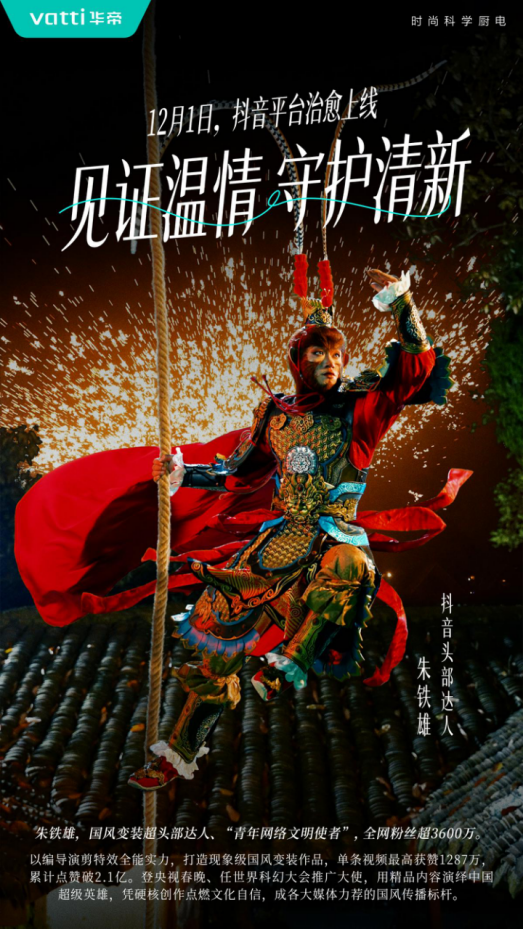
百万互动背后,华帝与朱铁雄用匠心连接科技与国风
Xin Lang Cai Jing· 2025-12-23 07:07
Core Insights - The collaboration between Vatti and cultural creator Zhu Tiexiong successfully merges kitchen appliance technology with Eastern aesthetics, creating emotional resonance with young consumers [1][15] - The short film launched on Douyin garnered over one million interactions and more than 60,000 genuine comments within 24 hours, highlighting the effectiveness of the brand's narrative [1][15] Brand Collaboration and Content Creation - The short film features a storyline centered on familial bonds, showcasing a grandfather and grandson's relationship intertwined with traditional Chinese performance art [3][18] - Vatti's product placement is seamlessly integrated into emotionally charged kitchen scenes, emphasizing the transformation of the cooking environment from a smoky past to a clean, modern space [4][20] - The narrative culminates in a revelation that underscores the hidden struggles and protective instincts between the characters, reinforcing the emotional connection to the brand [6][20] Brand Strategy and Market Positioning - Vatti's choice to collaborate with Zhu Tiexiong reflects its commitment to cultural confidence and the embodiment of Eastern aesthetics, aligning with the brand's pursuit of excellence in kitchen technology [8][22] - The partnership aims to convey a lifestyle message of "protection," emphasizing health and culinary enjoyment through technology and craftsmanship [9][23] - As "Guochao" (national trend) becomes mainstream, Vatti recognizes the need for cultural identity and emotional connection among younger consumers, driving its transformation towards a high-end, youthful, and intelligent brand image [11][25] Engagement with Younger Consumers - The Z generation is now a primary consumer group, prompting Vatti to shift its communication strategy from functional product promotion to conveying lifestyle philosophies and emotional connections [12][26] - Recent marketing initiatives, including short dramas and collaborations with cultural figures, have successfully integrated kitchen scenes into warm narratives, enhancing the brand's appeal to younger audiences [12][26] - Vatti's marketing evolution reflects a deep understanding of contemporary youth culture, moving from rigid promotion to genuine storytelling and cultural resonance [14][28] Future Directions - Vatti plans to continue exploring collaborations with culturally rich and creative individuals or IPs, adhering to the principle of content co-creation [14][28] - This approach aims to create a more open, diverse, and multi-dimensional brand narrative, ensuring sustained cultural momentum in the high-end kitchen appliance sector [14][28]

雷军押注,年入超5亿,中年男性养不起自己的“泡泡玛特” | 国潮风云
Sou Hu Cai Jing· 2025-12-20 15:31
Core Viewpoint - The company Tong Shifu, known for its copper cultural products, is positioning itself as the "Bubble Mart for middle-aged men" and is preparing for an IPO to become the first publicly listed company in the copper cultural sector in China [2][11]. Financial Performance - Tong Shifu's revenue from 2022 to 2024 is projected to grow from 503.2 million RMB to 571.2 million RMB, with net profits of 56.9 million RMB, 44.1 million RMB, and 78.9 million RMB respectively [4][5]. - In the first half of 2025, revenue decreased by 11.2% year-on-year to 292 million RMB, primarily due to strategic resource allocation towards product development [4][10]. - The company reported a net profit of 30.2 million RMB in the first half of 2025, down 23.9% year-on-year, attributed to IPO-related expenses [4][10]. Market Position - As of 2024, Tong Shifu holds a 35% market share in the copper cultural product market in China, leading the sector [2][16]. - The overall market for copper cultural products is expected to grow from 15.8 billion RMB in 2024 to 23 billion RMB by 2029 [16]. Product and IP Strategy - The company has developed a comprehensive IP matrix, including self-developed and licensed IPs, with self-developed IPs contributing significantly to revenue [6][8]. - Revenue from self-developed IPs from 2022 to 2025 is projected to be 474 million RMB, 447 million RMB, 535 million RMB, and 281 million RMB, respectively, accounting for over 90% of total revenue [8][12]. Sales Channels - Tong Shifu operates a multi-channel sales network, with online direct sales accounting for approximately 70% of total revenue from 2022 to 2025 [9][10]. - The company plans to expand its offline retail presence, aiming to open 50 new stores in major cities over the next three years [10]. Cost and Pricing - The average copper purchase price has increased from 58.6 RMB/kg in 2022 to 65.2 RMB/kg in 2025, impacting profit margins [17][18]. - The company offers a wide range of products, with prices ranging from 38 RMB for basic items to over 80,000 RMB for premium products [18]. Brand Perception and Future Outlook - Despite its strong market position, the company faces challenges in appealing to younger consumers and differentiating itself from competitors like Bubble Mart and traditional gold brands [19][20]. - The company aims to enhance its cultural value and brand influence while continuing to innovate and expand internationally [10][19].