扩大内需战略

Search documents
实施扩大内需战略 坚持扩大对外开放——访商务部党组书记、部长王文涛
Ren Min Ri Bao· 2026-01-16 00:59
Core Viewpoint - The implementation of an expanded domestic demand strategy is essential for maintaining long-term healthy economic development and meeting the growing needs of the people for a better life [1] Group 1: Domestic Demand and Consumption - The central economic work conference emphasizes the importance of leading domestic demand and building a strong domestic market as a priority for economic work in 2026 [2] - In the first eleven months, the total retail sales of consumer goods grew by 4.0%, with an expectation to exceed 50 trillion yuan for the first time in 2025 [2] - The service retail growth rate outpaced that of goods retail by 1.3 percentage points, indicating strong vitality and potential in the service sector [2] Group 2: Focus Areas for Consumption Growth - The focus will be on key and potential areas to cultivate new growth points in service consumption, including transportation, housekeeping, online audio-visual, and tourism [3] - The 2026 policy will support green and smart product consumption through a more robust "old-for-new" policy, encouraging the replacement of old appliances with energy-efficient models [3] - Emphasis will be placed on enhancing offline retail experiences and creating diverse consumption scenarios to balance online and offline development [3] Group 3: Downstream Market Potential - The third and fourth-tier cities and counties represent a significant market, accounting for 70% of the population and 60% of retail sales, making them key areas for consumption growth [4] - The "Buy in China" series of activities will be promoted, including special events during the Spring Festival to enhance consumer engagement [4] Group 4: Trade Development Strategies - The foreign trade sector is expected to show resilience, with total goods trade expected to exceed 45 trillion yuan, growing by 3.8% [5] - The focus will be on diversifying markets, promoting balanced trade development, and enhancing service trade through improved policies and support for emerging service exports [6][7] Group 5: High-Level Opening Up - The Ministry of Commerce will expand autonomous opening in various service sectors and promote the implementation of free trade agreements to enhance trade facilitation [8] - Efforts will be made to promote cross-border supply chain cooperation and participate constructively in global economic governance, including APEC and WTO meetings [9]
实施扩大内需战略 坚持扩大对外开放——访商务部党组书记、部长王文涛(权威访谈·开局“十五五”)
Ren Min Ri Bao· 2026-01-15 22:15
Core Viewpoint - The implementation of an expanded domestic demand strategy is essential for maintaining long-term healthy economic development and meeting the growing needs of the people for a better life [1] Group 1: Domestic Demand and Consumption - The central economic work conference emphasizes "domestic demand as the main driver" and aims to build a strong domestic market, with a focus on promoting consumption [2] - In 2025, China's retail sales of consumer goods are expected to exceed 50 trillion yuan for the first time, with a growth rate of 4.0% in the first 11 months [2] - The service retail sector is growing faster than goods retail, indicating strong vitality and potential in the market [2] Group 2: Service Consumption Growth - The focus will be on cultivating new growth points in service consumption, particularly in sectors like transportation, housekeeping, and online entertainment [3] - Policies will be implemented to support the replacement of old consumer goods with new, energy-efficient products, promoting green and intelligent consumption [3] Group 3: Downstream Market Potential - The third and fourth-tier cities and counties represent a significant market, accounting for 70% of the population and 60% of retail sales, and are seen as areas with the highest growth potential [4] - Initiatives like the "Buy in China" series will be promoted to stimulate consumption in these regions, including special events during the Spring Festival [4] Group 4: Trade Development - China's foreign trade is expected to exceed 45 trillion yuan in 2025, with a growth rate of 3.8%, maintaining its position as the world's largest trading nation for nine consecutive years [5] - The focus will be on diversifying markets, promoting balanced trade development, and enhancing service trade [6][7] Group 5: High-Level Opening Up - The Ministry of Commerce will expand autonomous opening in various service sectors and promote the implementation of free trade agreements [8] - Efforts will be made to optimize the cross-border layout of industrial and supply chains, encouraging cooperation in green development and digital economy [9] - Active participation in global economic governance will be prioritized, including engagement in APEC and WTO meetings [9]
确保“十五五”开好局起好步!上海市委中心组举行新年首次学习会,专题学习中央经济工作会议精神
Di Yi Cai Jing· 2026-01-14 12:13
Group 1 - The core message emphasizes the importance of confidence in development and strategic focus to ensure a good start for the 14th Five-Year Plan [1][2] - The report highlights the need for a comprehensive understanding of the economic achievements by 2025 and the new challenges for 2026, along with major tasks for economic development [1][2] - The focus is on implementing strategies to expand domestic demand, optimize consumption, and enhance investment structures to stimulate private investment [2][3] Group 2 - The construction of the "Five Centers" is crucial for enhancing global supply chain management and ensuring national interests and security [3][4] - High-level reform and opening-up are essential for building an international business cooperation zone and improving the business environment [3][4] - Emphasis is placed on urban development, improving public services, and enhancing social governance to promote sustainable urban living [3][4] Group 3 - There is a strong focus on balancing development and safety, enhancing resilience in economic and social development through risk management [4] - The importance of a correct view of performance is highlighted, prioritizing long-term benefits for the public and sustainable development [4]
让以旧换新政策发挥更大效应
Xin Lang Cai Jing· 2026-01-10 12:18
Core Insights - The "trade-in for new" policy in China is projected to generate over 2.6 trillion yuan in sales by 2025, benefiting more than 360 million people, showcasing its effectiveness in boosting domestic demand and economic growth [1] - The policy is a crucial link between improving people's livelihoods and economic development, facilitating targeted measures to stimulate consumption potential and promote industrial upgrades [1] Group 1: Economic Impact - From January to November 2025, the total retail sales of consumer goods increased by 4.0% year-on-year, with the trade-in policy contributing over 1 percentage point to this growth, effectively converting potential demand into actual purchasing power [2] - The retail sales of home appliances surpassed 1 trillion yuan, indicating strong demand for large consumer goods [2] Group 2: Industry Upgrades - The trade-in policy has led to significant growth across key consumer sectors, particularly in the automotive industry, where 18.3 million vehicles are expected to be traded in from 2024 to 2025, with nearly 60% being new energy vehicles [3] - In the home appliance sector, over 129 million units were traded in, with more than 90% being first-level energy-efficient products, reflecting a shift towards high-quality, energy-efficient goods [3] Group 3: Environmental Benefits - The policy promotes both economic and environmental benefits, driving industrial upgrades and green transitions by encouraging companies to invest in technological innovation and improve product quality [4] - By 2025, the recycling of scrapped vehicles is expected to increase by 24.5%, leading to the recycling of approximately 9.6 million tons of steel and 1.3 million tons of non-ferrous metals, significantly reducing carbon emissions by about 24.5 million tons [4] Group 4: Consumer Benefits - Since the full implementation of the trade-in policy in September 2024, over 480 million subsidies have been distributed directly to consumers, with every second new household vehicle sold benefiting from the trade-in subsidy [5] - The policy has also played a vital role in ensuring public safety, with the number of old electric bicycles being replaced exceeding nine times that of 2024, effectively reducing safety hazards [5]
齐鲁跃过10万亿
Zhong Guo Jing Ying Bao· 2026-01-09 09:09
Core Viewpoint - Shandong Province is projected to surpass a GDP of 10 trillion yuan by 2025, becoming the third province in China and the first in Northern China to achieve this milestone, indicating its significant role as an economic growth engine in the region [1][11]. Economic Performance - In the first 11 months of 2025, Shandong's industrial added value increased by 7.7%, with 36 out of 41 industries experiencing growth, reflecting a growth rate of 87.8% [2][8]. - The total retail sales of consumer goods reached 3.81 trillion yuan, growing by 5.2%, which is 1.2 percentage points higher than the national average [4][11]. - The total import and export volume reached 3.19 trillion yuan, with a growth of 4.6%, also exceeding the national average [4][11]. Investment Trends - Fixed asset investment in Shandong decreased by 6.8%, but industrial investment grew by 3.5%, indicating a shift towards quality and structural upgrades [3][11]. - Investment in clean energy sectors, such as electricity and heat production, surged by 31.6%, with clean power investments growing by 38% [3][11]. Consumption Dynamics - Upgraded consumer goods, such as communication devices and cultural office supplies, saw retail sales growth of 28.2% and 20.7%, respectively [4][11]. - Online retail sales reached 218.29 billion yuan, growing by 16.7%, significantly outpacing the national average [4][11]. Trade and Export - Exports of "new three items" (new energy vehicles, lithium batteries, solar batteries) have maintained double-digit growth, highlighting a shift in trade structure [4][11]. - Trade with countries involved in the Belt and Road Initiative reached 2.04 trillion yuan, accounting for 64.1% of Shandong's total trade [4][11]. Urban Development - Shandong's economic growth is supported by a tiered urban development strategy, with cities like Qingdao, Jinan, and Yantai leading the way in GDP growth [5][11]. - The province has 13 cities ranked among the top 100 in the country, indicating strong regional economic resilience [2][11]. Industrial Structure - The agricultural sector remains robust, with a total output value of 896.35 billion yuan, growing by 4.3% [8][11]. - The industrial sector's added value increased by 7.7%, with significant contributions from the chemical, automotive, and aerospace industries [9][11]. - The service sector's added value reached 42.14 trillion yuan, growing by 6.1%, making it a key driver of economic growth [9][11]. Digital Economy and Innovation - The digital economy is expected to exceed half of the total economic output, with a notable increase in high-tech industries [9][11]. - Shandong has the highest number of national-level industrial internet platforms, totaling 46, indicating a strong focus on digital transformation [9][11].
海航大Bug:5元起买机票!最新发声:已售出的所有机票全部有效
中国基金报· 2026-01-09 07:10
【导读】海航回应系统故障:已售出的所有机票全部有效 中国基金报 晨曦 综合整理 1月9日,海南航空官微发布微博,对系统临时故障一事作出回应。 海南航空称,1月9日上午10时左右,因系统临时故障,部分航线机票价格显示异常,对此给广大旅客带来的不便深表歉意。在发现该情况 后,公司已第一时间紧急排查处理并完成系统修复,目前均已恢复正常。 同时,海南航空表示,在此期间,已售出的所有机票(支付成功并已出票)全部有效,旅客可正常使用。公司将持续改进,确保系统稳 定,为旅客提供更加安全、可靠的服务体验。 对此,网友纷纷表示"海航这波处理可以的,很大气""再来一次好不好"。 | ● tas 下次啥时候出 bug,能不能提前告诉我一声! 26-1-9 13:23 来自黑龙江 | ြ | 日 | | | --- | --- | --- | --- | | ■ ■:再来一次好不好。 | | | | | 26-1-9 13:39 来自上海 | ြ | ﻟ | לי | | _ | | | | | 26-1-9 13:07 来自上海 | ြ | F | לו | | · | | | | | 26-1-9 12:54 来自上海 | 1 ...



为“十五五”开好局起好步多作贡献 中共上海市委举行专题协商座谈会
Jie Fang Ri Bao· 2026-01-09 01:43
Core Viewpoint - The Shanghai Municipal Party Committee emphasizes the importance of high-quality development, reform, and modernization in the city's planning for 2026, urging collaboration among various political parties and organizations to contribute to these goals [1][3]. Group 1: Meeting Overview - A special consultation meeting was held by the Shanghai Municipal Party Committee to gather opinions from various democratic parties, the Federation of Industry and Commerce, and non-partisan representatives regarding the key work arrangements for 2026 [1]. - The meeting was chaired by Chen Jining, the Secretary of the Shanghai Municipal Party Committee, who highlighted the need for a commitment to high-quality development and effective governance [1][3]. Group 2: Key Suggestions and Focus Areas - Representatives from various democratic parties and organizations provided targeted and actionable suggestions focusing on urban renewal, offshore financial development, investment in basic research, and the cultivation of young talent [2]. - The discussions also included optimizing the business environment, constructing a modern industrial system, and enhancing the quality of services in the city [2]. Group 3: Strategic Goals and Initiatives - Chen Jining outlined the need to enhance responsibility and urgency in executing the "14th Five-Year Plan" and emphasized the importance of international competitiveness and influence [3]. - The strategy includes expanding domestic demand, developing new productive forces, and promoting innovative reforms to stimulate high-quality development [3]. Group 4: Collaboration and Community Engagement - Chen Jining called for continued collaboration among democratic parties and non-partisan individuals to strengthen community ties and support development initiatives [4]. - There is a focus on grassroots engagement to identify key areas for reform and improvement in public services, particularly for the elderly and children [4].
事关2026年市委重点工作安排,陈吉宁与党外人士进行专题协商座谈
Di Yi Cai Jing· 2026-01-08 12:45
当好合作共事的带头人、大兴调查研究的有心人、善作善成的实干家。 中共上海市委今天(1月8日)下午举行专题协商座谈会,就2026年市委重点工作安排听取各民主党派市 委会、市工商联负责人和无党派人士代表的意见建议。 陈吉宁说,新的一年,希望各民主党派、工商联和无党派人士发扬优良传统,始终与我们党想在一起、 站在一起、干在一起,协助做好凝心聚力的工作,更好引导广大成员和所联系群众强信心、稳预期、促 发展。多深入基层、深入一线,找准深化改革的着力点、制度创新的聚焦点、民生改善的切入点,察实 情、建诤言、献良策,共同当好"施工队长",干字当头、奋力一跳,把各项工作做得更好,把上海这座 城市建设得更加美好。 中共上海市委书记陈吉宁主持会议并指出,要深入学习贯彻中共二十届四中全会和习近平总书记考察上 海重要讲话精神,当好合作共事的带头人、大兴调查研究的有心人、善作善成的实干家,保持定力、苦 练内功,共同推动高质量发展迈上新台阶、高水平改革开放取得新突破、现代化人民城市建设取得新成 效,为"十五五"发展开好局、起好步多作贡献。 中共上海市委常委陈通、华源出席座谈会。 座谈会上,民革市委会主委徐毅松、民盟市委会主委陈群、民建市 ...
多地上调最低工资标准
第一财经· 2026-01-08 11:06
Core Viewpoint - The article discusses the recent adjustments to minimum wage standards in various provinces in China, highlighting the impact on laborers' income and social security benefits, as well as the broader implications for income distribution and economic growth [3][4][6]. Summary by Sections Minimum Wage Adjustments - Shaanxi Province has announced new minimum wage standards effective from January 1, 2026, with monthly minimum wages set at 2376 yuan for Class 1, 2250 yuan for Class 2, and 2140 yuan for Class 3 regions. The hourly minimum wage for part-time workers is 23 yuan, 21.7 yuan, and 20.7 yuan respectively [3]. - Jiangsu Province will also implement new minimum wage standards starting January 1, 2026, increasing the monthly minimum wages from 2490 yuan, 2260 yuan, and 2010 yuan to 2660 yuan, 2430 yuan, and 2180 yuan. The hourly minimum wage for part-time workers will rise from 24 yuan, 22 yuan, and 20 yuan to 25 yuan, 23 yuan, and 21 yuan [3]. - Zhejiang Province's new minimum wage standards will also take effect on January 1, 2026, with monthly minimum wages set at 2660 yuan, 2430 yuan, and 2180 yuan, and hourly minimum wages for part-time work adjusted to 25 yuan, 23 yuan, and 21 yuan [3]. Impact on Laborers and Social Security - The adjustment of minimum wage standards is expected to positively influence the distribution structure and significantly affect laborers' interests. Other benefits linked to minimum wage, such as overtime pay and social security contributions, will also see corresponding increases, leading to an overall enhancement in social security levels [4][5]. Broader Economic Implications - The Central Economic Work Conference held in December 2025 emphasized the need for a plan to increase urban and rural residents' income. The National Development and Reform Commission highlighted the importance of raising residents' income share in national income distribution and improving labor remuneration in the initial distribution [6]. - Experts suggest that promoting income growth for residents requires both short-term measures to boost employment and long-term reforms in income distribution and social security systems. The capital market is also seen as playing a crucial role in enhancing residents' income and expanding domestic demand [6].
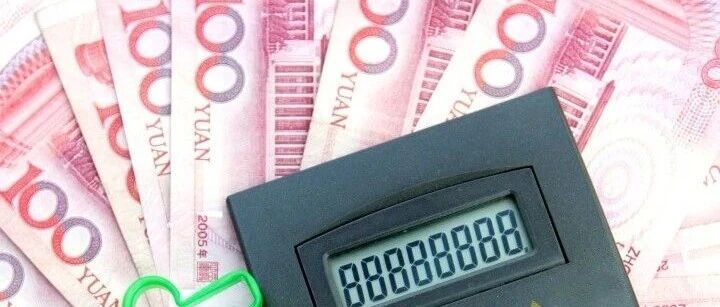
今后五年长沙这样发力续写“幸福”
Xin Lang Cai Jing· 2026-01-07 20:19
Core Insights - The core focus of the news is on the development goals and strategic initiatives of Changsha during the "14th Five-Year Plan" period, emphasizing improvements in public welfare and economic growth targets of 5% to 5.5% annual GDP growth [2][4]. Economic Growth and Targets - Changsha aims for an average annual GDP growth of 5% to 5.5% over the next five years, with industrial added value growth of approximately 7.5% and local public budget revenue growth of 2.56% [3][4]. - The city has achieved a GDP growth of around 5.4% over the past five years, surpassing four trillion yuan milestones, with per capita GDP exceeding $20,000, reaching the threshold of developed economies [3]. Strategic Initiatives - Six key tasks will be prioritized to achieve the outlined goals, including the establishment of advanced manufacturing and technology innovation hubs, and enhancing public services and infrastructure [5]. - The city plans to integrate cultural and technological development, promote tourism, and expand consumer markets while ensuring that income growth aligns with economic growth [5][7]. Infrastructure and Urban Development - The city aims to expand its built-up area to over 1,100 square kilometers, enhancing its status as a major urban center [4][5]. - Significant investments will be made in transportation infrastructure, including the expansion of highways and railways, and the development of urban renewal projects to improve living conditions [9]. Innovation and Talent Development - Changsha is committed to fostering innovation through increased R&D investment, targeting an annual growth of 8.5% in research funding, and establishing a supportive environment for startups and talent attraction [8]. - The city aims to create a "dream city" for talent, enhancing its appeal through various initiatives and support systems for entrepreneurs [8].