教育公平

Search documents
不止于交易:Juno Markets 以爱点亮瓦努阿图校园
Sou Hu Wang· 2025-07-30 03:27
Group 1 - A strong earthquake struck Vanuatu on December 17, 2024, causing significant damage to local communities and schools [1] - The Vanuatu Financial Services Commission (VFSC) initiated a campaign where licensed financial traders raised 5.9 million Vatu for reconstruction efforts, aiming to restore educational facilities for children in Port Vila and Efate Island [3] - The collaboration between businesses and humanitarian efforts demonstrates how commercial activities can intersect with human compassion, transforming financial contributions into meaningful support for affected communities [3] Group 2 - On July 22, Popowo Primary School received new solar equipment, including refrigerators and energy storage systems, addressing long-standing issues of power outages and food spoilage [4] - This initiative marks the third school to benefit from the aid program, with previous deliveries to Survival School and Malatia School, which had faced electricity shortages for years [4][6] - The donations not only ensure basic educational operations but also instill a belief in the transformative power of technology among children [8] Group 3 - The logos of companies like Juno Markets on donated materials symbolize cross-border goodwill and the genuine connection between businesses and local communities [9] - VFSC representative Branan Karae emphasized the importance of these corporate actions, stating that businesses have chosen to stand with the community during challenging times, highlighting the value of solidarity over mere commercial interests [10] Group 4 - The aid initiative has positively impacted over 30 schools, 15 churches, and numerous families, providing essential resources such as clean drinking water, solar equipment, and improved learning environments [12] - This support is not just about material aid; it represents a commitment to sowing seeds of hope for the future and building a stronger foundation for the nation [12] Group 5 - Juno Markets recognizes its role as a vital member of the community, emphasizing the responsibility and honor of contributing to the recovery efforts [13] - The company's core philosophy is to ensure that everyone has access to opportunities and fairness, reinforcing its commitment to social responsibility in the post-disaster rebuilding process [15]


中国的高考越来越难了吗?
Hu Xiu· 2025-07-30 01:05
Core Viewpoint - The 2025 college entrance examination (Gaokao) has sparked widespread debate regarding its difficulty, with many students and parents claiming the exam is too challenging, while data shows an increase in high scores, raising questions about the actual difficulty of the exam [1][5]. Group 1: Exam Difficulty and Public Perception - There is a growing criticism that the exam questions are becoming increasingly difficult and that there is a disconnect between what is taught in schools and what is tested [3][4]. - Some experts argue that the perceived difficulty may stem from students' and parents' inability to adapt to changes in exam formats and question types, suggesting that the overall difficulty of the exam has actually decreased in recent years [6][11]. - The distribution of scores has shifted, with a notable increase in high-scoring students, indicating that the exam may not be as difficult as perceived [5][12]. Group 2: Educational Implications - The debate over exam difficulty raises concerns about the impact on educational equity, as parents may turn to private tutoring to cope with perceived challenges, potentially widening the gap in educational access [3][11]. - There is a warning that lowering the exam's difficulty in response to public outcry could lead to a decline in the quality of education, similar to historical issues faced in the U.S. regarding math education standards [7][11]. - The need for a balance between maintaining rigorous standards and ensuring fairness in the examination process is emphasized, as the current system may not adequately differentiate between students' abilities [12][23]. Group 3: Subject-Specific Concerns - Complaints about the difficulty of specific subjects, such as mathematics and Chinese literature, have been prevalent, yet educators argue that the expectations are consistent with what students should be able to achieve at their level [8][10]. - The emphasis on foundational knowledge and critical thinking in mathematics is seen as a positive shift, pushing students towards deeper understanding rather than rote memorization [16][23]. - In the Chinese language section, particularly in essay writing, the challenge lies in creating prompts that allow for both differentiation among students and opportunities for all to express their ideas effectively [19][22].
学区房危险了?2025出新规:多校划片摇号,家长都说白买房了
Sou Hu Cai Jing· 2025-07-27 22:44
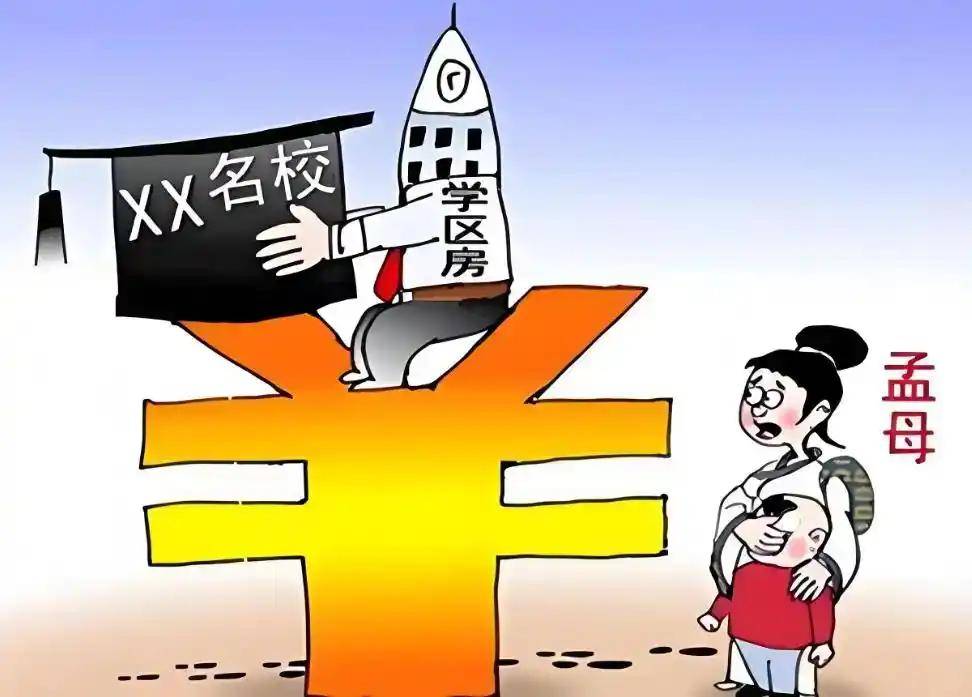
Core Insights - The new policy of multiple school zoning and lottery enrollment aims to reshape China's education ecosystem by breaking the long-standing link between school district housing and quality educational resources [1][3][9] - The implementation of this policy has led to a significant drop in school district housing prices, with Beijing experiencing a 17.3% month-on-month decline in June 2025, marking the largest drop in five years [2][4] - The reform is expected to benefit over 65 million students in compulsory education and impact 43 million families, addressing educational equity and reducing the financial burden on families [3][9][10] Housing Market Impact - School district housing prices in major cities have seen a year-on-year transaction volume decline of 52%, with price drops exceeding 15% [2] - The total market value of school district housing in key cities may have evaporated by approximately 3.7 trillion yuan [2] - In Beijing's Zhongguancun area, a homeowner reported a loss of 3 million yuan on a property purchased for 12 million yuan in 2022 [2] Educational Equity and Access - The new enrollment system allows for random allocation of students to 3-5 schools within a designated area, promoting fairness in educational opportunities [3][9] - A survey indicated that 85.7% of parents viewed the inability to afford school district housing as a major source of educational anxiety [3] - The satisfaction rate among parents in trial cities increased by 32 percentage points, indicating improved perceptions of fairness in school admissions [3] Implementation and Funding - In 2024, local education departments invested 192.3 billion yuan in initiatives aimed at equalizing educational resources, including teacher allocation and facility upgrades [4] - Various regions have adopted tailored approaches, such as forming educational groups to enhance overall school quality [4] - After one year of trial in Shanghai, the quality gap between schools within educational groups narrowed by 43% [4] Challenges and Adjustments - Families who previously purchased school district housing express anxiety over the policy changes, prompting local governments to implement transitional measures [5] - The Ministry of Education has emphasized the importance of a reasonable transition mechanism to balance reform and historical context [5] - Teacher satisfaction has increased by 27%, and teacher turnover has decreased by 15% following the policy's implementation [5] Educational Innovation - By mid-2025, 2,371 schools had introduced school-based特色课程, with STEAM education coverage reaching 65.3% [7] - A survey revealed concerns among parents regarding potential manipulation of the lottery system, leading to the establishment of strict oversight measures [7] - The implementation of the new policy has resulted in an 8.7% improvement in students' overall quality scores due to reduced "exam-oriented" practices [7] Long-term Vision - The Ministry of Education plans to fully implement the multiple school zoning lottery system in all cities above the prefecture level by 2027 [10] - The ultimate goal is to establish a new system of compulsory education based on educational communities, ensuring equitable access to quality education for all children [10]
逐步推行免费学前教育 降低育儿成本
Ren Min Ri Bao· 2025-07-26 21:52
Core Viewpoint - The gradual implementation of free preschool education in China is a significant policy aimed at improving public welfare and addressing long-term developmental needs, which will alleviate family financial burdens and enhance satisfaction with early education [1][2]. Group 1: Impact on Families and Society - The implementation of free preschool education is expected to directly reduce childcare costs for families and improve their expectations regarding future childbirth expenses, thereby alleviating anxiety related to childbirth and fostering a more supportive environment for raising children [2]. - High education costs currently represent a substantial portion of household expenditures, which can suppress overall consumer spending. The introduction of free preschool education may stimulate non-educational consumer spending, potentially driving job creation and development across various industries [1][2]. Group 2: Policy Design and Implementation - The initiative to gradually implement free preschool education aligns with national priorities for educational development and population quality, as outlined in the "Education Strong Nation Construction Plan Outline (2024-2035)" and the recent government work report [2]. - Effective policy design and implementation are crucial for translating the benefits of free preschool education into tangible improvements for the public. This includes considering demographic changes, demand for educational placements, urbanization trends, and economic conditions [2][3]. Group 3: Addressing Educational Inequities - The gradual rollout of free preschool education is seen as a means to reduce disparities in educational opportunities caused by uneven economic and social development, particularly benefiting children from low-income families, rural areas, and marginalized groups [3]. - Ensuring the successful implementation of this policy requires local governments to develop detailed plans, secure funding, and enhance oversight of preschool institutions to ensure compliance and quality [3].

香港教育优势到底是什么?
Hu Xiu· 2025-07-26 07:20
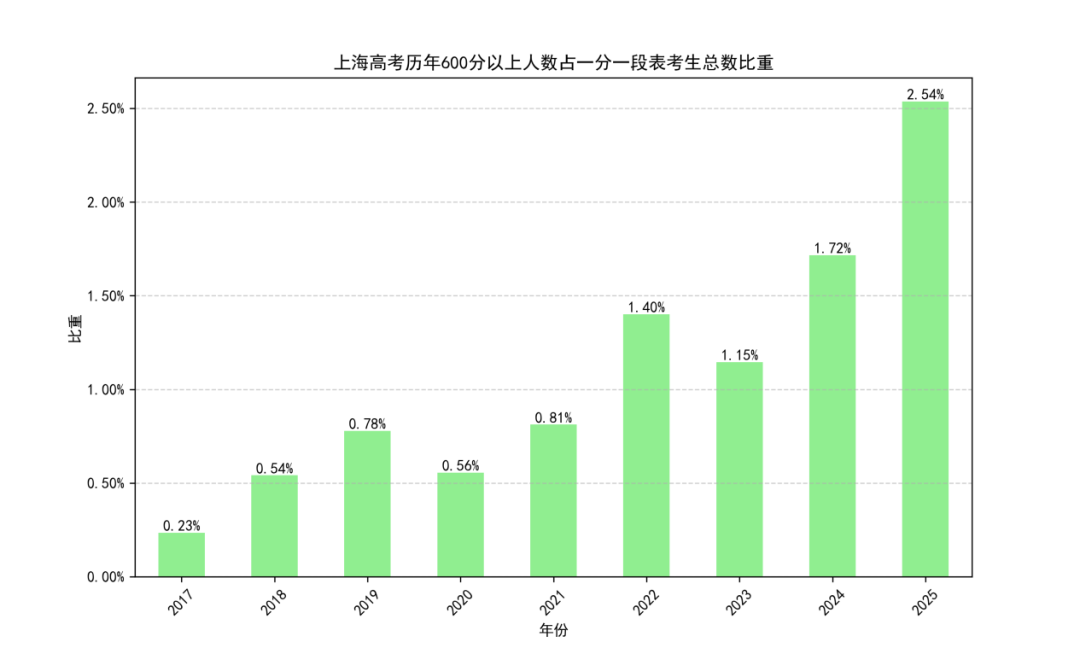
Group 1 - The article discusses the educational advantages of Hong Kong compared to Shanghai, highlighting that Hong Kong offers a more continuous education system without the pressure of early selection processes like the 中考 in mainland China [8][14] - It notes that in 2025, approximately 15% of students from Shanghai are expected to enter 985/211 universities, while the proportion for Hong Kong's top eight universities is around 30%, suggesting a higher acceptance rate in Hong Kong [7][11] - The article emphasizes the flexibility in Hong Kong's education system, allowing students to transfer schools and pursue better opportunities, which is less common in Shanghai [8][12] Group 2 - The author points out that while Hong Kong's education system may be less rigorous than Shanghai's, it places a greater emphasis on practical application and overall development across subjects [9] - It is mentioned that teachers in Hong Kong maintain a more neutral stance regarding gifts from parents, contrasting with the practices observed in Shanghai, which can create a more equitable environment [10] - The article concludes that while there are educational advantages in Hong Kong, moving solely for educational reasons may not be advisable unless accompanied by career opportunities [14][15]
以第三次分配驱动教育数字鸿沟弥合
Xin Hua Ri Bao· 2025-07-24 23:17
Core Viewpoint - The article emphasizes the importance of the "third distribution" in bridging the digital education gap, highlighting its role in resource allocation and wealth distribution among different social groups [1][2][4]. Group 1: Digital Education Gap - The digital education gap manifests in structural imbalances across new infrastructure, digital governance awareness, digital talent, and data integration and sharing [2]. - The third distribution can address the shortcomings of initial and redistributive allocations, restructuring the distribution of educational digital resources to achieve effective social wealth balance [2][4]. Group 2: Empowerment and Human-Centric Education - The drive to bridge the digital education gap through the third distribution is rooted in moral values, cultural significance, and social mutual aid [3]. - Social organizations should leverage their resources to conduct "digital literacy" activities for teachers in underdeveloped areas and provide advanced training in artificial intelligence [3]. Group 3: Institutional Support and Digital Rights - Digital rights encompass individuals' rights to access, use, and create digital resources, which are crucial for achieving educational equity and equal opportunities [4]. - Governments need to establish robust digital governance regulations to enhance the role of the third distribution in addressing educational disparities [4].
河南工业大学“星火逐梦”资助政策乡村行团队 于冠军村开展资助宣讲
Zhong Guo Shi Pin Wang· 2025-07-14 01:43
Group 1 - The core message emphasizes the importance of educational equity and the implementation of student financial aid policies to support underprivileged students in rural areas [1][2] - The "Spark Pursuit of Dreams" team from Henan University of Technology conducted a 7-day outreach program in Zhangcun Village, Nanyang, to promote financial aid policies and assist students in need [1] - The team engaged in home visits to understand the educational and economic situations of families, providing clear explanations of various financial aid options and application processes to alleviate anxiety during the college admission season [1][2] Group 2 - The initiative reflects the university's commitment to ensuring that no student's dream is hindered by financial difficulties, aiming to transform the lives of students through education [2] - The team utilized their communication skills to simplify complex policies into relatable narratives, enhancing the outreach's effectiveness [2] - The outreach program served as both a practical training exercise for students and a means to instill a sense of social responsibility, reinforcing the belief that every effort contributes to the broader goal of educational equity [2]
从高考读懂中国式现代化(评论员观察)
Ren Min Ri Bao· 2025-07-01 22:01
Core Viewpoint - Emphasizing education is crucial for the future, and winning in education is essential for winning the future, reflecting a national strategy and a deeply rooted belief among the people [1][4]. Group 1: Importance of Gaokao - The Gaokao (National College Entrance Examination) has evolved, moving from a singular focus to a multidimensional selection process, marking a shift from the era of "one exam determines life" [1]. - The Gaokao serves as a significant experience in personal growth, providing valuable skills such as resilience, willpower, and focus [1]. - The examination continues to play a vital role in talent selection and supporting national development, while promoting educational equity and social mobility [2]. Group 2: Educational Reforms and Inclusivity - The education sector has made strides in inclusivity, with over 14,000 disabled students receiving support to participate in the Gaokao this year, and the number of rural and impoverished students admitted to key universities increasing from 10,000 in 2012 to 134,000 in 2023 [3]. - Continuous improvements in educational policies aim to enhance fairness in education, ensuring every child has the opportunity to succeed regardless of their background [3]. Group 3: National Strategy and Modernization - Education is viewed as a national priority, integral to advancing China's modernization and transforming the demographic dividend into a talent dividend through technological innovation [3]. - The commitment to education is seen as a pathway to enhance the quality of life and happiness of the populace, with a focus on building a high-quality education system [3].
莫让“小动作”伤了教育公平(民生观)
Ren Min Ri Bao· 2025-06-29 22:01
Group 1 - The core issue highlighted is the need for improved regulation to eliminate opportunities for corruption and ensure fairness in education [1][3] - Recent incidents of cheating in examinations, such as a middle school sports exam, reveal vulnerabilities in the examination process and monitoring systems [1][2] - The actions of individuals exploiting loopholes in the education system, such as fraudulent enrollment and misuse of policies, undermine the integrity of educational opportunities for all students [2][3] Group 2 - The ongoing commitment of the Ministry of Education to a "zero tolerance" policy towards examination violations emphasizes the seriousness of addressing these issues [2] - The detrimental impact of unethical practices on students who respect rules and work hard for their education is a significant concern [3] - There is a call for expanding quality educational resources to alleviate educational anxiety and ensure that all children have a fair start in their academic journeys [3]
倾听尼山2025|德博拉·卡因贝:教育给了我抗争坏传统的勇气
经济观察报· 2025-06-27 10:30
Core Viewpoint - The article emphasizes the importance of understanding and appreciating differences as a foundation for true respect, aligning with the Confucian idea of "harmony in diversity" [1][4][11]. Group 1: Event Overview - The 11th Nishan World Civilization Forum will be held in Qufu, Shandong from July 9 to 10, 2025, serving as a platform for global experts to discuss human civilization and its future [3]. - The forum's theme is "Each Beauty is Beautiful; Beauty is Shared - The Relationship Between Civilizations and Global Modernization," featuring subtopics such as the origins and future of civilizations, the significance of Confucian culture, and the role of artificial intelligence in human civilization [4]. Group 2: Key Speaker Insights - Debora Kayembe, a prominent speaker at the forum, highlighted the role of family in shaping individual growth and social stability, emphasizing that gender equality is crucial for family happiness and societal progress [5][6]. - Kayembe shared her personal journey as a refugee and her advocacy for human rights, justice, and equality, illustrating the transformative power of education and cultural exchange [6][19]. Group 3: Cultural Perspectives - Kayembe noted similarities between Chinese and African cultures, particularly in the context of women's education and societal development, expressing concern over the regression of educational opportunities for girls in Africa [10][20]. - She underscored the significance of respecting cultural differences and the need for mutual understanding in a multicultural world, citing personal experiences that reflect the importance of cultural respect [11][12]. Group 4: Educational Advocacy - The article discusses the necessity of family education in shaping children's values and the importance of distinguishing between beneficial and harmful traditions [12][13]. - Kayembe's experiences reveal the challenges faced by women in accessing education and the need for investment in female education as a means to foster societal progress [20][21]. Group 5: Institutional Contributions - During her tenure as the Chancellor of the University of Edinburgh, Kayembe advocated for the decolonization of the curriculum and the inclusion of diverse cultural perspectives in education [26][27]. - She also worked to improve the situation of African students, particularly women, in accessing educational resources and scholarships [27].