
普惠金融

Search documents
国海证券党委书记、董事长王海河: 争做细分赛道一流 巩固提升区域市场竞争力
Zhong Guo Zheng Quan Bao· 2026-02-06 21:17
Core Viewpoint - Guohai Securities aims to integrate its development with national strategies, focusing on high-quality development and modern economic systems as outlined in the 14th Five-Year Plan [1][2]. Group 1: Company Strategy and Development - Guohai Securities emphasizes the importance of adhering to the Party's leadership and integrating it into corporate governance and culture through a "dual brand party building" initiative [2]. - The company is committed to enhancing its service capabilities in sectors like technology and green finance, adopting a comprehensive service model that includes investment banking, research, and risk management [3]. - The firm plans to transform into a customer-centric organization, improving its professional capabilities across various client segments, including retail, corporate, and institutional clients [4]. Group 2: Differentiation and Competitive Advantage - In a competitive landscape, Guohai Securities focuses on niche markets and differentiated services, particularly in wealth management and asset management [5][6]. - The company aims to establish a unique service system driven by digital tools and investment advisory, while also emphasizing sustainable absolute returns in asset management [6]. - Guohai Securities leverages its regional advantages and partnerships to create a collaborative ecosystem that supports local and ASEAN market needs [7]. Group 3: Compliance and Risk Management - The company prioritizes stable operations and financial risk prevention, enhancing its compliance and risk management frameworks [8]. - Guohai Securities is implementing a proactive compliance management system that includes real-time monitoring and intelligent risk assessment [8]. - The firm is committed to fostering a culture of compliance and risk awareness among all employees, ensuring a robust operational framework [9]. Group 4: Corporate Culture and Values - Guohai Securities is focused on cultivating a healthy corporate culture that aligns with industry standards and promotes ethical practices [9][10]. - The company integrates traditional Chinese culture and industry values into its corporate ethos, enhancing employee engagement and cultural cohesion [10]. - The firm aims to strengthen its cultural values through various initiatives, ensuring that its mission and vision resonate with employees and stakeholders [10].

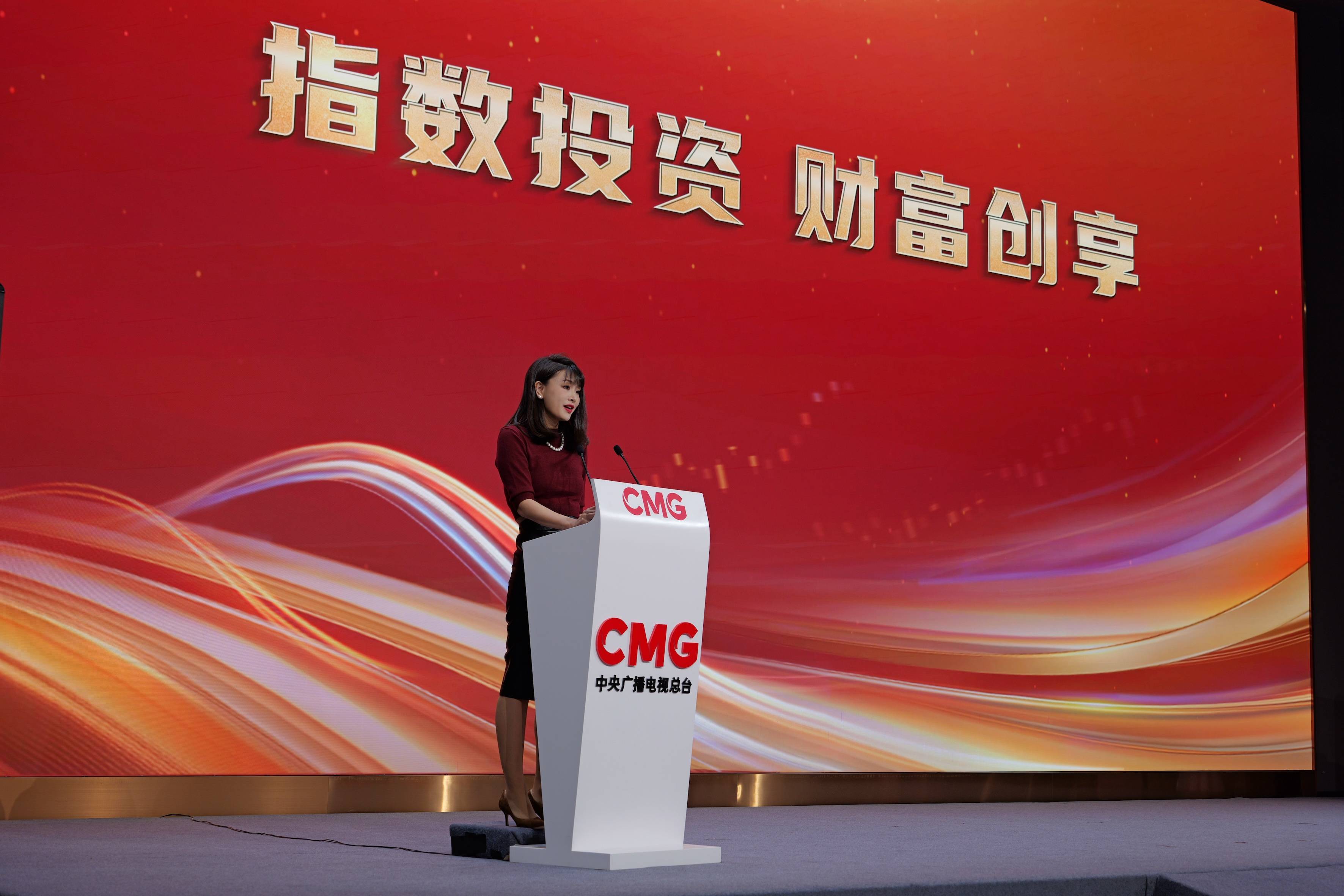
蚂蚁基金王珺:财富管理迈入指数投资时代,平台指数基金投资者已超1亿
Sou Hu Cai Jing· 2026-02-06 14:00
Core Insights - The acceleration of index investment has become a widely accepted consensus, with discussions on how the capital market can enhance its service to the real economy through various dimensions such as policy empowerment and technological drivers [2] Index Investment - As of the end of 2025, the total scale of index fund products is expected to exceed 8 trillion yuan, representing a nearly 40% increase from the beginning of the year, with broad-based funds accounting for 49% of the overall index fund scale [3] Drivers of Index Fund Growth - The growth of index funds is attributed to three irreversible drivers: 1. The achievements of high-quality development in the capital market, providing more investment opportunities through the development of strategic emerging industries 2. The resonance of policy dividends, with the implementation of the new "National Nine Articles" and "long money long investment" policies boosting confidence in the market 3. The reshaping of tool value, where index products gradually replace traditional investment fields due to their low cost, high efficiency, and clear style [6] Investor Behavior and Trends - On the Ant Fund platform, the number of investors trading index products has surpassed those in active equity products, with over 100 million index fund investors expected by the end of 2025, of which over 50% are from the post-90s and post-00s generations [6] - The platform promotes rational scientific allocation and long-term investment, with over 30 million investors having initiated regular investments in index funds. Individual investors hold broad-based funds for an average of over 1,000 days, with 97% of those holding broad-based funds being profitable by 2025, significantly higher than the industry average [7] ETF Development and Financial Inclusion - ETFs are seen as a key tool for fulfilling the capital market's mission, serving as a core vehicle for wealth management and financial inclusion, while also supporting national strategies. The current challenges include insufficient tools and disconnected channels, necessitating optimization in product design, institutional supply, and ecological construction [8] Market Trends and Investment Opportunities - The focus of the market has shifted towards "new resources" that support the intelligent world and green revolution, with historical investment opportunities arising from the collision of rigid supply due to years of insufficient capital expenditure in the global resource sector and sudden demand changes [11] - The artificial intelligence sector is expected to experience significant advancements, with trends indicating a high growth in computing power demand and the arrival of the AI large model application era. Given the complexity and rapid iteration of the AI industry, diversified investment strategies through ETFs are recommended to mitigate risks [11]

国债月报:风险偏好回落,债市延续震荡-20260206
Wu Kuang Qi Huo· 2026-02-06 13:58
1. Report Industry Investment Rating - Not provided in the report 2. Core View of the Report - The economic recovery's internal driving force remains unstable, with the January official manufacturing PMI falling below expectations and the economy's upward foundation being unsteady. There is still room for reserve - requirement ratio cuts and interest rate cuts, but the timing of overall easing may be postponed after structural interest rate cuts. The bond market is expected to continue its volatile trend, and the long - term strategy is to buy on the dips [11][13][14] 3. Summary by Relevant Catalogs 3.1 Monthly Assessment and Strategy Recommendation - **Economic and Policy**: In January, the official manufacturing PMI dropped to 49.3, lower than expected. Production and demand declined, and enterprise profit margins may be under pressure. The export orders decreased, large enterprises were in the expansion range, and small and medium - sized enterprises were in the contraction range. The service industry in the non - manufacturing sector declined due to the off - season, and the construction industry's prosperity significantly dropped. Overseas, the US liquidity improved, and the market postponed the expectation of the Fed's interest rate cut to mid - year. The central bank held a meeting to develop various types of finance and support key areas. The RatingDog manufacturing PMI in China rose to 50.3, maintaining an expansion trend. The Australian central bank raised interest rates by 25 basis points [11] - **Liquidity**: The central bank conducted 10055 billion yuan in reverse repurchases and 8000 billion yuan in outright reverse repurchases this week, with 17615 billion yuan in reverse repurchases and 7000 billion yuan in outright reverse repurchases maturing, resulting in a net withdrawal of 6560 billion yuan. The DR007 rate closed at 1.48% [13] - **Interest Rates**: The latest 10 - year Treasury bond yield was 1.82%, up 0.59 BP week - on - week; the 30 - year Treasury bond yield was 2.27%, down 1.25 BP week - on - week; the latest 10 - year US Treasury bond yield was 4.21%, down 5.00 BP week - on - week [13] - **Summary**: The January official PMI data showed a decline in both supply and demand, and the economic recovery's momentum needs to be observed. There is still room for reserve - requirement ratio cuts and interest rate cuts, and the central bank will maintain a stable capital situation. The bond market's allocation power is strong, but the market is expected to continue to fluctuate [13] - **Fundamental Assessment**: The economic fundamentals need further improvement, and the net basis is low. The bond market's downward adjustment space is limited, and the long - term strategy is to buy on the dips [14] - **Trading Strategy Recommendation**: The recommended strategy is to buy on the dips for a 6 - month period, with a profit - loss ratio of 3:1, driven by loose monetary policy and difficult credit improvement [15] 3.2 Futures and Spot Markets - **T Contract**: Presented the closing price, annualized premium, settlement price, and net basis trends of the T - contract's current - quarter and main contracts [18] - **TL Contract**: Showed the closing price, annualized premium, settlement price, and net basis trends of the TL - contract's current - quarter and main contracts [23] - **TF Contract**: Displayed the closing price, annualized premium, settlement price, and net basis trends of the TF - contract's current - quarter and main contracts [26] - **TS Contract**: Demonstrated the closing price, annualized premium, settlement price, and net basis trends of the TS - contract's current - quarter and main contracts [28] - **TS and TF Positions**: Presented the closing price and position volume trends of the TS and TF contracts [33] - **T and TL Positions**: Showed the closing price and position volume trends of the T and TL contracts [38] 3.3 Main Economic Data 3.3.1 Domestic Economy - **GDP and PMI**: In Q3, 2025, the actual GDP growth rate was 4.8%, exceeding expectations. In January 2026, the manufacturing PMI was 49.3%, down 0.8 percentage points from the previous value, and the service industry PMI was 49.5%, down 0.2 percentage points [43] - **Manufacturing PMI Sub - items**: In January 2026, the manufacturing supply and demand weakened. The production index decreased by 1.1 percentage points to 50.6%, and new orders decreased by 1.6 percentage points to 49.2 [44][49] - **Price Index**: In December 2025, the CPI increased by 0.8% year - on - year, the core CPI increased by 1.2% year - on - year, and the PPI decreased by 1.9% year - on - year. The month - on - month CPI, core CPI, and PPI all increased by 0.2% [52] - **Export Data**: In December 2025, China's export data was stronger than expected, with exports increasing by 6.5% year - on - year and imports increasing by 5.7% year - on - year. Exports to the US decreased by 30.0% year - on - year, while exports to ASEAN maintained a high growth rate [55] - **Industrial Added Value and Retail Sales**: In December 2025, the industrial added - value growth rate was 5.2% year - on - year, and the year - on - year growth rate of total retail sales of consumer goods was 0.9%, down 0.4 percentage points [58] - **Fixed - Asset Investment and Real Estate**: From January to December 2025, the cumulative year - on - year growth rate of fixed - asset investment was - 3.8%, and the real estate investment growth rate was - 17.2%. In December 2025, the month - on - month price of second - hand housing in 70 large and medium - sized cities was - 0.7%, and the year - on - year price was - 6.1% [62] - **Real Estate Construction and Sales**: In December 2025, the cumulative value of new housing starts was 587700,000 square meters, with a cumulative year - on - year decrease of 20.4%. The cumulative value of new housing construction was 6598900,000 square meters, with a cumulative year - on - year decrease of 10.0%. The cumulative year - on - year data of the completion end decreased by 18.16%, and the new - home sales data in 30 large - and medium - sized cities was weak [65][68] 3.3.2 Foreign Economy - **US Economy**: In Q3 2025, the US GDP at current prices was 3109.5 billion US dollars, with an actual year - on - year growth rate of 2.33% and a quarter - on - quarter growth rate of 4.30%. In December 2025, the US CPI increased by 2.7% year - on - year, and the core CPI increased by 2.6% year - on - year and 0.0% month - on - month. In November 2025, the US durable goods orders were 323.7 billion US dollars, with a year - on - year increase of 12.29%. In December 2025, the seasonally adjusted non - farm payrolls increased by 50,000, and the unemployment rate was 4.4%. In January 2026, the US ISM manufacturing PMI was 52.6, and the non - manufacturing PMI was 53.8 [71][74][77] - **EU Economy**: In Q3 2025, the EU GDP increased by 1.4% year - on - year and 0.3% quarter - on - quarter [77] - **Eurozone Economy**: In December 2025, the Eurozone CPI increased by 2% year - on - year. In January 2026, the preliminary manufacturing PMI was 49.4, and the service industry PMI was 51.9 [80] 3.4 Liquidity - **Money Supply and Social Financing**: In December 2025, the M1 growth rate was 3.8%, and the M2 growth rate was 8.5%. The M1 growth rate declined due to the base effect. The social financing increment was 2.21 trillion yuan, with a year - on - year decrease of 645.7 billion yuan. The new RMB loans were 9700 trillion yuan, with a year - on - year decrease of 800 billion yuan [85] - **Social Financing Sub - items**: In December 2025, the year - on - year growth rate of government bonds in social financing slowed down, and the financing of the real - economy sector was stable. The social financing growth rate of the household and enterprise sectors was 6.1%, and the government bond growth rate was 17.1% [88] - **MLF and Reverse Repurchases**: In January 2026, the MLF balance was 6950 billion yuan, with a net MLF injection of 700 billion yuan. This week, the central bank conducted 10055 billion yuan in reverse repurchases and 8000 billion yuan in outright reverse repurchases, with 17615 billion yuan in reverse repurchases and 7000 billion yuan in outright reverse repurchases maturing, resulting in a net withdrawal of 6560 billion yuan. The DR007 rate closed at 1.48% [91] 3.5 Interest Rates and Exchange Rates - **Interest Rate Changes**: Provided the latest rates, daily, weekly, and monthly changes of various types of interest rates, including repurchase rates, Treasury bond yields, and US Treasury bond yields [94] - **Interest Rate Trends**: Presented the trends of Treasury bond yields, bank - to - bank pledged repurchase rates, US Treasury bond yields, and the bond yields of the UK, France, Germany, and Italy [98][99][103] - **Fed Target Rate and Exchange Rates**: Showed the trends of the Fed's target rate, the USD/RMB exchange rate, and the US dollar index [105]
中国信保深圳分公司2025年承保深圳外贸出口规模超1100亿美元 同比增长15%
Zheng Quan Ri Bao Zhi Sheng· 2026-02-06 13:15
本报讯 (记者王镜茹)2月6日,记者从中国出口信用保险公司深圳分公司(以下简称"中国信保深圳分 公司")了解到,2025年该公司主动融入国家对外开放战略大局,持续创新信用保险产品与服务模式, 为深圳企业"走出去"保驾护航,2025年全年承保深圳地区外贸出口规模超1100亿美元,同比增长15%; 累计支付赔款近13亿元,同比增长36%;服务各类外贸企业超3万家,切实发挥了外贸"稳定器""安全 网"的重要作用,为产业链供应链安全稳定注入了强劲动能。 中国信保深圳分公司副总经理徐甜介绍说,中国信保深圳分公司始终坚持以服务国家战略为己任,将政 策性职能与共建"一带一路"倡议、产业链供应链安全、普惠金融等国家重大部署紧密结合。2025年,该 公司承保深圳企业向"一带一路"共建国家出口和投资金额超520亿美元,同比增长42%。为深圳多家龙 头通信企业提供中长期出口卖方信贷保险服务,助力当地数字基础设施升级和经济社会数字化转型。通 过创新中长期出口信用保险与海外投资保险方案,为关键企业提供了稳定可靠的风险保障,有效助力中 国技术、中国标准和中国装备"出海"。 该公司还着力化解中小微外贸企业面临的出海"信息不对称"与"融资难 ...
【金融服务】做好“五篇大文章” 激发开局新动能!工商银行上海市分行助力绘就高质量发展蓝图
Xin Lang Cai Jing· 2026-02-06 11:26
Core Viewpoint - The Industrial and Commercial Bank of China (ICBC) Shanghai Branch is committed to leading with party building, aligning with national strategies and regional development, and focusing on high-quality financial services to support the construction of a financial powerhouse and the unique path of financial development in China [1][16]. Group 1: Technology Finance and Innovation Development - As of now, the total amount of technology loans from ICBC Shanghai Branch has exceeded 243 billion yuan, with a coverage rate of over 50% for specialized and innovative "little giant" enterprises [2][17]. - The bank has established a specialized system for technology finance, including the "Technology Finance Audit Center," which has improved loan approval efficiency for technology enterprises by 40% [3][18]. - The "Gongyin Xingke" product matrix integrates various financial tools to provide comprehensive support for technology enterprises, including research and development loans and equity incentive loans [3][18]. Group 2: Green Finance and Low-Carbon Transition - ICBC Shanghai Branch has implemented a comprehensive green finance action plan, with green loans exceeding 250 billion yuan, maintaining the leading position in the industry [6][20]. - The bank has actively participated in financing clean energy projects, such as a wind power project in Kazakhstan, which is expected to generate 330 million kilowatt-hours annually, significantly optimizing the energy structure and reducing carbon emissions [5][19]. - The bank has also engaged in innovative financing solutions, including the first paperless online processing of patent rights registration in Shanghai [3][18]. Group 3: Inclusive Finance and Support for Small and Micro Enterprises - The balance of inclusive loans from ICBC Shanghai Branch has reached nearly 150 billion yuan, with a compound annual growth rate of over 23% in the past three years, serving over 51,000 inclusive customers [8][21]. - The bank has established a three-tiered service network to meet the financing needs of small and micro enterprises, having visited over 45,000 such enterprises to assess their financing requirements [8][21]. - Innovative products have been developed to support various sectors, including foreign trade and manufacturing, enhancing the accessibility of inclusive financial services [9][22]. Group 4: Pension Finance and Elderly Care - ICBC Shanghai Branch has made significant improvements in elderly care services, including the establishment of specialized financial service networks for the elderly, enhancing accessibility and convenience [11][24]. - The bank has maintained a leading position in social security fund management, with a market share of 20% in financial social security cards [12][25]. - Collaborative efforts with industry associations have been made to promote the development of the pension industry, supporting large-scale pension projects and small enterprises [12][25]. Group 5: Digital Finance and Transformation - ICBC Shanghai Branch is focused on digital transformation, implementing a smart credit system that saves approximately 141 minutes per loan application [14][26]. - The bank has launched a digital platform for personal consumption credit, enhancing customer experience and promoting consumer finance development [27][28]. - Advanced technologies such as big data and RPA are being utilized to improve risk management and operational efficiency [28].

2026资本市场开年定调:政策赋能高质量发展 ETF成关键抓手
Zhong Guo Xin Wen Wang· 2026-02-06 08:59
Core Viewpoint - The capital market in 2026 is set to focus on high-quality development, with ETFs identified as a key tool for achieving this goal [1] Group 1: ETF Growth and Investment Trends - By the end of 2025, the total scale of index fund products has officially surpassed 8 trillion yuan, marking a nearly 40% increase since the beginning of the year [2] - Broad-based index funds now account for 49% of the overall index fund scale, indicating a significant shift towards index investing [2] - The number of investors trading index products on the Ant Fund platform has exceeded 100 million, with over 50% being post-90s and post-00s generations [4] Group 2: Factors Driving ETF Development - Three irreversible forces are driving the growth of index funds: the achievements of high-quality development in the capital market, the resonance of policy dividends, and the reshaping of tool value [4] - The "Long Money Long Investment" policy and the new "National Nine Articles" have instilled strong confidence in the market, leading to increased investment in ETFs [4] Group 3: ETF as a Tool for Financial Inclusion - ETFs are recognized for their unique advantages of risk diversification, low cost, and operational transparency, making them a key tool for fulfilling the capital market's mission [6] - The current challenges in the ETF market include insufficient tools and disconnected channels, necessitating optimization in product design, institutional supply, and ecological construction [6] Group 4: Investment Opportunities in New Resources - The focus of investment is shifting towards "new resources" that support the intelligent world and green revolution, driven by a combination of cyclical factors [8] - The AI industry is expected to experience significant growth, with a shift from scale pursuit to efficiency enhancement, making ETFs a favorable tool for investing in this evolving landscape [8]
郑州银行书写金融兴豫与“十五五”奋进新篇章
Huan Qiu Wang· 2026-02-06 08:43
站在历史节点回望,郑州银行始终与河南省同频共振,把自身发展写进"中原更加出彩"的时代答卷,这 份"扎根"的执着,是它穿越周期、茁壮成长的深厚根基。从黄河之畔到金融潮头,从国内首家"A+H"股 上市城商行到规模7435亿元,多年来,郑州银行始终坚守服务本土实体经济的本源,在特色化经营、差 异化发展的道路上,走出了一条与国家战略同向、与地方经济共生、与人民福祉相连的高质量发展之 路。 "十五五"时期将是河南省扬长补短、全面崛起的关键阶段。郑州银行将切实把思想和行动统一到国家和 河南省决策部署上来,通过 "党建入章"固根本、"双向进入"强融合、"三重一大"严把关,确保金融服务 始终沿着正确政治方向前进,与河南强化金融领域党建引领的要求高度契合。 作为本土法人银行,服务全省发展大局是郑州银行义不容辞的责任。全行上下强化责任担当,围绕建设 现代化产业体系、乡村全面振兴等要求,找准金融服务的切入点和着力点,推动各项决策部署不折不扣 落地见效。 担当足 润泽万物的"实干之路" 在中原沃野这片孕育希望的热土上,让金融"活水"化作精准滴灌的春雨,滋养区域经济高质量发展的参 天大树,是时代赋予金融豫军的必答题。如何将量的积累转化 ...
精准服务暖民生 普惠金融的“国寿答卷”
Huan Qiu Wang· 2026-02-06 08:20
Core Insights - The article highlights the role of China Life Insurance in providing financial services that enhance safety and stability for workers in high-risk industries, particularly in the noodle-making sector in Chongqing, which supports 200,000 workers and generates an annual output value of 70 billion yuan [1][2] Group 1: Financial Support and Economic Impact - Financial services are essential for both large projects and small enterprises, with the "14th Five-Year Plan" emphasizing the need to build a strong financial system to support high-quality economic development [1] - By the end of Q4 2025, the balance of various loans in RMB is projected to reach 271.91 trillion yuan, reflecting a year-on-year growth of 6.4% and an increase of 1.627 trillion yuan for the year [1] Group 2: Inclusive Financial Practices - China Life focuses on "benefiting the people" by addressing the needs of small and micro enterprises, agriculture, and technological innovation, transforming its mission into tangible risk protection [2] - The "Ten Major Insurance" group accident insurance launched by China Life has covered 72,000 small and micro enterprises, providing a total coverage of 500 billion yuan [3] Group 3: Tailored Insurance Solutions - In regions like Zhejiang, where over 90% of enterprises are small and micro, China Life's low-threshold insurance products have significantly increased coverage, with over 50% of policies having premiums below 5,000 yuan [3] - In Lijiang, a specialized insurance plan was developed in collaboration with local tourism authorities to mitigate risks for tourists, reflecting the adaptability of China Life's offerings [3] Group 4: Technological Empowerment - China Life has implemented digital solutions to streamline the insurance process, allowing for quick and efficient claims, such as the "1-hour rapid claim" service in Chongqing [5] - The company’s digital service platform supports the entire insurance process online, catering to the fast-paced needs of technology enterprises [5] Group 5: Commitment to Community and Social Responsibility - China Life's initiatives demonstrate a commitment to grassroots financial services, aiming to ensure that inclusive financial protection reaches every corner of society [6] - The company’s approach combines speed and warmth in service delivery, aligning with national policies aimed at promoting high-quality development in inclusive finance [5][6]

上海华瑞银行董事长任职资格获核准
Sou Hu Cai Jing· 2026-02-06 06:10
监管 01 央行:强化消费领域金融支持 2月4日,中国人民银行发布消息,2026年1月30日,中国人民银行召开2026年信贷市场工作会议。 03 上海华瑞银行董事长任职资格获核准 日前,上海华瑞银行公告称,该行近日收到批复,国家金融监督管理总局上海监管局吴克照该行董事长的任职资 格。 04 凉山农商银行被罚120万元 会议提到,进一步完善金融"五篇大文章"各项机制,落实好结构性货币政策工具增量政策,加强与财政政策协 同,大力发展科技金融、绿色金融、普惠金融、养老金融、数字金融,强化消费领域金融支持。 02 银行不良资产转让出现新模式 日前,哈尔滨银行发布公告,对去年12月披露的一份债权转让协议进行说明。在这次债权转让过程中,部分约定 转让价款设置了收款条件,需依赖哈尔滨银行对标的债权的后续清收结果进行兑现。 业内人士认为,中小银行批量处置不良资产,或出于改善资产结构和提升资产质量的考虑。而附条件债权转让模 式,未来或许会被不良资产处置行业更多采用。(中国证券报) 据了解,付费通成立于2003年,并在2011年5月获得人民银行颁发的《支付业务许可证》,与支付宝、财付通都是 首批获得支付牌照的机构。 付费通主要股 ...


跨境人民币业务破6300亿!天津公布2025年金融运行情况
2 1 Shi Ji Jing Ji Bao Dao· 2026-02-06 02:57
2月5日,中国人民银行天津市分行召开新闻发布会,公布2025年天津市金融运行情况。 "五篇大文章"重点领域贷款余额合计超万亿 天津银行信贷政策管理处负责人介绍,截至2025年年末,全市"五篇大文章"重点领域贷款余额合计超万 亿,科技、绿色、普惠、养老、数字等领域贷款均实现两位数增长。 数据显示,过去一年天津市社会融资累计增量超5000亿元,同比多增464亿元,创有统计以来历史新 高。存贷款增速稳中有进,信贷结构持续优化,金融对经济高质量发展的支撑作用进一步增强。 与此同时,全市"五篇大文章"重点领域贷款余额合计突破万亿元,科技、绿色、普惠、养老、数字金融 等领域贷款均实现两位数增长。跨境人民币业务规模稳步扩大,全年业务量突破6300亿元,同比增长 17%,连续六年保持增长,同样创下历史新高。 社会融资增量创历史新高 天津人行调查统计处负责人介绍,2025年天津市社会融资规模累计增量为5384亿元,同比多464亿元, 创有统计以来历史新高。"十四五"期间,社会融资规模保持在较高水平,累计增量和年均增量分别为 2.23万亿元和4451亿元。 存款保持稳定较快增长。 2025年末,全市各项存款余额5.06万亿元,较 ...