智能电动汽车

Search documents
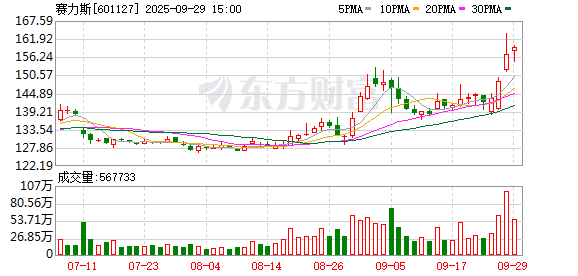
601127,拟分红超5亿元!
证券时报· 2025-09-29 23:58
Core Viewpoint - Saisir plans to increase its dividend distribution and has announced a cash dividend of 3.1 yuan per 10 shares for the first half of 2025, reflecting a commitment to enhance shareholder returns [3][4]. Financial Performance - For the first half of 2025, Saisir reported a revenue of 62.402 billion yuan and a net profit of 2.941 billion yuan, marking a year-on-year increase of 81.03% [5]. - The company's R&D investment reached 5.198 billion yuan, up 154.9% compared to the previous year [5]. - The proposed cash dividend totals 506 million yuan, which constitutes 17.22% of the net profit attributable to shareholders for the same period [4]. Business Strategy - Saisir is focusing on the smart electric vehicle sector, with significant sales growth from its models, the Aito M9 and Aito M8, which became market leaders in their respective price segments [5]. - The company has seen a substantial increase in sales volume in the second quarter of 2025, attributed to the launch of new products [5]. Investment Activity - Saisir's wholly-owned subsidiary plans to acquire a 10% stake in Huawei's subsidiary, Yiwang, for 11.5 billion yuan, with the transaction's third payment condition already met [5][6]. - Yiwang aims to create a diversified platform for electric and intelligent vehicles, collaborating with various automotive companies [6].



任正非签发委任令 余承东出任华为产品投资评审委员会主任
Nan Fang Du Shi Bao· 2025-09-29 17:22
Core Viewpoint - Huawei's appointment of Yu Chengdong as the head of the Investment Review Board (IRB) signals a strategic acceleration in its core businesses, particularly in AI and smart automotive sectors [1][2][3] Group 1: Appointment and Responsibilities - Yu Chengdong has been appointed as the director of Huawei's IRB, a key decision-making body responsible for critical technology R&D directions, resource allocation, and major investment reviews [1] - The IRB plays a crucial role in guiding Huawei's efforts in AI and smart automotive technologies, indicating a focused approach to enhance strategic execution in these areas [2][3] Group 2: Strategic Importance - The appointment is seen as a response to the new phase of global technological competition, with AI and smart electric vehicles being pivotal in the next industrial transformation [2] - Analysts believe that the IRB's responsibilities extend beyond investment approval to include winning critical battles in AI, which is a significant reason for Yu's new role [2] Group 3: Current Business Landscape - Yu Chengdong will continue to serve as Huawei's executive director and chairman of the terminal BG, overseeing terminal and HarmonyOS business [2] - As of August 25, over 900,000 units of HarmonyOS have been delivered, with expectations to surpass one million by October, establishing it as a key platform in Huawei's AI and smart electric vehicle ecosystem [2] Group 4: Ecosystem Development - Huawei is building a comprehensive ecosystem centered around HarmonyOS, which includes five major smart scenarios: Harmony Office, Harmony Smart Home, Harmony Smart Travel, Sports Health, and Audio-Visual Entertainment [2] - In the smart automotive sector, partnerships with various manufacturers have led to the creation of five brand matrices, enhancing the competitiveness of China's smart electric vehicle industry [2][3]
601127 拟分红超5亿元!
Zheng Quan Shi Bao Wang· 2025-09-29 15:12
Core Viewpoint - Company Saisir (601127) plans to distribute a cash dividend of 3.1 yuan per 10 shares to A-share shareholders, amounting to a total of 506 million yuan, which represents 17.22% of the net profit for the first half of 2025 [2][4]. Financial Performance - In the first half of 2025, Saisir achieved a revenue of 62.402 billion yuan and a net profit of 2.941 billion yuan, marking a year-on-year increase of 81.03% [4]. - The company's R&D investment reached 5.198 billion yuan, reflecting a significant year-on-year growth of 154.9% [4]. Product and Market Development - Saisir focuses on the smart electric vehicle sector, with the models Wanjie M9 and Wanjie M8 becoming sales champions in the 500,000 yuan and 400,000 yuan market segments, respectively [5]. - The launch of new products in the second quarter of 2025 led to a substantial increase in sales compared to the first quarter, contributing to improved gross margins and overall profitability [5]. Strategic Transactions - Saisir's wholly-owned subsidiary plans to acquire a 10% stake in Huawei's subsidiary, Yiwang, for 11.5 billion yuan, with the third payment of 3.45 billion yuan already completed [5]. - Yiwang, established in January 2024, aims to create a diversified platform for electric and intelligent vehicles, inviting collaboration from various automotive companies [5][6].
雷军的敌人正在变多 || 深度
Sou Hu Cai Jing· 2025-09-29 09:55
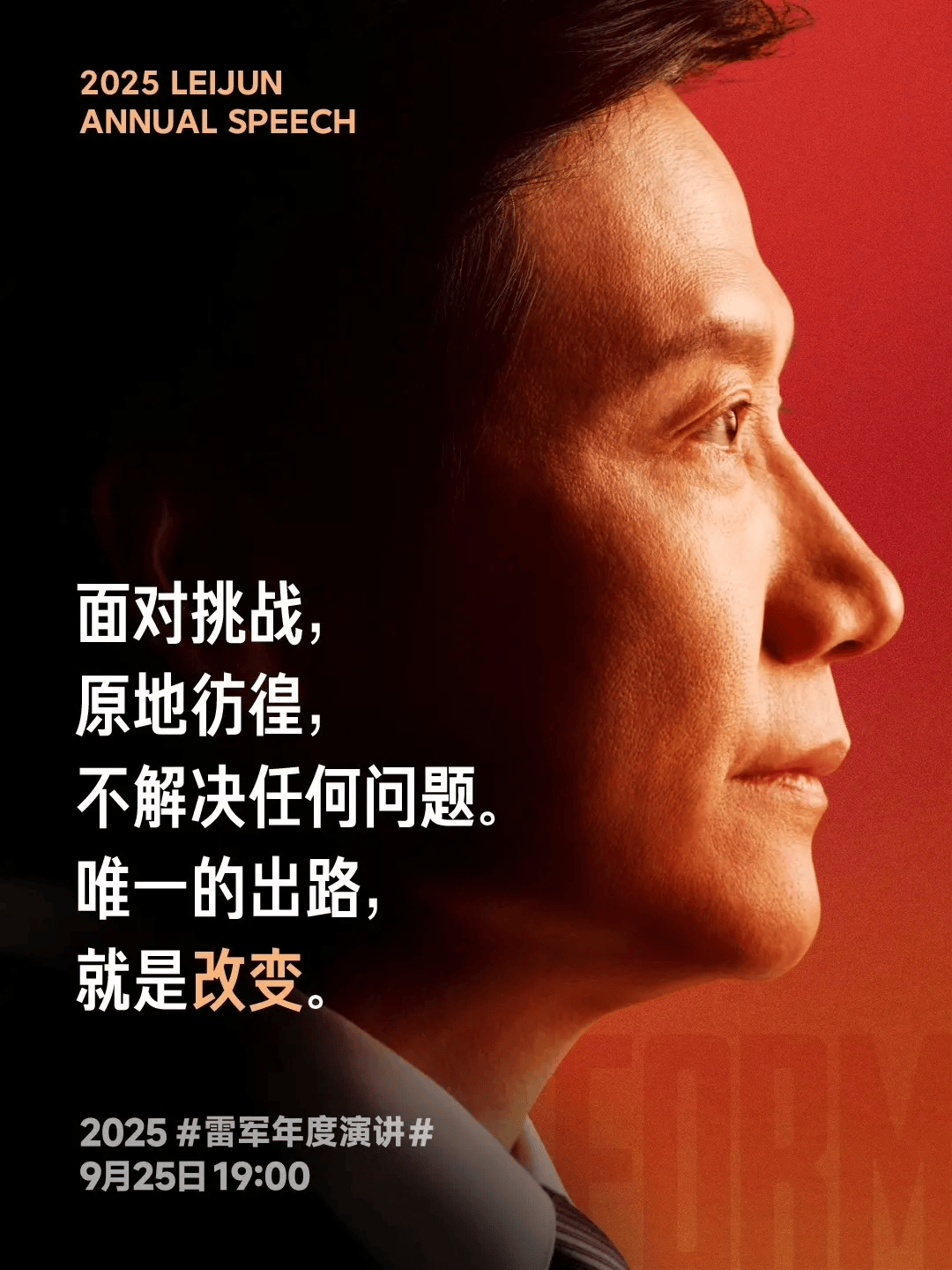
Core Viewpoint - The annual speech by Lei Jun focused on Xiaomi's automotive ambitions and the challenges faced in the electric vehicle (EV) sector, highlighting the company's significant investments in both automotive and chip manufacturing [2][3][5]. Group 1: Automotive Business Performance - Xiaomi's automotive revenue reached 21.3 billion yuan in Q2 2025, marking a 234% year-on-year increase, with vehicle deliveries hitting 81,302 units, a 197.7% increase from the previous year [8][10]. - The average selling price (ASP) and production capacity improvements contributed to the revenue growth, with the gross margin for Xiaomi's automotive segment rising to 26.4% in Q2 2025 [12][16]. - Xiaomi aims to achieve single-quarter profitability in its automotive business in the second half of the year, with a target of delivering 350,000 vehicles by year-end [16][18]. Group 2: Challenges in Production and Delivery - Xiaomi faces significant challenges with long delivery times for its vehicles, with the SU7 and YU7 models having delivery timelines extending up to 48 weeks, which is considerably longer than competitors like BYD and Tesla [20][22]. - The company is reportedly expanding its workforce to address production capacity issues, as the current delivery delays could lead to customer dissatisfaction and potential cancellations [22][24]. - Analysts suggest that Xiaomi's rapid growth in the automotive sector may have outpaced its operational capabilities, leading to production and quality control challenges [35][36]. Group 3: Quality Concerns and Market Perception - Recent quality issues, including a recall of over 110,000 SU7 vehicles for software upgrades, have raised concerns about Xiaomi's product reliability and quality control [5][30]. - Complaints from customers regarding vehicle performance and quality have surfaced, indicating a potential backlash against the brand if these issues are not addressed promptly [30][31]. - The company's marketing strategies, while effective in generating interest, may have led to unrealistic customer expectations, which could harm brand reputation if not managed carefully [36][37].

机器人板块早盘走强,机器人ETF易方达(159530)半日净申购近6000万份
Mei Ri Jing Ji Xin Wen· 2025-09-29 05:19
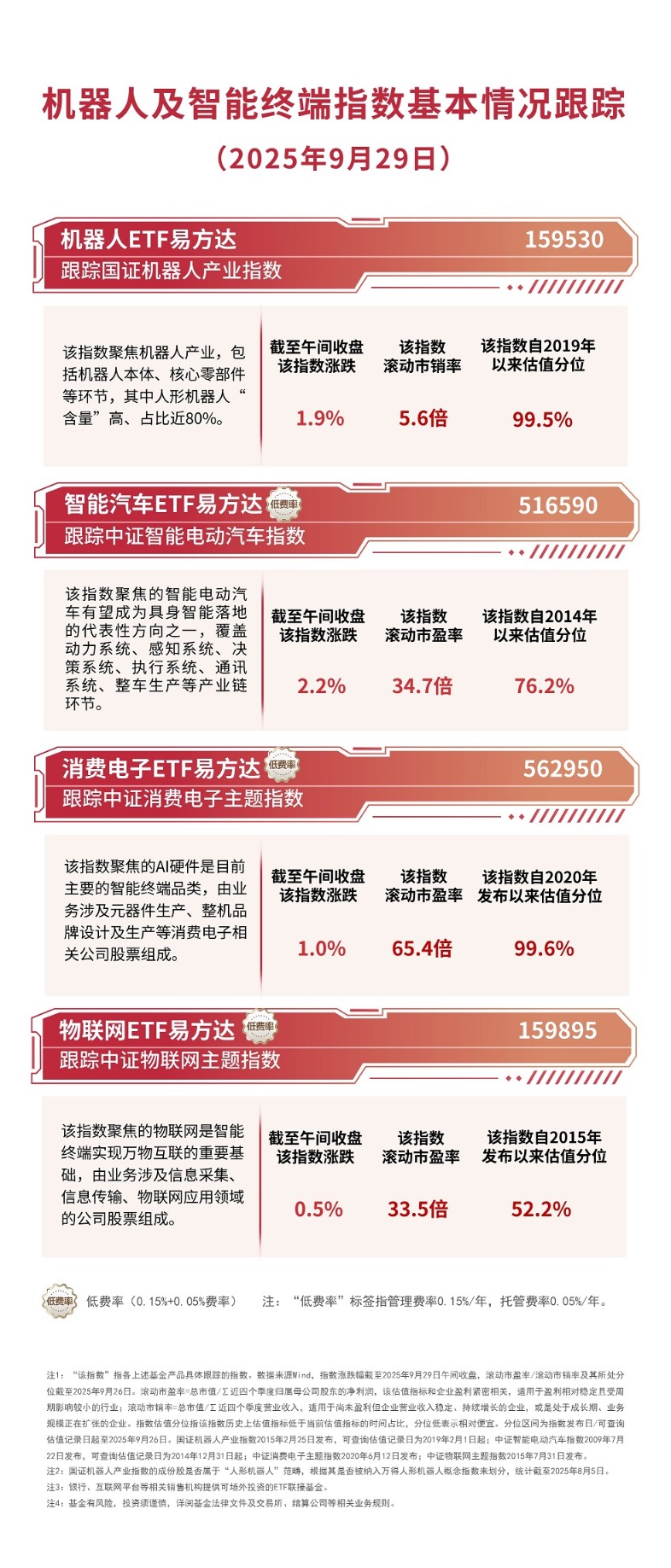
Group 1 - The China Securities Intelligent Electric Vehicle Index increased by 2.2%, while the National Securities Robotics Industry Index rose by 1.9% [1] - The China Securities Consumer Electronics Theme Index saw a rise of 1.0%, and the China Securities Internet of Things Theme Index increased by 0.5% [1] - The robot ETF managed by E Fund (159530) experienced a net subscription of nearly 600 million units in half a day, with a total net inflow of approximately 900 million yuan over the past five trading days [1] Group 2 - The Internet of Things ETF managed by E Fund tracks the China Securities Internet of Things Theme Index, which focuses on companies involved in information collection, transmission, and IoT applications [4] - The rolling price-to-earnings ratio of the Internet of Things Index is 33.5 times, with a valuation percentile of 52.2% since its inception in 2015 [4]

雷军的敌人正在变多
盐财经· 2025-09-28 09:48
Core Viewpoint - The article discusses Xiaomi's recent developments in the electric vehicle sector, highlighting the challenges and successes faced by the company as it aims to establish itself in the automotive market, particularly through its new models and the impact of its recent annual speech by CEO Lei Jun [2][6][10]. Group 1: Xiaomi's Automotive Business Performance - Xiaomi's automotive revenue reached 213 billion yuan in Q2 2025, marking a 234% year-on-year increase [15][16]. - The number of new vehicle deliveries in Q2 2025 was 81,302, a significant rise from 27,307 in the same period last year, representing a growth of 197.7% [16][19]. - The average selling price (ASP) of Xiaomi vehicles increased from 228,644 yuan to 253,662 yuan, attributed to the launch of the higher-priced SU7 Ultra [18][21]. Group 2: Challenges in Production and Delivery - Xiaomi faces significant challenges with long delivery times, with the SU7 and YU7 models having delivery periods of 35-48 weeks, which is considerably longer than competitors like BYD and Tesla [26][28]. - The company has been criticized for its production capacity issues, which have led to delays and potential customer dissatisfaction [29][30]. - Analysts suggest that the extended delivery times could lead to a loss of customer loyalty and increased competition from other brands offering quicker delivery options [32][33]. Group 3: Quality Control and Public Perception - Xiaomi has faced scrutiny over product quality, particularly following a recall of over 110,000 SU7 vehicles due to software issues that could increase collision risks [33][36]. - There have been multiple complaints regarding the YU7 model, including reports of quality issues and concerns about the vehicles being sold as "test cars" [34][39]. - The company’s rapid growth and aggressive marketing strategies have led to quality control challenges, which could impact its brand reputation if not addressed [43][44].

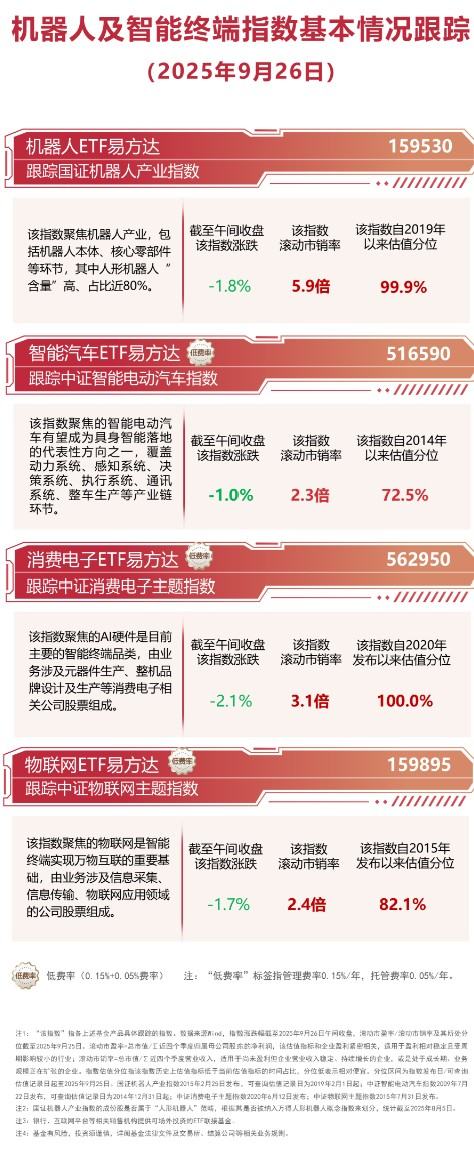
机器人ETF易方达(159530)持续获资金加仓,9月合计净流入超60亿元
Mei Ri Jing Ji Xin Wen· 2025-09-26 05:58
Group 1 - The National Robot Industry Index decreased by 1.8% at midday, while the China Securities Intelligent Electric Vehicle Index fell by 1.0%, the China Securities Internet of Things Theme Index dropped by 1.7%, and the China Securities Consumer Electronics Theme Index declined by 2.1% [1] - The E Fund Robot ETF (159530) saw a net subscription of 34 million units during the day, marking a continuous net inflow for 14 trading days, totaling over 6 billion yuan [1]
雷军演讲及小米17系列发布第二日,小米港股股价跌超5%
Xin Lang Cai Jing· 2025-09-26 04:04
Core Viewpoint - Xiaomi Group's stock price experienced volatility following the launch of the Xiaomi 17 series and a keynote speech by CEO Lei Jun, indicating mixed market reactions despite product announcements [1][2] Group 1: Product Launch and Market Response - Xiaomi's stock opened lower on September 26, dropping over 5% despite a previous day surge of over 5% after the product launch [1] - The Xiaomi 17 series was launched with starting prices of 4,499 yuan for the standard model, 4,999 yuan for the Pro, and 5,999 yuan for the Pro Max [1] - Lei Jun emphasized the importance of self-developed chips for Xiaomi's success, committing to invest at least 50 billion yuan over the next decade [2] Group 2: Financial Performance - Xiaomi reported a revenue of 115.96 billion yuan for Q2 2025, a year-on-year increase of 30.5%, marking three consecutive quarters of revenue exceeding 100 billion yuan [4] - Operating profit reached 13.44 billion yuan, up 128.2% year-on-year, while adjusted net profit was 10.83 billion yuan, a 75.4% increase [4] - The innovative business segment, including smart electric vehicles and AI, generated 21.3 billion yuan in revenue, a significant year-on-year growth of 234% [4] Group 3: Market Position and Sales - Xiaomi's smartphone shipments increased slightly from 42.2 million units in Q2 2024 to 42.4 million units in Q2 2025, driven by a 3.6% rise in shipments in mainland China [4] - The company achieved a record activation of 11.5 million new devices, securing a 16.8% market share in the domestic market [4] - In the home appliance sector, Xiaomi's revenue reached a historical high with a year-on-year growth of 66.2%, with air conditioning units exceeding 5.4 million units sold [5]
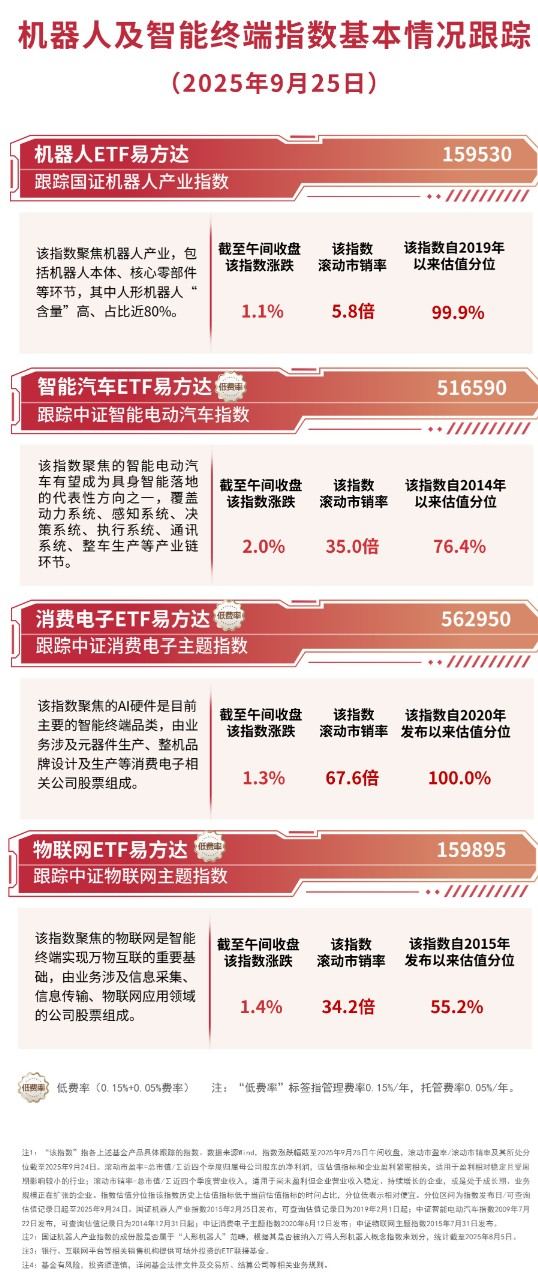
机器人产业指数震荡上行,机器人ETF易方达(159530)半日获超5000万份净申购
Mei Ri Jing Ji Xin Wen· 2025-09-25 05:48
Group 1 - The National Robot Industry Index increased by 1.1%, the China Securities Intelligent Electric Vehicle Index rose by 2.0%, the China Securities Consumer Electronics Theme Index went up by 1.3%, and the China Securities Internet of Things Theme Index climbed by 1.4% [1] - The E Fund Robot ETF (159530) saw a net subscription of 51 million units in a single day, marking a continuous net inflow for 13 trading days, totaling over 5 billion yuan [1]
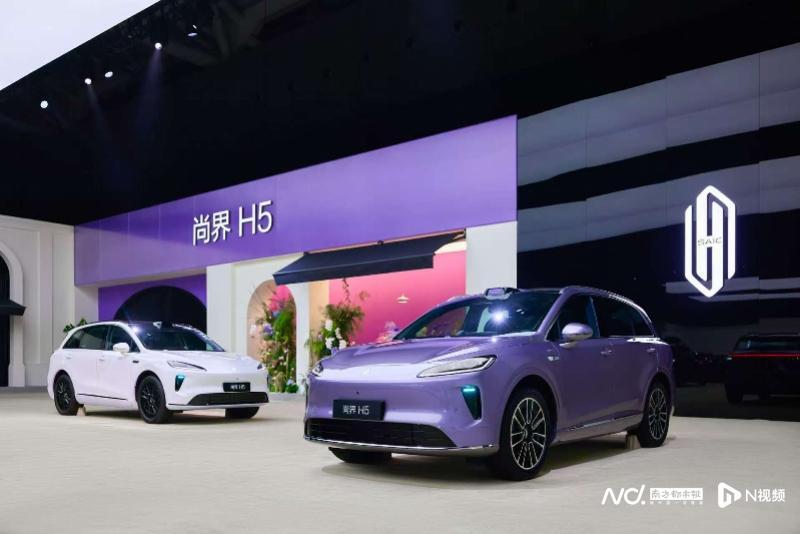
尚界H5起售价15.98万元,余承东:产品力远超同级
Nan Fang Du Shi Bao· 2025-09-24 02:44
Group 1 - The core event was the launch of new models including the AITO Wenjie M9, Wenjie M7, and the Shangjie H5, enhancing the product matrix of Hongmeng Zhixing to cover diverse market segments from mainstream to high-end [1][5] - The Shangjie H5 has a starting price of 159,800 yuan, with over 160,000 cumulative orders since its pre-order began on August 25, showcasing strong market demand [3] - The Wenjie M9 has delivered over 240,000 units and has maintained its position as the sales champion in the market above 500,000 yuan for 18 consecutive months [4] Group 2 - The Shangjie H5 features advanced driving assistance systems and offers a spacious interior comparable to larger vehicles, while emphasizing safety and intelligence [3][4] - The Wenjie M7 is positioned as a "happy flagship national SUV" with a price range of 279,800 to 379,800 yuan, offering both extended range and pure electric options [4] - Hongmeng Zhixing aims to achieve a sales target of one million units annually by enhancing its product offerings across various segments, collaborating with partners like Seres, Chery, BAIC, and others [5]