
转型金融

Search documents
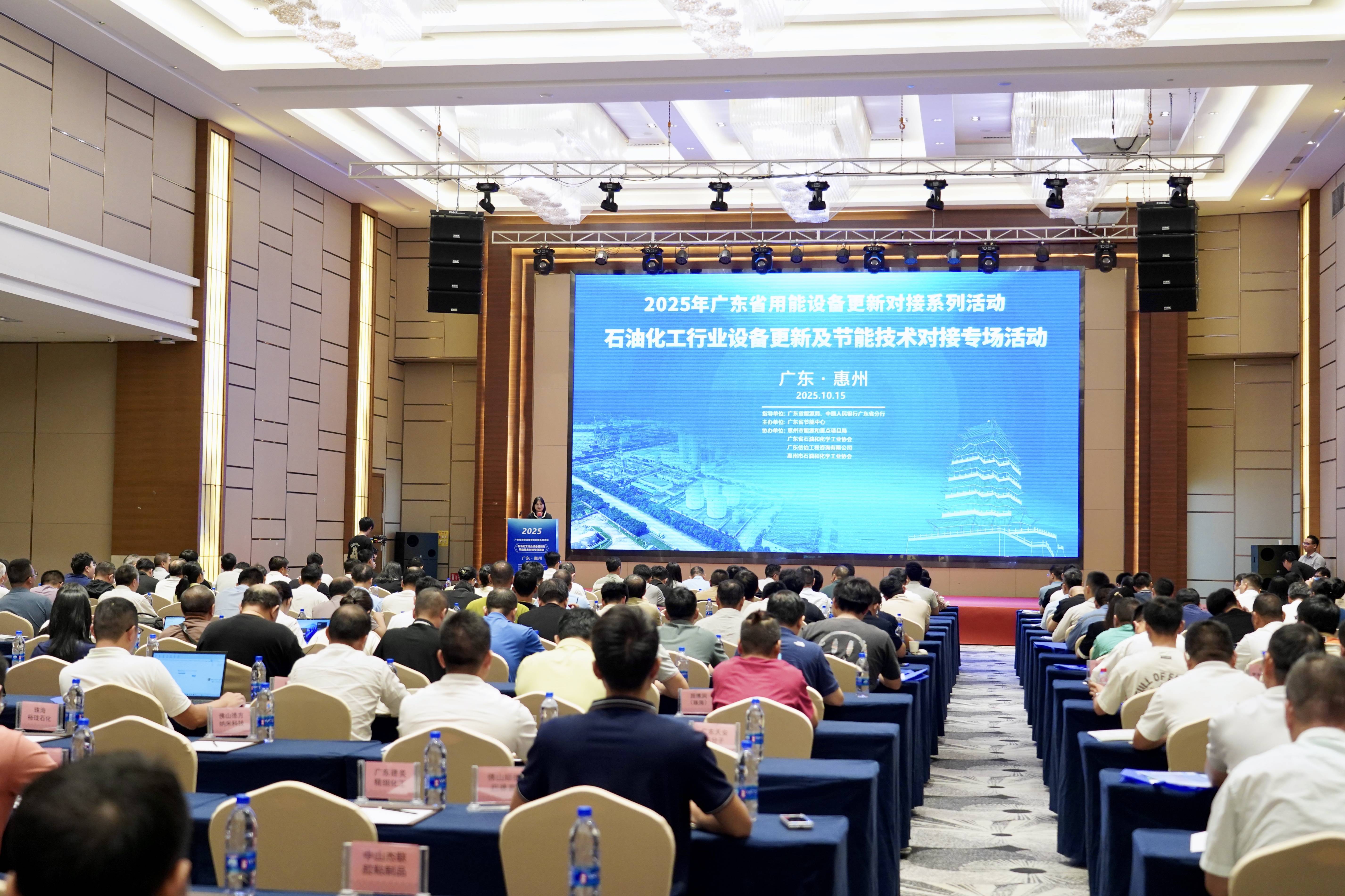
广东石油化工行业迈上节能改造“新”路径
Sou Hu Cai Jing· 2025-10-16 06:26
Core Viewpoint - The event held in Huizhou on October 15 focused on energy-saving technology and equipment updates in the petrochemical industry, highlighting the sector's significant energy-saving potential and the need for modernization to enhance competitiveness [5][10]. Group 1: Industry Overview - The petrochemical industry is a pillar of the national economy and a key industry in Guangdong Province, with sales revenue expected to reach approximately 2 trillion yuan in 2024, accounting for over 11% of the province's manufacturing sector [5]. - Guangdong has developed a complete industrial system in the petrochemical sector, from upstream crude oil refining to downstream synthetic materials and fine chemicals, supporting the province's manufacturing framework [5]. - The petrochemical industry consumes about 30% of the province's industrial energy, indicating a high potential for energy-saving improvements [5][8]. Group 2: Energy Efficiency and Challenges - Current challenges in the petrochemical sector include the prevalence of low-efficiency equipment, significant gaps in energy efficiency compared to benchmarks, and the need for system optimization and low-temperature heat utilization [8]. - The energy-saving efforts in the petrochemical industry are expected to lead to substantial cost savings and improved market competitiveness for companies [5][8]. Group 3: Financial Support for Energy Saving - The Guangdong Provincial Energy Bureau is providing robust financial support through various funds, including national "Two New" funds and provincial enterprise technology reform funds, to encourage energy-saving upgrades [9][11]. - Financial institutions are also developing transformation financial products to support the petrochemical sector, with examples including a loan with a financing cost of less than 1% aimed at reducing energy consumption to benchmark levels [11][12]. Group 4: Future Directions - The event is part of a series of initiatives aimed at promoting energy-saving technology across various industries, with plans to continue enhancing energy efficiency and technology promotion in key sectors [12].

国内钢铁企业绿色低碳转型融资难,每年千亿资金缺口如何补
Sou Hu Cai Jing· 2025-10-15 12:52
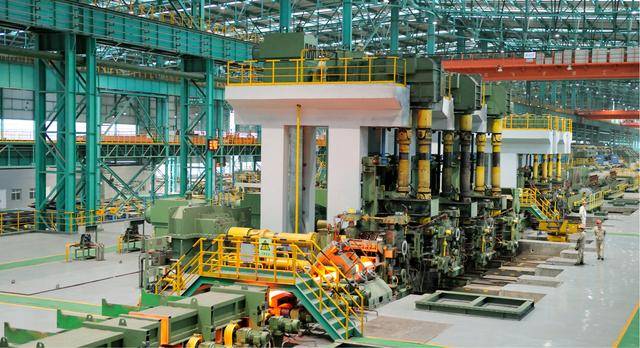
Core Viewpoint - The Chinese steel industry faces significant challenges in achieving low-carbon transformation due to high financing gaps and limited funding sources, despite the urgent need for transformation under the "dual carbon" goals [1][2]. Group 1: Policy and Financial Support - The National Development and Reform Commission has issued guidelines to support energy-saving and carbon reduction investments in key industries, including steel [1]. - The steel industry requires approximately 20 trillion yuan in funding from 2025 to 2060 to meet carbon reduction targets, with an annual funding gap of around 100 billion yuan [1][2]. - Current financing tools for steel companies are limited, with bank loans being the primary source, predominantly short-term working capital loans [2]. Group 2: Industry Challenges - The steel industry's profit has declined, with total profits for key member companies dropping from 855 billion yuan in 2023 to an estimated 429 billion yuan in 2024 [2]. - The financing difficulties stem from mismatches between the large capital requirements for transformation projects and the limited cash flow of steel companies, as well as the long transformation cycles compared to the short loan terms offered by banks [1][2]. Group 3: Technological and Operational Issues - Short-process electric furnace companies, which have significant carbon reduction advantages, face survival pressures and require stable, low-cost funding [3]. - Steel companies must develop detailed transformation plans and undergo third-party verification to access transition financing, which increases compliance costs [3]. Group 4: Recommendations for Financial Institutions - Financial institutions are encouraged to provide bundled support for steel companies, covering research, exploratory initiatives, and transformation planning [5]. - Establishing a reliable third-party verification system for carbon reduction effects and shifting risk assessment from financial statements to future transformation benefits is essential [5]. - Collaboration between steel companies and financial institutions in planning, information sharing, and product design is crucial for successful low-carbon transformation [5].
湖北省首笔汽车转型贷款2000万落地
Chang Jiang Shang Bao· 2025-10-14 00:19
Core Viewpoint - The People's Bank of China Hubei Branch has introduced guidelines to support the green transformation of the automotive industry in line with the national "dual carbon" strategy, facilitating the first automotive transformation loan of 20 million yuan to Hubei Yizhuan Automotive Co., Ltd. [1][2] Group 1: Financial Support and Guidelines - The newly issued "Guidelines for Financial Work on Automotive Industry Transformation (Trial)" aim to provide a technical benchmark for financial institutions to accurately connect with transformation projects in the automotive sector [1] - The guidelines specify that supported entities must meet three core conditions: compliance with carbon reduction technology, clear transformation investment plans, and proactive environmental information disclosure [1][2] Group 2: Loan Details and Mechanism - The first automotive transformation loan is designated for equipment upgrading at Hubei Yizhuan Automotive Co., Ltd., with a five-year term [2] - A mechanism has been established between the People's Bank of China Hubei Branch, Industrial and Commercial Bank of China Hubei Branch, and Hubei Carbon Emission Trading Center to address challenges in transformation planning and compliance evaluation [2] - The loan agreement includes a provision for interest rate reduction of 10 basis points upon meeting carbon reduction targets at three specified time points, promoting energy-saving efforts [2] Group 3: Future Plans and Industry Impact - The People's Bank of China Hubei Branch plans to further integrate transformation finance with green finance and carbon finance, creating a virtuous cycle of policy guidance, financial support, and industrial upgrading [2] - The initiative is expected to lead to a 30% reduction in annual carbon emissions for the supported company by 2030 compared to 2024 levels [2]
金融支持减污降碳协同创新的白银实践
Jin Rong Shi Bao· 2025-10-13 02:01
Core Viewpoint - The initiative for pollution reduction and carbon emission reduction is crucial for achieving carbon peak and carbon neutrality, as well as for promoting a comprehensive green transformation of economic and social development. The Baiyin High-tech Zone in Gansu has been selected as a pilot for collaborative innovation in pollution reduction and carbon reduction by the Ministry of Ecology and Environment in 2024 [1] Summary by Sections Main Practices and Achievements - A multi-party collaborative mechanism has been established, forming a working group led by the People's Bank of China Baiyin Branch, which includes various local institutions. This mechanism promotes horizontal connectivity, vertical integration, and internal-external collaboration [2] - A "carbon reduction equals cost reduction" mechanism has been implemented to promote the expansion of green loans. Financial institutions are guided to provide preferential terms for loans to enterprises engaged in pollution reduction and carbon reduction [2] - An information-sharing mechanism has been developed, resulting in the establishment of a project database containing 60 pollution reduction and carbon reduction projects, with 85% of these projects achieving financing connections, totaling 11.46 billion yuan in credit and 1.64 billion yuan in loans disbursed [3] - A demonstration mechanism has been established with the formulation of the "Copper Industry Transformation Financial Implementation Guidelines," which provides reference for enterprises and financial institutions in recognizing transformation projects [3] - An innovative "credit for innovation" financing mechanism has been explored to enhance financing credibility for enterprises in industrial parks, addressing financing difficulties [3] - A financing supervision and coordination mechanism has been implemented to provide close service and direct engagement with enterprises, ensuring effective financial support for pollution reduction and carbon reduction [4] Existing Issues - High risks associated with pollution reduction and carbon reduction projects make evaluation challenging. Many enterprises lack comprehensive pollution monitoring systems, complicating data acquisition and risk assessment [5] - Insufficient innovation in financial products and services, along with inadequate incentive mechanisms, limits the depth and breadth of financial support for pollution reduction and carbon reduction projects [5] - A shortage of talent in the transformation finance sector and difficulties in implementing transformation finance standards hinder progress [6] Recommendations - Improve carbon emission information disclosure by enterprises and establish evaluation mechanisms for transformation finance projects. Strengthening regulatory oversight and developing a unified carbon emission data monitoring platform are recommended [7] - Innovate financial products and services while optimizing incentive mechanisms for financial institutions. The government could establish special funds to support collaborative innovation projects in pollution reduction and carbon reduction [8] - Promote the implementation of local transformation finance standards and enhance the training of interdisciplinary talent to support the development and execution of these standards [8]
江西银行发放全省首笔化工转型贷款
Xin Hua She· 2025-10-10 08:57
Core Insights - The chemical industry is a pillar of the national economy but is also a high-energy and high-carbon emission sector, making it crucial for China's "dual carbon" goals [1] - Under the guidance of the People's Bank of China, Jiujiang has become the first city in Jiangxi Province to implement a financial pilot program for chemical transformation, aimed at supporting green and low-carbon upgrades in the industry [1] Group 1 - The People's Bank of China, Jiangxi Branch, and Jiujiang Branch have facilitated the first chemical transformation loan in the province, supporting a project for heat recovery in a fine chemical enterprise [2] - The enterprise, which produces products like ortho-chlorobenzoic acid and quinaldic acid, previously wasted a significant amount of high-heat steam during production, leading to energy inefficiency [2] - The new heat recovery system will convert waste steam into reusable high-quality thermal energy, significantly reducing energy waste and improving energy efficiency [2] Group 2 - The enterprise has developed a transformation action plan that includes current carbon emission levels, short, medium, and long-term reduction targets, and a financing plan, aiming to reduce carbon emissions by 1,296 tons and decrease carbon intensity by 22% by the end of 2025 [2] - This loan marks another innovative practice by Jiangxi Bank in the field of transformation finance, following previous loans for agricultural and copper industry transformations [2] - Jiangxi Bank focuses on the financing needs of traditional industries for low-carbon transformation, continuously enhancing its financial service system for key sectors like chemicals, agriculture, and copper [2]
金融有力支持新疆高质量发展 访中国人民银行新疆维吾尔自治区分行党委书记、行长王兵
Jin Rong Shi Bao· 2025-09-30 03:48
Core Viewpoint - The financial system in Xinjiang has significantly evolved over the past 70 years, particularly in supporting high-quality economic and social development, with a focus on poverty alleviation and rural revitalization [1][2]. Financial Support for Poverty Alleviation and Rural Revitalization - During the poverty alleviation campaign, a command center was established to integrate resources from over 800 financial institutions, focusing on industrial poverty alleviation and innovative financing models [1]. - As of June 2023, the agricultural loan balance in Xinjiang reached 1.28 trillion yuan, accounting for over one-third of total loans [2]. Financial Initiatives in Southern Xinjiang - Southern Xinjiang is identified as a strategic area for development, with financial policies aimed at enhancing economic growth and social stability [2]. - By June 2023, the loan balance for agricultural and small enterprises in Southern Xinjiang reached 19 billion yuan, with a year-on-year growth of 14.8%, surpassing the average growth rate of the region [2]. Support for Modern Industry and Green Finance - Financial institutions have developed specialized loan products to support local agricultural industries, contributing to rural income and revitalization [3]. - Xinjiang has established 61 green finance institutions, with green loan balances reaching 633.77 billion yuan, accounting for 30% of new loans this year [5][6]. Cross-Border Trade and Investment Facilitation - The establishment of the Xinjiang Free Trade Zone aims to enhance cross-border trade financing and improve the investment environment, with a loan balance of 133.49 billion yuan as of June 2023 [4]. - The region has implemented policies to facilitate trade and investment, significantly increasing the use of the renminbi in cross-border transactions [4]. Future Financial Strategies - The focus will be on enhancing financial services to support the real economy, with an emphasis on maintaining stable credit growth and implementing effective monetary policies [7]. - The strategy includes expanding the use of renminbi in cross-border transactions and promoting financial innovations that can be replicated and scaled [7].
ESG系列研究之十四:金融助力绿色转型征程(一):公募基金绿色投资五年演进与展望
CMS· 2025-09-29 08:44
- The report introduces the concept of "green income ratio" as a core metric to quantify the "greenness" of investments, which measures the proportion of a company's total revenue derived from activities recognized as green by policy documents [51] - The green income ratio is calculated by tagging industry revenues of listed companies based on the "Green Low-Carbon Transition Industry Guidance Catalog (2024 Edition)" issued by the National Development and Reform Commission in February 2024 [51] - The weighted average green income ratio is used to evaluate the average green income proportion corresponding to each unit of investment in the fund pool, calculated by multiplying the green income ratio of constituent stocks by the fund's holding weight and summing them up [58][61] - The fund-attributed green income total is derived by attributing a company's green income to the fund pool based on the proportion of the fund's market value holding to the company's total market value [58][61] - The green fund pool's weighted average green income ratio in 2025H1 was 21.22%, slightly lower than 23.47% at the end of 2024, but significantly higher than the ratios of major indices like CSI 300 (10.43%) and CSI 800 (9.73%) [58][61] - The green fund pool's attributed green income total in 2025H1 was approximately 146 billion yuan, with each unit of net value corresponding to 0.06 yuan of green income, showing a slight decline compared to 2024 but still three times higher than in 2020 [58][61]
齐商银行:绘就区域经济高质量发展新画卷
Qi Lu Wan Bao· 2025-09-28 13:06
Core Viewpoint - The article highlights the achievements and initiatives of Qishang Bank in promoting high-quality development, focusing on serving local residents, small and medium-sized enterprises, and supporting the local economy through various financial services and products [1][5][11]. Group 1: Financial Performance and Market Position - As of August 2025, Qishang Bank has total assets of 287.2 billion yuan, total deposits of 228.5 billion yuan, and total loans of 160 billion yuan [1]. - The bank maintains the largest market share in deposits and loans in the Zibo region, positioning itself as a key player in supporting local economic development [1]. Group 2: Party Leadership and Governance - Qishang Bank emphasizes the integration of party leadership into corporate governance, enhancing business development through strong political foundations and innovative practices [5][8]. - The bank has implemented various initiatives to strengthen party leadership, including the "Ten-Hundred-Thousand" project and the "One Leader" enhancement project, which aim to improve governance and financial empowerment [8]. Group 3: Innovation in Financial Services - The bank has developed a comprehensive technology finance service ecosystem to address the financing challenges faced by technology-based enterprises, launching products like "Specialized and New Enterprise Loans" with favorable interest rates [14]. - Qishang Bank has introduced green finance initiatives, with green loans reaching 16.4 billion yuan by August 2025, supporting various green projects and promoting low-carbon development [15]. Group 4: Support for Small and Micro Enterprises - The bank has launched the "First Loan Cultivation" initiative to assist small and micro enterprises in overcoming financing difficulties, providing approximately 7.5 billion yuan in first loans to over 1,221 entities [19]. - Qishang Bank focuses on creating tailored financial products for private enterprises, enhancing supply chain financing to support their operational needs [18]. Group 5: Rural Revitalization and Community Engagement - The bank actively participates in rural revitalization efforts, offering specialized financial products and services to support the agricultural and tourism sectors [20]. - Qishang Bank has organized educational activities to promote financial literacy and support local communities, impacting over 3,000 individuals through various outreach programs [20]. Group 6: Customer-Centric Services - The bank has implemented "age-friendly" services for the elderly, enhancing accessibility and convenience in banking operations [28]. - Qishang Bank has developed a "Social Security and Banking Integration" model to streamline services for local residents, ensuring easy access to various social security services [31].
金融有力支持新疆高质量发展——访中国人民银行新疆维吾尔自治区分行党委书记、行长王兵
Jin Rong Shi Bao· 2025-09-25 10:37
Core Viewpoint - The financial system in Xinjiang has significantly evolved over the past 70 years, particularly in supporting high-quality economic and social development through improved financial services and products [1] Group 1: Financial Support for Poverty Alleviation and Rural Development - During the poverty alleviation campaign, a command center was established to integrate resources from over 800 financial institutions, focusing on industrial poverty alleviation and increasing credit investment in key industries [2] - As of June 2023, the agricultural loan balance in Xinjiang reached 1.28 trillion yuan, accounting for over one-third of total loans [2] Group 2: Financial Initiatives in Southern Xinjiang - Southern Xinjiang is recognized as a strategic area for development, with financial support leading to a 14.8% year-on-year increase in loan balances, surpassing the average growth rate in the region [3] - Financial institutions have developed specialized loan products to support local agricultural industries, enhancing farmers' income and contributing to rural revitalization [4] Group 3: Financial Contributions to the Belt and Road Initiative - Xinjiang's unique geographical position facilitates cross-border trade, with 27 banks qualified for foreign exchange services, expanding the range of currencies to 20 [5] - Since the implementation of cross-border financing management, a total of 641 billion yuan has been achieved in cross-border financing [5] Group 4: Development of Free Trade Zone - The establishment of Xinjiang's Free Trade Zone marks a significant milestone, with a loan balance of 133.49 billion yuan as of June 2023, reflecting a 7% year-on-year growth [6] - Innovative financial services and products have been introduced within the Free Trade Zone to enhance trade and investment facilitation [6] Group 5: Green Finance Initiatives - Xinjiang has established 61 banking green specialized institutions and 10 non-banking green specialized institutions, with green loan balances reaching 633.77 billion yuan [7] - Innovative financial tools for carbon reduction and low-carbon transformation have been developed, including various types of loans linked to carbon emissions [8] Group 6: Future Financial Strategies - The financial sector aims to continue supporting the real economy, focusing on credit growth and enhancing the implementation of financial policies to ensure effective outcomes [9] - Plans include expanding the use of the renminbi in cross-border transactions and promoting financial innovations that can be replicated and promoted [9]
人行张蓓:转型金融试点贷款破600亿,精准滴灌城市发展
2 1 Shi Ji Jing Ji Bao Dao· 2025-09-25 01:30
Core Viewpoint - China's green finance has undergone significant development over the past decade, evolving from non-existence to a comprehensive system that supports the green and low-carbon transformation of the economy [1] Group 1: Green Finance Support Projects - The People's Bank of China, in collaboration with financial regulatory authorities, released the "Green Finance Support Project Directory" in June 2025, which standardizes various financial products and covers the entire production-consumption chain [2] - The 2025 version of the directory introduces a new primary classification for green consumption, focusing on supporting low-carbon products such as green vehicles and low-carbon buildings [2] - The directory expands green trade classifications to include seven key areas, providing clear guidance for financial institutions to support green trade and promote the greening of industrial and value chains [2] - The directory aligns with the needs of green low-carbon transformation industries by excluding fossil fuel-related content and marking low-carbon economic activities with carbon reduction benefits [2] Group 2: Implementation and Development of Transition Finance - Transition finance plays a crucial role in supporting the upgrade of traditional industries, with pilot standards for key sectors like steel, coal, electricity, and agriculture being tested in select regions [4] - Financial institutions are developing a variety of transition finance products, such as sustainable development-linked loans, which tie financing costs to transition performance, effectively incentivizing companies to reduce emissions [4] - The quality of information disclosure by transition entities has significantly improved, with clear requirements for transition planning and sustainable information disclosure [4] - Incentive measures are being enhanced, with pilot programs in Shanghai incorporating eligible transition loans into carbon reduction support tools [4] Group 3: Biodiversity Finance - The People's Bank of China has initiated the trial of the "Biodiversity Finance Directory," emphasizing the importance of biodiversity for human survival and development [7] - The directory aligns with international standards while considering China's specific context, incorporating various biodiversity activities and ensuring a balance between ecological protection and economic development [8][9] - The directory establishes a comprehensive standard system that combines directory-style and principle-based approaches, including a negative list of prohibited activities to ensure ecological protection [10] - The directory outlines six fundamental principles for biodiversity economic activities, including the principle of not causing significant harm and the principle of transparency and verification [11]
