贸易保护主义

Search documents
出海卖家更难了 除了美国 日本和欧盟也要对进口小额包裹收费
Sou Hu Cai Jing· 2025-05-23 06:42
Group 1: Core Insights - The rise of trade protectionism is leading to significant changes in cross-border e-commerce, with small parcel tax exemptions facing unprecedented challenges [1][2] - Major economies are coordinating to tighten tax incentives for cross-border e-commerce, reflecting a global trend towards stricter regulations [2][3] Group 2: Tax Policy Adjustments - The EU has announced a uniform fee of 2 euros for small parcels entering the EU, marking a fundamental shift from the previous exemption policy for parcels under 150 euros [1] - The U.S. will officially eliminate the tax exemption for parcels valued under 800 dollars by May 2025, which has been a crucial driver for cross-border e-commerce [1] - Japan is considering a 10% consumption tax on low-cost imports valued at 10,000 yen or less, with implementation planned for 2026 or later [2] Group 3: Underlying Reasons for Policy Changes - Data shows a dramatic increase in low-cost imports, with Japan reporting 169.66 million items valued at 425.8 billion yen, five times the volume from five years ago [3] - The EU is facing challenges with 4.6 billion parcels under 150 euros expected in 2024, 90% of which are from China, leading to increased customs pressure [3] - In the UK, over 95% of 100 million overseas small parcels were not subject to safety inspections, raising concerns about tax evasion and safety risks [3] Group 4: Domestic Pressures Driving Policy Changes - Major UK retailers are criticizing tax exemptions for fostering unfair competition from overseas platforms [6] - Governments are grappling with tax revenue losses and regulatory challenges due to the influx of small parcels, which also raises security concerns [6] - There is resistance from consumers and small businesses regarding the potential increase in operational costs and consumer prices due to the removal of tax exemptions [6] Group 5: Impact on Cross-Border E-Commerce - The policy changes will fundamentally alter the cost structure for cross-border e-commerce sellers, particularly those relying on low-margin sales [7] - In the EU, the new 2-euro fee per parcel could eliminate profits for sellers dependent on thin margins, especially with the potential removal of the 150-euro tax exemption [7] - The introduction of a 10% consumption tax in Japan, along with new compliance obligations, will significantly increase operational costs for small sellers [7] - The U.S. policy change will require many previously exempt items to pay tariffs, impacting pricing strategies for sellers [7][9]

721%关税!美国再度针对中国锂电企业!
Sou Hu Cai Jing· 2025-05-23 04:21
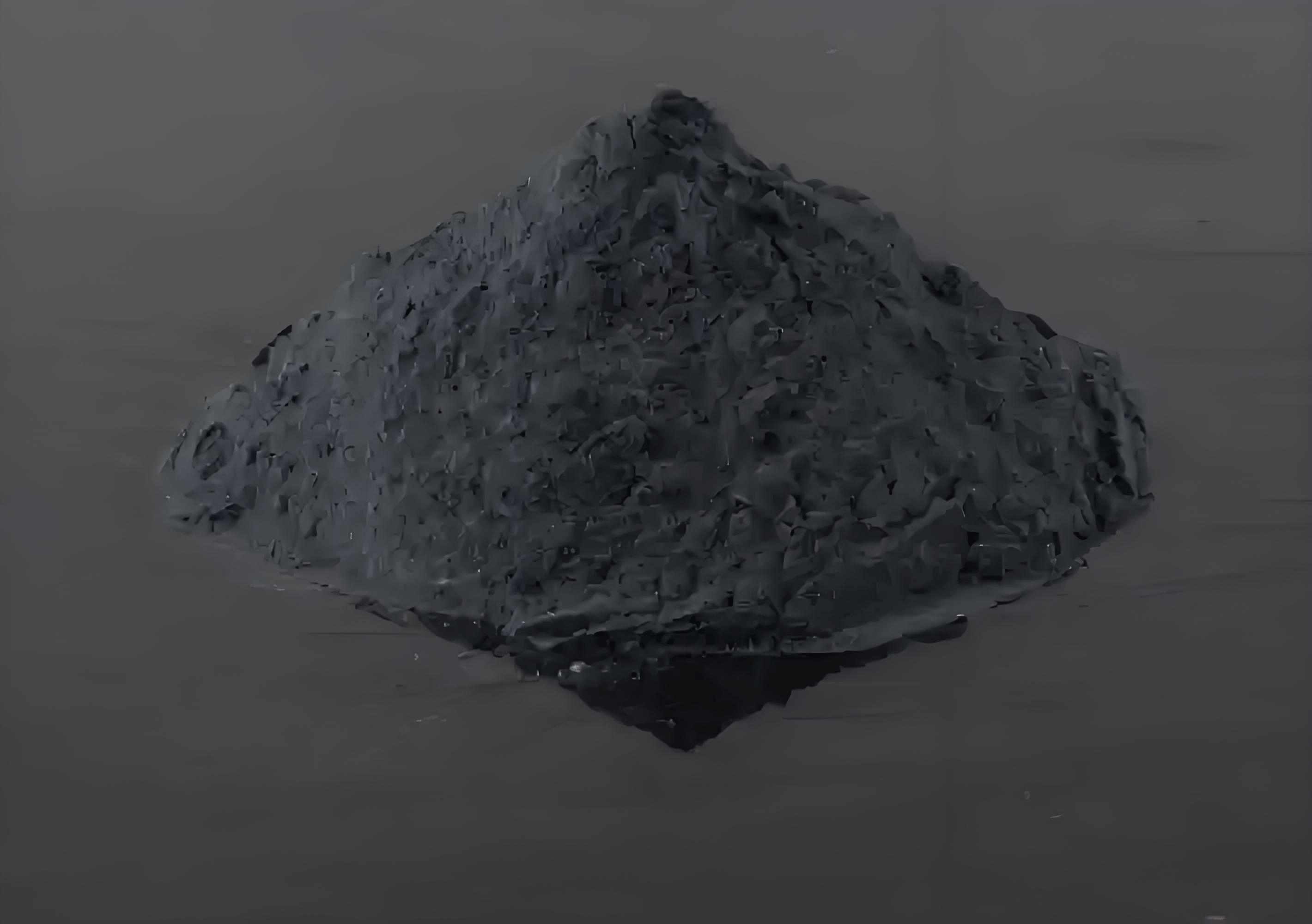
Core Viewpoint - The U.S. Department of Commerce has preliminarily ruled that Chinese key battery components, specifically active anode materials, are receiving substantial government subsidies, paving the way for potential anti-subsidy tariffs [1][3]. Group 1: Investigation and Tariff Details - The preliminary ruling on the anti-subsidy investigation for active anode materials from China was announced on May 20, with specific tax rates set for various companies, including 712.03% for Huzhou Kaijin New Energy and 6.55% for Panasonic [1]. - The investigation was initiated following a complaint from the U.S. Active Anode Materials Producers Alliance, which submitted a petition regarding subsidy issues on December 18 of the previous year [2]. - The final ruling by the U.S. Department of Commerce is expected on September 19, 2025, pending approval from the International Trade Commission (ITC), which will make its final decision on November 13, 2025 [1]. Group 2: Market Impact and Trade Relations - The U.S. relies heavily on Chinese imports for graphite, with 59% of its natural graphite and 68% of its synthetic graphite coming from China, amounting to approximately $350 million in imports in 2023 [3]. - The imposition of high tariffs on Chinese products could lead to increased costs for U.S. customers and exacerbate volatility in the global new energy supply chain [3]. - The U.S. has previously escalated tariffs on electric vehicle batteries and non-vehicle lithium batteries, with current rates at 58.4% and 40.9%, respectively, following a series of adjustments [4]. Group 3: Strategic Responses and Industry Outlook - Chinese lithium battery companies are advised to remain vigilant against geopolitical risks and trade protectionism, focusing on building resilient, localized supply chains [5]. - The competitive advantage of Chinese technology in the global market is emphasized, suggesting that while the U.S. may seek to reduce reliance on Chinese batteries, global automakers will continue to depend on Chinese technology [5].


中美鸡爪贸易大战
投资界· 2025-05-23 03:12
Core Viewpoint - The article discusses the impact of the US-China trade war on the import of chicken feet and pork by China, highlighting the challenges faced by importers and the shifting dynamics in the meat market due to tariffs and trade restrictions [3][4][7]. Group 1: Trade Dynamics - China is the largest importer and consumer of chicken feet and pork products globally, with the US being a significant supplier until recent tariff increases [3][7]. - The US imposed a 20% tariff on Chinese goods, followed by a 34% retaliatory tariff from China, leading to a cumulative tariff exceeding 140% on certain imports, severely affecting trade [6][7]. - In 2024, China imported nearly 450,000 tons of frozen chicken feet, with the US accounting for only 10% of this volume, indicating a shift towards other suppliers like Brazil [7][12]. Group 2: Importer Challenges - Importers like Yan Jun faced significant losses due to customs rejections and high tariffs, leading to decisions to redirect shipments to other markets like Vietnam and Singapore [5][6]. - The article highlights the emotional and financial toll on importers, with many feeling helpless as they navigate the complexities of the trade war [6][14]. - The reliance on US products is diminishing as Chinese importers seek alternatives from countries like Brazil, Argentina, and Spain, which are now entering the Chinese market [15][19]. Group 3: Market Trends - The price of pork by-products has risen significantly, with some products like pig trotters and intestines fetching high prices in the market, reflecting changing consumer preferences [13][14]. - The article notes that the demand for chicken feet in China has led to a global supply shortage, with various countries now exporting chicken feet to China [12][13]. - The competitive landscape is shifting, with US meat producers struggling to find alternative markets for their products, as the Chinese market was previously a major destination [12][18].

721%关税!美国再度针对中国锂电企业!
起点锂电· 2025-05-22 10:16
Core Viewpoint - The U.S. Department of Commerce has preliminarily ruled that Chinese key battery components, specifically active anode materials, are receiving substantial government subsidies, paving the way for potential anti-subsidy tariffs on these products [1][2]. Group 1: Preliminary Ruling and Tariff Implications - The preliminary ruling on May 20 indicates that companies like Huzhou Kaijin New Energy and Shanghai Shaosheng Knitted Sweat, which did not participate in the investigation, face a tariff rate of 712.03%, while Panasonic and other Chinese producers face a rate of 6.55% [1]. - Huzhou Kaijin New Energy, established in August 2017, has an effective production capacity of 250,000 tons of anode materials, with plans to increase capacity to 590,000 tons by the end of 2025 [1]. - The final ruling from the U.S. Department of Commerce is expected on September 19, 2025, pending approval from the International Trade Commission (ITC), which will make its final decision on November 13, 2025 [1]. Group 2: Industry Context and Competitive Landscape - U.S. graphite producers initiated the investigation, claiming that Chinese government subsidies artificially lower prices, making it difficult for them to compete [2]. - The U.S. relies heavily on China for graphite, importing 59% of its natural graphite and 68% of its synthetic graphite from China, with approximately $350 million worth of anode materials imported in 2023 [3]. - The increasing trade barriers may lead to higher costs for U.S. customers and exacerbate volatility in the global new energy supply chain [3]. Group 3: Broader Trade Policies and Protectionism - The U.S. has escalated tariffs on electric vehicle batteries and non-vehicle lithium batteries, with rates reaching 173.4% and 155.9% respectively, although these rates have been reduced recently [4]. - The U.S. House of Representatives passed a bill aimed at decoupling from Chinese battery suppliers, further indicating a strategy to weaken China's dominance in the battery supply chain [4]. - The ongoing trade tensions reflect a broader trend of protectionism in the U.S. and Europe, aimed at bolstering domestic industries against Chinese competition [5]. Group 4: Strategic Recommendations for Chinese Companies - Chinese lithium battery companies are advised to remain vigilant against geopolitical risks and trade protectionism, focusing on building resilient and localized supply chains [5]. - There is a need to create technological advantages to maintain a competitive edge in the global market, as highlighted by the statement from CATL's founder regarding the indispensable role of Chinese technology for global automakers [5].

大摩最新发声
Zhong Guo Ji Jin Bao· 2025-05-22 09:32
【导读】中美谈判超预期,人民币资产长期吸引力有望提升 日前,中美经贸高层会谈取得重要进展,将对中国宏观经济、股票市场带来哪些影响?市场资金趋势会 否出现变化? 近期,摩根士丹利中国首席经济学家邢自强接受媒体采访,对中国宏观经济的发展趋势进行了展望。他 认为,中美关税谈判结果超出预期,财政政策年内有望进一步发力拉动内需。 今年两会提出的一系列经济刺激政策,如消费品补贴、加大基建投资、扶持科技领域等,在推动经济发 展方面发挥了积极作用。建议适时推出补充性财政政策,例如,下半年再推出万亿元级别的额外财政支 持政策,以进一步拉动内需和消费。 王滢分析,从4月下旬开始,被动基金重新流入中国股市。随着市场情绪趋于稳定,叠加投资者对宏观 和资本市场投资环境的理性分析,境外投资者逐渐达成共识——全球贸易摩擦背景下,中国股市的可投 资性和相对吸引力受影响程度,相比其他市场要小得多。 王滢认为,当下关税降低对中国股市构成利好,中国上市公司的可投资性继续改善。背后逻辑是中国政 府重申优先发展宏观经济,强调民营企业营商支持政策,对全球投资者了解决策方向起到了正向引导作 用;上市公司净资产收益率触底反弹;中国在高科技领域的可投资性提升 ...
关税战打响!日欧效仿美国关税政策,对中国下手,加征小额包裹关税?
Sou Hu Cai Jing· 2025-05-22 08:57
日本和欧盟的加税政策,显然是在模仿美国的做法,试图通过这种方式来减缓中国商品的流入。日本政府所提出的理由是"保障公平竞争",而欧盟则以"监 管安全"为名,透明度有待追问。在这个背景下,更值得注意的是,他们的真正意图,无疑是希望借此阻止中国制造业在全球市场的进一步扩张。 不可否认的是,在中国制造业强大能力的威胁下,美西方的产业逐渐显得捉襟见肘。中国以其独特的优势,在劳动力成本和生产效率方面遥遥领先,令其商 品在国际市场上备受青睐。不少欧盟零售商甚至开始抱怨,中国的小包裹让他们处于"无机会"的境地,因此要求政府采取措施保护本土产业。 中美贸易摩擦暂时告一段落,然而在这片被阳光照耀的贸易场上,欧盟和日本却暗自筹划,准备对小额包裹施加新一轮的关税。这看似偶然的举动,其实早 已在国际关系的棋局中埋下了伏笔。 根据彭博社的报道,日本政府正在考虑修改其小额包裹的免税政策,计划对价值低于一万日元(约500人民币)的包裹征收10%的关税。而在另一边,欧盟 同样宣布了取消150欧元以下小额包裹免税政策的计划。若这一政策落地,欧盟将对每一个小包裹征收2欧元的费用,这一举措不仅引人遐想,更是释放出信 号:这背后的目的或许并非单纯的" ...
美国准备对中国电池材料下手,专家:美以补贴为借口,实质出于政治考量
鑫椤锂电· 2025-05-22 03:06
Core Viewpoint - The U.S. Department of Commerce has preliminarily ruled that Chinese key battery components, specifically active anode materials, are receiving substantial government subsidies, paving the way for potential anti-subsidy tariffs against China. This action is perceived as politically motivated rather than purely economic [1]. Group 1: Investigation and Findings - On May 20, the U.S. Department of Commerce announced its ruling on the investigation into active anode materials from China, claiming that two Chinese companies did not fully cooperate, leading to an assumption of a subsidy rate exceeding 700%, while other Chinese companies were estimated to have a subsidy rate of 6.55% [1]. - Active anode materials are crucial components in electric vehicle batteries, primarily composed of graphite and silicon, directly affecting battery performance, lifespan, and safety [1]. Group 2: Market Dependency and Supply Chain - Bloomberg reports that China supplies a significant portion of the world's graphite, with U.S. imports relying on China for 59% of natural graphite and 68% of synthetic graphite [1]. - The investigation into Chinese active anode materials began on December 18 of the previous year, initiated by a complaint from the U.S. Active Anode Materials Producers Alliance regarding subsidy issues [1]. Group 3: Legislative Actions - The investigation is separate from the broader tariffs imposed by the U.S. government on trade partners and differs from proposed additional tariffs on semiconductors and pharmaceuticals [2]. - In March, the U.S. House of Representatives passed the "Decoupling from Foreign Adversaries Act," which prohibits the Department of Homeland Security from purchasing batteries from six Chinese companies, including CATL and BYD, aiming to reduce China's dominance in the battery supply chain [2].

金砖国家第十五次经贸部长会议在巴西首都巴西利亚举行
news flash· 2025-05-22 01:59
Core Points - The 15th BRICS Economic Ministers' Meeting was held in Brasília, Brazil, focusing on enhancing practical economic cooperation among member countries [1] - The meeting emphasized the importance of implementing the consensus reached by leaders, particularly in areas such as green minerals, electronic bills of lading, standard cooperation, and digital green transformation [1] - Participants expressed strong concerns over the increase in unilateral tariffs and non-tariff measures, which distort trade and do not align with WTO rules [1] - There was a unanimous agreement among members to jointly uphold the multilateral trading system and resist unilateralism and trade protectionism, while safeguarding the legitimate rights and interests of developing members [1]
美国准备对中国电池材料下手,专家:美以补贴为借口,实质出于政治考量
Huan Qiu Shi Bao· 2025-05-21 23:03
Core Points - The U.S. Department of Commerce has preliminarily ruled that Chinese key battery components, specifically active anode materials, are receiving substantial government subsidies, paving the way for potential anti-subsidy tariffs [1][2] - The investigation into these subsidies began on December 18, 2022, following a complaint from the U.S. Active Anode Materials Producers Alliance [1] - Active anode materials are crucial for battery performance, lifespan, and safety, with China supplying a significant portion of the world's graphite, accounting for 59% of U.S. natural graphite and 68% of synthetic graphite imports [1] Industry Implications - The investigation is separate from broader tariffs imposed by the U.S. government on trade partners and is specifically targeting the battery supply chain [2] - The U.S. House of Representatives passed a bill in March aimed at reducing reliance on Chinese battery suppliers, indicating a strategic move to weaken China's dominance in the battery supply chain [2] - Chinese companies are noted for their competitive advantage due to high cost-performance ratios and a well-established supply chain, which allows them to produce quality products at lower costs [2]
日铁140亿美元收购美钢将收尾?日企赴美投资心态复杂
Huan Qiu Shi Bao· 2025-05-21 22:57
【环球时报记者 倪浩 环球时报驻日本特约记者 王天晴 李梓】编者的话:日本制铁公司与美国钢铁公司 之间的收购谈判进入最后关头。日本制铁表示,收购获得批准后,将对美国钢铁大规模投资。据《日本 经济新闻》21日汇总的信息,日本制铁此次的投资总额可能高达140亿美元左右,大幅超出此前承诺的 27亿美元。美国外国投资委员会(CFIUS)将在当地时间5月21日前完成对该交易的安全审查,美国总 统特朗普将于6月初作出最终裁定。成立于1901年的美国钢铁公司曾为美国工业化立下"汗马功劳",但 近年来经营状况不佳。有分析认为,此收购案历经长期"拉扯"折射出美国政策对于日本等国企业赴美投 资的复杂影响,在日美即将开启新一轮关税谈判之际,此案的进展备受关注。 " 如果美国钢铁成为日本制铁子公司就不会沦落至此 " 日本广播协会网站(NHK)20日援引日本官员的话称,日本制铁公司在与美国政府的讨论中表示,如 果收购计划以美国钢铁成为日本制铁全资子公司的形式获得批准,该公司将落实这笔巨额投资。英国 《金融时报》20日报道称,2023年12月,日本制铁宣布计划以超过140亿美元的价格收购美国钢铁,如 今这一交易价格几乎不变,但投资额却翻 ...