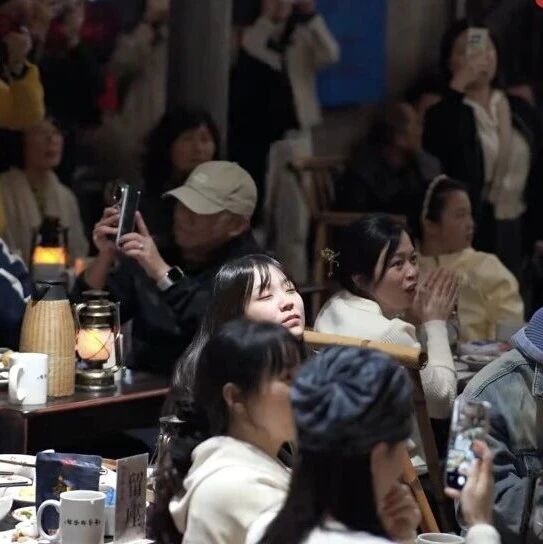
情绪消费

Search documents
“糕点铺”开卖东北菜Bistro:老字号的“业态跨界”是蓝海还是险棋?
东京烘焙职业人· 2026-01-19 08:33
Core Insights - The article discusses the opening of FENG FULL, a bistro focusing on Northeast cuisine, by the traditional brand Lao Ding Feng, highlighting the contrast between modern dining trends and traditional food brands [1][4][19]. Group 1: Company Background - Lao Ding Feng, a brand with a history dating back to the Qing Dynasty, has established over 80 specialty stores and is present in more than 200 supermarkets, creating a robust sales network that includes both offline and online channels [2][4]. - The brand's transition from a pastry-focused business to a bistro model signifies a strategic move to innovate and adapt to current market trends [4][9]. Group 2: Market Dynamics - The bistro sector is experiencing growth driven by consumer demand for social dining experiences, with a focus on ambiance and aesthetic presentation, appealing particularly to younger demographics [13][22]. - The Northeast cuisine market is primarily dominated by traditional home-style restaurants, presenting an opportunity for FENG FULL to differentiate itself with a modern twist on regional flavors [19][21]. Group 3: Consumer Behavior - A significant portion of consumers (29.6%) are willing to try new restaurants if the price is right, indicating a strong appetite for novel dining experiences [19]. - The article notes that the bistro's unique approach to Northeast cuisine could create memorable dining experiences, potentially attracting curious consumers [19]. Group 4: Challenges and Considerations - The transition to a full-service restaurant model poses challenges, including supply chain complexities and the need for a comprehensive service experience, which differs from the standardized production of pastries [20][26]. - The sustainability of the bistro's appeal will depend on maintaining product quality and consumer interest beyond initial novelty, as the market may shift towards more rational consumption patterns [20][26].

零售、旅游等大消费板块拉升,国务院研究加快培育服务消费新增长点等促消费举措
Jin Rong Jie· 2026-01-19 02:33
Group 1 - The retail and tourism sectors are experiencing a surge, with notable stock increases such as Xinhua Department Store reaching the daily limit and Guangbai Co. rising over 7% [1] - The State Council's executive meeting discussed measures to boost consumption, emphasizing the need to cultivate new growth points in service consumption and enhance the quality of service supply [1][2] - The meeting highlighted the importance of establishing a long-term mechanism for consumption promotion, including the implementation of the "14th Five-Year" plan and urban-rural income increase initiatives [1][2] Group 2 - Experts indicate that service consumption is a key driver for domestic demand expansion and economic transformation, with strong potential for job creation and industrial upgrades [2] - The meeting's proposed measures aim to integrate service consumption with income growth and market environment optimization, enhancing consumer capacity and willingness [2] - The Shanghai "14th Five-Year" plan suggests implementing strategies to expand domestic demand, promote green and smart consumption, and encourage innovative consumption formats [2] Group 3 - Reports indicate that the emotional consumption market in China is expected to reach 2.72 trillion yuan by 2026, indicating significant growth potential [3] - Offline brands are accelerating the creation of immersive consumption spaces through IP collaboration and store transformation to further stimulate consumer enthusiasm [3]
情绪消费、体验消费、绿色消费齐头并进多机构预计2026年消费市场将迎三大趋势
Xin Lang Cai Jing· 2026-01-18 21:31
Core Trends - The consumer market is expected to see three major trends by 2026: increased demand for differentiated experience services, growth in "self-pleasing" consumption, and the rise of green consumption [1][2]. Differentiated Experience Services - Consumers are increasingly seeking differentiated experiences and services, prompting many companies to invest more in offline experiences and establish emotional connections with consumers [2][3]. - Brands must provide stable product quality and respond to new lifestyle characteristics to build differentiation and trust, while offering a high-quality omnichannel shopping experience [3]. "Self-Pleasing" Consumption - Emotional consumption and the "self-pleasing" mindset are emerging as new trends, with many young consumers using spending to alleviate anxiety [2]. - The emotional consumption market in China is projected to reach 27.2 trillion yuan by 2026, with expectations to exceed 45 trillion yuan by 2029 [2]. Green Consumption - Green consumption is becoming a focal point for industry transformation, supported by policies that encourage consumers to purchase energy-efficient appliances and vehicles [5][6]. - The automotive sector is being guided towards green consumption through trade-in policies that promote low-carbon vehicles, with nearly 60% of new car purchases expected to be electric by 2025 [6]. - Many foreign car manufacturers are accelerating their transition to green technologies, as evidenced by significant price reductions for electric vehicles in the Chinese market [6].
“委屈脸”引发共鸣“哭哭马”意外火了
Xin Lang Cai Jing· 2026-01-18 18:28
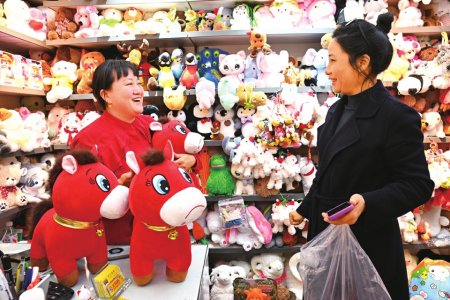
Core Insights - The "Crying Horse" plush toy, initially a production flaw, unexpectedly became a viral sensation in early 2026, highlighting the emotional connection consumers have with imperfect products [8][9][11] Group 1: Product and Market Dynamics - The "Crying Horse" toy, which features a downturned mouth due to a sewing error, resonated with consumers, transforming a defect into a symbol of emotional expression [9][10] - The toy's popularity has led to increased demand, prompting manufacturers in Yiwu to rapidly scale production from two to over ten production lines, achieving a daily output of 15,000 units [15] - The combination of the "Crying Horse" and its counterpart, the "Laughing Horse," has attracted international orders from countries like Russia and South Africa, indicating a growing global market for these emotionally resonant products [15] Group 2: Consumer Behavior and Emotional Value - The rise of the "Crying Horse" reflects a shift in consumer preferences towards products that offer emotional value and relatability, particularly among younger demographics [12][13] - Consumers are increasingly drawn to the "Crying Horse" not just for its cute design but for its ability to evoke feelings of empathy and connection, serving as a vessel for emotional release [13][14] - The phenomenon illustrates a broader trend in the market where imperfections and unexpected qualities can enhance a product's appeal, aligning with the desire for authenticity in consumer goods [12][13] Group 3: Manufacturing and Supply Chain Agility - The rapid response of manufacturers in Yiwu to capitalize on the "Crying Horse" trend demonstrates the effectiveness of the local supply chain and production capabilities [15] - The ability to quickly adapt production lines and meet consumer demand reflects a shift in Chinese manufacturing from traditional mass production to flexible, demand-driven manufacturing [15] - This agility in recognizing and responding to market opportunities is crucial for small and medium-sized enterprises in navigating changing consumer landscapes [15]
行业周报:钱大妈递表港交所,“折扣日清”打造模式特色-20260118
KAIYUAN SECURITIES· 2026-01-18 08:43
Investment Rating - The industry investment rating is "Positive" (maintained) [1] Core Views - The report highlights the competitive advantage of Qian Dama through its "community small store + daily clearance mechanism + warehouse and cold chain" model, which enhances supply stability and operational efficiency [3][24][35] - The report emphasizes the importance of emotional consumption themes and identifies high-quality companies in high-growth sectors, recommending specific companies across various segments [6][37] Summary by Sections Industry Overview - The retail and social service indices reported a decline of 1.47% and an increase of 1.53% respectively during the week of January 12-16, 2026 [5][13] - The internet e-commerce sector showed the highest growth, with a year-to-date increase of 11.18% [16][19] Company Highlights - Qian Dama has submitted its IPO application to the Hong Kong Stock Exchange, focusing on fresh food retail in the South China market, with a GMV of 9.8 billion yuan in 2024, significantly outperforming its competitors [24][25] - The company operates 2,983 stores, with 2,898 being franchise stores, contributing over 90% of its revenue [25][31] - The report recommends several companies based on their performance and market positioning, including: - Chaohongji, expected to achieve a net profit of 436-533 million yuan in 2025, driven by brand upgrades and channel expansion [39][43] - Meilitiantian Medical Health, projected to see a revenue increase of 28.2% in FY2025H1 [39] - Zhou Dafu, focusing on product structure optimization and store upgrades [39] Investment Themes - Investment Theme 1: Focus on high-end gold and fashion jewelry brands, recommending Chaohongji and Laopu Gold [6][37] - Investment Theme 2: Emphasize retail companies adapting to trends and AI-enabled cross-border e-commerce leaders, recommending Yonghui Supermarket and Aiyingshi [6][37] - Investment Theme 3: Highlight domestic beauty brands that meet emotional value and safety innovation, recommending Maogeping and Pola [6][37] - Investment Theme 4: Focus on differentiated medical beauty product manufacturers and leading medical beauty institutions, recommending Meilitiantian Medical Health and Aimeike [6][37]


从TOP TOY招股说明书,看潮玩集合品牌的增长空间
Changjiang Securities· 2026-01-18 07:38
Investment Rating - The report maintains a "Positive" investment rating for the industry [4] Core Insights - The Chinese潮玩 (trendy toy) industry is experiencing significant growth, with TOP TOY projected to achieve a GMV of 2.4 billion RMB in 2024, reflecting a compound annual growth rate (CAGR) of over 50% from 2022 to 2024 [10] - The global潮玩 market is expected to reach 38 billion USD by 2024, with a CAGR of 14% from 2019 to 2024, indicating a shift towards emotional consumption [11] - TOP TOY's business model leverages its parent company's retail expertise and emphasizes self-developed products, aiming for a self-research product ratio of over 50% by 2024 [12] Industry Growth - The潮玩 industry is witnessing a transition from functional attributes to emotional consumption, with strong growth in搪胶毛绒 (PVC plush) and手办 (figurines) categories [11] - By 2024, the Chinese潮玩 market is expected to account for 22% of the global market, increasing to 28% by 2030 [11] - The competitive landscape is characterized by a few dominant players, with TOP TOY ranked as the third-largest潮玩 retailer in China [28] Company Overview - TOP TOY has established a comprehensive IP matrix, combining self-owned, licensed, and third-party IPs to drive product diversity [57] - The company is expanding its international presence, with plans to open stores in Asia, including Japan and Southeast Asia [12][89] - TOP TOY's revenue is projected to reach 1.9 billion RMB in 2024, with a net profit of 294 million RMB, reflecting a year-on-year growth of 38% [10][12] Financial Performance - TOP TOY's revenue growth is supported by a strong increase in self-developed products and a diversified product matrix, with a significant portion of revenue coming from self-owned IPs [41][57] - The company is expected to achieve a net profit margin of 38% in 2024, indicating effective cost management and operational efficiency [12][44] Market Dynamics - The盲盒 (blind box) segment is projected to dominate the潮玩 market, with an expected market size of 58 billion RMB by 2025, accounting for 65% of the global market share [33][36] - The pricing strategy for盲盒 is shifting towards higher-end products, with a significant portion of sales occurring in the 50-200 RMB range [34] - The consumer demographic for盲盒 is predominantly young, with 40% of buyers aged 18-24, highlighting the importance of targeting this age group [35]

赶大集,何以成为年轻人的新潮流?
Xin Lang Cai Jing· 2026-01-17 13:35
Core Insights - The resurgence of traditional markets, particularly among young consumers, highlights a shift towards experiential and emotional consumption, moving away from purely transactional interactions [1][3][5] - The emotional consumption market in China has reached a scale of 2.31 trillion yuan, indicating a significant demand for experiences that evoke nostalgia and personal connections [3] - The integration of cultural elements and local heritage into market experiences is driving foot traffic and engagement, showcasing a new model for the transformation of the实体经济 [5][8] Group 1: Market Trends - Traditional markets are experiencing a revival, attracting large crowds and significant online engagement, with events like the Ningxia Jin Gui market seeing over 30,000 visitors in a single day and nearly 100 million yuan in transactions [1][3] - Young consumers are increasingly drawn to these markets for their authentic experiences, which include local food, cultural performances, and a sense of community [1][3][5] - The trend reflects a broader cultural shift where young people seek meaningful interactions and emotional connections in their consumption habits [3][5] Group 2: Cultural Integration - Markets are evolving into cultural spaces that blend commerce with local traditions, as seen in the planning of events that combine non-material cultural heritage displays with shopping and entertainment [5][8] - Young entrepreneurs are playing a crucial role in transforming traditional markets by introducing innovative ideas and creative packaging of local products, thus enhancing the cultural narrative of these spaces [5][8] - The balance between authenticity and innovation is essential for sustaining the appeal of these markets, ensuring they do not become mere photo opportunities for visitors [6][8]
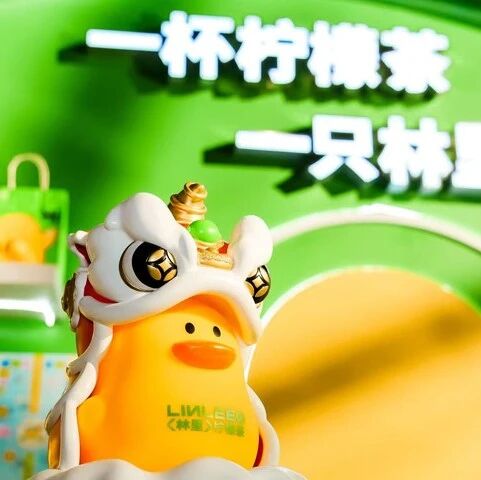
一年卖出27亿,柠檬茶品牌「林里LINLEE」获数千万融资丨36氪独家
36氪· 2026-01-17 01:12
Core Viewpoint - The article discusses the recent financing of the lemon tea brand "LINLEE," highlighting its growth trajectory, market positioning, and strategic initiatives to enhance brand value and operational efficiency [6][10]. Financing and Valuation - "LINLEE" has completed a multi-million A round financing led by Qianhai Ark Fund, with a valuation nearing 1 billion [6]. - The funds will be used for brand building, supply chain upgrades, and organizational improvements [6]. Market Presence and Growth - "LINLEE" currently operates over 1900 stores across 31 provinces and 200+ cities, with a projected GMV of 2.7 billion by 2025 [7]. - The brand's focus remains on the domestic market, as the chain rate for lemon tea is only about 10%, compared to 30%-40% for milk tea [10]. Supply Chain and Product Strategy - "LINLEE" has established a robust supply chain, including a partnership with a 30,000-acre lemon orchard and a self-built sorting center with a daily capacity of 40 tons [12]. - The brand has developed a strong product matrix, with key products achieving annual sales of 20 million cups for signature lemon tea and 12 million cups each for two other variants [12]. Consumer Engagement and Emotional Branding - The introduction of the "little yellow duck" as a promotional item has significantly contributed to brand growth, with over 110 million units distributed in 2025 [13]. - The brand aims to create emotional connections with consumers, enhancing customer loyalty and repeat purchases [14]. IP Development and Future Plans - "LINLEE" has launched a new IP character, "LINLI Duck," which will undergo systematic development to create a comprehensive brand universe [16]. - The strategy includes diversifying product offerings beyond beverages to enhance emotional consumption and brand differentiation [17].
“青年行动全球连线”:中外创客分享创业经验
Xin Lang Cai Jing· 2026-01-16 23:10
日前,一场以"情绪消费与青年创新创业"为主题的"青年行动全球连线"活动在上海举行。5名中外青年 创业者进行路演展示,全国青联常委、上海益社公益文化发展中心理事长李磊,全球青年发展行动计划 特邀导师邢哲铭与参会代表进行对话交流。本次活动由全国青联主办,中国青年报社、KAB全国推广 办公室、上海益社公益文化发展中心承办。 从拉布布的全球流行到"哭哭马"的意外走红,情绪消费正在渗透青年生活的多个场景,已成为青年消费 结构的重要组成部分。 在项目路演结束后,来自复旦大学、同济大学的中外青年代表围绕情绪消费主题,分享了各自的经验、 观点和体会。 本次活动是"青年行动全球连线"系列活动的第二期活动。"青年行动全球连线"系列活动旨在为全球青年 发展行动计划和全球青年发展项目周遴选储备青年发展典型项目,汇聚落实全球发展倡议和联合国2030 年可持续发展议程的青年行动先锋。本次活动以线上线下结合的方式举行,并在国内外平台进行直播。 来源:中国青年报 回国创业的留学生邹淙菲介绍了"'今日拍报'智能自助拍照设备"项目。这是一款能生成个性化"旅行报 纸"的智能设备,能够通过新颖的版式和有趣的文案,将转瞬即逝的旅途瞬间,转化为可触摸、 ...

到底是谁还在花钱?
创业家· 2026-01-16 10:16
Core Insights - Emerging markets are beginning to dominate consumer discourse, with cities like Changsha leading new consumption trends due to a combination of reasonable income and leisure time [4][8][20] - The shift in consumer behavior is characterized by a move from seeking external validation to pursuing self-value and emotional fulfillment, marking the beginning of China's fifth consumption era [22][24] Group 1: Consumption Trends - Cities like Changsha and Guiyang are becoming consumption leaders, with Changsha's comedy clubs and tea houses attracting significant foot traffic and demonstrating a willingness to spend on leisure [10][11][18] - The coffee culture in Guiyang has flourished, with over 3,000 coffee shops catering to a population of about 6 million, indicating a strong local demand for quality products [18] - Other cities like Yibin and Bengbu are also showing unique consumption patterns, such as high demand for fresh salmon and specialty cakes, reflecting a desire for quality and novelty in daily life [19][20] Group 2: Emotional and Health-Oriented Consumption - Emotional consumption is becoming a significant driver, with the market expected to grow from 2.31 trillion yuan in 2024 to 2.72 trillion yuan in 2025, and surpassing 4.5 trillion yuan by 2029 [24] - Health-conscious consumption is on the rise, with 71% of consumers actively researching product ingredients, leading to increased sales of health-oriented products [26][29] - The trend of "self-reward" is evident, with sales of flowers and desserts increasing, indicating a shift towards more diverse and emotionally fulfilling purchases [25] Group 3: Market Dynamics and Brand Strategies - The consumer base is shifting from first-tier cities to emerging markets, with retail growth in lower-tier cities outpacing that of major urban centers [35][38] - Brands like Domino's Pizza are successfully tapping into these markets by offering affordable and innovative products, achieving record sales in new locations [40] - Retailers like Hema are expanding into new cities, focusing on high-end products to meet the evolving demands of consumers in these regions [41][45] Group 4: Supply Chain Innovations - Hema has established a robust supply chain with multiple centers and direct sourcing bases, enabling efficient distribution of fresh products to emerging markets [45] - The company is transforming local specialties into urban bestsellers, demonstrating the potential for regional products to gain national traction [45][46] - This new retail model positions companies as essential infrastructure, connecting global supply chains with local consumer needs [46]