
数实融合

Search documents
世纪华通谢斐:以长期主义应对挑战,游戏出海需文化适配
Zhong Guo Jing Ying Bao· 2025-12-20 02:19
Core Insights - The core viewpoint presented by the company emphasizes the importance of long-term certainty in addressing multiple challenges in the gaming industry, particularly in the context of globalization and technological advancements [1][2]. Group 1: Global Market Expansion - The company aims to focus on expanding its global market presence, particularly through the export of Chinese games, which is seen as a way to share Chinese culture with global players rather than merely seeking profits [1]. - The standards for "going global" should not be one-size-fits-all; instead, they should incorporate Chinese cultural values, technical safety norms, and value-oriented guidelines as foundational standards [1]. Group 2: AI Technology Integration - The gaming industry is recognized as a critical arena for technological innovation, particularly in the context of the current AI wave, where the demand for AI applications is driving accelerated implementation [2]. - The company believes that a sense of mission is essential for gaming enterprises to transcend short-term technical applications and uncover deeper social value within the industry [2]. Group 3: Digital-Physical Integration - The company advocates for a forward-looking approach in the realm of digital-physical integration, suggesting that focusing on short-term financial returns is less effective than transforming exploration into trusted value assets [2]. - This long-term coexistence of responsibility and profit is expected to yield policy benefits and brand recognition, ultimately leading to new growth trajectories that balance commercial value with social significance [2].



世纪华通谢斐:以长期主义的确定性应对多重挑战
Zhong Guo Jing Ying Bao· 2025-12-20 01:33
Group 1 - The core viewpoint presented by the president of Century Huatong emphasizes the importance of long-term certainty to address multiple challenges in the new era of the gaming industry [2] - The company aims to focus on expanding its global market presence through game exports, leveraging AI technology to enhance productivity, and deepening the integration of digital and physical realms for high-quality development [2][3] - The essence of China's game export is not merely to generate overseas profits but to share Chinese culture's joy, kindness, and wisdom with global players [2] Group 2 - The gaming industry has evolved beyond being just an entertainment medium, now serving as a testing ground for cutting-edge technology and a incubator for cultural innovation, particularly in the context of the current AI wave [3] - The high demand for AI technology within gaming companies accelerates the application of AI, which in turn enhances the social value of the technology as it matures [3] - The company believes that focusing on long-term value rather than short-term financial returns in the integration of online and offline gaming will lead to trust and recognition, ultimately creating new growth opportunities that balance commercial value with social significance [3]
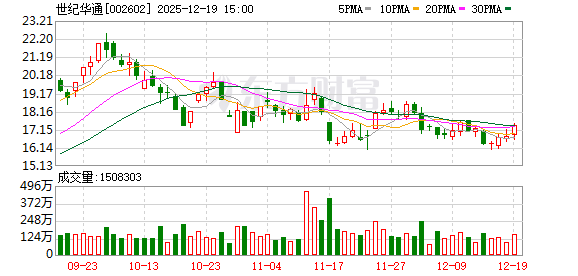
世纪华通谢斐:游戏出海要秉持共赢思维
Xin Hua Cai Jing· 2025-12-19 10:35
Core Viewpoint - The gaming industry must adopt a long-term perspective to address multiple challenges in the new era, focusing on global market expansion, AI technology integration, and deepening the fusion of digital and physical realms for high-quality development [2]. Group 1: Market Insights - The actual sales revenue of the domestic gaming market is projected to reach 350.79 billion yuan by 2025, representing a year-on-year growth of 7.68% [2]. - The industry faces challenges such as geopolitical fluctuations and changing consumer demands, which hinder high-quality advancement [2]. Group 2: Cultural and Market Adaptation - The essence of China's gaming expansion overseas is not merely profit generation but sharing Chinese culture's joy, kindness, and wisdom with global players [3]. - Gaming companies should avoid a one-size-fits-all approach and instead adapt to overseas market demands by aligning narrative styles with foreign user habits and respecting local cultural customs [3]. Group 3: Technological Integration - The gaming industry has evolved beyond mere entertainment, becoming a testing ground for cutting-edge technology and a incubator for cultural innovation, with clear pathways for driving new productive forces [3]. - The high demand for AI technology within gaming companies accelerates the application of AI, leading to a value leap in the integration of digital and physical realms [3]. Group 4: Long-term Value Creation - Focusing on short-term financial returns in extending gaming from online to offline is unproductive; instead, companies should transform this exploration into trusted value assets, fostering a long-term coexistence of responsibility and profit [4].
世纪华通谢斐:以长期主义的确定性来回答新时代的多重挑战
Zheng Quan Shi Bao Wang· 2025-12-19 10:04
Core Viewpoint - The Chinese gaming industry is entering a prosperous cycle driven by policy support and ample supply of licenses, with projected actual sales revenue of 350.79 billion yuan in 2025, reflecting a year-on-year growth of 7.68% [2] Group 1: Industry Growth and Challenges - The rapid development of the gaming industry faces multiple challenges, including geopolitical fluctuations and changing consumer demands, which hinder high-quality advancement [2] - The exploration and responsibility of leading companies are crucial in addressing the complex issues of industry development [2] Group 2: Global Expansion and Cultural Exchange - The essence of China's gaming expansion abroad is not merely to profit from overseas markets but to share Chinese culture and values with global players, aligning with the concept of a community with a shared future for mankind [3] - The standards for "going global" should not be one-size-fits-all but should incorporate Chinese cultural spirit, technical safety norms, and value-oriented bottom lines as foundational standards [3] Group 3: New Productive Forces and AI Integration - The gaming industry is seen as a critical player in the current wave of artificial intelligence, with high demand for AI applications accelerating their implementation [4] - Companies in the gaming sector should embrace a sense of mission to explore deeper social values beyond short-term financial returns, thereby enhancing their role in the integration of digital and physical realms [4] Group 4: Long-term Strategies for Sustainable Development - The proposed long-term strategies by industry leaders, focusing on win-win global expansion, mission-driven empowerment of new productive forces, and balancing the value of digital-physical integration, provide valuable guidance for high-quality industry development [4]
聚焦游戏赋能多场景应用 2025中国游戏产业年会“游戏+”分论坛举行
Huan Qiu Wang· 2025-12-19 05:05
Core Insights - The "Game+" forum held in Shanghai aims to explore the dual value of gaming in driving industry innovation and fulfilling social responsibility [1] - The gaming industry is increasingly integrating into various sectors such as healthcare, cultural tourism, and education, becoming a bridge between technology and culture [1] Group 1: Industry Trends - The "Game+" concept is creating new consumption scenarios, transforming cities into "open worlds" for exploration and experience [3] - MiHoYo's initiatives in Shanghai, including the "元界" district and various events, have attracted significant attendance, indicating the potential of digital IP as a new urban infrastructure [3] - The report on the digital activation of intangible cultural heritage highlights three dimensions: character, environment, and action, showcasing how gaming can enhance cultural engagement [5] Group 2: Technological Integration - Unity China is developing tools for various industries, including automotive and smart cities, facilitating the integration of gaming technology into these sectors [7] - AI technology is being leveraged to enhance game development efficiency, with significant reductions in development cycles reported [9] Group 3: Health and Wellness Applications - Tencent's "Brain Training" game targets mild cognitive impairment, achieving a 98% completion rate in clinical trials, indicating the potential for gaming in health interventions [12] - A new tabletop game designed for social psychological healing aims to address common mental health issues among youth through structured interaction [14] Group 4: Sustainability and Social Responsibility - The gaming industry is expanding its value boundaries by promoting sustainable development through initiatives like "SDG Hero" and the Game For Good platform [16] - The "Green Game Jam" project encourages developers to create engaging content that promotes environmental action among players [20] - Games are evolving from mere content carriers to catalysts for social goodwill and environmental action, as demonstrated by various case studies [22]
天亿马:近期公司成功入选第二批数字化牵引单位
Zheng Quan Ri Bao Wang· 2025-12-18 10:43
Core Viewpoint - Tianyima (301178) is actively supporting the national "expand domestic demand" strategy through its self-developed digital technology platform, focusing on the textile and apparel industry for digital transformation [1] Group 1: Digital Transformation Initiatives - In May 2024, Tianyima was selected as one of the first digital traction units and is the only industry chain traction enterprise in the textile and apparel sector [1] - The company provides in-depth digital solutions for multiple textile, apparel, and fashion trade enterprises, including intelligent production systems for real-time monitoring and flexible production scheduling [1] - Tianyima also offers smart warehousing and supply chain management platforms to accurately control production progress, aiding enterprises in achieving full-chain digital transformation [1] Group 2: Focus on Health and Food Industries - Recently, Tianyima was selected as a second batch digital traction unit, focusing on the digital transformation of the health and modern food industries [1] - The company aims to enhance operational efficiency, accurately meet market demands, and improve the digital capabilities of products in circulation and consumption [1] - Tianyima plans to deepen its digital empowerment in the consumer goods manufacturing and distribution sectors, promoting the "integration of digital and real" in traditional industries to contribute to a high-quality domestic demand system [1]
天亿马(301178.SZ):已为多家纺织服装及服饰贸易企业提供深度数字化解决方案
Ge Long Hui· 2025-12-18 07:51
Core Viewpoint - Tianyima (301178.SZ) is leveraging its self-developed digital technology platform to actively support the implementation of the national "expand domestic demand" strategy in the industrial sector [1] Group 1: Digital Transformation Initiatives - In May 2024, Tianyima was selected as one of the first digital traction units and is the only industry chain traction enterprise in the textile and apparel sector, fully advancing digital transformation efforts [1] - The company has provided in-depth digital solutions for multiple textile, apparel, and fashion trade enterprises, focusing on intelligent production systems that enable real-time monitoring of all processes and flexible production scheduling [1] - Additionally, Tianyima offers smart warehousing and supply chain management platforms to accurately control production progress, assisting enterprises in achieving comprehensive digital transformation across the entire supply chain [1] Group 2: Future Focus and Industry Impact - Recently, the company was successfully included in the second batch of digital traction units, with a focus on the digital transformation of the health and modern food industries, enhancing operational efficiency and aligning closely with market demands [1] - Tianyima aims to strengthen the digital capabilities of products in circulation and consumption, effectively responding to the "expand domestic demand" policy orientation [1] - The company plans to continue deepening its digital empowerment in the consumer goods manufacturing and distribution sectors, promoting the "integration of digital and real" in more traditional industries, contributing to the establishment of a high-quality domestic demand system [1]
杭州何以打造“296X”先进制造业集群
Mei Ri Shang Bao· 2025-12-18 06:40
Group 1 - The establishment of China's first offshore reusable rocket recovery base in Qiantang District marks a significant step for Hangzhou's advanced manufacturing sector, with the first reusable rocket "Qiantang Arrow" expected to launch by the end of next year [1] - Hangzhou aims to develop the "296X" advanced manufacturing cluster, focusing on integrating new technologies and industries to enhance its manufacturing capabilities and establish itself as a global advanced manufacturing hub [1][2] - The city has achieved notable milestones in manufacturing, including being recognized as a leader in high-quality development and having 42 national-level "single champion" enterprises, ranking first among provincial capitals [2][3] Group 2 - The "296X" cluster includes two major industry groups (artificial intelligence and visual intelligence), nine key industry clusters (such as robotics, biomedicine, and new energy equipment), and future industries (like aerospace and quantum technology) [4] - Hangzhou's visual intelligence industry generated revenue of 710.4 billion yuan in the first three quarters of this year, reflecting a year-on-year growth of 14.4% [4][5] - The city is actively promoting the development of intelligent robots and other smart terminals, aiming to establish a leading position in this sector with significant investments and initiatives [5][6] Group 3 - The introduction of "New Force" enterprises, focusing on technology-driven innovation, aims to cultivate a core group of companies with explosive growth potential in emerging sectors [6] - Hangzhou plans to nurture world-class enterprises and a significant number of specialized small and medium-sized enterprises by 2027, with targets including four world-class companies and 55 national manufacturing champions [6][7] - The city is enhancing innovation carriers to facilitate the transition from laboratory to mass production, with several pilot bases established for AI medical applications and humanoid robots [7] Group 4 - In the first ten months of this year, the industrial output growth of the "296X" advanced manufacturing cluster exceeded the overall industrial growth by 2.3 percentage points, with several clusters achieving over 20% growth [7][8] - The focus on high-quality development in manufacturing is part of Hangzhou's broader strategy to reshape its economic landscape and drive future growth [8]


济南市莱芜区:要素市场化改革赢得高质量发展“满盘活”
Zhong Guo Fa Zhan Wang· 2025-12-17 11:18
Core Insights - Jinan's Laiwu District is focusing on becoming an advanced manufacturing center in the Yellow River Basin and a sub-center city, utilizing market-oriented reforms to stimulate regional development [1] Group 1: Land Resource Management - The district adheres to the principle of "protection first, intensive use," implementing a combination of strict red line policies, revitalizing existing land, and standard land supply [2] - During the 14th Five-Year Plan, a total of 302 land supply projects covering 25,464 acres were completed, generating revenue of 10.1 billion [2] - The district has established a lifecycle management mechanism for idle land, resolving 27 cases of idle land covering 1,636 acres over the past five years [2] Group 2: Talent and Innovation - A system focusing on "employment first, skills training, and entrepreneurship empowerment" has been developed to enhance innovation [3] - The district has conducted targeted skills training for 116,000 individuals, resulting in 43,300 new urban jobs and attracting over 20,000 young talents [3] - A comprehensive R&D platform has been established, including various national and provincial innovation centers, to support industrial upgrades [3] Group 3: Financial Services - A financial service system has been established to connect capital with the real economy, involving financial specialists and government-enterprise cooperation [4] - The district has conducted 2,732 enterprise visits, resulting in 944 credit agreements and financing projects totaling 20.476 billion [4] - Over 14,000 enterprises and individual businesses have received loans exceeding 2.6 billion [4] Group 4: Data Resource Management - The district is focusing on data as a new production factor, establishing a comprehensive management system to convert data resources into assets [6] - A total of 4,776 5G base stations have been built, achieving a 95% coverage rate in administrative villages, facilitating data flow [6] - The district has initiated digital transformation projects across 327 industrial enterprises, achieving a coverage rate of over 75% [6]
关键词读懂“十五五”|乘“数”而上:数实融合催生新质生产力
Yang Guang Wang· 2025-12-17 03:59
Group 1 - The core viewpoint emphasizes the importance of integrating digital economy with the real economy, as highlighted in the recent guidelines from the Central Committee of the Communist Party of China [1] - Jiangsu province is recognized for its leading position in digital economy scale and quality, aiming to become the "first province in digital and real economy integration" [1][6] - Suqian city serves as a model for transforming traditional agriculture into a thriving e-commerce hub, showcasing the vitality of the digital economy in lower-tier markets [1][2] Group 2 - Suqian's digital economy is characterized by significant growth, with a compound annual growth rate exceeding 30% for a local pet supplies company, reflecting a successful transition from traditional manufacturing to digital branding [2] - The city has established itself as an "e-commerce city," with over 30,000 e-commerce enterprises and 132,000 active online stores, projecting an e-commerce transaction volume of 280 billion yuan in 2024 [2] - The presence of major players like JD.com has catalyzed the digital transformation of Suqian, leading to the establishment of multiple e-commerce demonstration bases and a workforce of 600,000 in related sectors [2][3] Group 3 - Suqian's e-commerce economy is rooted in local industry advantages, with a focus on developing an "e-commerce + industry belt" to enhance its foundational strengths [3] - The city is transitioning from an e-commerce hub to a smart city, with a focus on integrating digital technologies such as artificial intelligence and data collection into its core industries [4] - Suqian has become a leading center for data annotation in East China, with 15 data annotation companies and a projected revenue of 1.2 billion yuan by 2025 [4] Group 4 - Jiangsu province's digital economy has surpassed 5 trillion yuan, with core industries contributing 1.45 trillion yuan, accounting for 11.4% of the regional GDP [6] - The provincial government has outlined a three-year action plan aiming for a significant increase in the value added by digital economy core industries to 1.8 trillion yuan by 2027 [6] - The focus is on enhancing the digital transformation of manufacturing, promoting cloud computing and industrial internet platforms, and fostering innovation through collaboration in the Yangtze River Delta region [6]
