
数字经济

Search documents
城市高质量发展与国际合作大会探寻多元协同创新实践路径
Xin Lang Cai Jing· 2026-01-07 04:51
Group 1 - The conference focused on high-quality urban development and international cooperation, emphasizing the importance of innovation in urban planning and development [1] - Key themes included technological innovation, industrial upgrading, and opening up to external markets, aiming to create a platform for cross-regional and cross-sector dialogue [1] - The goal of building modern urban cities was highlighted, with innovation being placed at the forefront of urban development objectives [1] Group 2 - Guiyang and Guian New Area are recognized for their digital economy, with continuous growth leading the nation for eight consecutive years [2] - Changsha is accelerating its development as a global R&D center, boasting seven trillion-level industrial clusters and over 3,400 innovation platforms [2] - Weifang is advancing energy transition with significant projects in nuclear power and offshore wind energy, emphasizing green and low-carbon development [3] Group 3 - Ordos is enhancing its business environment through policy innovation and a focus on service quality, aiming to support healthy business growth [4] - Yibin is strengthening its industrial ecosystem by ensuring resource availability and optimizing services for enterprises [5] - Haikou is leveraging its status as a high-tech industrial zone to attract investment in biomedicine and advanced food processing, achieving nearly 20% growth in key economic indicators [6] Group 4 - The conference showcased diverse practices and innovative outcomes from various cities, illustrating multiple pathways for high-quality urban development [6] - Participants agreed that high-quality urban development encompasses not only economic growth but also social, environmental, and cultural advancements [6]
湖北广电跌2.05%,成交额1.46亿元,主力资金净流出1129.94万元
Xin Lang Cai Jing· 2026-01-07 02:49
Group 1 - The core viewpoint of the news is that Hubei Broadcasting and Television Network Co., Ltd. has experienced a decline in stock price and financial performance, indicating potential challenges in the company's operations and market conditions [1][2]. Group 2 - As of January 7, Hubei Broadcasting's stock price decreased by 2.05% to 5.72 CNY per share, with a total market capitalization of 6.504 billion CNY [1]. - The company has seen a net outflow of main funds amounting to 11.2994 million CNY, with significant selling pressure observed [1]. - Year-to-date, the stock price has dropped by 1.72%, while it has increased by 4.76% over the last five trading days [1]. - The company reported a revenue of 1.136 billion CNY for the period from January to September 2025, reflecting a year-on-year decrease of 13.27% [2]. - The net profit attributable to the parent company was -388 million CNY, a decline of 10.89% compared to the previous year [2]. - Hubei Broadcasting has not distributed any dividends in the last three years, with a total payout of 333 million CNY since its A-share listing [2].

网络安全保险 如何织密风险时代“安全网”
Jin Rong Shi Bao· 2026-01-07 02:44
Core Insights - The article emphasizes the need for a collaborative industry ecosystem for cybersecurity insurance, highlighting that technological innovation and data sharing are foundational elements [1][6] - It discusses the launch of a new cybersecurity insurance product in Hong Kong, designed to comply with the 2025 Critical Infrastructure (Computer Systems) Ordinance [1][2] Group 1: Industry Challenges - Cybersecurity insurance is defined as a property insurance that compensates for economic losses and legal liabilities resulting from cybersecurity incidents, covering a wide range of events such as ransomware attacks and data breaches [3] - The current pilot programs in China have seen over 1,500 policies issued, with a total premium exceeding 150 million yuan and total coverage nearing 11.5 billion yuan, indicating a strong market demand [4] - Despite clear demand, the industry faces challenges such as pricing difficulties due to a lack of historical loss data and the evolving nature of cyber threats [4][5] Group 2: Solutions and Recommendations - The article suggests that enhancing cybersecurity risk quantification technology and encouraging cross-sector collaboration among insurance companies, cybersecurity firms, and research institutions is essential for developing accurate risk assessment models [1][6] - It highlights the importance of establishing clear standards and guidelines for risk assessment, as seen with the release of new standards by the Shenzhen Cybersecurity and Information Security Industry Association [6][7] - Regulatory guidance and pilot programs are seen as accelerators for the industry, with a focus on expanding coverage to small and medium-sized enterprises [7] - Continuous optimization of insurance product design is necessary, with a call for clear definitions of key terms and effective communication during underwriting [7]
天亿马跌2.00%,成交额5616.10万元,主力资金净流出346.36万元
Xin Lang Cai Jing· 2026-01-07 02:40
Group 1 - The core viewpoint of the news is that Tianyi Ma's stock has experienced fluctuations, with a recent decline of 2.00% and a total market value of 3.535 billion yuan [1] - As of January 7, Tianyi Ma's stock price is 52.88 yuan per share, with a trading volume of 56.161 million yuan and a turnover rate of 2.11% [1] - The company has seen a year-to-date stock price increase of 7.74%, with an 8.14% rise over the last five trading days, but a 20.12% decline over the last 60 days [1] Group 2 - Tianyi Ma's main business segments include information equipment sales (33.17%), software development and technical services (27.51%), computing power services (20.65%), and others [1] - The company is classified under the computer-IT services industry and is involved in concepts such as data rights confirmation, spatial computing, and digital economy [2] - As of September 30, the number of shareholders decreased by 6.52% to 9,434, while the average circulating shares per person increased by 6.97% to 5,244 shares [2] Group 3 - For the period from January to September 2025, Tianyi Ma achieved operating revenue of 228 million yuan, representing a year-on-year growth of 46.62%, and a net profit attributable to shareholders of 4.19 million yuan, up 119.80% [2] - Since its A-share listing, Tianyi Ma has distributed a total of 30.744 million yuan in dividends, with 11.89996 million yuan distributed over the past three years [3]
东杰智能跌2.01%,成交额1.02亿元,主力资金净流出808.32万元
Xin Lang Zheng Quan· 2026-01-07 02:15
Core Viewpoint - Dongjie Intelligent's stock has experienced a decline of 3.01% year-to-date, with significant drops over various trading periods, indicating potential challenges in market performance [1]. Financial Performance - For the period from January to September 2025, Dongjie Intelligent achieved a revenue of 698 million yuan, representing a year-on-year growth of 26.46% [2]. - The net profit attributable to shareholders for the same period was 8.35 million yuan, showing a substantial increase of 110.85% year-on-year [2]. Shareholder Information - As of December 19, 2025, the number of shareholders for Dongjie Intelligent reached 30,000, an increase of 5.44% compared to the previous period [2]. - The average number of circulating shares per shareholder decreased by 5.16% to 15,885 shares [2]. Dividend Distribution - Since its A-share listing, Dongjie Intelligent has distributed a total of 58.92 million yuan in dividends, with 4.88 million yuan distributed over the last three years [3]. Institutional Holdings - As of September 30, 2025, the fifth largest circulating shareholder is the Huaxia CSI Robot ETF, holding 7.87 million shares, an increase of 1.47 million shares from the previous period [3]. - The eighth largest circulating shareholder is the Tianhong CSI Robot ETF, holding 3.13 million shares, which is an increase of 546,400 shares compared to the previous period [3].

经济学家管清友简介|管清友擅长领域|管清友演讲主题|管清友最新动态
Sou Hu Cai Jing· 2026-01-07 02:13
Group 1: Academic Background and Career Path - Guan Qingyou is a prominent Chinese economist, currently serving as the director of the Ruishi Financial Research Institute and vice president of the China Private Economy Research Association [2] - His academic journey began with a PhD in economics from the Chinese Academy of Social Sciences, followed by postdoctoral research at Tsinghua University focusing on energy and climate change [2] - He has held significant roles in both academia and policy consulting, including serving as vice president of Minsheng Securities and founding the independent think tank Ruishi Financial Research Institute [2] Group 2: Core Research Areas - Guan's research focuses on four main areas: macroeconomics, energy economics, financial markets, and private economy, creating a framework that combines theoretical depth with practical value [4] - He introduced the concept of "Li Keqiang Economics," summarizing the new government's macro management approach of "targeted investment + prudent monetary policy" [4] - His work includes developing a model for the "third wave" of the global financial crisis, providing critical decision-making insights for investors [5] Group 3: Recent Activities and Publications - In November 2025, he analyzed the current economic situation at the Shenzhen "Private Enterprise Forum," emphasizing the need for institutional openness to overcome growth bottlenecks in the private economy [13] - He participated in the 10th China International Property Management Summit in June 2025, warning about risks in the real estate market and suggesting enhancements in service quality [14] - His upcoming publication, "New Productive Forces: The Next Growth Pole of China's Economy," will analyze the commercial viability and ethical balance in fields like photovoltaics and artificial intelligence [15] Group 4: Advisory Roles and Contributions - Guan serves as an independent director for several listed companies, including Midea Group and Hikvision, promoting the establishment of "Technology Ethics Committees" to balance innovation with social responsibility [17] - He is involved in regional development strategies, contributing to the "14th Five-Year Plan" for areas like Shaanxi and Xinjiang, advocating for technological innovation to address market gaps [17] - His insights on the global increase in RMB asset holdings highlight the underlying logic of technological standard output and regulatory collaboration [16]

以提案之力聚发展之智 以实干担当赴时代征程
Xin Lang Cai Jing· 2026-01-07 00:39
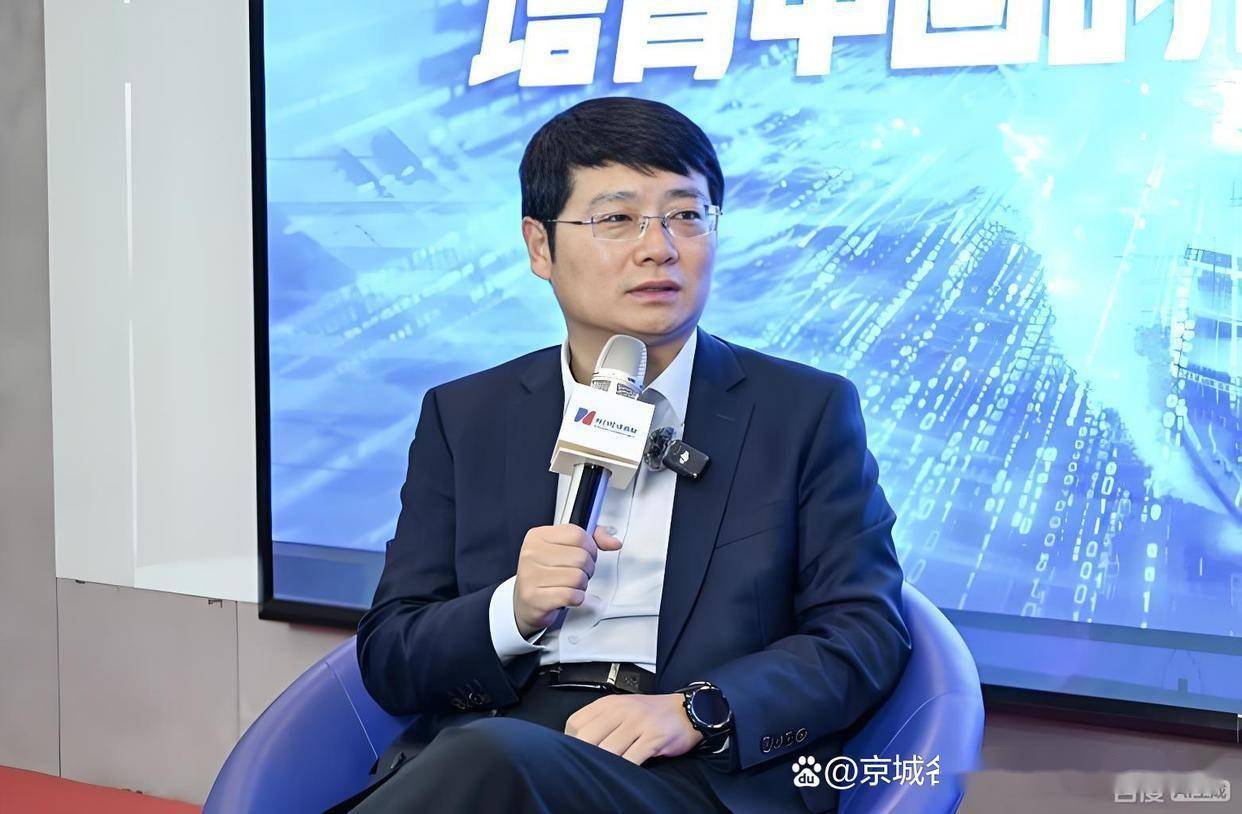
Group 1: Proposal Work Overview - The Changsha Municipal Political Consultative Conference reported a total of 499 proposals collected and 425 proposals officially filed since the last meeting, all of which have been addressed by the end of November 2025, contributing to the development and public welfare in Changsha [1][2][3] Group 2: Focus on High-Quality Development - A total of 184 proposals were made focusing on high-quality development and modernization, with 166 officially filed, emphasizing the creation of an AI application city and the promotion of low-altitude economy innovation [2][3] - Recommendations include building high-energy innovation platforms, fostering digital economy clusters, and accelerating the transformation of scientific research achievements from universities [2][3] Group 3: Enhancing Public Services and Welfare - 170 proposals were centered on improving public services and social welfare, with 151 officially filed, focusing on enhancing education quality and cultural development [3][4] - Suggestions include integrating vocational education with industry needs and improving community services for the elderly [3][4] Group 4: Urban Governance and Environmental Sustainability - 145 proposals were aimed at urban governance and social operation efficiency, with 108 officially filed, addressing urban-rural integration and enhancing city safety measures [5][6] - Recommendations include promoting green transportation and energy transition, as well as improving urban drainage management [5][6] Group 5: Future Proposal Work Strategy - The Municipal Political Consultative Conference plans to enhance proposal quality and effectiveness by focusing on in-depth research and practical recommendations, ensuring alignment with the city's development goals [6][7] - Emphasis will be placed on collaborative efforts and effective implementation of proposals to ensure actionable outcomes [6][7]
高燕飞:探索数字人才“引育留用”新路径
Jing Ji Ri Bao· 2026-01-07 00:02
Group 1 - The core viewpoint of the article emphasizes the importance of developing a digital talent workforce to support the construction of a digital China and digital economy, highlighting the need for integration between education, talent, industry, and innovation chains [1][3] - The new generation of technological revolution is reshaping the global competitive landscape, shifting international cooperation from simple technology introduction and talent training to ecological co-construction and capability symbiosis [1][2] - The article discusses the need for cultivating composite talents through ecological co-construction, where digital technologies empower various industries, requiring higher composite capabilities from digital talents [1][2] Group 2 - The article outlines the importance of nurturing innovative talents through functional expansion, focusing on sustainable infrastructure for digital economy international cooperation [2] - It highlights the necessity of establishing a global governance framework for artificial intelligence and data elements, indicating a shift towards rule co-construction and standard coordination in international cooperation [2] - The article identifies challenges in the current talent cultivation ecosystem, such as the disconnect between talent training and industry needs, insufficient international practice platforms, and a lack of high-level talents with both technical skills and governance awareness [3][4] Group 3 - The article suggests optimizing the cultivation mechanism by enhancing practical orientation and deepening international cooperation to achieve the integration of education, talent, industry, and innovation chains [3] - It advocates for a collaborative training model involving government, universities, enterprises, and international organizations to create specialized colleges and joint laboratories [3][4] - The establishment of long-term cooperation mechanisms is emphasized, promoting sustainable platforms for knowledge transfer and technological collaboration [4]

第二个“5万亿元”工业大市,呼之欲出
Mei Ri Jing Ji Xin Wen· 2026-01-06 23:48
Core Viewpoint - Suzhou aims to achieve an industrial output value of over 5 trillion yuan by 2026, marking a significant milestone in its industrial development, following Shenzhen's lead in reaching this target [1]. Group 1: Industrial Growth and AI Focus - Suzhou's industrial output is projected to reach 4.89 trillion yuan by 2025, with a target of exceeding 5 trillion yuan in 2026, indicating a consistent growth trajectory [1]. - The city has emphasized new industrialization and artificial intelligence (AI) in its annual meetings, showcasing a strategic focus on these sectors for future growth [1][3]. - The introduction of the "Ten Little Tigers" initiative highlights Suzhou's commitment to fostering AI enterprises, aiming to create a competitive environment similar to Hangzhou's "Six Little Dragons" [1][3][4]. Group 2: Competitive Landscape and Innovation - The competition between Suzhou and Hangzhou in the AI sector is intensifying, with Suzhou's "Ten Little Tigers" positioned against Hangzhou's established AI companies [3]. - Suzhou's historical industrial strengths, particularly in manufacturing, are being leveraged to enhance its AI capabilities, with a focus on integrating AI into traditional industries [6][8]. - The city plans to cultivate 150 industrial vertical models and establish 15 top-tier intelligent factories by 2026, aiming for an annual growth rate of over 20% in the smart economy sector [8]. Group 3: Strategic Development and Collaboration - Suzhou's strategy includes becoming a leading "One Person Company" (OPC) city, promoting the integration of AI with entrepreneurship to solve practical problems [5]. - The city is also focusing on enhancing its industrial internet capabilities, aiming to develop a complete industrial chain for AI applications [9]. - Collaboration with Shanghai is emphasized as a key strategy for industrial innovation, shifting from a model of "Shanghai R&D + Suzhou manufacturing" to a more integrated approach [10][11].
进一步筑牢实体经济根基
Xin Lang Cai Jing· 2026-01-06 22:39
Core Viewpoint - The "14th Five-Year Plan" emphasizes the construction of a modern industrial system and the strengthening of the real economy as the foundation for China's future economic development [1] Group 1: Importance of the Real Economy - The real economy is the foundation of a nation's economy, serving as the primary source of wealth creation and a crucial pillar for national strength [2] - The real economy exhibits long-term stability, which is essential for sustained economic growth [2] - Development of the real economy is vital for achieving modernization and addressing economic challenges, including preventing bubbles and managing financial risks [2] Group 2: Promotion of Intelligentization in the Real Economy - The plan highlights the importance of intelligentization, green development, and integration in enhancing the quality of the real economy [3] - Digital economy can significantly improve the productivity of the real economy by transforming it across all aspects and increasing overall production efficiency [3] - The integration of digital economy with the real economy can stabilize its proportion and create new industries and business models, thereby increasing added value [3] Group 3: Integration of Primary, Secondary, and Tertiary Industries - The plan advocates for modern agricultural development by integrating agriculture with secondary and tertiary industries, enhancing infrastructure, and promoting digitalization [4] - New industrialization is essential for high-quality development of the real economy, requiring collaboration among government, enterprises, and research institutions [4] - A robust service industry is necessary to expand the development space of the real economy, optimizing data sharing and enhancing the quality of manufacturing [4] - Financial support for the real economy, particularly for small and medium-sized enterprises, is crucial, alongside coordinated fiscal and industrial policies [4]