对外开放

Search documents
多国人士:海南自贸港全岛封关体现中国坚定对外开放决心
Ge Long Hui· 2025-12-18 01:49
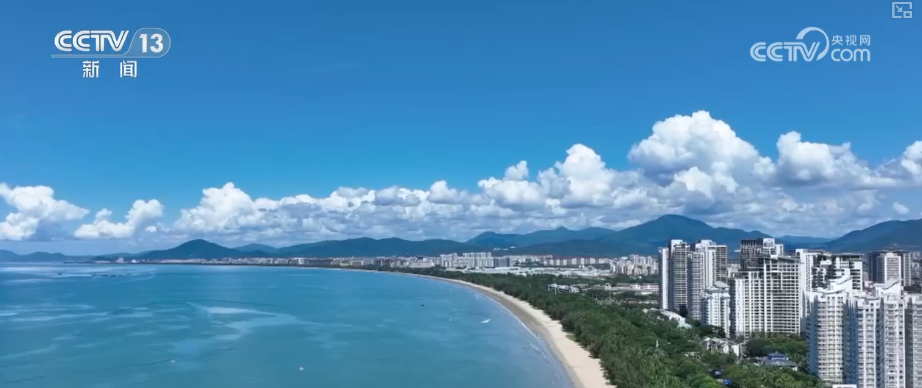
格隆汇12月18日|据央视,海南自由贸易港全岛封关运作18日正式启动。多国人士表示,海南自贸港全 岛封关运作体现了中国坚定不移扩大高水平对外开放、推动建设开放型世界经济的决心,为国际经贸合 作营造了开放、包容的环境。巴西圣保罗州立大学教授保利诺表示,我认为中国采取的这项措施(海南 自贸港全岛封关运作)彰显了中国致力于对外开放的决心。当一些国家采取保护主义措施损害世界经济 时,中国却大力推进对外开放,其双重目标是一方面通过进口,增加国内消费者获得新产品的机会;另 一方面通过进一步开放其庞大的市场,与国际经济开展合作。 ...
稳扎稳打,打造开放门户(今日谈)
Ren Min Ri Bao· 2025-12-17 22:11
2025年12月18日,海南自由贸易港正式启动全岛封关,开放的中国迎来又一个重要历史时刻。 封关不是封岛,而是进一步扩大开放的起点。既锚定战略目标不动摇,持续完善自贸港政策制度体系, 稳步扩大制度型开放;又敢作善为抓落实,着力打造具有海南特色和优势的现代化产业体系,定能把开 放势能转化为高质量发展动能,引领我国高水平对外开放迈上新台阶。 《 人民日报 》( 2025年12月18日 01 版) (责编:胡永秋、杨光宇) 关注公众号:人民网财经 作为党中央着眼新时代全面深化改革开放作出的重大决策,建设海南自贸港,既关乎海南一域发展,也 关乎我国改革开放大局。从顺利开局到夯基垒土、成形起势,在习近平总书记亲自谋划、亲自部署、亲 自推动下,海南自贸港活力奔涌,政策制度体系初步建立,日益成为引领我国新时代对外开放的重要门 户。 今日海南,正成为我国对外开放的新前沿、地区互利合作的新热土、推动经济全球化的新引擎。实践表 明,以开放促改革、促发展是我国现代化建设不断取得新成就的重要法宝。 ...
“机遇”!多国人士话封关 海南自贸港便利服务“磁吸力”更强
Yang Shi Wang· 2025-12-17 04:06
Group 1 - The establishment of the Hainan Free Trade Port will create new opportunities for global enterprises and provide an important platform for open cooperation in the global economic and trade sectors [1] - The chairman of the British 48 Group, Jack Perry, supports overseas companies entering Hainan, which will benefit both China and foreign enterprises, leading to investments in Hainan, including the establishment of factories [3] - UAE's Minister of State for Foreign Trade, Thani Al Zeyoudi, views the full closure of Hainan as a significant move by the Chinese government to expand high-level openness, attracting UAE investors to register their companies in Hainan [5] Group 2 - Indonesia's strategic communication and research director, Christine, highlights Hainan as a pioneer in visa-free entry policies, with new high-level openness initiatives that attract businesses beyond traditional sectors [7] - Professor Peter Bauer from the University of Johannesburg emphasizes Hainan's core advantage in inviting global participation in China's development vision, providing South African enterprises with access to a larger market [9]

打造引领我国新时代对外开放的重要门户——“中国经济圆桌会”聚焦海南自贸港正式启动全岛封关
Xin Hua Wang· 2025-12-17 01:55
建设海南自由贸易港是党中央着眼新时代全面深化改革开放作出的重大决策,如何理解这一重大决 策的意义,怎样高标准建设海南自由贸易港? 新华社推出第二十六期大型全媒体访谈节目"中国经济圆桌会",邀请国家发展改革委宏观经济研究 院院长黄汉权,海南省委深改办(自贸港工委办)副主任王奉利,正大集团农牧食品企业中国区资深副 董事长薛增一,共同探讨海南自由贸易港封关运作后的机遇与红利。 海南自由贸易港将于12月18日正式启动全岛封关,这是我国坚定不移扩大高水平对外开放,推动建 设开放型世界经济的标志性举措。习近平总书记指出,建设海南自由贸易港的战略目标,就是要把海南 自由贸易港打造成为引领我国新时代对外开放的重要门户。 【纠错】 【责任编辑:吴京泽】 新华社音视频部制作 ...
各省委中央经济工作会议学习里的增量信息
一瑜中的· 2025-12-16 16:03
Group 1 - The article emphasizes the importance of major economic provinces in supporting national economic growth, specifically mentioning Guangdong, Jiangsu, Shandong, Zhejiang, Shanghai, Hunan, and Beijing as key players for 2024 and 2025 [3][12] - The central economic work conference has highlighted the need for provinces to set reasonable economic development goals for the upcoming year, with variations in wording indicating a shift towards more tailored approaches [4][14] - The construction of a unified national market is a priority, with plans to develop guidelines in 2024 and regulations in 2025, focusing on reducing "involution" competition [5][17] Group 2 - There is a strong emphasis on differentiated work arrangements among provinces, including the establishment of international technology innovation centers in Beijing and Shanghai, aimed at fostering original innovation [6][19] - The article discusses the push for market-oriented reforms in resource allocation, with specific pilot projects in Guangdong and Henan [21] - The development of the marine economy is highlighted, with Shandong aiming to create a modern marine economic development hub by 2025 [22] - Urban renewal initiatives are being prioritized, with Guangdong focusing on implementing high-quality development projects in rural areas [23] - The article notes the importance of expanding openness in service sectors, with Shanghai enhancing its role in cross-border finance and global supply chain management [24]

国寿安保基金:中央经济工作会议延续积极定调 可关注八大方向
Zhong Zheng Wang· 2025-12-15 07:53
Core Viewpoint - The Central Economic Work Conference held on December 10-11 in Beijing maintains a positive tone regarding fiscal and monetary policies for 2024, emphasizing the need for a proactive fiscal policy and a moderately loose monetary policy [1][2] Fiscal Policy - The conference reiterates the need to maintain necessary fiscal deficits, total debt scale, and overall expenditure, while also calling for optimization of fiscal structure and long-term reforms [1] - New requirements include strengthening fiscal management, optimizing expenditure structure, and standardizing tax incentives [1] Monetary Policy - The monetary policy is directed towards promoting stable economic growth and reasonable price recovery, indicating a shift in focus from quantity-based indicators like social financing and credit to price-based indicators such as price levels [1] Eight Key Tasks - The conference outlines eight key tasks, including: 1. **Domestic Demand**: Emphasizing the expansion of quality goods and services supply to lead domestic demand [2] 2. **Innovation**: Highlighting the need to deepen and expand the development of "artificial intelligence+" to leverage China's large-scale market advantages [2] 3. **Reform**: Focusing on establishing a unified market as a key reform breakthrough [2] 4. **Opening Up**: Demonstrating China's commitment against unilateralism and protectionism [2] 5. **Coordinated Development**: Emphasizing policy coordination between urban and rural areas, as well as regional balance [2] 6. **Dual Carbon Goals**: Aligning economic development with ecological and environmental considerations [2] 7. **People's Livelihood**: Prioritizing employment, healthcare, and support for vulnerable groups, reflecting a people-centered development approach [2] 8. **Risk Management**: Highlighting potential risks in the real estate market and local government hidden debts, with a focus on stabilizing the real estate market and managing risks in key areas [2]
博时基金陈显顺:中央经济工作会议释放积极信号,为“十五五”开局定向领航
Xin Lang Cai Jing· 2025-12-15 06:53
Core Viewpoint - The Central Economic Work Conference held on December 10-11 in Beijing outlines the economic work for 2026, emphasizing high-quality development to address uncertainties in the current economic landscape [1][8]. Group 1: Macroeconomic Policy - The conference signals a continuation of a more proactive fiscal policy and moderately loose monetary policy, enhancing the synergy of macroeconomic policies [1][2][3]. - Emphasis on "optimizing expenditure structure" and scientific management within fiscal policy aims to stabilize total demand while directing funds towards key areas such as technology innovation and public welfare [3][10]. - Monetary policy is set to remain "moderately loose," with flexibility in using various tools like reserve requirement ratio cuts and interest rate reductions to ensure adequate liquidity [3][10]. Group 2: Domestic Demand and Economic Structure - The conference prioritizes "expanding domestic demand" as a key task, reflecting a strategic decision to strengthen the internal economic drive amid rising external uncertainties [3][4][11]. - Key strategies for expanding domestic demand include stabilizing income, enhancing consumer confidence, optimizing supply, and promoting investment to create a virtuous cycle [4][11]. Group 3: Innovation and New Growth Drivers - Future growth drivers will focus on the integration of cutting-edge technology with industries, particularly in areas like artificial intelligence, new energy, and high-end manufacturing [5][11]. - The capital market is identified as a crucial element in nurturing new growth drivers, with a call for reforms to better support national innovation strategies [5][11]. Group 4: Reform and High-Quality Development - The conference highlights the need for reforms to eliminate "involutionary" competition and establish a unified national market, which is essential for enhancing economic vitality [6][12]. - Recommendations include setting high standards for market access and fair competition rules to guide enterprises in phasing out outdated capacities [12]. Group 5: International Cooperation and Investment Opportunities - China's opening up is shifting towards institutional openness, with future cooperation expected to focus on service trade, digital trade, and green low-carbon sectors [6][13]. - Investment opportunities are anticipated in domestic leading service enterprises, technology companies in digital trade, and firms in the renewable energy sector that can engage in international standard-setting [13].
“八个坚持”拓开2026年中国经济大视野
Guo Ji Jin Rong Bao· 2025-12-15 03:12
Group 1: Macroeconomic Policy and Domestic Market - The core macroeconomic policy emphasizes a more proactive approach, focusing on quality and efficiency as key development themes, with the "Eight Persistences" as critical directives for economic work in the first year of the 14th Five-Year Plan [1] - Domestic demand has become the main driver of economic growth, contributing an average of 93.1% to economic growth from 2013 to 2024, highlighting the importance of a strong domestic market as a long-term strategy [2][3] Group 2: Innovation and New Growth Drivers - The necessity of innovation-driven growth is underscored, as new momentum is essential for future development and competitive positioning, requiring a systemic reshaping of production factors and business models [4][5] - The development of new momentum must support both high-end industries and traditional industry upgrades, creating high-quality employment and meeting the needs of the populace [5] Group 3: Reform and High-Quality Development - Continuous reform is essential to inject vitality into high-quality development, addressing deep-seated issues that have emerged due to changing development stages [6][7] - Emphasis on technological innovation as a key driver for high-quality development, necessitating a deep integration of innovation systems and breaking down institutional barriers [7] Group 4: Open Economy and International Cooperation - China aims for a higher level of openness, promoting multi-faceted cooperation to adapt to global economic changes and challenges, emphasizing the importance of collaborative networks in various fields [8][9] - The need for innovative cooperation mechanisms to address challenges posed by protectionism and geopolitical tensions is highlighted, focusing on quality and resilience in partnerships [9] Group 5: Coordinated Development and Urban-Rural Integration - The strategy of promoting coordinated development aims to address the growing disparities between urban and rural areas, emphasizing the need for a balanced and inclusive development approach [10][11] - Regional integration strategies like the Beijing-Tianjin-Hebei collaboration and the Yangtze River Economic Belt are examples of efforts to optimize resource allocation and promote high-quality regional economic layouts [11] Group 6: Green Transformation and Carbon Neutrality - The commitment to achieving carbon peak by 2030 and carbon neutrality by 2060 reflects China's responsibility in global climate governance and the need for a comprehensive green transformation [12][13] - Innovation is identified as the core engine for achieving carbon goals, requiring advancements in renewable energy, energy efficiency, and the establishment of supportive institutional frameworks [14] Group 7: Focus on People's Livelihood - The emphasis on prioritizing people's livelihoods reflects the increasing complexity of public demands, necessitating a responsive governance approach that addresses specific community needs [15][16] - Establishing long-term mechanisms to ensure sustainable improvements in public welfare is crucial, with a focus on resource allocation and social governance [16] Group 8: Risk Management - The need to manage risks in key areas such as real estate and local debt is highlighted, with a focus on maintaining stability while actively addressing potential threats [17][18] - A balanced approach to risk management is essential, combining immediate responses with long-term structural improvements to foster sustainable development [18]
中央经济工作会议召开 创金合信基金魏凤春:政策延续扩张 存量增量并重
Xin Lang Cai Jing· 2025-12-15 02:06
Core Viewpoint - The Central Economic Work Conference held on December 10-11 in Beijing emphasizes the continuation of proactive fiscal policies and moderately loose monetary policies for the upcoming year, signaling a focus on economic recovery and stability amid external uncertainties [1][6]. Fiscal Policy - The fiscal policy is expected to maintain a relatively stable total expenditure while optimizing the structure and revitalizing existing resources, utilizing special bonds and policy financing to support key areas [2][8]. - Consumption vouchers and tax incentives will be employed to stimulate resident consumption [2][8]. Monetary Policy - Interest rate cuts may still be necessary to ensure reasonable price recovery and change the persistent low inflation expectations, while also lowering financing costs for the real economy [2][8]. - The monetary policy will focus on stabilizing the exchange rate and adjusting financial regulations to restore the transmission from loose monetary policy to credit expansion [2][8]. Domestic Demand - The conference prioritizes "expanding domestic demand" as a key task, viewing it as a strategic necessity to counterbalance external uncertainties and enhance internal circulation [3][9]. - The core of expanding domestic demand lies in consumption rather than investment, requiring collaboration among enterprises, government, and residents to create a robust domestic market [3][9]. Innovation and New Growth Drivers - Future new growth drivers will focus on digital economy, artificial intelligence, advanced manufacturing, and renewable energy, among others [4][9]. - The capital market is expected to support innovation through pricing, financing, and mergers and acquisitions, facilitating the integration of technological achievements into the industry [4][9]. Reform for High-Quality Development - Key areas for reform include the implementation of the Private Economy Promotion Law, the establishment of a unified national market, and financial market reforms to enhance direct financing [5][10]. - Effective markets require a proactive government that clearly defines boundaries to prevent overreach and ensure high-quality development [5][10]. Risk Management - The approach to risk management should avoid piecemeal solutions and instead focus on comprehensive debt restructuring to create space for credit expansion [6][10]. - Strengthening accountability and recovery mechanisms in risk management is essential to balance growth and risk prevention [6][10]. International Cooperation - Areas for deepened cooperation include digital trade, green economy, and high-end manufacturing, presenting various investment opportunities [7][11]. - Investment opportunities are identified in cross-border e-commerce, renewable energy, and infrastructure projects along the Belt and Road Initiative [7][11]. Capital Market Opportunities - The development of county-level economies, green transformation, and long-term care insurance systems are expected to open up capital market opportunities in infrastructure, renewable energy, and healthcare services [8][12]. - Specific investment opportunities include supply chain services, smart logistics, and green building technologies [8][12].
国际人士瞩目中央经济工作会议为世界注入确定性
Xin Hua She· 2025-12-15 00:28
原标题:新起点、新动能、新机遇——国际人士瞩目中央经济工作会议为世界注入确定性 岁暮天寒,暖意东来。 中央经济工作会议日前在北京闭幕,世界再次聚焦中国经济巨轮的前行方向。海外人士认为,此次会议不仅着眼"十五五"开局为中国经济把脉 定向,也为世界经济提供稳定预期、创新动能和机遇清单。在充满不确定的世界,国际社会瞩望中国继续担当全球经济增长的重要引擎,为世 界注入强大确定性。 新起点:为新的征程布局谋篇 从年初深度求索(DeepSeek)横空出世引发全球人工智能热潮,到年末国际机构密集上调中国经济增速预期,中国经济经历了充满挑战又顽 强奋进的2025年。站在新的起点上,中国经济即将开启新篇章。 "2025年是中国'十四五'规划收官之年,2026年是'十五五'规划开局之年,这次中央经济工作会议承担着承前启后、锚定航向的重任。"马来西 亚智库区域策略研究所署理主席陈家兴说。 这次中央经济工作会议总结了2025年经济工作,指出"经济社会发展主要目标将顺利完成""'十四五'即将圆满收官,第二个百年奋斗目标新征程 实现良好开局"。 这次会议指出,中国经济顶压前行、向新向优发展,现代化产业体系建设持续推进,改革开放迈出新步伐 ...