
贸易协定

Search documents
重磅!美国与欧盟就贸易协定框架达成一致
证券时报· 2025-08-21 12:35
Core Viewpoint - The United States and the European Union have reached an agreement on a trade framework that includes various sectors such as agriculture, automotive, aerospace, semiconductors, energy, and digital trade barriers [1][10]. Group 1: Trade Agreement Details - The EU will eliminate tariffs on all U.S. industrial products and provide preferential market access for U.S. agricultural products, including nuts, dairy, fresh and processed fruits and vegetables, processed foods, seeds, soybean oil, and meat products [2][3]. - The U.S. will apply either the Most Favored Nation (MFN) tariff rate or a 15% tariff rate on EU-origin goods, whichever is higher, starting from September 1, 2025, for certain products [5][6]. - The U.S. will not exceed a 15% tariff rate on most EU goods, covering sectors such as automotive, pharmaceuticals, semiconductor chips, and timber [4][6]. Group 2: Energy and Investment Commitments - The EU plans to purchase U.S. energy products, including liquefied natural gas, oil, and nuclear products, with expected purchases reaching $750 billion by 2028 [8]. - The EU commits to acquiring at least $40 billion worth of U.S. artificial intelligence chips for the construction of data centers in Europe [8]. - European companies are expected to invest an additional $600 billion in strategic sectors in the U.S. by 2028 [8]. Group 3: Future Negotiations - The EU will continue to negotiate with the U.S. for further tariff reductions and to identify additional areas for cooperation [9][11]. - The European Commission will initiate the implementation of the agreement's main content with the support of EU member states and the European Parliament [11].


达成一致!美国与欧盟发表联合声明
21世纪经济报道· 2025-08-21 12:22
Core Viewpoint - The United States and the European Union have reached an agreement on a trade framework that includes various sectors such as agriculture, industrial products, and energy, aiming to enhance trade relations and reduce tariffs [1][10]. Group 1: Trade Agreement Details - The trade agreement framework consists of 19 key points covering agricultural products, automobiles, aircraft, semiconductor chips, energy, EU investments in the US, environmental regulations, cybersecurity agreements, and digital trade barriers [1]. - The EU will eliminate tariffs on all US industrial products and provide preferential market access for US agricultural products, including nuts, dairy, fresh and processed fruits and vegetables, processed foods, seeds, soybean oil, and meat products [4][3]. - The US will apply either the most-favored-nation (MFN) tariff rate or a 15% tariff rate on EU-origin goods, with specific products like non-renewable natural resources, aircraft, pharmaceuticals, and chemicals being subject to MFN tariffs starting September 1, 2025 [6][5]. Group 2: Energy and Investment Commitments - The EU plans to purchase US energy products, including liquefied natural gas, oil, and nuclear products, with expected purchases reaching $750 billion by 2028 [8]. - The EU will also commit to acquiring at least $400 billion worth of US artificial intelligence chips for the construction of data centers in Europe [8]. - European companies are expected to invest an additional $600 billion in strategic sectors in the US by 2028 [8]. Group 3: Future Negotiations - The EU will continue discussions with the US to agree on further tariff reductions and identify additional areas for cooperation [10]. - The EU Commission will initiate the implementation of the agreement's main content with the support of EU member states and the European Parliament [10].

美国重申对欧盟15%关税上限,称对欧盟汽车的关税可能在几周内降低
Hua Er Jie Jian Wen· 2025-08-21 11:57
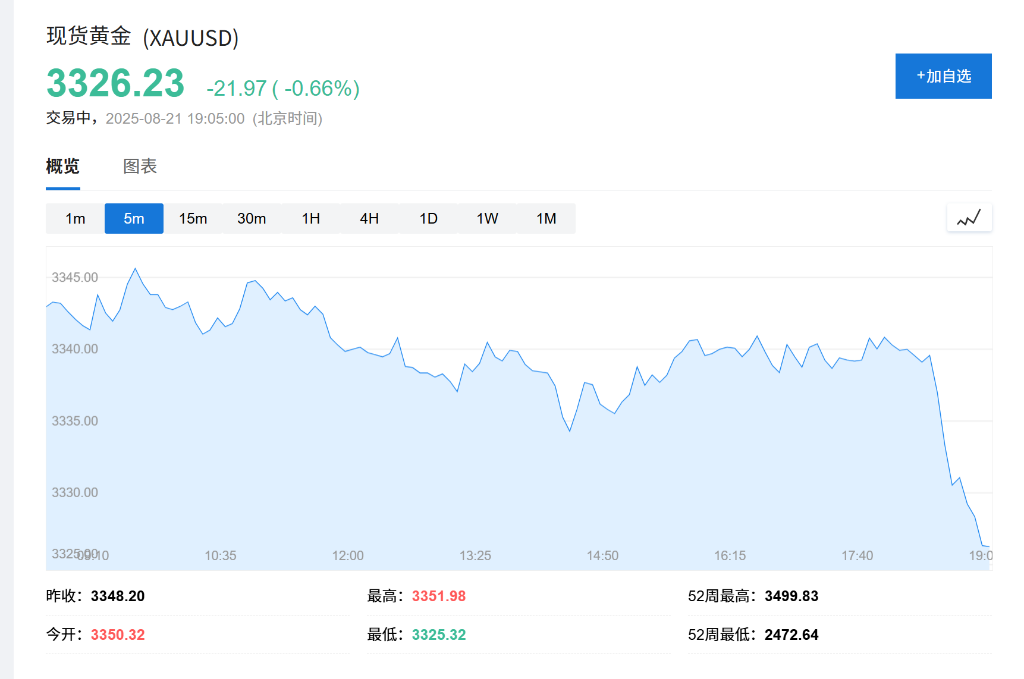
Core Points - The United States and the European Union have reached a significant step towards formalizing a trade agreement, with a joint statement paving the way for reduced tariffs on European automobiles and resolution of other trade disputes [1][2] - The framework includes a commitment from the EU to eliminate tariffs on all U.S. industrial goods and to purchase $750 billion worth of U.S. liquefied natural gas (LNG), oil, and nuclear products, along with an additional $400 billion in U.S.-made artificial intelligence chips [1][9] Trade Tariff Structure - The agreement outlines a new tariff structure where the U.S. will impose a 15% tariff on most EU imports, including automobiles, pharmaceuticals, semiconductors, and timber, in exchange for the EU eliminating tariffs on U.S. industrial products [8] - The U.S. automotive tariff, currently at 27.5%, will be reduced to 15% contingent upon the EU's legislative action to remove its tariffs on U.S. industrial goods [6][7] Energy, Technology, and Investment Commitments - The EU plans to procure $750 billion in U.S. LNG, oil, and nuclear products, and an additional $400 billion in U.S. AI chips, highlighting a deepening cooperation in energy security and high-tech supply chains [9] - EU companies are expected to invest an additional $600 billion in strategic sectors in the U.S. by 2028, indicating a significant commitment to enhancing bilateral investment [9] Market Reactions - Following the announcement of the trade agreement framework, spot gold prices experienced a short-term decline of 0.66% [2] - European automotive stocks showed slight fluctuations in response to the news [4]
欧盟将取消对美国所有工业品关税并对美农产品提供优惠市场准入
财联社· 2025-08-21 11:50
Core Points - The United States and the European Union have reached an agreement on a trade framework that includes 19 key points covering various sectors such as agriculture, automobiles, aircraft, semiconductor chips, energy, and digital trade barriers [1] Group 1: Trade Agreement Details - The EU will eliminate tariffs on all U.S. industrial products and provide preferential market access for U.S. agricultural products, including nuts, dairy, fresh and processed fruits and vegetables, processed foods, seeds, soybean oil, and meat products [2] - The U.S. will apply either the Most Favored Nation (MFN) tariff rate or a 15% tariff rate on most EU goods, with specific products like non-renewable natural resources, aircraft, pharmaceuticals, and their raw materials being subject to MFN tariffs starting September 1, 2025 [3][4] - The U.S. has committed to not exceeding a 15% tariff rate on most EU goods, which includes automobiles, pharmaceuticals, semiconductor chips, and timber [4]

欧盟将取消对美国所有工业品关税并对美农产品提供优惠市场准入
Xin Lang Cai Jing· 2025-08-21 11:44
美国白宫发表声明称,美国与欧盟已就一项贸易协定的框架达成一致。白宫的声明中明确显示,欧盟将 取消对美国所有工业产品的关税,并对包括坚果、乳制品、新鲜及加工果蔬产品、加工食品、种子、大 豆油及肉类产品等在内的美国水产品及农产品提供优惠市场准入。此外,欧盟将立即采取措施,延长 2020年8月21日宣布的《美欧关税协议联合声明》中关于龙虾的条款(该条款原定于2025年7月31日到 期),并扩大产品范围以涵盖加工龙虾。 ...


白宫:美国与欧盟已就贸易协定框架达成一致
Yang Shi Xin Wen Ke Hu Duan· 2025-08-21 11:16
当地时间8月21日,美国白宫发表声明称,美国与欧盟已就一项贸易协定的框架达成一致。 (文章来源:央视新闻客户端) ...
大跌!日本突发 日股跳水!贸易数据大幅下跌 关税影响逐渐显现
Zheng Quan Shi Bao· 2025-08-20 03:56
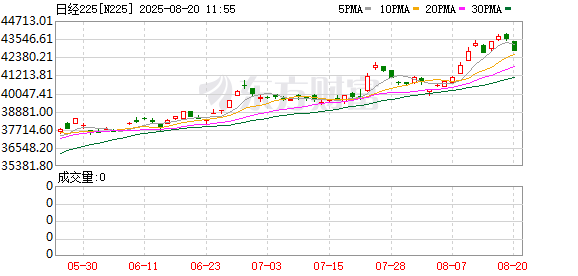
Core Viewpoint - The impact of U.S. tariff policies on Japanese exports is becoming increasingly evident, with significant declines in both exports and imports reported for July 2023 [2][4][6]. Trade Data Summary - Japan's exports in July fell by 2.6% year-on-year, marking the largest decline in over four years and exceeding economists' expectations of a 2.1% drop [4]. - Imports decreased by 7.5%, which was less than the anticipated 10.4% decline [4]. - Japan recorded a trade deficit of 117.5 billion yen (approximately 795.5 million USD), contrasting with the expected surplus of 196.2 billion yen [4]. - Key export declines included automobiles (down 11.4%), steel (down 21%), and auto parts (down 12.1%) [4]. - Notably, exports to the U.S. decreased by 10.1%, with automotive exports dropping significantly by 28.4% and auto parts by 17.4% [4][6]. Stock Market Reaction - Following the trade data release, the Japanese stock market experienced a decline, with the Nikkei 225 index dropping over 1.5% [5]. - Analysts predict that the Nikkei 225 index, which has risen over 9% year-to-date, may retreat to around 42,000 points by the end of the year [5]. Economic Impact - The U.S. tariff policy has led to a continuous decline in Japanese exports to the U.S. for three consecutive months, with the decline in automotive exports particularly pronounced [6]. - The automotive industry, a core sector of the Japanese economy, is expected to face broader negative impacts due to reduced exports, affecting related industries and regional economies [6]. - Preliminary statistics indicate that Japan's GDP grew by 0.3% quarter-on-quarter and 1.0% year-on-year in Q2 2023, but concerns remain regarding the potential negative effects of U.S. tariffs [6]. Economic Forecast - A survey of economists suggests that Japan's economy may enter negative growth in Q3 2023, with an expected GDP decline of 0.1% quarter-on-quarter, translating to an annualized drop of 0.6% [7]. - Despite the negative outlook, a recent trade agreement between the U.S. and Japan, which includes a 15% tariff rate and a commitment for Japan to invest 550 billion USD in the U.S., was announced by President Trump [7].
大跌!日本突发,日股跳水!
Zheng Quan Shi Bao· 2025-08-20 02:53
Core Viewpoint - The impact of U.S. tariff policies on Japanese exports is becoming increasingly evident, with significant declines in both exports and imports reported for July [1][3][5]. Trade Data Summary - In July, Japan's exports fell by 2.6% year-on-year, marking the largest decline in over four years and exceeding economists' expectations of a 2.1% drop [3]. - Imports decreased by 7.5%, which was less than the anticipated 10.4% decline, resulting in a trade deficit of 117.5 billion yen (approximately $795.5 million) instead of a forecasted surplus [3]. - Key export declines included automobiles (down 11.4%), steel (down 21%), and auto parts (down 12.1%) [3]. - Exports to the U.S. decreased by 10.1%, with automotive exports dropping significantly by 28.4% and auto parts by 17.4% [3][5]. - Japan's trade surplus with the U.S. fell by 23.9% to 585.1 billion yen, continuing a three-month decline [3]. Stock Market Reaction - Following the trade data release, the Japanese stock market saw a decline, with the Nikkei 225 index dropping over 1.5% [4]. - Analysts predict that the Nikkei 225 index, which has risen over 9% this year, may retreat to around 42,000 points by the end of December [4]. Economic Impact - The U.S. tariff policy has led to a continuous decline in Japanese exports to the U.S. for three consecutive months, with the rate of decline increasing [5]. - The automotive sector, a core industry for Japan, has been significantly affected, with a reported 26.7% year-on-year decrease in automobile exports to the U.S. in June [5]. - The Japanese Cabinet Office reported a 0.3% quarter-on-quarter growth in GDP for Q2, with a year-on-year growth of 1.0%, but cautioned about the potential negative impact of U.S. tariffs on future economic performance [5]. Economic Forecast - A survey of ten private economists indicated that six expect Japan's economy to enter negative growth in Q3, with an anticipated 0.1% decline in actual GDP quarter-on-quarter, translating to an annualized decrease of 0.6% [6]. - A recent trade agreement announced by U.S. President Trump may provide some relief, with Japan committing to invest $550 billion in the U.S., which is expected to create numerous jobs [6].
国际金融市场早知道:8月19日
Xin Hua Cai Jing· 2025-08-19 00:19
Group 1 - Trump had a 40-minute phone call with Putin, discussing support for direct negotiations between Russia and Ukraine [1] - Trump held a multilateral meeting with European leaders, including the President of Ukraine and heads of various European nations [1] - Indian Prime Minister Modi plans to reform the Goods and Services Tax in response to potential U.S. tariffs on Indian goods [1] Group 2 - Fitch Ratings confirmed New Zealand's rating at "AA+" with a stable outlook [1] Group 3 - The Dow Jones Industrial Average decreased by 0.08% to 44,911.82 points, while the S&P 500 fell by 0.01% to 6,449.15 points [2] - The Nasdaq Composite increased by 0.03% to 21,629.77 points [2] Group 4 - COMEX gold futures fell by 0.14% to $3,378.00 per ounce, while silver futures rose by 0.24% to $38.07 per ounce [3] Group 5 - U.S. oil futures rose by 0.97% to $62.58 per barrel, and Brent crude increased by 0.97% to $66.49 per barrel [4] - The U.S. dollar index increased by 0.31% to 98.16 [4]