Scaling Law

Search documents
腾讯研究院AI每周关键词Top50
腾讯研究院· 2025-08-16 02:33
Group 1: Chip Industry - Export licensing fees are impacting Nvidia and AMD [3] - The U.S. is embedding trackers in chip exports [3] Group 2: Computing Power - Tesla's Dojo team has been disbanded [3] - Inspur is launching super-node AI servers [3] Group 3: AI Models - OpenAI's GPT-4o is making a comeback [3] - GPT-5 Pro is being developed by OpenAI [3] - Zhiyuan's GLM-4.5 has been released [3] - Kunlun Wanwei's SkyReels-A3 is now available [3] - Zhiyuan has open-sourced GLM-4.5V [3] - Tencent has introduced Large-Vision model [3] - Anthropic is working on a million-context model [3] - Kunlun Wanwei's Skywork UniPic 2.0 has been launched [3] Group 4: AI Applications - xAI has made Grok 4 available for free [3] - Tencent's CubeMe is integrating with mixed yuan [3] - Alibaba is developing embodied intelligence components [3] - Baichuan Intelligence has released Baichuan-M2 [3] - OpenAI's IOI Gold Medal has been awarded [3] - Kunlun Wanwei's Matrix-3D is now available [3] - SenseTime has introduced AI tools for film production [4] - Apple's new Siri is being developed [4] - Pika is working on audio-driven performances [4] - Claude Code has launched Opus planning mode [4] - Kunlun Wanwei's Deep Research Agent v2 is now available [4] - Tencent's Hunyuan-GameCraft is being developed [4] - Microsoft has outlined five modes for AI agents [4] - The OpenCUA framework is being developed by HKU and others [4] Group 5: Technology Developments - Over 100 robots were showcased at the World Robot Conference [4] - Agile intelligent robots are being developed by Lingqiao Intelligent [4] - Figure is working on robots that can fold clothes [4] - Apple's AI suite is being expanded [4] - Zhiyuan Robotics has launched an open-source world model platform [4] Group 6: Industry Insights - Wang Xingxing discusses the development of embodied intelligence [4] - Product Hunt highlights AI product releases [4] - Nvidia and others are exploring physical AI [4] - Scaling Law is being analyzed by Bi Shuchao [4] - The application of large models is discussed by Artificial Analysis [4] - Programming ability assessments are being conducted by foreign developers [4] - DeepMind emphasizes the importance of Genie 3 [4] - Notion is working on AI product standards [4] - Greg Brockman addresses algorithm bottlenecks [4] - Wang Xiaochuan discusses medical large models [4] Group 7: Capital Movements - Meta has acquired WaveForms [4] - Periodic Labs is securing funding for AI materials [4] - OpenAI is investing in brain-machine interfaces [4] - Perplexity has acquired Chrome [4] Group 8: Events - OpenAI is involved in AI chess events [4] - GitHub has merged with CoreAI [4]

被王兴兴质疑的VLA,为何自变量机器人CEO王潜坚定看好?
Sou Hu Cai Jing· 2025-08-14 07:37
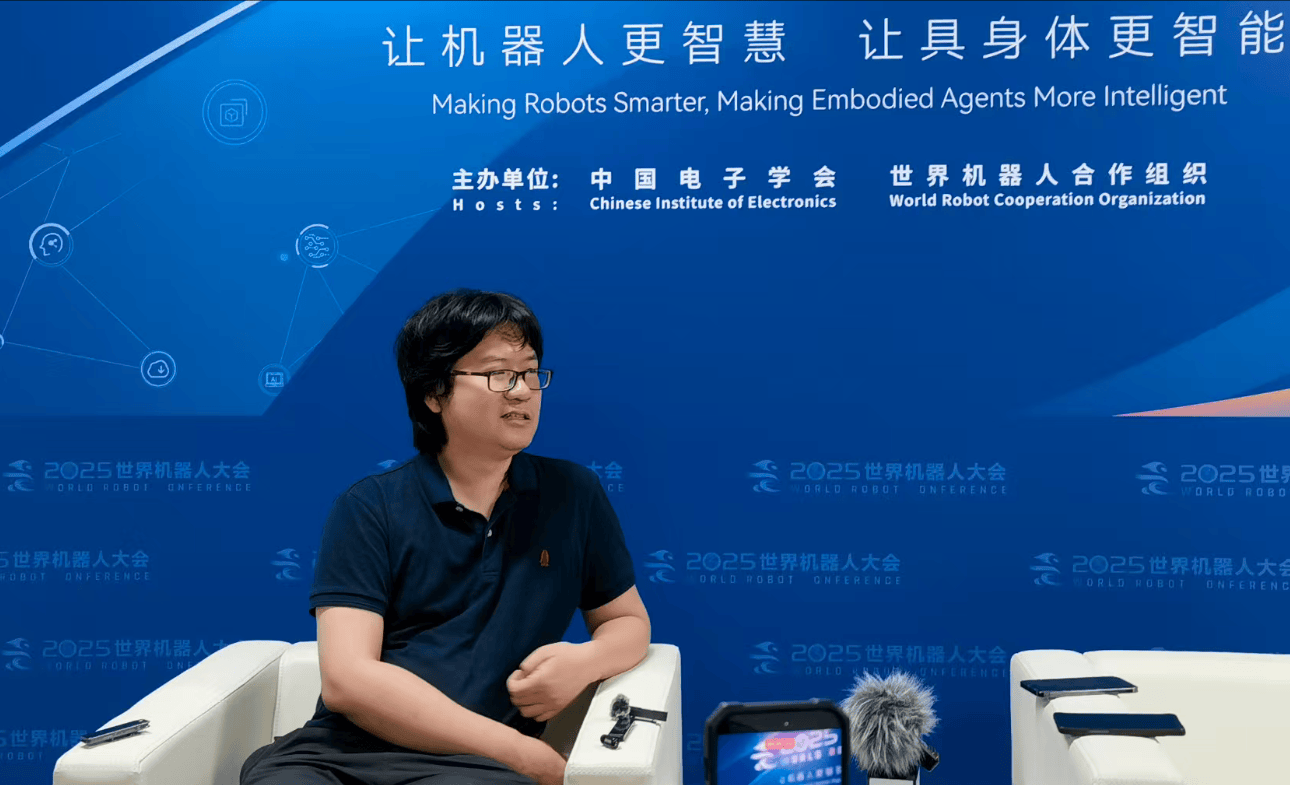
Core Viewpoint - The development of humanoid robots is heavily reliant on advancements in AI and model capabilities, with a timeline of 3 to 5 years anticipated to reach levels comparable to ChatGPT or GPT-3.5 [2][7] Group 1: AI and Model Development - The consensus in the industry is that a fully unified end-to-end model, referred to as a foundational or general model, is essential for progress [6][13] - The scaling law observed in large language models is expected to similarly influence the development of embodied models, necessitating large data volumes and advanced model architectures [7][10] - The company emphasizes that embodied models should be independent of digital world models, focusing instead on physical world interactions [9][14] Group 2: Market Potential and Applications - The largest market for humanoid robots is anticipated to be in domestic and elder care applications, surpassing industrial use cases [3][14] - The company believes that the price point for consumer acceptance will likely be between $10,000 and $20,000, although current capabilities do not meet this price range [4][17] Group 3: Data Collection and Quality - The company employs a strategy of collecting data from real-world interactions rather than relying solely on simulation data, particularly for complex physical tasks [10][11] - The quality of data is a critical factor in model training, with the company focusing on ensuring high-quality data collection methods [12] Group 4: Future Outlook - The company plans to integrate hardware and software solutions, aiming to sell complete products or solutions rather than following traditional software distribution models [4][19] - The timeline for seeing humanoid robots in everyday consumer settings is projected to be within the next 2 to 4 years [15]

GPT-5 翻车:OpenAI「回滚」大戏与AI扩张隐形边界
3 6 Ke· 2025-08-13 11:02
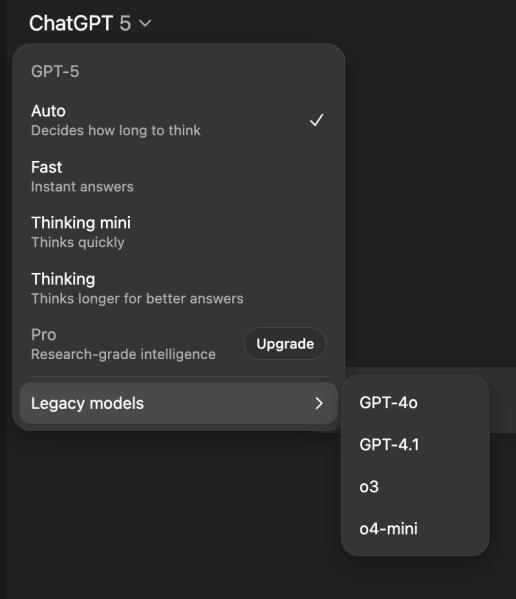
Core Insights - OpenAI's GPT-5 was launched with four models (regular, mini, nano, pro) on August 7, 2023, but reverted to GPT-4o as the default model for all paid users just five days later due to product strategy adjustments rather than technical failures [1][2] Group 1: Product Performance Issues - GPT-5's first week revealed three major flaws: routing errors led to 37% of Pro user requests being misallocated to the nano model, resulting in long text loss; performance drift showed an 8.7% lower success rate in code completion compared to GPT-4o; and user sentiment on platforms like Reddit expressed dissatisfaction with the new model's perceived lack of personality [4][6] - OpenAI acknowledged the importance of "model personality consistency," leading to the introduction of a "temperature dial" in the next version of GPT-5, allowing users to adjust the model's tone [5][6] Group 2: Cost and Efficiency Challenges - The cost of using GPT-5 is significantly higher than its predecessor, with input and output token costs increasing by 400% and 50% respectively compared to GPT-4o [6][10] - The operational costs associated with inference have risen faster than the improvements in efficiency, with AI training now accounting for 4% of the new load on the U.S. power grid, prompting environmental concerns [11][14] Group 3: Market and Business Model Implications - OpenAI's recent challenges with GPT-5 have led to a reassessment of its revenue strategies, focusing on three income streams: subscription services for individual users, API services for small to medium enterprises, and hardware partnerships with large cloud providers [13][14] - The industry is shifting towards models that prioritize efficiency and sustainability, with a growing emphasis on smaller, faster, and more energy-efficient models, as well as adjustable parameters for user experience and cost [12][14]
GPT-5不是技术新范式,是OpenAI加速产品化的战略拐点
Hu Xiu· 2025-08-12 23:54
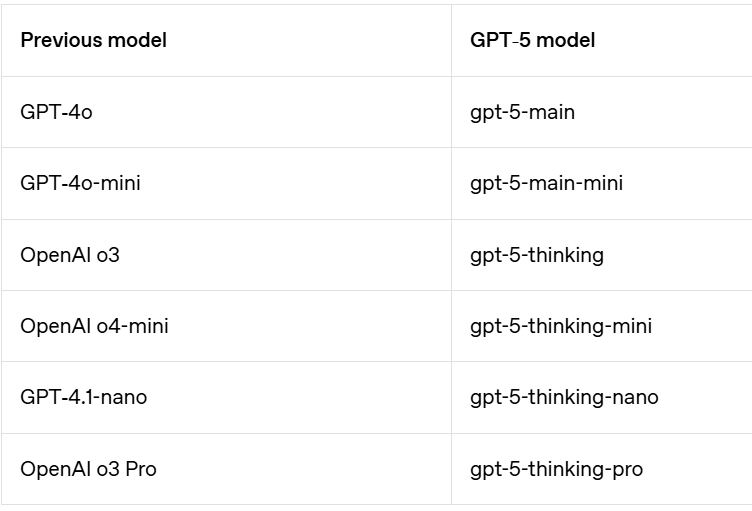
Core Insights - OpenAI is transitioning from a research lab to a product platform company, with ChatGPT emerging as a leading consumer product, indicating a significant shift in user engagement and growth potential [1][2]. Product Development - GPT-5 is characterized as an "Everything Model" that excels in existing scenarios but does not represent a next-generation "Agentic Model" [3]. - The introduction of routing capabilities in GPT-5 marks a significant upgrade, enhancing user experience and product line coherence [4]. - GPT-5 emphasizes practicality and productivity, evolving from a "friend" to an "assistant" role for users [4]. - The model's reasoning capabilities have improved, but it still faces challenges in certain complex tasks compared to competitors [5][6]. Technical Enhancements - The routing system allows dynamic selection of model capabilities based on user prompts, enhancing the depth of responses [6][7]. - The integration of a router model, which learns from user interactions, is expected to optimize performance over time [7]. - Future plans include merging the router into a single model, which is currently a work in progress [8]. Market Positioning - GPT-5 is positioned competitively against other models, with pricing strategies aimed at challenging high-end models like Claude 4 [10][13]. - The pricing for GPT-5 is significantly lower than its competitors, making it an attractive option for users [13][14]. User Experience - The routing system has led to mixed user experiences, particularly for those accustomed to previous models, highlighting the need for adaptation [9]. - GPT-5's coding capabilities are particularly suited for pair programming environments, although it is less effective for complex coding tasks compared to Claude Code [16][18]. Future Opportunities - OpenAI has the potential to leverage its large user base to enhance the demand for vibe coding, creating a new generative software platform [24]. - The reasoning model's usage among ordinary users is increasing, indicating a growing acceptance and application of advanced AI capabilities [25][28]. Tool Use Innovations - GPT-5 introduces significant improvements in tool use, allowing for more flexible and natural language-based interactions with various tools [30][33]. - The model supports parallel tool calling, enhancing its ability to handle complex tasks more efficiently [35][36].
OpenAI惊人自曝:GPT-5真「降智」了,但重现「神之一手」,剑指代码王座
3 6 Ke· 2025-08-12 03:28
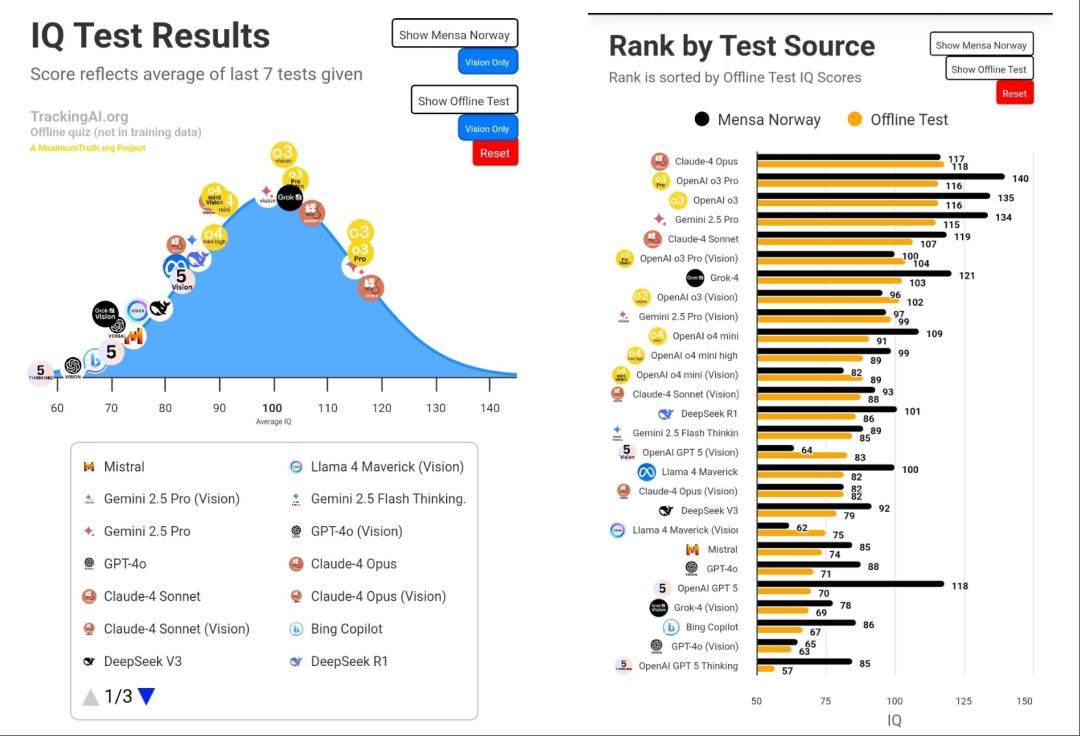
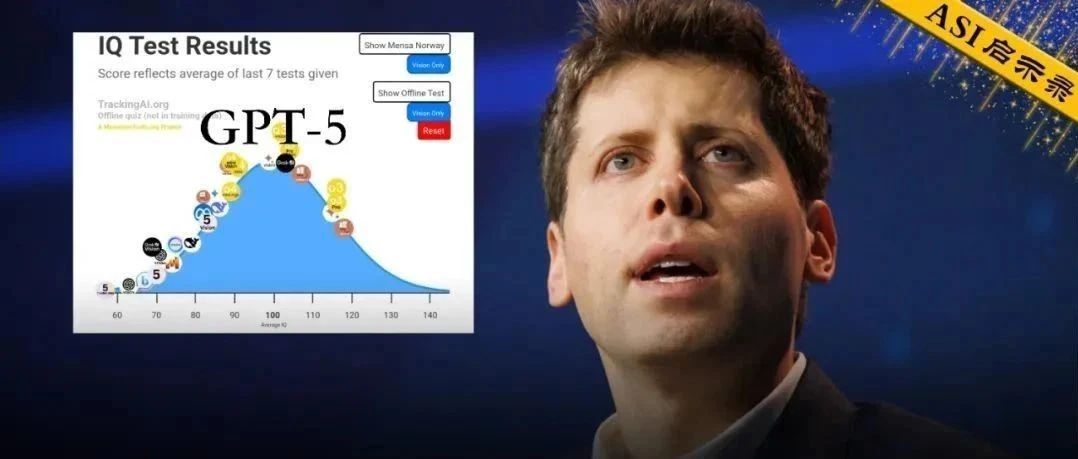
Core Insights - GPT-5's performance on IQ tests has sparked widespread discussion, with scores of 118 on the Mensa IQ test and 70 on offline tests, marking the lowest record in OpenAI's model family [1][4][6] - The underlying issue is attributed to a "routing" problem, which affects the model's intelligence [2][3] - Despite criticisms, GPT-5 is still considered to be at the forefront of AI development, continuing to demonstrate exponential growth in intelligence [9][11] Performance and User Interaction - Effective use of GPT-5 relies heavily on the quality of prompts provided by users, which can significantly enhance its performance [12][13] - Users with systematic thinking can leverage GPT-5 as a revolutionary tool by clearly articulating their needs [13][14] - Examples illustrate that the way prompts are framed can lead to vastly different outcomes, emphasizing the importance of user engagement [15][16] Medical Applications - In the medical field, GPT-5 has shown capabilities comparable to human experts, as demonstrated by a biomedical researcher who utilized the model to analyze complex data [20][25] - The model's ability to provide insightful suggestions and explanations for experimental results highlights its potential as a valuable research partner [25] Competitive Landscape - OpenAI's GPT-5 is positioned as a direct challenge to Anthropic's Claude model, particularly in programming capabilities [26][28] - The model's strong programming skills and new personalization options are expected to attract more users, including those of the free version of ChatGPT [26][40] Technological Advancements - GPT-5 represents a significant leap in AI capabilities, particularly in coding and software development, with claims of improving performance by over 1.5 times in various applications [37][39] - The model's ability to seamlessly integrate reasoning and non-reasoning tasks marks a shift towards a more user-friendly AI experience [43][44] Future Directions - OpenAI aims to lead the transition towards "agent-based reasoning," with GPT-5 serving as a key component in this evolution [41][43] - The focus on synthetic data for training indicates a move towards overcoming limitations in available internet data, enhancing the model's knowledge coverage [41][43] - The company is committed to rapid iteration and deployment of models, ensuring continuous improvement and adaptation to user needs [46][48]
1亿美元买不走梦想,但只因奥特曼这句话,他离开了OpenAI
3 6 Ke· 2025-08-12 03:27
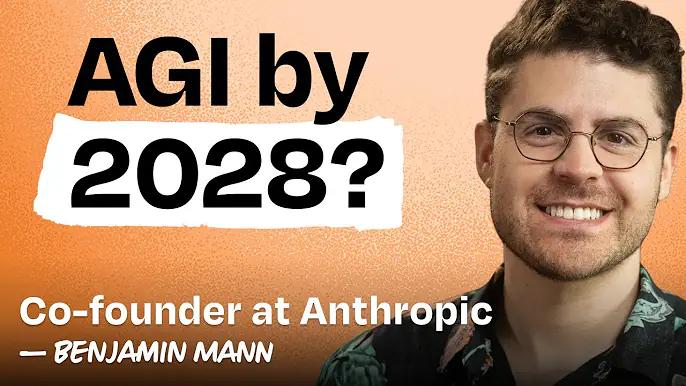
Group 1 - The global AI arms race has consumed $300 billion, yet there are fewer than a thousand scientists genuinely focused on preventing potential AI threats [1][48] - Benjamin Mann, a core member of Anthropic, suggests that the awakening of humanoid robots may occur as early as 2028, contingent on advancements in AI [1][57] - Mann emphasizes that while Meta is aggressively recruiting top AI talent with offers up to $100 million, the mission-driven culture at Anthropic remains strong, prioritizing the future of humanity over financial incentives [2][6][8] Group 2 - Anthropic's capital expenditures are doubling annually, indicating rapid growth and investment in AI safety and development [7] - Mann asserts that the current AI development phase is unprecedented, with models being released at an accelerated pace, potentially every month [10][14] - The concept of "transformative AI" is introduced, focusing on AI's ability to bring societal and economic change, measured by the Economic Turing Test [17][19] Group 3 - Mann predicts that AI could lead to a 20% unemployment rate, particularly affecting white-collar jobs, as many tasks previously performed by humans are increasingly automated [21][25] - The transition to a world where AI performs most tasks will be rapid and could create significant societal challenges [23][27] - Mann highlights the importance of preparing for this transition, as the current phase of AI development is just the beginning [29][32] Group 4 - Mann's departure from OpenAI was driven by concerns over diminishing safety priorities, leading to a collective exit of the safety team [35][40] - Anthropic's approach to AI safety includes a "Constitutional AI" framework, embedding ethical principles into AI models to reduce bias [49][50] - The urgency of AI safety is underscored by Mann's belief that the potential risks of AI could be catastrophic if not properly managed [56][57] Group 5 - The industry faces significant physical limitations, including the nearing limits of silicon technology and the need for more innovative researchers to enhance AI models [59][61] - Mann notes that the current AI landscape is characterized by a "compute famine," where advancements are constrained by available power and resources [61]
腾讯研究院AI速递 20250812
腾讯研究院· 2025-08-11 16:01
Group 1 - xAI announced the free global availability of Grok 4, limiting usage to 5 times every 12 hours, which has led to dissatisfaction among paid users who feel betrayed by the subscription model [1] - Inspur released the "Yuan Nao SD200" super-node AI server, integrating 64 cards into a unified memory system, capable of running multiple domestic open-source models simultaneously [2] - Zhiyuan published the GLM-4.5 technical report, revealing details on pre-training and post-training, achieving native integration of reasoning, coding, and agent capabilities in a single model [3] Group 2 - Kunlun Wanwei launched the SkyReels-A3 model, capable of generating high-quality digital human videos up to one minute long, optimized for hand motion interaction and camera control [4] - Chuangxiang Sanwei partnered with Tencent Cloud to enhance 3D generation capabilities for its AI modeling platform MakeNow, utilizing Tencent's mixed model [5][6] - Alibaba's DAMO Academy open-sourced three core components for embodied intelligence, including a visual-language-action model and a robot context protocol [7] Group 3 - Baichuan Intelligent released the 32B parameter medical enhancement model Baichuan-M2, outperforming all open-source models in the OpenAI HealthBench evaluation, second only to GPT-5 [8] - Lingqiao Intelligent showcased the DexHand021 Pro, a highly dexterous robotic hand with 22 degrees of freedom, designed to simulate human hand functions accurately [9] - A report indicated that 45% of enterprises have deployed large models in production, with users averaging 4.7 different products, highlighting low brand loyalty in a competitive landscape [10][12]
深聊GPT-5发布:过度营销的反噬与AI技术突破的困局
硅谷101· 2025-08-11 04:26
GPT-5 Release & Technical Analysis - GPT-5's release is considered a refinement rather than a revolutionary step compared to GPT-4, failing to deliver the expected "ChatGPT moment" [1] - OpenAI's GPT-5 uses a "Real-time Model Router" to integrate different sub-models, which is not a novel technological breakthrough [1] - The industry speculates that the end-to-end training super-large model route has reached its peak, leading OpenAI to use "tricky" technologies to solve product-level problems [1] - OpenAI faces challenges in balancing system cost, development, and application, especially in handling high-frequency, simple user queries [1] - Model training for GPT-5 began early in 2024, but the model was only officially named GPT-5 after reaching a major milestone [4] - Scaling Law has hit a wall due to a lack of high-quality and diverse human-generated data, delaying OpenAI's Orion project [12] - Model training often leads to model crashes, including "catastrophic forgetting" during reinforcement learning [15] Market & Application - OpenAI is targeting education, programming, and healthcare as the three main battlefields for commercialization [2] - The market is questioning how much share of the education market ChatGPT will grab, impacting companies like Duolingo [2] - The global AI medical market is predicted to soar from US$2669 million in 2024 to US$18838 million in 2030, with a compound annual growth rate of 3862% [3] - OpenAI's GPT-5 demonstrates a significant upgrade in coding capabilities, leading to a new round of competition in the coding market [3] Future Development & Alternatives - Reinforcement learning, multimodal capabilities, and exploring alternative framework paradigms are key to optimizing cutting-edge large models [20] - Multimodality and world models will be crucial to the future development of AI, with a focus on video and world models [27][31] - Joint Embedding Predictive Architecture (JEPA) aims to overcome the limitations of large language models and advance AI towards understanding the physical world [38][39]

OpenAI 惊人自曝:GPT-5 真“降智”了!但重现“神之一手”,剑指代码王座
程序员的那些事· 2025-08-11 02:38
Core Insights - The article discusses the recent performance of GPT-5 in IQ tests, highlighting that it scored 118 in the Mensa IQ test and 70 in offline tests, marking the lowest record in OpenAI's model family [4][6] - The performance issues are attributed to routing problems within the model, rather than a lack of intelligence [7][11] - The article emphasizes the importance of effective prompting to unlock GPT-5's potential, suggesting that user interaction significantly influences the model's output quality [15][19] Group 1: Model Performance - GPT-5's IQ test results have sparked widespread criticism, but the underlying issue is related to its routing system [4][6][11] - Despite the low scores, GPT-5 continues to show exponential growth in intelligence, adhering to the Scaling Law [13][14] - The model's performance can be significantly improved with proper prompts, demonstrating its capability when users provide clear and structured requests [15][18][25] Group 2: Applications in Medicine - GPT-5 has shown remarkable capabilities in the medical field, assisting researchers in identifying key findings in complex experiments [31][39] - A specific case is highlighted where GPT-5 helped a biomedical researcher explain a previously unexplained result, showcasing its potential as a research partner [30][39] Group 3: Competitive Landscape - OpenAI's GPT-5 is positioned as a strong competitor to Anthropic's Claude model, particularly in programming capabilities [41][48] - The article notes that GPT-5's programming abilities have attracted more developers, indicating a shift in the competitive dynamics of AI models [42][46] Group 4: Future Directions - OpenAI aims to lead the transition to "agent-based reasoning" with GPT-5, focusing on reducing user intervention and integrating AI into daily tasks [66][71] - The model's training emphasizes synthetic data, overcoming limitations of internet data scarcity and enhancing knowledge coverage [68][71] - Future goals include elevating LLM capabilities to a theoretical framework level, aiding in scientific innovation [77]
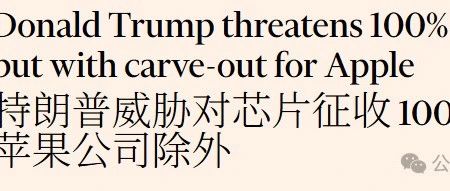
半导体关税、Intel、GPT-5
傅里叶的猫· 2025-08-08 11:30
Group 1: Semiconductor Tariffs - The core viewpoint is that companies building factories in the U.S. can be exempt from tariffs, benefiting firms like Apple, Nvidia, and TSMC, which have committed to expanding capacity in the U.S. [5][6] - Apple emerges as a significant winner as the tariffs help alleviate major supply chain uncertainties, despite its ongoing challenges in AI breakthroughs [6]. - In the analog chip sector, U.S. companies like Texas Instruments and Microchip may benefit, while European firms like Infineon and STMicroelectronics, with only about 15% of their business in the U.S., may face competitive disadvantages [6]. - In the foundry sector, TSMC and Samsung are expected to maintain growth momentum if they can strategically navigate the tariff impacts, while UMC, with a 15%-20% U.S. market share and lacking domestic production, may be pressured [6]. - U.S. firms like Corning and Coherent in the optical communication sector are likely to gain market share from Chinese competitors [7]. - Applied Materials, due to its significant domestic production and involvement in Apple-related projects, may benefit, while Lam Research's limited U.S. presence puts it at a relative disadvantage [7]. - The current market sentiment favors semiconductor hardware companies over software companies, reflecting a shift in investment preferences [7]. Group 2: Intel and Leadership Concerns - Former President Trump called for Intel CEO Pat Gelsinger to resign, citing conflicts of interest due to Gelsinger's extensive ties with Chinese companies, which could pose national security risks [8][9]. - Gelsinger's investments in China, reportedly exceeding $200 million, have raised concerns, especially given Intel's critical role in the U.S. semiconductor industry [9]. - The recent legal issues faced by Cadence, linked to Gelsinger's previous role as CEO, may further complicate Intel's situation if Gelsinger were to step down, potentially impacting Cadence's business prospects [9]. Group 3: AI Developments - The release of GPT-5 has not met high expectations, with users reporting no significant improvements over the previous version in text processing and search capabilities [14]. - The perceived overhype surrounding GPT-5's capabilities has led to a reassessment of the limitations of scaling laws in AI development [14].