城市更新

Search documents
四中全会精神在基层丨财政不花大钱,政府靠什么让“忧居”变“优居”?
Xin Hua Wang· 2025-10-31 23:51
Core Insights - The article discusses the transformation of old housing into modern living spaces in Guangzhou, highlighting a shift in urban governance from large-scale demolition to micro-renovation without significant financial investment from the government [1][2]. Group 1: Urban Transformation - The project "Hongqiao·Xiaoshijiji" in Guangzhou exemplifies a successful micro-renovation, turning 17 old buildings into a single modern structure with various amenities, completed in just six months [1][2]. - The shift in urban development strategy reflects a broader trend in China, moving from large-scale expansion to enhancing existing urban spaces, focusing on quality over quantity [2][8]. Group 2: Community Involvement - A working group was established in July 2023 to facilitate discussions among residents, project designers, and stakeholders to address renovation needs and preferences [2][4]. - The funding model for the renovation involves contributions from residents, enterprises, and government support, promoting a collaborative approach to urban renewal [3][8]. Group 3: Innovative Solutions - The project employs a "unified design, aggregated property rights, and overall approval" model to tackle the complexities of property ownership in old neighborhoods [5]. - Modular construction techniques were utilized to reduce construction time by approximately 60%, addressing concerns about disruption during renovations [7]. Group 4: Governance and Policy - The government's role has evolved from being a direct builder to a facilitator, focusing on creating rules and platforms for diverse stakeholders to collaborate [8]. - New regulations introduced in June 2024 aim to ease restrictions on small-scale renovations, allowing for more community-driven improvements [2].
北方工业大学师生走进首钢园,看钢铁在新时代如何“铸就人间”
Xin Jing Bao· 2025-10-31 13:53
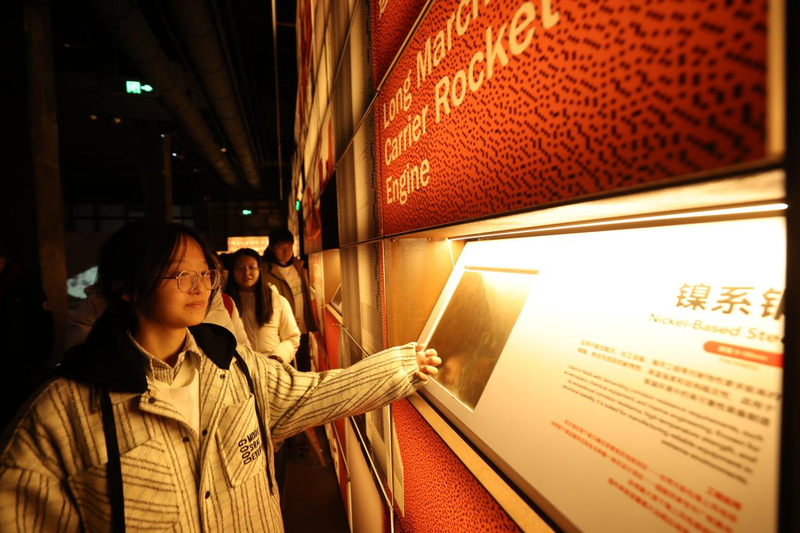
Core Insights - The article highlights the transformation of Shougang Park from a steel production site to a modern cultural and technological industrial park, showcasing its role in urban renewal and industrial upgrading [1][11]. Group 1: Historical Context and Transformation - Shougang Park, originally a steel production facility, has been repurposed into a high-end industrial park, reflecting the city's commitment to urban renewal and industrial transformation [1]. - The park's history includes significant milestones, such as the relocation of Shougang in 2005, which marked a pivotal moment in the city's development [5][11]. - The three high furnaces, particularly the No. 3 furnace, have been transformed into cultural and exhibition centers, hosting major events like the Beijing 2022 Winter Olympics [6][9]. Group 2: Educational and Cultural Engagement - Students from Northern Industrial University participated in a guided tour of Shougang Park, learning about the history and significance of steel in various applications [2][3]. - The "RE RUI·Three High Furnace Digital Museum" serves as an educational platform, utilizing digital technology to engage visitors with the history and applications of steel [5][11]. - The park aims to bridge the gap between education and industry, providing students with insights into modern cultural and technological enterprises [11]. Group 3: Future Development and Industry Focus - Shougang Park is positioning itself as a hub for cross-industry integration, focusing on sectors such as artificial intelligence, cultural technology, and sports economy [9][11]. - The park currently hosts over 1,000 registered enterprises, with more than 70% being cultural and technology companies, indicating a strong emphasis on innovation and modern industry [9][11]. - The ongoing development reflects broader trends in China's economic evolution, moving from heavy industry to a focus on cultural and technological industries [11].

重走驼铃古道,中央民大师生在模式口历史文化街区触摸城市更新
Xin Jing Bao· 2025-10-31 13:50
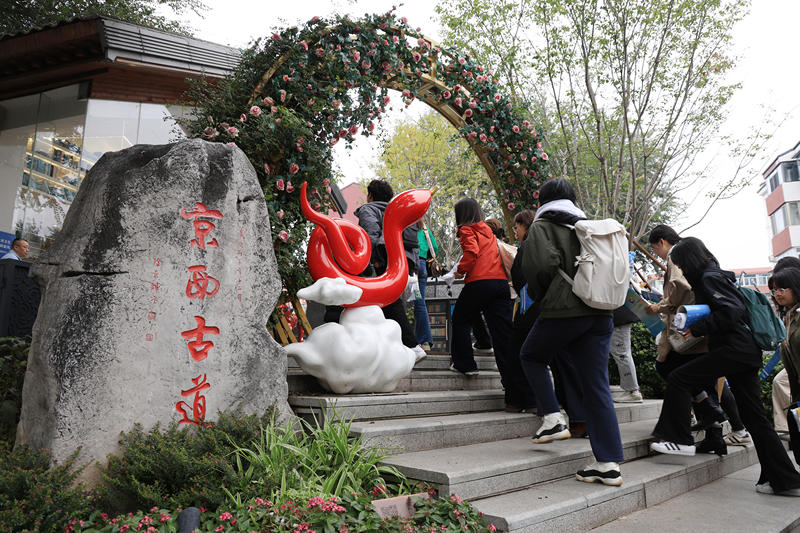
Core Viewpoint - The article highlights the revitalization of the Modekou Historical and Cultural District in Beijing, showcasing how urban renewal can enhance cultural vitality and integrate local heritage with modern life [1][10]. Group 1: Urban Renewal and Cultural Heritage - The Modekou Historical and Cultural District has undergone significant urban renewal, transforming from an old street into a national-level tourist and leisure area, emphasizing the importance of preserving cultural heritage while improving local living conditions [2][10]. - The district's renovation follows a core principle of balancing cultural preservation, environmental improvement, organic updates, and enhancing local livelihoods [8][10]. Group 2: Educational Engagement - Students from Minzu University of China participated in a guided tour of the district, learning about its historical significance and the impact of urban renewal on local culture and community [3][11]. - The educational experience included visits to various cultural sites and businesses, allowing students to understand the integration of industry and daily life in the context of urban renewal [5][10]. Group 3: Cultural and Economic Development - The district has focused on developing industries that align with local culture, such as hospitality, dining, and cultural creativity, to stimulate economic activity and cultural engagement [8][10]. - The introduction of digital technology in cultural preservation, such as the restoration of ancient murals at Fahai Temple, exemplifies how modern techniques can enhance the appreciation of historical art [6][7].
订单“减法”换质效“加法” 德才股份三季报回款及现金流改善
Zheng Quan Ri Bao Wang· 2025-10-31 12:48
Core Viewpoint - The company demonstrates strategic resilience and operational strength amid a backdrop of overall market demand slowdown and intensified industry competition [1] Financial Performance - In the first three quarters of 2025, the company achieved approximately 1.957 billion yuan in revenue and a net profit attributable to shareholders of about 49.07 million yuan [2] - As of the end of Q3, the company's net operating cash flow reached 166 million yuan, indicating a healthy cash generation capability [4] Strategic Focus - The core strategy emphasizes "optimizing order quality and adjusting business layout," moving away from blind expansion of order scale [3] - The company signed a total of 169 new projects with a total contract value of 3.536 billion yuan by the end of Q3, with 52 new projects worth 1.14 billion yuan signed in Q3 alone [3] Project Optimization - The company has raised entry thresholds for project selection, focusing on projects with favorable payment conditions to enhance project profitability [3] - Approximately 83.3% of the new project contracts in the first three quarters were in the "urban renewal" and "urban supporting" sectors, with contract values of about 1.532 billion yuan and 1.413 billion yuan, respectively [4] Market Expansion - The company is actively expanding into first-tier cities, establishing marketing centers in Beijing, Shanghai, Shenzhen, and Chongqing, covering key regions [5] - Internationally, the company is leveraging resources from the London DCHD design institute to penetrate markets in the Middle East and Southeast Asia [5] Future Outlook - The company plans to continue focusing on "urban renewal" and "urban supporting" projects, deepen strategic customer cooperation, and expand both domestic and international markets [5]

广西大力推进城市更新和安全韧性提升行动
Zhong Guo Xin Wen Wang· 2025-10-31 11:48
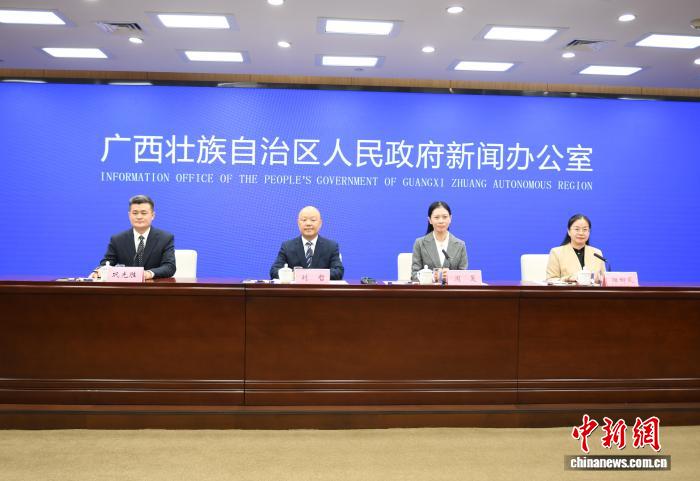
Core Points - Guangxi is actively promoting urban renewal and safety resilience actions since the 14th Five-Year Plan, with approximately 368,100 units of affordable housing and resettlement housing built, benefiting 835,800 people [1][3] Group 1: Urban Renewal Initiatives - During the 14th Five-Year period, Guangxi has implemented 19 urban village renovation projects, renovated 25,800 units of dilapidated urban housing, and upgraded 7,189 old urban communities, adding 44,500 parking spaces [3] - The region has updated and installed 3,786 old residential elevators, effectively addressing the mobility challenges faced by the elderly [3] - Guangxi has improved community service facilities by addressing gaps in elderly care, childcare, meal assistance, and convenience markets, while revitalizing idle and abandoned land to create "pocket parks," significantly enhancing living conditions [3] Group 2: Urban Safety Enhancements - Since the 14th Five-Year Plan, Guangxi has completed the construction and renovation of 13,408 kilometers of underground gas pipelines and conducted safety inspections and rectifications at 167 water supply plants, effectively eliminating 111 sections of urban black and odorous water bodies [3] - The daily sewage treatment capacity in urban areas has reached 6.992 million tons, and in the current year, 13,400 gas safety hazards have been rectified to ensure urban gas safety [3] Group 3: Cultural Heritage Integration - Guangxi integrates historical and cultural preservation into urban construction by implementing pre-construction mechanisms such as "investigate before construction" and "archaeology before land transfer," ensuring that renovation projects align with local urban aesthetics and cultural heritage [4] - Currently, three national historical and cultural cities and 36 historical and cultural districts in Guangxi have achieved comprehensive protection planning [4] - The region encourages the adaptive reuse of historical cultural heritage, transforming historical districts, buildings, and traditional streets into modern spaces like guesthouses and tea rooms, thereby revitalizing the area and ensuring the living transmission of urban cultural context [4] Group 4: Future Financing Strategies - Guangxi plans to promote the use of public-private partnership financing mechanisms and collaborate with policy banks to enhance project review and selection in the urban renewal sector, encouraging localities to fully explore project value and innovate financing models to accelerate project construction [5]
【CGS-NDI跟踪】2025年超长期特别国债发行收官——政策双周报(2025年第7期)
Xin Lang Cai Jing· 2025-10-31 11:37
Group 1: High-Level Dynamics - The People's Daily published a series of articles discussing the long-term stability and development logic of the Chinese economy, emphasizing the strong signals for stabilizing expectations and promoting development [1][5] - Xi Jinping attended the Global Women's Summit and delivered a keynote speech, highlighting the importance of women's development and proposing several initiatives to support this cause [10][11] - Premier Li Qiang hosted a State Council study session focused on enhancing standards to promote high-quality economic development [15][16] Group 2: Fiscal Policy - The issuance of 1.3 trillion yuan in ultra-long-term special government bonds was completed, with funds aimed at supporting major national strategies and enhancing safety capabilities in key areas [25][26] - The issuance scale increased by 300 billion yuan compared to 2024, with a faster pace and earlier issuance time to ensure funds are utilized effectively [25][26] Group 3: Monetary Policy - The central bank's financial data for September 2025 showed M1 growth at 7.2% and M2 growth at 8.4%, with a narrowing M2-M1 gap, indicating a shift towards more liquid deposits [31] - New social financing totaled 3.53 trillion yuan, with a year-on-year decrease, reflecting challenges in loan growth for both households and enterprises [31] Group 4: Regional Policy - The Yangtze River Delta region is enhancing urban agglomeration construction, with a focus on coordinated development and infrastructure connectivity [33][39] - A report on global marine city competitiveness highlighted Shanghai's leading position, emphasizing the city's economic vitality and port throughput [34] Group 5: Industrial Policy - Shanghai introduced measures to accelerate the cultivation of future industries, aiming to establish a number of leading enterprises and innovation clusters by 2030 [47][52] - A multi-departmental plan was released to promote service-oriented manufacturing innovation, targeting the establishment of standards and leading brands by 2028 [52][54] - The national industrial and information technology conference emphasized the importance of integrating technological and industrial innovation to enhance competitiveness [54]
调研速递|福星股份接待国盛证券等6家机构调研 三季度营收10.16亿元 聚焦半导体设备等领域并购
Xin Lang Cai Jing· 2025-10-31 10:59
Core Viewpoint - Fuxing Co., Ltd. (福星股份) is actively engaging with institutional investors to discuss its business operations and future plans, highlighting its dual-driven development strategy in urban renewal and metal products manufacturing [1][3]. Group 1: Company Overview - Fuxing Co., Ltd. was listed on the Shenzhen Stock Exchange in June 1999 and has since focused on product innovation and industrial transformation, upgrading from traditional wire products to high-end steel cord products [3]. - The company has established itself as a significant manufacturing base for metal wire products in China, with its product range including steel cords for radial tires, steel wires, wire ropes, and stranded wires [3]. - Fuxing has been a pioneer in urban renewal projects in Hubei Province, particularly after the "urban village" renovation policy was initiated in Wuhan in 2004, leading to a synergistic development model between its real estate and metal products sectors [3]. Group 2: Recent Performance - In the third quarter of 2025, Fuxing reported a revenue of 1.016 billion yuan, with the real estate segment generating approximately 380 million yuan due to a slowdown in development pace and delivery scale [4]. - The company achieved a signed sales area of approximately 135,700 square meters, translating to a signed sales amount of about 2.6 billion yuan [4]. - Cash flow from sales and services reached approximately 3.088 billion yuan, reflecting a year-on-year increase of 24.29%, with a continuous decline in interest-bearing liabilities and a low asset-liability ratio compared to industry standards [4]. Group 3: Future Development Plans - Fuxing has launched the "Valuation Enhancement Plan" in April 2025, aiming to optimize its asset structure and business layout while solidifying its core operations [5]. - The company is actively seeking capital operation opportunities and is focusing on mergers and acquisitions in sectors such as semiconductor equipment, chip manufacturing, high-end manufacturing, domestic equipment replacement, and new energy materials [5].

北蔡镇投促办调研华甸乔原东郊百联项目
Sou Hu Cai Jing· 2025-10-31 10:57
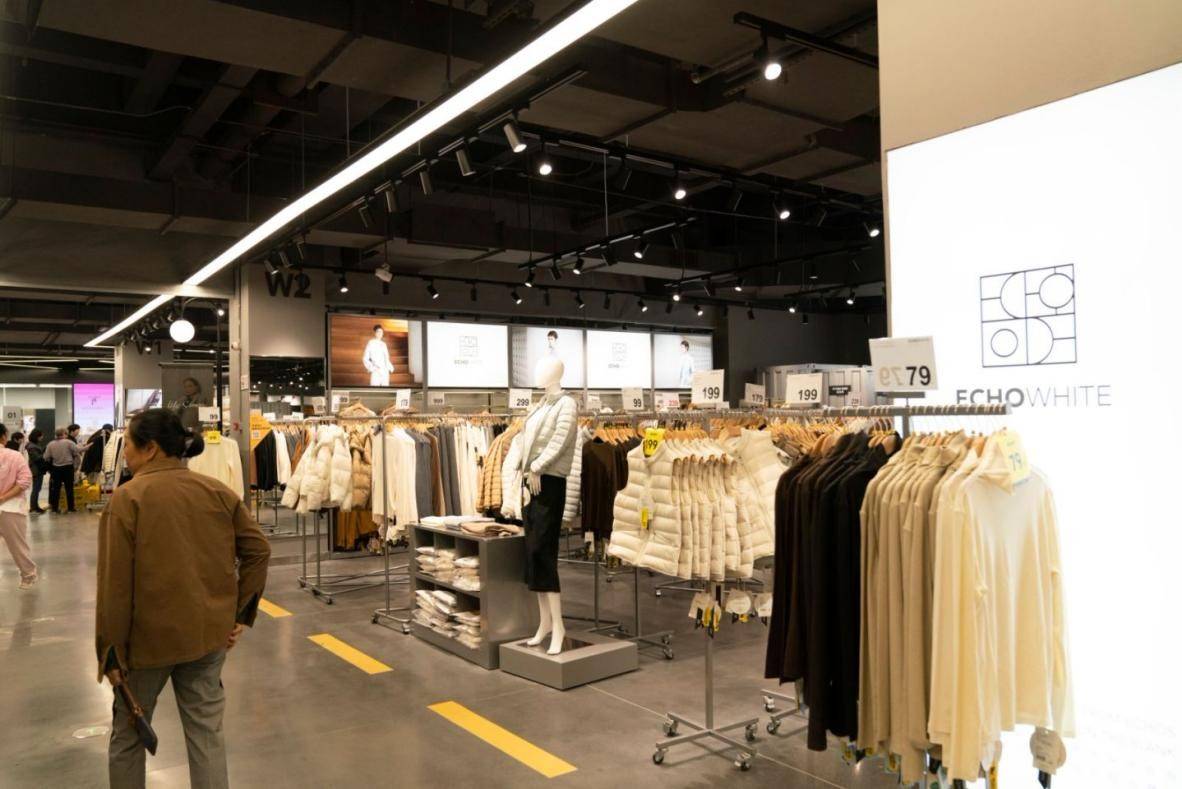
Core Insights - The Dongjiao Bailian project, operated by Huadian Qiaoyuan (Shanghai) Commercial Management Co., has been recognized as a benchmark for urban renewal in Pudong New Area, successfully transforming a traditional shopping center into a mixed-use community that includes hotel apartments, retail shopping, and diverse consumption options [1][2][7]. Group 1: Project Overview - The Dongjiao Bailian project has undergone comprehensive renovation and brand revitalization, becoming a significant driver for regional economic vitality and urban quality enhancement [1][2]. - The project features a large flagship store, "Huipin Warehouse," which opened with nearly 40,000 visitors on its first day, highlighting the demand for high-quality, cost-effective lifestyle options among residents [2][6]. Group 2: Government Support and Collaboration - The North Cai Town Investment Promotion Office has expressed strong support for innovative market entities like Huadian Qiaoyuan, emphasizing the project's role in demonstrating Pudong's investment promotion and consumption potential [4][7]. - Future efforts will focus on optimizing the business environment to provide precise services and policy support for outstanding enterprises in Pudong [4][7]. Group 3: Economic and Social Impact - The project has significantly enhanced both commercial value and the urban landscape, meeting the needs of local residents and businesses for improved living and working conditions [6][7]. - The successful operation of the project has created numerous job opportunities and attracted diverse talent, contributing to positive social outcomes [6][7]. Group 4: Future Prospects - The Dongjiao Bailian project serves as a successful example of government-business cooperation, with plans for continued policy support for urban renewal and commercial innovation projects in Pudong [7][8]. - Urban renewal projects like Dongjiao Bailian are becoming crucial for high-quality development in Pudong, driven by both policy guidance and market vitality [7][8].
城市更新开启行业新周期,房企与机构共论提质发展新模式
Mei Ri Jing Ji Xin Wen· 2025-10-31 09:45
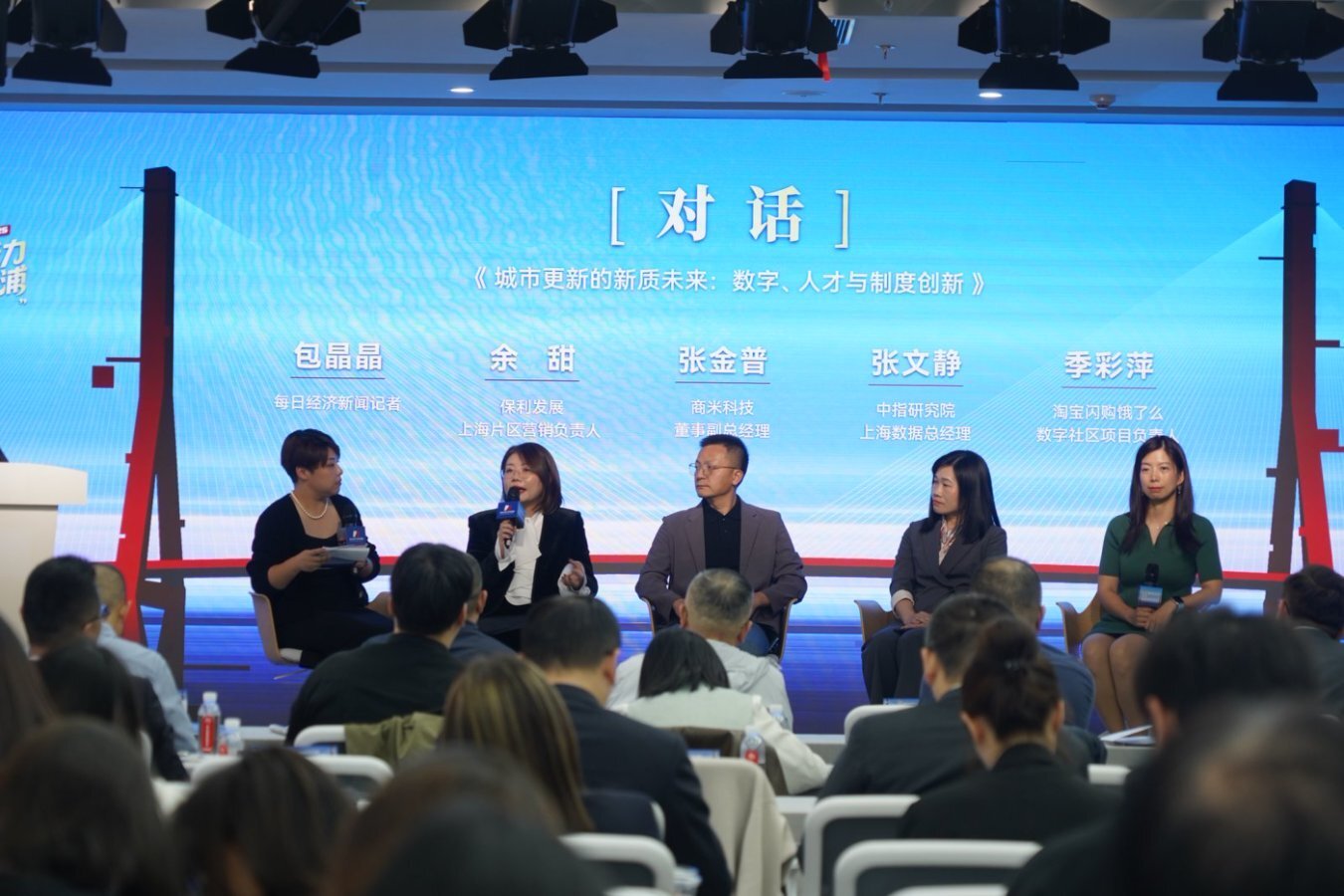
每经记者:刘颂辉每经编辑:魏文艺 当前新型城镇化正从快速增长期转向稳定发展期,城市发展也由大规模增量扩张阶段转向以存量提质增效为主的阶段。 城市更新成为新时期推动城市发展方式转变、促进城市建设的必然选择,是推动城市高质量发展的重要抓手。 10月30日,由每日经济新闻主办的"2025第十五届中国价值地产年会——城市'更'新众论不限购周期行业新格局"在上海成功举行,与会嘉宾就"城市更新将承 载行业提质发展新模式"的话题进行了探讨。 在今年举行的"更持续·新发展"上海城市更新路演推介活动暨城市更新研讨会上,位于上海黄浦区董家渡板块的绿地外滩中心是重点推介的大型城市更新项 目之一。 绿地集团上海公司、董家渡金融城项目客户总监房婧表示,房地产行业已由增量开发转向存量提质的新阶段,城市更新成为绿地集团实现提质增值的关键新 密码,公司在各个项目中进行具体实践。 好地研究院院长方晓泉认为,当前,城市更新正承载着行业提质发展的新模式。从今年上海土地市场的发展情况来看,与城市更新相关的协议出让地块,其 出让金规模已逐渐开始超过通过招拍挂程序出让的地块规模,"而且这将成为未来几年市场发展的趋势" 。 徐汇区东安一、二村片区旧城区改 ...
2000亿元、5000亿元!国家发改委最新发布
21世纪经济报道· 2025-10-31 09:14
Core Viewpoint - The National Development and Reform Commission (NDRC) has successfully allocated 500 billion yuan in new policy financial tools to support over 2,300 projects, with a total investment of approximately 7 trillion yuan, focusing on digital economy, artificial intelligence, and urban renewal sectors [1][4]. Group 1: Investment and Economic Support - The NDRC, in collaboration with various ministries, has accelerated the deployment of new policy financial tools, fully utilizing 500 billion yuan to support significant projects [1]. - An additional 200 billion yuan in special bonds has been allocated to enhance local government financial capacity and stimulate effective investment [3][4]. - The NDRC aims to expedite project commencement and increase physical work output to promote high-quality development [1][4]. Group 2: Economic Performance Indicators - In the first three quarters, China's GDP grew by 5.2% year-on-year, maintaining a leading position among major global economies [4]. - Retail sales of consumer goods increased by 4.5%, with a 1.2 percentage point acceleration compared to the previous year [4]. - Industrial output saw a significant rise, with the value added by large-scale industries growing by 6.2%, marking the highest growth since 2022 [4]. Group 3: Innovation and Industry Growth - China's innovation index has entered the global top ten, bolstering the development of emerging industries [4]. - The value added by equipment manufacturing and high-tech manufacturing industries grew by 9.7% and 9.6%, respectively, with significant contributions from integrated circuit and smart device manufacturing [4][5]. Group 4: Export and Market Resilience - Despite external pressures, China's goods exports maintained a growth rate of 7.1%, with high-tech and high-value-added products gaining wider recognition [5]. - Exports to Belt and Road Initiative countries increased by 12.4%, and exports to ASEAN countries have shown continuous growth for eight months [5]. Group 5: Consumer Demand and Structural Upgrades - Consumer demand is showing new strengths, with significant growth in service retail and inbound tourism [5]. - The production of high-end, green, and intelligent products is rapidly increasing, with notable growth in civilian drones and industrial robots [5]. Group 6: Future Economic Outlook - The achievements in the first three quarters lay a solid foundation for meeting annual economic targets, with international organizations raising their growth forecasts for China [6]. - The NDRC plans to strengthen policy research and timely implementation to ensure the continued effectiveness of economic policies [6].