银发经济

Search documents
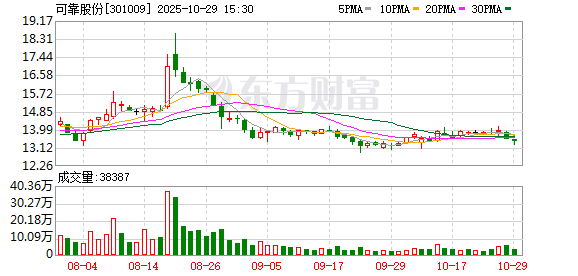
可靠股份前三季度营收稳健增长 坚定聚焦银发战略
Zheng Quan Ri Bao· 2025-10-29 08:04
Core Insights - Reliable Co., Ltd. reported a revenue of 829 million yuan for the first three quarters of 2025, representing a year-on-year growth of 5.12% [2] - The company's net profit attributable to shareholders reached 27.98 million yuan, marking a year-on-year increase of 26.79% [2] - Operating cash flow saw a significant increase of 136.29%, amounting to 89.71 million yuan [2] Company Strategy - The company has been focusing on the "silver economy" for 24 years, leading to steady revenue growth [2] - Reliable Co. emphasizes user-centric product development, addressing the needs of elderly consumers who may be resistant to traditional care products [2] - The introduction of the "Reliable Cloud Soft Instant Absorption Series" aims to provide comfort and security for users, featuring soft surfaces and ergonomic designs [2] Production and Quality Control - The company prioritizes product quality as its "lifeline," operating smart production lines 24/7 in its factories [2] - An intelligent visual inspection system is in place to ensure the quality of each adult diaper produced [2] - A data platform is utilized for real-time monitoring of inventory and logistics, ensuring efficient and stable supply [2] Industry Outlook - As China enters a deeply aging society, Reliable Co. is committed to focusing on its silver strategy and maintaining a user-centric approach [3] - The company aims to explore new models and scenarios in smart manufacturing, integrating tools like artificial intelligence [3] - Reliable Co. is dedicated to building a "smart elderly care ecosystem" [3]

前三季度离境退税销售额增长约1倍
Chang Jiang Shang Bao· 2025-10-29 07:55
Core Insights - The number of foreign visitors entering China without a visa reached 20.89 million in the first three quarters of this year, representing a year-on-year increase of over 50% [1] - The sales volume of tax refunds for departing tourists has doubled [1] - The upcoming 8th China International Import Expo (CIIE) will take place from November 5 to 10, featuring participation from 155 countries and regions, with over 4,108 foreign enterprises exhibiting [1][2] Group 1: Economic Activities and Initiatives - The Ministry of Commerce has implemented the "Buy in China" campaign to boost consumption and expand domestic demand, enhancing the visibility and influence of this initiative [1] - The CIIE will showcase 461 new products, technologies, and services, positioning China as a global testing ground for innovation and application [2] - The event will also introduce new themes such as the silver economy, ice and snow economy, and sports economy, aiming to expand consumption in goods and services [2] Group 2: Event Details and Participation - The exhibition area for this year's CIIE exceeds 430,000 square meters, with a record number of participating enterprises, including 290 Fortune 500 companies [2] - The event will feature 33 sub-forums and closed-door meetings, along with over 80 supporting activities such as trade negotiations and investment promotion [1][2] - The "Buy in China" annual highlight, the 2025 China International Boutique Consumption Month, will be launched in conjunction with the CIIE, focusing on premium shopping and tourism [3]
银发经济|当“孝心”成为生意:老年营养品市场在标准缺失中野蛮生长
Di Yi Cai Jing· 2025-10-29 07:41
Core Viewpoint - The new national standard aims to regulate the elderly nutrition food market, addressing existing challenges and promoting growth in the silver economy as the aging population increases [1][3]. Group 1: Market Overview - The elderly nutrition product market is expected to experience significant growth due to the aging population and increasing health awareness among consumers [4]. - The market size for nutrition health foods in China is projected to reach 522.3 billion yuan in 2024, with functional nutrition foods and health foods accounting for 289.1 billion yuan and 233.1 billion yuan, respectively [4]. - The compound annual growth rate (CAGR) for functional nutrition foods is expected to be 8.5% over the next five years, surpassing the previous five-year rate of 6.6% [4]. Group 2: Current Challenges - The elderly nutrition food market is characterized by a lack of standards, leading to confusion and mistrust among consumers due to misleading marketing and exaggerated claims [4][6]. - Many products marketed for the elderly do not meet the specific physiological needs of older adults, resulting in a wide variance in ingredient quality and nutritional composition [2][6]. Group 3: New National Standard - The recently proposed national standard for elderly nutrition supplements defines these products as special dietary foods made from dairy, soy, or their derivatives, supplemented with vitamins and minerals [4][5]. - The draft standard includes strict requirements for raw materials, such as a minimum protein content of 20% of the total product weight and restrictions on the use of hydrogenated fats [5]. - The new standard aims to shift the industry from concept marketing to value supply, promoting standardization and quality improvement in the elderly nutrition food sector [6].

175款智慧康养机器人亮相成都 解锁未来养老生活新图景
Zhong Guo Xin Wen Wang· 2025-10-29 07:35
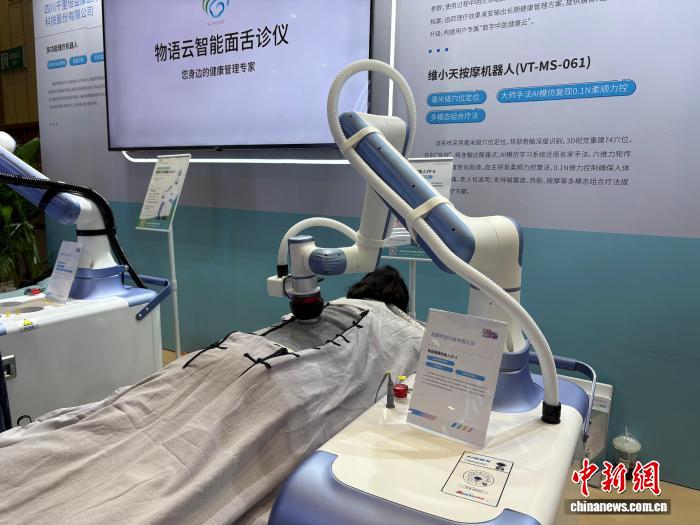
Core Viewpoint - The event showcased 175 smart elderly care robots, highlighting the future of elderly living and the diverse experiences offered by "smart care" technology [1][2]. Group 1: Event Overview - The "Smart Care Robot Conference" in Chengdu featured a variety of robots designed for elderly care, including multifunctional care robots, companionship robots, and therapeutic robots [1][2]. - The exhibition brought together over a hundred smart elderly care companies, demonstrating the integration of 175 robot products into real-life scenarios such as home living, entertainment, fitness, and medical care [2]. Group 2: Product Features - The exhibition included immersive experiences tailored to different elderly needs, featuring areas like the Smart Living Pavilion and Future Health Center [2]. - Notable products included a care transfer robot that assists elderly individuals with mobility, showcasing its ability to help users move to various locations like toilets and sofas [2][4]. Group 3: Technological Innovations - The Future Health Center displayed advanced robots capable of pulse analysis and precise therapeutic services using AI algorithms and visual systems [4]. - The event also featured innovative robots such as a mobile bionic humanoid robot and a barbecue robot, which captivated the audience [4]. Group 4: Industry Implications - The changing demographic structure in China is driving the demand for smart elderly care robots, which are seen as crucial for addressing labor shortages in caregiving and enhancing service efficiency and quality [4]. - The exhibition served as a platform for showcasing the latest technological advancements in the smart elderly care sector, promoting industry collaboration and accelerating the application of these technologies [5].

天眼新知 重阳探“银潮”:2025养生养老产业的需求裂变与价值重构
Zheng Quan Ri Bao Wang· 2025-10-29 07:29
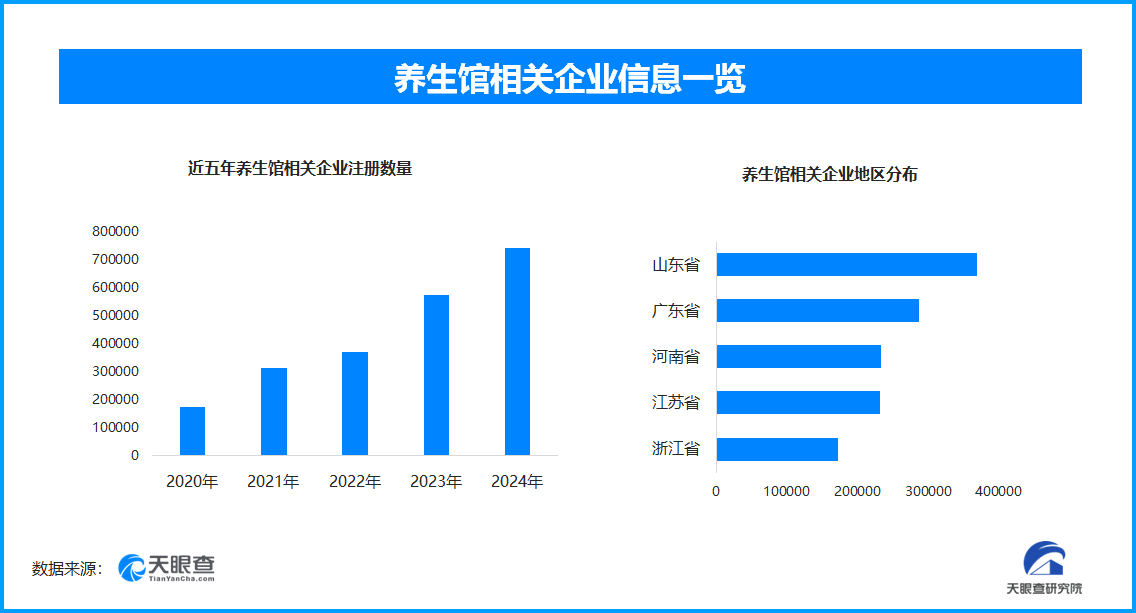
Core Insights - The aging population in China is shifting from basic survival needs to a pursuit of quality living, creating a significant opportunity for the silver economy [1][10] - The market size of the silver economy is projected to reach 15.8 trillion yuan in 2025, driven by a large elderly population and upgraded consumption demands [1][16] Market Trends - The health management and elderly care service market is expected to grow to 1.4 to 1.5 trillion yuan by 2025, with significant growth in traditional Chinese medicine and wellness services [2] - The number of health-related enterprises has increased, with over 331.1 million existing wellness centers and an expected 70.5 million new registrations by 2025 [3][7] Technological Innovations - The integration of smart devices with traditional wellness practices is enhancing service precision and expanding service scenarios, such as AI for Alzheimer's screening [5] - The market for aging-friendly smart technology is projected to reach 555.4 billion yuan by 2025, becoming one of the fastest-growing sectors in the silver economy [16] Evolving Care Models - Home-based elderly care is evolving from basic assistance to quality nursing, with a growing demand for safety and health monitoring [6] - Community care is becoming a focal point for policy support and market development, with an expected market size of 1.2 trillion yuan by 2025 [6] Cross-Industry Integration - The integration of healthcare, wellness, culture, and tourism is reshaping the silver economy, with a projected market size exceeding 15 trillion yuan by 2030 [10] - Demand segmentation is evident, with different age groups focusing on various aspects of wellness and care, leading to a differentiated market approach [11] Policy and Capital Support - Government policies are providing substantial support for the elderly care industry, including tax exemptions and the establishment of a billion-yuan development fund [16] - The shift from reactive aging responses to proactive economic value creation is positioning the silver economy as a key driver of stable economic growth [16]
发力银发经济 深圳最早建成区探索智慧养老之路
2 1 Shi Ji Jing Ji Bao Dao· 2025-10-29 06:47
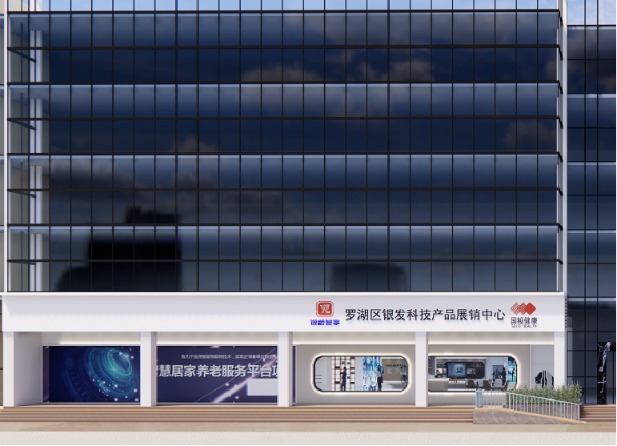
Core Insights - The potential of the silver economy in China is being increasingly recognized as the country enters a moderately aging society, with various regions beginning to develop the elderly care industry [1] - The market size of China's elderly care industry is projected to reach 12 trillion yuan in 2023, with expectations to grow to approximately 30 trillion yuan by 2035 [1] Group 1: Industry Development - The "Luohu District Smart Elderly Care Industry High-Quality Development Work Plan" was officially released, outlining a strategic approach to developing the smart elderly care sector [1] - Luohu District is characterized by a large elderly population and diverse needs, providing a conducive environment for the growth of the smart elderly care industry [1] Group 2: Infrastructure and Projects - The smart elderly care industry plan includes three levels of industrial space, five application scenarios, three consumption scenarios, and 16 specific projects [1] - A silver technology incubation acceleration center will be established in Huangbei Street to attract startup companies [2] - Two themed buildings will be developed in the Sungang and Qingshuihe areas to support growth-oriented enterprises and facilitate the transformation of research into production [1][2] Group 3: Application Scenarios - Five practical application scenarios have been proposed to provide large-scale testing grounds for enterprises, focusing on smart management systems and advanced technology in elderly care [3] - Collaboration with Hong Kong universities and research institutions aims to explore innovative channels for smart elderly care [3] - Clinical trial platforms will be established in local medical institutions to support innovative products for elderly care [3] Group 4: Consumer Engagement - A three-tiered offline sales network will be constructed, including a silver technology product exhibition center for enterprises to showcase cutting-edge products [4] - Smart elderly care flagship stores will be opened in key commercial areas to integrate display and sales [4] - An online market platform will be developed to promote smart elderly care products, utilizing live streaming and offline experiences to enhance consumer engagement [4]
持续践行金融"五篇大文章" 渤海银行成功承销市场首批养老产业债务融资工具
Ge Long Hui· 2025-10-29 06:23
Core Insights - Bohai Bank successfully underwrote the issuance of 200 million yuan in medium-term notes for Shandong Yiyang Health Industry Development Group, marking a significant step in supporting the elderly care industry [1][3] - The issuance has a term of three years with an interest rate of 1.96%, highlighting the bank's commitment to the "silver economy" [1][3] Group 1: Financial Support and Development - 50% of the funds raised from the medium-term notes will be used to repay interest-bearing debts related to the elderly care industry, including loans for health projects and procurement of applicable medical supplies [3] - The central financial work conference in 2023 emphasized the development of the "silver economy" and laid out important policies for financial support in this sector [3][4] - Bohai Bank is actively aligning its investment banking operations with national policies and has been involved in the development of innovative financial products to support the elderly care industry [3][4] Group 2: Personal Pension Services - Bohai Bank is one of the first commercial banks to obtain qualifications for personal pension business, demonstrating its proactive approach to social responsibility and service to the elderly [4] - As of June 2025, the bank's pension financial services have reached 1.438 million households, reflecting a 7% increase from the previous year [4] - The bank plans to enhance its bond products related to key areas and continue to promote the issuance of debt financing tools for the elderly care industry [4]
银发经济|超1.2亿老人困于“无声世界”, 助听设备鱼龙混杂,如何唤醒沉默的刚需
Di Yi Cai Jing· 2025-10-29 06:18
Core Insights - The prevalence of moderate to severe hearing loss among individuals aged 65 and older in China exceeds 33%, affecting over 120 million elderly people, with the rate rising to approximately 50% for those aged 75 and above [1][2] - The current market supply model is inadequate to address the urgent public health challenge posed by hearing loss among the elderly, necessitating a paradigm shift in hearing health management [1] - There is a significant delay in seeking intervention for hearing loss, averaging 7 to 10 years, which results in missed opportunities for effective treatment [1] Group 1: Market Demand and Supply - The penetration rate of hearing aids in China is less than 5%, significantly lower than the 30% to 40% rates in developed countries [3] - High costs of imported hearing aids, often exceeding tens of thousands of yuan, and complex fitting processes deter elderly users from seeking help [3] - Domestic manufacturers are introducing lower-cost "assistive headphones" to lower barriers to entry and stimulate market growth, but these products often lack professional support and accuracy [3][4] Group 2: Impact on Health - Hearing loss in the elderly is linked to broader health issues, including cognitive decline and increased risk of conditions like Alzheimer's disease, with about 24% of elderly hearing loss patients experiencing mental health issues such as depression and anxiety [2][4] - The lack of timely intervention can lead to severe negative consequences, emphasizing the need for immediate and effective hearing health services [2] Group 3: Service and Professional Support - Only 2% of fitting institutions provide comprehensive professional services for hearing aids, and 68% of users have not received any follow-up care or rehabilitation consultations [4] - The industry is currently focused on hardware specifications and price competition, neglecting the core user needs for effective hearing solutions [4][5] Group 4: Industry Trends and Innovations - International hearing health device manufacturers are increasing investments in the Chinese market, anticipating a doubling of the population aged 60 and above in the next 25 years [6] - Domestic companies are making technological advancements, including AI integration in hearing aids, to enhance user experience and accessibility [6][7] - New subscription models for hearing aids are being explored, aiming to democratize access to hearing health solutions [7]
政策点评:“十五五”规划建议的学习体会
CAITONG SECURITIES· 2025-10-29 05:48
Group 1: Economic Development Strategy - The Central Committee released suggestions for the 15th Five-Year Plan, focusing on optimizing traditional industries and fostering emerging sectors[1] - Emphasis on transforming manufacturing into intelligent, green, and integrated systems, aiming for a modern industrial framework led by advanced manufacturing[1] - Anticipated growth in high-end industries such as aerospace, low-altitude economy, and new materials, while addressing overcapacity[1] Group 2: Technological Innovation - The plan highlights the need for original innovation and tackling key core technologies, promoting deep integration of technology and industry[1] - Expected breakthroughs in critical areas like integrated circuits and foundational software during the 15th Five-Year period[1] - AI is projected to permeate various sectors, enhancing productivity and driving industrial evolution through a positive feedback loop[1] Group 3: Social Welfare and Employment - The strategy aims to ensure high-quality employment and improve income distribution, education, and social security systems[1] - Focus on developing a comprehensive service system for the elderly and children, including childcare subsidies and enhanced elderly care services[1] - The "silver economy" is expected to grow, driven by long-term care insurance and smart elderly care solutions[1] Group 4: Investment Recommendations - Investment focus on high-end manufacturing sectors like embodied intelligence and brain-computer interfaces, targeting leading companies with strong industrial capabilities[1] - In technology innovation, attention should be on emerging fields like AI Agents, emphasizing firms with core algorithms and ecosystem potential[1] - For the silver economy, recommend institutions involved in long-term care insurance and providers of smart elderly care solutions[1] Group 5: Risk Factors - Potential risks include slower-than-expected policy progress, economic growth below forecasts, escalating geopolitical conflicts, and challenges in technology commercialization[1]
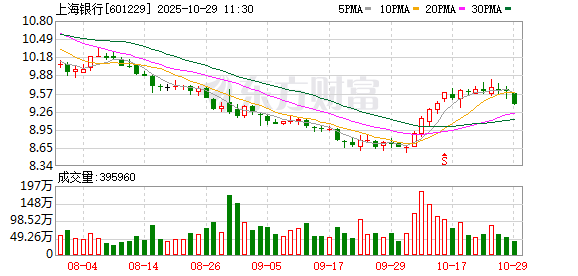
深耕银发经济 上银理财打造适老金融服务体系新范式
Zhong Guo Zheng Quan Bao· 2025-10-29 04:46
Core Insights - The silver economy is thriving, and financial institutions are recognizing the importance of developing "age-friendly" financial services as both a trend and a responsibility [2] - Shanghai Bank has been deeply involved in the pension finance sector for nearly 30 years, serving nearly 6 million elderly clients [2] - The company aims to accelerate innovation in products and services to further explore the silver economy [2] Product Development - There is a significant increase in demand for financial products among elderly clients, making them an important force in the wealth management market [4] - Current age-friendly financial products are relatively homogeneous and lack diversity, with few tailored to the specific financial needs and risk tolerances of the elderly [4] - The "Anxin Yixuan Changying (Youxiang Dividend)" series was launched to meet the financial needs of the elderly, featuring a mixed valuation method with over 50% low-volatility assets [5] - This product series offers a "dividend" feature for sustainable cash flow and allows early redemption for clients over 60 under certain conditions [5] Service Innovation - In addition to product innovation, there is a need for enhanced financial services tailored to the elderly, particularly in health and wellness areas [7] - The company is adopting a "product + service" approach to improve the financial experience for the elderly [7] - A new green medical service will be launched in 2024, providing appointment scheduling and accompanying services for clients aged 60 and above [7] - This service aims to address the challenges faced by elderly clients, such as declining health and difficulties in accessing medical care [7] - As of September 2025, the company served 925,000 clients, with 536,000 clients aged 50 and above, accounting for approximately 58% of the total [7]