中国经济

Search documents
中央经济工作会议向世界递出“机遇清单”
Huan Qiu Shi Bao· 2025-12-12 13:28
12月10日至11日召开的中央经济工作会议,站在"十四五"即将圆满收官、"十五五"迎来稳健开局的交汇 点,为中国经济把脉定向,也为世界观察中国提供一扇权威"窗口"。今年以来,从国际资本加码布局中 国新质生产力,到近期国际金融机构密集上调中国增速预期,"看好中国"的共识正不断成形和升温。世 界究竟看好的是什么,中国又向世界递出了怎样一份"机遇清单"? 即将过去的2025年,是十分不平凡的一年。在外部环境不确定性上升、国内结构调整任务繁重的背景 下,中国经济顶压前行、向新向优发展,前三季度国内生产总值同比增长5.2%,全年经济社会发展主 要目标有望顺利完成。在外部环境变化影响加深,国内供强需弱矛盾突出的背景下,这本身就是经济韧 性和潜力的体现。中央经济工作会议在总结今年工作时指出,现代化产业体系建设持续推进,改革开放 迈出新步伐,重点领域风险化解取得积极进展,民生保障更加有力。近日,包括世界银行、国际货币基 金组织、亚洲开发银行在内的多家国际机构密集上调2025年中国经济增速预期。世界看好的,是具备强 劲增长韧性的中国经济所带来的发展动能和合作机遇,是在不断解决"老问题"和"新挑战"中提升现代化 经济社会治理水平 ...
外交部:中国是最大的确定性,欢迎各国搭乘中国发展快车
Xin Hua She· 2025-12-12 10:43
新华社北京12月12日电(记者刘杨、黄扬)外交部发言人郭嘉昆12日表示,在不确定的世界中,中 国是最大的确定性,也将继续成为全球增长的重要引擎。欢迎各国搭乘中国发展快车,分享中国大市 场,在利益交融中实现相互成就,共同发展。 当日例行记者会上,有记者问:近日,世界银行、国际货币基金组织、亚洲开发银行等机构将2025 年中国经济增速预期分别上调0.4、0.2、0.1个百分点。不少机构表示,尽管面临冲击,中国经济展现了 显著韧性。有外媒将中国比作充满不确定性的国际环境中一片"确定性的绿洲"。发言人对此有何评论? 郭嘉昆说,中国新质生产力将蓬勃发展,中国制造日益高端化、智能化、绿色化,中国创新动能引 领世界创新合作,降低新技术成本,促进可持续发展。中国高水平开放将深入推进,我们稳步扩大制度 型开放,维护多边贸易体制,以开放促改革促发展,中国开放的大门将越开越大。 "在不确定的世界中,中国是最大的确定性,也将继续成为全球增长的重要引擎。欢迎各国搭乘中 国发展快车,分享中国大市场,在利益交融中实现相互成就,共同发展。"郭嘉昆说。 郭嘉昆说,"看好中国"日益成为各方共识。来华出席"1+10"对话会的国际经济组织负责人表示 ...
外交部:在不确定的世界中 中国是最大的确定性
证券时报· 2025-12-12 10:09
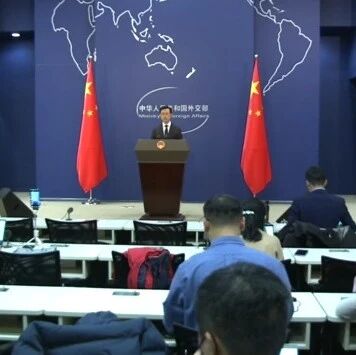
12月12日,外交部发言人郭嘉昆主持例行记者会。 有记者问:近日,世界银行、国际货币基金组织、亚洲开发银行等机构将2025年中国经济增速预期分别上调 0.4、0.2、0.1个百分点。不少机构表示,尽管面临冲击,中国经济展现了显著韧性,有外媒将中国比作充满不 确定性的国际环境中一片"确定性的绿洲",发言人对此有何评论? 在不确定的世界中,中国是最大的确定性,也将继续成为全球增长的重要引擎。欢迎各国搭乘中国发展快车, 分享中国大市场,在利益交融中实现相互成就,共同发展。 来源:央视新闻 责编:李丹 校对:姚远 版权声明 证券时报各平台所有原创内容,未经书面授权,任何单位及个人不得转载。我社保留追 究相关 行 为主体 法律责任的权利。 转载与合作可联系证券时报小助理,微信ID:SecuritiesTimes 郭嘉昆表示,"看好中国"日益成为各方共识。来华出席"1+10"对话会的国际经济组织负责人表示,过去一年, 中国经济持续稳健增长,为世界经济增长作出重大贡献。国际机构密集上调中国经济增长预期,再次表明看多 中国愈加成势。 中央经济工作会议刚刚成功举行,对明年经济工作确定了坚持内需主导、建设强大国内市场,坚持对外开 ...

外媒积极评价中国经济活力与韧性:回升向好态势进一步增强
Yang Shi Wang· 2025-12-12 06:51
Group 1 - The World Bank, IMF, and ADB have raised their economic growth forecasts for China, indicating a strengthening and positive trend in the Chinese economy [1][4][12] - The World Bank's latest economic report highlights that China's economic performance is better than initial expectations, with a more diversified export market [4][12] - China's proactive fiscal policy and moderately loose monetary policy have supported domestic consumption and investment, contributing to a long-term high growth potential [4][12] Group 2 - The reports from the World Bank and IMF emphasize that the Chinese government's macroeconomic policies are "more proactive" and "more predictable," creating a stable environment for economic growth [8][12] - Market confidence has rebounded, which is crucial for economic vitality, supported by China's tradition of developing and promoting growth plans [8][12] - Significant growth in private investment has been observed in sectors such as automotive manufacturing and transportation equipment, indicating a release of market vitality [8][12] Group 3 - Various institutions' upward adjustments reflect a dual affirmation of China's current economic performance and long-term development potential [12] - Targeted measures to expand domestic demand, including enhancing social security and increasing support for elderly care and childcare, are expected to improve mid-term growth prospects [12][15] - China is embracing a new growth model, driven by accumulated innovation momentum and sustained fiscal policy efforts, enhancing international confidence in the Chinese economy [12][15] Group 4 - China is actively promoting autonomous innovation in the artificial intelligence sector to strengthen internal economic dynamics [15] - The overall resilience of foreign trade remains strong, with a notable increase in high-tech product exports, positioning China to achieve an annual economic growth target of around 5% [15] - A robust and increasingly open China is expected to continue serving as a growth engine for the global economy and a favorable investment destination for businesses worldwide [15]
稳中向新:2026中国经济的“加速密码”
Sou Hu Cai Jing· 2025-12-12 05:34
Core Viewpoint - The article emphasizes that the Chinese economy is not merely relying on luck for 2026, but rather on patience, structure, and practical efforts, suggesting a steady rhythm will lead to faster progress [5] Group 1: Economic Strategy - The year-end review and planning for the upcoming year highlight the importance of addressing pressures while maintaining a clear long-term positive outlook, which serves as a stabilizing factor [4] - The policy approach is characterized as a combination of precise measures, with continued active fiscal policies and flexible monetary policies aimed at boosting consumption, investment, and innovation simultaneously [4] - The focus on domestic demand is prioritized, with a clear logic that stabilizing income and consumption will naturally stabilize expectations [4] Group 2: Structural Changes - The article identifies new productive forces, artificial intelligence, and green transformation as key areas for economic acceleration, emphasizing the need to optimize new growth while revitalizing existing resources [4] - The stance against "involutionary competition" indicates a shift towards higher quality economic development rather than mere expansion [4] Group 3: Reform and Opening Up - Ongoing reforms in the unified market, private economy, and capital markets are highlighted, along with a shift in foreign trade focus from goods to services and digital trade, enhancing the attractiveness of the Chinese market [4] - The article suggests that true strength comes from freedom within order, reflecting a commitment to reform and opening up [4] Group 4: Social Welfare - The emphasis remains on improving livelihoods through concrete actions in employment, education, healthcare, and housing, reinforcing that stabilizing expectations equates to stabilizing confidence [4]

中国经济坚实底色从未改变
Jing Ji Ri Bao· 2025-12-11 21:37
中国经济的演进逻辑,从来不是线性上升,而是在爬坡过坎中不断升级。观察中国经济,不能只盯着是 否存在下行压力,更要关注具备哪些上行动能;不能只看短期波动,更要看中长期趋势;不能只听舆论 噪音,更要相信市场和机构的理性判断。只有以客观、动态、长期的视角观察中国经济,才能全面把握 其发展趋势,精准认识其增长动力,进而作出更加科学、理性且准确的判断。 当前,中国经济正处在承压运行、加速转型、蓄势上行的关键阶段,短期挑战不容回避,但长期向好的 基本面没有改变,推动高质量发展的条件更加成熟。可以预期,随着改革持续深化、开放不断扩大、创 新加速突破,中国经济这艘巨轮,必将穿越风浪、行稳致远,为世界经济注入更加稳定、持久的力量。 近日,国际组织接连看好中国经济,上调增速预期。国际货币基金组织(IMF)表示,尽管面临多重冲 击,中国经济仍展现出显著韧性。世界银行发布的最新一期中国经济简报提出,中国政府更加积极的财 政政策和适度宽松的货币政策支撑了国内消费和投资。同时,中国出口市场更加多元化,为保持出口韧 性提供了支撑。有关研判为外界观察中国经济提供了重要坐标,折射出中国经济整体韧性、政策空间和 发展前景的坚实底色,也证明中国经 ...
话 信 心
Ren Min Ri Bao· 2025-12-11 05:59
Group 1 - The core message emphasizes the resilience and vitality of the Chinese economy, highlighting the importance of maintaining confidence and strategic determination in the face of challenges [1][2] - The article discusses the significant growth of China's GDP, which is projected to reach approximately 140 trillion yuan this year, with an average annual growth rate nearly double that of the global economy from 2012 to 2024 [4] - The article notes that the high-tech manufacturing sector has seen a year-on-year increase of 9.6% in value added for the first three quarters of this year, indicating strong growth in innovation-driven industries [8] Group 2 - The article highlights the strategic importance of maintaining a strong domestic market as a foundation for modernization, which is crucial for navigating global economic challenges [7] - It mentions the successful integration of intelligent robotics in various sectors, including healthcare, showcasing the potential for innovation to enhance quality of life and economic growth [8] - The article underscores the need for local regions to leverage their unique strengths while contributing to national economic goals, promoting coordinated development across urban and rural areas [12]
中国经济的“长坡厚雪”,到底厚在哪?
Sou Hu Cai Jing· 2025-12-11 00:42
《中国经济的"长坡厚雪",到底厚在哪?》 第一,独特优势的叠加效应正在放大。超大规模市场像"深厚雪场",完整产业体系是"滑雪板",制度优势则是"助推器"。三者一叠加,各类资源迅速向关键 领域汇聚,新能源汽车、低轨卫星、新质生产力等赛道的突破,就是这种结构力量的最好注脚。"韧性不是喊出来的,而是结构写出来的"。 第二,政策更聪明了,方向更精准了。从育儿补贴到免费学前教育,从消费贷款贴息到物流成本下降,再到全国统一大市场纵深推进,政策像是在持续为经 济"上润滑油"。财政与金融协同,供给与需求并进,把潜能转成动能,把动能转成实绩。 第三,战略定力来自规律认识的深化。越是风高浪急,中国越强调方法论和长期主义。理论创新成果不断落地,避免了"急刹车—急转弯"的政策摇摆,构建 出更稳的治理框架。这是一种来自内在成熟的"光照式稳健"。 未来当然不会平坦,但趋势清晰、逻辑稳固。"十五五"是通向现代化的新坡道,只要继续发挥比较优势,把自己的事办好,中国经济不仅能行稳致远,还能 在长坡厚雪上滑出新的加速度。 ——站在"十四五"收官与"十五五"将启的时间交汇点,重新理解中国经济的韧性、潜能与长期逻辑 ama r person U - ...

金观平:中国经济长期向好具有坚实支撑
Jing Ji Ri Bao· 2025-12-10 03:02
高效能宏观经济治理,提升了高质量发展的能力。高质量发展是全面建设社会主义现代化国家的首要任 务。不断完善宏观经济治理体系,通过改革发力、政策给力,把发展潜力充分释放出来,把各方面积极 因素转化为发展实绩,打开了高质量发展新天地。今年以来,发放育儿补贴、逐步推行免费学前教育, 注重"投资于人";对个人消费贷款和服务业经营主体贷款进行补贴,实现财政金融政策协同联动;有效 降低全社会物流成本,纵深推进全国统一大市场建设……政策效能不断转化为澎湃发展动能,有力巩固 和增强了我国经济稳中向好态势。 对经济工作的规律性认识不断深化,增强了经济航船行稳致远的定力。新时代以来,我们党团结带领人 民以强大的组织力量、科学的应对策略、恰当的方式方法,化解一系列风险挑战,并及时作出经验总 结,提出理论创新成果,深化对经济工作的规律性认识,充分彰显了我们党在复杂多变的局面下驾驭发 展大局、总揽经济工作的战略智慧。坚持好、运用好理论创新成果,用以指导经济发展实践,将不断增 强战略定力,为我国经济平稳健康可持续发展提供更加坚强的保障。 准确把握经济发展的基本面,必须超越短期的、扰动性的和局部的现象层面,着眼于主导性的趋势和宏 观层面,看 ...
李强分别会见世界银行、国际货币基金组织、联合国贸易和发展会议负责人
证监会发布· 2025-12-09 14:38
Core Viewpoint - The article emphasizes China's commitment to maintaining economic stability and growth amidst global challenges, highlighting the importance of domestic demand and international cooperation in enhancing global trade and investment [2][3]. Group 1: Economic Strategy - China aims to expand domestic demand as a strategic foundation, promoting interaction between consumption and investment, and enhancing the reliability of domestic circulation [2]. - The country plans to advance a modern industrial system focusing on intelligence, greenness, and integration, while strengthening industrial cooperation with other nations to improve global supply chains [2]. Group 2: International Cooperation - China expresses strong support for a UN-centered international system and multilateralism, seeking to enhance cooperation with the World Bank in areas such as knowledge sharing and RMB loans [3]. - The country is committed to supporting the IMF's operations in Shanghai and promoting quota reforms to assist low-income countries [3]. - There is a willingness to collaborate with the UN Conference on Trade and Development in fields like green minerals, digital economy, artificial intelligence, and low-carbon transition [3]. Group 3: Global Economic Impact - The achievements of China in recent years are recognized as significant contributions to global economic growth, with the "14th Five-Year Plan" expected to provide valuable certainty and strong momentum for the world economy [3]. - There is a collective appreciation for China's long-term support for the development of the Global South, with a focus on enhancing policy communication and cooperation in trade, investment, and green development [3].