民生保障

Search documents
财政能为“开门红”增色几许?【华福宏观·陈兴团队】
陈兴宏观研究· 2026-01-21 14:44
Key Points - The fiscal policy in 2025 remains strong, but the effectiveness of fiscal expansion in driving economic growth has decreased, reflecting a lower "cost-effectiveness" of fiscal measures due to structural transformation, slow spending of special government bonds, and low price levels impacting fiscal efficiency [2][6][13] Group 1: Fiscal Strength and Effectiveness - The fiscal policy maintains a strong expansionary stance, with total fiscal expenditure as a percentage of GDP showing a recovery in 2025 after a decline from Q3 2022 to the end of 2024 [5][6] - The fiscal multiplier effect has weakened, with the fiscal effect coefficient dropping below 1, indicating that fiscal spending is less effective in driving GDP growth compared to 2024 [6][10] - Structural transformation has led to a shift in fiscal spending towards areas with higher capital retention and longer effectiveness cycles, reducing the expected impact on traditional infrastructure [7][10] Group 2: Changes in Policy Focus - The 2026 fiscal policy aims to maintain a stable budget deficit rate while expanding fiscal spending, with a focus on domestic demand, technological innovation, and strengthening social welfare [15][18] - The emphasis on domestic demand has shifted to a strategic priority of "domestic demand-led" growth, highlighting the importance of increasing residents' income [18][20] - The standardization of tools and policies is aimed at enhancing efficiency, with a focus on preventing local subsidy competition and creating a unified national market [20][21] Group 3: Government Debt and Financing - The issuance of government bonds in Q1 2026 is expected to remain stable compared to the previous year, with a slight increase in net financing scale [24][26] - Local government debt issuance is primarily focused on special refinancing bonds, with a more uniform pace of debt issuance anticipated in 2026 compared to 2025 [26] - The overall growth rate of government debt in Q1 2026 is expected to be lower than in the same period in 2025, indicating a more moderate approach to fiscal expansion [26]


财政能为开门红增色几许?
Huafu Securities· 2026-01-21 11:27
Group 1: Fiscal Policy Effectiveness - The fiscal policy for 2025 remains strong, but the fiscal effect coefficient on economic growth has declined, indicating lower "cost-effectiveness" of fiscal expansion[3] - The central government's fund expenditure completion rate was only 53.7% of the budget in 2024, suggesting a slow spending pace that may continue into 2025[3] - The increase in fiscal deposits in 2025 is higher than in previous years, reflecting a phenomenon of "funds lying idle"[3] Group 2: Policy Focus Changes - The general public budget deficit rate for 2026 is expected to remain stable at around 4%, with an emphasis on expanding fiscal spending[4] - Domestic demand is prioritized as a strategic focus, with a shift to "domestic demand-led" growth[4] - There is a continued emphasis on enhancing residents' income and employment, reflecting a higher priority on social welfare[4] Group 3: Government Debt and Financing - The issuance of government bonds in Q1 2026 is expected to show slight growth compared to the previous year, with a stable issuance plan[5] - The scale of individual issued bonds has increased, with notable rises in 1Y, 2Y, 10Y, and 30Y bonds compared to last year[5] - The pace of local debt issuance in 2026 is expected to be more uniform, with a focus on special refinancing bonds[5]
权威数读|持续用力、更加给力!2025财政政策“成绩单”来了!
Xin Hua She· 2026-01-21 07:28
品长期 别国债 着力提振消费 01 发行超长期特别国债1.3万亿元,持续 支持"两重""两新",其中安排消费 品以旧换新资金3000亿元,带动相关 商品销售额超过约2.6万亿元 02 出台实施个人消费贷款和服务业经营 主体贷款贴息政策,支持开展消费新 业态、新模式和新场景试点 03 调整优化免税店和游客离境退税政 策,增设免税店数量,鼓励和扩大 相关消费 继续大力支持 消费品以旧换新 (20 n 国家发展改革委 2025年第二批810亿元 日日日 会同财政部 超长期特别国债资金下访 00000 0 0000 日日本 Hit 0 0 日 The 197 400 0 0 @ 奇剑腿民生保障 -是坚持就业优先导向 中央财政下达就业补助资金667.4亿 元,出台扩大社会保险补贴范围、加大 失业保险稳岗返还力度等政策 二是提高财政补助标准 对于居民医保和基本公共卫生服务经 费两项财政补助标准分别提高至每人 每年700元和99元 三是提高基本养老金水平 按总体2%涨幅提高退休人员基本 养老金水平,城乡居民全国基础养 老金最低标准每人每月提高20元 2025年,财政部实施了更加积极的财政政策,持续用力、更加给力,为推动完成 ...

小院宣讲传党音
Xin Lang Cai Jing· 2026-01-21 01:01
互动环节气氛热烈,乡亲们接连提出"梨如何加工增值""农村养老有啥新政策"等具体问题。郭晓音结合 党的政策,逐条耐心解答,既讲理论依据又给出实践路径。现场笑声、掌声不断,政策理论在亲切交流 中变得清晰可感。 宣讲间隙,文艺宣讲队员表演快板书。清脆竹板声中,鲜活唱词涵盖政策要点与百姓生活,将党的创新 理论与群众日常巧妙融合,让大家在轻松的氛围中深化对党的政策的理解。 "这样的宣讲听得明白,知道该往哪儿使劲。"村支书宋南南干劲十足地说。 这场小院宣讲,是魏县推动党的创新理论"飞入寻常百姓家"的生动缩影。该县立足基层需求,创新宣讲 形式、搭建阵地,以群众喜闻乐见的方式,让理论转化为"家常话""实在理",凝聚发展共识与奋进力 量,为乡村振兴和现代化建设注入强劲动力。 (来源:邯郸日报) 转自:邯郸日报 本报讯(关金琪 谷冰欣)近日,魏县魏城镇东南温村思政小院里暖意融融,30余名党员干部、村民代 表与县委党校高级讲师郭晓音围坐在一起,一场党的创新理论宣讲在此开展。 "咱今天就唠唠党的创新理论跟咱村、咱日子的关系。"宣讲伊始,郭晓音用朴实话语与村民拉近距离。 她未照搬理论原文,而是结合魏县发展规划和东南温村实际,围绕基层治 ...
全市街道(乡镇)党(工)委书记工作交流会召开
Chang Jiang Ri Bao· 2026-01-21 00:38
1月20日,全市街道(乡镇)党(工)委书记工作交流会召开。省委常委、市委书记盛 阅春出席会议并强调,要深入学习贯彻党的二十届四中全会精神和习近平总书记考察湖北重 要讲话精神,认真落实省委、省政府部署要求,锚定全力打造"五个中心"、全面建设现代化 大武汉的奋斗目标,以"起步即冲刺、开局即决战"的奋进姿态,拼抢一季度、夺取"开门 红",确保"十五五"开好局、起好步。 会上,江岸区一元街道、硚口区汉水桥街道、江汉区唐家墩街道、汉阳区江堤街道、东 西湖区径河街道、洪山区洪山街道、武汉经开区(汉南区)纱帽街道、黄陂区王家河街道等 8个街道和江夏区江夏经济开发区的党工委书记,东湖高新区武汉光谷智能制造产业园建设 服务中心负责同志作交流发言。 市委常委,市人大常委会、市政府、市政协领导班子成员,市中级人民法院院长、市人 民检察院检察长,其他副市级、正厅级领导同志等参加会议。会议以视频形式召开,各区 (开发区、功能区)设分会场。 编辑:胡之澜 盛阅春强调,今年是"十五五"开局之年。街道(乡镇)是实现目标、落实工作的前沿阵 地,要坚决扛牢责任、实干担当,强化政治意识、责任意识、高地意识、竞进意识、协调意 识、党建意识,择高而立 ...
“数”里行间感受民生温度,2025“财政账本”请查收→
Xin Lang Cai Jing· 2026-01-20 22:59
养老、育儿、就业、看病 …… 在昨天的国新办发布会上 财政部总结2025"民生大礼包" 从资金投入到政策升级 哭视 新闻 EFERRITES & A P = E 两项财政补助标准 分别提高至每人每年 700元、99元 2025年合计下达相关补助资金约 4900亿元 中华人民共和国 限 障 央视 城乡居民全国营研发关于景优秀理 每人每月提高 20元 2025年下达基本养老保险补助资金约 1.2万亿元 新闻 2025年逐步推行免费学前教育 从幼儿园大班票給兔保育教育费 量及约17 新闻 有"力度"、有"温度"的支出安排 不断提升人民群众获得感 传递出实实在在的民生温度 对3周岁以下婴幼儿发放言儿帮班 群对称地往往个人所得税 央视 新闻 2025年提振消費 វិត超长期特别国债 1.3万亿元 其中安排渡步呈以旧换新资金 900017 JUU UIG75 帶动相关商品銷售额超过约 2. 677 9 央视 新闻 2025年全国财政安排 1000亿元 ...

“数”里行间感受民生温度 2025“财政账本”请查收→
Yang Shi Xin Wen· 2026-01-20 22:36
养老、育儿、就业、看病 在昨天的国新办发布会上 财政部总结2025"民生大礼包" 从资金投入到政策升级 有"力度"、有"温度"的支出安排 不断提升人民群众获得感 传递出实实在在的民生温度 …… 新闻 Election of the state the state the seen the s 网ण्राणिद्र > 助标准 分别提高至每人每年 700元、99元 2025年合计下达相关补助资金约 4900亿元 中华人民共和国 保障 央视 新闻 城乡居民全国基础设计 关于 时代 2 每人每月提高 20元 2025年下达基本养老保险补助资金约 1-ZJ1675 央视 新闻 2025年逐步推行免费手前我育 从幼儿园大班开始免保育教育费 重及约1 日,之间 a INE 新闻 2025年全国财政安排 1000亿元 对3周岁以下婴幼儿发放言儿帮贴 手洒排加拿征个人所得税 新闻 2025年提振消費 发信超长期特别回债 1.3万亿元 其中安排港最別日英新资金 3000亿元 帶动相关商品銷售额超过约 2-67FZ 制片人丨房轶婷 编辑丨康心怡 美编丨刘敏敏 ...

【国企动态】菏盐集团赴牡丹分公司调研督导融雪盐保供工作
Sou Hu Cai Jing· 2026-01-20 17:14
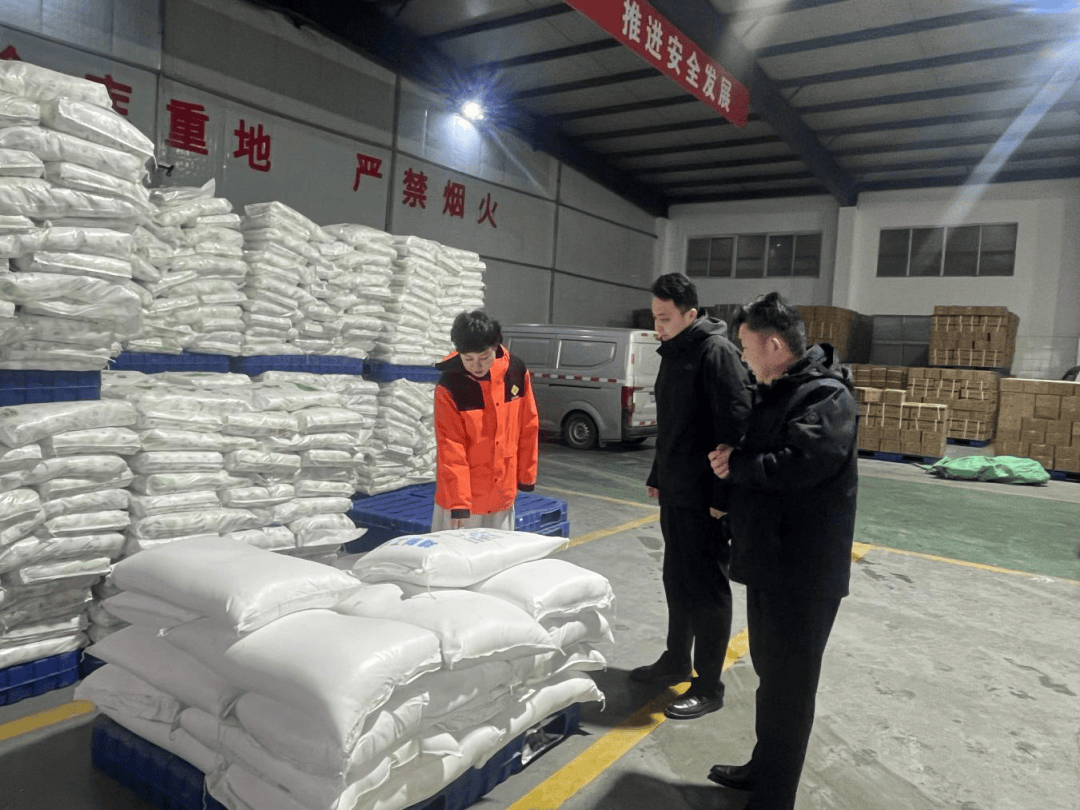
校对:董 超、孙慧敏 调研期间,翟晓亚一行直奔牡丹分公司仓储库区,实地察看融雪盐库存储量、堆放管理、防潮防护等情况,详细询问融雪盐采购渠道、质量检测标准及应 急储备预案落实情况及物资管护、人员值守、车辆调度等日常工作细节,对牡丹分公司提前部署、备足库存的工作举措给予肯定。据了解,牡丹分公司立 足冬季保供需求,在入冬前就启动融雪盐储备工作,目前库存各类融雪工业盐充足,可充分满足牡丹区及周边区域应急除雪需求。 审核:杨继鲁、董从国 来源:菏盐集团 近日,受强冷空气影响,菏泽地区迎来持续低温天气,冰雪天气防范应对工作进入关键阶段。为切实筑牢民生保障防线,确保辖区内道路通行安全与城市 正常运转,菏盐集团党委书记、董事长翟晓亚一行深入牡丹分公司,以"四不两直"方式实地调研融雪盐储备、调运、供应等保供工作情况。菏盐集团党委 委员、副总经理马善臣,副总经理辛馨及相关部室负责人陪同。 编辑:宋玉伦 翟晓亚对下一步融雪盐保供工作提出要求。一是提高政治站位,压实保供责任。要始终牢记"保供应、护民生、守畅通"的国企使命,把融雪盐保供作为当 前重点民生工作来抓,进一步细化工作方案,明确责任分工,确保各项保供举措落地见效,坚决守住冬季 ...
从保民生到促消费 2026年财政政策将“硬核”支持这些方面
Yang Shi Wang· 2026-01-20 15:51
Core Viewpoint - The Ministry of Finance emphasizes the implementation of proactive fiscal policies to ensure a strong start for the 14th Five-Year Plan and promote high-quality economic and social development [1] Group 1: Fiscal Policy and Economic Outlook - In 2025, fiscal revenue and expenditure are expected to achieve a balanced budget, with a focus on counter-cyclical adjustments [2] - The fiscal revenue is characterized by a "low at the beginning, high in the middle, and stable at the end," with tax revenue showing continuous year-on-year growth since April [4] - The fiscal deficit rate is set at around 4%, an increase of 1 percentage point from the previous year, with new government debt expected to reach 11.86 trillion yuan, an increase of 2.9 trillion yuan [4] Group 2: Social Welfare and Public Spending - Significant increases in social welfare spending are planned, with over 10 trillion yuan allocated to social security, employment, technology, education, and health sectors, accounting for over 40% of total public budget expenditure [4] - The government will provide 667.4 billion yuan in employment subsidies and extend social security benefits [4] - Healthcare subsidies will increase to 700 yuan per person per year for basic medical insurance and 99 yuan for public health services [4] Group 3: Consumer Stimulus Measures - The government aims to boost consumption by optimizing interest subsidy policies for personal consumption loans and service industry loans, with increased subsidy limits [6][7] - A new childcare subsidy system will be established, with 100 billion yuan allocated for subsidies to families with children under three years old [4] - The issuance of long-term special bonds totaling 1.3 trillion yuan is planned, with 300 billion yuan allocated for consumption upgrades, expected to drive sales of approximately 2.6 trillion yuan [4] Group 4: Future Fiscal Strategies - In 2026, the Ministry of Finance will continue to implement more proactive fiscal policies, focusing on increasing total fiscal expenditure and optimizing expenditure structure [10] - The government will support employment, enterprises, and market stability through various measures, including the replacement of hidden debt and the issuance of new special bonds [12] - The average interest cost of replaced debt is expected to decrease by over 2.5 percentage points, gradually reducing local government debt risks [12]
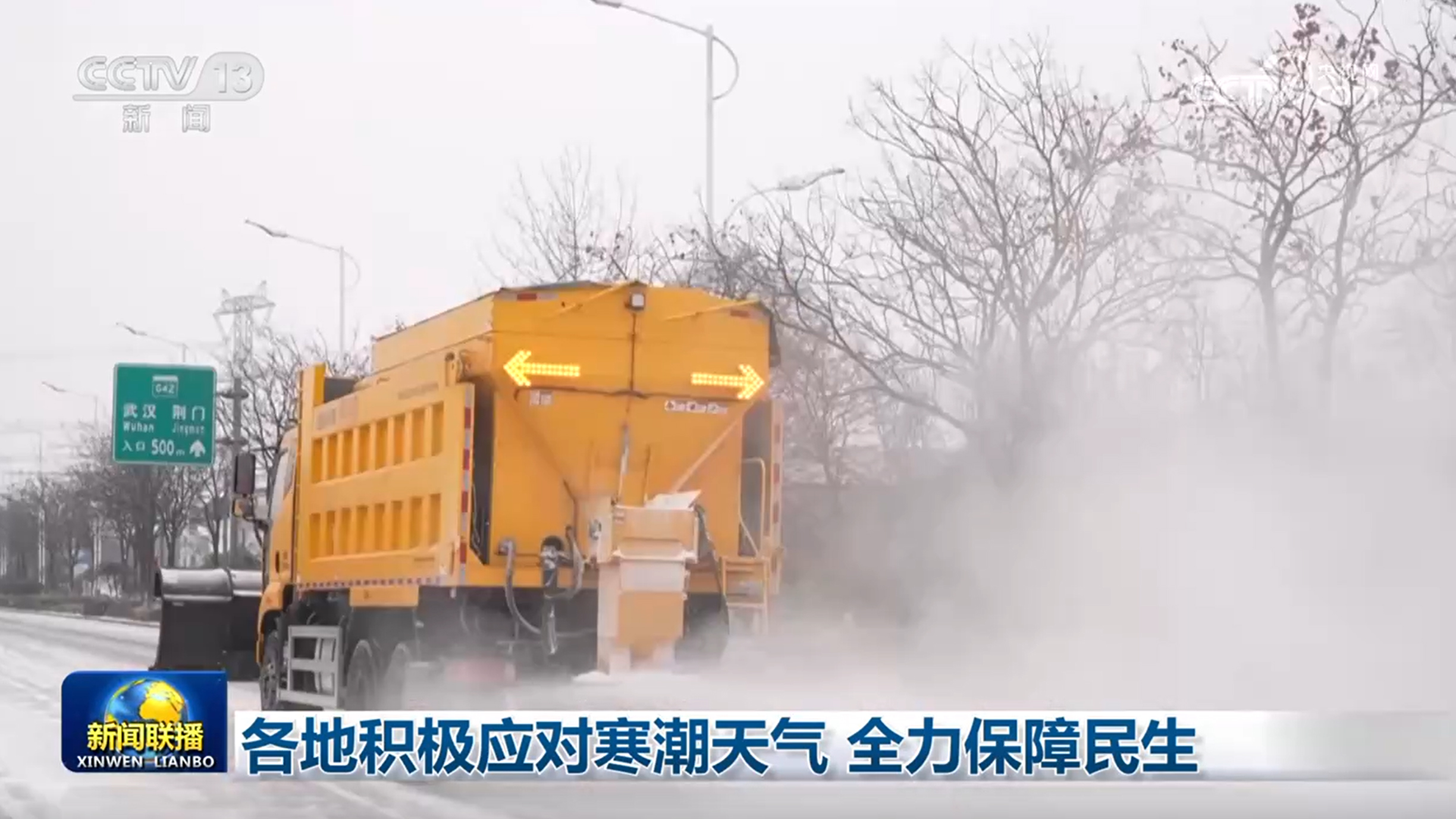
各地积极应对寒潮天气 全力保障民生
Yang Shi Wang· 2026-01-20 12:33
央视网消息(新闻联播):受寒潮影响,我国多地雨雪冰冻天气持续,相关地区积极做好保暖保供、应急抢险等工作,全力做好民生保障。 中央气象台预计,明天起,南方雨雪天气将进一步缩小减弱,但是湖南、贵州、广西等地部分地区有冻雨天气,仍需做好防范措施。 昨夜(1月19日)今晨,湖北、湖南、安徽、江苏、上海等地相继出现雨雪天气。目前,湖北公安交管等部门出动警力4万多人次,投入扫雪除冰作业人员超 1万人,机械2300多台,全力保障出行安全。江苏今天升级发布道路结冰橙色预警,全省多地在交通重点路段和场所连夜开展扫雪除冰工作。今天,湖南发 布低温雨雪冰冻黄色预警,从昨晚开始,G65包茂高速矮寨大桥道路出现覆冰,工作人员实行轮班值守,连续启用热风吹雪车作业,确保大桥正常通行。积 极应对持续低温天气,安徽已累计投入农技人员近57000人次,指导农户对超2300万亩农田做好防冻抗逆措施。内蒙古多地帮助牧民加固圈舍、调配饲料, 持续做好牛羊安全过冬工作。 寒潮导致多地出现今冬最低气温。辽宁供暖部门启动"一区一策"动态调节,全力保障居民温暖过冬。连日来,山东出现大范围雨雪天气。济南最低气温降 至-18℃。依托今年新投用的"聊热入济"项目, ...