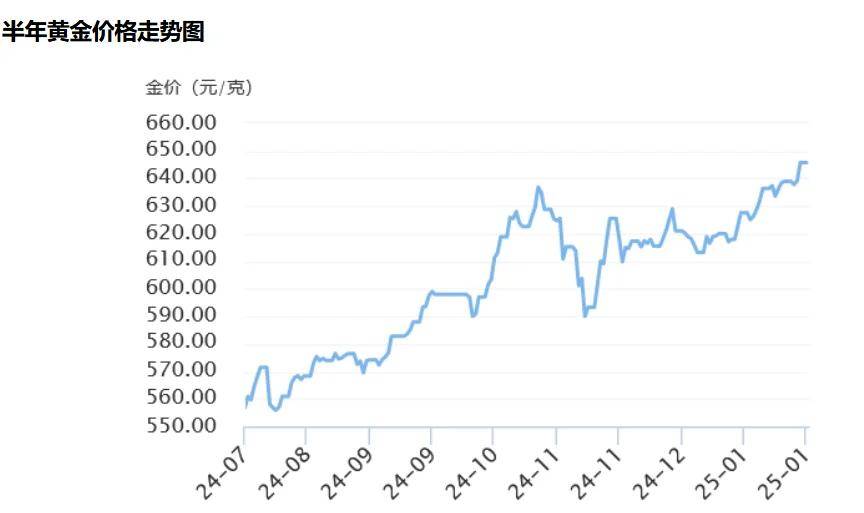
美元走强

Search documents
赵兴言:黄金又要重现跌幅趋势?欧盘或许还能再多一次!
Sou Hu Cai Jing· 2025-05-16 09:55
Group 1 - The core viewpoint is that gold prices have experienced a significant decline due to a stronger dollar and reduced trade war concerns, potentially leading to the largest weekly drop in six months [1] - The market sentiment regarding the de-escalation of the US-China trade war has resulted in substantial selling pressure on gold prices this week [1] Group 2 - The early morning drop in gold prices aligns with the anticipated strategy, with a focus on the key level of 3200, where the price fell to 3206 before rebounding to around 3230 [2] - There is an expectation for a second test of the 3200 level, which will be crucial in determining whether a reversal pattern occurs on Friday [2] - The analysis suggests that if the price breaks below 3200, it could indicate a washout of both long and short positions [2] Group 3 - A recommendation is made to consider buying near the 3194 level with a stop loss of 8 points and a target of around 3235, while aggressive traders may enter at 3200 directly [4] - The analysis emphasizes the importance of providing useful insights to investors and maintaining a consistent approach to market analysis [4]


现货黄金价格突遭跳水,日内跌幅达2.37%市场动态解析及影响分析
Sou Hu Cai Jing· 2025-05-13 08:52
Core Viewpoint - The significant drop in spot gold prices, with a daily decline of up to 2.37%, is attributed to multiple factors including a strong US dollar, improved US economic data, reduced geopolitical risks, and increased gold supply [1] Group 1: Reasons for the Drop in Spot Gold Prices - Strong US Dollar: The continuous strengthening of the US dollar index has pressured gold prices, as rising expectations for Federal Reserve interest rate hikes enhance the attractiveness of dollar-denominated assets [3] - Improved US Economic Data: Strong performance in US economic indicators, such as non-farm payrolls and manufacturing PMI, has boosted confidence in the US economic recovery, reducing the demand for gold as a safe-haven asset [4] - Easing Geopolitical Risks: A reduction in geopolitical risks in the Middle East, including issues related to Iran and Syria, has lowered the market's demand for gold as a hedge against uncertainty [5] - Increased Gold Supply: Higher production levels from major gold-producing countries like South Africa and Australia have led to an oversupply of gold, putting downward pressure on prices [6] Group 2: Impact of the Drop in Spot Gold Prices on the Market - Investor Sentiment Volatility: The drop in spot gold prices has shaken investor confidence in the gold market, potentially leading to capital outflows from this sector [7] - Adjustments in Monetary Policy Expectations: The decline in gold prices may lead to adjustments in market expectations regarding Federal Reserve interest rate hikes, possibly resulting in a slower pace of dollar rate increases [8] - Diminished Safe-Haven Sentiment: As gold prices fall, the market's safe-haven sentiment may decrease, impacting other safe-haven assets such as bonds and the Japanese yen [9] - Changes in Currency Market Liquidity: The drop in gold prices could tighten liquidity in the currency market, affecting the global financial landscape [10] Group 3: Future Outlook - Federal Reserve Rate Hike Expectations: Although recent adjustments have been made to the expectations of Federal Reserve rate hikes, long-term projections still indicate potential pressure on gold prices if the pace of rate increases accelerates [12] - Remaining Geopolitical Risks: Ongoing geopolitical risks in the Middle East could lead to a rebound in gold prices if significant events occur [13] - Gold Supply and Demand Dynamics: Continued increases in gold supply may keep prices under pressure, but a rebound in demand could lead to a stabilization or increase in gold prices [14] - Influence of Investor Sentiment: Investor sentiment plays a crucial role in gold price movements; a resurgence in market risk aversion could lead to a rebound in gold prices [15]
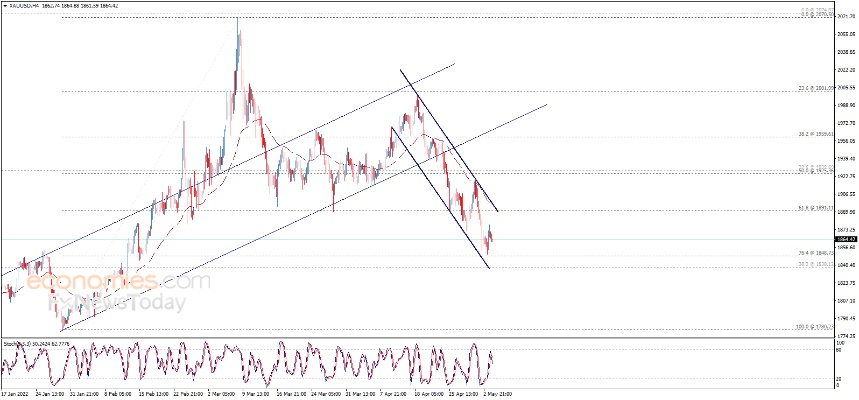
中美贸易谈判希望推动油价上涨
Sou Hu Cai Jing· 2025-05-08 13:04
Group 1 - Oil prices increased on May 8, supported by optimism surrounding upcoming trade negotiations between the U.S. and China, following a decline of over $1 the previous trading day [1] - Brent crude futures rose by $0.51, or 0.8%, to $61.63 per barrel, while U.S. West Texas Intermediate crude futures increased by $0.57, or 1%, to $58.64 per barrel [1] - The upcoming meeting between U.S. Treasury Secretary Scott Basset and Chinese economic officials is aimed at addressing trade tensions that could impact global oil consumption growth [1] Group 2 - The Federal Reserve's decision to maintain interest rates amid rising economic uncertainty has raised concerns about weak demand, limiting the extent of oil price increases [1] - A report from ING analysts indicated that the Fed's stance on interest rates has strengthened the dollar, which in turn has created additional resistance in the commodity markets [2] - Increased gasoline inventories in the U.S. have raised concerns among analysts about the potential for rising consumption as the summer demand period approaches [2] Group 3 - OPEC+ is set to increase oil production, which will add further pressure on oil prices [3]
美国财长贝森特:对于信心而言,那些推动美元走强的条件具有重要意义。
news flash· 2025-05-07 15:52
Core Insights - The U.S. Treasury Secretary emphasized the significance of conditions that strengthen the U.S. dollar for overall confidence in the economy [1] Group 1 - The conditions driving the strength of the U.S. dollar are crucial for maintaining economic confidence [1]
贸易紧张局势缓和、避险需求下降,金价走弱
news flash· 2025-05-01 09:39
Core Viewpoint - The article highlights a decline in gold prices due to easing trade tensions and a decrease in safe-haven demand, alongside a strengthening dollar impacting the attractiveness of gold as a safe asset [1] Group 1: Market Dynamics - Gold futures have plummeted as trade tensions ease and safe-haven demand diminishes [1] - A strong dollar has further dampened enthusiasm for gold as a safe asset, making dollar-denominated commodities more expensive for international buyers [1] Group 2: Economic Indicators - There is optimism in the market regarding a potential trade agreement in the U.S., leading to increased risk appetite [1] - Following the release of a series of weak economic data, expectations for interest rate cuts in the U.S. have risen, as the economy contracted by 0.3% in the first quarter [1] - Lower interest rates typically stimulate demand for non-yielding gold [1]
看懂黄金这波走势你的人生将走向巅峰
Sou Hu Cai Jing· 2025-04-28 10:49
Group 1 - The core viewpoint indicates that recent gold price movements are influenced by geopolitical factors, monetary policy, and market sentiment, with a short-term outlook leaning towards a bearish trend and potential technical corrections [1] Group 2 - Short-term trend analysis shows that gold prices have retreated from a historical high of $3500, with daily charts displaying a "shooting star" pattern and weekly declines exceeding 1%, suggesting short-term downward pressure [3] - A key support level is identified at $3260; if this level is breached, the bearish trend may strengthen, potentially leading to further declines to $3221 or even $3100 [3] Group 3 - Market sentiment has cooled due to easing tensions in US-China trade relations and signs of progress in the Russia-Ukraine conflict, which has reduced the demand for gold as a safe haven [4] - Profit-taking has increased as gold prices have fallen from their highs, contributing to short-term volatility [5] Group 4 - Mid-term risks include geopolitical uncertainties, with fluctuating statements from Trump regarding tariffs and the independence of the Federal Reserve, alongside escalating global trade risks, which could trigger renewed safe-haven demand [6] - The interplay between expectations of Federal Reserve interest rate cuts and a strengthening dollar may diminish gold's appeal to overseas buyers, thereby suppressing prices [7] - There is a risk of technical breakdown if the $3260 support level is lost, which could lead to significant selling pressure and increased correction magnitude [8] Group 5 - Short-term trading strategy suggests focusing on buying during pullbacks and selling during rebounds, with resistance levels at $3343-$3353 and support levels at $3300-$3290 [9] - For medium to long-term positioning, adjustments should be made based on geopolitical developments and Federal Reserve policy signals, with a recommendation to consider reducing positions for risk management if the $3260 level is breached [10]