
双碳目标

Search documents
聚焦“十五五”规划建议|瞄准“双碳”目标,全国碳市场建设稳步推进
Xin Hua Wang· 2025-11-24 11:07
Group 1 - The core viewpoint of the articles is the expansion of the national carbon emissions trading market to include more industries, specifically steel, cement, and aluminum smelting, which is aimed at promoting green and low-carbon transformation in these sectors [1][2] - The Ministry of Ecology and Environment has issued a plan for the total amount and allocation of carbon emission allowances for the steel, cement, and aluminum smelting industries for the years 2024 and 2025, marking an important step in the expansion of the carbon trading market [1] - Key emission units are required to complete the first allowance clearing by the end of this year, with the 2025 pre-allocated allowances to be issued in the first half of next year, and the 2025 allowance clearing to be completed by the end of next year [1] Group 2 - The expansion of the carbon emissions trading market is expected to drive more companies to reduce carbon emissions through technological innovation, energy-saving upgrades, and improved management efficiency, thereby fostering the development and investment in low-carbon, zero-carbon, and negative-carbon technologies [2] - The Ministry of Ecology and Environment has initiated preparatory work for expanding the trading market to include industries such as chemicals, petrochemicals, civil aviation, and papermaking, focusing on historical data governance and technical documentation [2] - The Ministry will adopt a principle of "mature one, include one" to gradually expand the coverage of the trading market to additional industries and greenhouse gas types, aiming for comprehensive coverage of major industrial emission sectors by 2027 [2]
派能科技配套扬州最大电网侧储能电站 实现“从芯到舱”安全闭环
起点锂电· 2025-11-24 10:34
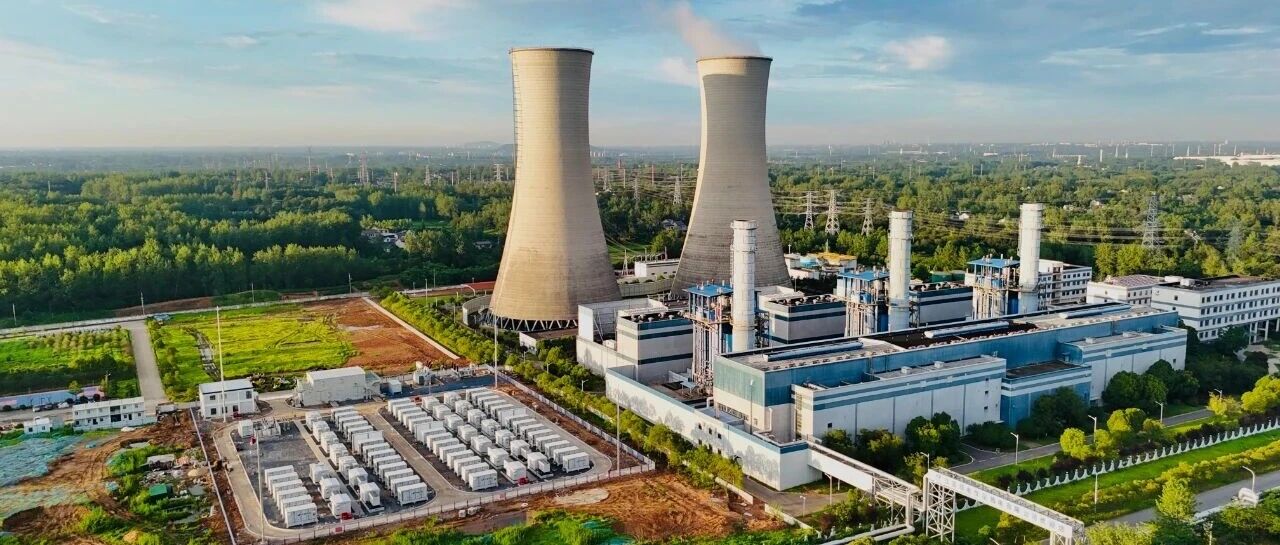
点击下方 观看电站投运纪实视频 今年 , 扬州地区规模最大的电网侧储能电站 ——江苏华电仪征120MW/240MWh风光集中配建储能项目正式投运。 该项目占地47.8亩, 构建了"储‑转‑升‑调"一体化的智能化能源枢纽,预计每年可消纳可再生能源电量超6800万千瓦时,减少二氧化碳排放约4万吨,显著提升区 域电网调节与应急保供能力。 作为扬州区域规模最大的电网侧储能电站,项目配置 24台5MW升压逆变一体机和48套5MWh储能电池预制舱,采用标准化单元设计,每台 一体机搭配两套电池系统构成10MWh储能单元,共部署24个单元,并配套建设220kV升压站,形成集约高效的能源调控平台。 在技术方案上,项目选用安全性高、循环寿命长的磷酸铁锂电池,并由派能科技作为核心储能系统供应商,为其提供 80MWh储能系统。该系 统以"从芯到舱"全链路安全设计为核心,通过智能BMS实现毫秒级电池状态监测,液冷热管理技术保障温度精准控制,并配备五重联动消防 保护机制,覆盖主动预警、快速响应与多级灭火全流程,形成严密的安全闭环。 该电站在夏季用电高峰可两小时内向电网输送 24万度电,直接缓解供电压力。 其毫秒级响应能力还能瞬时平衡电网 ...


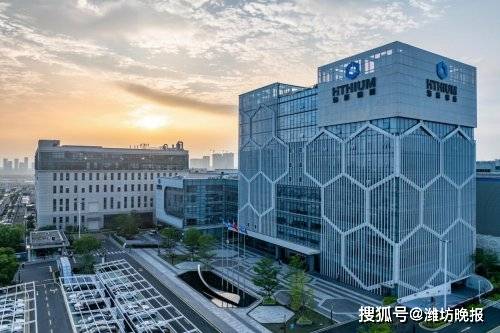
海辰储能:三年倍增,本土创新力量如何重塑全球储能格局?
Sou Hu Cai Jing· 2025-11-24 07:43
Core Insights - The energy storage industry is experiencing unprecedented growth opportunities driven by national "dual carbon" goals and the construction of a new power system, with strong policy support from the National Development and Reform Commission and the National Energy Administration [1][3] Group 1: Policy and Market Dynamics - China's new energy storage installed capacity has surpassed 100 million kilowatts by September 2025, representing over a 30-fold increase compared to the end of the 13th Five-Year Plan, accounting for more than 40% of the global total [3] - The independent energy storage market is gaining clarity in its profit models, with multiple revenue channels such as electricity market arbitrage, ancillary services, and capacity leasing [3] Group 2: Company Innovations and Market Position - Haicheng Energy Storage has demonstrated significant innovation and market expansion, ranking third globally in lithium-ion energy storage battery shipments in 2024, with a shipment volume of 35.1 GWh and a compound annual growth rate of 167% from 2022 to 2024 [4] - In the first half of 2025, Haicheng's energy storage battery shipments reached 30.0 GWh, marking a substantial year-on-year increase of 252.9% [4] Group 3: Infrastructure and Project Development - Haicheng Energy Storage is actively involved in major domestic energy infrastructure projects, including the construction of a 200MW/400MWh shared energy storage power station in Ningxia and supporting projects in the Tengger Desert photovoltaic base [5] Group 4: Technological Advancements - Haicheng Energy Storage is at the forefront of technological innovation, with its sodium-ion battery successfully passing authoritative evaluations, marking a significant achievement in the emerging technology sector [6][8] - The company's sodium-ion battery storage system has been recognized as a major technological equipment by the National Energy Administration, indicating its leadership in both lithium and sodium-ion battery technologies [8] Group 5: Industry Outlook - The Chinese energy storage industry is entering a phase of large-scale and market-oriented development, with innovative companies like Haicheng Energy Storage driving high-quality development of the industry chain and supporting the construction of a new power system centered on renewable energy [10]
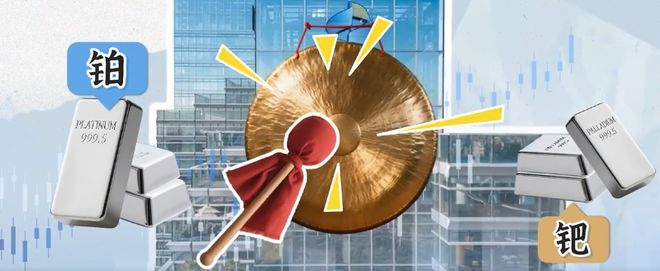
铂、钯将有“中国价格”
Zhong Guo Neng Yuan Wang· 2025-11-24 07:27
Core Viewpoint - The launch of platinum and palladium futures and options by the Guangzhou Futures Exchange (GFEX) starting November 27 and 28, 2025, respectively, aims to provide new opportunities for the clean energy transition and fill the gap in domestic derivatives for these precious metals [3][4]. Group 1: Market Context - Platinum and palladium are essential in various energy products, including hydrogen energy catalysts and automotive exhaust purification, but their high prices and volatility pose risks to industry players [3][4]. - China relies heavily on imports for platinum and palladium, with domestic production in 2024 projected at only 4.9 tons, while imports are expected to reach 91.1 tons, accounting for 70.9% of domestic supply [4][5]. Group 2: Price Volatility and Risk Management - The high dependency on imports exposes domestic energy companies to international price fluctuations and supply chain risks, with over 85% reliance on foreign sources [5]. - Historical data shows that the annual price volatility for platinum and palladium has exceeded 20% over the past five years, with significant fluctuations recorded [5][6]. Group 3: Benefits of Futures and Options - The introduction of platinum and palladium futures and options is expected to enhance risk management capabilities for domestic companies, allowing them to hedge against price volatility effectively [7][10]. - These financial instruments will help establish a "China price" for platinum and palladium, improving the domestic market's pricing power and reflecting local supply and demand more accurately [9][10]. Group 4: Future Demand and Industry Development - The demand for platinum and palladium is anticipated to grow significantly due to the ongoing push for carbon neutrality, with projections indicating that global hydrogen energy demand for platinum could exceed 100 tons by 2039 [12][13]. - The futures and options market will support the entire supply chain from import to production and application, fostering information sharing and collaboration across the industry [13].
新能源与储能产业:在“十五五”浪潮中重塑中国品牌的全球话语权
Sou Hu Cai Jing· 2025-11-24 03:43
Core Insights - The article emphasizes China's transition from following to leading in the renewable energy and energy storage sectors, positioning clean energy as a key component of national competitiveness and global branding [1][4][14] - The "Great Power Brand Leader Project" is highlighted as a strategic initiative that integrates national branding with the renewable energy industry, enhancing China's global image and fostering a sustainable brand ecosystem [2][10][14] Industry Development - China's renewable energy sector has evolved from a policy-driven growth model to a mature system driven by technology and brand, with significant advancements in solar, wind, and energy storage technologies [2][6][8] - The role of renewable energy is elevated in the "14th Five-Year Plan," focusing on achieving carbon neutrality and driving industrial upgrades, with an emphasis on becoming a rule-maker and brand exporter in the global market [4][12] Brand Strategy - The "Great Power Brand Leader Project" aims to create a national brand matrix, where trust in brands becomes a competitive advantage, particularly in the energy storage sector, which is now seen as a core component of the new power system [6][10][14] - The shift from a price-based to a value-based perception of Chinese brands is noted, with an increasing focus on reliability and long-term partnerships in the global market [8][12] Global Positioning - Chinese renewable energy companies are increasingly recognized not just as manufacturers but as providers of technology solutions and operational models, contributing to energy transitions in various regions [4][10][12] - The rise of China's renewable energy sector is reshaping the global energy landscape, with traditional energy-producing countries feeling the pressure as new energy nations emerge [10][14] Future Outlook - The article suggests that the competition in the renewable energy sector will increasingly revolve around brand leadership and sustainable development, with the "15th Five-Year Plan" marking a critical phase for brand elevation [12][14] - The narrative indicates that as the industry matures, the emphasis will shift towards ESG responsibilities and global collaborative values, enhancing the emotional and cultural dimensions of brands [12][14]

学习贯彻党的二十届四中全会精神丨“十五五”时期是承前启后、继往开来的重要时期
Ren Min Ri Bao· 2025-11-24 02:23
Core Viewpoint - The "15th Five-Year Plan" period is crucial for achieving basic socialist modernization, serving as a transitional phase that connects past achievements with future goals [1] Group 1: Economic and Social Development - Achieving economic and social development during the "15th Five-Year Plan" is significant for advancing Chinese-style modernization in a phased manner [3] - The plan emphasizes the importance of continuous efforts from the "14th Five-Year Plan" to the "16th Five-Year Plan" to ensure a solid foundation for modernization [3] - The current international environment presents both opportunities and challenges, necessitating a focus on self-reliance and strategic determination [4] Group 2: Adapting to Domestic Changes - The transition from a middle-income to a middle-developed country is a key phase, with economic transformation revealing new characteristics [5] - The domestic market's role is increasingly prominent, with a shift towards optimizing both incremental and stock resources [5] - The aging population and regional demographic shifts will significantly impact economic and social development [5] Group 3: Strengthening Foundations for Modernization - The "15th Five-Year Plan" is a critical period for consolidating and expanding advantages while addressing bottlenecks and weaknesses [6] - The plan aims to leverage China's economic resilience, large market, complete industrial system, and rich talent resources to enhance development [7] - Addressing key bottlenecks in technology, industry, and financial risks is essential for high-quality development [8] Group 4: Ensuring Progress in Modernization - By 2035, achieving a per capita GDP at the level of middle-developed countries is a key indicator of modernization [10] - The focus will be on enhancing quality and efficiency while maintaining reasonable economic growth [10] - The development of a modern industrial system and fostering innovation are critical for achieving strategic goals [11] Group 5: Green Transformation and Sustainability - Green development is a defining characteristic of Chinese-style modernization, with a commitment to peak carbon emissions by 2030 and a reduction of greenhouse gases by 7%-10% by 2035 [13] - The plan aims to integrate carbon reduction with economic growth, promoting a low-carbon circular economy [13] Group 6: Enhancing National Strength - The "15th Five-Year Plan" emphasizes the need to strengthen both hard and soft power, enhancing China's global influence [14] - The plan includes initiatives for international cooperation and participation in global governance [14] Group 7: Development and Security - The integration of development and security is essential, with a focus on ensuring safety in key areas while promoting high-quality development [15] - Strengthening national security capabilities and improving public safety governance are priorities [15]
【行业深度】一文洞察2026年中国数字能源行业发展前景及投资趋势研究报告
Sou Hu Cai Jing· 2025-11-24 02:13
Core Insights - The Chinese digital energy industry is experiencing rapid expansion and technological deepening, with a projected market size of approximately 93.4 billion yuan in 2024, representing a year-on-year growth of 13.21% [2] - The integration of digital technologies such as AI, IoT, and blockchain is enhancing the efficiency of the entire energy production, transmission, and consumption chain, supporting the achievement of carbon neutrality goals [2][3] - Future developments in digital energy will focus on smarter, greener, and more integrated solutions, contributing to energy security and the global energy transition [2] Industry Overview - Digital energy is a product of the deep integration of digital technologies like IoT, big data, and AI with the energy sector, aiming to enhance energy efficiency and reduce carbon emissions, thereby supporting the dual carbon goals of peak carbon emissions by 2030 and carbon neutrality by 2060 [3] Relevant Policies - The Chinese digital energy sector is accelerating its development under national and local policy support, with significant technological innovations and emerging business models [5] - By 2027, the integration of energy and AI is expected to be established, with significant breakthroughs in core technologies and broader applications anticipated by 2030 [5][7] Industry Value Chain - The upstream of the digital energy industry includes traditional and renewable energy resources, as well as equipment like solar panels, wind turbines, and energy storage batteries [8] - The midstream focuses on the integration of digital energy technologies and platforms, while the downstream encompasses smart generation, smart grids, and intelligent energy management [8] Digital Energy Upgrade Areas - The digital energy upgrade revolves around six key areas: smart generation, smart grids, smart energy markets, smart storage, smart management, and smart consumption, all aimed at facilitating a low-carbon transformation of the energy sector [10]
打通新能源汽车下乡的“最后一公里”
Zhong Guo Huan Jing Bao· 2025-11-24 01:39
Group 1 - The core viewpoint emphasizes the importance of addressing the "last mile" issue in promoting the adoption of electric vehicles (EVs) in rural areas, which is crucial for boosting consumption and facilitating a green low-carbon transition [1] - The article highlights the need for collaboration among government, enterprises, and consumers to unlock rural consumption potential, indicating that this is a challenging task [1] Group 2 - It is essential to enhance public charging infrastructure by utilizing big data and AI for optimal site selection, improving the precision of charging facility deployment in rural areas [1] - The article suggests exploring diversified charging station operation models, such as integrated solar and storage charging stations and shared charging models to increase utilization rates [1] Group 3 - The article discusses the need for administrative guidance to strengthen the sales and service network for EVs in rural areas, encouraging local governments to attract large enterprises to build service networks [2] - It advocates for innovative maintenance and operational strategies tailored to rural markets, including local employment models and partnerships with local repair stations [2] Group 4 - To enhance supply capabilities, the article calls for a broader range of EV models suitable for rural use, emphasizing the need for vehicles that can handle agricultural tasks and rural road conditions [2] - It proposes the introduction of county-level charging subsidies and a structured approach to support the rural EV market [2] Group 5 - The article stresses the importance of increasing awareness and consumer confidence in EVs through enhanced marketing efforts and the development of a comprehensive recycling system for used batteries [3] - It highlights the need for policies to regulate the second-hand EV market, including performance testing standards and valuation systems to facilitate transactions [3]
2025年中国水基型胶粘剂行业销售情况、市场结构、价格走势及未来趋势研判:水基型胶粘剂表现出良好发展势头,聚丙烯酸酯乳液为市场主导产品[图]
Chan Ye Xin Xi Wang· 2025-11-24 00:57
内容概要:由于胶粘剂所存在的物理形态不同,可以把胶粘剂简单地分成溶剂型、热熔型和水基型等三 大类型,其中水基型胶粘剂是以水作为分散介质的胶粘剂,是环保胶粘剂的一大类,又简称为水基胶。 水基型胶粘剂无挥发性有机溶剂释放,契合环保理念;其原料及生产工艺相对简单,成本较低;水的不 可燃性使其在贮存、运输和使用中安全性较高。随着消费市场对环保及安全性要求的提升,下游行业对 安全、环保、无毒的需求性也在不断增强。水基胶粘剂因其环保性能和优异的粘接性能而备受青睐,已 成为我国主流胶粘剂种类。尤其是在当前环保政策日趋严格的背景下,水基胶粘剂替代溶剂型胶粘剂已 成为行业发展趋势。2024年我国水基型胶粘剂销售量为323.8万吨,同比小幅增长0.1%,在国内胶粘剂 市场中的份额为37.5%。近年来,我国水基型胶粘剂销售额实现稳步扩张,2020-2024年期间销售额年复 合增长率为3.1%,2024年我国水基型胶粘剂销售额增长至248.2亿元,同比增长0.5%,增幅稍高于销售 量增幅。随着下游需求不断升级,市场消费向着高端化转型,带动水基型胶粘剂售价整体呈上升态势, 2020-2024年期间,中国水基型胶粘剂价格维持在0.7万元 ...

韩文秀发表署名文章
财联社· 2025-11-24 00:09
Core Viewpoint - The article emphasizes the significant role of the "14th Five-Year Plan" period in the historical process of achieving socialist modernization in China, highlighting the need for a combination of goal-oriented and problem-oriented approaches to ensure steady progress in economic and social development [3][4]. Group 1: Importance of the "14th Five-Year Plan" Period - The "14th Five-Year Plan" period is crucial for advancing China's modernization, requiring a strategic focus on consolidating advantages, breaking bottlenecks, and addressing weaknesses [5][8]. - The period is characterized by a need to adapt to profound changes in domestic development conditions, including a shift towards a more balanced and sustainable economic model [6][7]. Group 2: Economic and Social Development Strategies - The article outlines the importance of formulating and implementing five-year plans as a key political advantage for the governance of the country, aiming for significant progress towards modernization by 2035 [5]. - It stresses the need to enhance the quality and efficiency of economic growth while maintaining reasonable growth rates, with a target of achieving per capita GDP at the level of moderately developed countries by 2035 [11]. Group 3: Addressing Challenges and Opportunities - The article discusses the dual challenges of strategic opportunities and risks in the current global landscape, emphasizing the need for resilience and proactive measures to strengthen domestic capabilities [6][9]. - It highlights the necessity of overcoming bottlenecks in high-quality development, particularly in technology and industry, to ensure sustainable progress [9][10]. Group 4: Enhancing National Strength - The article calls for a comprehensive enhancement of both hard and soft national power, focusing on economic, technological, and cultural strengths to improve China's global influence [16]. - It emphasizes the importance of ensuring security in development, advocating for a unified approach to development and safety to foster a stable and prosperous society [17].
