大模型

Search documents
【国盛计算机】算力&存力依旧
Xin Lang Cai Jing· 2025-12-21 02:42
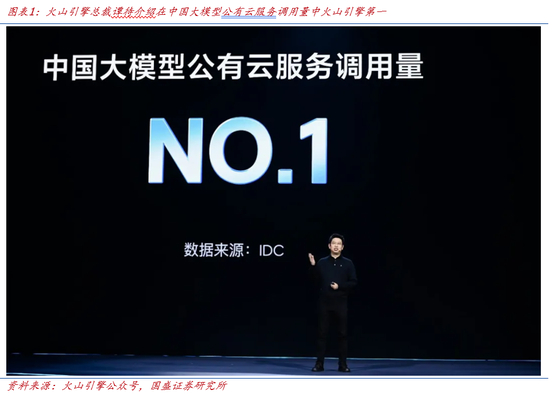
Group 1 - ByteDance's Doubao model has surpassed 50 trillion daily tokens usage, ranking first in China and third globally, with over 100 companies using more than 1 trillion tokens on the platform [1][24][30] - Tencent has announced a restructuring of its AI model development architecture, establishing new departments to enhance its AI capabilities, with former OpenAI researcher Yao Shunyu appointed as Chief AI Scientist [1][9][32] - The competition among major internet companies in the AI model sector is intensifying, indicating a sustained demand for computing power [1][10][30] Group 2 - Google's Gemini 3 Pro has made significant advancements in multimodal understanding and planning capabilities, excelling in tasks involving text, images, and other data types [2][25] - OpenAI's GPT-5.2 focuses on professional knowledge work, showing improved performance in complex document handling and data analysis, with a new evaluation system introduced to measure economic value [2][11][12] - The DeepSeek V3.2 series has achieved notable improvements through innovations like sparse attention mechanisms and extensive post-training, although it acknowledges limitations in pre-training [2][12][14] Group 3 - Micron Technology reported better-than-expected earnings, with all HBM production capacity sold out for 2026, and anticipates the HBM market to reach $100 billion by 2028 [3][15][26] - The demand for AI-driven storage solutions is surging, leading to a structural shift in production priorities, with data centers consuming significant memory resources [3][16][26] - The launch of ByteDance's Doubao mobile assistant marks a significant breakthrough in AI application, transitioning towards an agent-based interaction model [4][17][27]




1 天净赚 9.6 亿!字节火速给全员涨薪
程序员的那些事· 2025-12-21 02:23
Core Viewpoint - ByteDance has reported significant financial growth, with a projected profit of $50 billion for the year, leading to a company-wide salary increase and a restructuring of its job level system to attract and retain talent in a competitive AI landscape [5][7][15]. Financial Performance - ByteDance's profit for the first three quarters has exceeded $40 billion, with an average daily profit of approximately $9.64 million [5]. - The company's revenue is expected to reach $186 billion this year, marking a 20% increase from the previous year, resulting in a net profit margin of 26.9% [7]. - The company's valuation has risen, with reports indicating a valuation of $330 billion in September, later increasing to $480 billion following stock buybacks and investment interest [8]. Salary Increase and Job Level Restructuring - ByteDance announced a salary increase of 1.5 times the previous cycle's adjustment, with a focus on increasing cash compensation and modifying the distribution of stock options [10][20]. - The new compensation structure will see a higher cash component and a reduction in the proportion of stock options, with performance incentives also increasing by 35% [10][20]. - The job level system will transition from a 10-tier structure to a new L1-L10 system, effective January 2026, allowing for greater salary flexibility and potential for salary increases [12][23]. Strategic Rationale - The company aims to enhance its talent acquisition and retention strategies in response to emerging opportunities and challenges in the AI sector, indicating a shift in focus from top-tier talent to a broader employee base [15][16]. - The restructuring of salary and job levels is designed to provide employees with more significant salary growth potential and to ensure competitive compensation across various markets [19][23].
排“第二”的智谱AI,含金量多高?
Tai Mei Ti A P P· 2025-12-21 02:15
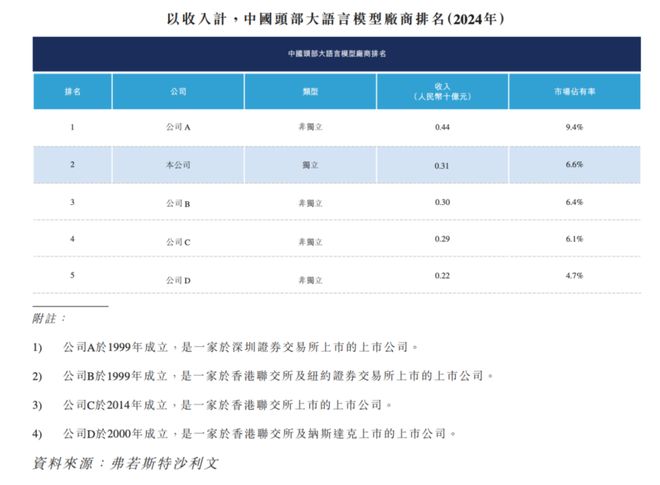
Core Viewpoint - The article discusses the recent IPO filing of Zhipu AI, often referred to as "China's version of OpenAI," highlighting its position in the competitive landscape of large model companies in China and its financial performance amid rapid growth and significant losses [1][31]. Company Overview - Zhipu AI, founded six years ago, has gained attention for its strong backing from major investors like Meituan, Alibaba, Tencent, and Xiaomi, and boasts a valuation exceeding 24 billion yuan [1]. - The company ranks second among Chinese large model manufacturers with projected revenues of 310 million yuan and a market share of 6.6% for 2024, trailing only iFlytek [2][26]. - Zhipu AI's founding team primarily comes from Tsinghua University's Knowledge Engineering Group (KEG), which has a long history in natural language processing and knowledge graph research [7]. Technological Development - Zhipu AI has been proactive in developing its technology, launching the GLM framework in 2021 and releasing the GLM-130B model in 2022, which was among the first of its kind in China [9]. - The company has introduced several models, including ChatGLM and the GLM-4 series, which competes directly with GPT-4, showcasing its ability to keep pace with industry advancements [10]. Business Model - Zhipu AI operates a "Model as a Service" (MaaS) platform, offering a variety of models for different applications, allowing clients to access capabilities via API on a pay-per-use basis [11]. - As of September 2024, the MaaS platform has attracted over 2.7 million developers and serves approximately 12,000 enterprise clients [12]. Financial Performance - The company has shown significant revenue growth, with a fivefold increase from 57 million yuan in 2022 to 312 million yuan in 2024, indicating accelerating commercialization [17]. - However, Zhipu AI faces substantial financial pressures, with an adjusted net loss of 2.47 billion yuan projected for 2024 and ongoing high R&D expenditures [6][21]. - The revenue structure indicates that 85% of its income comes from localized deployments, which are high-margin but have long project cycles, while 15% comes from the MaaS platform, which is lower-margin but scalable [17][18]. Market Position - According to various reports, Zhipu AI's ranking can vary significantly based on the metrics used. It ranks second in the narrow category of large model development platforms but falls to fourth when considering broader market metrics [26][28]. - The competitive landscape includes major internet giants like Alibaba and Baidu, which have more diversified revenue streams, making direct comparisons challenging [14][27]. Conclusion - Zhipu AI's IPO filing reveals a company with strong technological capabilities and a viable business model, yet it is grappling with high losses and cash flow pressures in a fiercely competitive market [31].
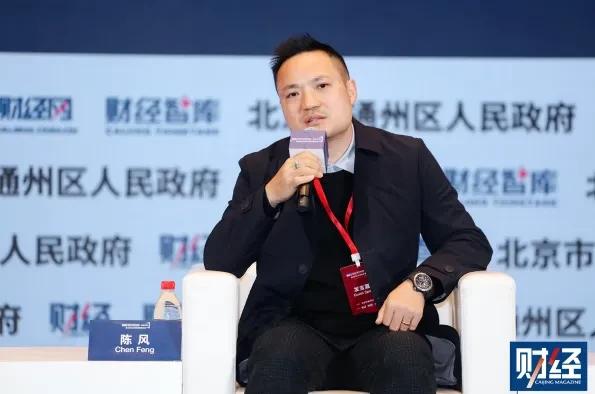
阿里云智能新金融行业副总经理陈风:大模型重构生产关系,四层架构破解财富管理数智化转型难题
Xin Lang Cai Jing· 2025-12-21 02:12
由北京市通州区人民政府指导,《财经》杂志、财经网、《财经智库》主办的"《财经》年会2026:预 测与战略·年度对话暨2025全球财富管理论坛"于12月18日至20日在北京举行,主题为"变局中的中国定 力"。 阿里云智能新金融行业副总经理、资深研发总监 陈风 陈风围绕"数智转型赋能财富管理新生态"主题,分享了对大模型技术驱动财富管理变革的核心观点。他 从大模型技术发展的阶段和进展角度,清晰地阐述了三个核心判断。 第一,大模型并非单纯工具,而是一种新型生产关系,其影响体现在三个核心层面:其一,大模型将重 构人机协同的整体模式;其二,它不仅带来技术变革,更催生了"碳硅共生"的新型组织形式,未来将由 人类负责判断决策,AI承担执行工作;其三,大模型时代下CIO的职责将从传统的运维保障,全面升级 为智能架构师。他强调,当下我们正经历一场堪比工业革命的范式转移。 接受度呈现"冰火两重天";三,基础设施中数据与接口未标准化导致打通困难;四,高成本投入与ROI 验证的决策压力。 第二,当前金融AI已迈入生产场景应用阶段,这一转变体现在两个方面:一方面,过去十年金融科技 的重心集中在平台搭建与系统建设上,多数金融机构坐拥成百上 ...
AI周报|智谱、Minimax相继通过港交所上市聆讯;OpenAI发布图像模型挑战谷歌
Di Yi Cai Jing· 2025-12-21 02:01
Group 1: Company Listings and Market Developments - Beijing Zhipu Huazhang Technology Co., Ltd. (Zhipu) and Shanghai Xiyu Jizhi Technology Co., Ltd. (MiniMax) have both passed the Hong Kong Stock Exchange listing hearing, with Zhipu aiming to become the "first global foundational model stock" and MiniMax the "first global multimodal model stock" [1] - Zhipu has completed over 15 rounds of financing since its establishment in 2019, with a latest valuation of 40 billion RMB [1] - MiniMax has raised nearly 300 million USD in its latest C round financing, achieving a post-investment valuation of over 4 billion USD (approximately 300 billion RMB) [1] - Wallen Technology has also passed the Hong Kong Stock Exchange hearing, potentially becoming the third listed GPU manufacturer in China's AI chip sector [2] - Wallen's projected revenues from 2022 to 2024 are 499,000 RMB, 62.03 million RMB, and 337 million RMB, with cumulative losses of 4.75 billion RMB over three years [2] Group 2: Performance and Competition in AI Sector - Nuxi's stock surged by 567.88% on its first trading day, with the highest profit for investors reaching nearly 400,000 RMB, setting a record for A-share IPOs in the past decade [3] - Nuxi is a key player in developing high-performance general-purpose GPU products, with cumulative sales exceeding 25,000 units, but it has yet to achieve profitability [3] - OpenAI plans to raise up to 100 billion USD to support its growth, potentially reaching a valuation of 830 billion USD [4] - OpenAI's valuation has increased significantly, from 300 billion USD last year to 500 billion USD following a recent share transfer transaction [4] - Manus, an AI agent application, has surpassed 100 million USD in annual recurring revenue (ARR) within nine months of commercialization, showcasing rapid growth in the AI sector [5][6] Group 3: Technological Advancements and Product Launches - Google has launched the Gemini 3 Flash model, which is noted for its speed and cost-effectiveness, outperforming its previous flagship model while being more affordable [7] - OpenAI has introduced the GPT-Image-1.5 model, which competes with Google's offerings, demonstrating improved instruction adherence and image editing capabilities [8] - SenseTime announced a placement of 3.15 billion HKD to enhance its AI infrastructure and support research and development [9] - The company aims to expand its AI cloud and increase the localization ratio of its AI infrastructure [9] Group 4: Talent Acquisition and Market Trends - Tencent has appointed former OpenAI researcher Yao Shunyu as Chief AI Scientist, indicating a trend of major tech firms in China hiring top talent in AI [10][11] - Lovable, a Swedish AI programming startup, has raised 330 million USD in its B round financing, tripling its valuation to 6.6 billion USD within five months [12]
库克提拔复旦校友掌舵苹果基础模型!庞若鸣走后涨薪止血,谷歌旧部占据半壁江山
量子位· 2025-12-21 02:00
Core Viewpoint - The transition of leadership in Apple's AI model team following the departure of Ruoming Pang to Meta has been swift and relatively quiet, with Zhifeng Chen taking over the reins [1][2]. Group 1: Leadership Transition - Zhifeng Chen, who previously worked at Google for nearly 20 years, has stepped into the role of leading Apple's foundational model team, managing over 20 subordinates [8][14]. - Chen's familiarity with Apple's model system, having joined earlier this year, and his extensive experience at Google, including contributions to TensorFlow and Gemini, make him a suitable candidate for this position [16][17]. Group 2: Team Dynamics and Challenges - Following Pang's departure, Apple initiated a retention plan for key researchers, including salary increases, to stabilize the team [4]. - Despite these efforts, the foundational model team at Apple is facing challenges, with over half of its direct reports coming from Google, indicating potential issues with team cohesion and internal identity [24][26]. Group 3: Industry Context and Competition - The current AI landscape sees companies like Meta, OpenAI, and Google focusing on pursuing superintelligence, while Apple's approach remains product-oriented, emphasizing practical applications of AI in everyday tasks [35][36]. - This divergence in focus may lead to talent retention issues, as some researchers prioritize groundbreaking exploration over product implementation [38][39]. Group 4: Organizational Changes - In March, Apple restructured its AI reporting lines, removing the Siri team from the oversight of John Giannandrea, a significant figure in AI at Apple, signaling internal dissatisfaction with AI progress [43][44]. - Giannandrea's upcoming transition to a consulting role and the subsequent division of his responsibilities among other executives suggest a shift back to integrating AI within specific product teams rather than maintaining it as a standalone department [50][56]. Group 5: Competitive Threats - OpenAI is reportedly targeting talent from Apple's hardware and supply chain sectors, indicating a shift in competitive dynamics as companies traditionally focused on software begin to encroach on hardware domains [58][60]. - This trend poses a significant challenge for Apple, which has historically relied on its control over hardware and design to maintain its competitive edge [61][62].


清华孙茂松:对工业界而言,大厂可以Scaling,其他玩家重在垂直应用 | MEET2026
量子位· 2025-12-21 02:00
Core Insights - The rapid development of AI and large models has created a competitive landscape where companies are driven by fear of missing out (FOMO) and are compelled to invest heavily in scaling their models and capabilities [2][6][40] - The emergence of capabilities in large models is characterized by non-linear changes, leading to significant uncertainty but also the potential for breakthroughs that can surpass expectations [3][19][15] - The relationship between language, knowledge, and action remains a fundamental challenge for AI, with the goal of achieving a true integration of these elements [15][38][37] Group 1: Development of AI and Large Models - The AI field has evolved significantly over the past eight years, transitioning into the era of pre-trained models and large models since around 2017 [11][10] - Key milestones in this development include the release of models like GPT-3 and ChatGPT, which have demonstrated remarkable capabilities in various tasks [16][24] - The ability of large models to perform well on complex tasks has increased dramatically, with benchmarks being surpassed in text, code, and multi-modal models [20][26][25] Group 2: Challenges and Risks - The costs associated with scaling AI models are becoming increasingly high, raising concerns about the sustainability of such investments [42][43] - There is a significant risk that the pursuit of scaling could lead to diminishing returns, especially if performance begins to plateau [40][41] - The uncertainty surrounding the limits of Scaling Laws poses a challenge for companies, as they must balance the need to invest in AI with the potential for wasted resources [7][68] Group 3: Strategic Recommendations - Companies with substantial resources may continue to pursue large-scale developments, while the majority should focus on niche applications to minimize risks and maximize potential [60][74] - The strategy of "致广大而尽精微" (to strive for greatness while paying attention to details) is recommended, emphasizing the importance of vertical applications in AI [63][69] - There is potential for new AI algorithms to emerge from specific vertical applications, suggesting that focusing on detailed, specialized work can also lead to broader advancements [71][74]

冲刺“全球大模型第一股”!智谱叩开港股大门,大模型“淘金热”进入资本成色检验时刻
Hua Xia Shi Bao· 2025-12-21 00:47
Core Viewpoint - The large model sector is transitioning from explosive growth to a critical phase, with the value of "water sellers" being tested as Zhiyu prepares for its IPO, potentially becoming the first global large model stock [1][2]. Group 1: Company Overview - Zhiyu is positioned to be the first large model company to go public in Hong Kong, having initiated its listing process over six months ago [1]. - The company has achieved rapid revenue growth, with projected revenues of 57.4 million yuan in 2022, 124.5 million yuan in 2023, and 312.4 million yuan in 2024, reflecting a compound annual growth rate of 130% [2]. - As of 2024, Zhiyu holds a 6.6% market share among independent large model developers in China, ranking second overall [2]. Group 2: Financial Performance - Zhiyu has reported significant losses, with figures of 143.7 million yuan in 2022, 788 million yuan in 2023, and projected losses of 2.958 billion yuan in 2024 [3]. - The company's gross margins have fluctuated, with rates of 54.6% in 2022, 64.6% in 2023, and 56.3% in 2024, indicating challenges in profitability [3]. - Research and development expenditures have been substantial, amounting to 84.4 million yuan in 2022, 528.9 million yuan in 2023, and projected at 2.195 billion yuan in 2024 [3]. Group 3: Business Model and Strategy - Zhiyu has adopted a dual business model, combining a scalable MaaS (Model as a Service) approach with high-margin enterprise services tailored for the Chinese market [5][6]. - The company has established a robust MaaS platform with over 2.7 million developers and enterprise users, making it one of the most active large model API platforms in China [5]. - Zhiyu's international model business has generated over 100 million yuan in annual recurring revenue, with rapid growth in developer engagement [6]. Group 4: Market Position and Future Outlook - The company has a strong presence in the B2B market, particularly among large enterprises, which has helped validate its business model and support its IPO ambitions [7]. - Analysts predict that if Zhiyu successfully lists as the "first global large model stock," it will attract significant attention and investment, especially given the lack of pure AI stocks in the Hong Kong market [7]. - Long-term success will depend on sustained growth in MaaS revenue and a reduction in losses, with a clear path to profitability being crucial for its status as a quality tech stock [7].
雷军“网红营销”再升级:56岁生日发红包、95后AI少女站台,小米AI布局胜算几何?
Sou Hu Cai Jing· 2025-12-20 17:14
Core Viewpoint - Xiaomi is leveraging the presence of AI talent, specifically the young AI expert Luo Fuli, to enhance the visibility of its newly launched AI model, Xiaomi MiMo-V2-Flash, despite skepticism regarding the actual contributions of Luo to the model's development [5][10][18] Group 1: Xiaomi's AI Model Launch - Xiaomi officially launched its self-developed AI model, Xiaomi MiMo-V2-Flash, which is claimed to perform comparably to DeepSeek-V3.2 [3][9] - The initial version of the MiMo model was open-sourced on April 30 but did not gain significant attention [9] - The MiMo-V2-Flash model reportedly reduces input costs to 0.7 yuan per million tokens, which is half of DeepSeek-V3.2's cost [42] Group 2: Talent Acquisition and Marketing Strategy - Luo Fuli, referred to as a "genius" in AI, was reportedly recruited with a salary of tens of millions, highlighting Xiaomi's strategy to attract top talent [3][5] - The marketing strategy appears to prioritize generating buzz around Luo's presence rather than focusing solely on the technical merits of the AI model [8][10] - Xiaomi's approach to marketing, reminiscent of past strategies, aims to create a strong public image of valuing technology and talent [11][13] Group 3: Challenges and Market Position - Despite the talent acquisition, Xiaomi is still considered a newcomer in the AI model space, facing competition from established players like Alibaba and Baidu [7][21] - The complexity and resource-intensive nature of AI model development necessitate more than just talent; significant computational resources and data are also critical [7][18] - Xiaomi's ongoing efforts in AI and other high-tech fields, such as electric vehicles and chip development, reflect its ambition to remain competitive in cutting-edge technology [21][29][32] Group 4: Future Considerations - Xiaomi's future success in the AI domain may depend on its ability to balance marketing with genuine technological advancements [40][44] - The company needs to shift public perception from being seen as a marketing-driven entity to one that is recognized for its technological capabilities [40][41] - Historical examples suggest that Xiaomi has the potential to achieve breakthroughs in new fields, but the outcome in the AI sector remains uncertain [51]


“全球大模型第一股”要来了
华尔街见闻· 2025-12-20 15:09
Core Viewpoint - The article discusses the public offering of Beijing Zhipu Huazhang Technology Co., Ltd. (referred to as "Zhipu") and its potential to become the "first global large model stock" ahead of its competitor MiniMax, which has yet to release its prospectus [2][22]. Financial Performance - Zhipu's revenue projections for 2022 to 2024 are 57.4 million, 125 million, and 312 million respectively [6]. - The primary revenue source is from providing private AI models, expected to generate 264 million in 2024, accounting for over 80% of total revenue [8]. - The company is currently operating at a loss, with losses of 144 million, 788 million, and 2.958 billion from 2022 to 2024, totaling 3.89 billion [15]. Business Model - Zhipu's business model includes two main deployment types: local and cloud-based services [7]. - Local deployment is characterized as a "one-time project," with high pricing based on model type, scale, and implementation costs [9][10]. - The top five clients contributed 1.42 billion in revenue in 2024, representing 45.5% of total revenue [11]. - Cloud deployment is based on token consumption and subscription duration, but currently accounts for less than 20% of revenue [12]. Technological Advancements - Zhipu has made significant advancements in technology, with its GLM series models undergoing upgrades every 3 to 6 months, leading the industry in iteration efficiency [17]. - The GLM model has achieved top performance in code generation, ranking alongside leading models from Anthropic and OpenAI [18]. - The company has gained recognition in the international academic and industrial sectors, with its ChatGLM model highlighted as a prominent representative of Chinese foundational models [19]. Client Base and Funding - As of September 30, 2025, Zhipu's GLM model serves 12,000 enterprise clients, over 80 million end-user devices, and more than 45 million developers, making it the largest independent general-purpose large model provider in China [20]. - Since its inception, Zhipu has completed eight rounds of financing, raising over 8.3 billion RMB, with investments from top-tier capital and notable industry players [21].